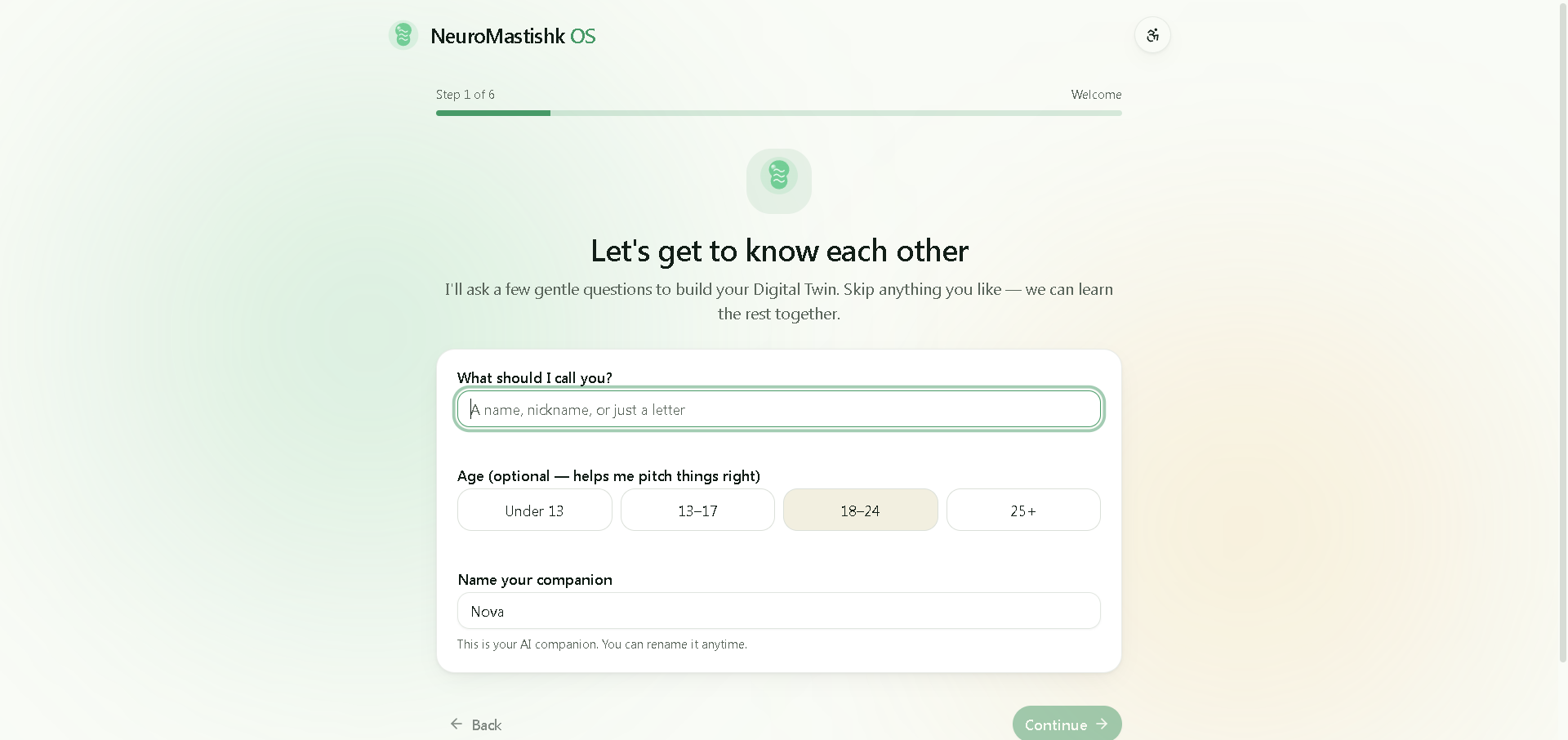
Inspiration Most educational technology is built for a very narrow definition of "normal." For neurodivergent students—those with ADHD, autism, dyslexia, or sensory processing differences—opening a standard EdTech app often means bracing for cognitive overload. Ticking countdown timers, harsh red "failing" marks, cluttered text walls, and rigid, one-size-fits-all curricula turn learning into a high-anxiety chore.
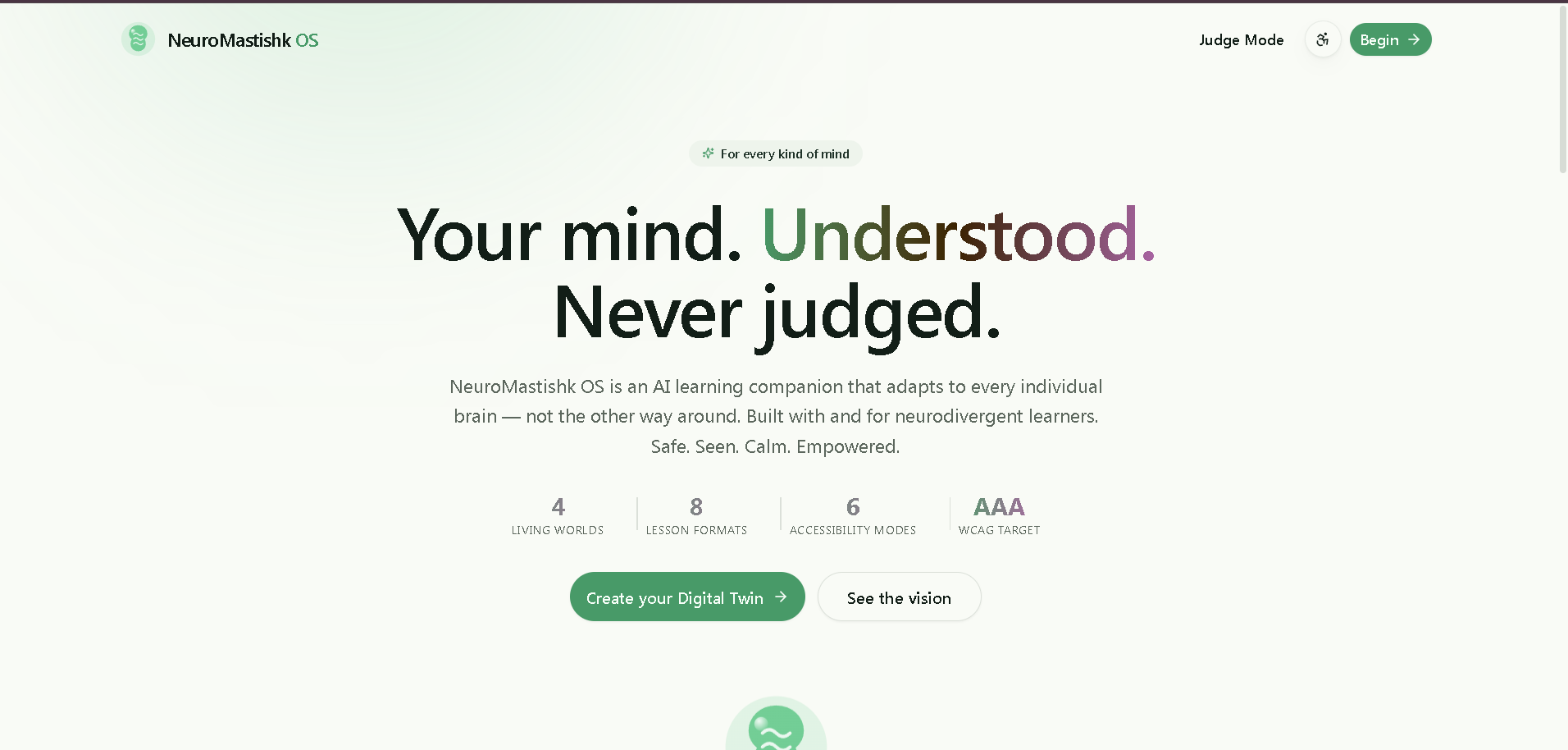
NeuroMastishk OS was born from a simple but radical question: What if we built a digital learning environment where a neurodivergent learner was the primary user from day one? We wanted to flip the script. Instead of forcing the student to adapt to the software, we wanted the software to adapt to the student's unique brain.
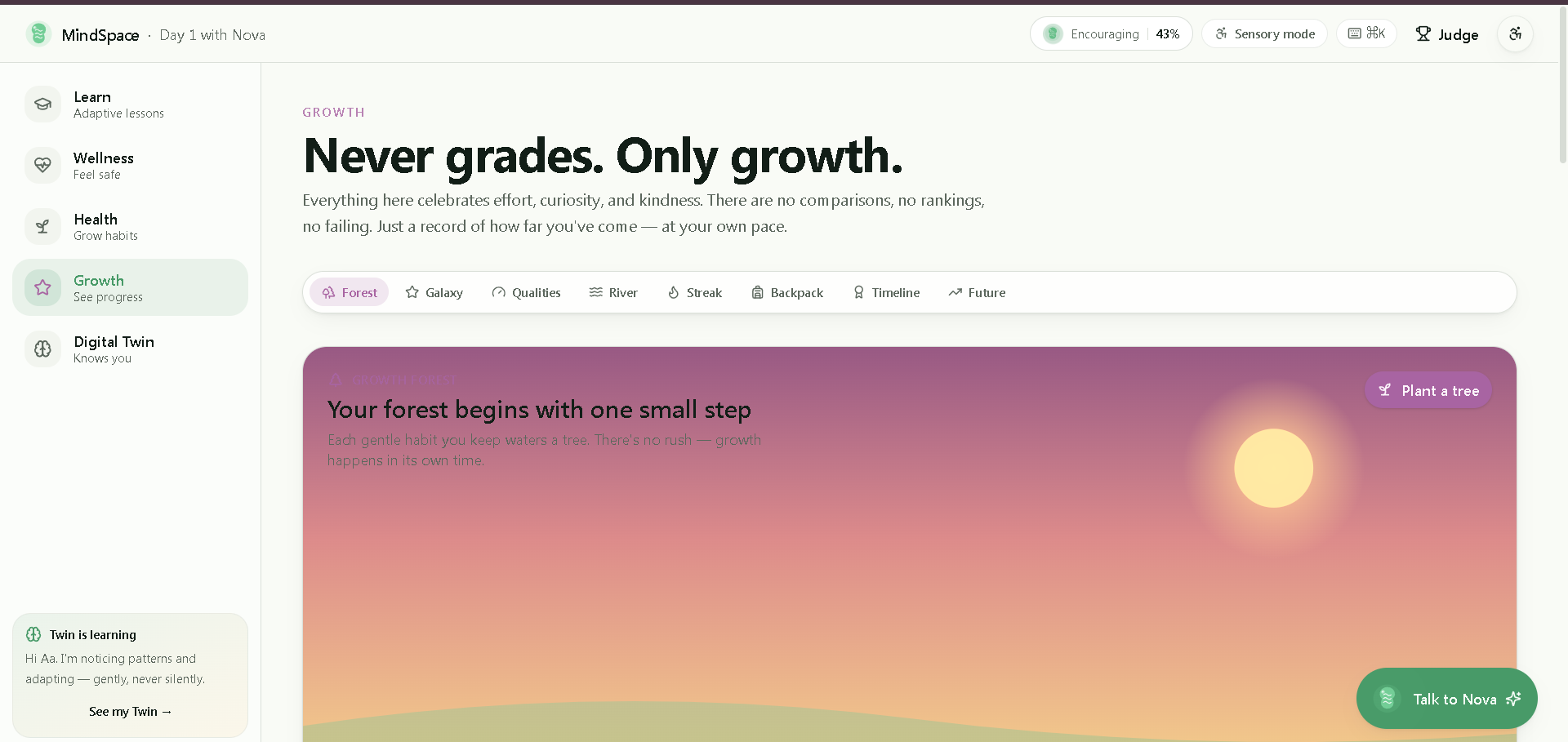
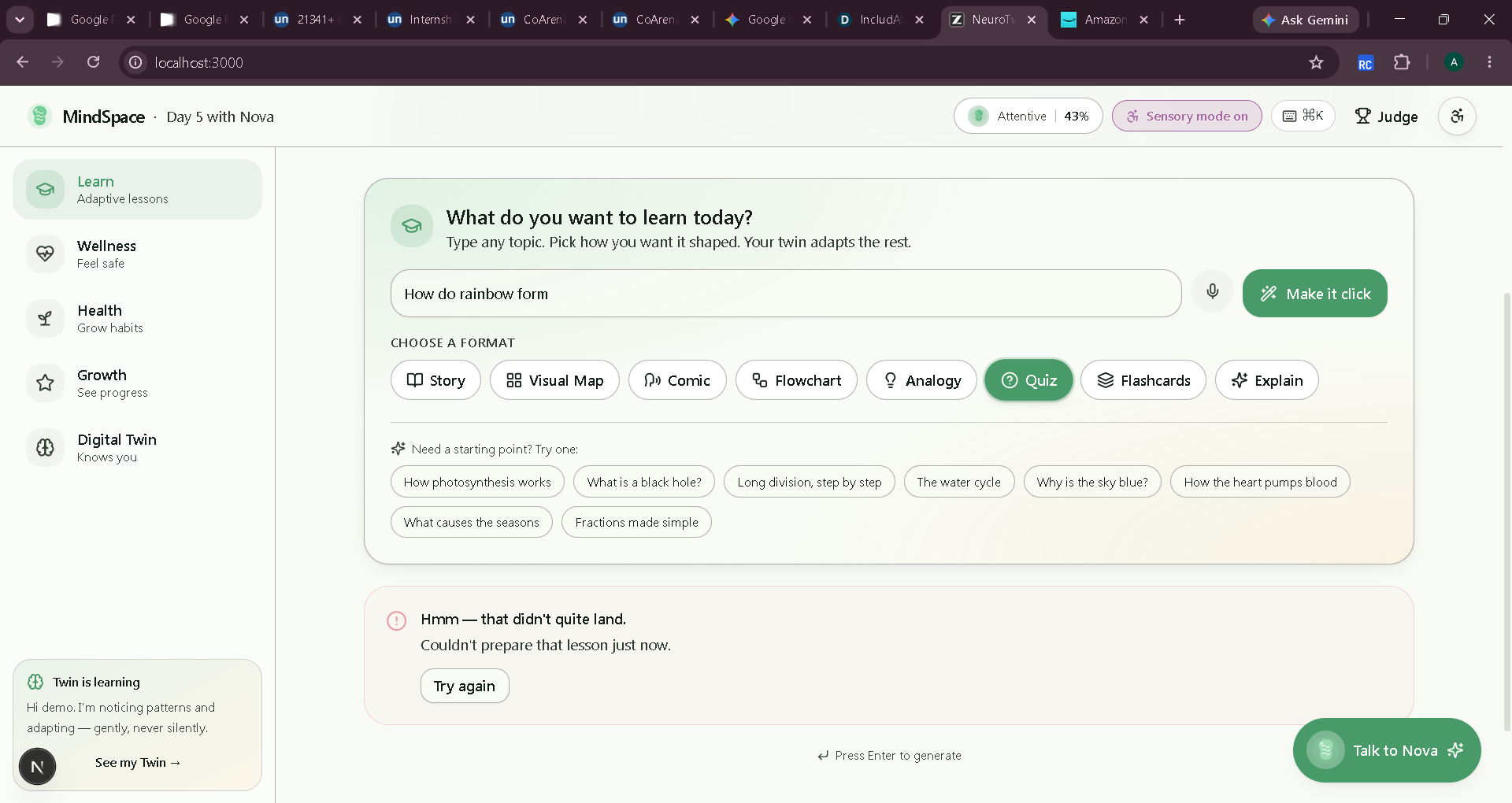
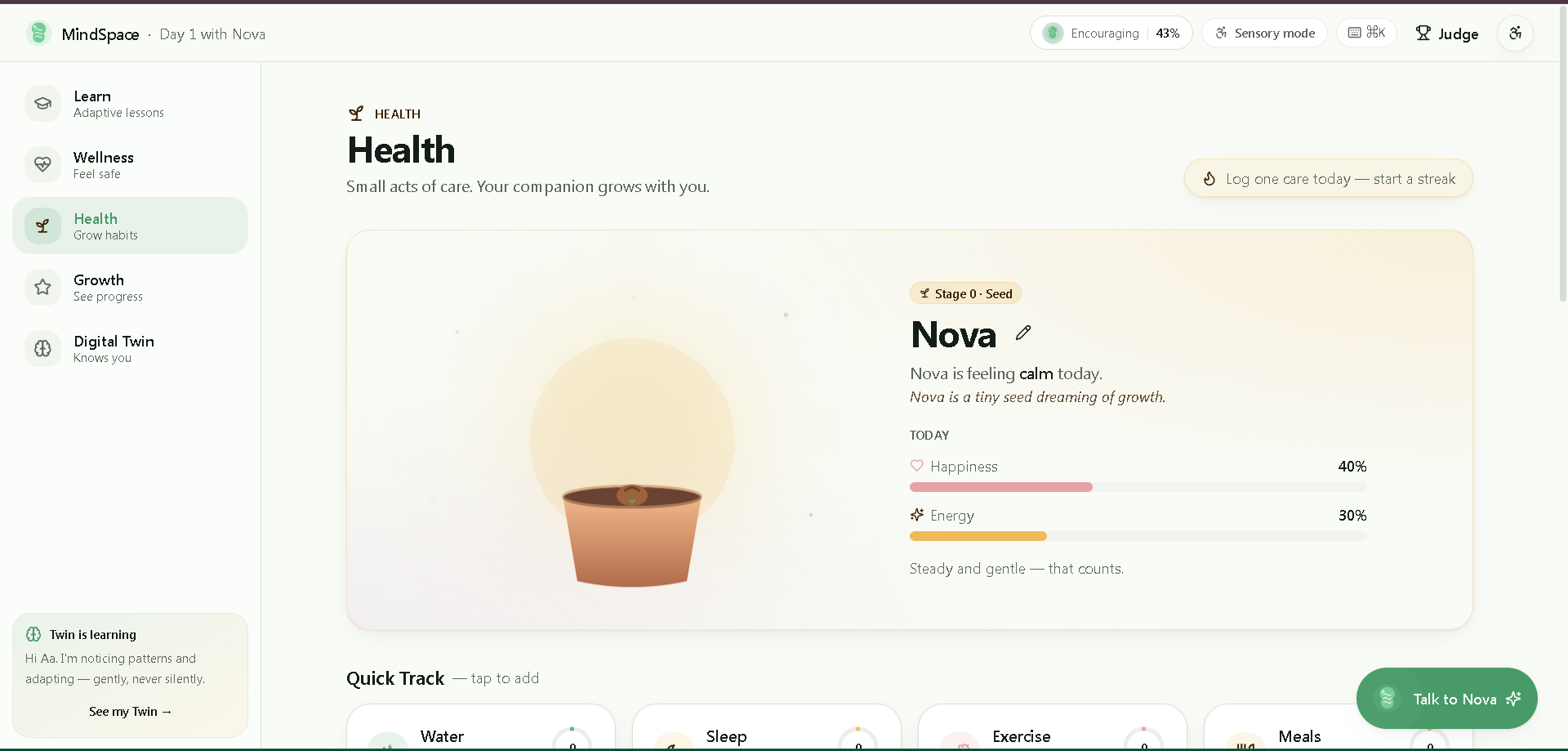
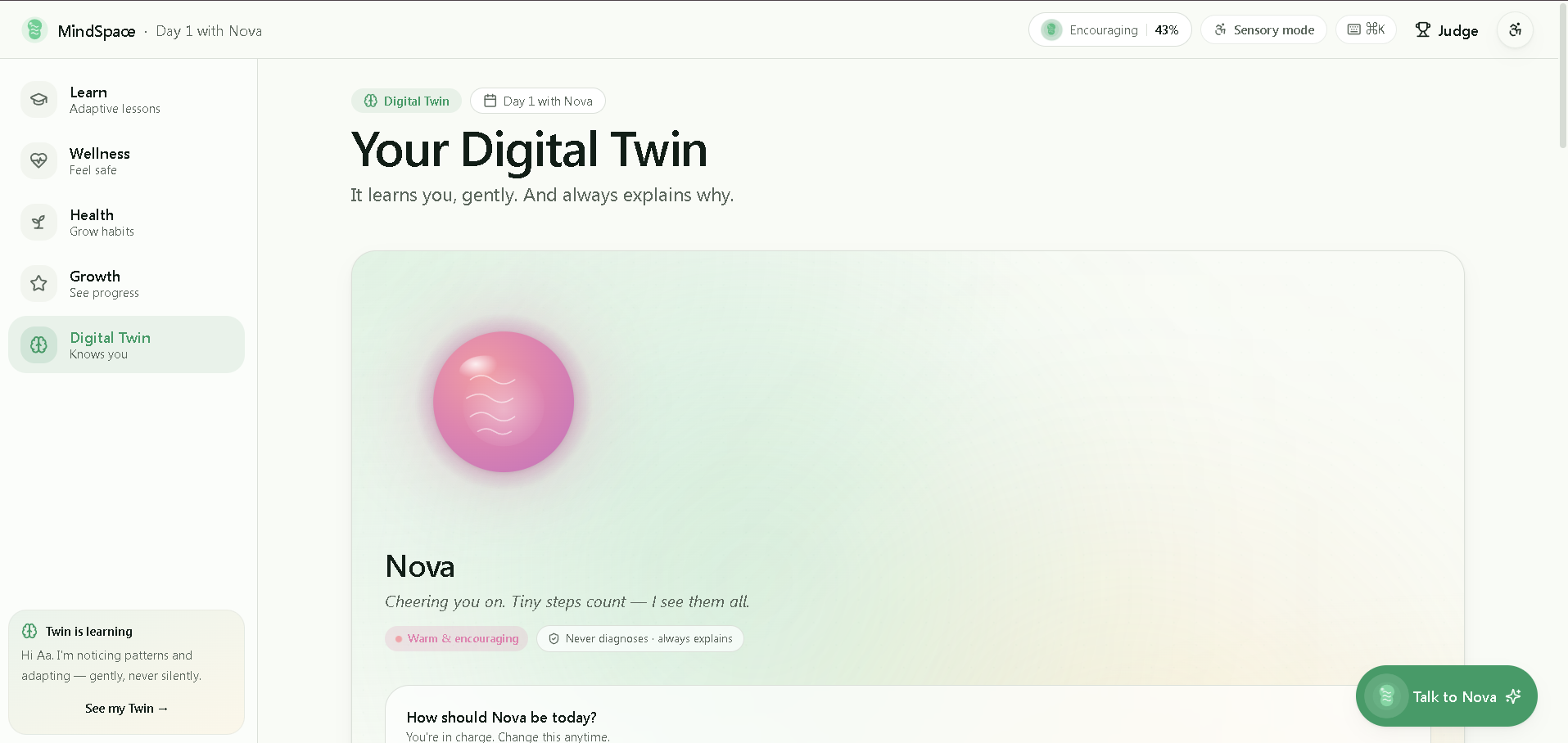
2)What it does NeuroMastishk OS is an empathetic, accessibility-first digital learning companion. It completely reimagines the educational dashboard into a serene, pressure-free "MindSpace."
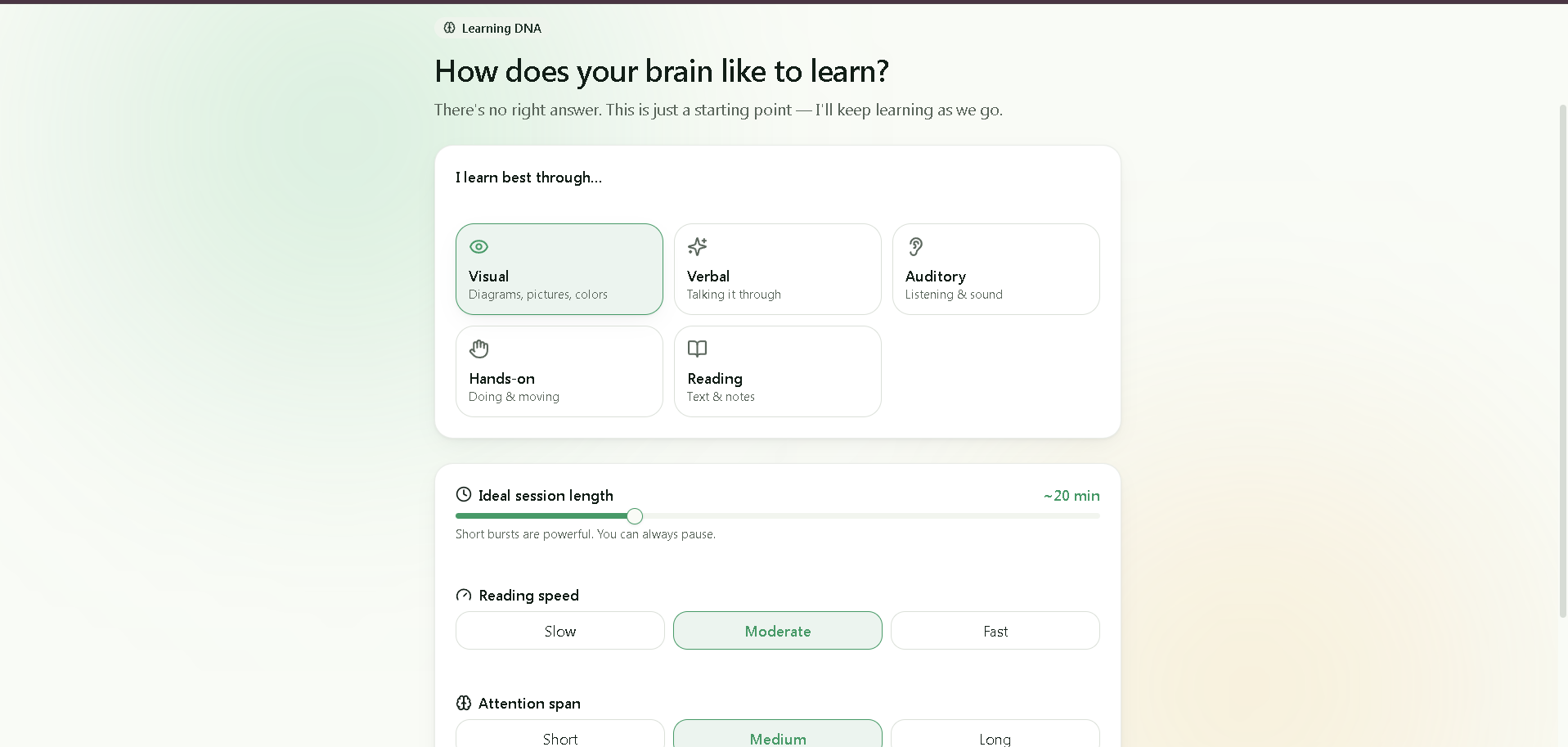
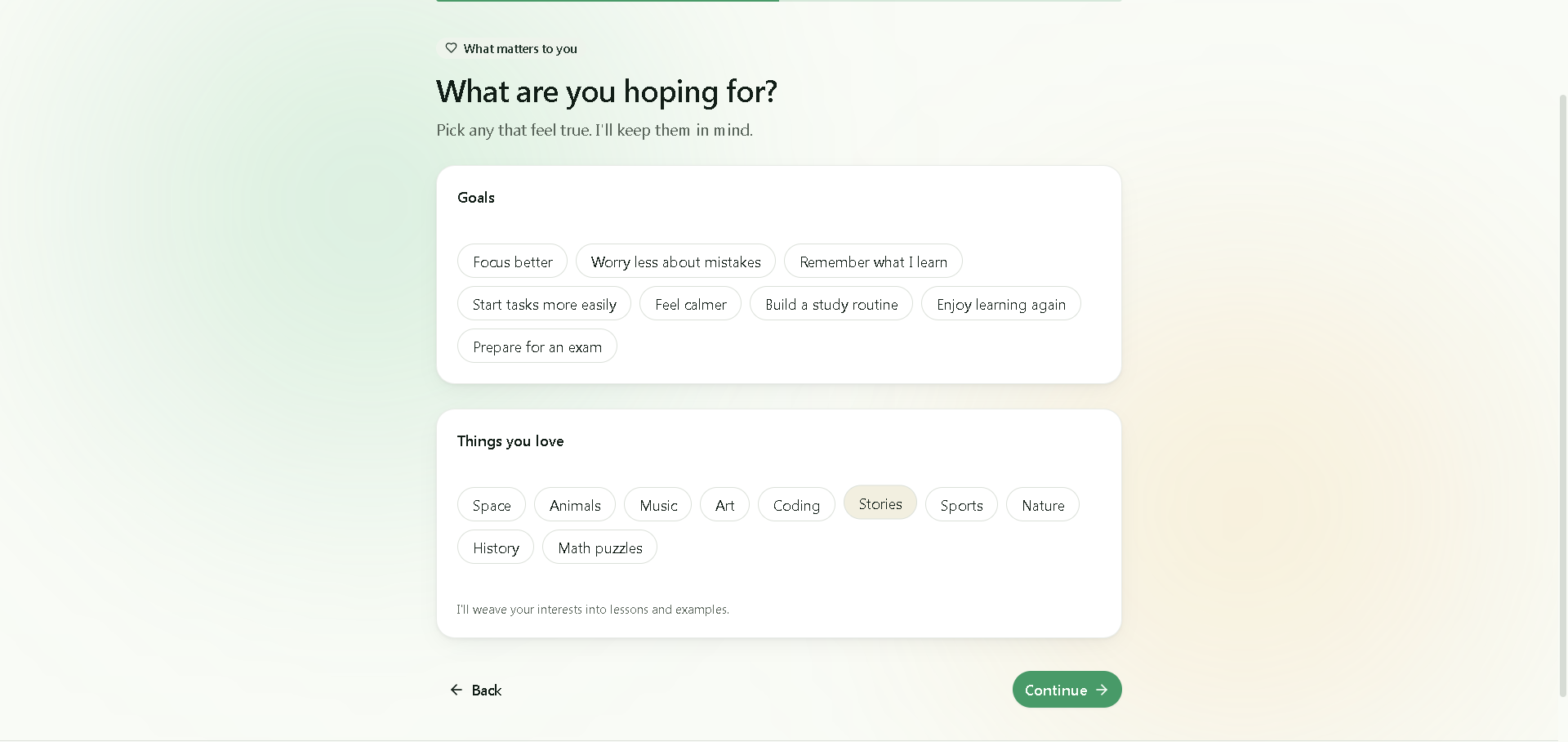
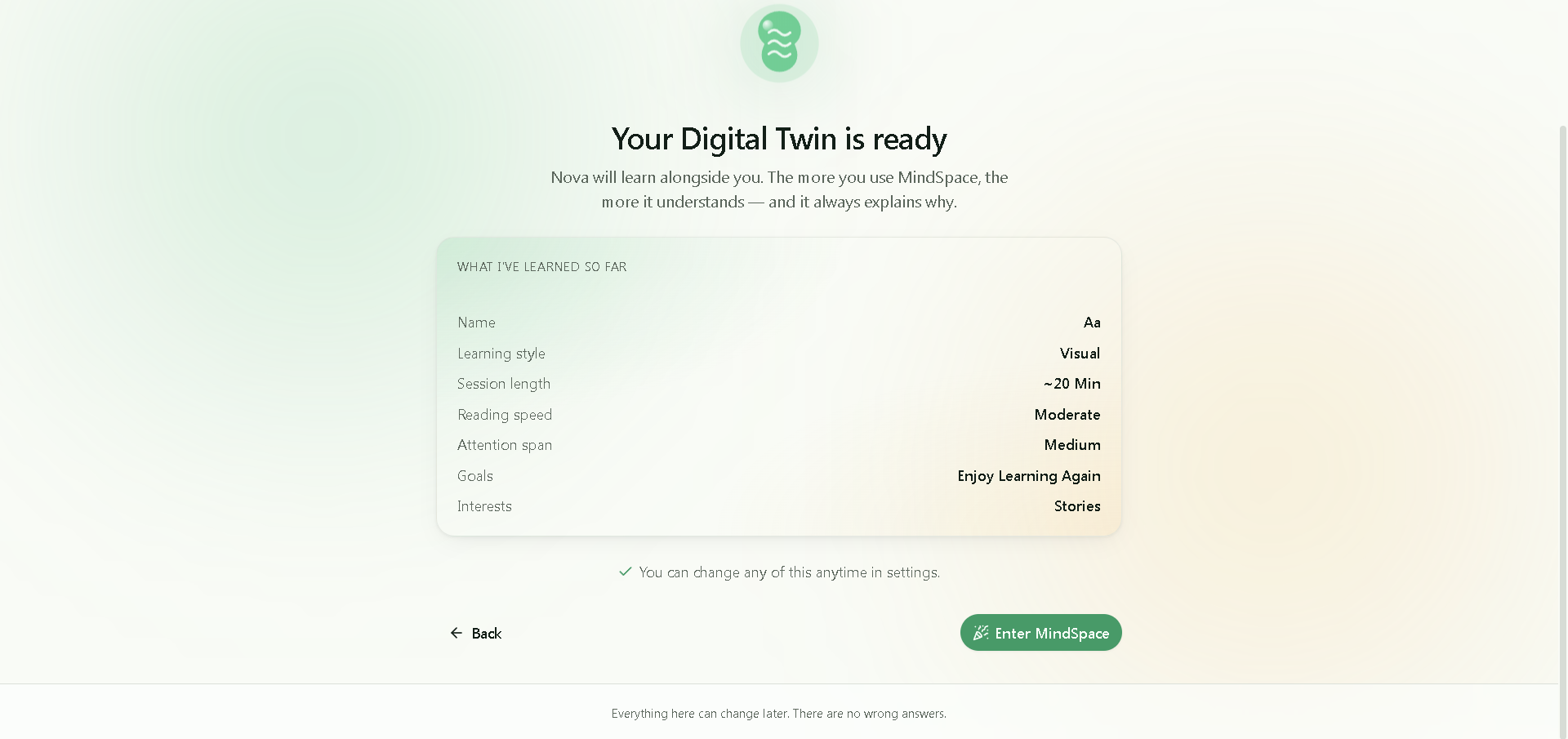
Adaptive "Digital Twin" AI: The core of the OS. The AI learns the user's reading speed, attention span, and preferred cognitive style (e.g., visual, spatial, or chunked text) and automatically transforms any lesson into a format that their brain easily absorbs. Shame-Free Environment: We stripped away everything that causes anxiety. There are no timers, no harsh red colors, and no failing grades. Holistic Wellness & Growth: NeuroMastishk OS recognizes that mental health and learning are deeply intertwined. It features dedicated spaces for emotional check-ins, sensory regulation, and celebrating small, non-academic victories (like remembering to drink water or stepping away when overwhelmed). Dyslexia & Sensory-Friendly: The UI features soft gradient backgrounds (sage greens, plums), large accessible typography, and respects system-level "reduced motion" preferences to prevent sensory overload. 3)How we built it We built NeuroMastishk OS as a modern web application using Next.js 16 (App Router) and TypeScript for a robust, type-safe foundation.
Frontend & UI: We used Tailwind CSS for rapid styling, and Framer Motion to create smooth, calming micro-animations that feel organic rather than jarring. State Management: We used Zustand to handle complex client-side state across the app's four main modules (Learn, Wellness, Health, Growth) without the overhead of React Context. AI Integration: We engineered specialized, empathetic system prompts that govern the AI’s behavior, strictly instructing it to never diagnose or shame, but rather to act as a gentle, encouraging tutor and reflection companion. Deployment: The platform is deployed globally on the edge via Vercel. Challenges we ran into One of our biggest technical challenges was ensuring the app remained truly accessible while still feeling modern and "premium." For instance, implementing smooth, dynamic animations can easily cause sensory overload for some users. We had to carefully engineer our Framer Motion components to strictly respect the operating system's prefers-reduced-motion flags, gracefully falling back to static states when necessary.
Additionally, we faced challenges during deployment with Next.js 16's standalone output configurations conflicting with Vercel's serverless environment, which required us to dynamically configure our build settings based on the deployment environment.
4)Accomplishments that we're proud of We are incredibly proud of the UI/UX design. We successfully proved that "accessible" doesn't mean "boring" or "basic." NeuroMastishk OS feels premium, beautiful, and deeply alive, yet it remains completely safe and calming for neurodivergent minds.
We are also deeply proud of the AI personality we engineered. By heavily fine-tuning our system prompts, the AI consistently outputs warm, strengths-based reflections that celebrate effort over metrics.
5)What we learned We learned that designing with neurodivergence in mind shouldn't be an afterthought or a "feature toggle"—it must be the foundation of the architecture. Through testing and iterating on our proxy personas, we realized just how much cognitive friction is introduced by standard UI patterns (like dense navigation bars or red alert badges). We learned the true value of "less is more" in interface design.
6)What's next for NeuroMastishk OS Our vision is to expand NeuroMastishk OS into a comprehensive suite for K-12 schools.
Track 2 (Connection) Expansion: We plan to introduce safe, AI-driven roleplay scenarios where students with alexithymia or social anxiety can practice communication in a zero-stakes environment. Parent/Educator Portal: A securely permissioned dashboard that provides teachers with strengths-based, non-diagnostic insights into how a student learns best, bridging the communication gap between neurotypical educators and neurodivergent students. Voice/Gesture Navigation: Implementing seamless text-to-speech and voice-command navigation for students who struggle with motor skills or traditional typing.
Built With
- artificial-intelligence
- css3
- framer-motion
- html5
- if
- isn't
- javascript
- listed)
- next.js
- node.js
- react
- state-management
- tailwindcss
- typescript
- vercel
- zustand

Log in or sign up for Devpost to join the conversation.