-
-
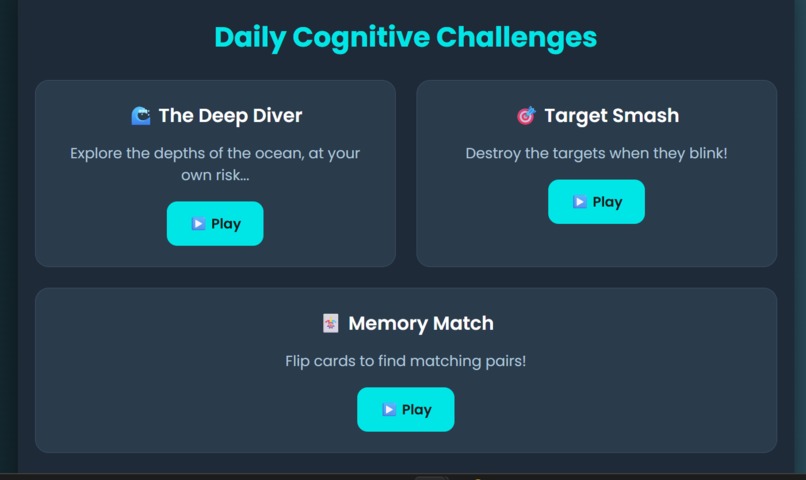
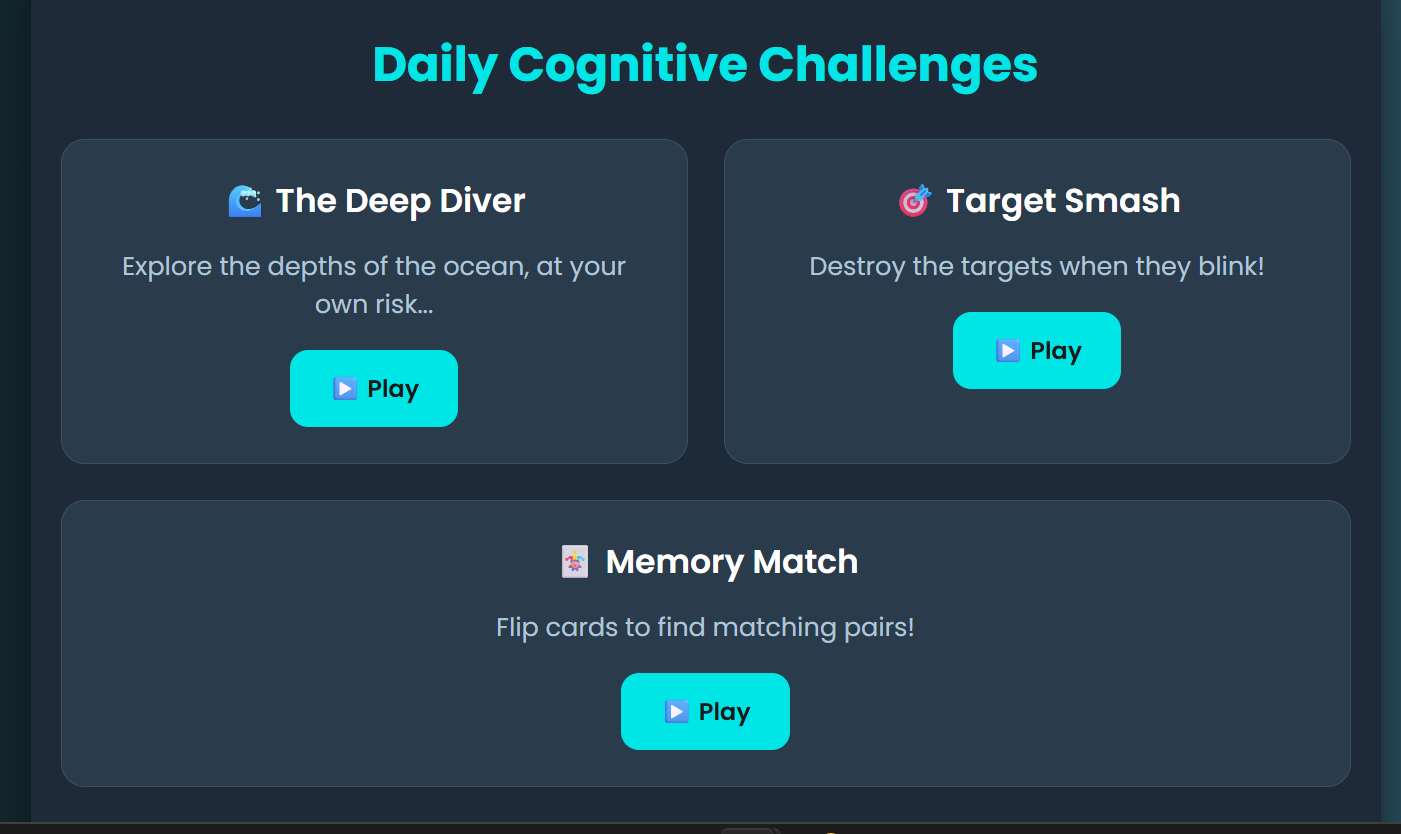
brain-teasers on our platform
-
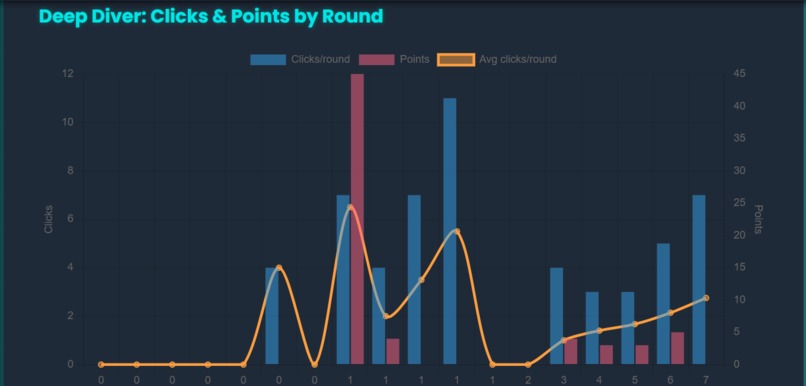
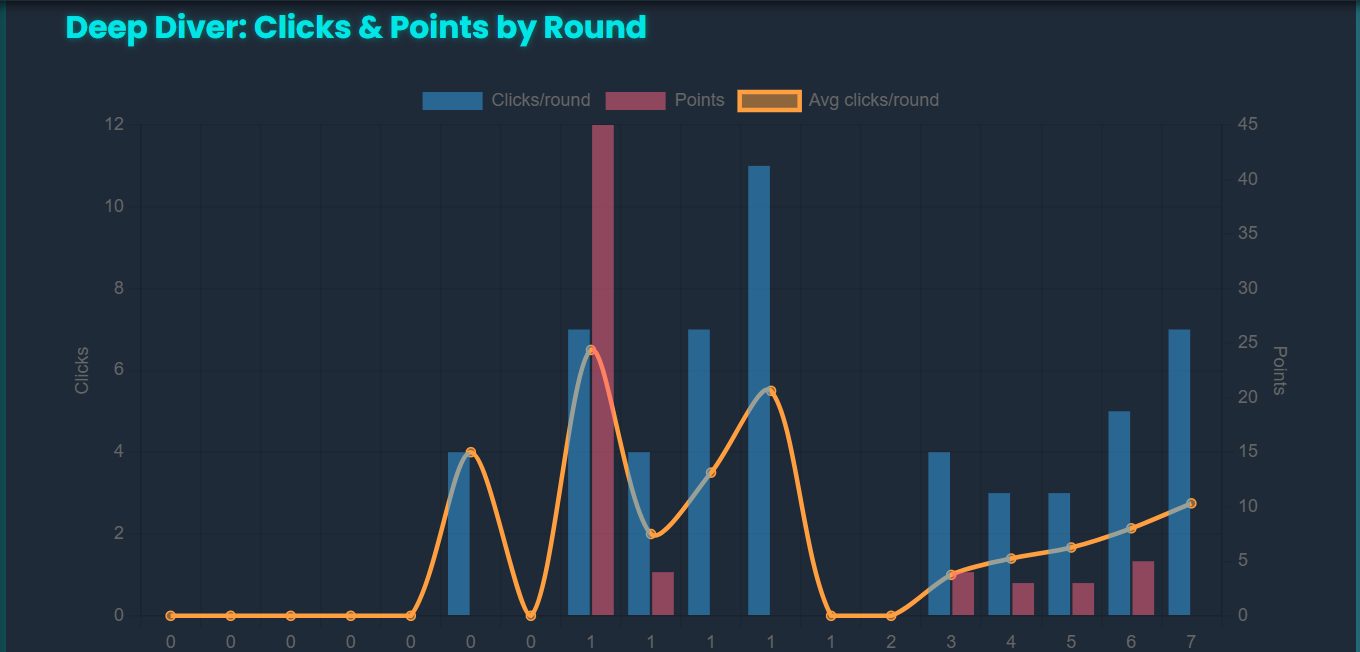
real-time visualizations of data from the brain-teasers
-
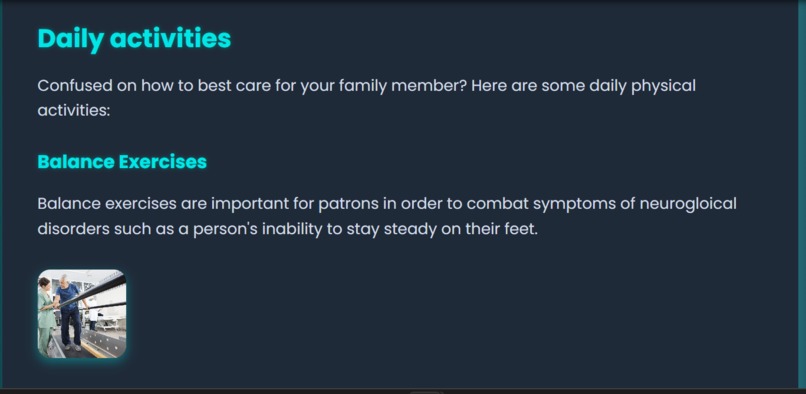
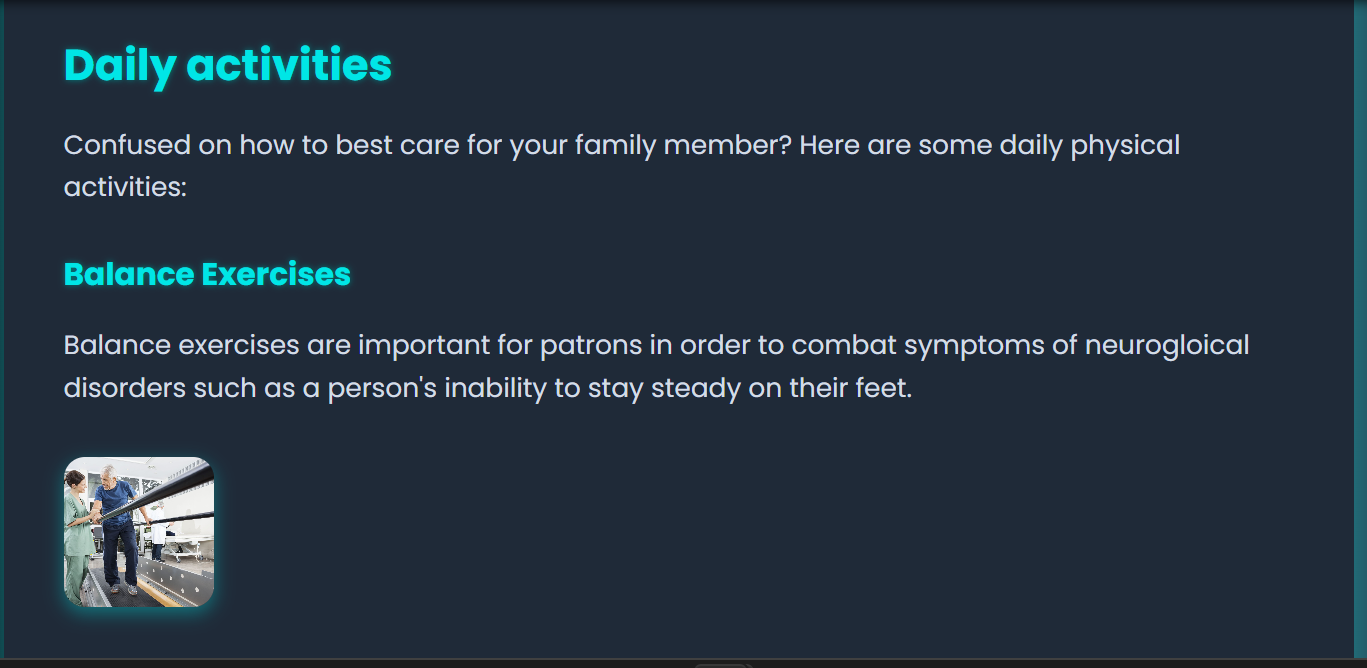
rescources available for users to improve their daily life
Inspiration
Neurological disorders impact many individuals around the world. We aimed to create a product that would facilitate early detection of neurological disorders, as well as symptom management for individuals affected by these conditions.
What it does
NeuroLink creates a safe environment for people to participate in fun mini-games designed to test and strengthen people’s cognitive abilities, while also providing progress for caregivers and individuals participating in the program. It also promotes understanding of brain conditions through spreading awareness of neurological disorders.
How we built it
We built our app using the MERN stack, but without react. Front-end was built in HTML, CSS, Javascript. The back-end was built using expressJS with chartJS for data visualization, and mongoDB as our database, while using GIT for version control.
Challenges we ran into
When building this app the biggest challenge was configuring our API's and making sure our endpoints were receiving the proper data. This was our first time creating our own REST api's, and the first time we were exposed to new frameworks/libraries such as node, express and chartJS. I kept running into errors when testing my API's at different endpoints, and I am still learning back-end development.
Accomplishments that we're proud of
We are proud of creating a full stack app thats able to connect to a database, and create real time graphs based on user data. Collaborating to create a project of this scale as a first hackathon was a major hurdle, and we're proud of how much we learned.
What we learned
We learned design patterns in the back-end such as model-view-controller, solidified our understanding of CSS, and javascript. And learned the basics of web development such as creating RESTful API's. Our moments of learning and where we could have done better both come in relatively similar areas. We learned about how to collaborate with one another in a coding setting, as 3 out of 4 group members were new to hackathons. Using tools like LiveShare, we provided feedback and edited each other’s code in real-time, which was a new experience for us. On the other hand, our group could have handled file-management for the project a bit better, since, at times, we combined HTML, CSS, and Javascript all in one file.
What's next for NEUROLINK
Our next step, and things we'd do if we had more time are, employing JWT for user auth, creating users, and deploying our app to the web. Increasing security on our app by adding rate-limiting. For functionalities we'd add more brain-teasers, as well as an AI chatbot that could give personalized recommendations based on data collected in the brain-games.

Log in or sign up for Devpost to join the conversation.