-
-
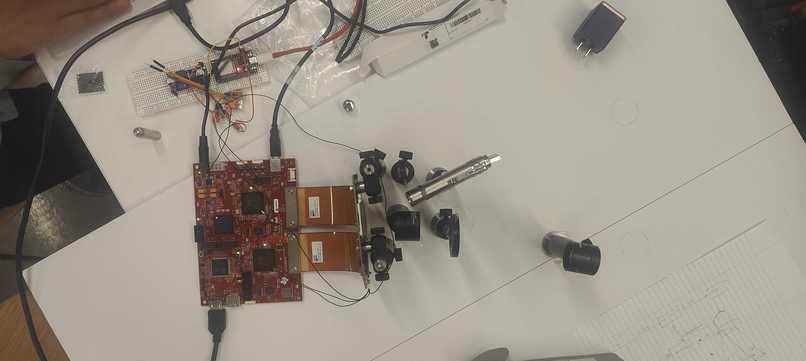
Setup
-
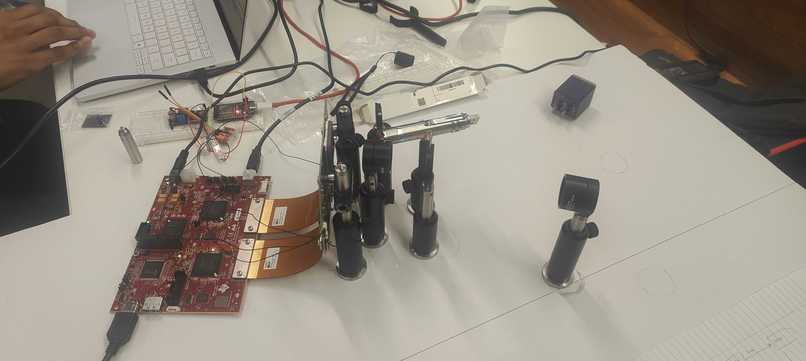
Setup
-
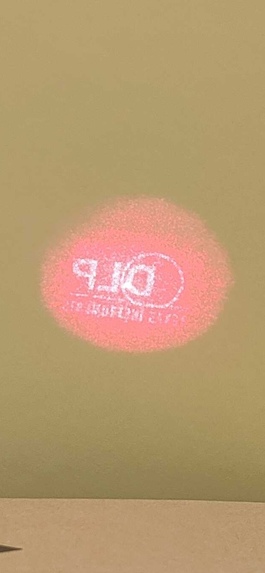
Sample hologram clarity
-
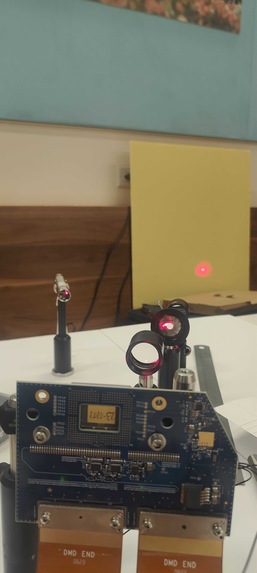
alternate view setup
-
alternate view setup
-
Depth Mask imaging
-
alternate view setup
Inspiration
Our inspiration for this project began at the Beckman Laser Institute, where we developed a strong passion for optics, photonics, and the transformative potential of light-based technologies. Surrounded by cutting-edge research, we became fascinated by how photonics can be used to solve complex real-world problems, and we began asking ourselves how artificial intelligence could further enhance these systems. After connecting with two deeply passionate teammates with strong backgrounds in AI and optics, we found a shared vision: integrating intelligent computation with advanced optical systems to push the boundaries of visualization. Together, we were inspired by the challenge of overcoming the limitations of traditional 2D imaging and exploring how AI-powered depth estimation combined with holography could enable real-time 3D visualization. This project represents our collective passion for bridging photonics and AI to create smarter, faster, and more immersive imaging systems for the future.
What it does
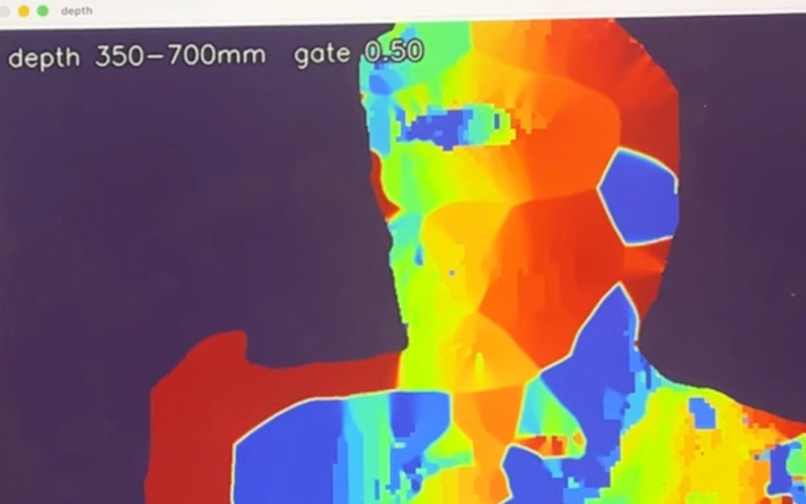
NeuroHolo is a real-time AI-powered holographic imaging system that transforms live camera input into dynamic holographic projections. Our system captures visual data through a camera, uses AI-based depth estimation to reconstruct spatial information, and generates holographic phase patterns that are displayed through a spatial light modulator to produce a 3D visualization. By combining artificial intelligence with computational optics, NeuroHolo enables fast and adaptive hologram generation, allowing users to visualize objects with depth and spatial structure in real time. This creates new possibilities for applications in biomedical imaging, interactive visualization, and next-generation display technologies.
How we built it
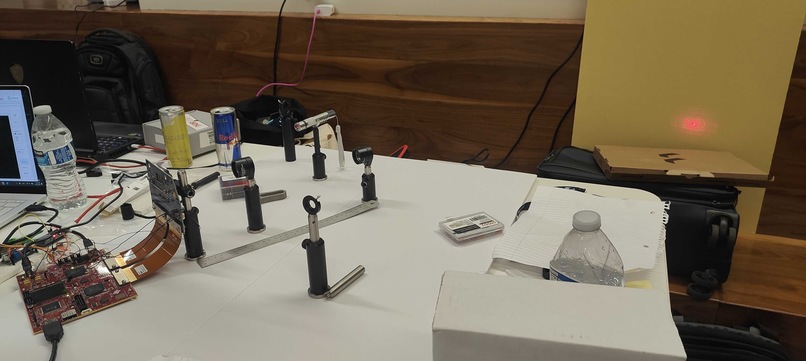
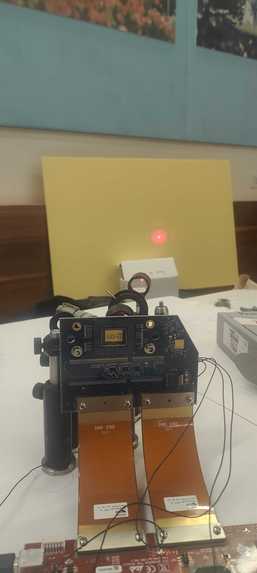
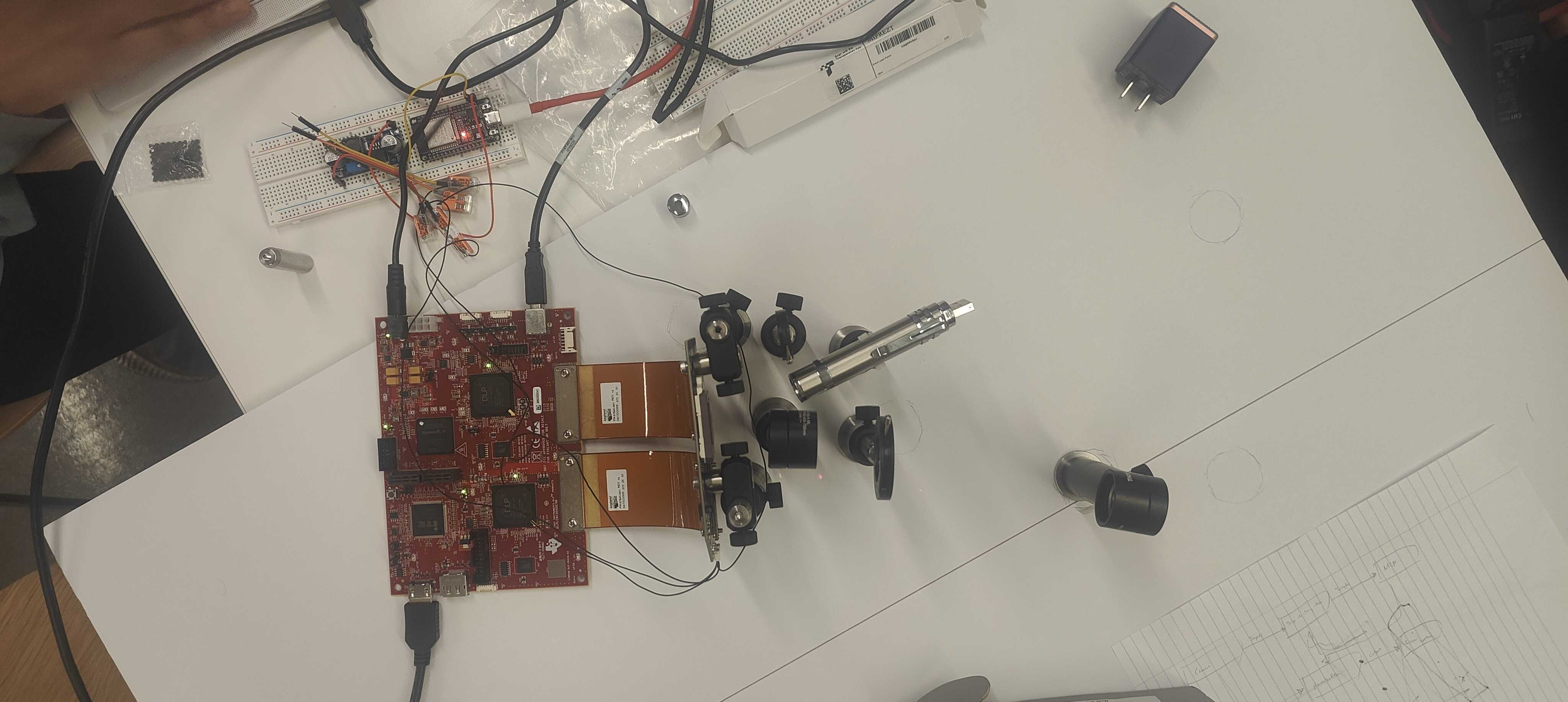
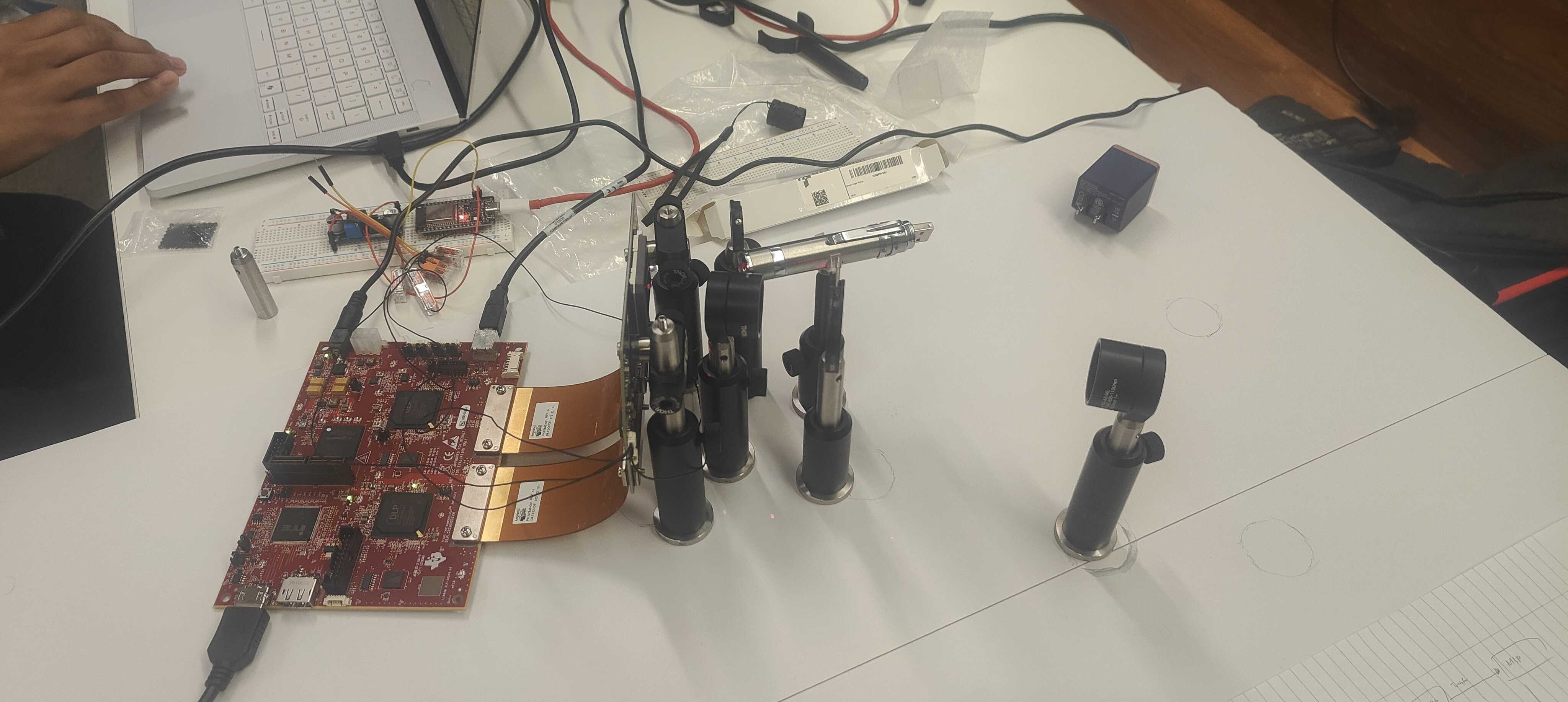
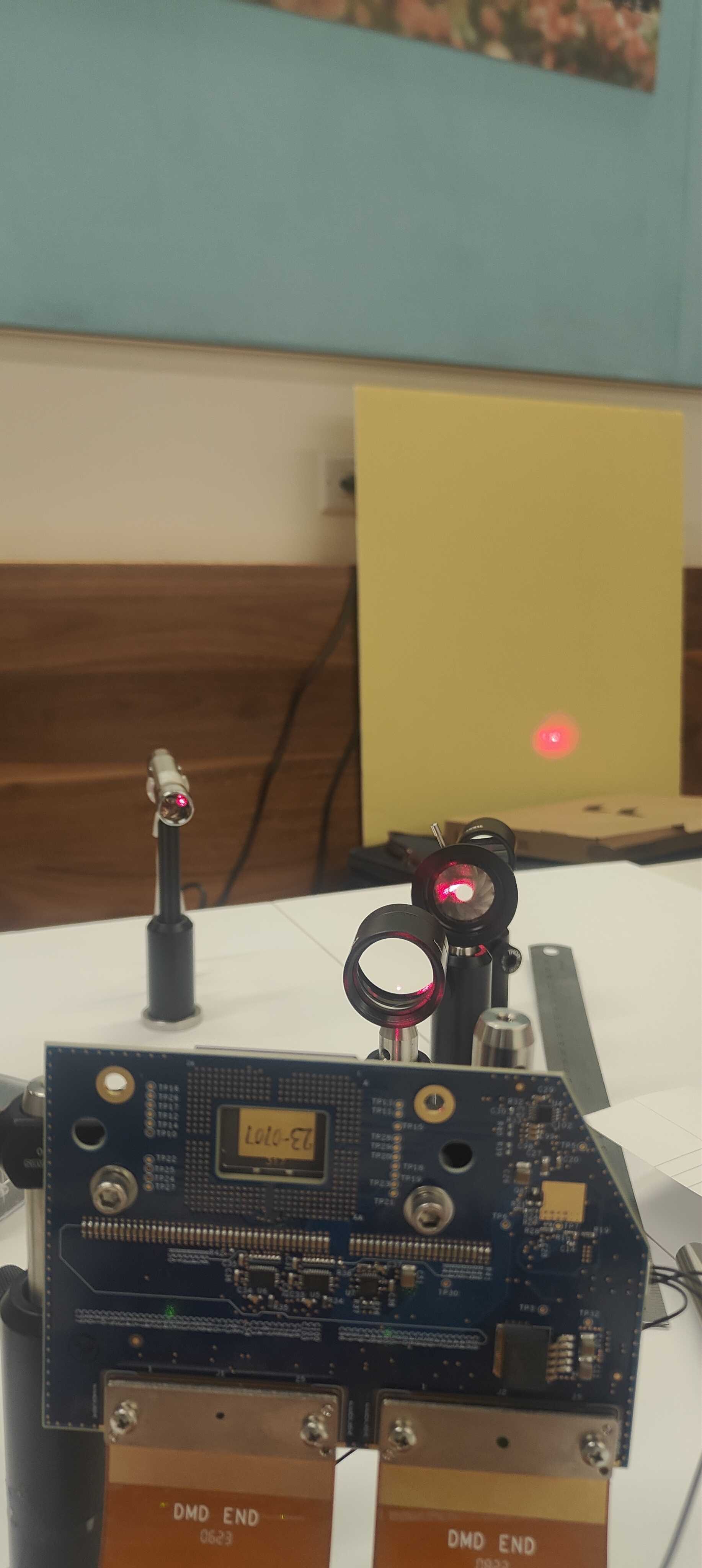
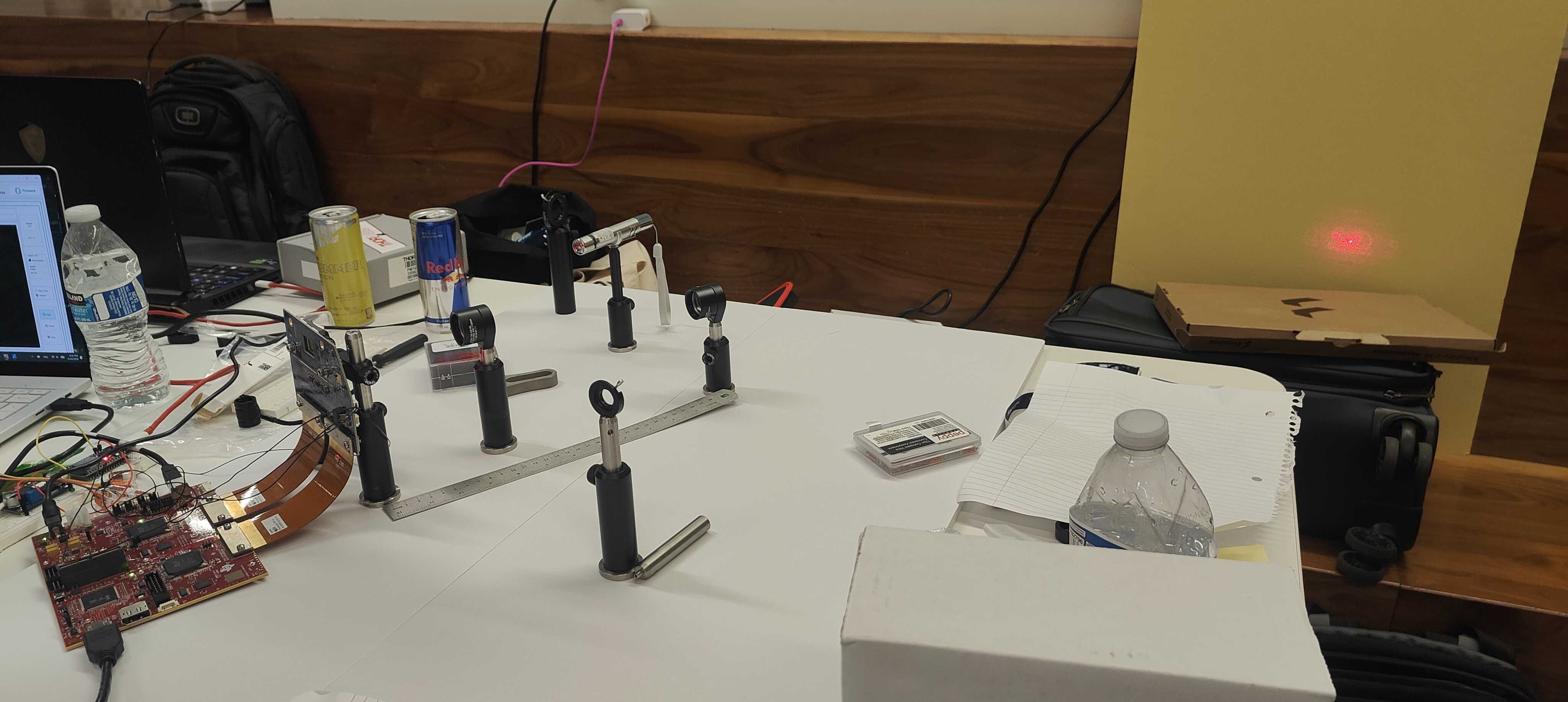
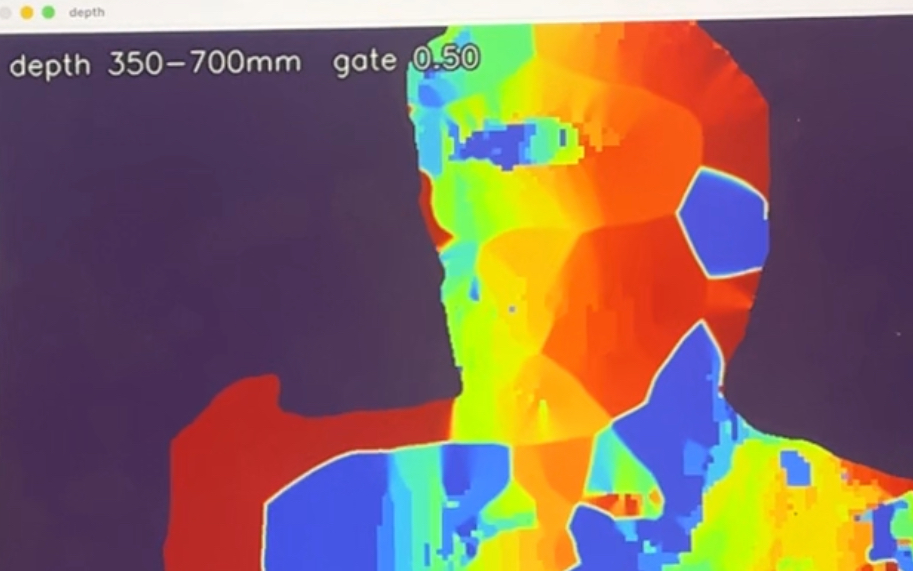
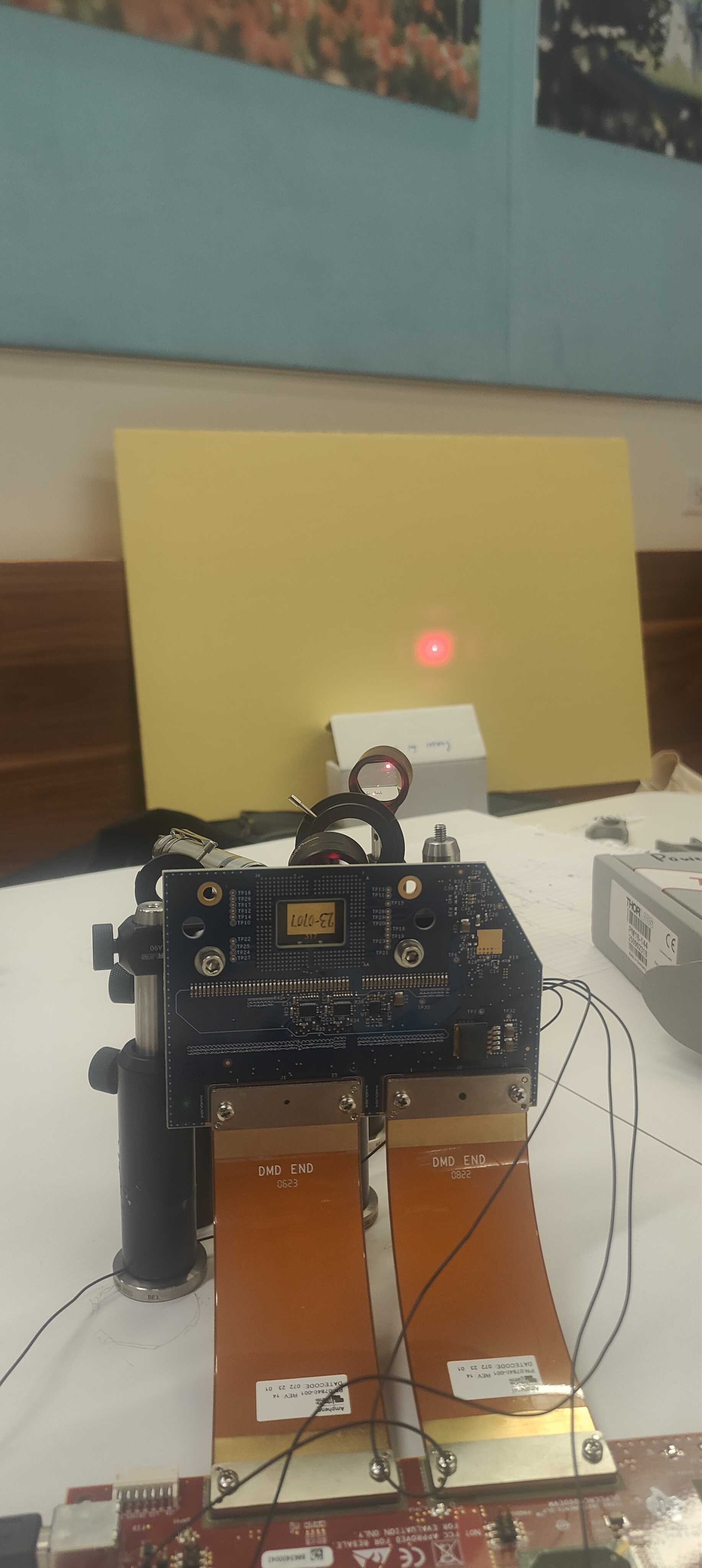
We built NeuroHolo by integrating AI-driven computer vision with a real-time holographic optical system. First, a live camera captures visual input, which is processed using an AI depth estimation model to generate a depth map and recover spatial information from the scene. This data is then fed into our hologram generation pipeline, where computational algorithms convert the reconstructed 3D information into phase patterns suitable for holographic projection. These phase patterns are displayed on a Spatial Light Modulator, which modulates incoming coherent light to reconstruct the holographic image through a 4f optical system. By combining software, machine learning, and photonic hardware, we created an end-to-end pipeline capable of transforming real-world scenes into dynamic holographic visualizations in real time.
Challenges we ran into
One of the biggest challenges we faced was working with phase light modulators, as holographic projection and phase modulation were new concepts for much of our team. We had to quickly learn how phase patterns interact with coherent light and how small errors in alignment or calibration could significantly impact hologram quality. Another major challenge was limited access to specialized optical equipment, which required us to carefully optimize our setup using only the hardware available, including our camera, laser source, and optical components. On top of the technical challenges, we were also working under tight time constraints, which meant balancing rapid experimentation, debugging both software and hardware issues, and iterating on our AI and optical pipeline within a short development window. Despite these challenges, each obstacle pushed us to learn quickly, adapt creatively, and strengthen our interdisciplinary collaboration.
Accomplishments that we're proud of
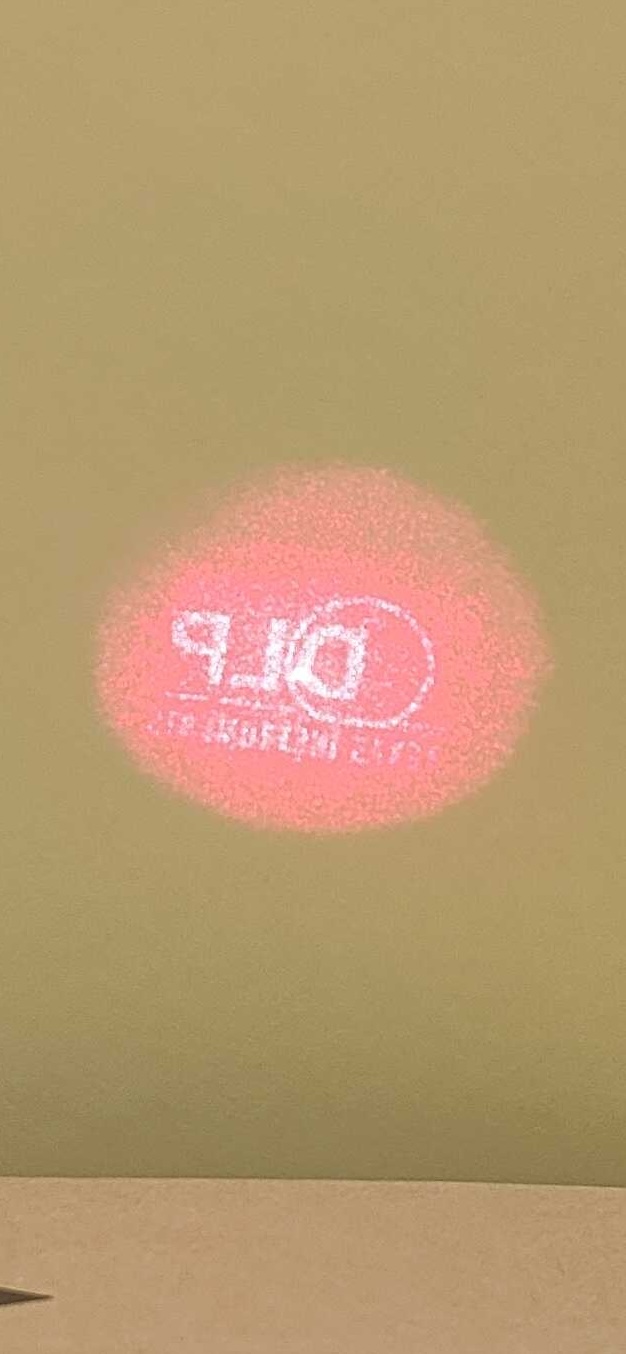
One of our biggest accomplishments was successfully generating and projecting a hologram without relying on an overly complex or time-intensive setup, making holographic visualization more accessible and practical for real-time applications. We are especially proud of how we creatively improvised with the resources available, including designing makeshift fixtures to precisely align our laser and optical components during early testing. Beyond the hardware, we also iterated through multiple machine learning approaches to improve depth estimation and hologram generation, continuously refining our pipeline to achieve better performance. Most importantly, we are proud of how our team embraced the entire process—from problem-solving and rapid prototyping to learning new concepts together—while keeping the experience fun, collaborative, and driven by curiosity.
What we learned
This project taught us that in optics, precision matters—especially when it comes to optical alignment, where even small misalignments can significantly affect system performance and hologram quality. We also learned that organization is essential when working with both hardware and software, as managing multiple components, iterations, and debugging steps requires clear communication and structure. Beyond the technical lessons, we learned the importance of teamwork and collaboration. By supporting each other, sharing ideas, and even taking breaks to play ping pong and recharge, we were able to maintain momentum and work through challenges together. This experience showed us that meaningful innovation comes not just from technical skill, but from patience, collaboration, and enjoying the process as a team.
What's next for NeuralHolo
Looking ahead, we aim to push NeuroHolo beyond a proof-of-concept into a scalable and impactful platform for real-time holographic imaging. On the technical side, we plan to expand toward multi-laser 3D reconstruction to improve depth fidelity, color accuracy, and overall hologram quality. We also want to further optimize our AI and computational pipeline to enable faster, low-latency phase generation for real-time holographic projection. From a product perspective, our goal is to develop a market-ready MVP that demonstrates practical use cases in fields such as biomedical imaging, scientific visualization, and immersive display technologies. We also plan to engage with potential users, researchers, and industry partners to better understand customer needs, refine our solution, and explore pathways for broader adoption and distribution.

Log in or sign up for Devpost to join the conversation.