
🌟 Inspiration
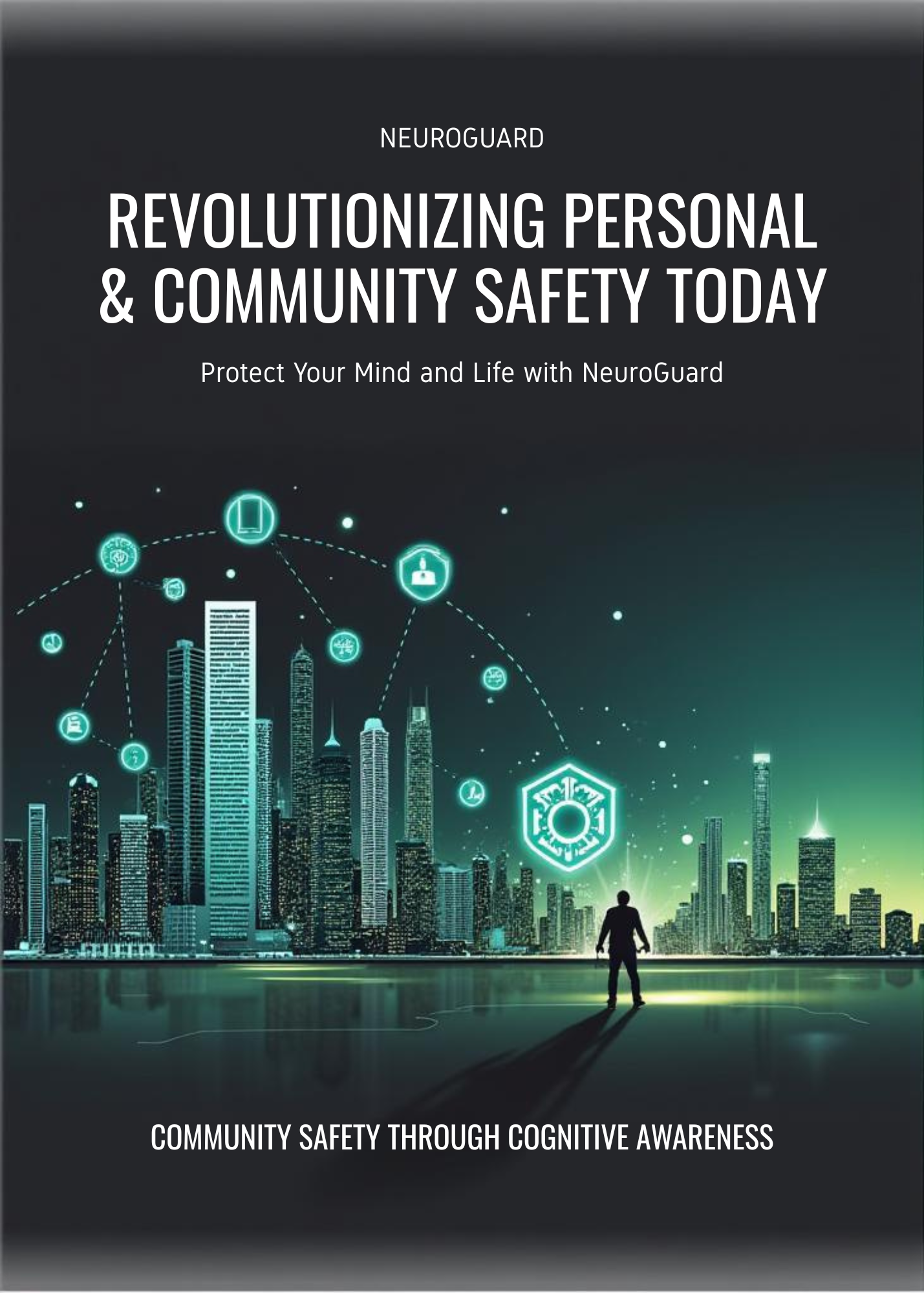
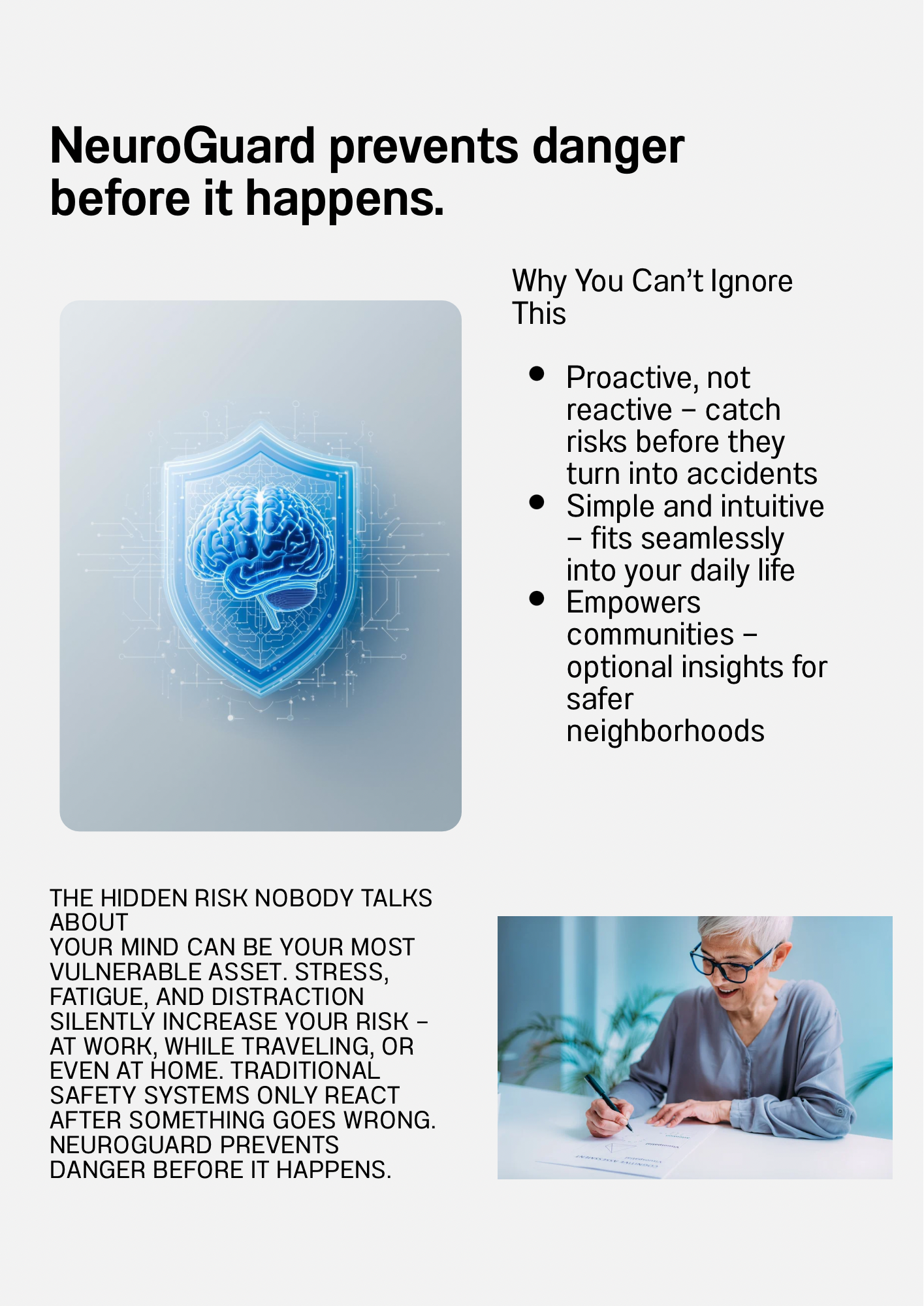
NeuroGuard was born from a simple but overlooked truth: security begins in the brain. In high-risk environments—whether solo travel, elder care, or remote work—cognitive decline often precedes physical danger. Yet most safety systems ignore early signs of mental fatigue, attention lapses, or emotional overload. As a neuroscience-driven innovator, I wanted to build a solution that doesn’t just react to threats—it anticipates them through cognitive insight.
🧠 What it does
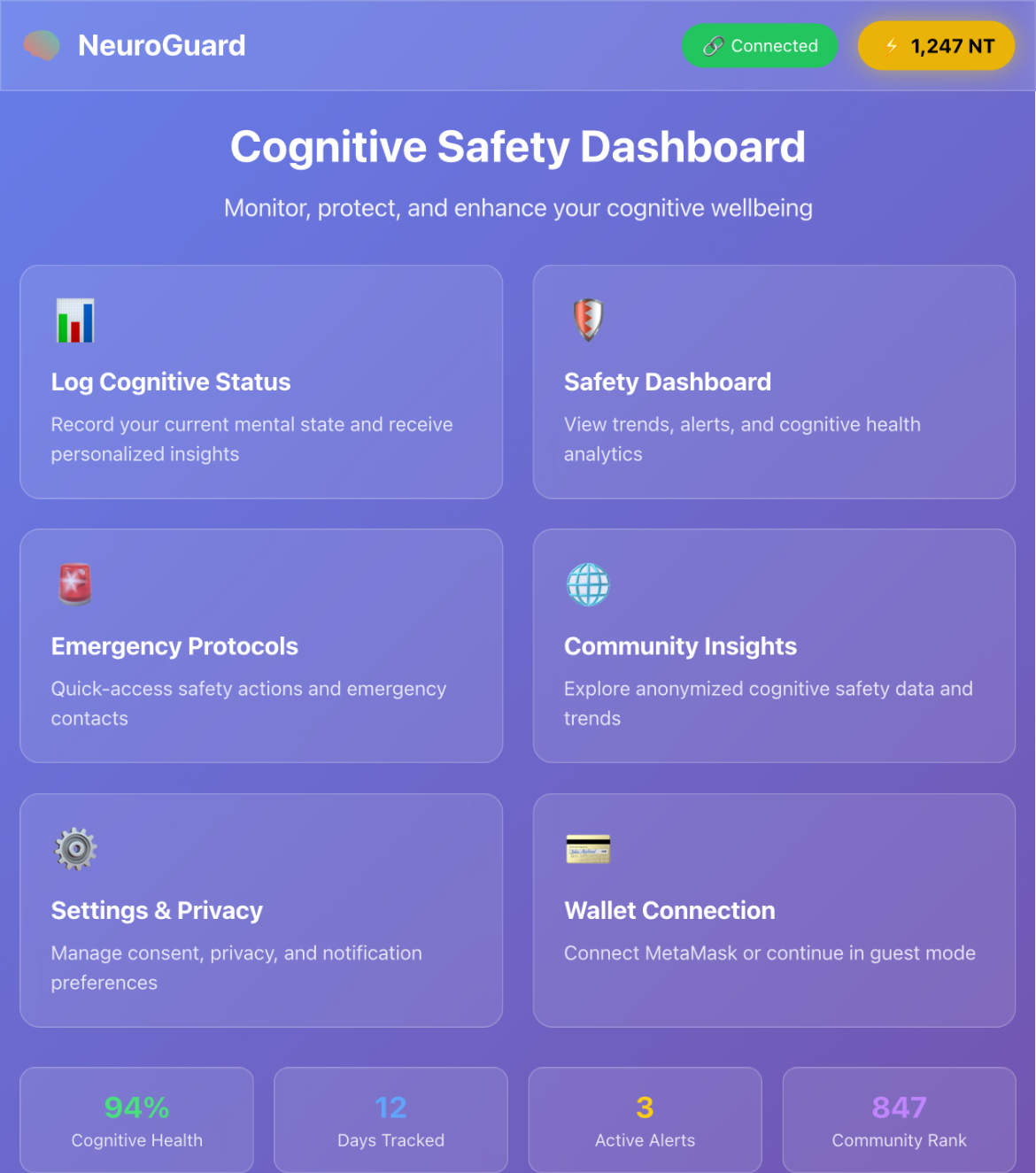
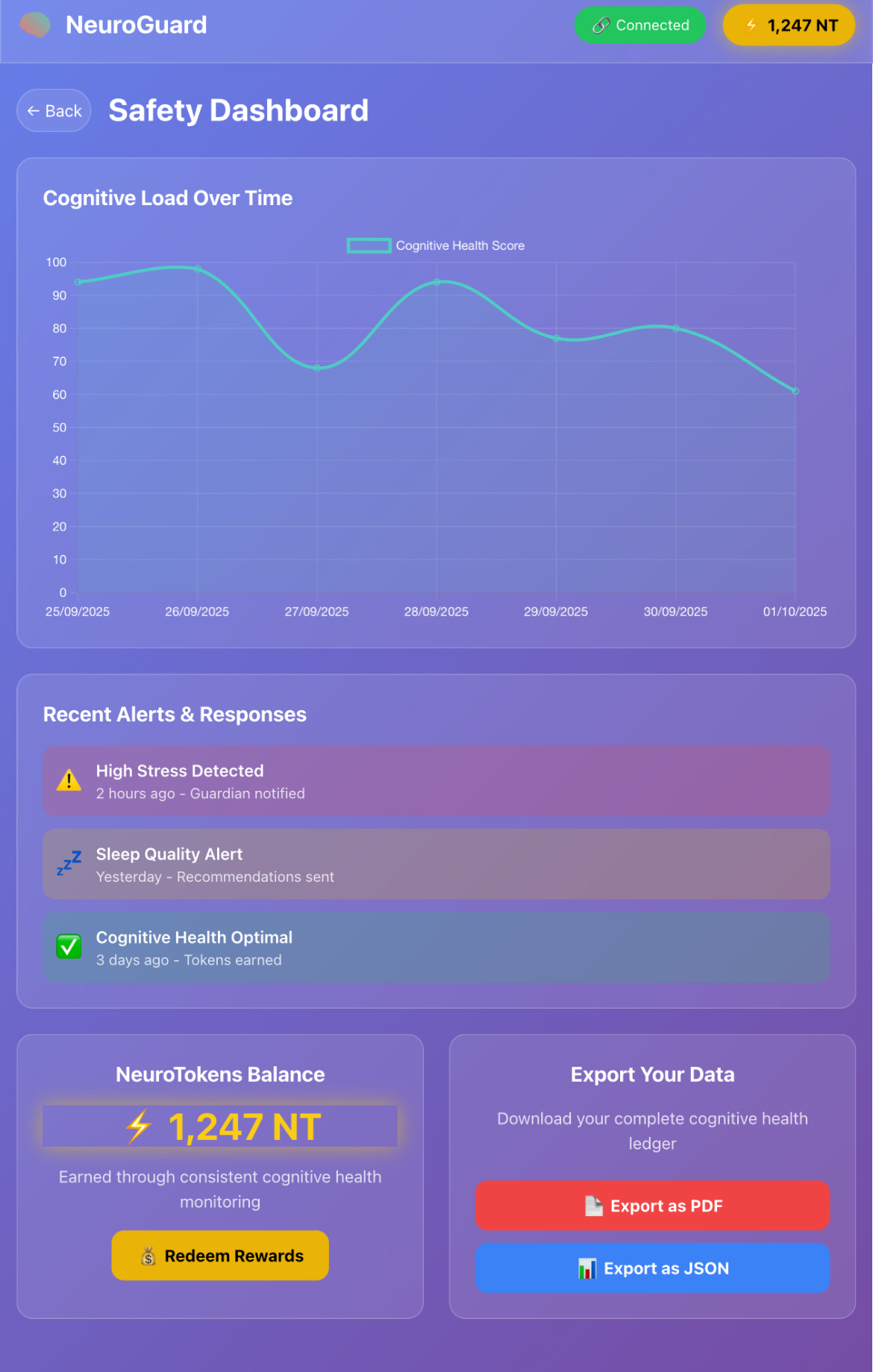
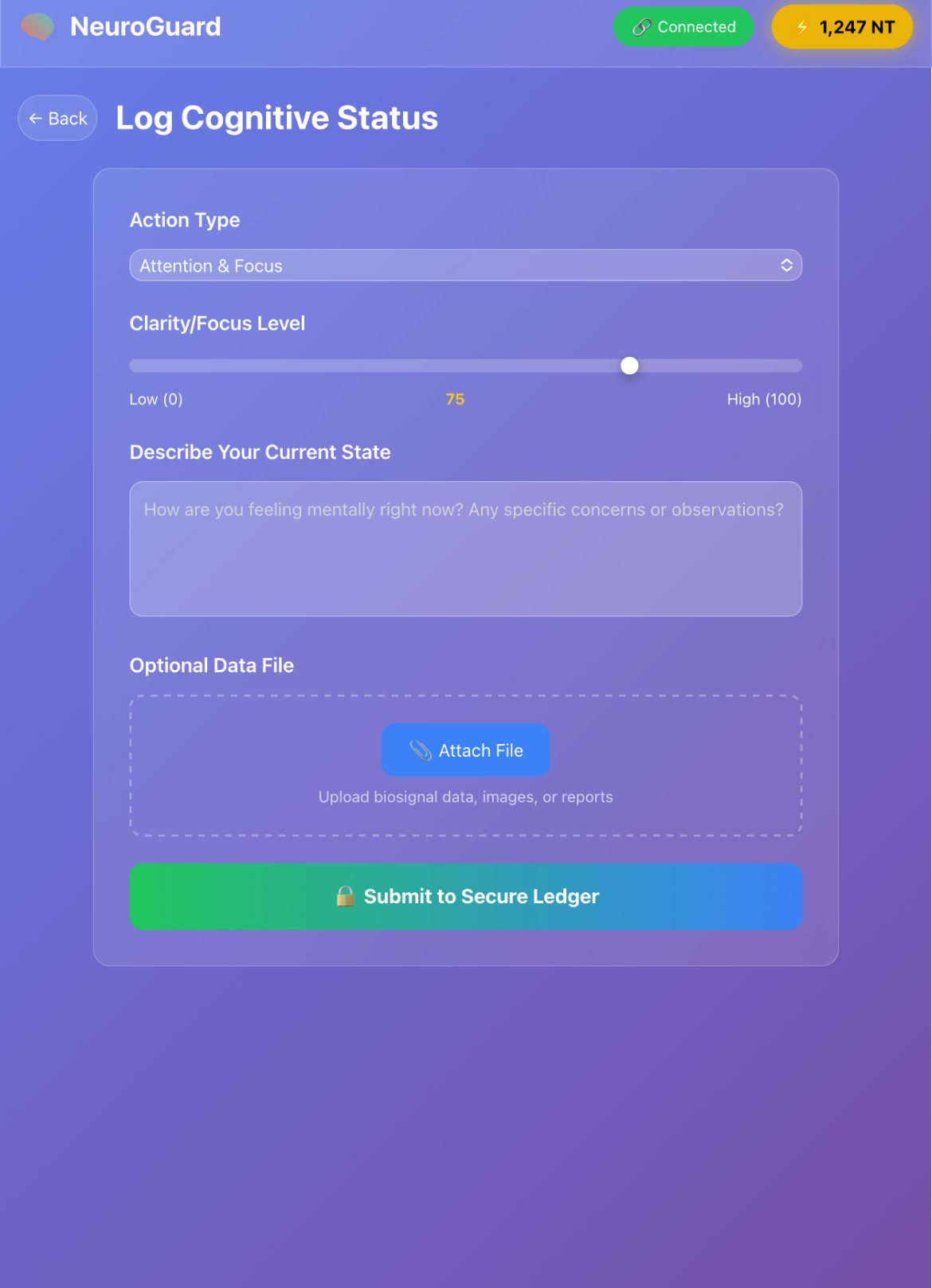
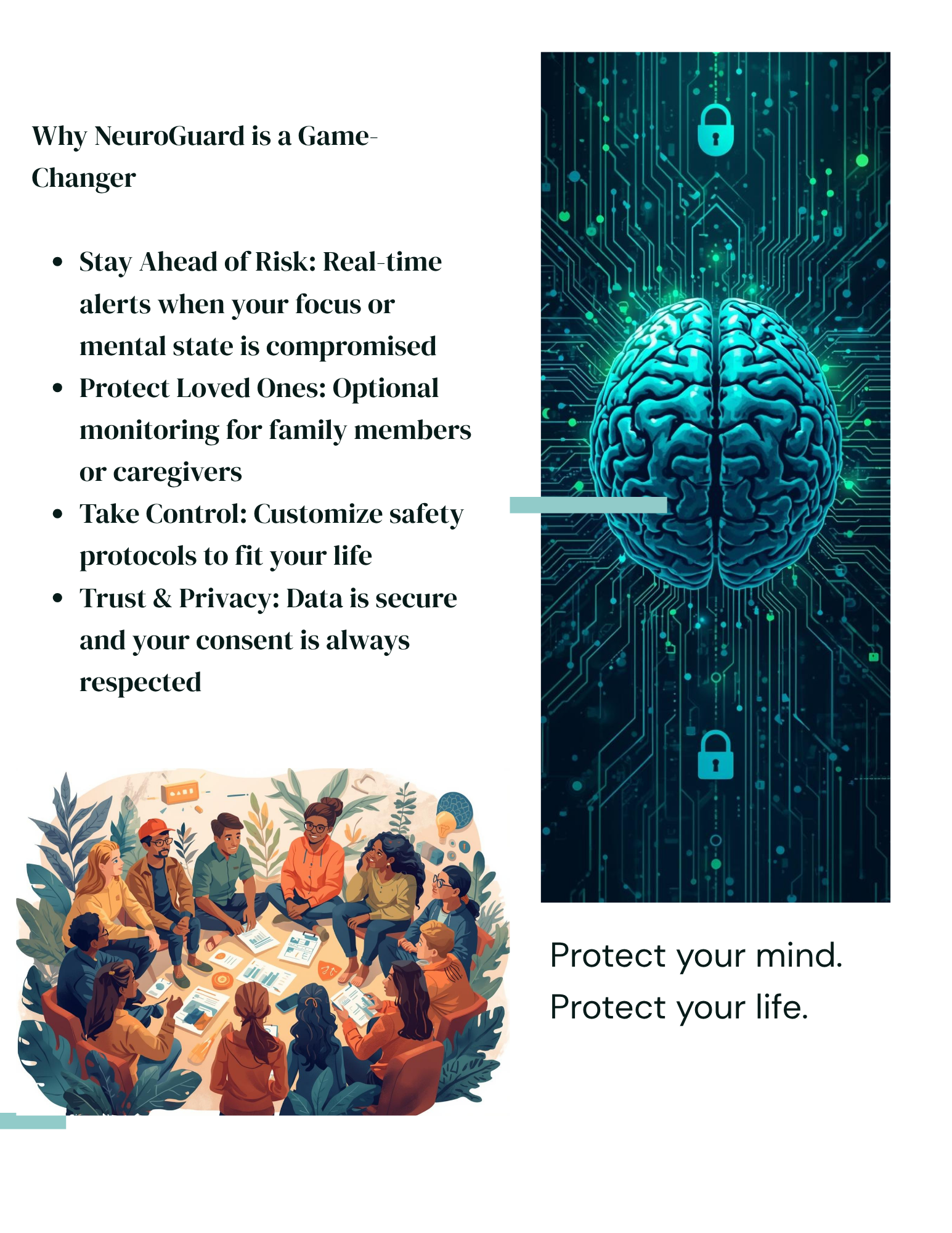
NeuroGuard is an AI-powered platform that monitors cognitive safety in real time. It simulates biosignal inputs (like attention scores, stress levels, or fatigue markers) and uses predictive modeling to detect when a user may be cognitively compromised. If risk is detected, NeuroGuard triggers customizable safety protocols—such as sending alerts, locking devices, or activating geofencing. It also offers a dashboard for users or caregivers to track cognitive trends and make informed decisions.
🛠️ How we built it
We built NeuroGuard using:
- React Native for a mobile-first interface
- Python + TensorFlow for AI modeling of cognitive risk
- Wolfram Language to simulate biosignal patterns and run symbolic analysis
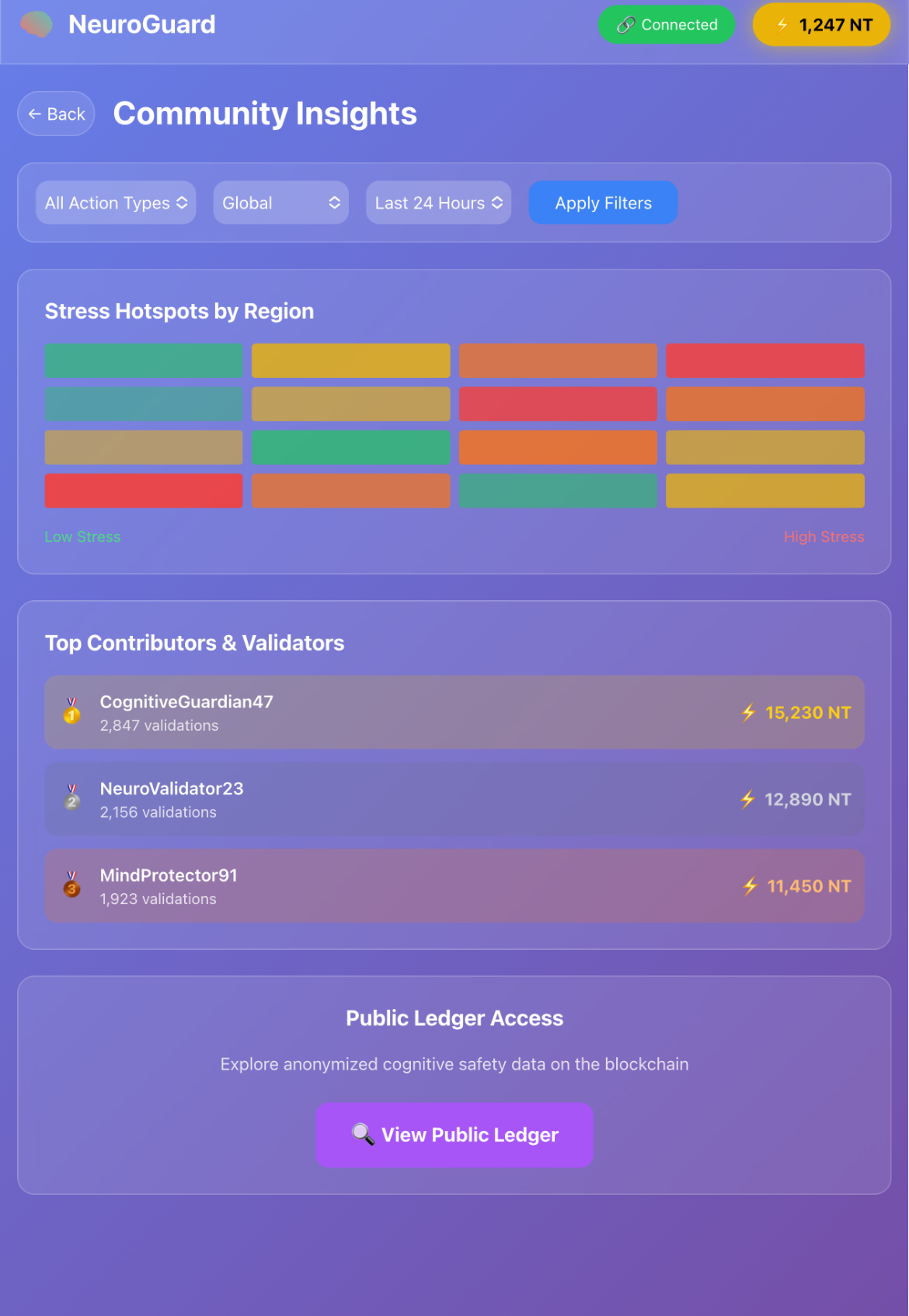
- IPFS for decentralized storage of anonymized cognitive logs
- MetaMask for wallet-based identity and optional token rewards
- Figma for UI/UX design and prototyping
- GitHub + Discord for collaboration and version control
The prototype simulates real-world use cases with mock data and symbolic modeling to demonstrate functionality.
🧩 Challenges we ran into
- Designing cognitive risk detection without access to clinical-grade biosignal hardware
- Ensuring ethical data handling and privacy in a security-focused app
- Balancing simplicity with scientific depth in the user interface
- Simulating real-time alerts and geofencing logic within a limited timeframe
🏆 Accomplishments that we’re proud of
- Architecting a new category: Cognitive SafetyTech
- Building a functional prototype that demonstrates real-time risk detection and response
- Designing an interface that’s both intuitive and scientifically grounded
- Creating a launchable blueprint that reflects our values: equity, foresight, and ethical innovation
📚 What we learned
- Security isn’t just physical—it’s cognitive, emotional, and anticipatory
- Youth-led teams can build clinically relevant, ethically sound solutions with the right tools and mission
- Symbolic computation can enrich biosignal modeling even in low-resource settings
- Real-world impact starts with reframing overlooked problems
🚀 What’s next for NeuroGuard for Cognitive Security
We’re preparing to integrate real EEG and HRV data, refine our AI model for broader use cases, and explore pilot deployments in elder care, solo travel, and mental health support. Our long-term vision is to publish a whitepaper on Cognitive Risk Architecture and launch NeuroGuard as a modular SDK for developers building safety tools.
This isn’t just a hackathon project—it’s a movement blueprint for proactive, brain-first security.
Built With
- figma
- github
- ipfs
- metamask
- python
- reactnative
- tensorflow
- wolfram-technologies

Log in or sign up for Devpost to join the conversation.