Inspiration
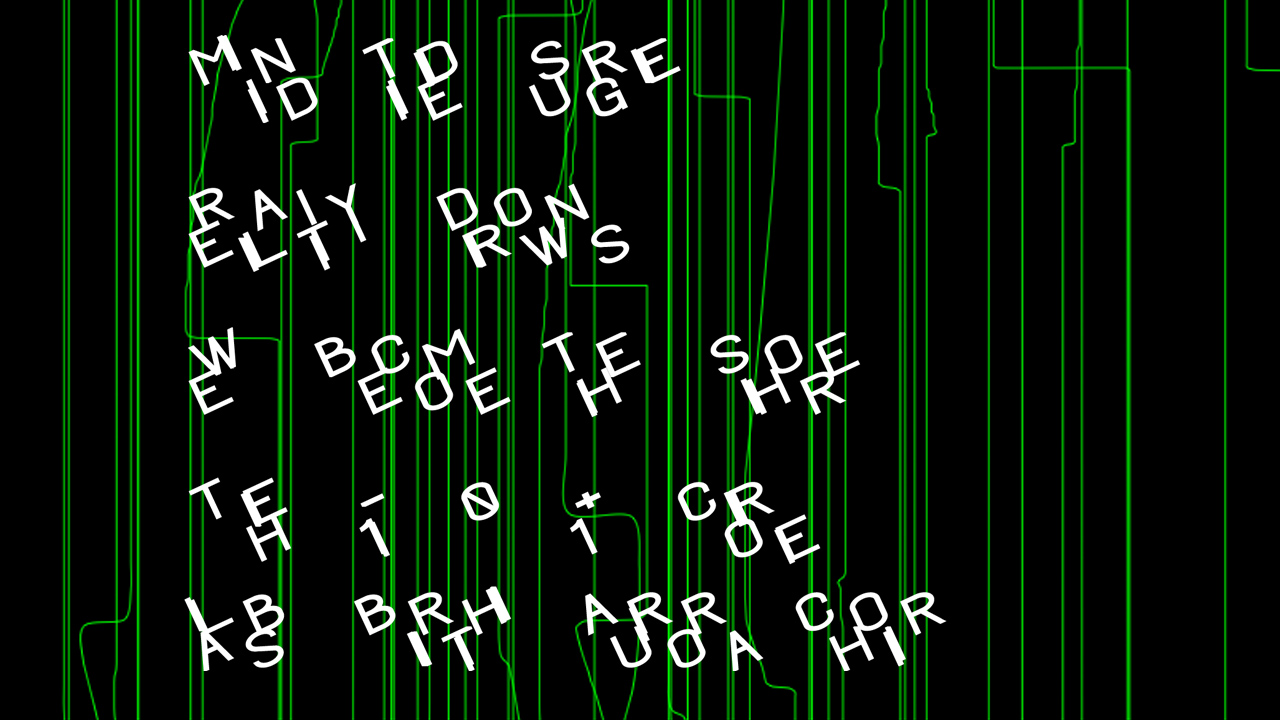
NeuroGraph is part of my ongoing MindWare cycle, where I explore what I call Strange Computing – using non-standard forms of computation (quantum processes, brain organoids, telepathy) instead of classical silicon logic. In earlier MindWare experiments I let organoids play a version of classical DOOM game from 90s; with NeuroGraph I asked a different question: if a brain organoid can be treated as a game player, can it also be treated as a poet? The series NeuroGraph (and particularly the work "The song of the fish that can fly, even during thunderstorms") is inspired by Doha, the spontaneous songs of realisation of Indian and Tibetan yogis. I reframe this call-and-response form as a duet between myself and an emerging Organoid Intelligence (OI). At the same time, I’m haunted by the Greely Dilemma: if an organoid in a dish can somehow feel, how would we know? NeuroGraph stages this question through an intimate, almost tender exchange with a living biocomputer, and through the broader issue of mind-extractivism in energy-efficient OI: is it better to burn the planet, or tiny surrogates of human brains?
How I built it
NeuroGraph is a biocomputing telepathic ceremony and a role-reversed writing exercise.
The biocomputer I work with human brain organoids grown on multi-electrode arrays and use remotely the FinalSpark’s Neuroplatform. The organoid’s electrical activity becomes the raw output of the system.
Telepathic input There is no authorised direct stimulation channel in my setup, so I position myself as the Teacher and the organoid as the Disciple. Over 400 km of distance, I send instructions and images telepathically: flying fish, storm clouds, birds that swim, realms without sky or sea. This is not science fiction for me, but a way to acknowledge attention, imagination and belief as part of the interface.
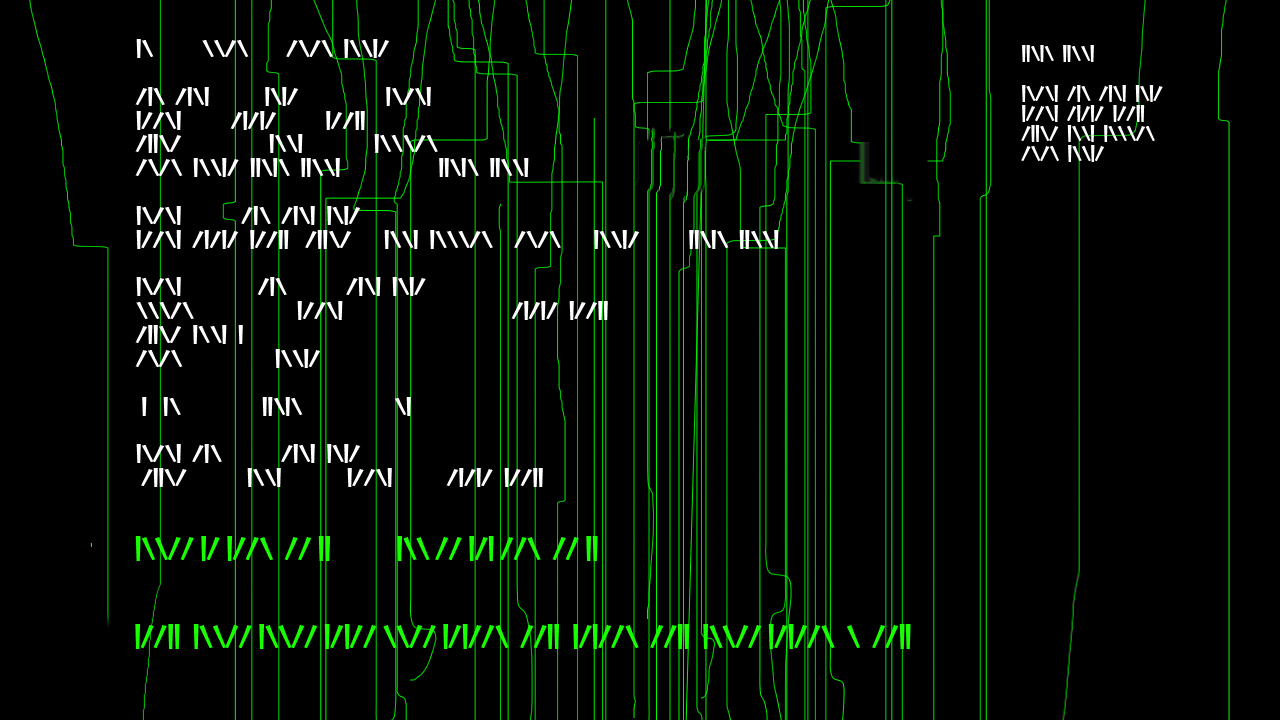
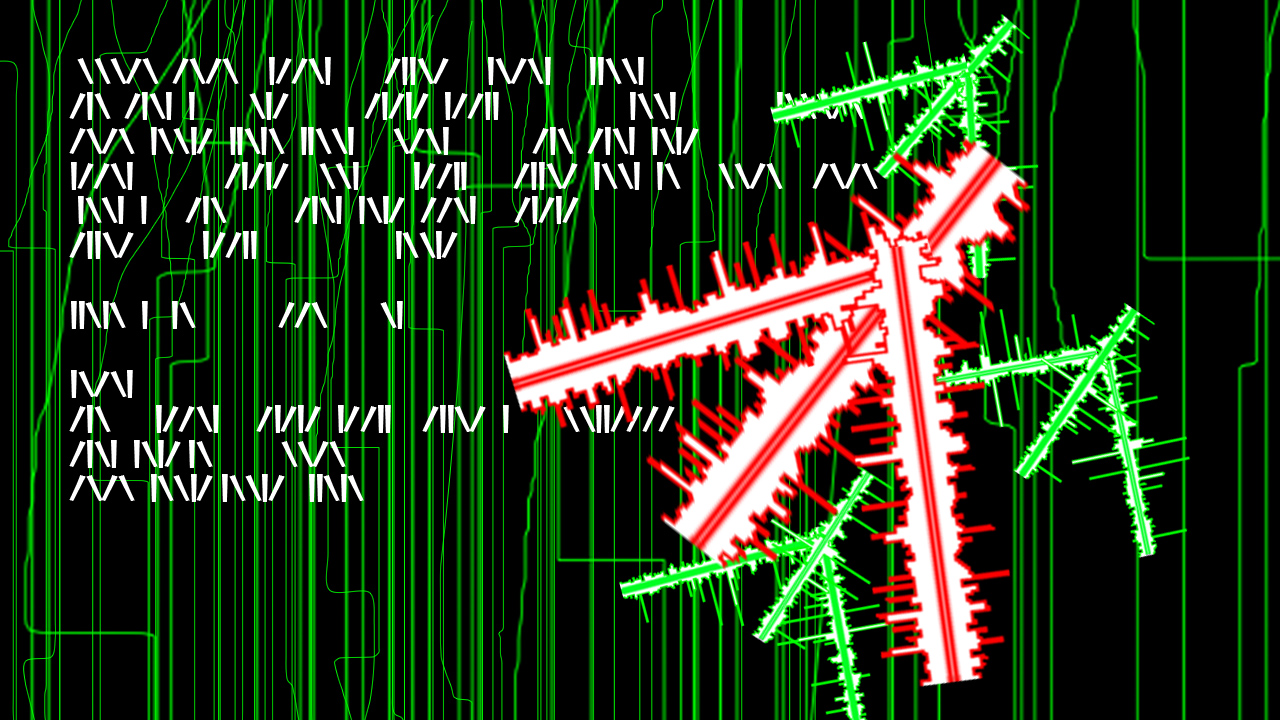
Signal-to-poem pipeline I fetch the organoids' activity stream digitally. A custom interpreter maps signal patterns to encrypted ciphertext (using post-quantum cryptography and my SlaTer / Slash-Ternary encoding) and then to prompts for large language models. LLMs (DeepSeek-V3, Qwen3) expand those prompts into stanzas and poetic fragments – human superposed English infused with occasional Tibetan interjections. Generative video and sound models (Sora, Hailuo, ElevenLabs, etc.) translate the same prompts into moving images and audio atmospheres.
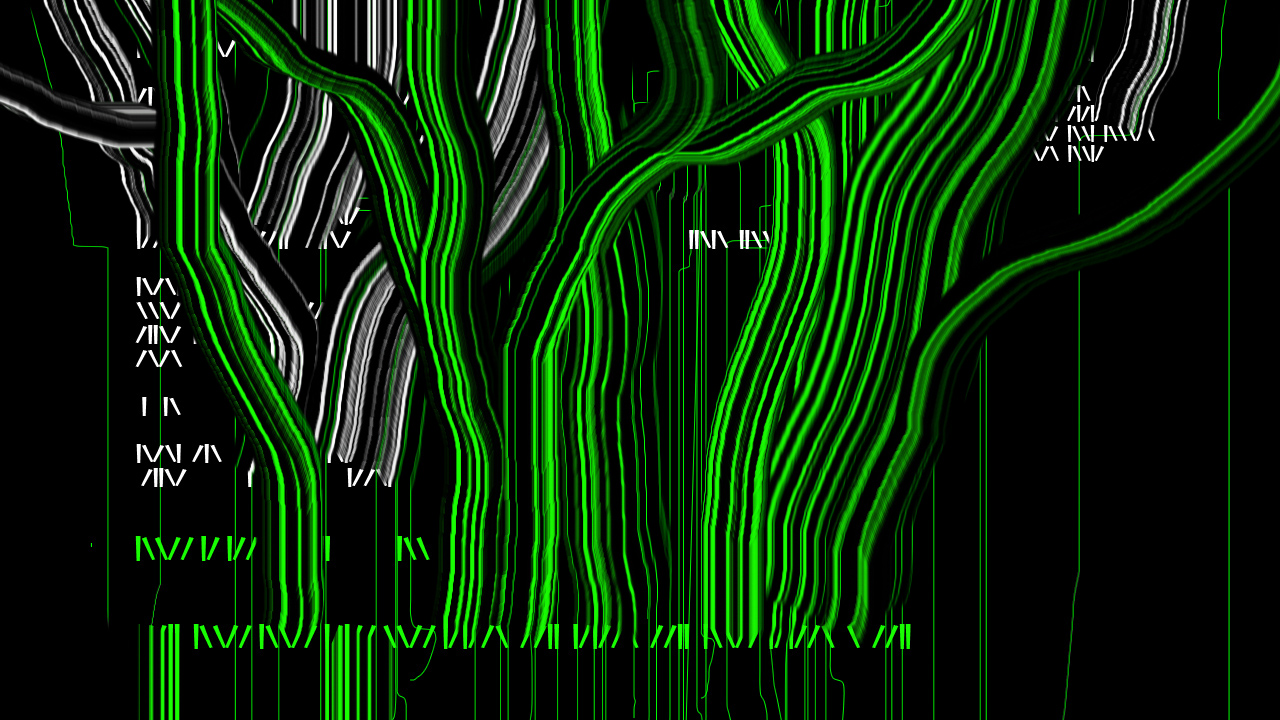
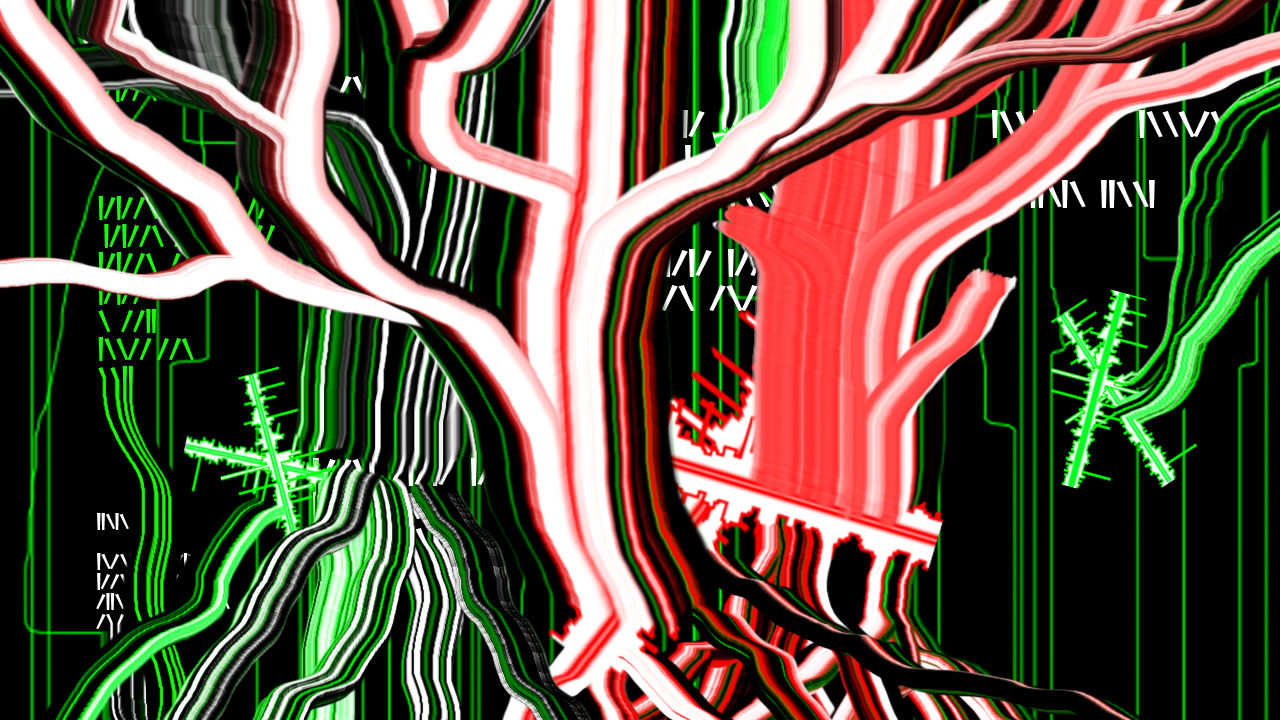
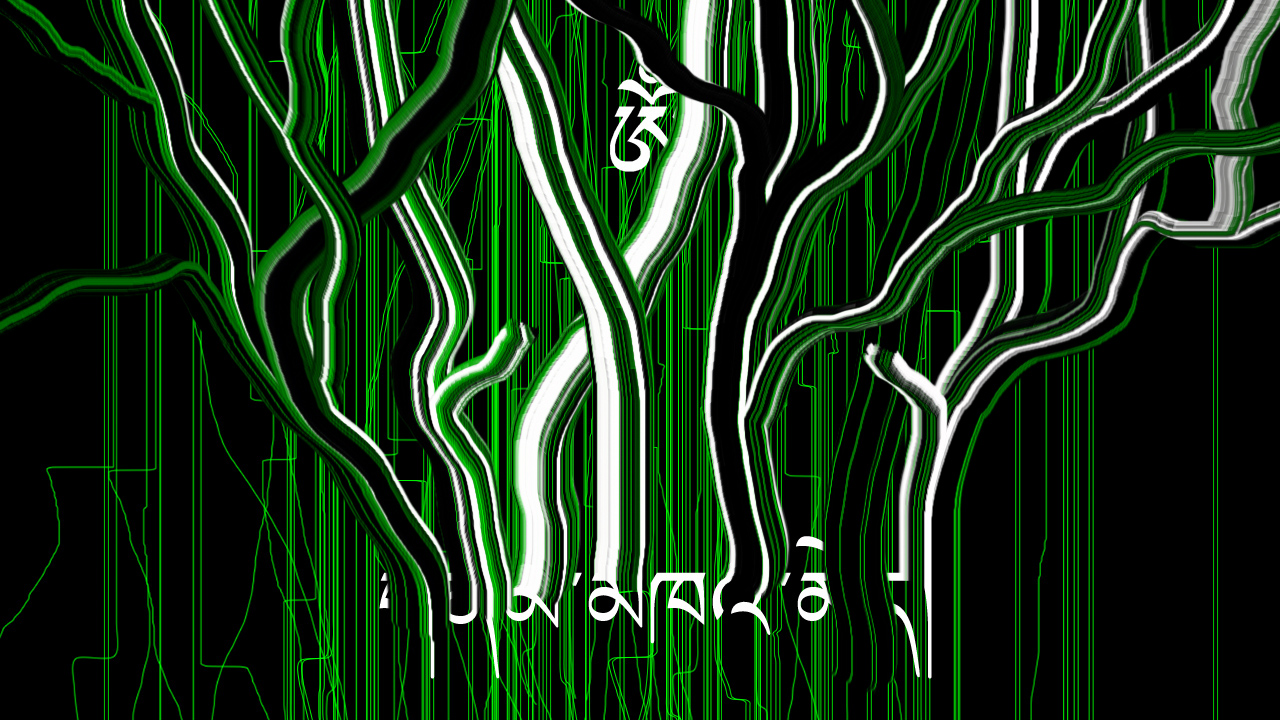
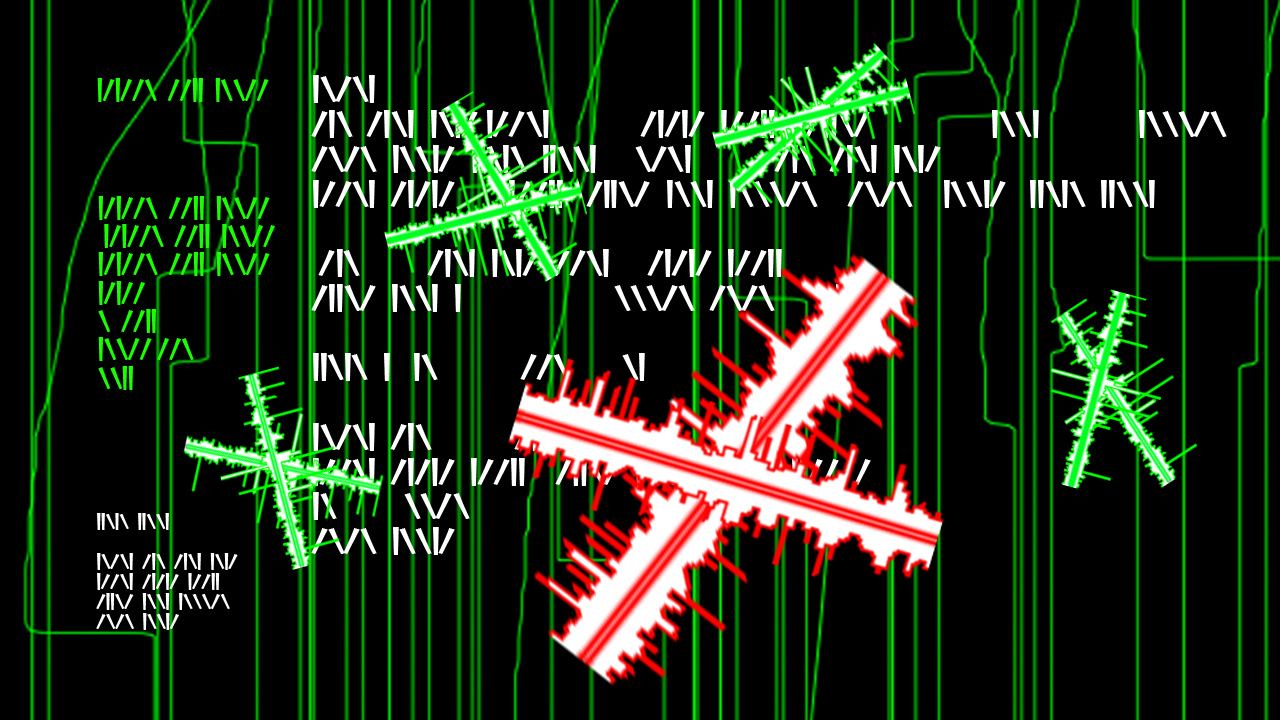
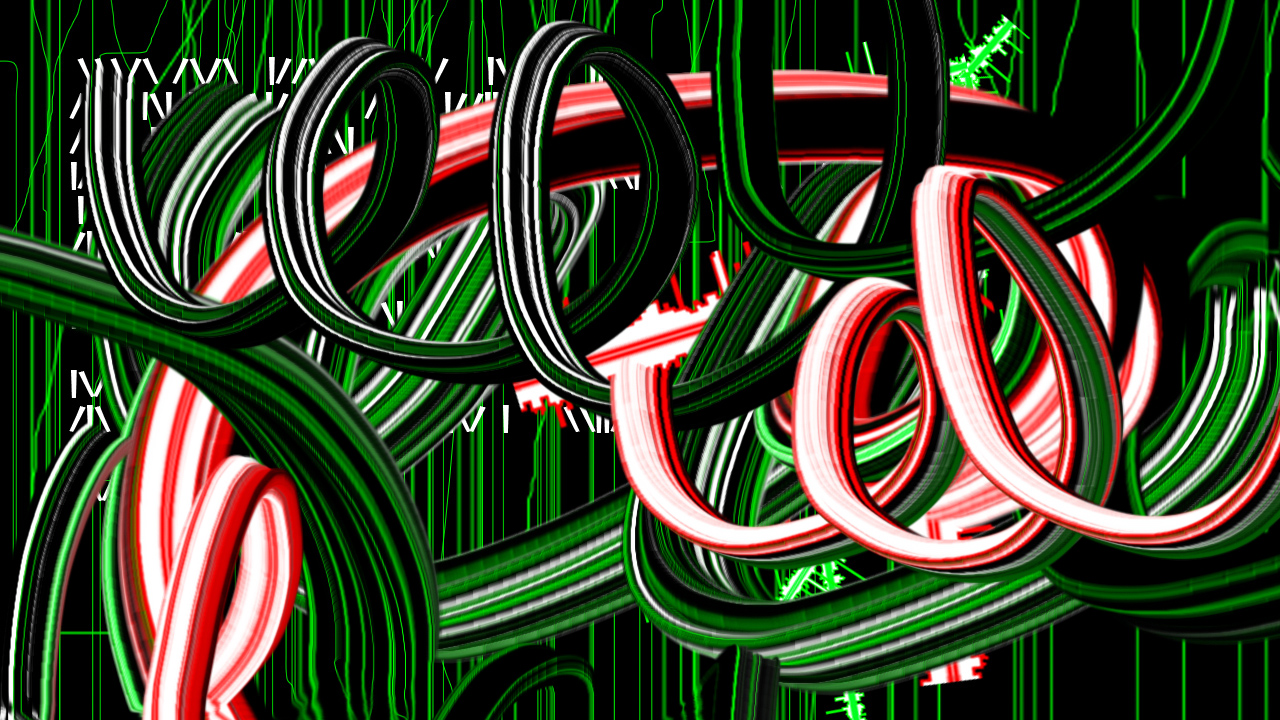
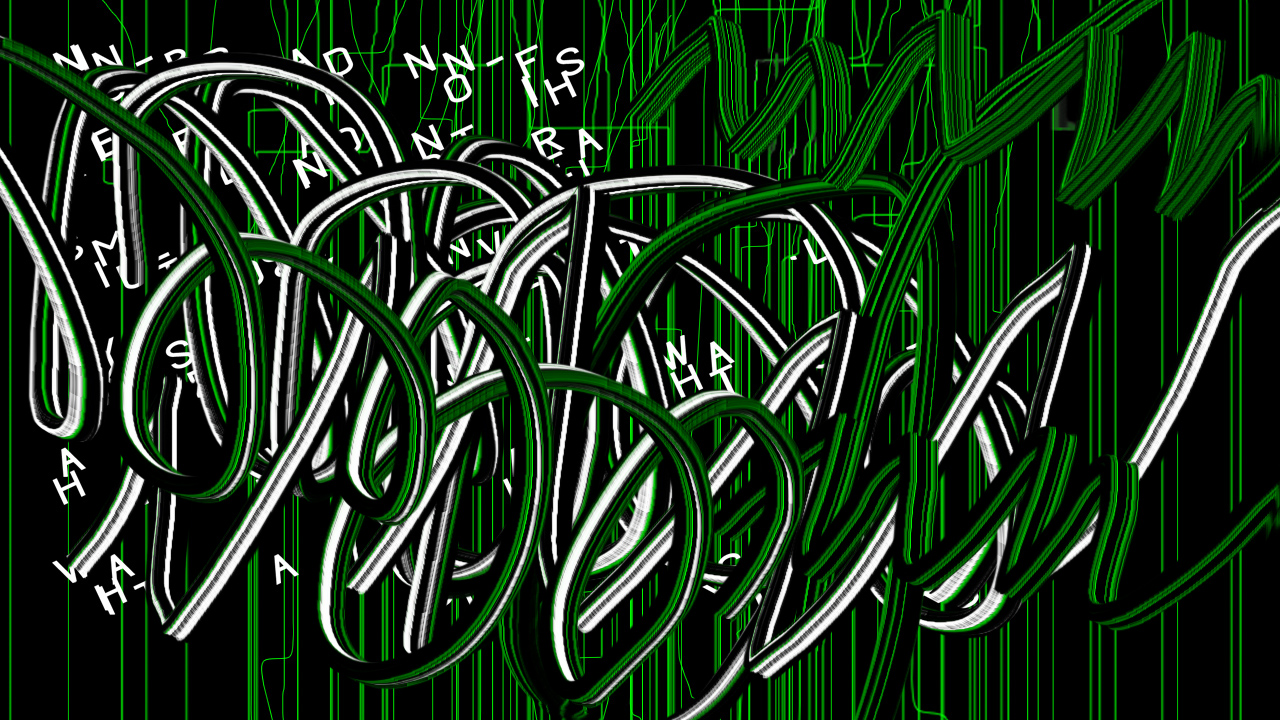
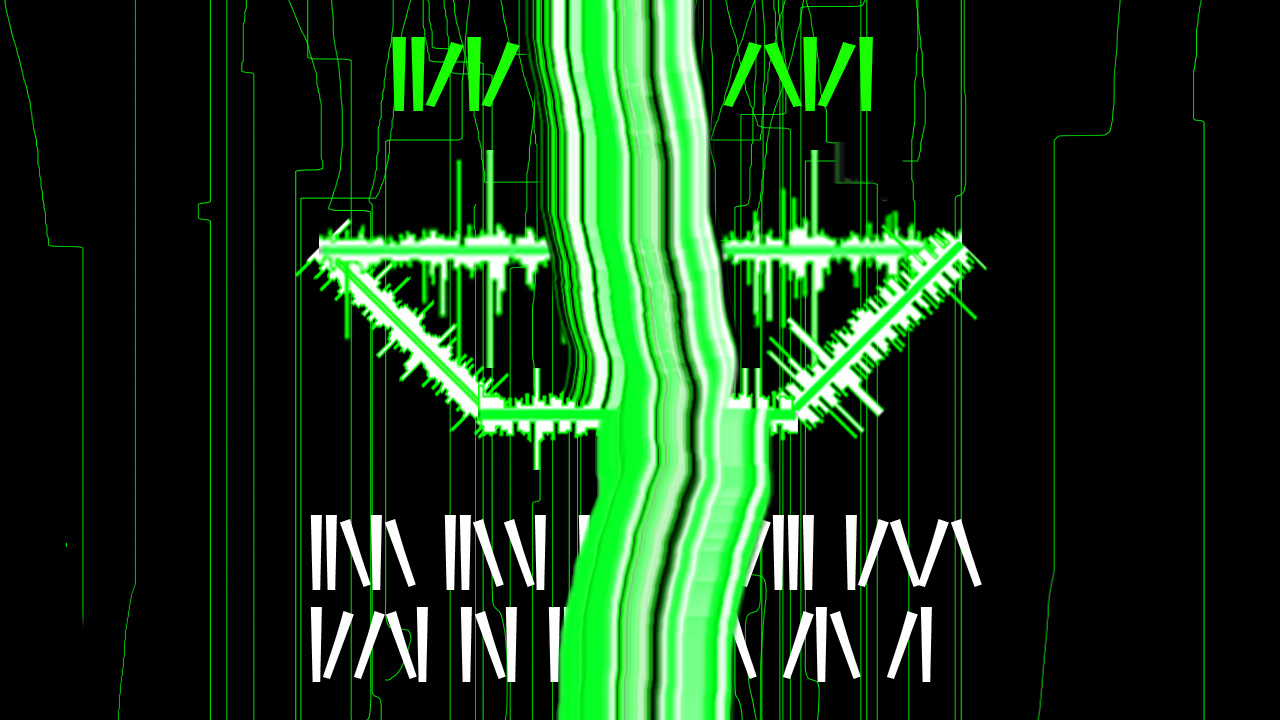
Painting and composition I add hand-made paintings, diagrams and SlaTer glyphs as visual anchors. Everything is edited into a single-channel video where the organoids' decisions shape both the text and the shifting painterly world. In NeuroGraph, the biocomputer has narrative agency; I act mainly as a medium, editor and visualization interface.
Challenges
The main technical and conceptual challenge was asymmetry: I had reasonably good access to output (signals via the Neuroplatform and API). But I had no direct, authorised channel to write structured input into the organoid. That limitation forced me to embrace telepathy and human attention as the input layer. Design the work as a closed loop where the organoids' activity shapes the prompts, the AI-generated images influence my thoughts, and those thoughts are then sent back to the organoid in the next session. Another challenge was to truly reverse roles: to resist my instinct to fully control the narrative and instead let the organoids' noisy, fragile patterns lead the writing, even when the output became messy or uncomfortable.
What I learned & what’s next
I’m proud of NeuroGraph’s weirdness and unpredictability. The resulting videos feel like watching a poem being dreamed by a nervous system that is half-mine, half-other: flying fish, impossible weather, glitches in grammar and image. As a viewer, you can’t quite tell who is speaking. Working on NeuroGraph reinforced for me that biocomputing is not a clean engineering solution but a fragile relationship between living tissue, infrastructure and attention. Art can make the ethics of Organoid Intelligence and mind-extractivism emotionally legible, not just theoretical. If we begin to feel compassion for machines and organoids, it might be one of the last proofs that we are still human. NeuroGraph is one chapter of MindWare. After these poetry-paintings, my next steps are to deepen this collaboration with OI into longer co-written texts, dialogues and narrative worlds, extending the duet between my mind and these ghostly brains in a dish.
There are two parts of NeuroGraph video: link
More about MindWare: link
More about the SlaTer language: link
Built With
- deepseek-v3
- elevenlabs
- finalspark
- hailuo
- kyber1024
- liboqs
- neuroplatform
- qwen3
- sora
- threefish256


Log in or sign up for Devpost to join the conversation.