# NeuroBridge – AI for Inclusive Learning
Inspiration
The idea for NeuroBridge came from observing how many students struggle in traditional classrooms, especially those with ADHD, dyslexia, or autism. Even though they are intelligent, the one-size-fits-all teaching approach makes learning difficult for them. According to studies, nearly 1 in 7 students are neurodivergent, yet classrooms are rarely designed to support their needs. This inspired us to build a solution that adapts to students instead of forcing students to adapt to the system.
What We Learned
While building NeuroBridge, we explored:
Real-time -speech-to-text processing Natural Language Processing (NLP) for simplifying content Basics of accessibility-focused design How AI can personalize education at scale
We also understood the importance of designing technology with empathy, not just functionality.
How We Built It
NeuroBridge is built as a real-time AI assistant for classrooms:
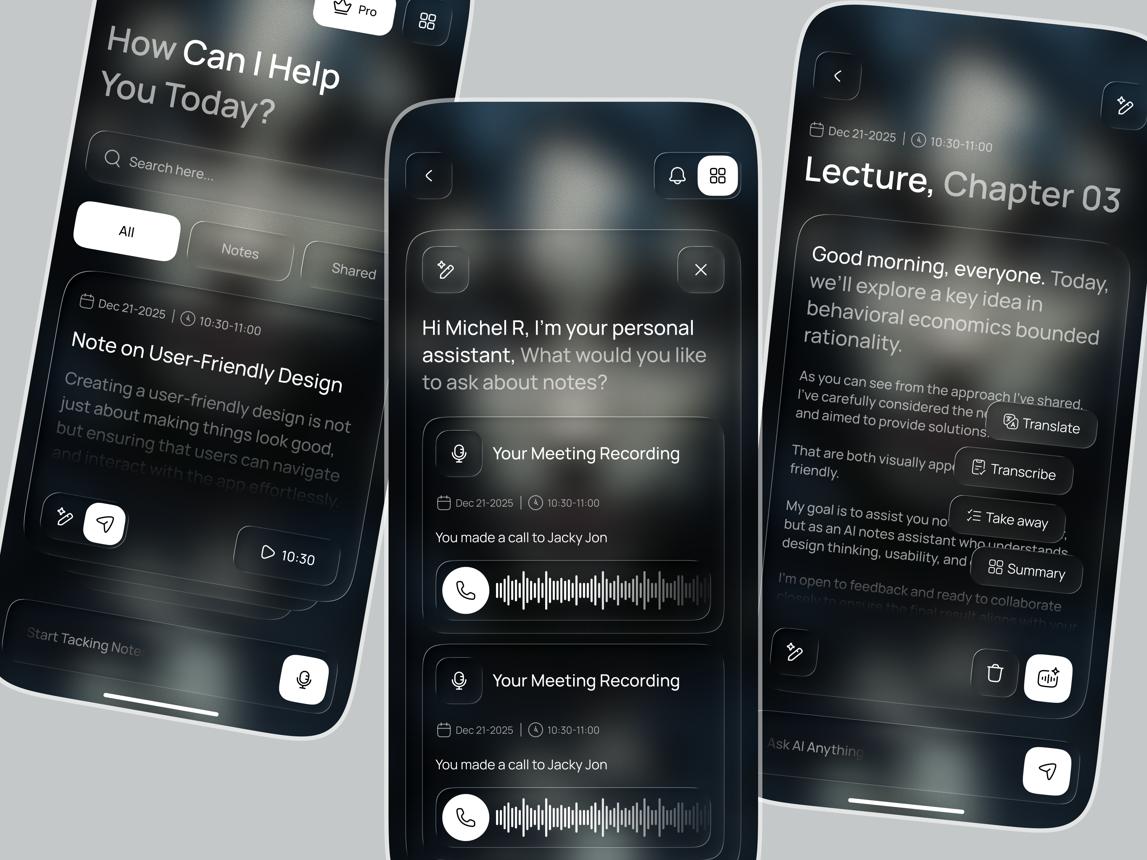
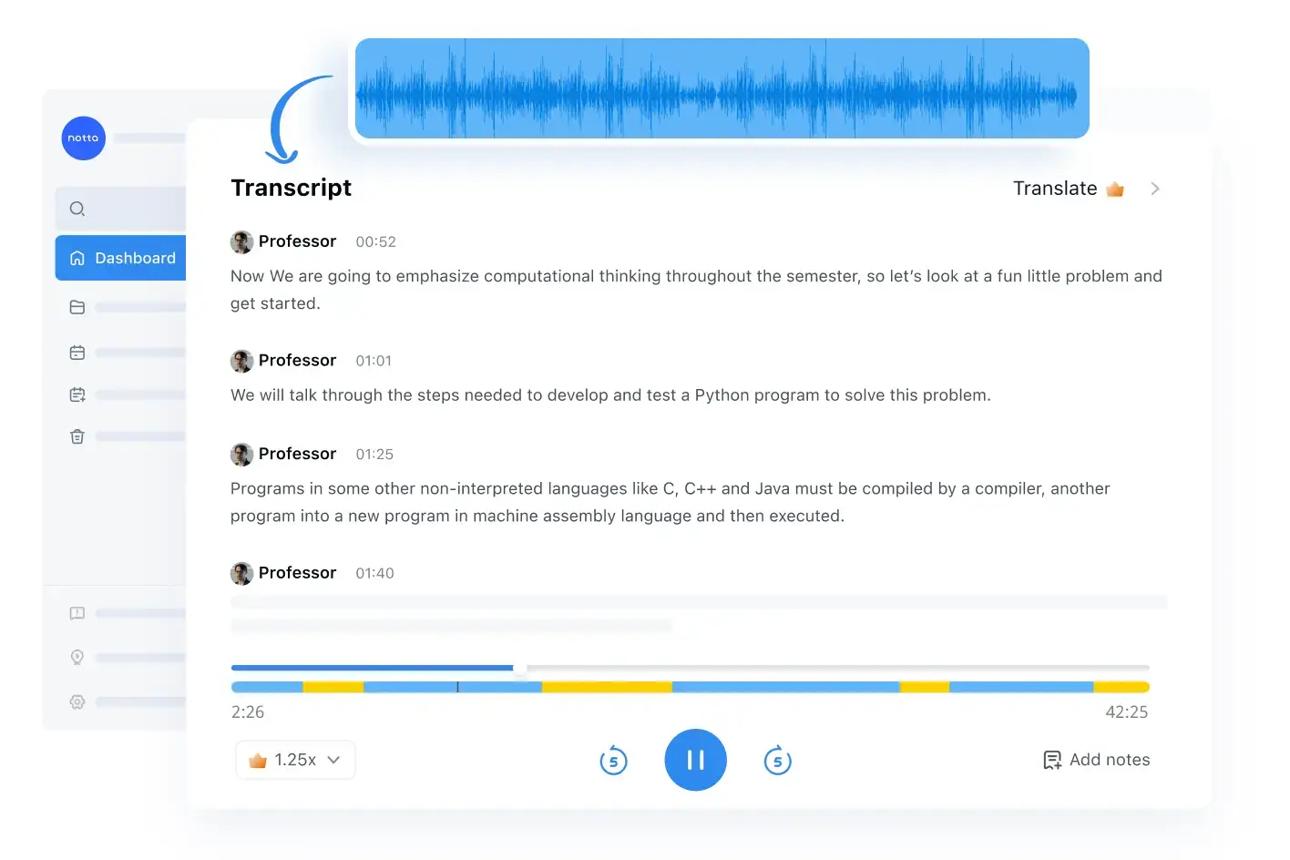
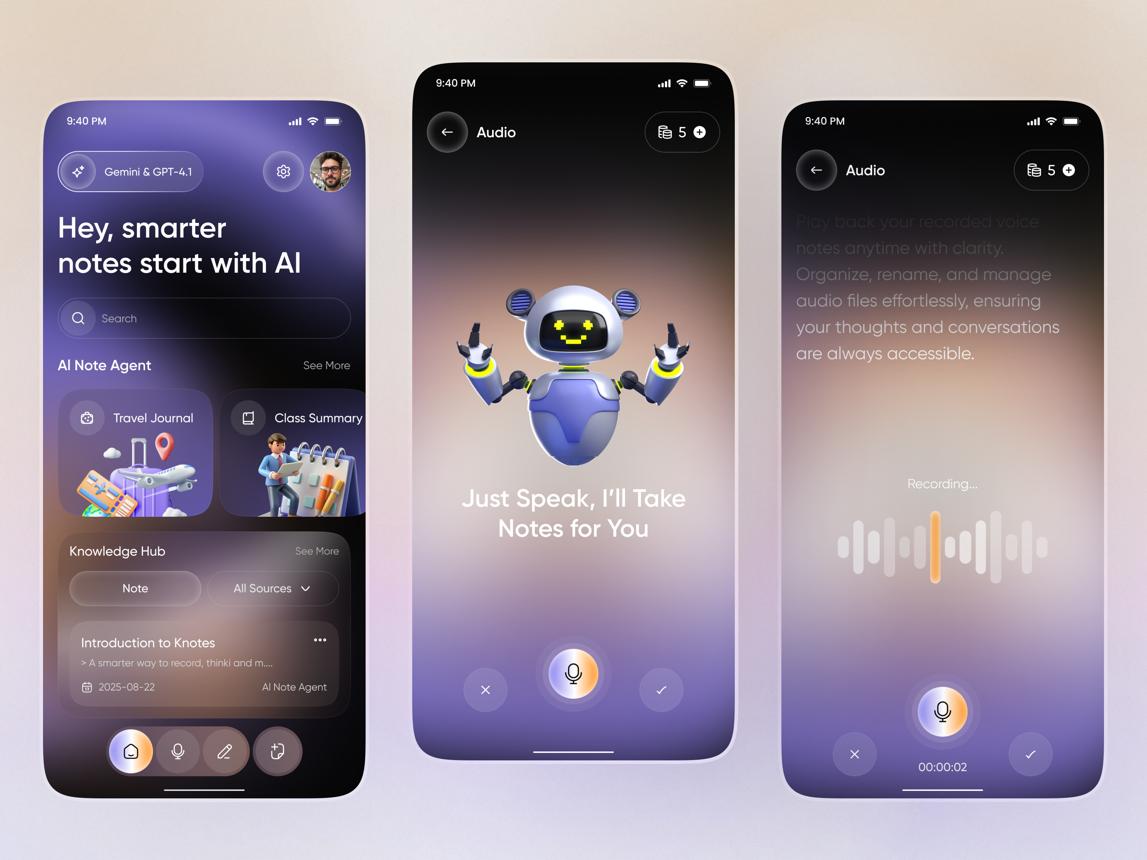
- 🎤 Captures teacher’s speech using speech recognition
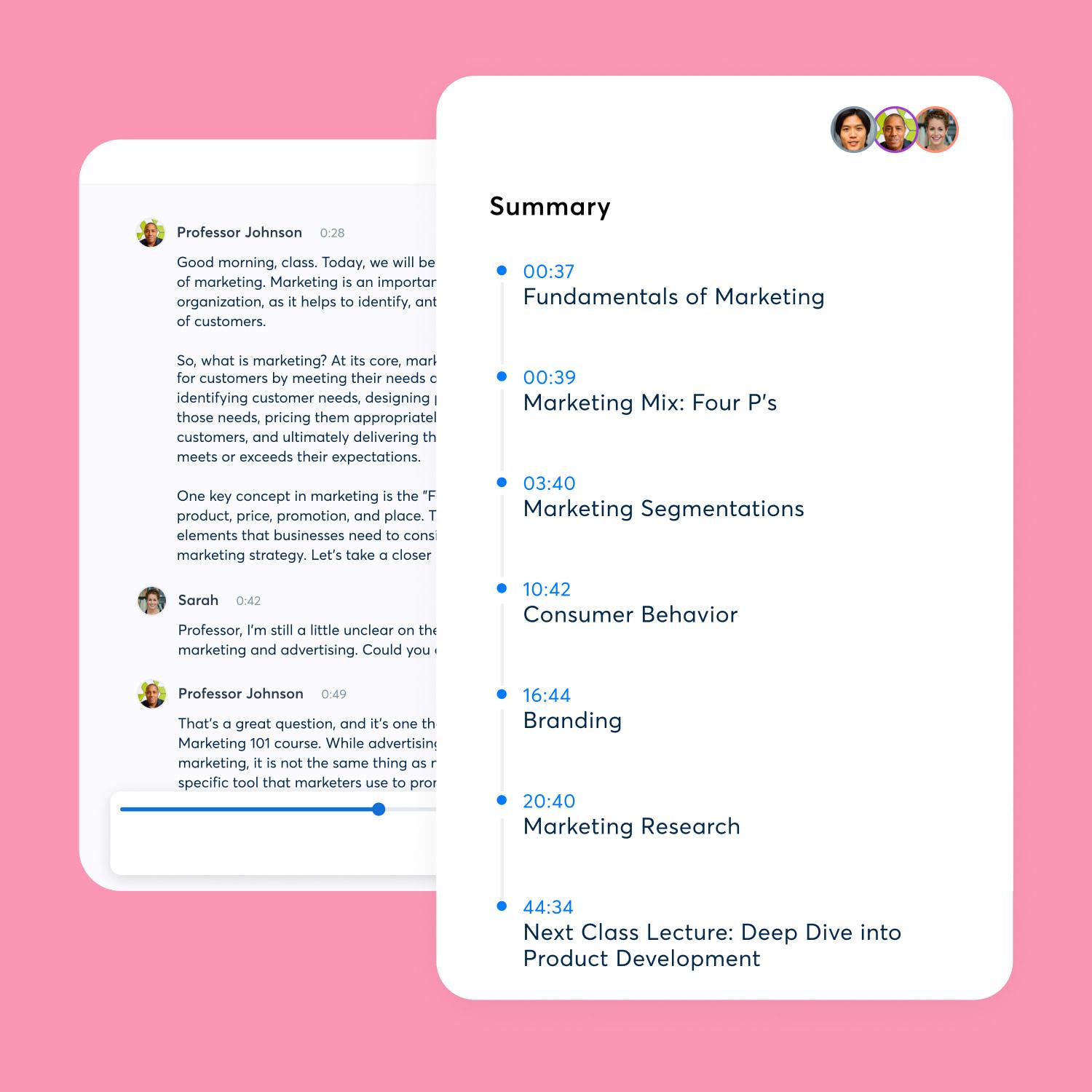
- 🧾 Converts it into simple notes using NLP models
- 🎨 Generates visual summaries and structured content
- 🧠 (Optional) Tracks focus using basic computer vision
⚙️ Tech Stack
- Frontend: React / simple web UI
- Backend: Python (Flask / FastAPI)
- AI Models: Whisper (speech-to-text), NLP simplification models
- Optional: OpenCV for focus tracking
⚡ Challenges We Faced
- ⏱️ Real-time processing: Ensuring low latency for live lectures
- 🧩 Content simplification: Making explanations simple without losing meaning
- 🎯 Accuracy vs Speed trade-off
- 💻 Limited time to train custom AI models during hackathon
➗ Example Trade-off
We balanced speed and accuracy using: [ \text{Performance Score} = \alpha \times \text{Accuracy} + (1 - \alpha) \times \text{Speed} ]
🌍 Conclusion
NeuroBridge is more than a project—it’s a step toward inclusive education. By making learning adaptable and accessible, we aim to ensure that no student is left behind, regardless of how they learn.
✨ Education should fit the student, not the other way around.

Log in or sign up for Devpost to join the conversation.