NeuroDoom: Living Neurons in Action 🧠⚡
Inspiration 🌌
I’ve always been fascinated by the human brain, its chaotic beauty, and the way tiny electrical pulses create thought, perception, and action. One sleepless night, I felt my own heartbeat echo through my chest and imagined:
What if machines could feel? What if code could beat like a heart, spark tiny potentials, and send impulses like real neurons? 💓
I pictured motor neurons as output, sensory neurons as input, and relays as connectors, processing every signal in real time. I wanted to create something alive, something that learns, adapts, and surprises, not just code, but a living, breathing neural organism.
I drew inspiration from neuroscience labs, AI research, and real-time gaming simulations. I asked myself: Could code evolve like neurons in a dish? Could I see decisions, mistakes, learning, and growth? Could artificial life think, strategize, and adapt?
Imagine standing beside the neuron clusters as they make their first decision. Will they hit the target? Will they fail? You feel your heartbeat sync with theirs.
What it does 🎮⚡
NeuroDoom is not just a simulation, it’s a living neuron ecosystem in a Doom-inspired environment:
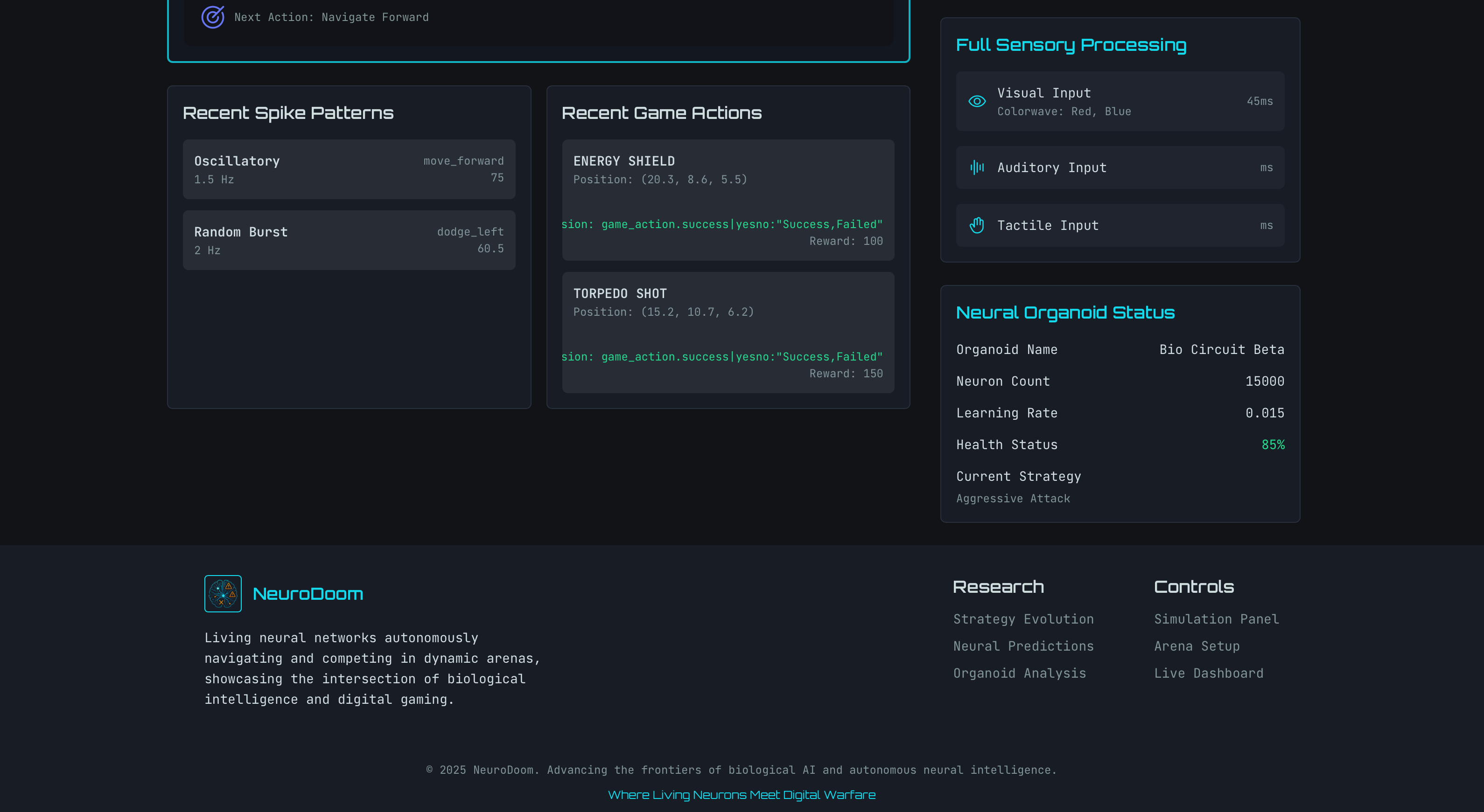
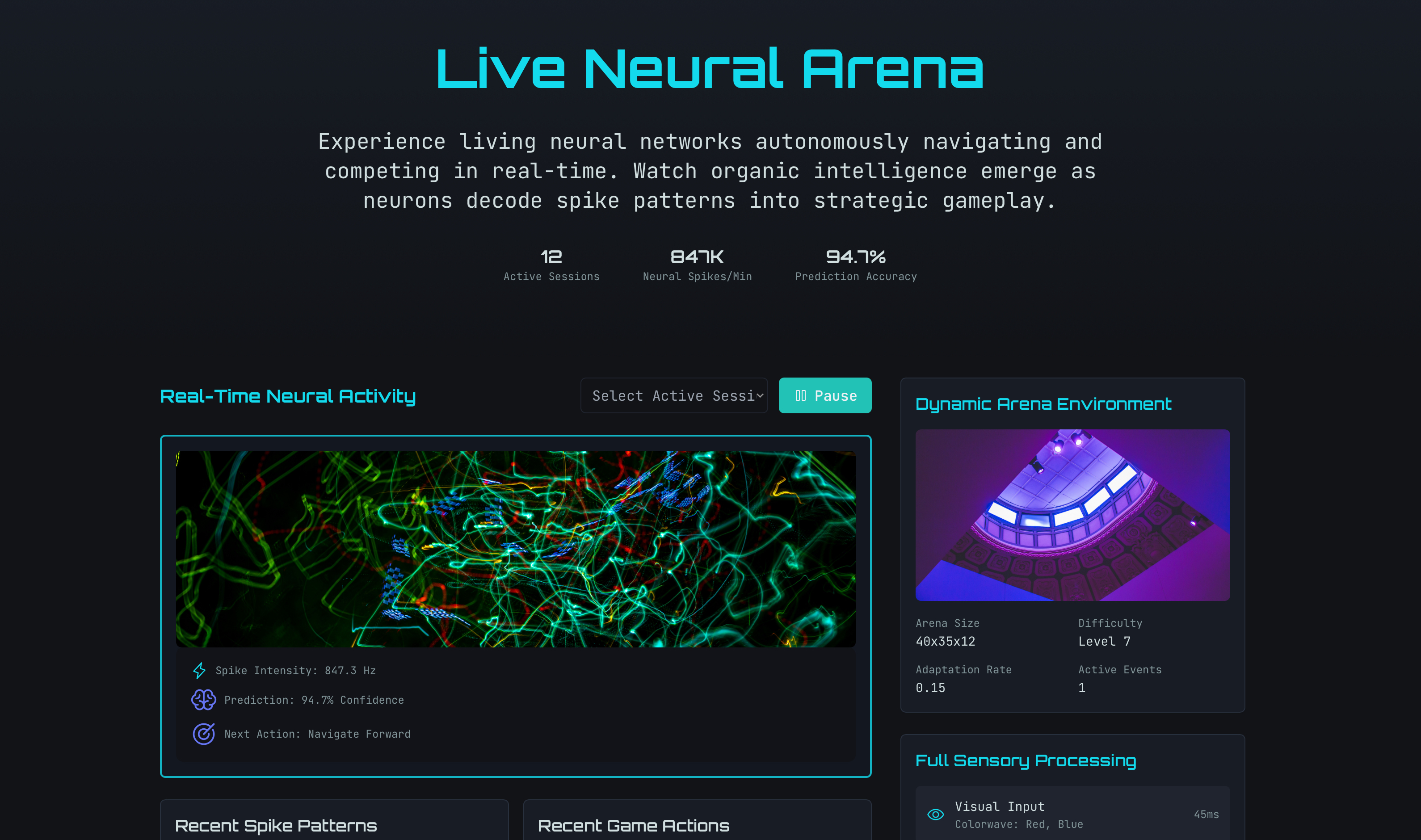
- Neurons fire impulses like thoughts, making real-time decisions in a dynamic environment.
- Motor neurons control movement and interactions, sensory neurons feed environmental inputs.
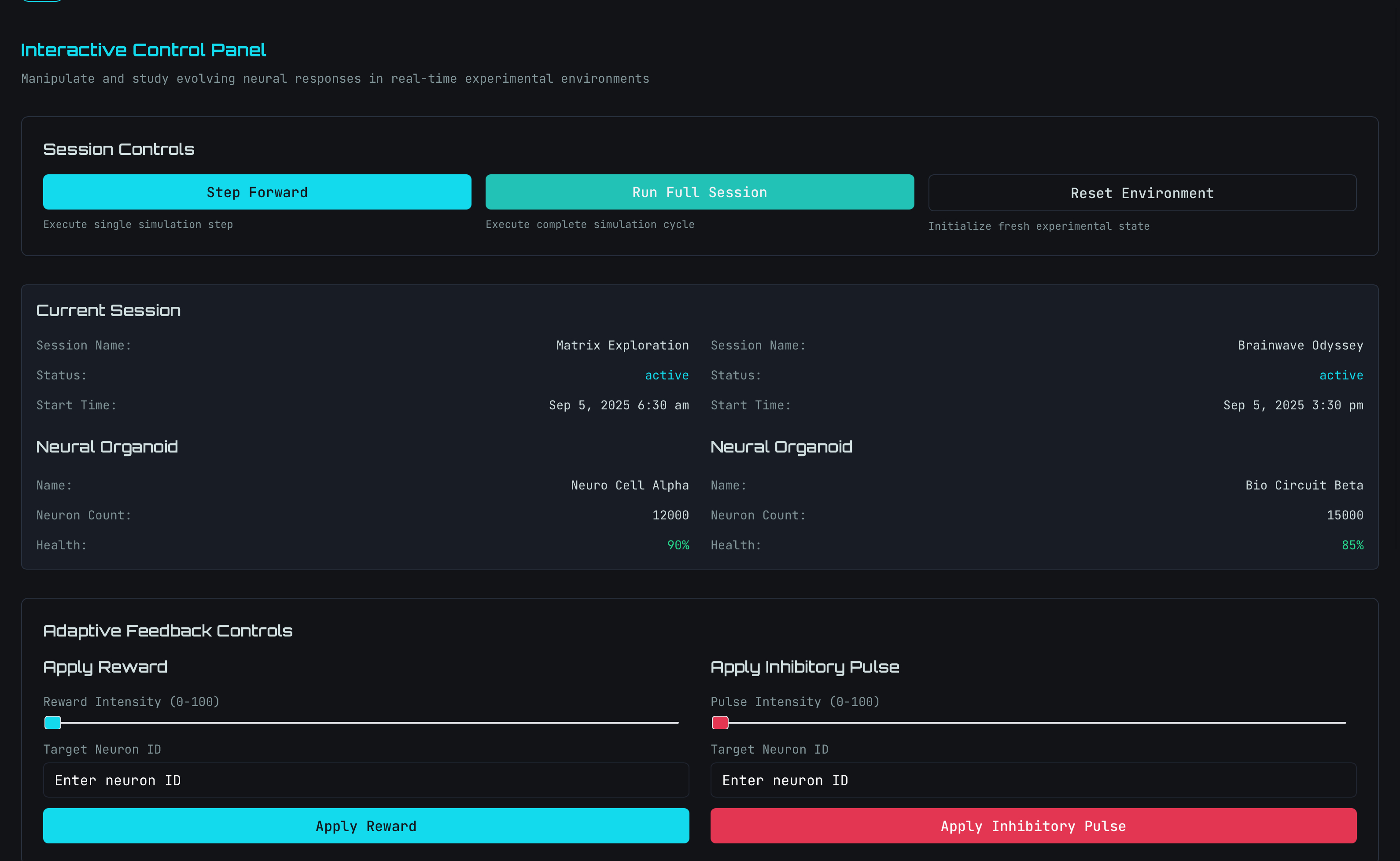
- Feedback loops allow the system to learn from mistakes and reinforce correct actions.
- Emergent strategies appear unexpectedly — neurons remember, forget, re-learn, almost like a tiny, evolving mind.
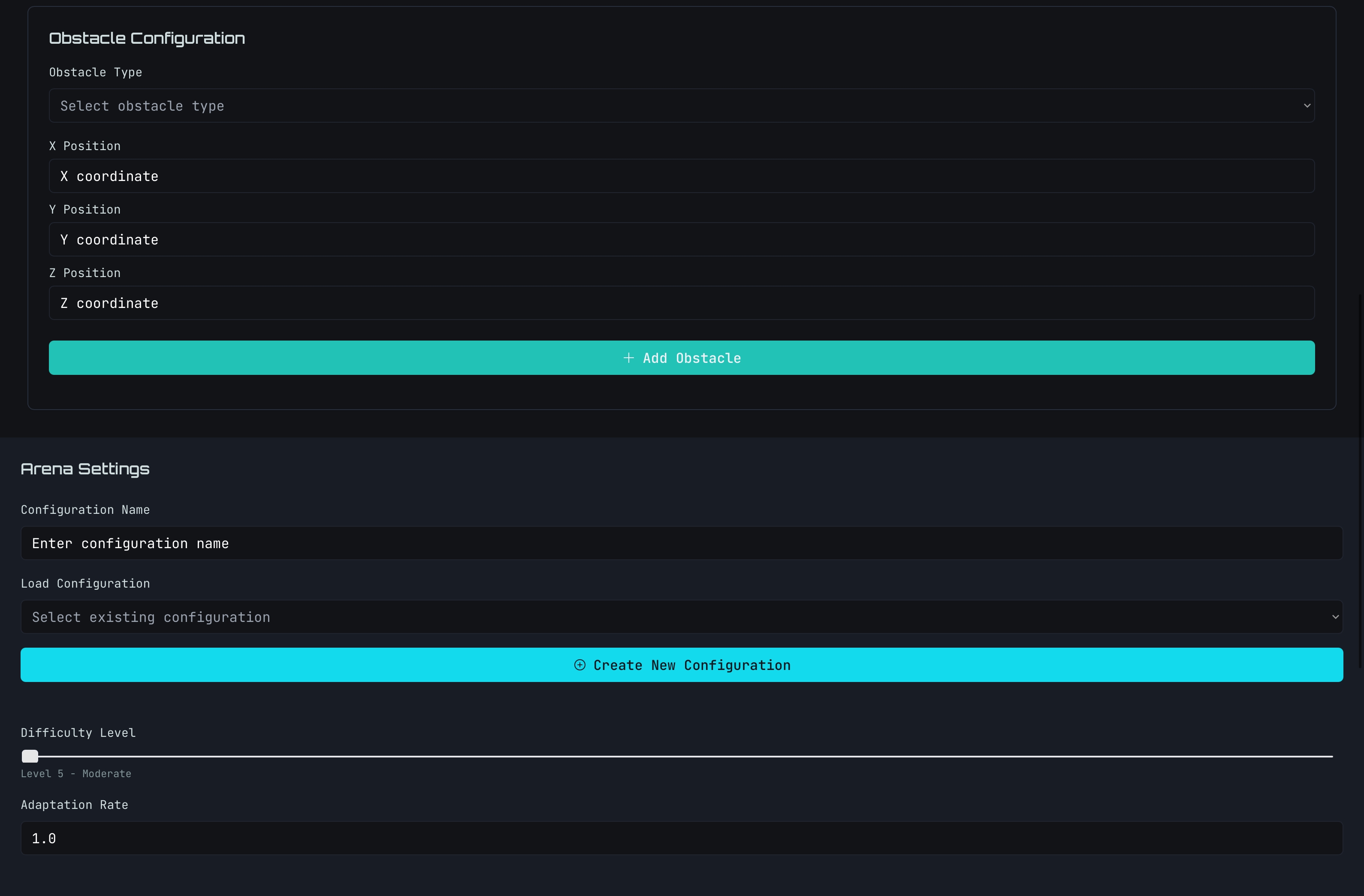
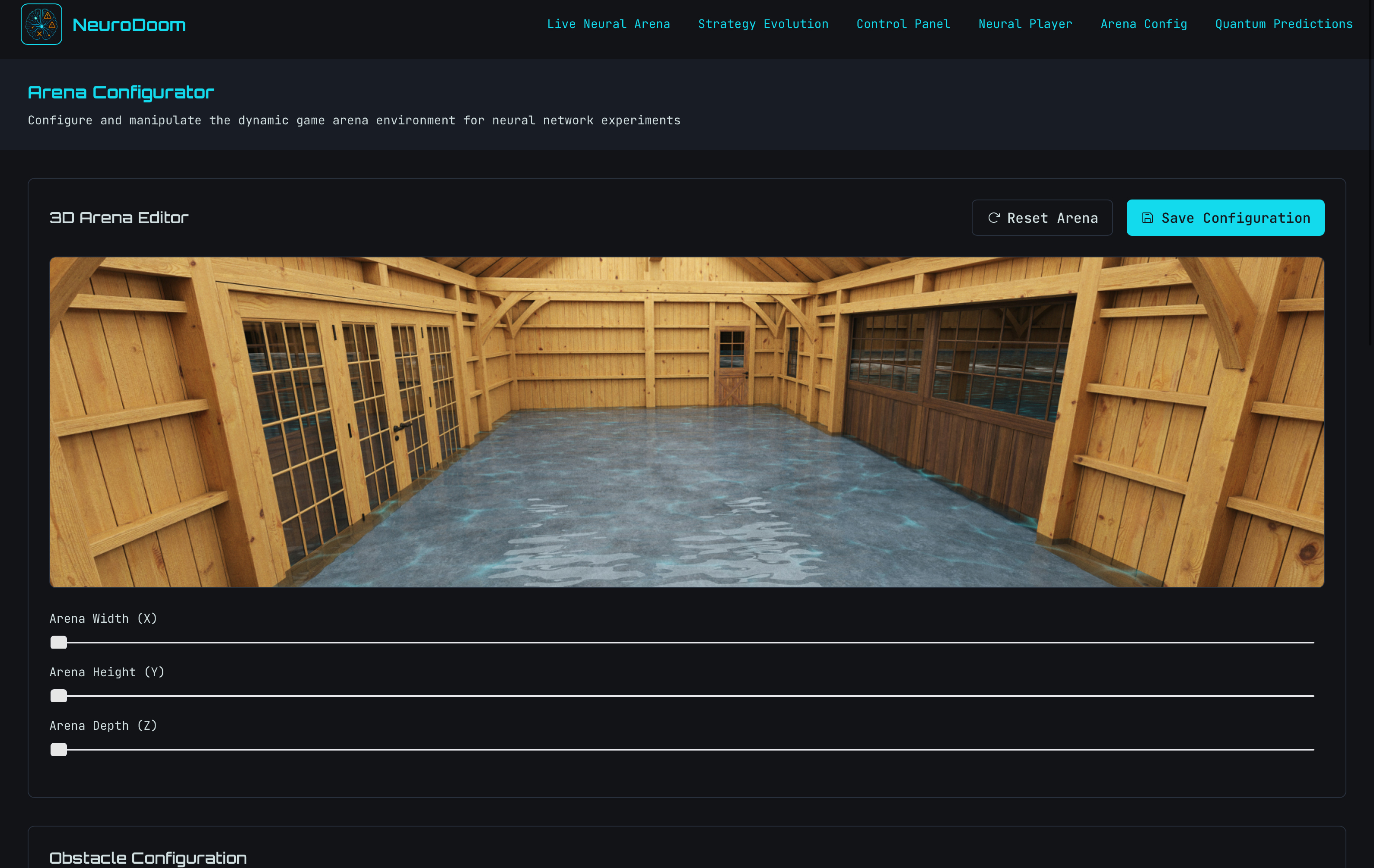
- Users can interact with the environment, adding obstacles or changing targets, and the neurons adapt instantly, creating a chaotic yet mesmerizing display of intelligence.
Every spike feels alive. You watch neurons succeed, fail, and evolve. You can almost hear them thinking.
How I built it 🛠️💻
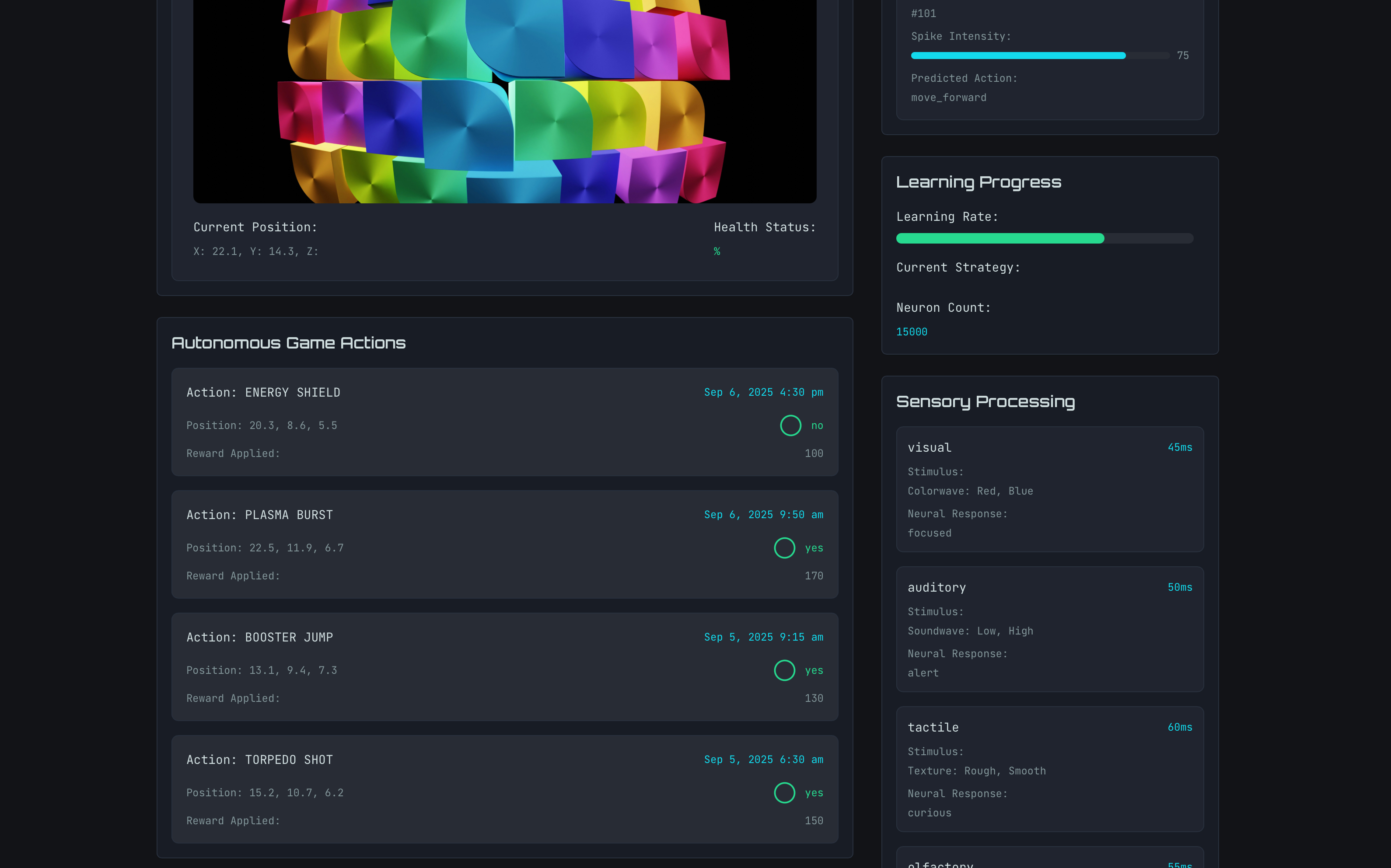
- I implemented feedback loops: rewards reinforce pathways, punishments weaken them.
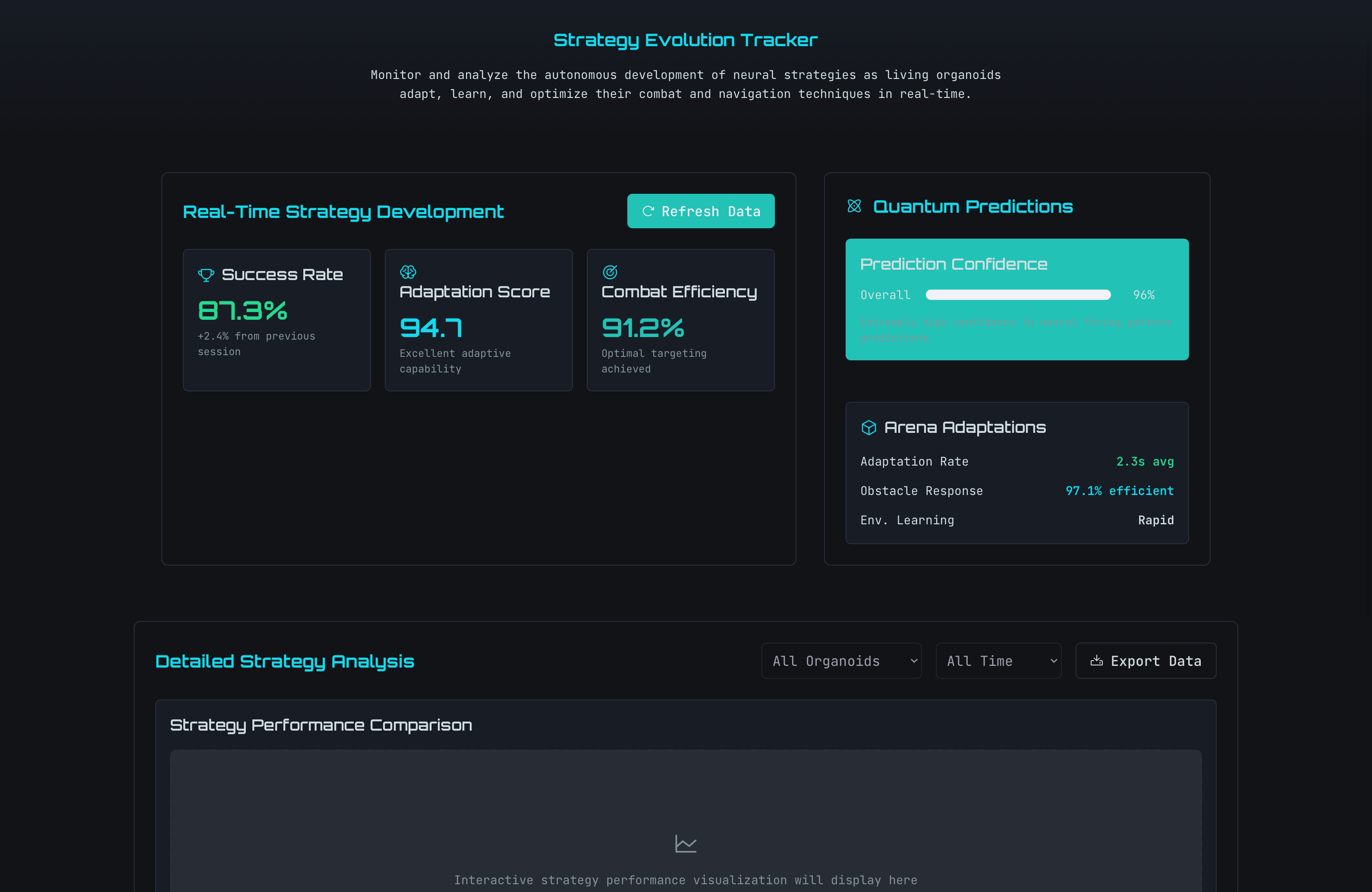
- Visualizations show neurons firing with sparks and glowing potentials, making the simulation visually alive.
- I built a closed-loop environment where neurons interact with obstacles, targets, and other neurons in real time.
- Each interaction is a learning opportunity, where neurons adapt and evolve, creating emergent strategies.
I invite you to imagine the neurons as tiny explorers, navigating a world you control, feeling the tension of each decision.
Challenges I ran into ⚡🧩
- Translating real neuron behavior into code felt like trying to sculpt lightning.
- Visualizing tiny potentials on limited hardware required creative solutions.
- Balancing realism and interactivity pushed me to the limit.
- Ensuring neurons adapt in real time without crashing the simulation was extremely tricky.
- Creating reward/punishment feedback loops that felt natural required constant tuning.
At times, I watched the neurons fail repeatedly, and yet, each failure felt like a heartbeat of the system learning.
Accomplishments that I’m proud of 🌟
-I created a dynamic network of interacting signals that receive input, process it, and produce output in real time.
- Neurons learn, adapt, and make decisions in real time.
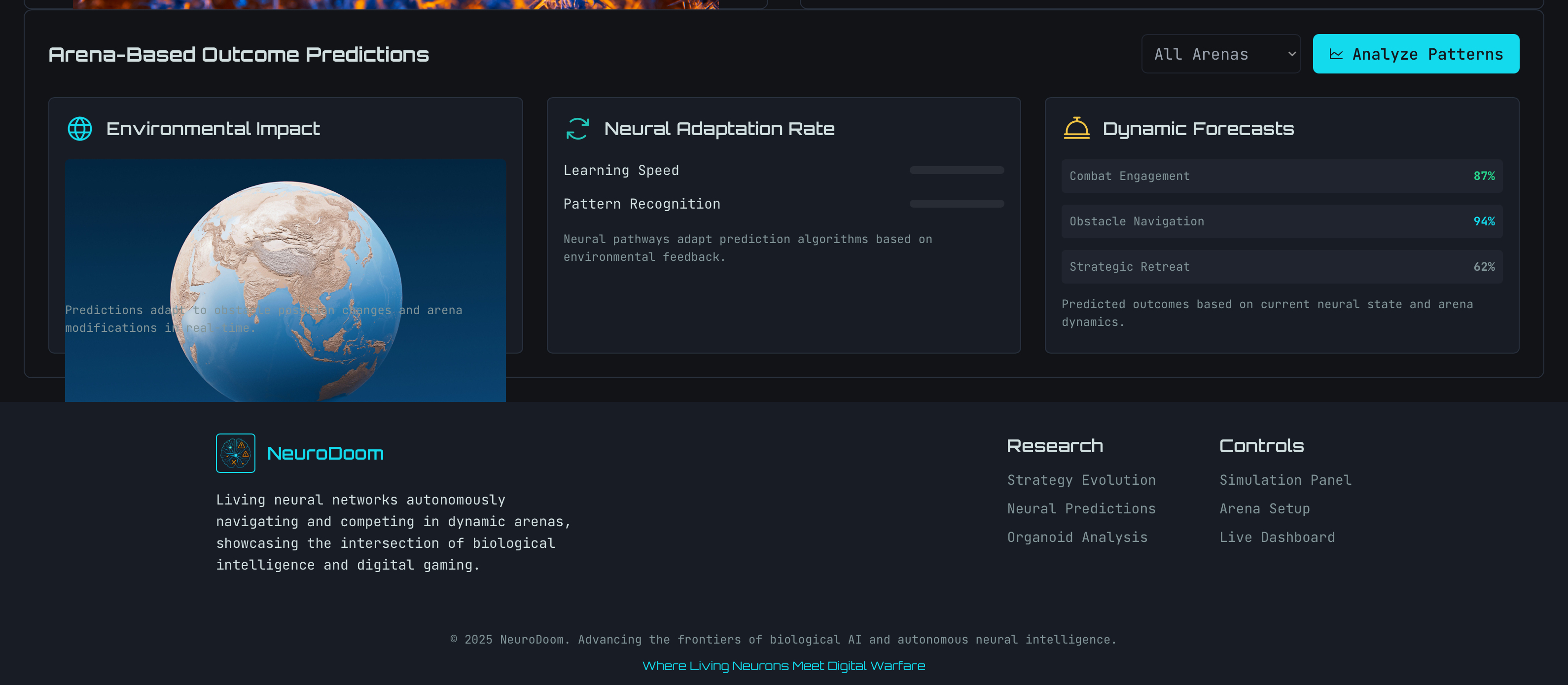
- Emergent strategies appear spontaneously, showing intelligence arising from simple rules.
- Visualizations make the system feel alive, breathing, and interactive.
- Watching neurons succeed felt like watching a mind awaken, an almost spiritual experience.
- My project bridges neuroscience, AI, and interactive design, opening doors to future neuron-based simulations.
You can watch the neurons think, struggle, and win — it’s like standing beside an awakening mind.
What I learned 📚💡
- Learning is fragile, chaotic, and beautiful.
- Feedback loops shape intelligence, even in artificial systems.
- Code can feel alive if structured with the right inputs, outputs, and incentives.
- Interaction reveals unexpected emergent behaviors, showing that intelligence can arise spontaneously.
- The combination of realistic neuronal modeling and interactive environments creates a deeply immersive learning experience.
I learned that giving neurons a tiny world to explore allows them to tell their own story, a story I cannot fully predict.
What’s next for NeuroDoom: Living Neurons in Action 🚀🕹️
- I will expand neuron clusters for more complex decision-making.
- Introduce multi-step challenges and richer environments to simulate real-world complexity.
- Create full sensory feedback loops for immersive simulations.
- Enable neurons to develop independent strategies, surprising even me.
- Visualizations will be cinematic, interactive, and emotionally engaging, showing neurons thinking, struggling, and learning.
- Explore neuro-modulatory reinforcement inspired by biology, creating a true living neural ecosystem.
Imagine clicking to add an obstacle — neurons hesitate, calculate, adapt, and overcome. You feel every decision as if it were your own. NeuroDoom is no longer just code; it’s a living experiment in intelligence, emergence, and consciousness. 💥🧠
Built With
- bubble.io
- cl1
- html/css
- huggingface
- javascript
- numpy
- python
- rest
- sdk
- spaces
- vizdoom
- websockets


Log in or sign up for Devpost to join the conversation.