Inspiration## Inspiration
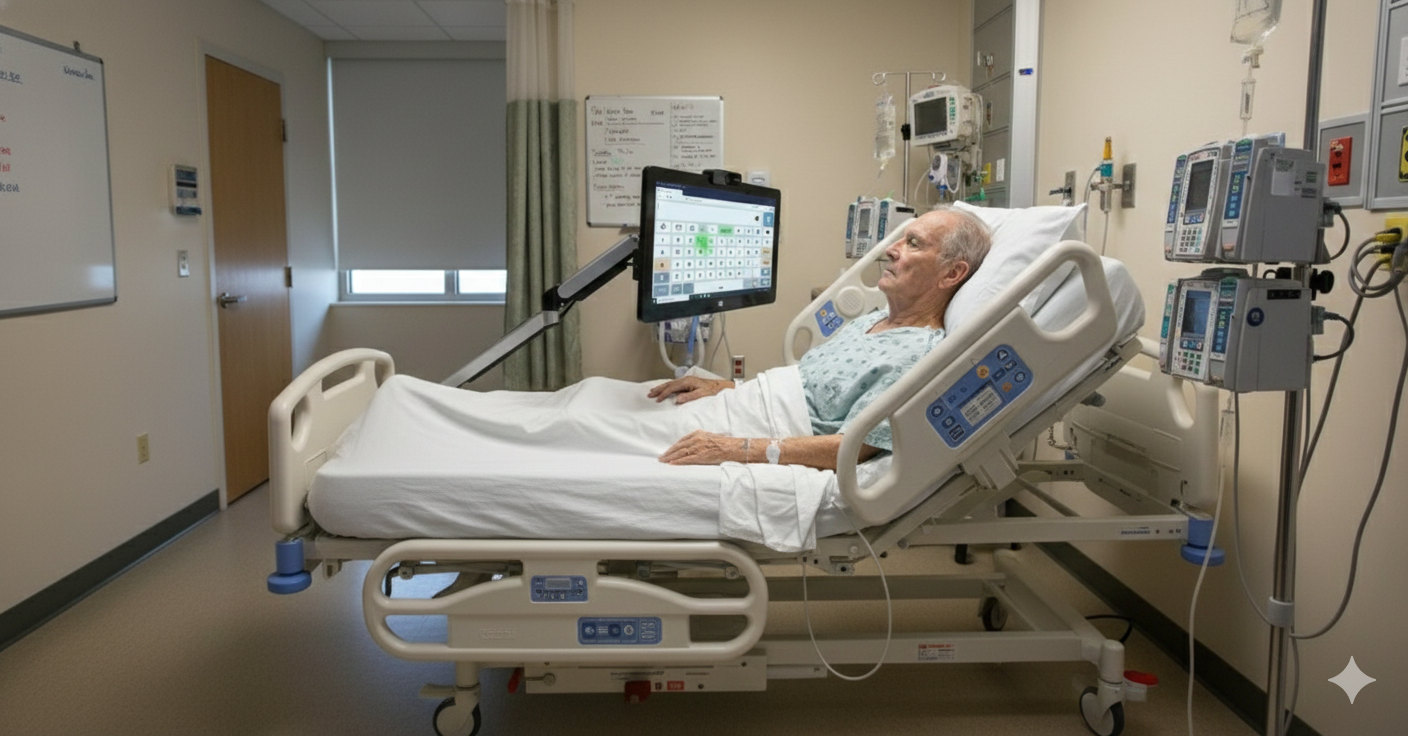
Millions of paralyzed and speech-impaired patients are unable to communicate their basic needs such as water, pain, or emergency. Existing assistive technologies are often expensive, hardware-heavy, or inaccessible in developing countries like India. This inspired me to build a low-cost, camera-based communication system that anyone could use with minimal hardware.
What it does
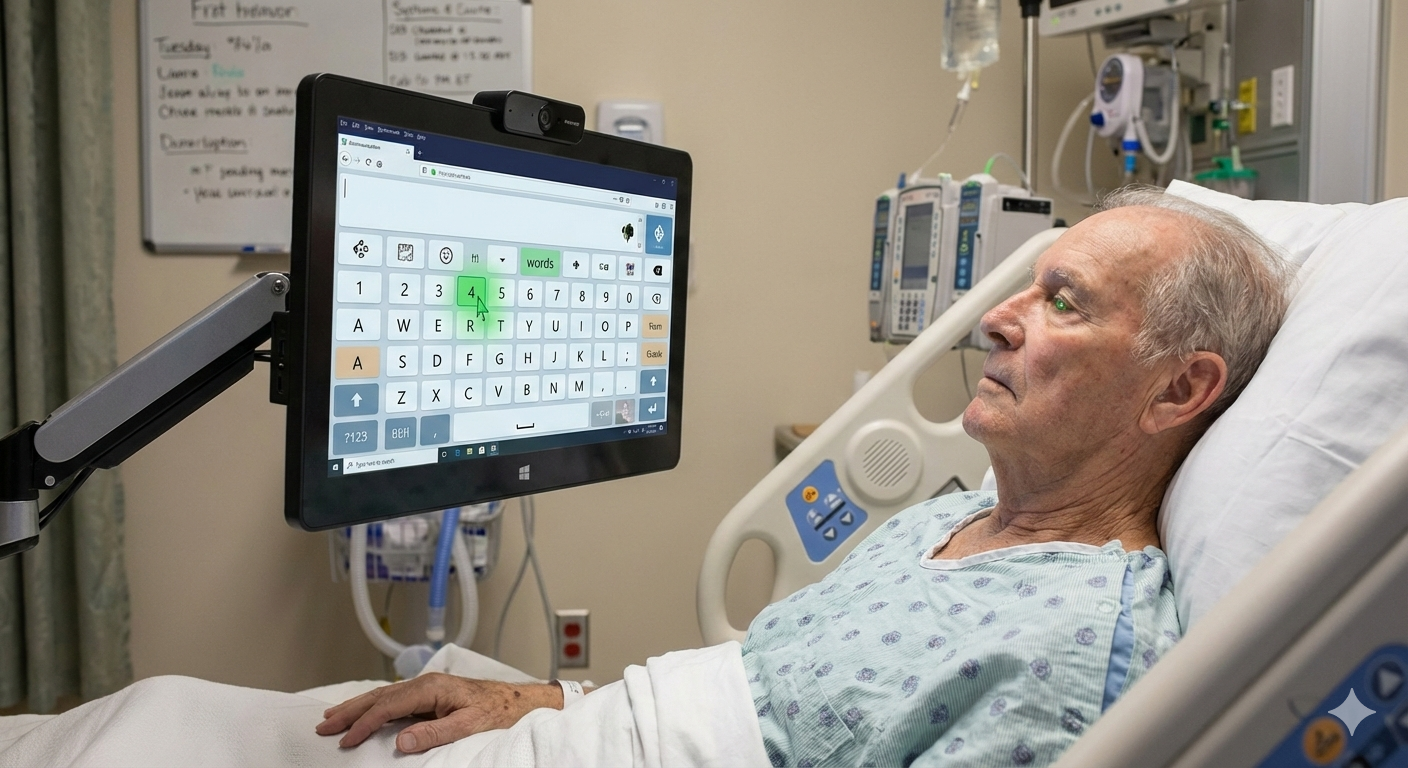
NeuroBlink is an eye-blink based assistive communication system. It uses a webcam or phone camera to detect intentional eye blinks and converts them into meaningful actions such as alerts, words, or requests (e.g., water, pain, SOS). The system enables basic communication for users who cannot speak or type.
How I built it
I built the system using Python, computer vision, and AI techniques. Eye-blink detection is implemented using facial landmark analysis and real-time camera input. A blink-count and timing logic maps user intent to messages or alerts. The prototype was developed and tested independently using limited resources, including Android + Termux for portability.
Challenges I ran into
The biggest challenges were accuracy, speed, and working with limited hardware. Differentiating intentional blinks from natural blinks required careful tuning. Another challenge was building everything independently without access to advanced medical hardware or funding.
What I learned
This project taught me how assistive technology can directly impact lives. I learned practical computer vision, real-time systems, and how to design for accessibility. More importantly, I learned that meaningful innovation does not always require expensive tools—just purpose and persistence.
What's next
Future improvements include AI-based word prediction, personalization for different patients, symbol-based communication for non-literate users, and integration with EEG-based intent detection to support patients who cannot control eye movement.
What it does
How we built it
Challenges we ran into
Accomplishments that we're proud of
What we learned
What's next for NeuroBlink – Assistive Eye-Blink Communication System
Built With
- ai
- android
- computer-vision
- eye-blink-detection
- facial-landmark-detection
- machine-learning
- opencv
- python
- termux

Log in or sign up for Devpost to join the conversation.