Inspiration
Every year, millions of children with neurodevelopmental disorders (NDDs) like ASD and ADHD go undiagnosed in their early years. In India alone, the gap between advanced research and real-world accessibility leads to delayed diagnosis, often after critical developmental windows have passed.
We were inspired by the emotional and practical struggles of parents—uncertainty, repeated hospital visits, and lack of early clarity. We wanted to build something that brings early detection into every home, making it simple, accessible, and stress-free.
What it does
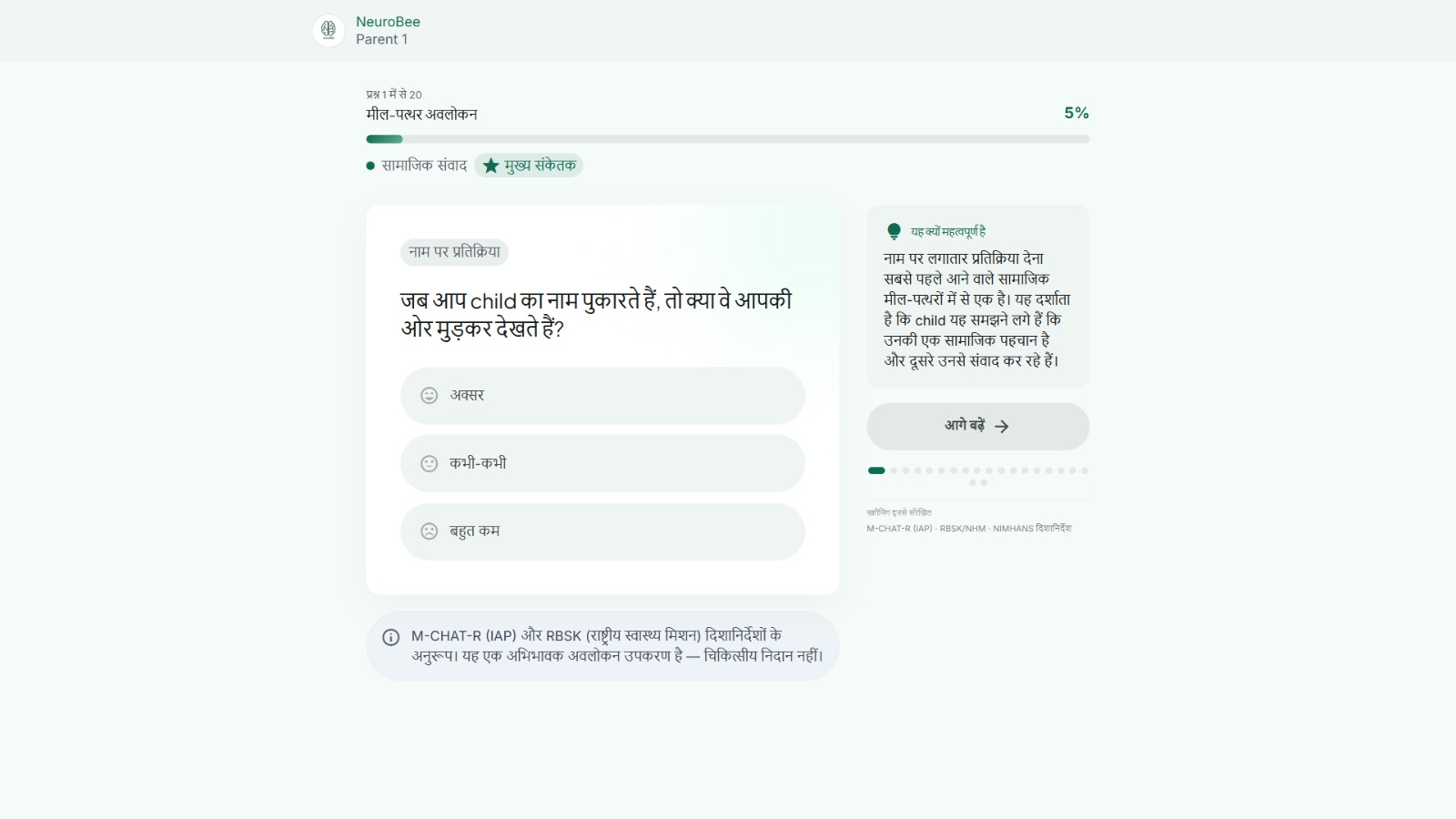
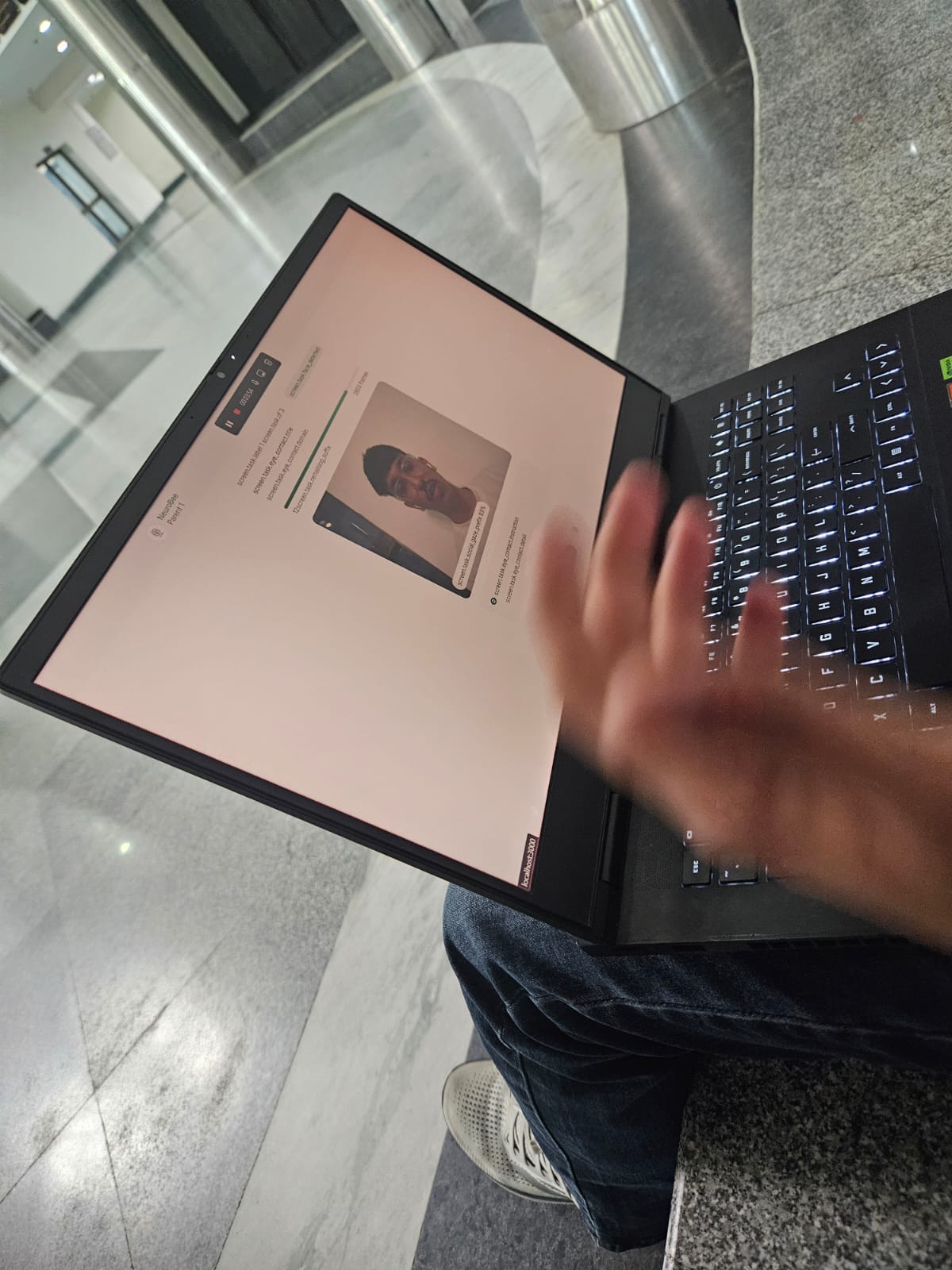
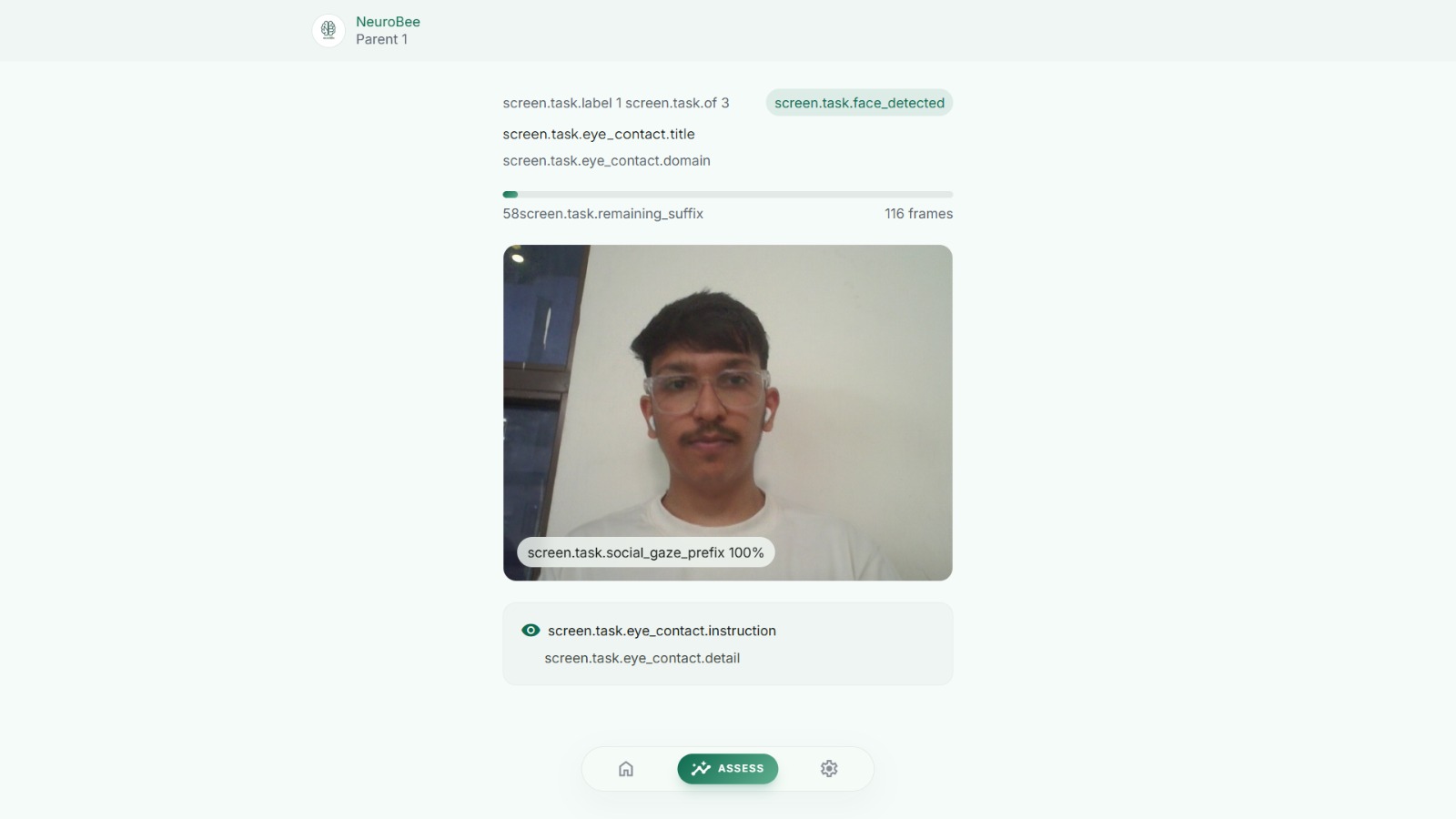
NeuroBee is an AI-powered early screening platform for neurodevelopmental disorders. It allows parents to conduct a 30-minute test at home, analyzing behavioral patterns, gestures, and visual cues.
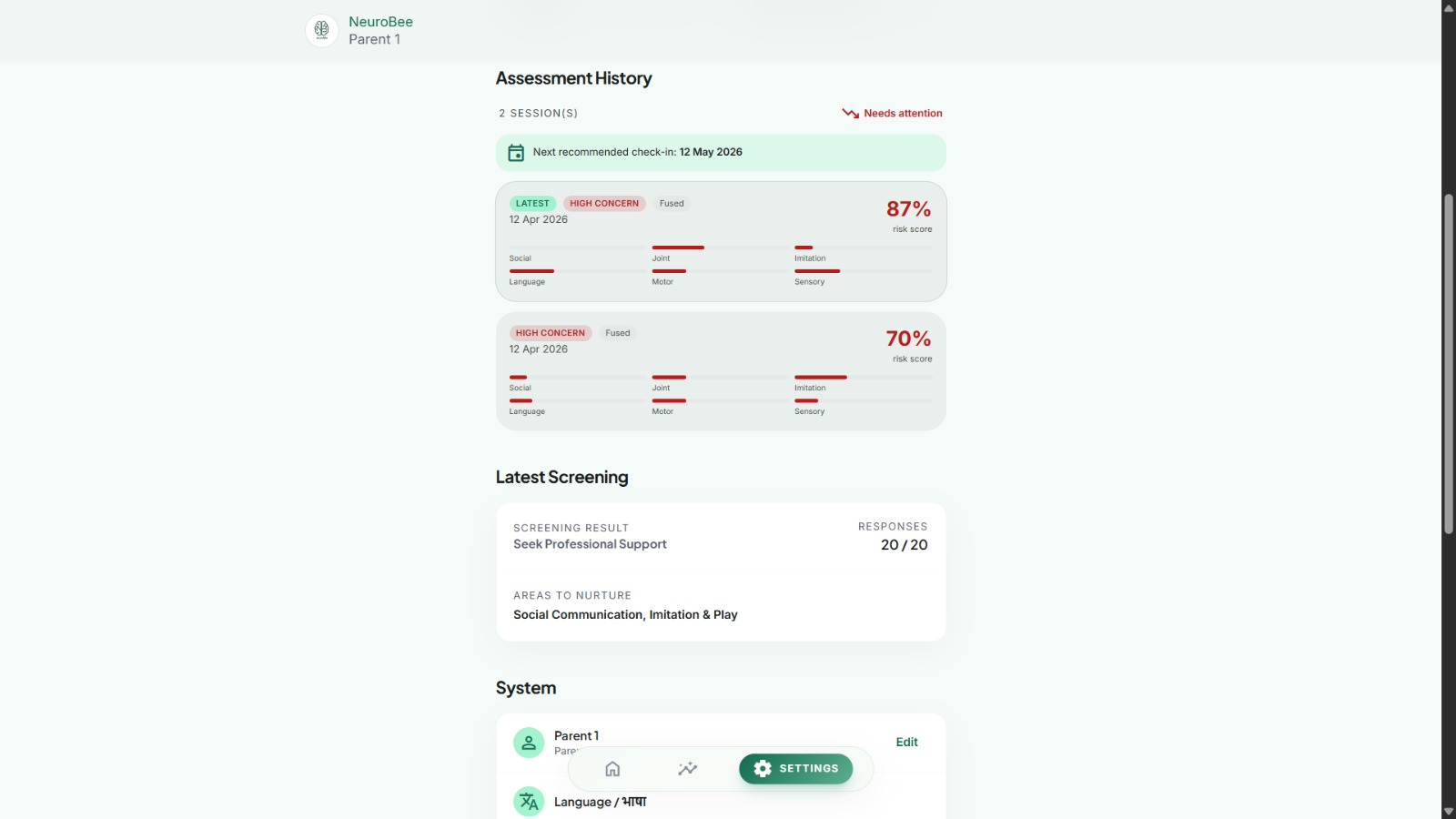
Generates an instant AI-based report (up to 93% accuracy) Provides an optional expert-reviewed report by neurologists Offers guidance, tracking, and doctor connections Works on a freemium model, making initial screening accessible to all
How we built it
We combined concepts from AI, behavioral science, and healthcare to design NeuroBee:
Built AI models to analyze behavioral and visual indicators Designed a user-friendly interface for parents with no medical background Integrated a two-layer reporting system (AI + expert validation) Structured a scalable platform that can connect users to healthcare professionals Focused on simplicity and accessibility, ensuring the test can be done at home
Challenges we ran into
Translating complex medical indicators into simple, measurable inputs Ensuring the platform is easy for non-technical parents to use Balancing accuracy with accessibility in AI predictions Addressing trust concerns in AI-generated health reports Designing a solution that works despite limited awareness and resources
Accomplishments that we're proud of
Created a solution that reduces diagnosis time from years to minutes Achieved a high-accuracy AI screening approach (~93%) Designed a holistic platform (screening + guidance + expert support) Built a model that is both scalable and socially impactful Focused on real-world usability, not just a theoretical solution
What we learned
The importance of human-centered design in healthcare solutions AI is powerful, but trust and clarity matter just as much as accuracy Accessibility can be a bigger challenge than technology itself Early intervention in healthcare requires awareness as much as innovation Collaboration between tech and medical domains is essential
What's next for NeuroBee
Expand detection to include more NDDs and age groups Partner with schools, hospitals, and government bodies Improve AI accuracy with larger datasets and real-world validation Launch mobile app and multilingual support for wider reach Extend services to underserved communities and global markets
Built With
- css
- eslint
- javascript
- jspdf
- jspdf-autotable
- mediapipe-tasks-vision
- next.js
- ollama
- postcss
- react
- tailwind-css
- turbopack
- typescript


Log in or sign up for Devpost to join the conversation.