-
-
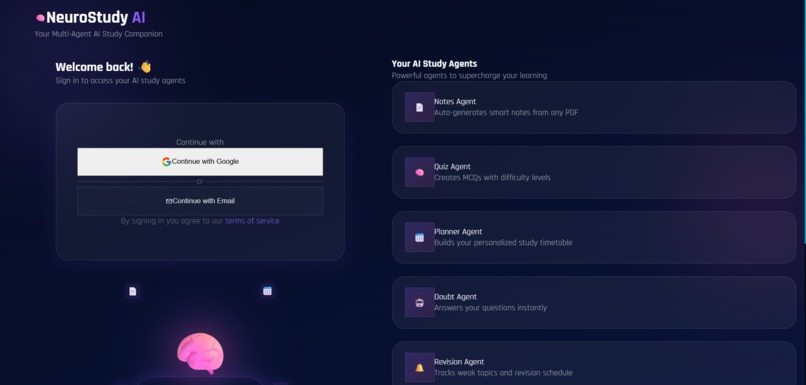
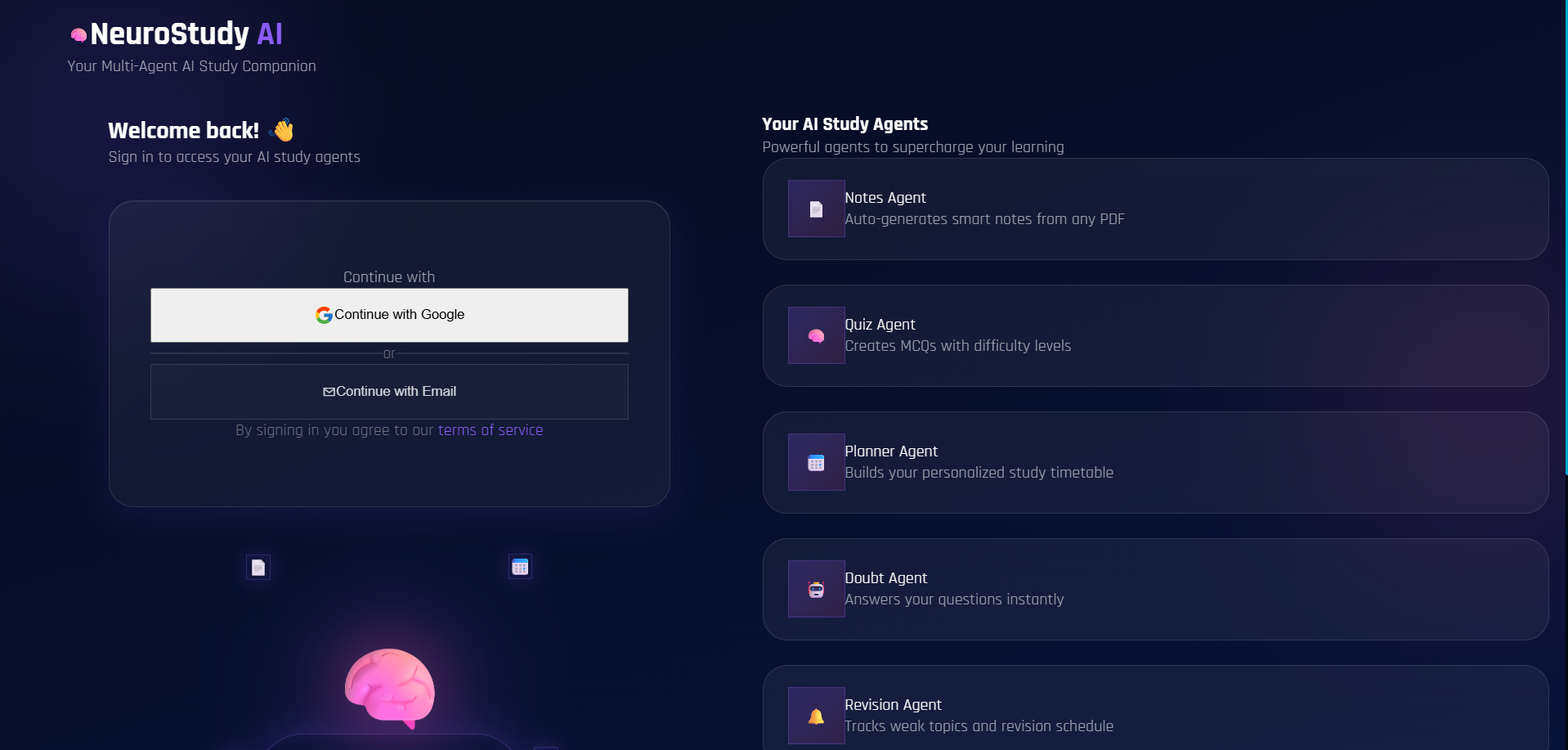
Login Page
-
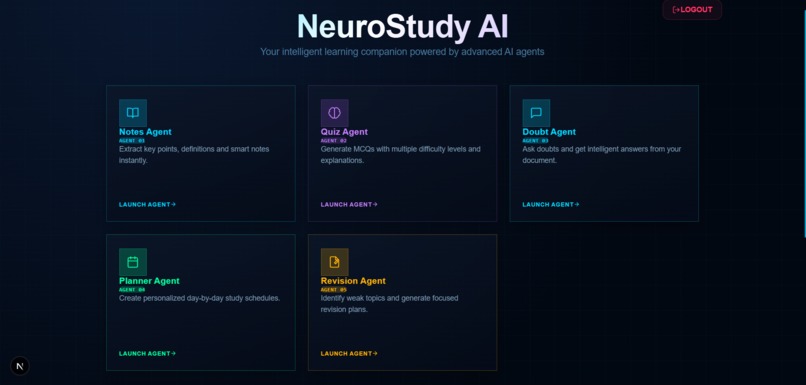
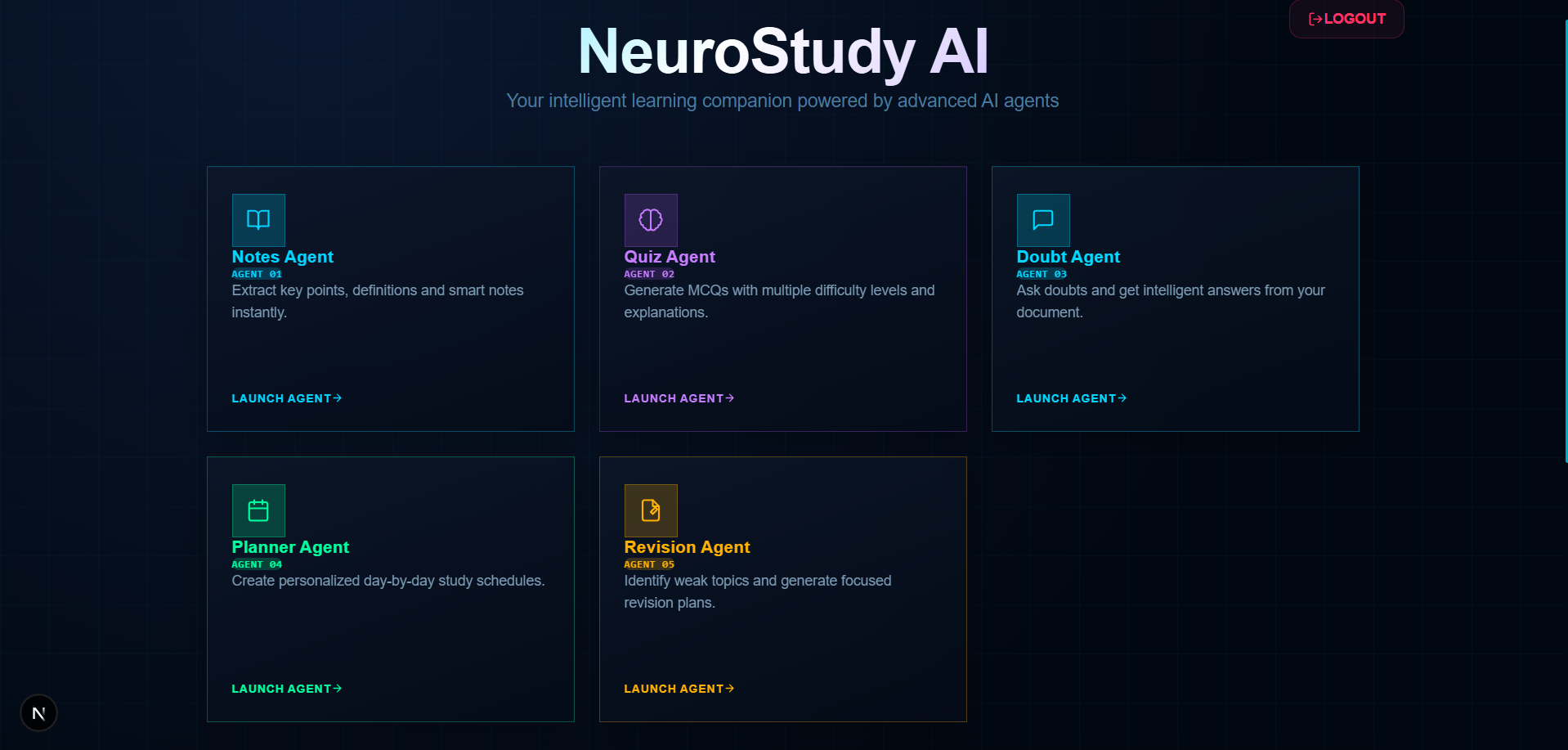
Dashboard page
-
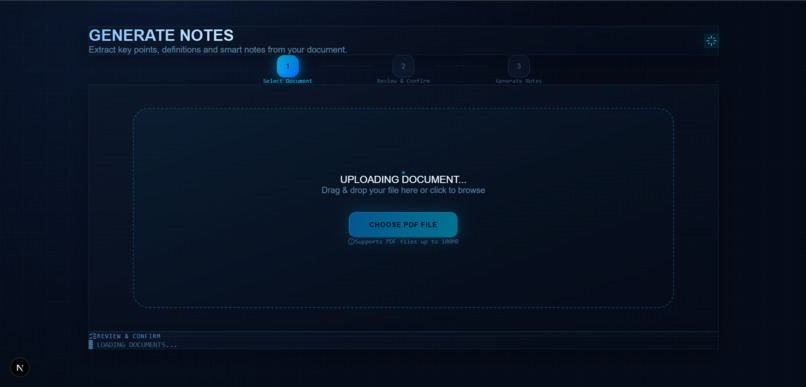
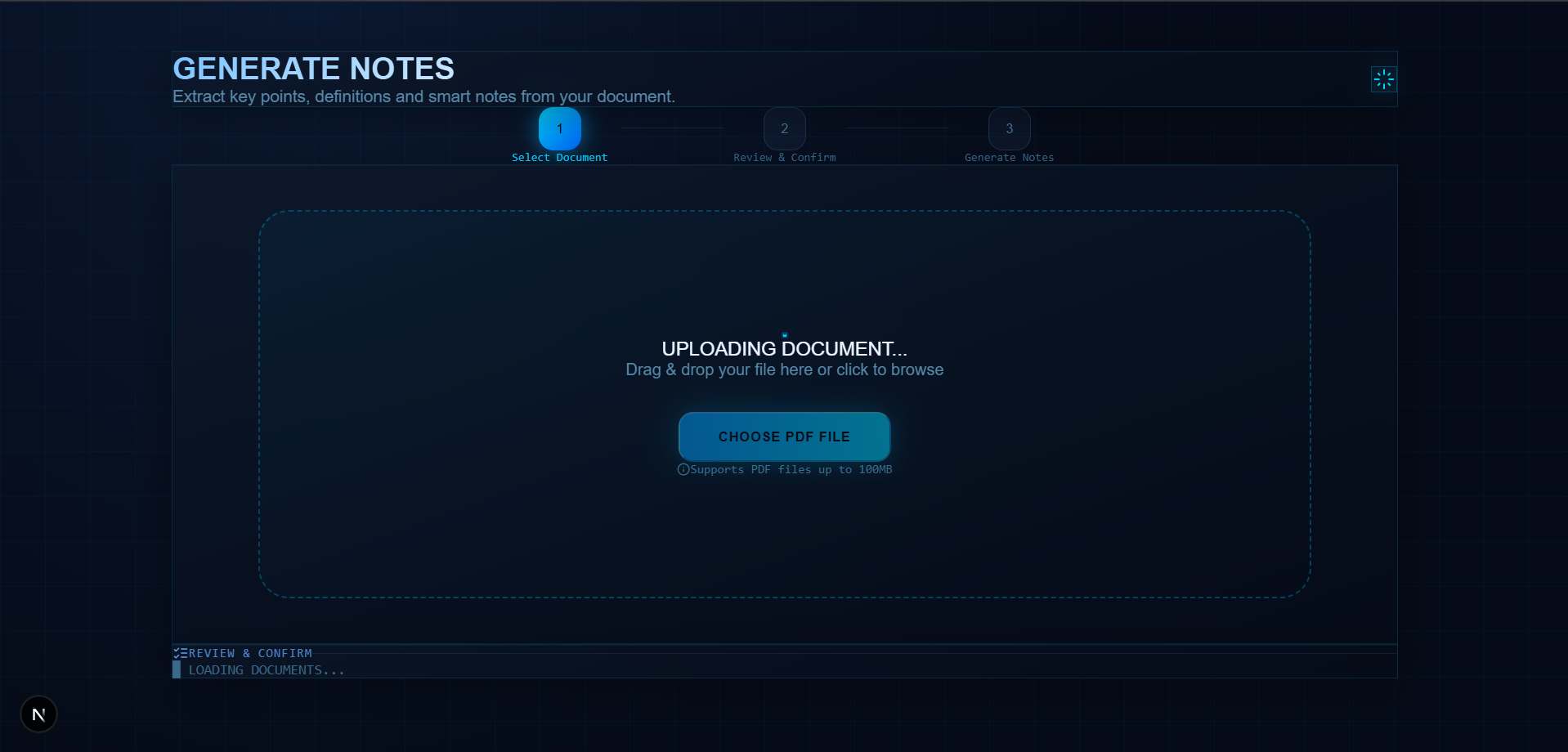
Generate Page Ai
-
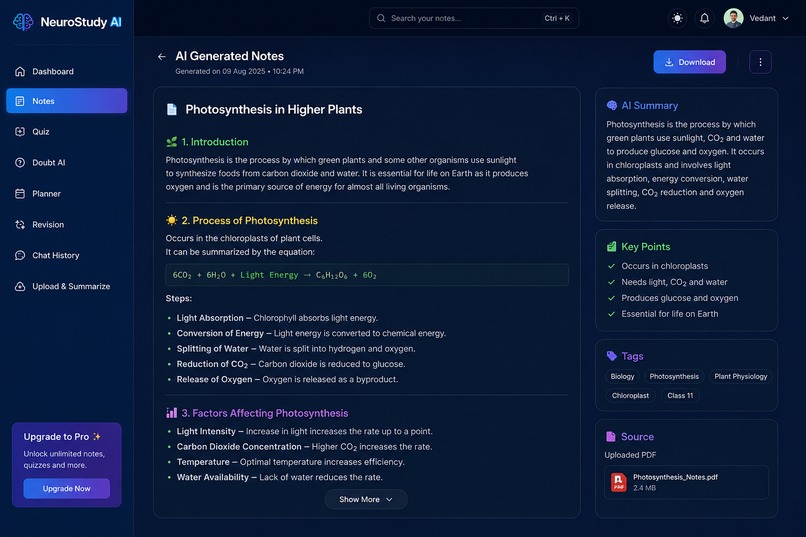
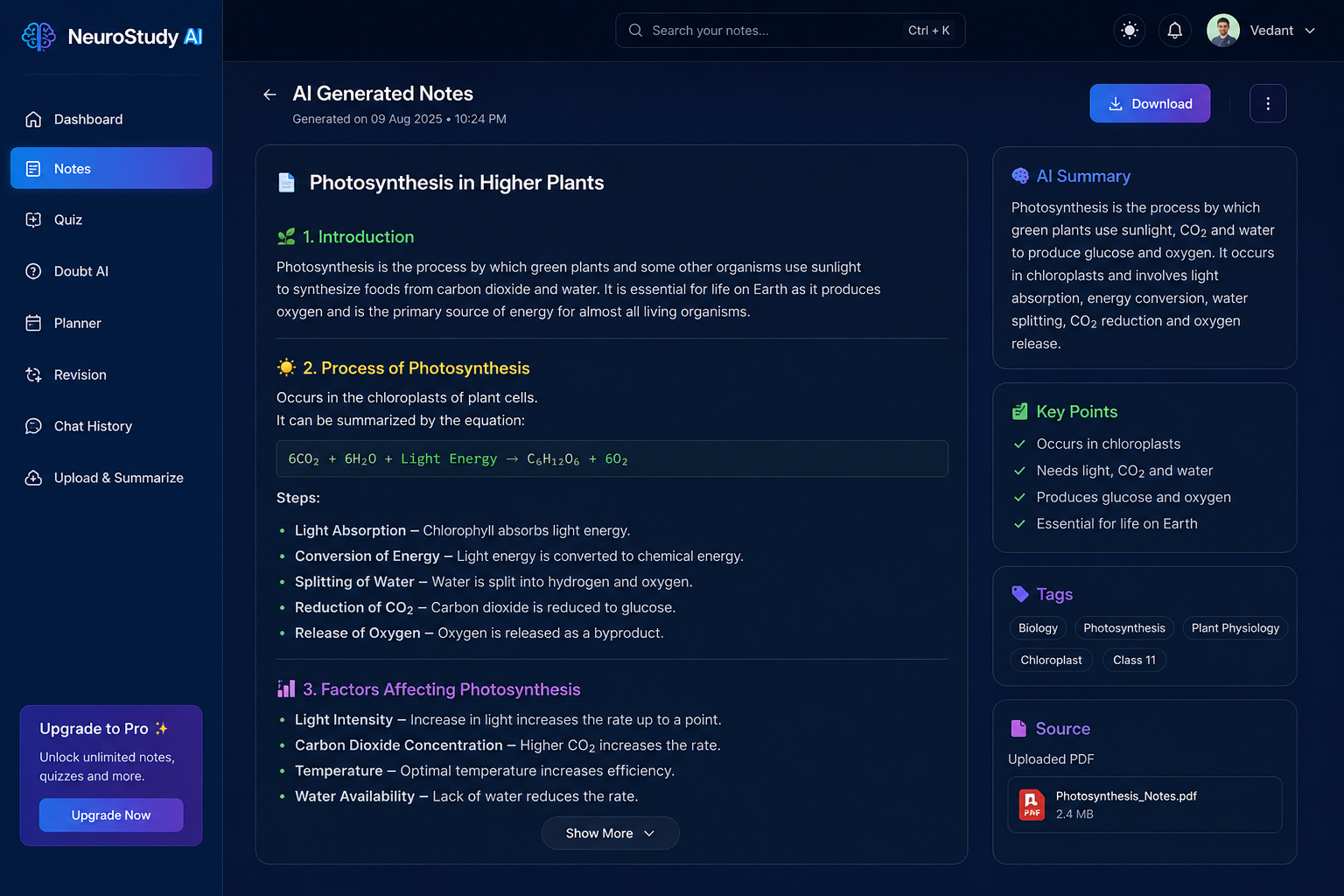
Ai generated Notes
-
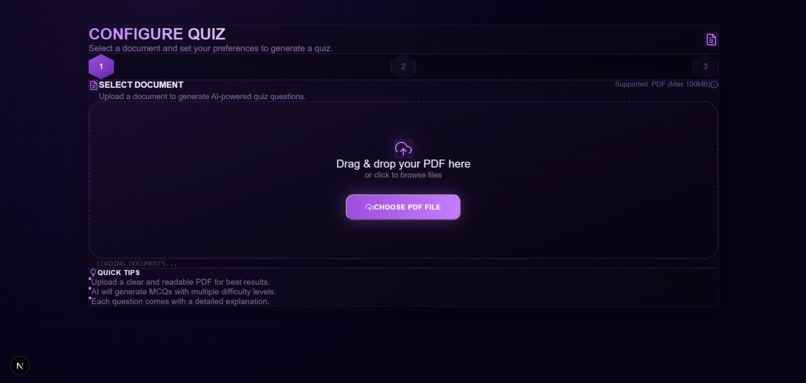
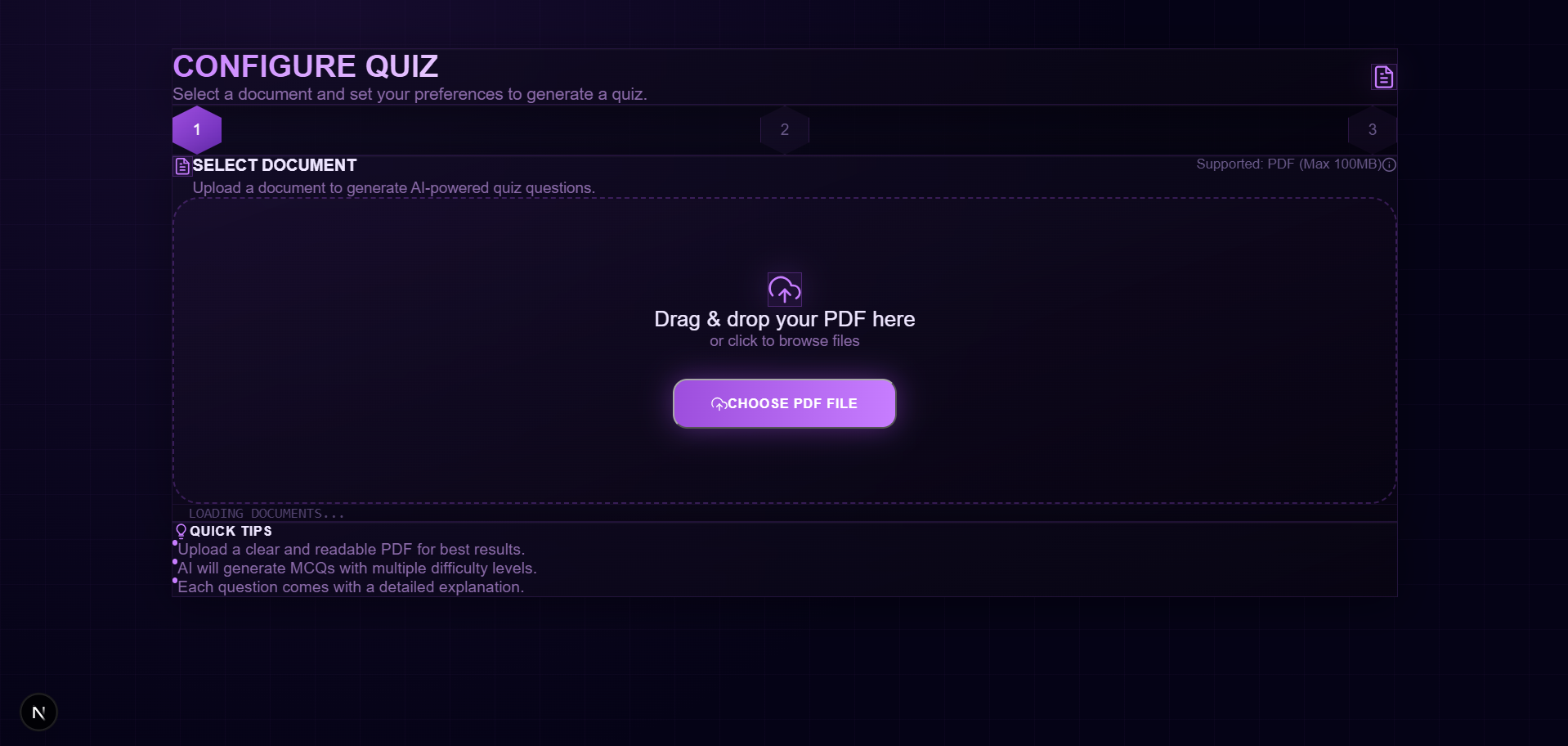
Quiz Page Ai
-
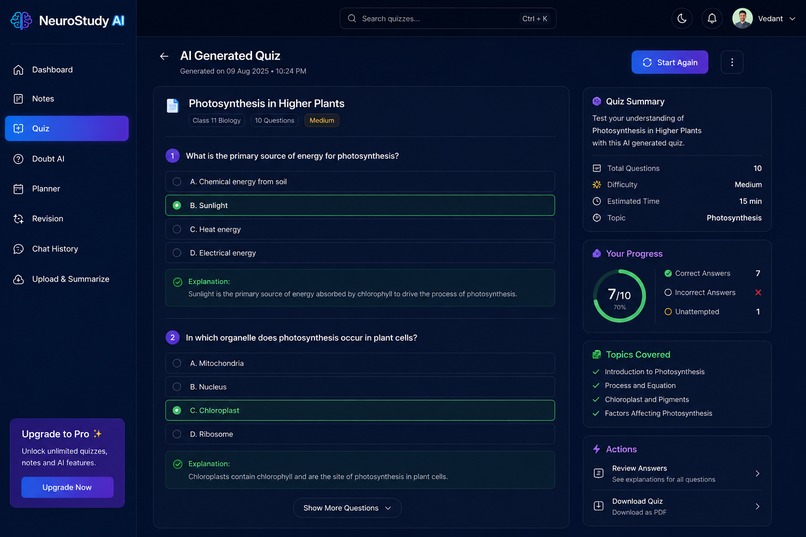
Ai Generated Quiz
-
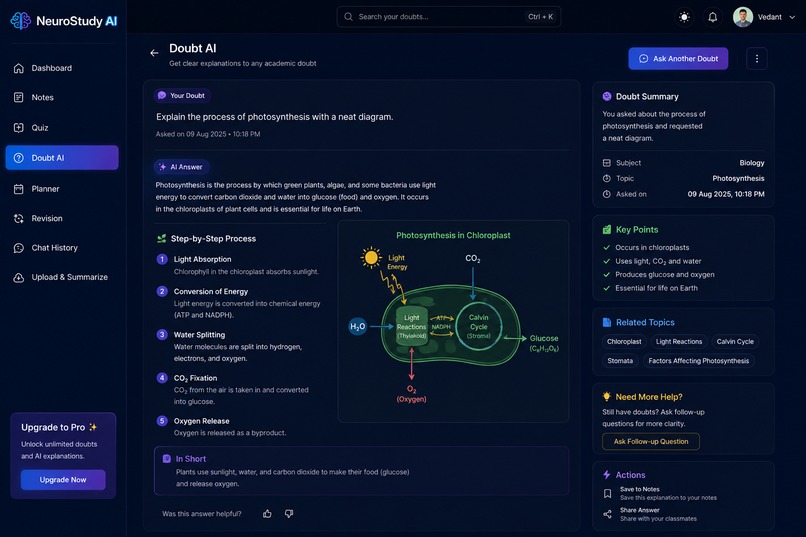
Ai Generated Doubt Solver
-
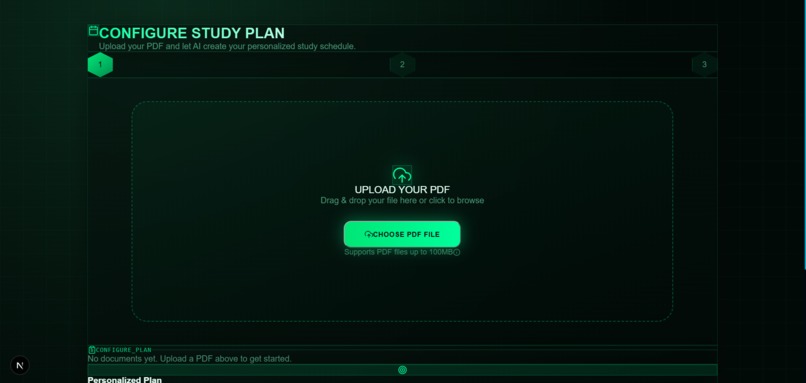
Study Page Ai
-
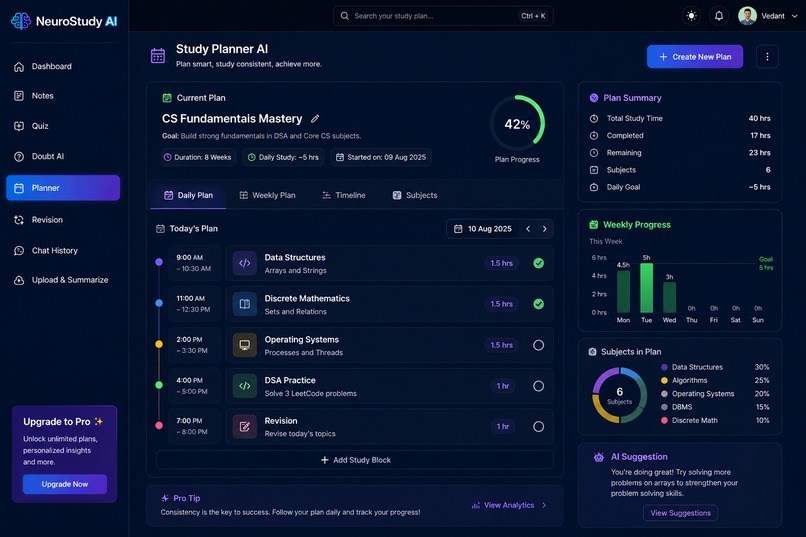
Ai Generated Study Plan
-
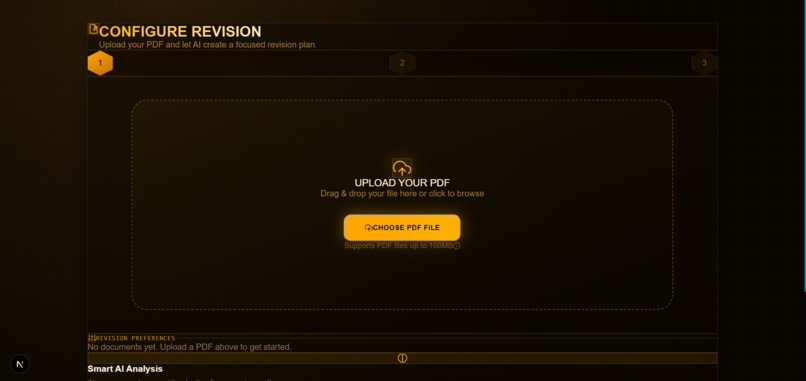
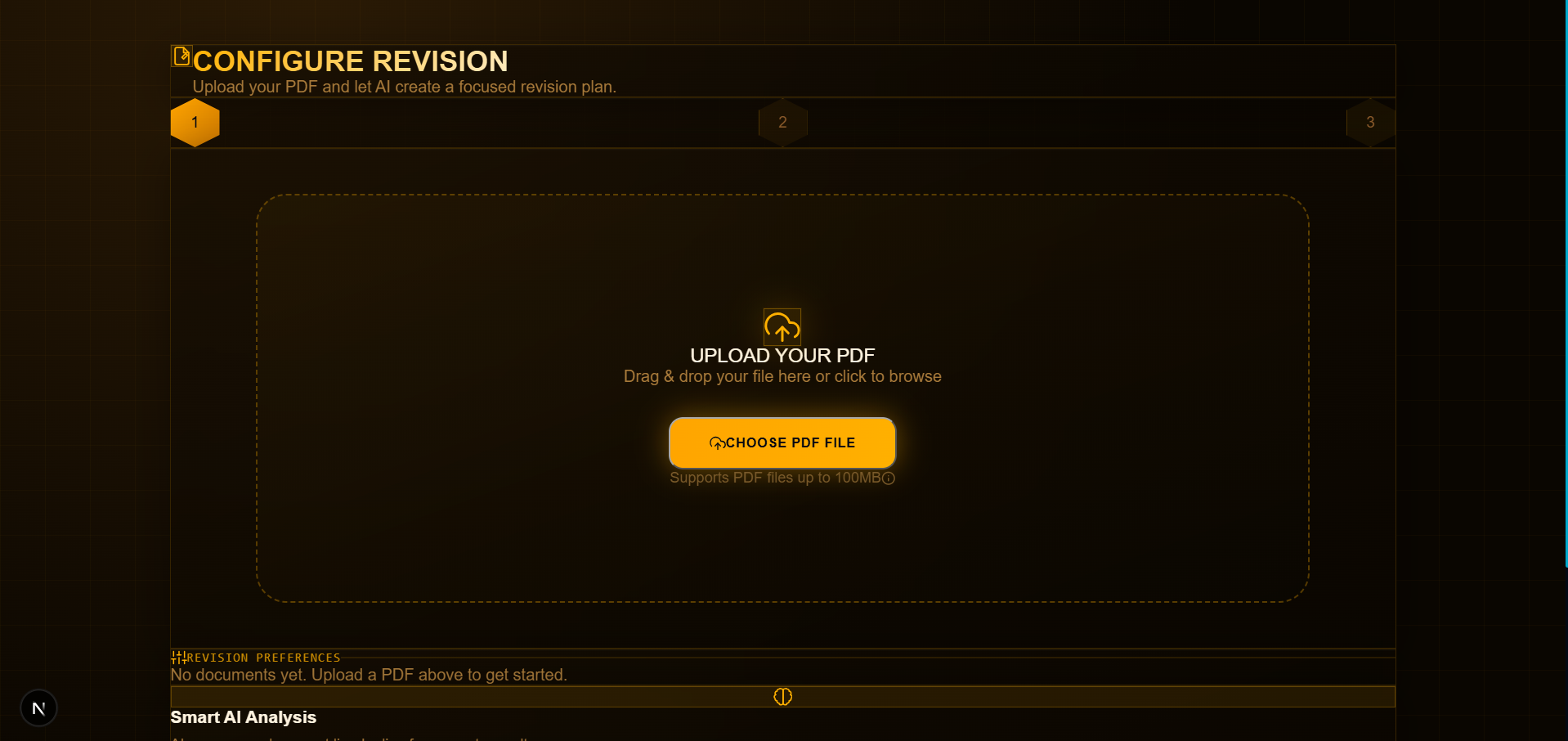
Revision Page Ai
-
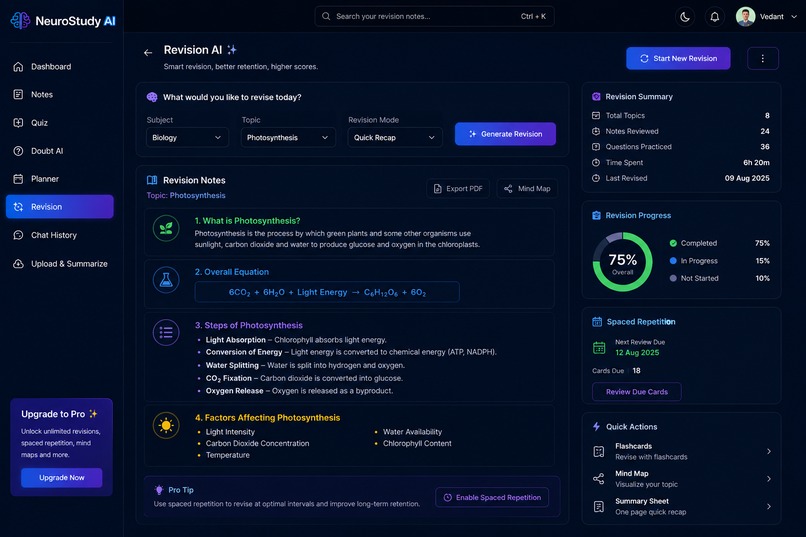
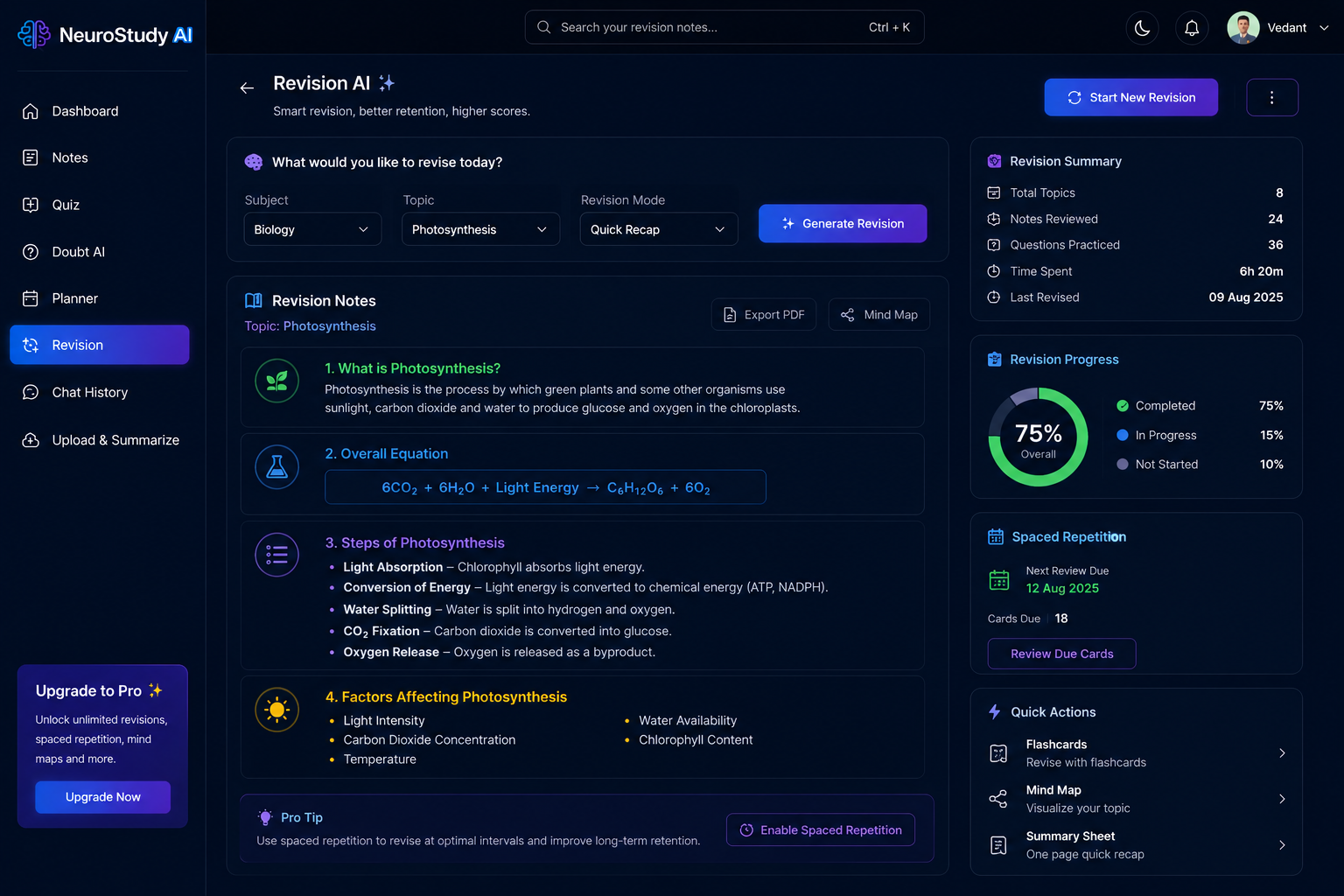
Ai Generated Revision plan
Inspiration
As a student, I constantly struggled with the overwhelming amount of study material — PDFs full of notes that took hours to process manually. I wanted a smarter way to study: one that could read a document and instantly generate notes, quizzes, doubt answers, study plans, and revision strategies. That frustration became the foundation of NeuroStudy AI — a system where multiple specialized AI agents work together to transform any PDF into a complete learning experience.
What it does
NeuroStudy AI is a multi-agent AI study assistant that takes a PDF as input and unleashes 5 specialized agents:
- Notes Agent — Extracts key points, definitions, summaries, and topic tags from any PDF
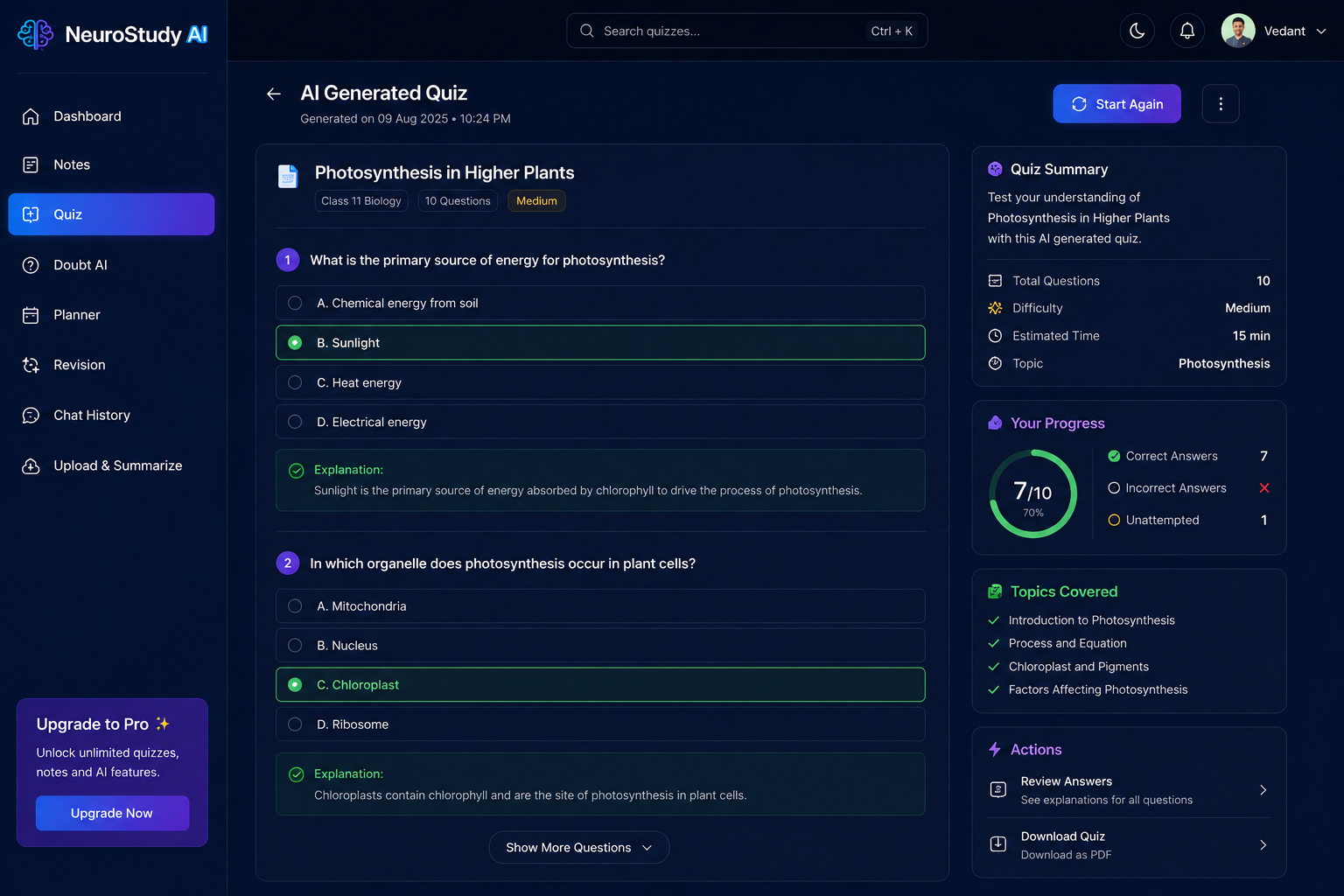
- Quiz Agent — Auto-generates MCQs with multiple difficulty levels and detailed explanations
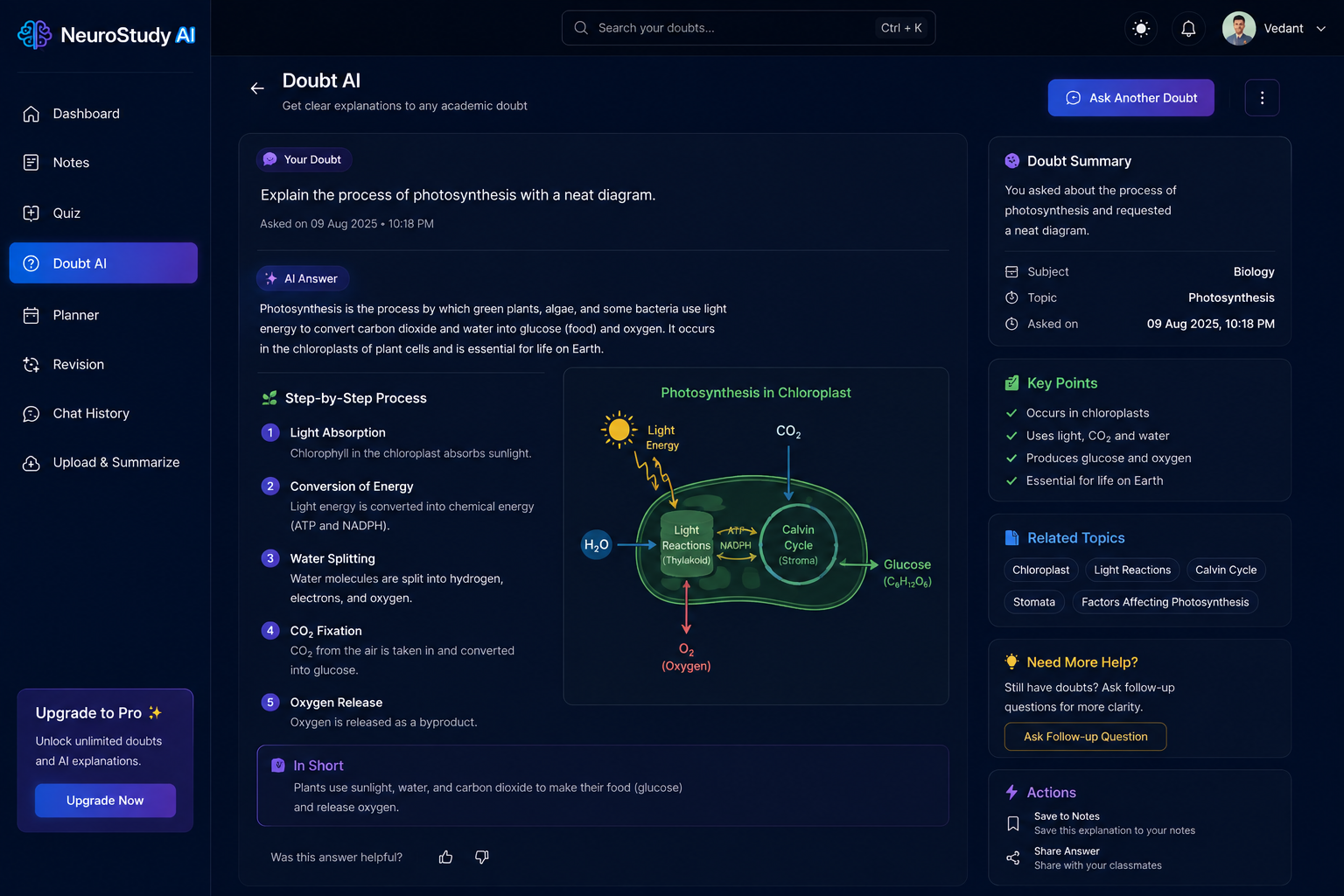
- Doubt Agent — Chat-style Q&A where you can ask anything about your document and get instant AI answers
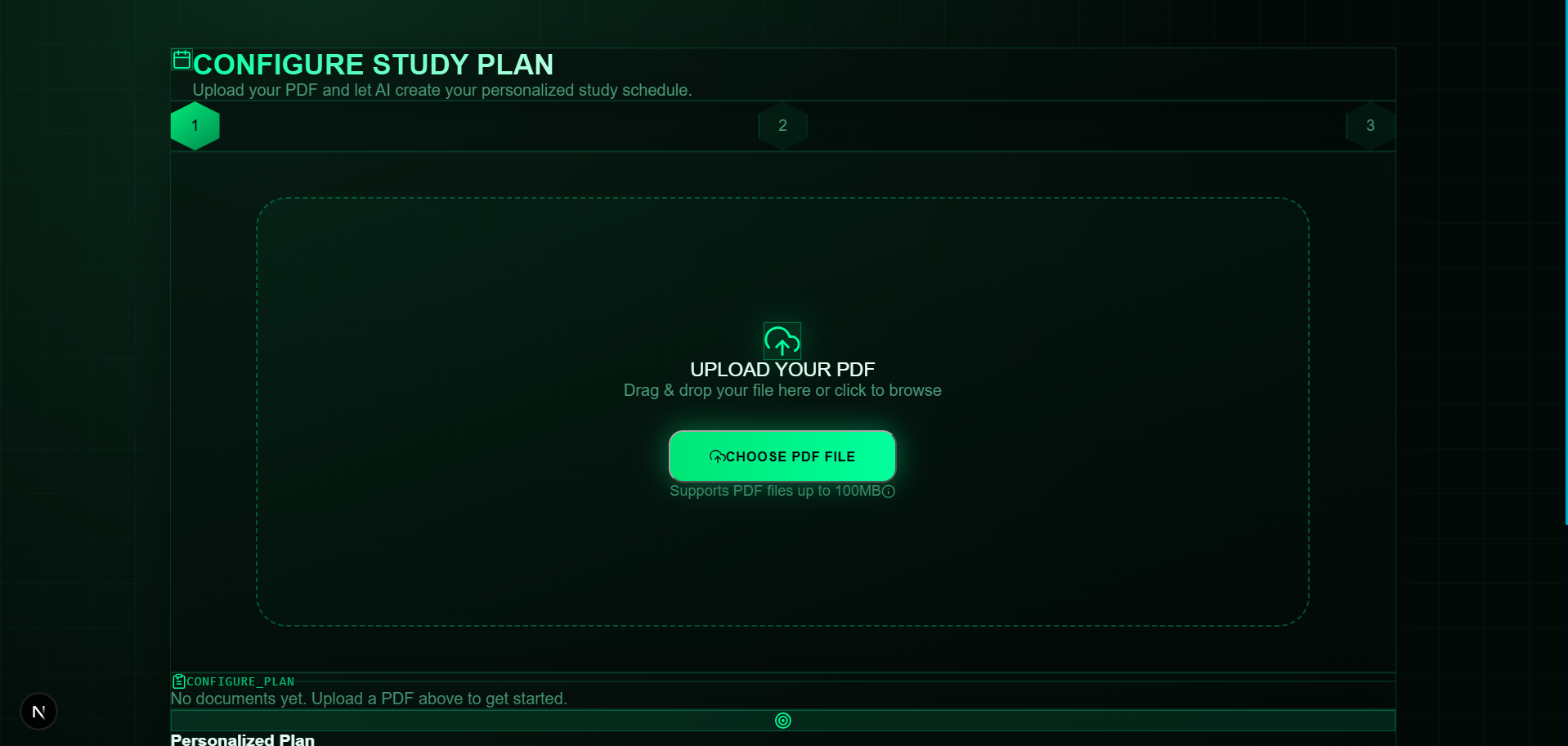
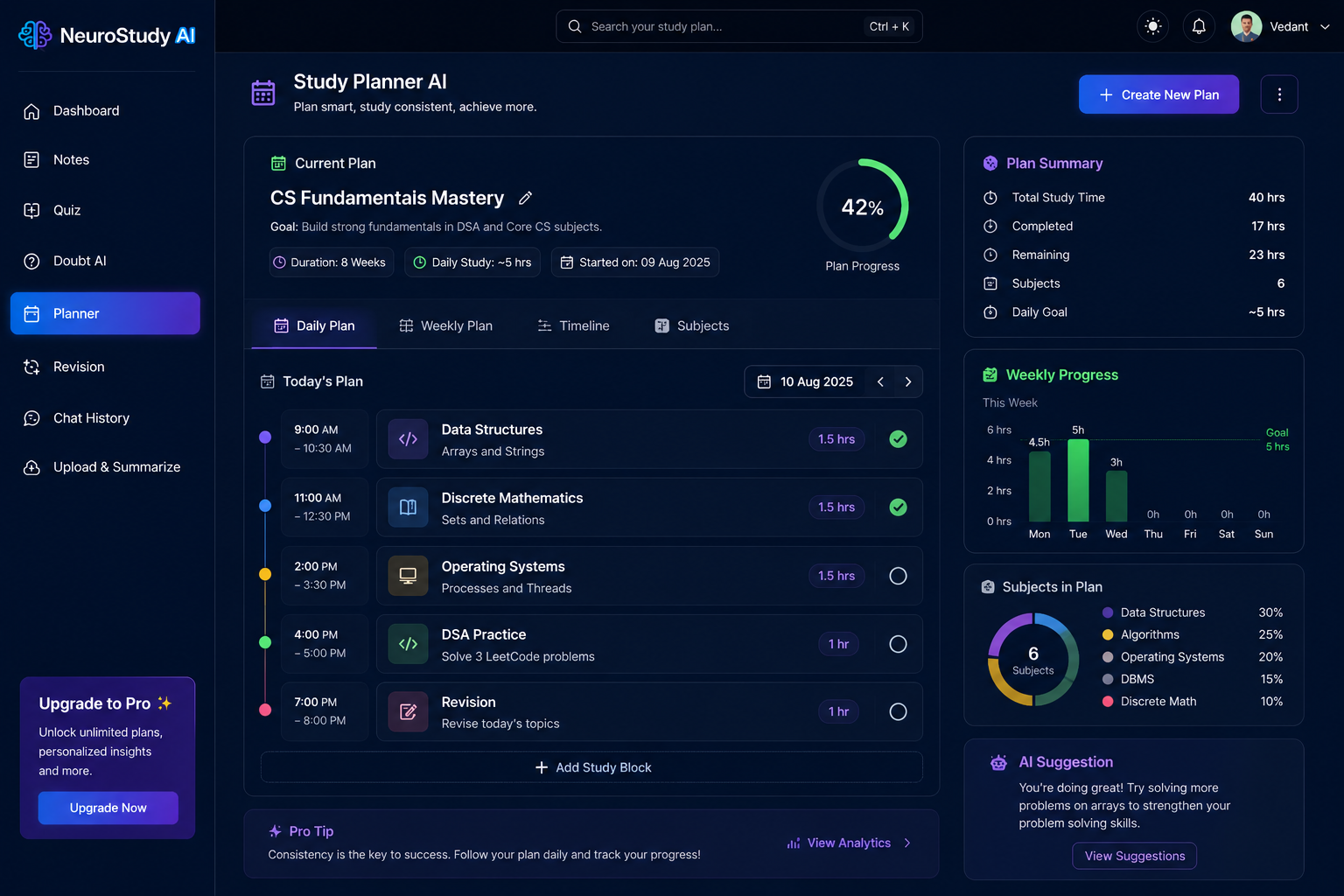
- Planner Agent — Generates a personalized day-by-day study schedule based on the document content
- Revision Agent — Identifies weak/difficult topics and creates a focused revision plan with practice questions
All agents share the same uploaded document and are accessible from a unified dashboard.
How we built it
Frontend: Next.js 16 (App Router) + Tailwind CSS — dark futuristic cyber-tech UI with per-agent accent colors, glass morphism cards, and animated backgrounds. Deployed on Vercel.
Backend: FastAPI (Python) with 5 independent agent modules, each with its own router, model, and prompt engineering logic. Deployed on Render.
AI: Groq API using llama-3.3-70b-versatile — chosen for its speed and reliability. Each agent sends a carefully engineered prompt and parses structured JSON from the model response.
Database: MongoDB Atlas (py mongo, synchronous) — stores uploaded documents and chat history for the Doubt Agent.
Auth: Firebase Authentication with Google Sign-In.
Architecture: Each agent follows the same pattern — agents/X_agent.py → routers/X.py → registered in main.py → frontend page at app/dashboard/X/page.tsx. PDF text is extracted on upload and stored in MongoDB, then passed to whichever agent the user activates.
Challenges we ran into
- Groq API key compatibility — Indian Google accounts generate OAuth-based
AQ.format keys incompatible with Gemini's direct API key auth. Switched to Groq as the AI provider, wrapping it in acall_gemini()function to maintain consistent interfaces across all agents. - JSON parsing failures — Every agent prompts the model to return pure JSON. Groq occasionally returned empty responses or added markdown fences around the JSON, causing
JSONDecodeError. Fixed by adding empty-response guards, stripping markdown fences, and surfacing raw model output on failure for debugging. - Firebase auth loop on deployment — sign In With Redirect failed silently on Vercel due to cross-origin cookie restrictions in modern browsers. Fixed by switching to
sign In With Popupand removing a broken middleware that checked for a cookie Firebase never sets. - Vercel build failure —
JSX.Elementtype reference failed in Vercel's strict TypeScript build environment. Fixed by replacing it with the properly importedReactElementfrom React's type definitions. - MongoDB sync vs async — Early attempts to use
awaiton py mongo calls caused silent failures. Enforced synchronous-only database access across all agents.
Accomplishments that we're proud of
- Built and deployed a fully functional multi-agent AI system end-to-end in a hackathon timeframe
- Designed a consistent, premium cyber-tech UI system across 5 agent pages with unique per-agent color themes — all without Framer Motion or any heavy animation libraries
- Each agent produces genuinely useful, structured output (not just raw text) — MCQs with options and explanations, day-by-day plans with topics and time estimates, revision plans with practice questions
- Successfully debugged and resolved 5+ distinct deployment/auth/API issues across frontend, backend, and third-party services
- The Doubt Agent maintains conversation history per document, enabling true multi-turn chat with context
What we learned
- Multi-agent architecture requires careful prompt engineering per agent — a generic prompt doesn't work; each agent needs specific output schemas and rules to produce reliable structured JSON
sign In With Redirectis unreliable in deployed environments;sign In With Popupis the correct choice for production Firebase auth- Vercel's production TypeScript build is significantly stricter than local development — types that work locally can fail in CI
- Groq's LLaMA 3.3 70B is fast and capable for structured generation tasks, but requires explicit
max_tokensand robust error handling to avoid silent truncation - Building a real full-stack AI product reveals layers of complexity that tutorials don't cover — environment variables, CORS, cookie behavior, cross-origin auth, and API rate limits all matter in production
What's next for Neuro-Study Ai
- Voice input for Doubt Agent — ask questions by speaking instead of typing
- Multi-document support — let agents cross-reference multiple PDFs simultaneously
- Progress tracking — track quiz scores over time and adapt the revision plan based on performance
- Collaborative study rooms — share a document with friends and study together with shared notes and quizzes
- Mobile app — React Native version for studying on the go
- Support for more file types — Word documents, PowerPoint slides, and YouTube video transcripts I’ve made many changes to the AI’s UI.


Log in or sign up for Devpost to join the conversation.