Inspiration
For many neurodivergent people, public transport can be overwhelming. Crowded platforms, noisy trains, hot tube lines, and last-minute delays can quickly lead to sensory overload and anxiety. Research shows that 83% of neurodivergent people feel overcrowding on public transport has a significant negative impact on them, highlighting the need for a more inclusive approach to journey planning. Working alongside The Donaldson Trust, whose mission is to support neurodivergent people to live more independent lives, we wanted to build something that helps people travel with confidence. Public transport has been becoming steadily more accessible for those with mobility impairments, but so far in the grand scheme of things neurodiversity has been largely overlooked - it's time that's changed!
What it does
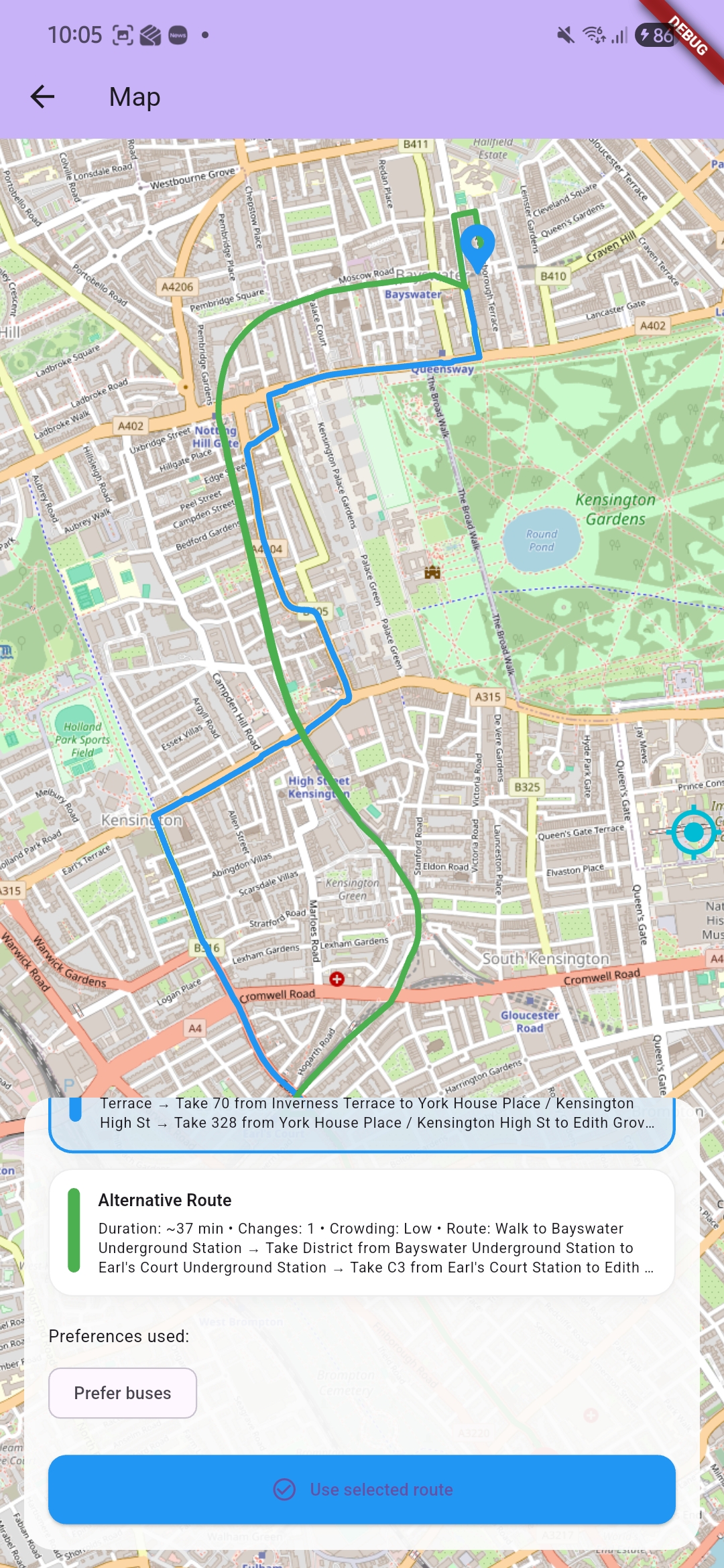
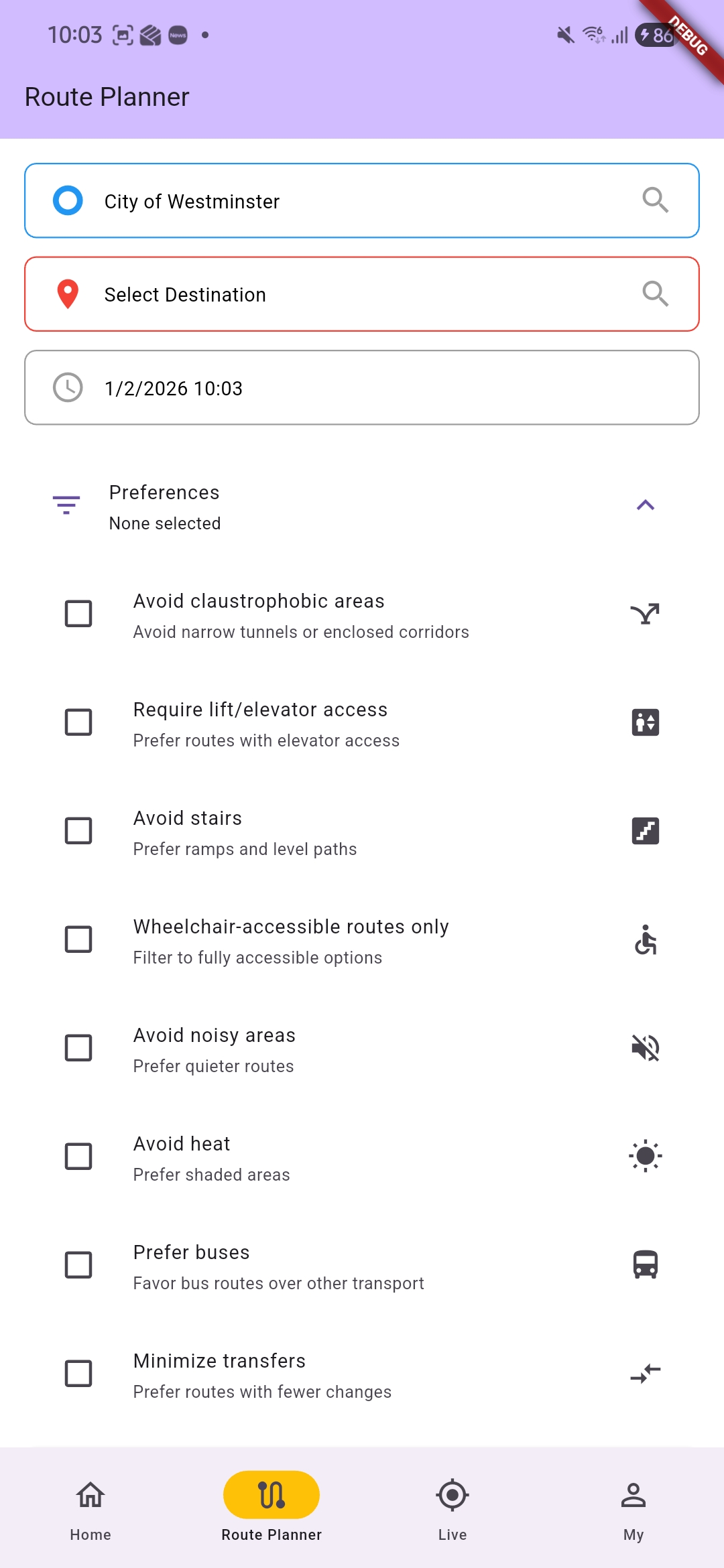
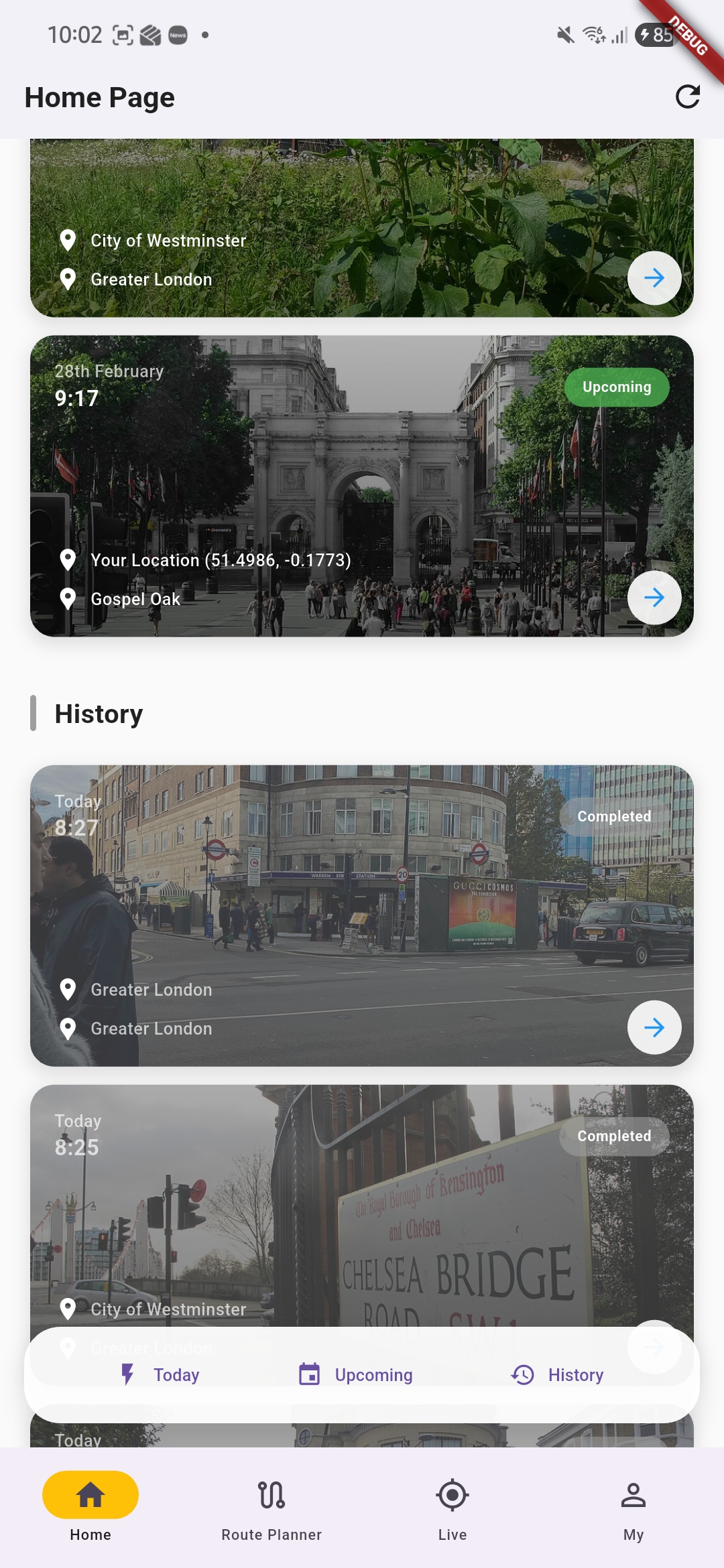
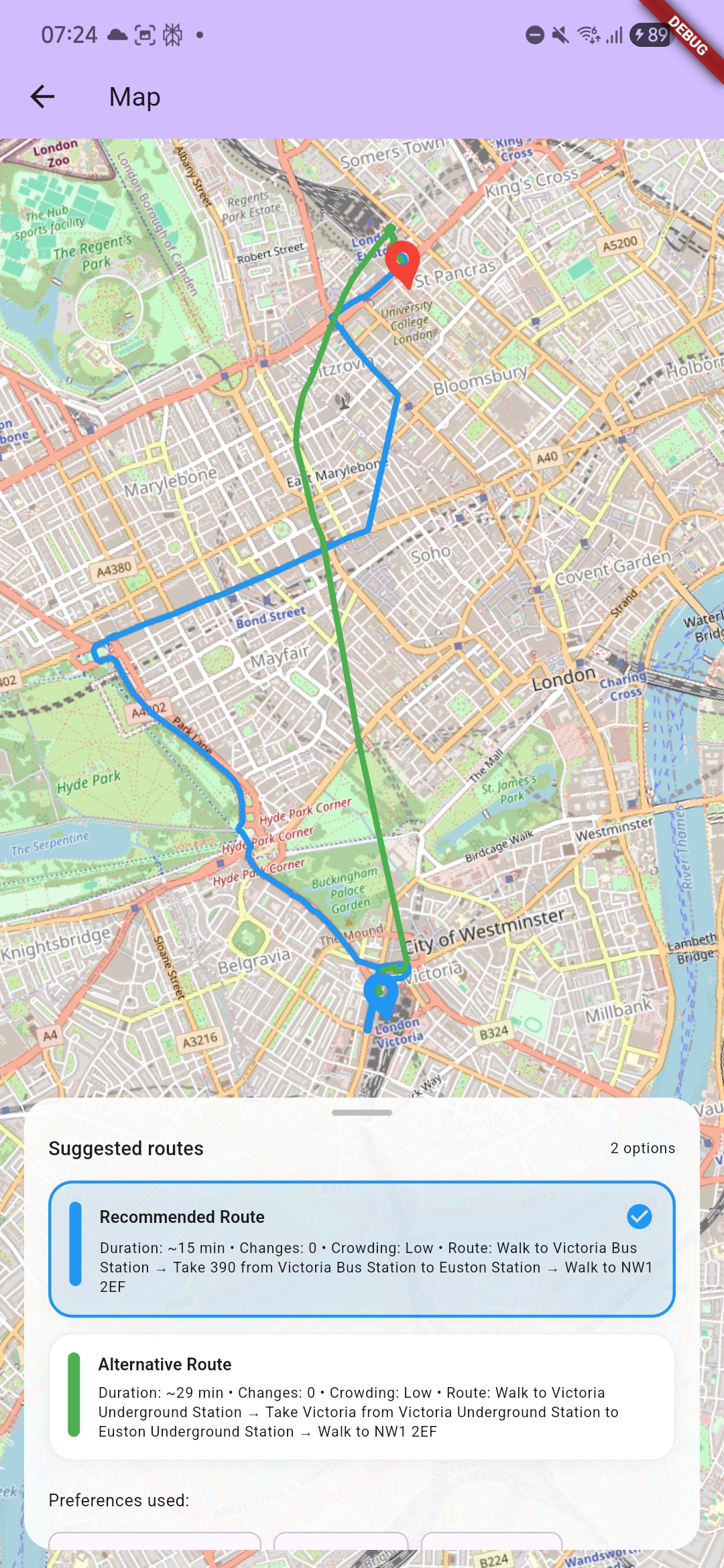
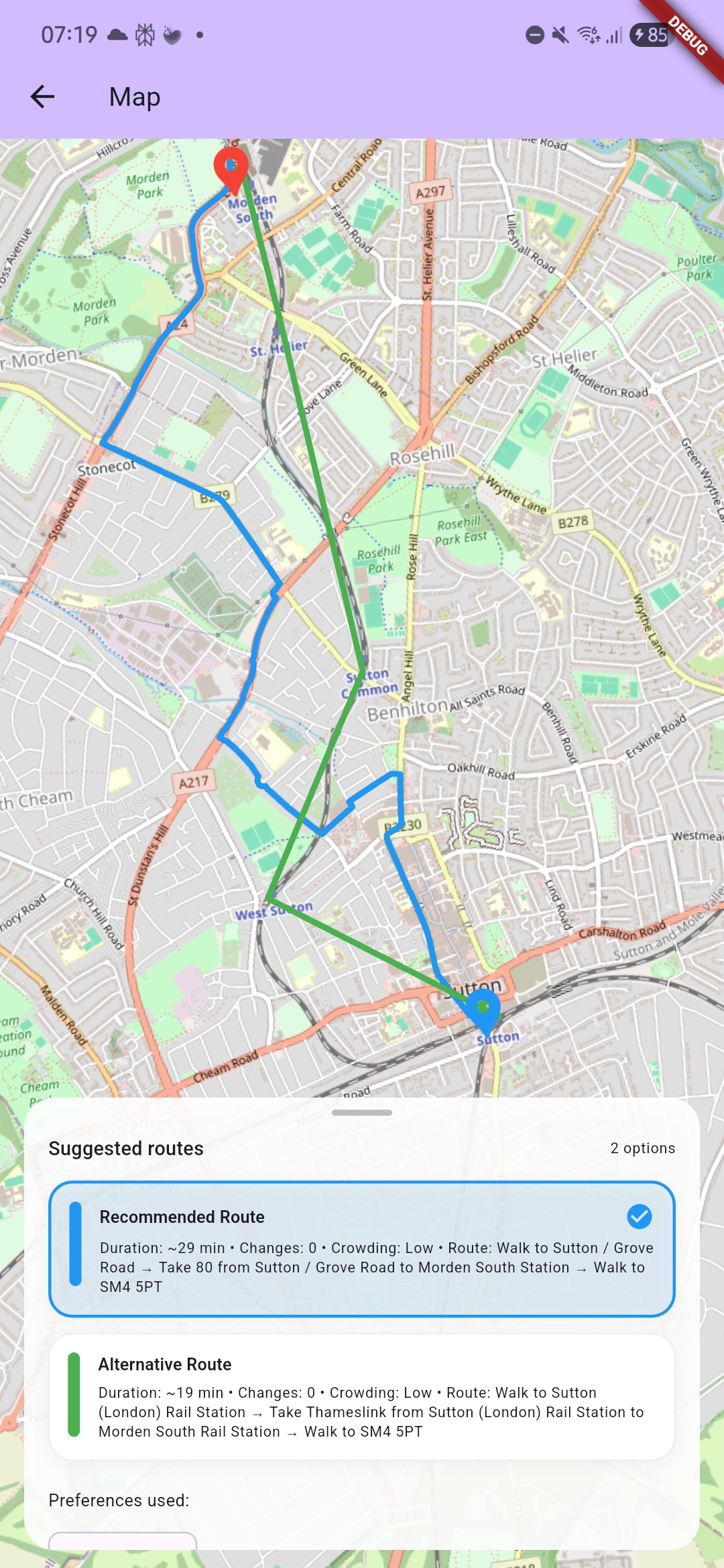
Neuro-Route is a data-driven, journey planner designed specifically for neurodivergent travellers. Instead of simply finding the fastest route, Neuro-Route prioritises: Sensory comfort (i.e. temperature) Avoiding crowds (i.e. choosing buses over trains) Fewer changes Accessibility
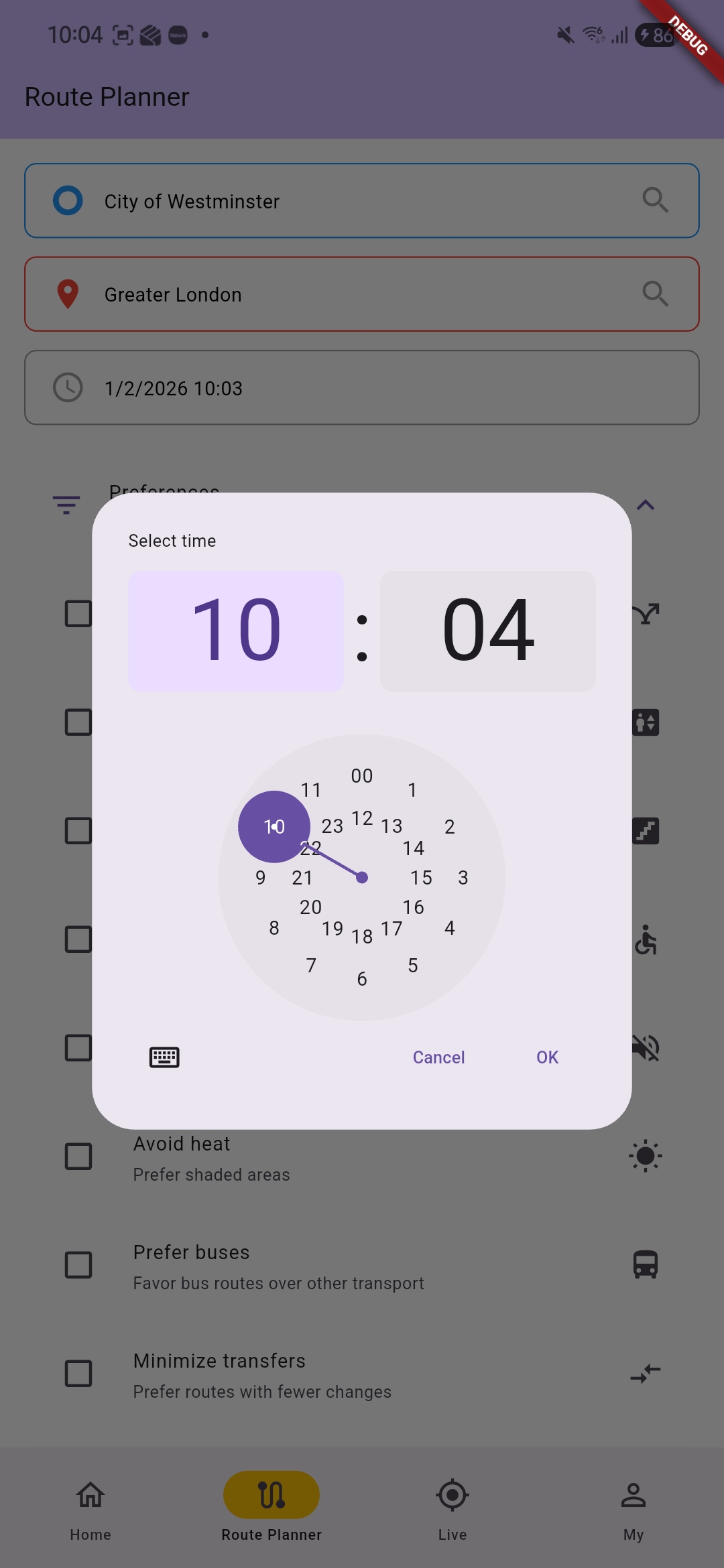
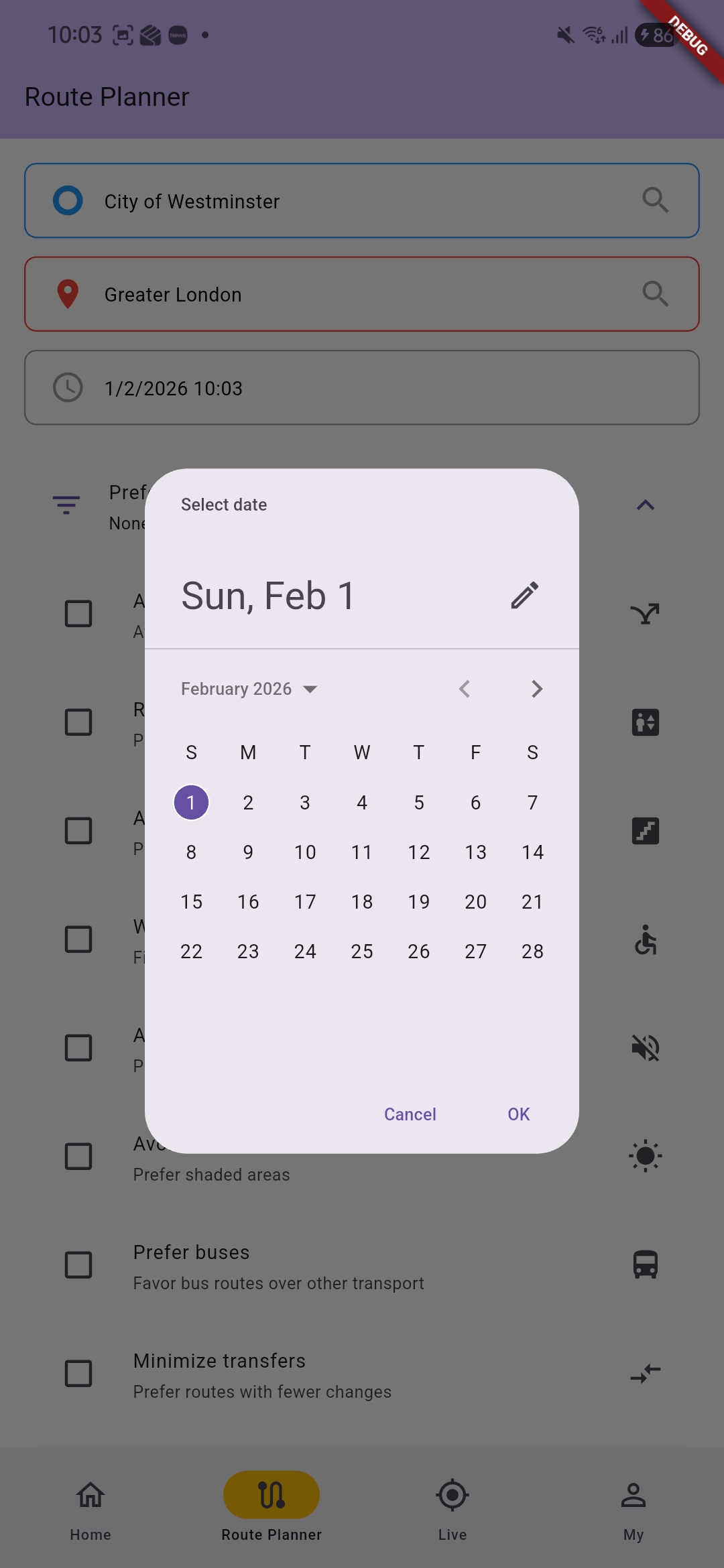
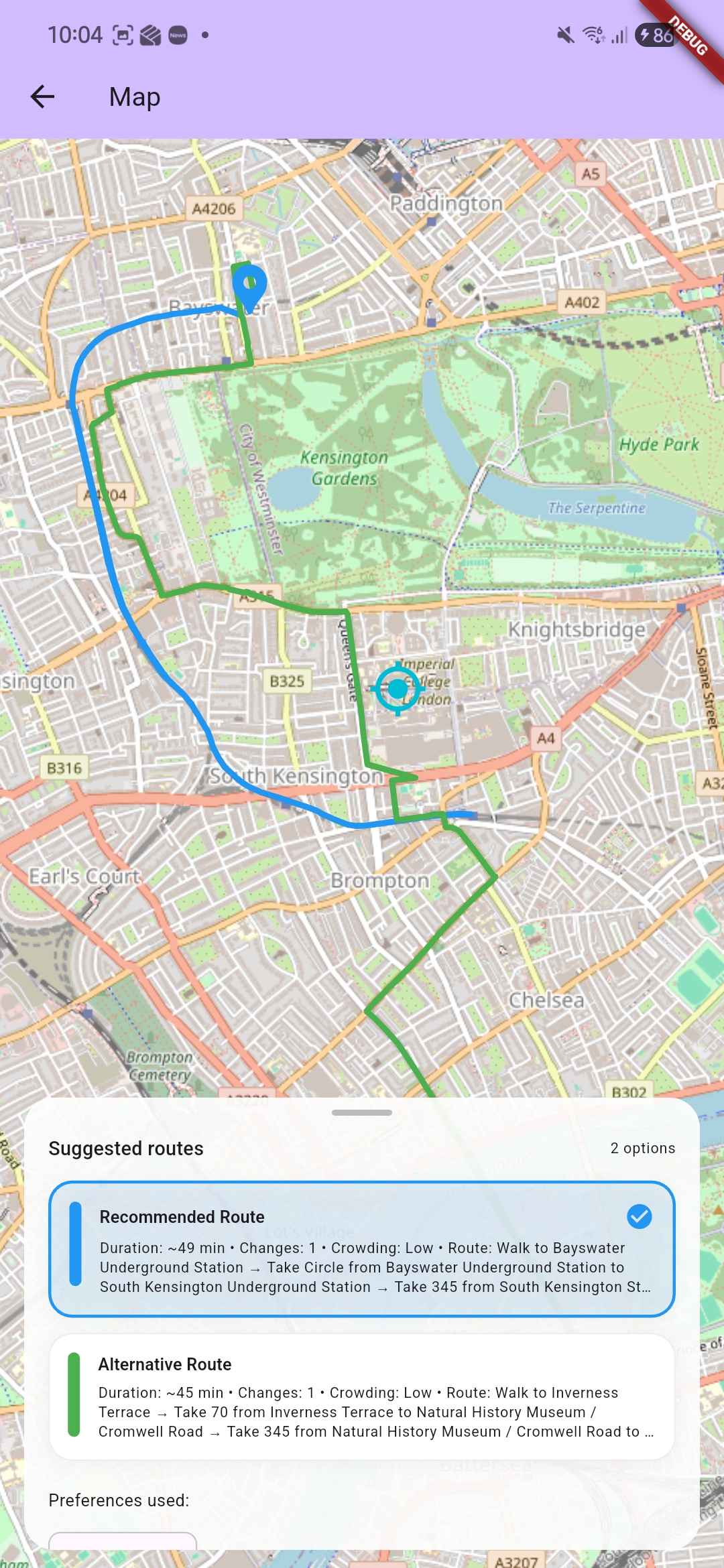
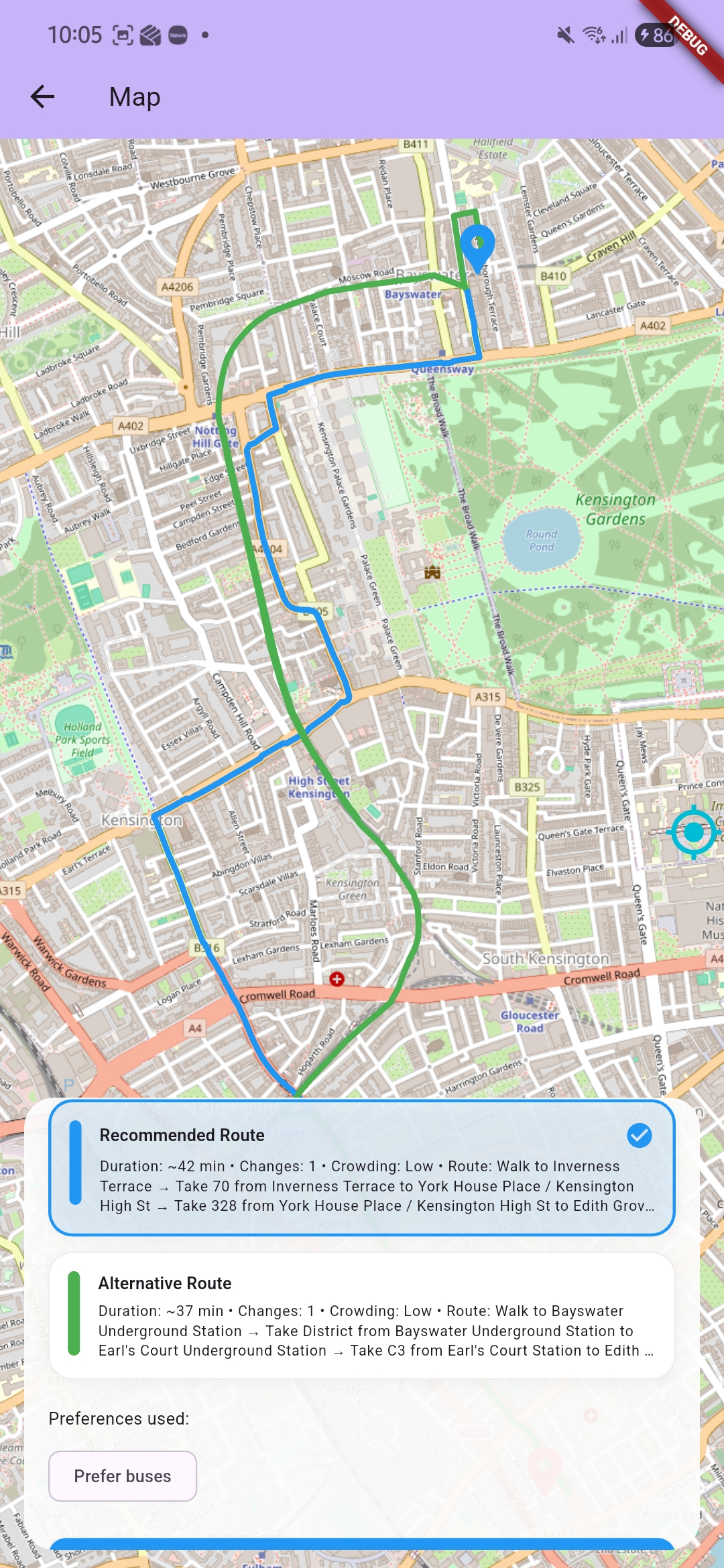
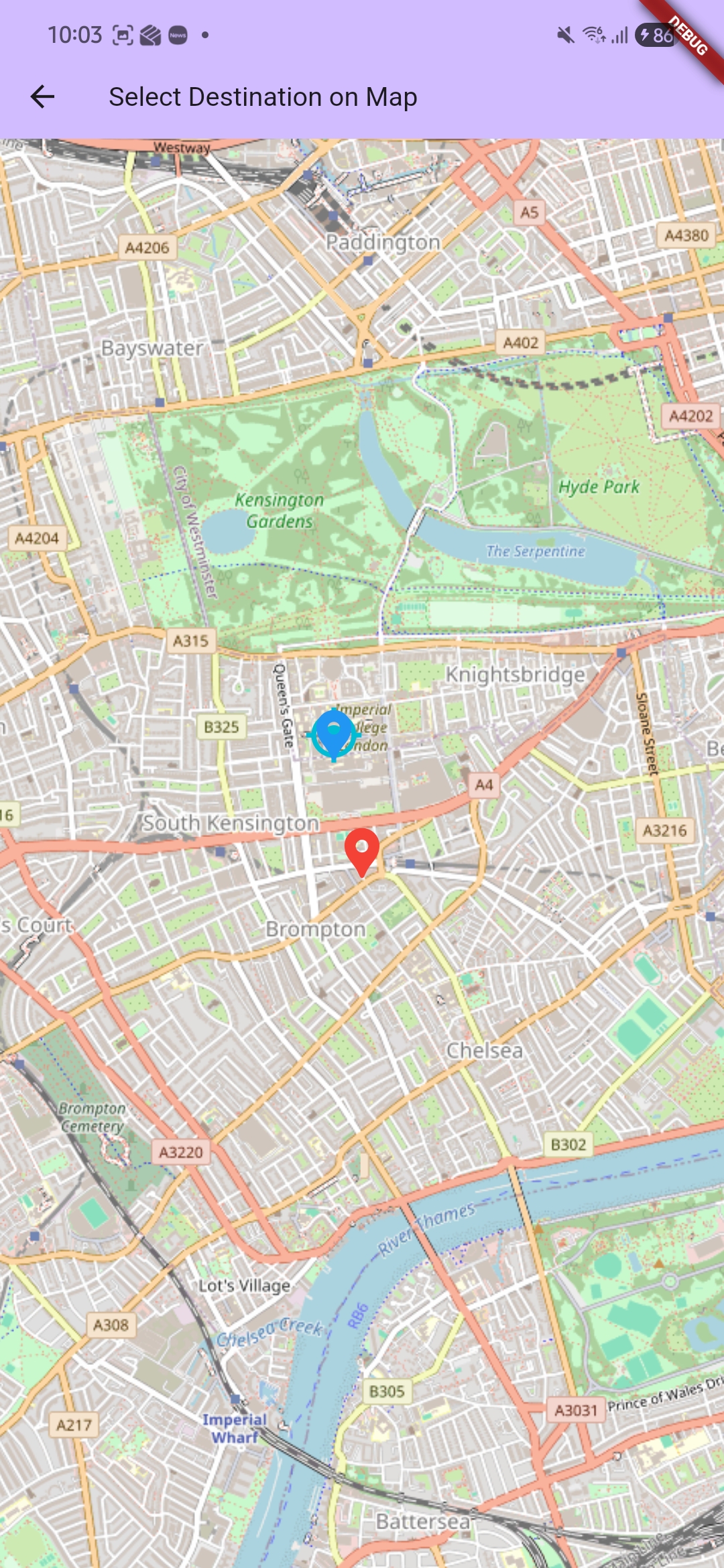
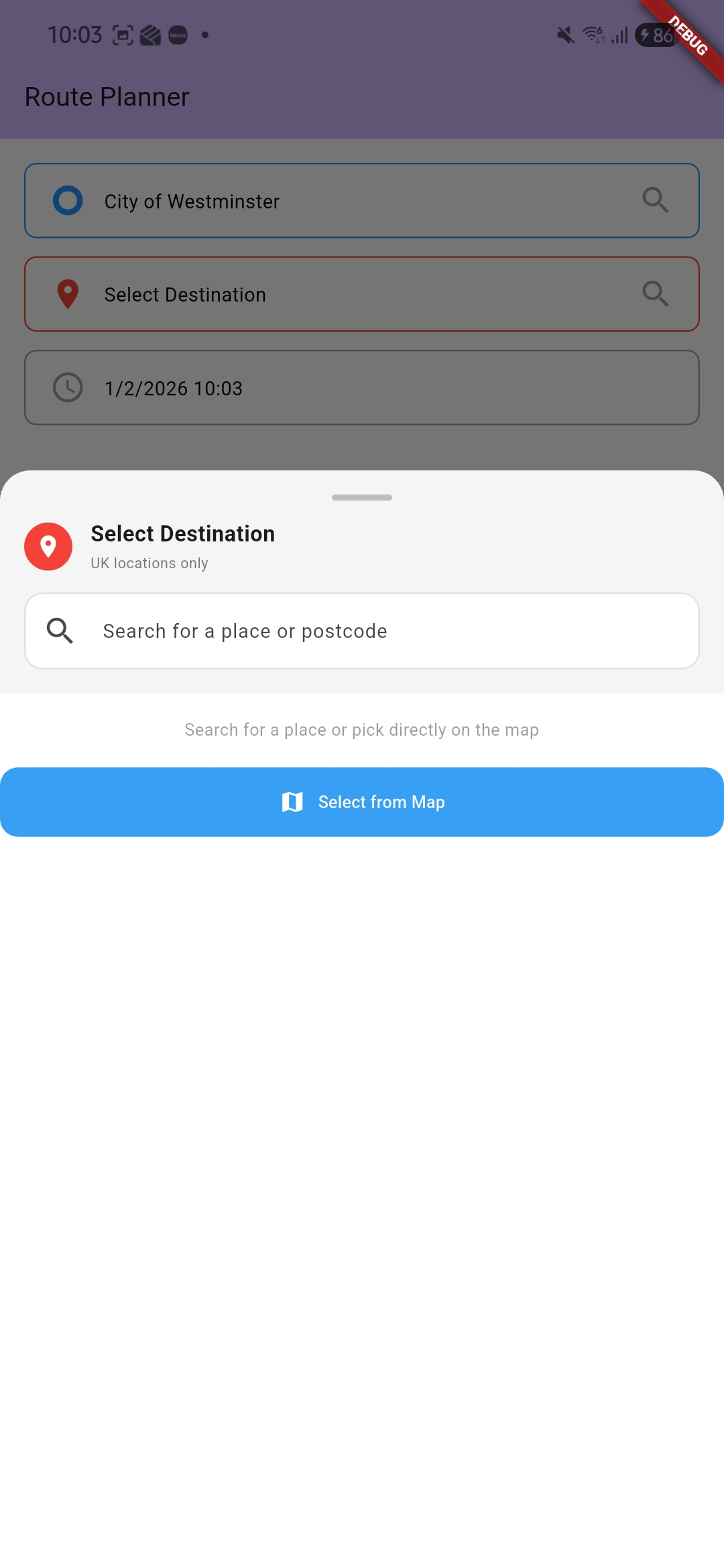
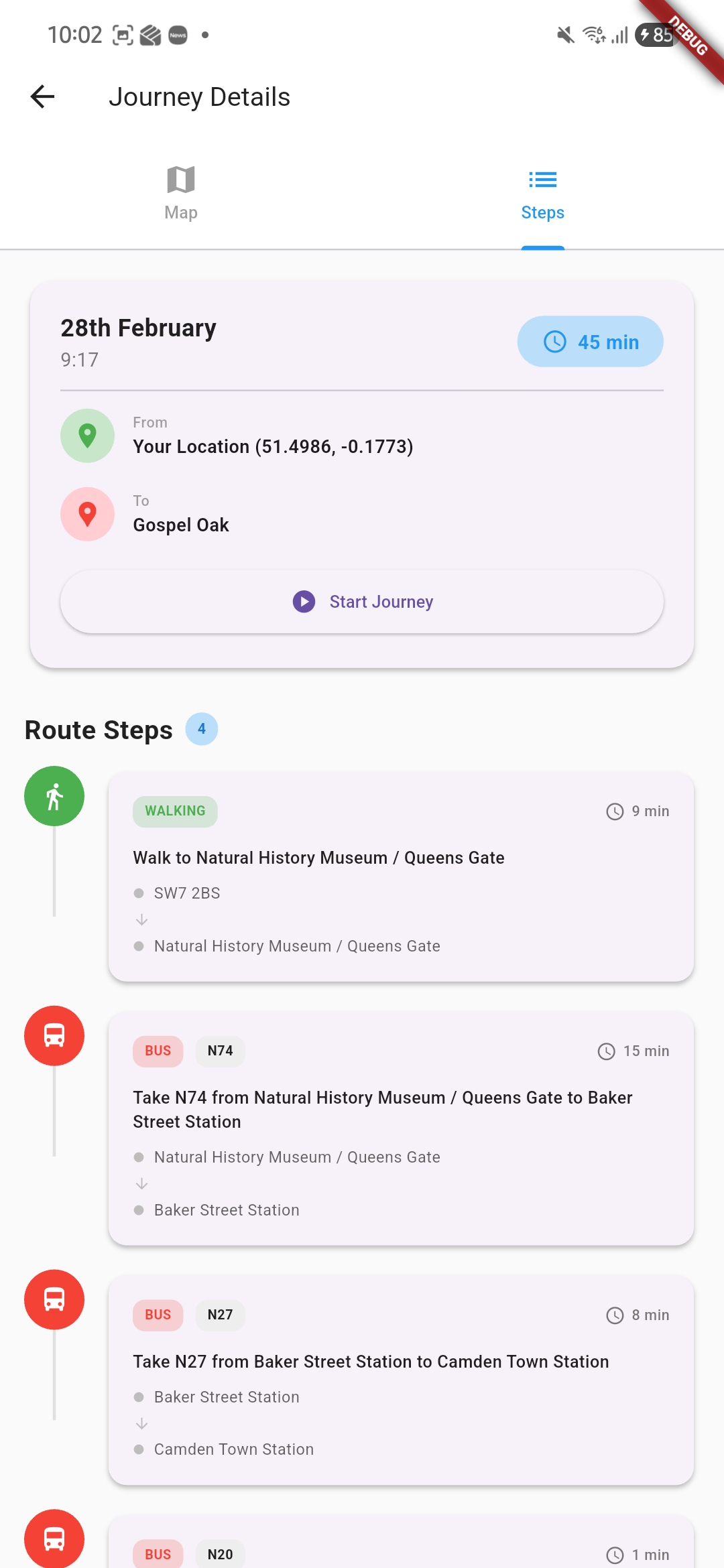
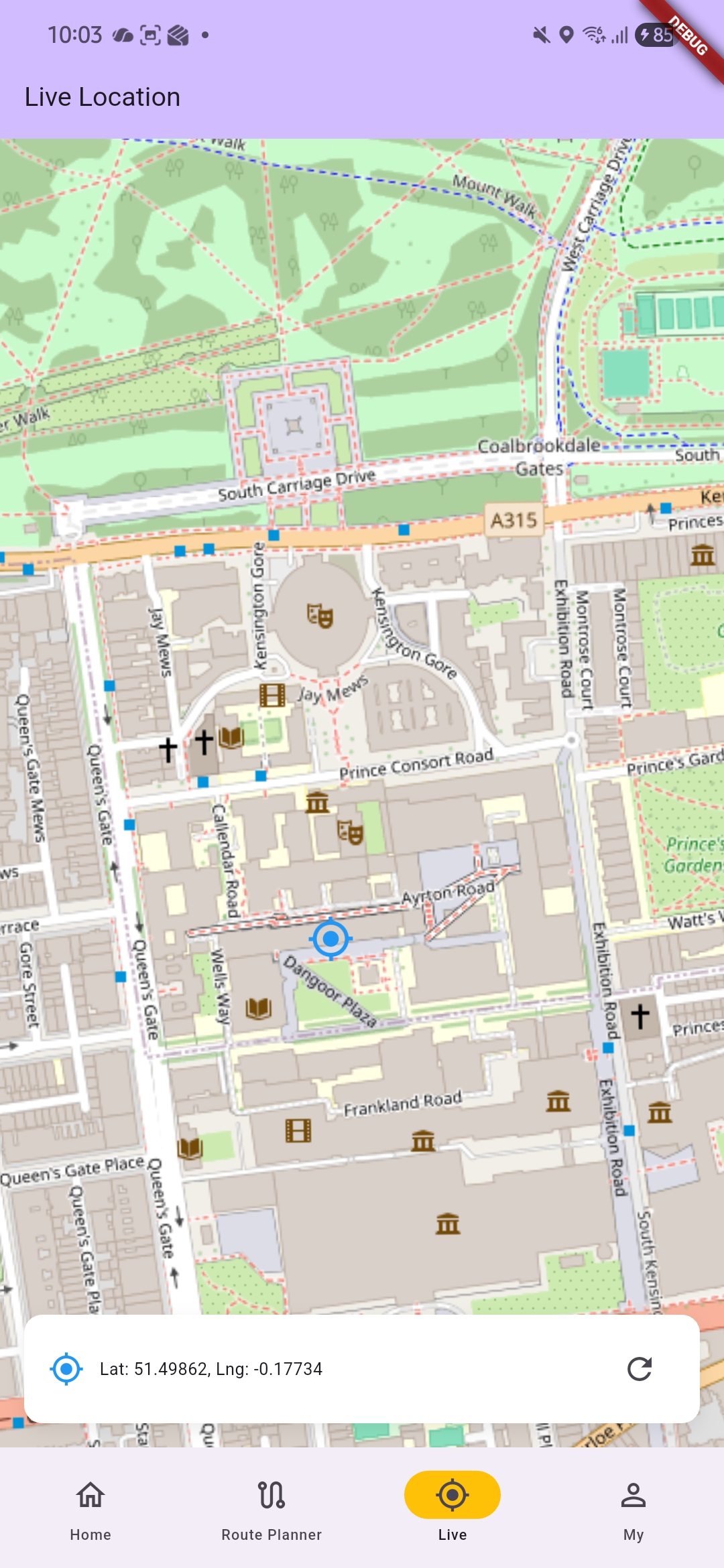
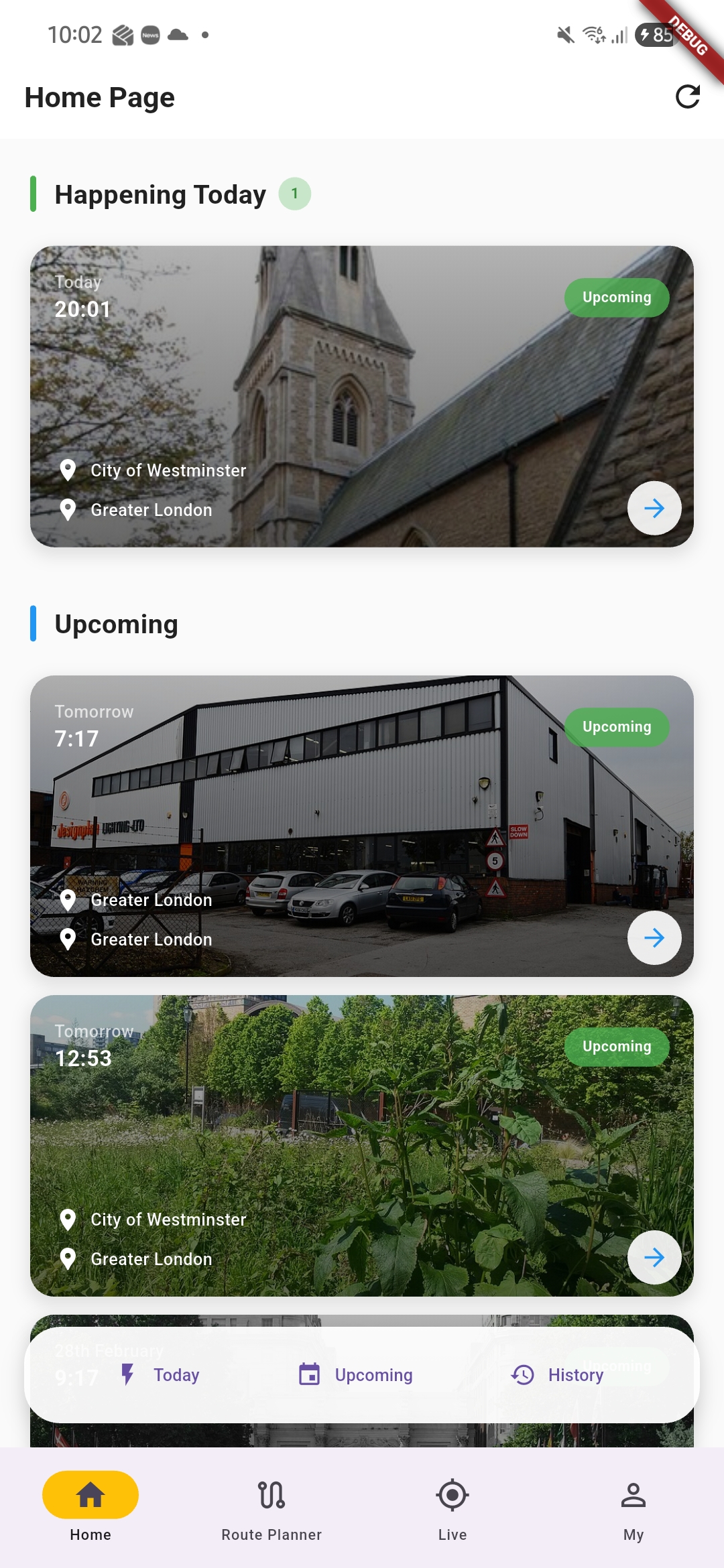
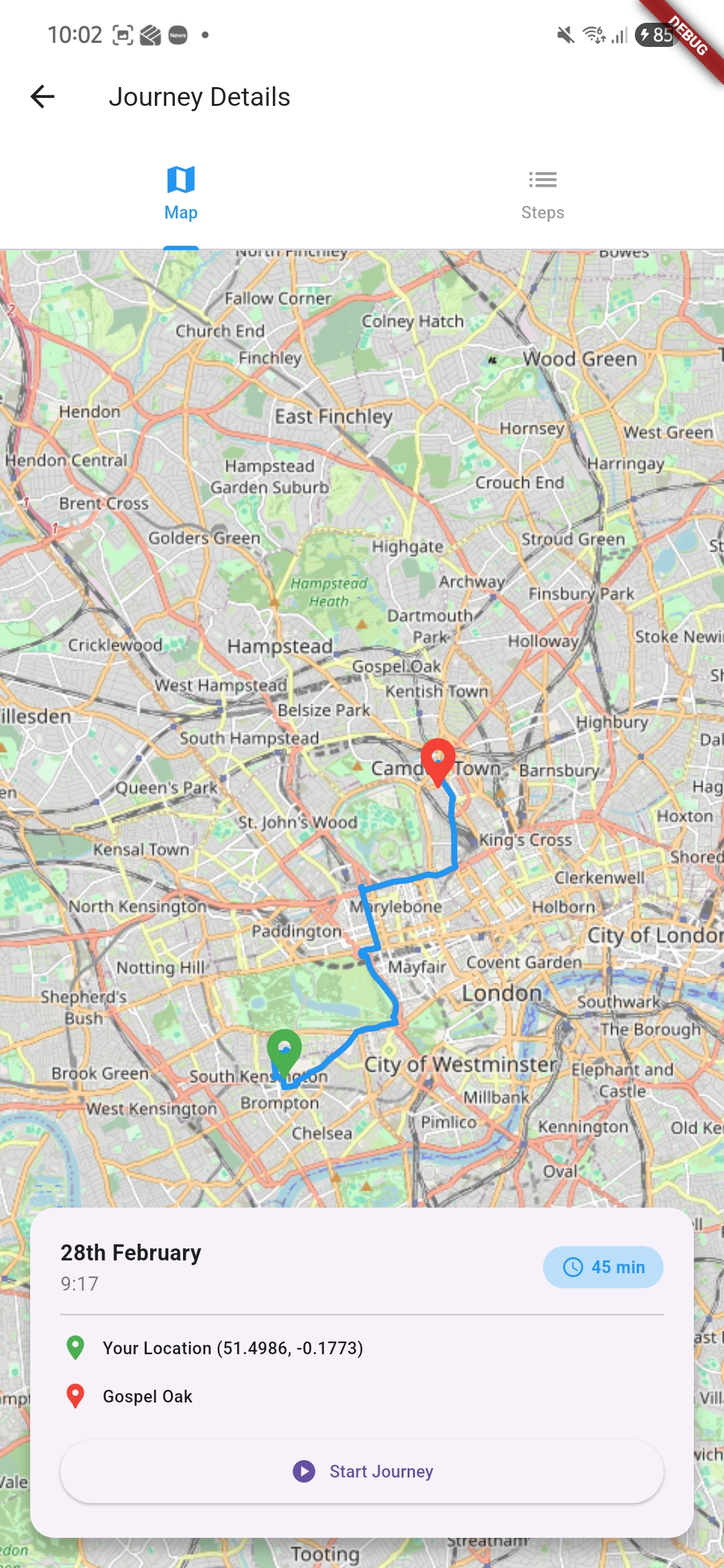
Users can enter any origin and destination (not just stations), select their departure or arrival time, apply their sensory preferences, and receive the best routes based on their metrics. Each journey includes a real time visual map of the journey, as well as a clear start/end time with the explicit transport timings and potential stations.
How we built it
- User enters origin, destination, and sensory preferences in the Flutter app
- The backend receives the request and asks TfL's API for journey options
- It makes 3 separate TfL requests (fastest, fewest changes, least walking) to get diverse route options
- Each route is scored on 4 dimensions: crowding, noise, heat, and reliability
- Scores are adjusted based on user preferences (e.g., if "avoid heat" is on, hot lines like Central get penalised)
- Routes are ranked and the best match is returned along with an alternative
We built Neuro-Route using a Python backend that utilises public transport datasets to understand routes, historical reliability, crowding patterns, and line characteristics such as heat and congestion. Each possible journey is scored using a comfort model combining travel time, number of changes, sensory factors, and delay likelihood. The frontend, built with Flutter, allows users to input preferences and view AI-generated route recommendations with accessible summaries. We integrated multiple public data sources, including TfL services, the Bus Open Data Service, and Department for Transport statistics, to power our routing and comfort scoring.
Challenges we ran into
One of our biggest challenges was working with fragmented and inconsistent transport datasets, particularly when estimating fewer buses and reliability from the data. Designing meaningful sensory metrics (noise, heat, comfort) without live feeds also required careful assumptions and modelling. Balancing technical feasibility with real user needs was another key challenge, especially ensuring the product remained simple and accessible while still being powerful.
Accomplishments that we're proud of
- Building a working end-to-end journey planner focused on sensory comfort
- Creating a comfort-based routing model rather than speed-only optimisation
- Integrating multiple transport datasets into a unified backend
- Designing an inclusive concept aligned with The Donaldson Trust’s mission
What we learned
“I learned how to integrate the backend with the frontend for the first time, seeing everything finally connect was super exciting! :)”
“I learned Flutter from scratch and built a slick, user-friendly UI, it was amazing to see the design come to life through code.”
“I learned how to work with APIs and connect external data to our app, which really helped me understand real-world application flow.”
What's next for Neuro-Route?
Future improvements include:
- Live crowding data
- Personal sensory profiles
- Learning from user feedback
- Expansion beyond London
- Integration with accessibility features such as step-free routing and quieter carriages


Log in or sign up for Devpost to join the conversation.