-
-
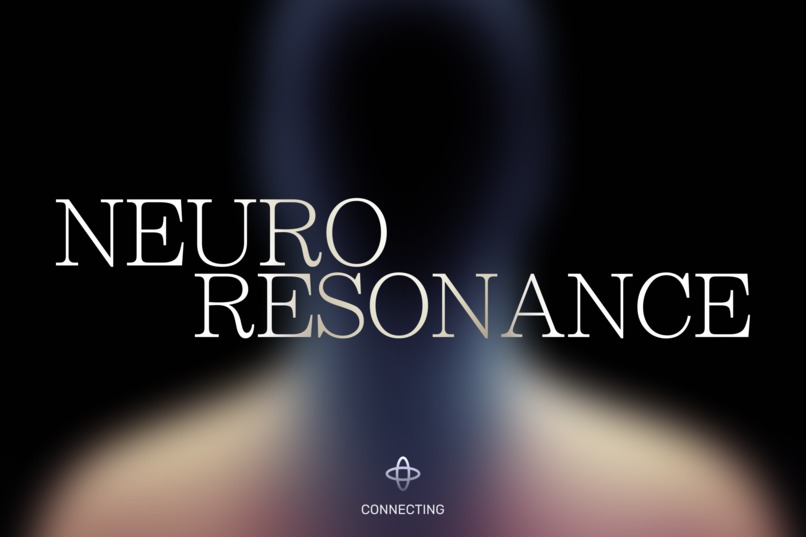
Opening
-
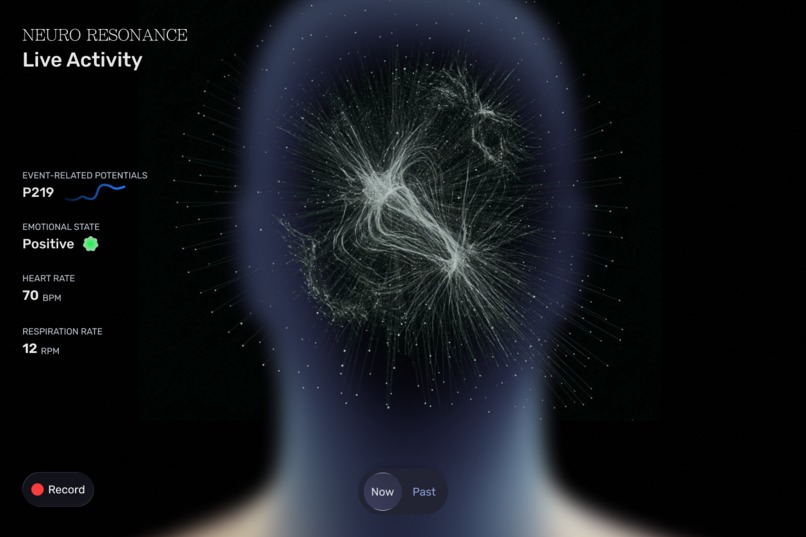
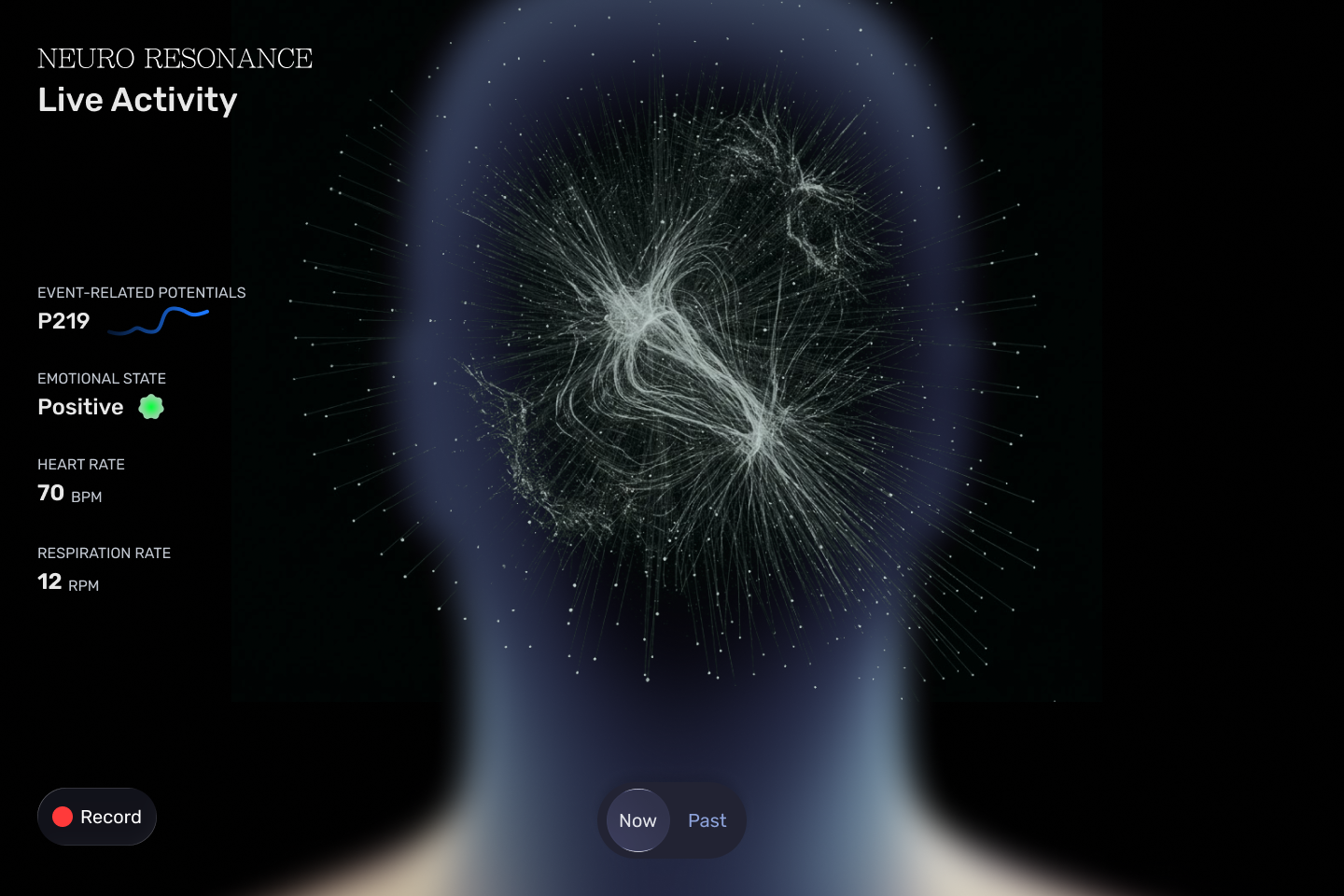
Live Activity 1: Neural Response
-
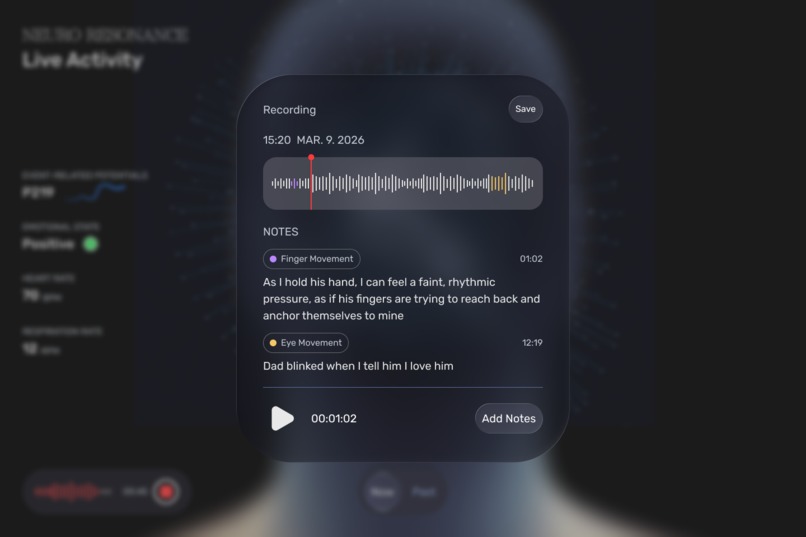
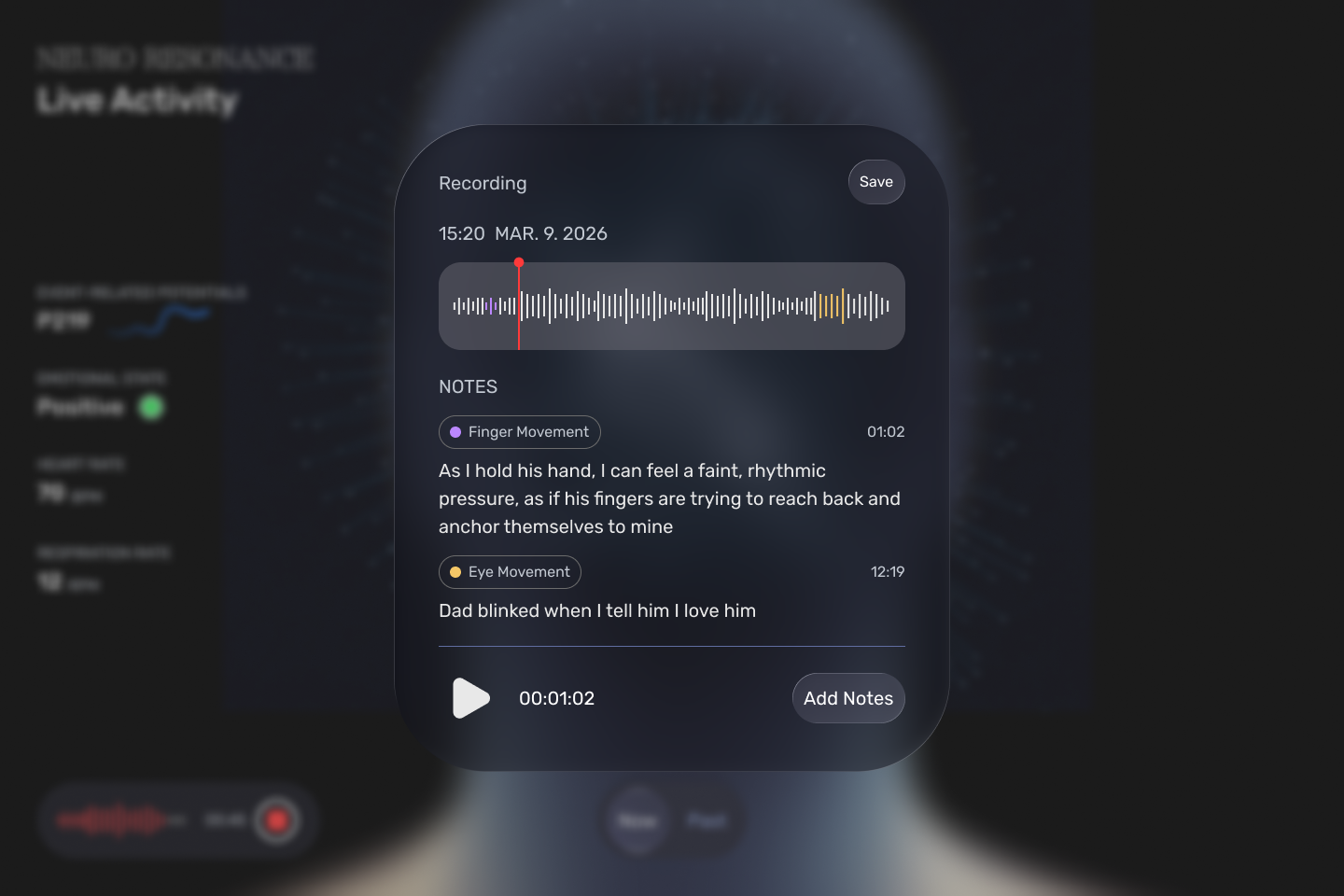
Live Activity 2: Message Recording
-
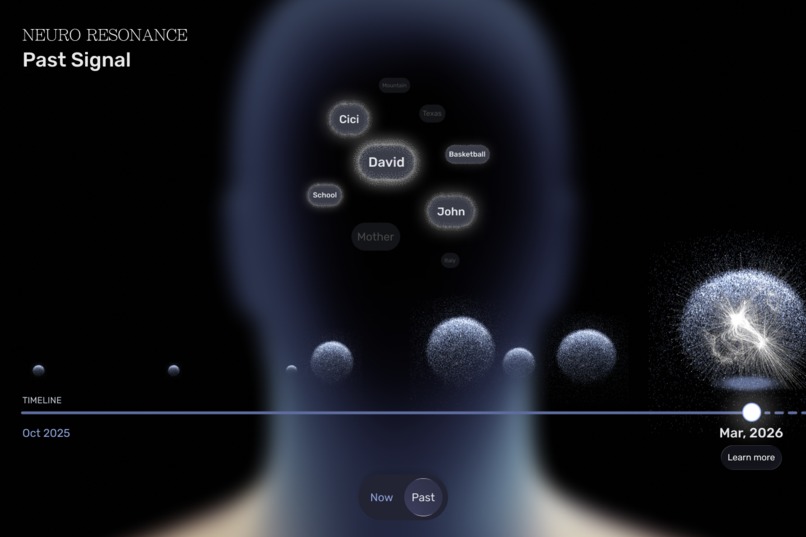
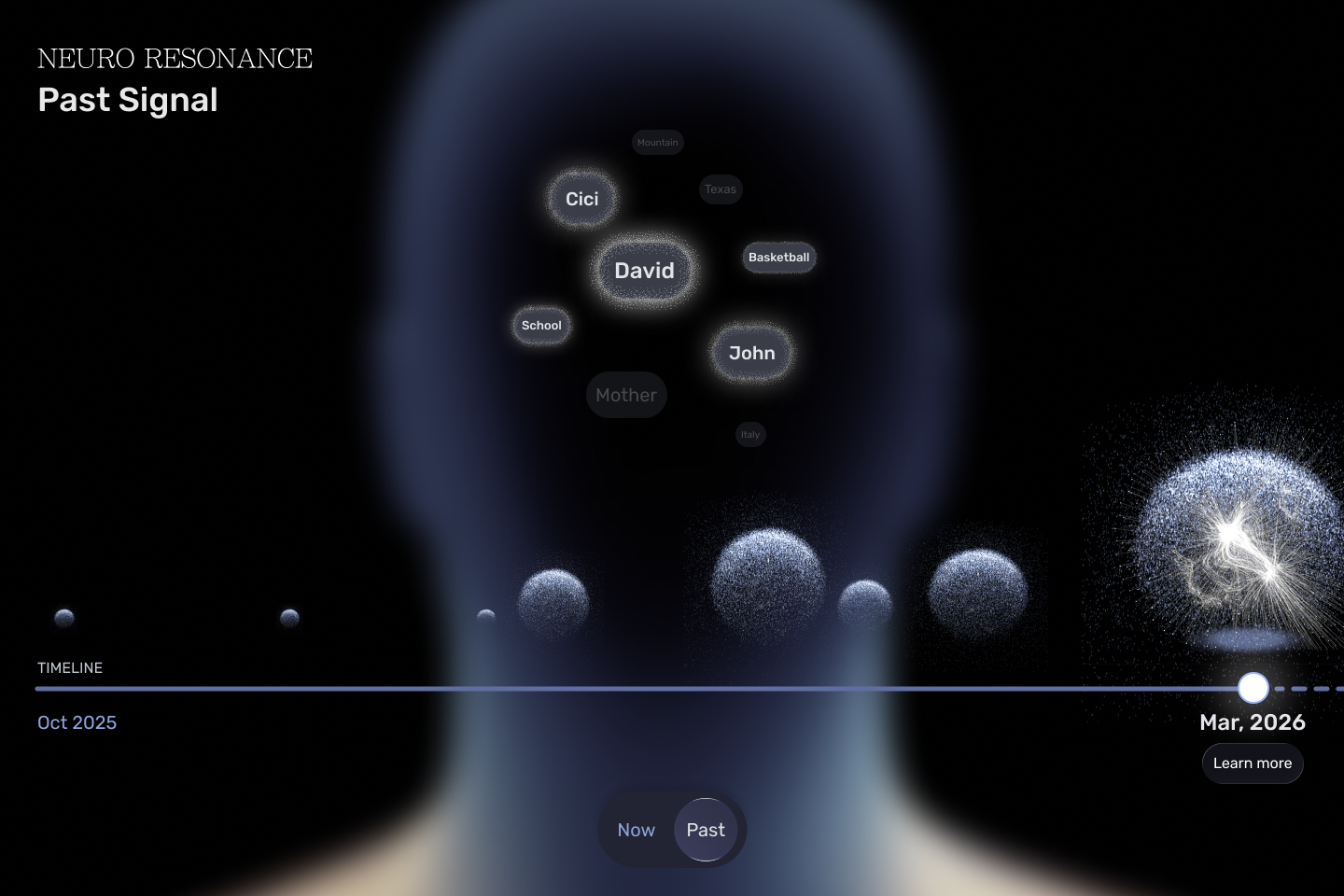
Past Signal 1: Activation and Keywords
-
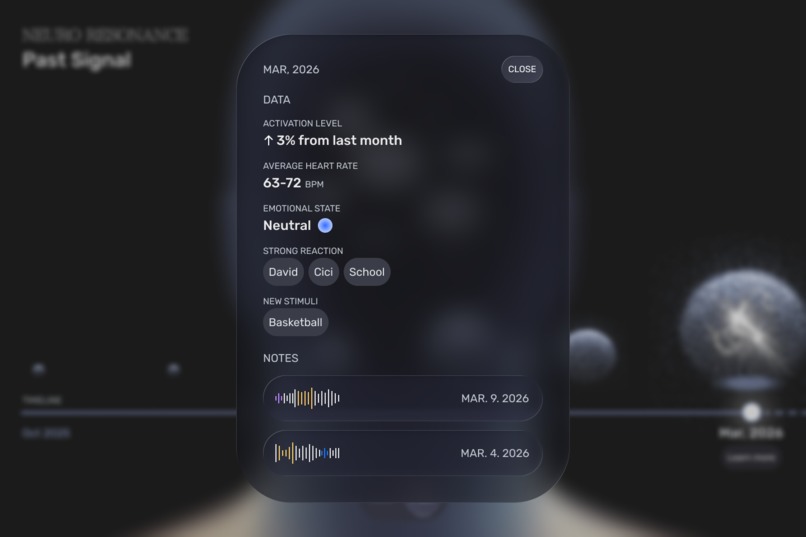
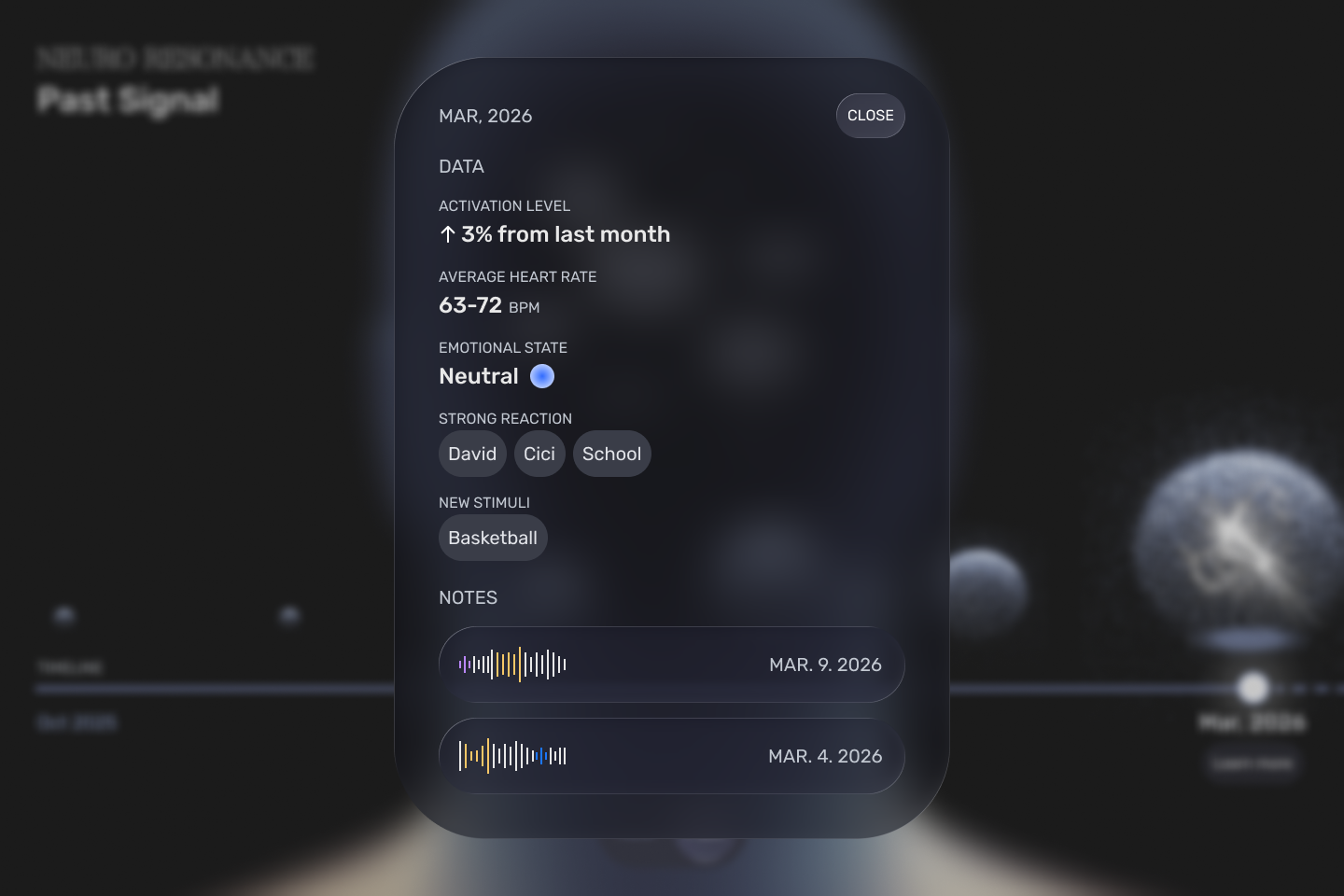
Past Signal 2: Case by Case
-
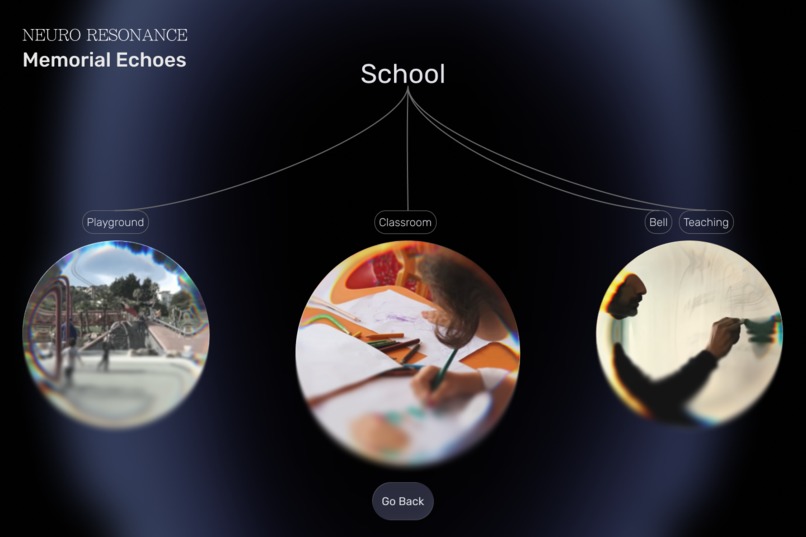
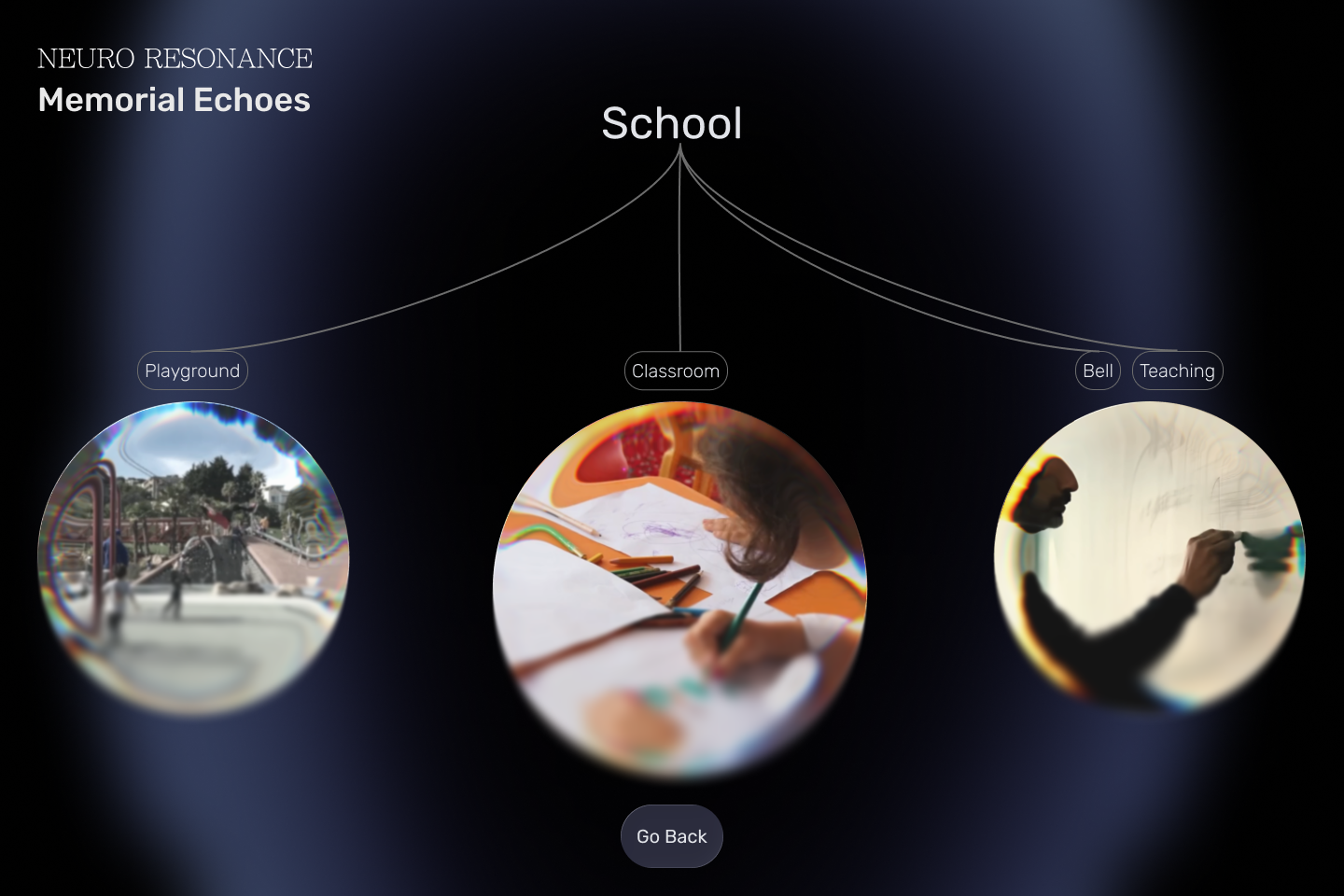
Memory 1: Related Scenes
-
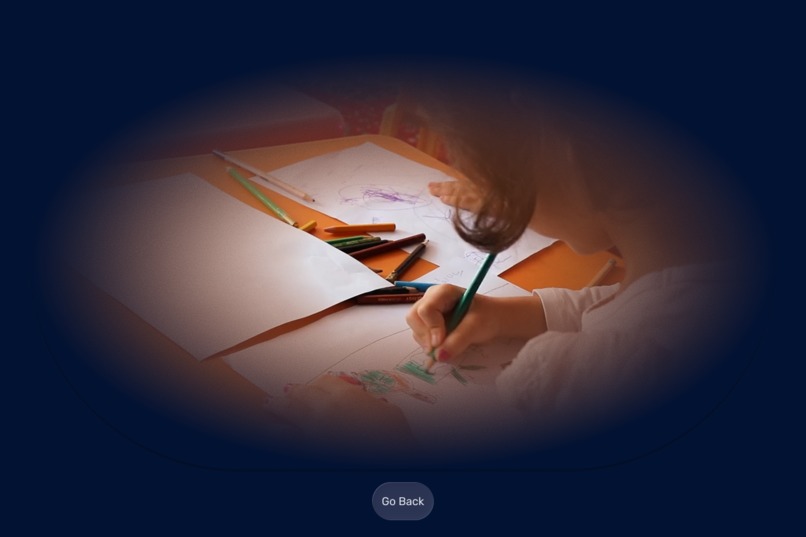
Memory 2: Diving in

Inspiration
The spark for Neuro Resonance came from a team member’s personal experience witnessing a loved one fall into a disorder of consciousness. We saw firsthand the emotional toll of losing the ability to interact and were driven by the need to bridge that silence with meaningful, data-driven connection.
What it does
For caregivers of those in a Persistent Vegetative State (PVS), the greatest fear is the fading of a loved one’s identity. Neuro Resonance bridges this gap by detecting and visualizing latent neural activity. By extracting the key themes that spark high brain activation, the system empowers caregivers to talk to the person, not just at them—fostering both neurological rehabilitation and emotional continuity. These resonant themes piece together a dynamic digital portrait of the patient’s self, while a dedicated space for notes ensures their presence remains vivid, honored, and deeply felt.
How we built it
We utilized Figma for the foundational UX/UI design and high-fidelity mockups. To bring the vision to life, we leveraged Figma Make to develop a fully interactive prototype, allowing us to simulate the complex, real-time neural responses and particle animations essential to the experience.
Challenges we ran into
The primary challenge was translating the internal neural responses of an unconscious person into a visual language that felt both accurate and comforting. After extensive iteration, we arrived at a particle-based system to represent these "first sparks" of consciousness. Implementing these high-fidelity, reactive animations was complex, but Figma Make’s natural language prototyping allowed us to bridge the gap between abstract logic and emotional visual feedback.
Accomplishments that we're proud of
We are incredibly proud of developing a visual system that gives a "voice" to those who are often overlooked. By capturing and manifesting specific themes from neural activity, we successfully created a way to preserve snippets of identity and memory, providing a tangible sense of connection for families in a high-stakes clinical environment.
What we learned
Designing for extreme vulnerability taught us that empathy must be the primary constraint. We learned how to balance clinical accuracy with the psychological needs of caregivers, ensuring that data never replaces the person. Additionally, we discovered the power of emerging AI-driven design tools in prototyping deeply complex, multimodal interactions that can change the way we approach long-term patient care.
Built With
- figma
- figmamake


Log in or sign up for Devpost to join the conversation.