
Inspiration
The rapid rise of AI-generated content — from deepfake videos to AI-written articles and synthetic images — has created a pressing need for tools that can distinguish real from artificial content. We were inspired by the challenge of giving people and organizations a clear, reliable way to detect AI content across multiple mediums. Our goal was to create a single, unified platform that can analyze text, images, and video with precision and speed, empowering users to trust the content they consume
What it does
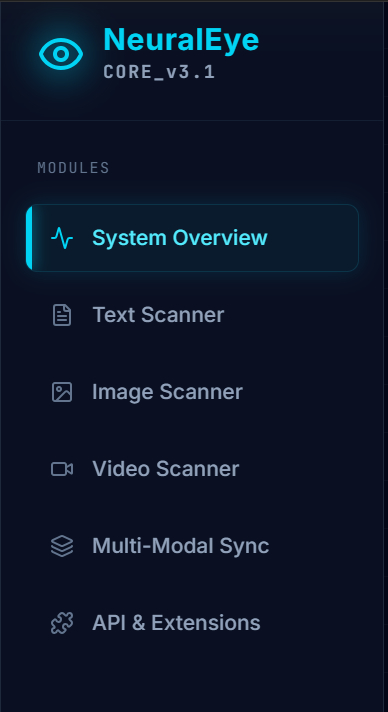
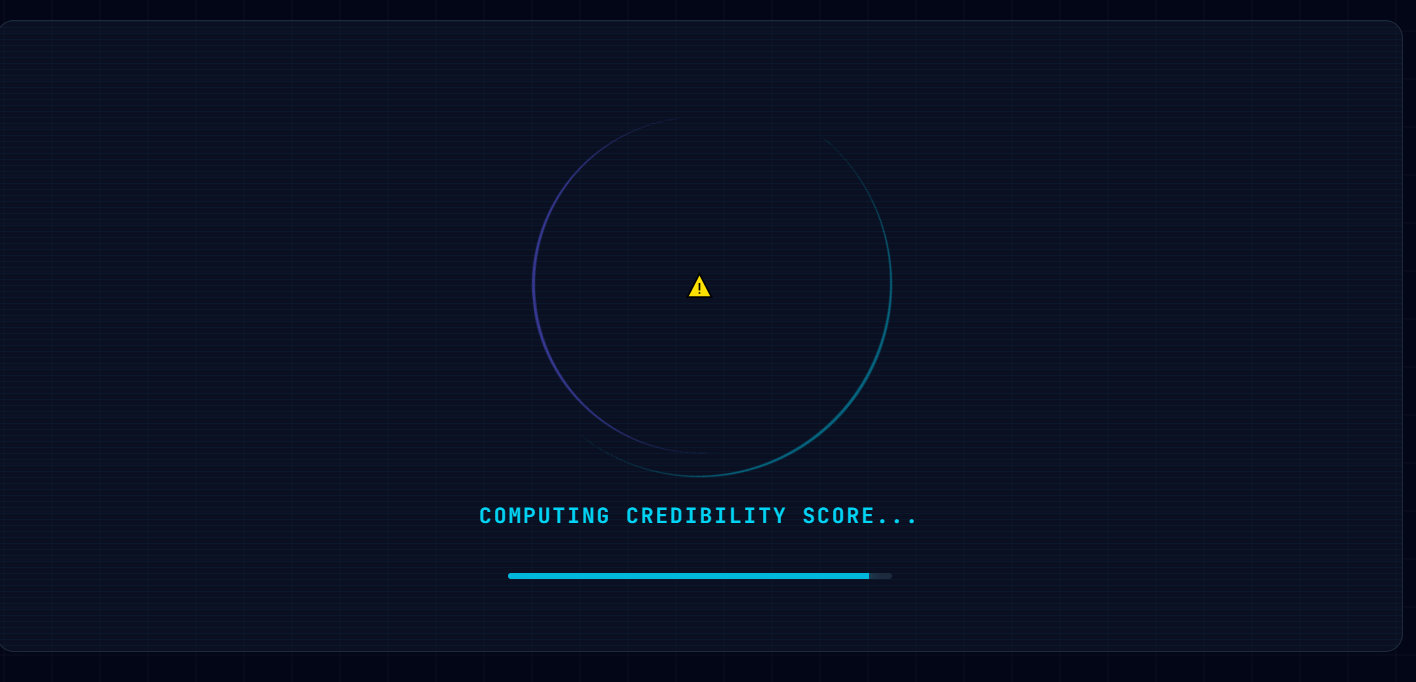
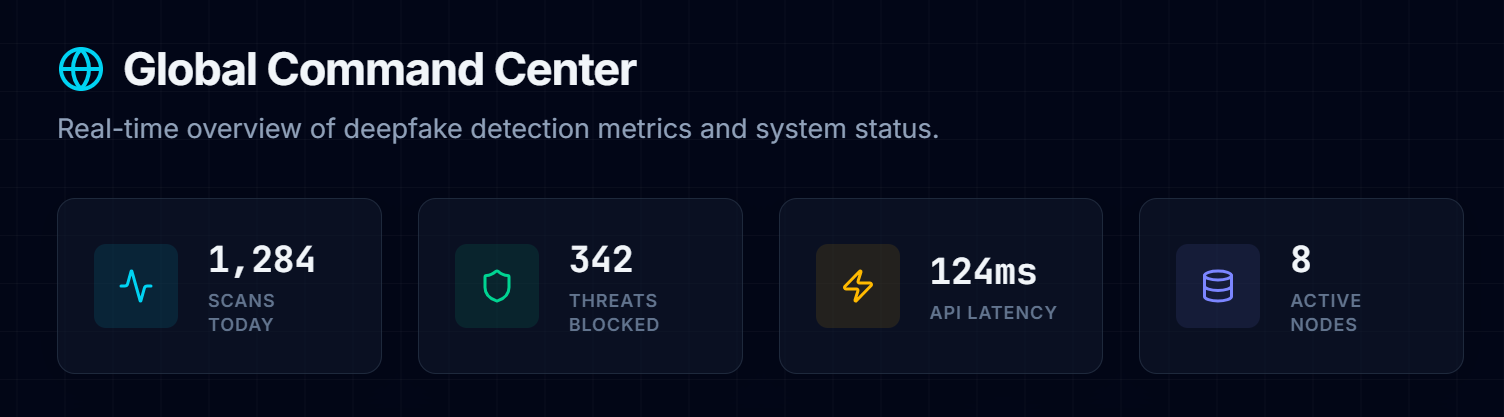
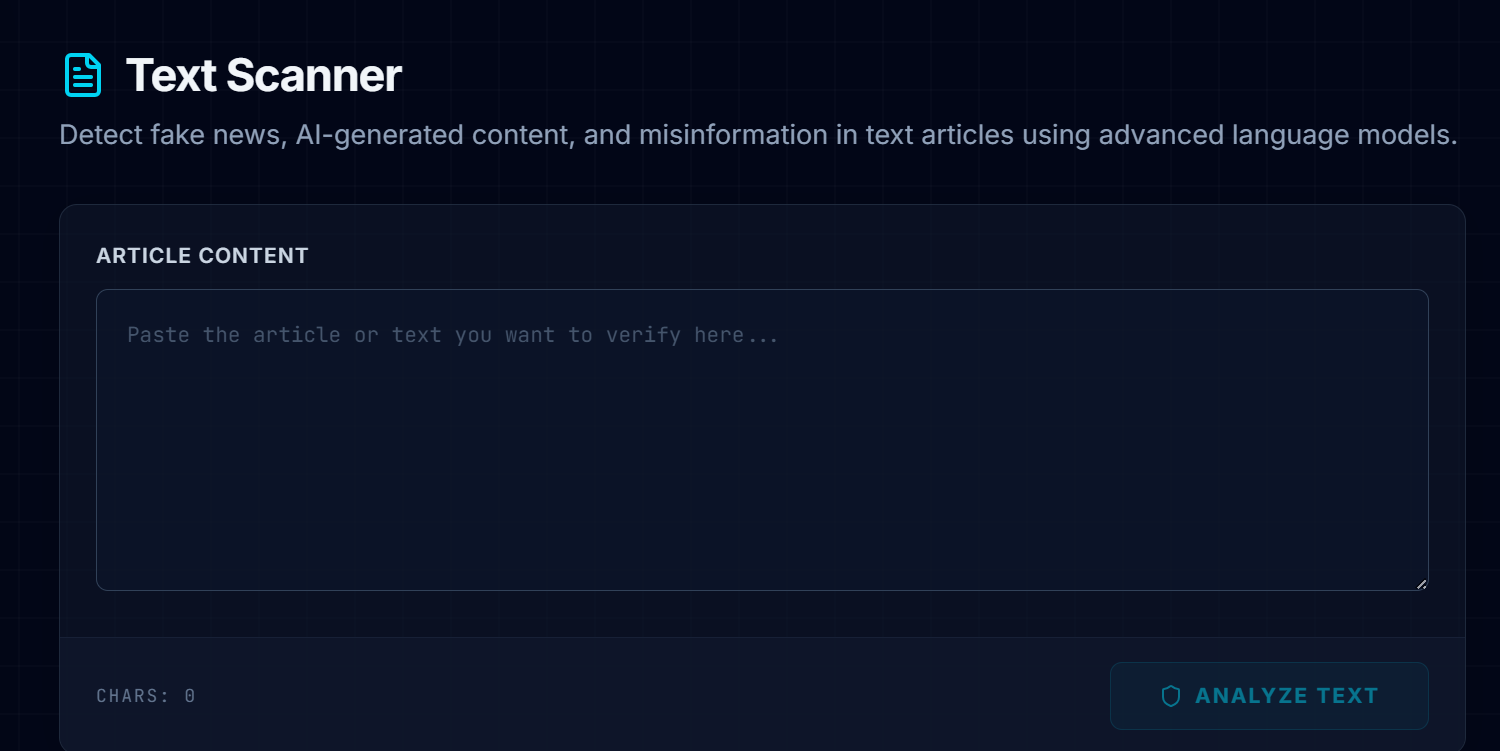
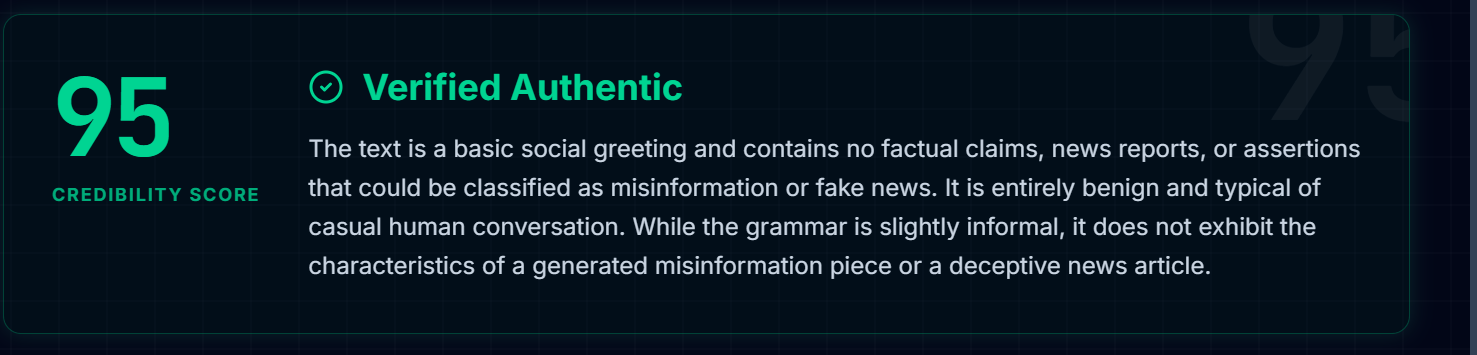
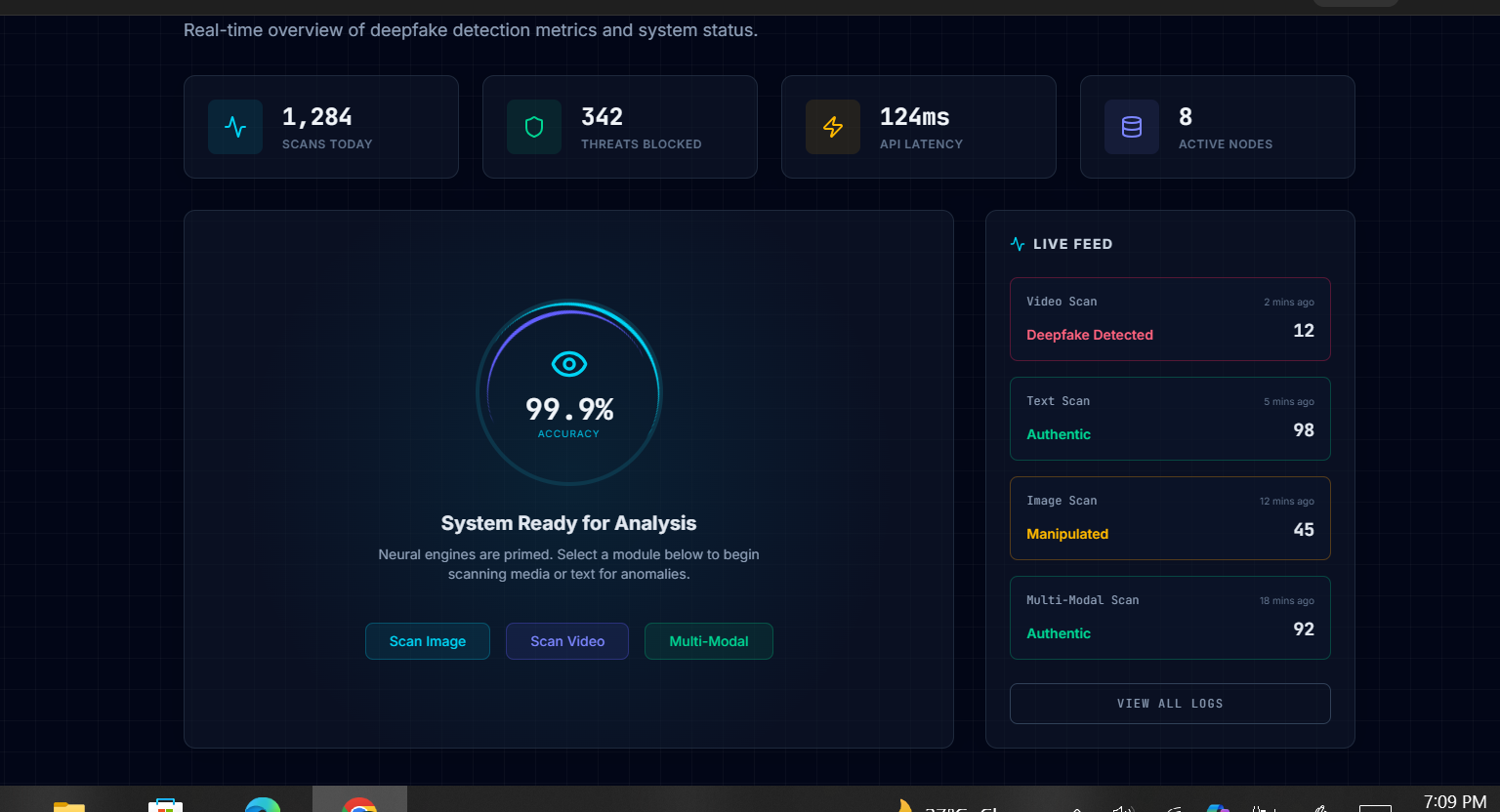
NeuralEye is a multi-modal AI detection tool that allows users to upload text, images, or videos and instantly receive a report on whether the content was AI-generated or human-made. The system provides a confidence score, visual highlights, and actionable insights, making it easy for journalists, educators, researchers, and tech enthusiasts to verify content authenticity. It’s fast, intuitive, and built for real-world usability
How we built it
NeuralEye leverages a combination of state-of-the-art AI models and modern web technologies:
1.Text Detection: Fine-tuned natural language models analyze syntax, semantics, and style patterns to flag AI-generated text.
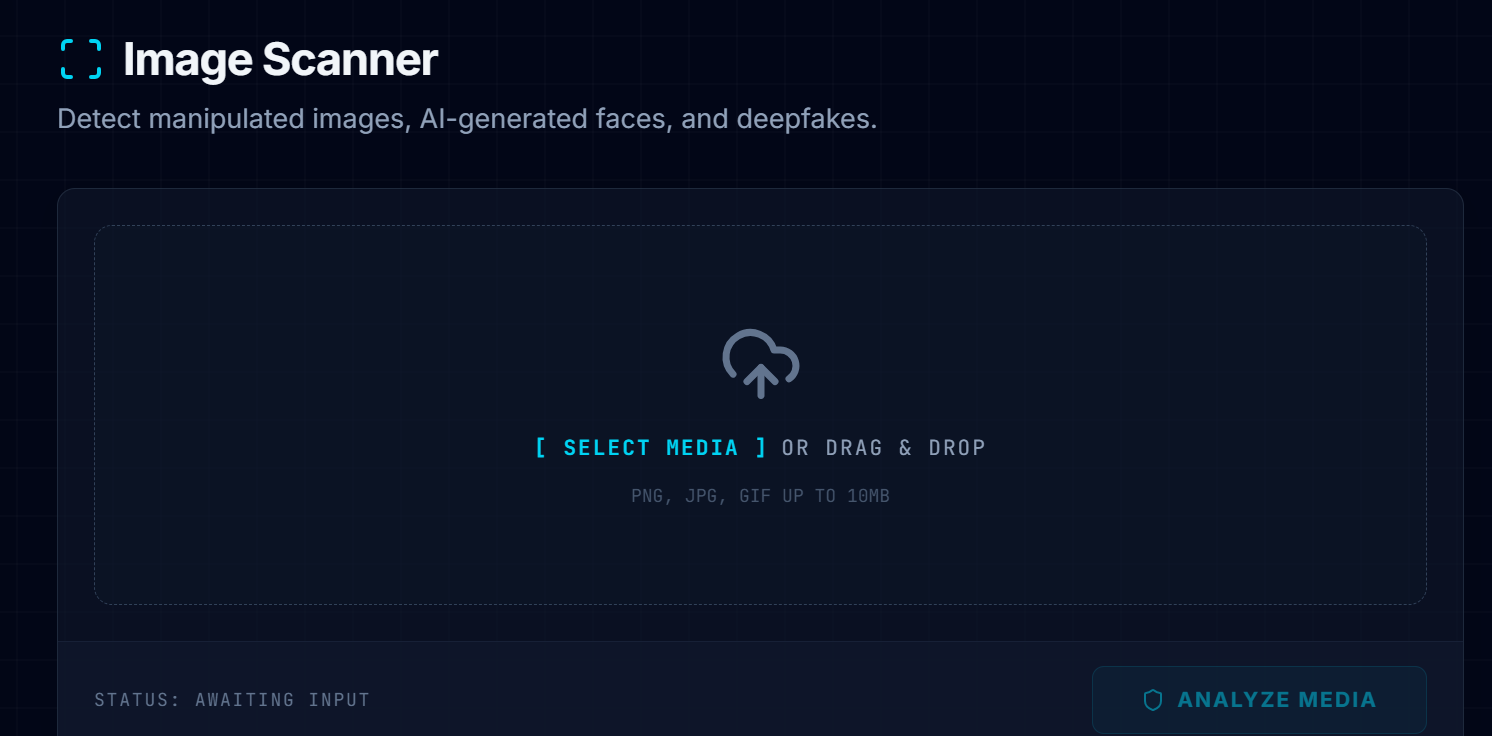
2.Image Detection: Convolutional neural networks and embedding-based classifiers identify subtle artifacts and inconsistencies in AI-generated images.
3.Video Detection: Frames are sampled intelligently and analyzed using hybrid CNN+Transformer pipelines to detect deepfake or synthetic video content.
4.Frontend & UX: Built in Google AI Studio, with a clean interface optimized for quick uploads, progress feedback, and report visualization.
5.Performance Optimizations: We implemented frame sampling, caching, and parallel processing to ensure fast analysis even for large files.
Challenges we ran into
Multi-modal integration: Detecting AI content across text, images, and video required combining different models and normalizing results for a unified output.
Video processing speed: Large video files posed performance challenges; we optimized by sampling frames intelligently and processing them in parallel.
False positives & edge cases: Certain AI-generated images and stylized content were initially misclassified, requiring iterative model tuning and additional feature extraction.
User experience: Ensuring that users received clear, understandable results without overwhelming technical jargon was a critical design challenge.
Accomplishments that we're proud of
Successfully built a multi-modal AI detection platform in a short hackathon timeline.
Developed an intuitive, professional-grade interface with confidence scoring and visual cues.
Optimized video processing to handle multi-minute uploads efficiently.
Achieved high detection accuracy across diverse content types, verified with real-world testing datasets.
Created a scalable system architecture ready for future AI detection enhancements.
What we learned
Multi-modal AI detection requires balancing accuracy, speed, and interpretability; raw performance alone is not enough.
User-centric design matters: Even the most advanced AI model is ineffective if the results are confusing or inaccessible to the end user.
Iterative testing, real-world datasets, and edge-case analysis are key to producing reliable AI detection tools.
Hackathon development teaches rapid prototyping, prioritization, and how to make technically complex projects presentable in a short time.
What's next for NeuralEye
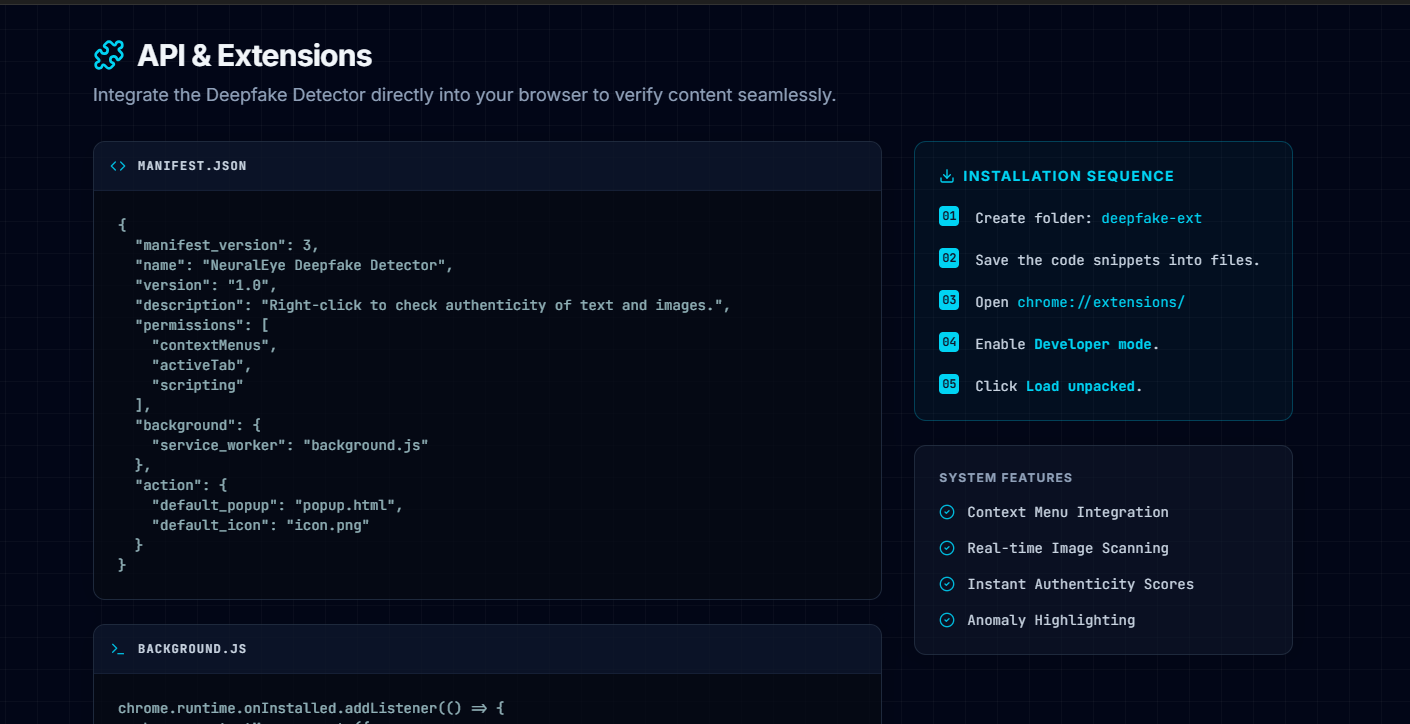
Real-time AI detection: Adding live webcam, streaming, and browser extension support to detect AI content instantly.
Expanded confidence metrics: Provide more granular breakdowns by text, video, or image segments.
Community-driven datasets: Incorporate user feedback and reporting to continuously improve model accuracy.
Commercial readiness: Packaging NeuralEye as a SaaS product for journalists, educators, and content creators worldwide.
Cross-platform support: Mobile, web, and desktop clients for seamless user experience.
Built With
- css3
- dall-e
- flask
- google-ai
- html
- huggingface
- javascript
- node.js
- python
- pytorch
- tensorflow
- typescript

Log in or sign up for Devpost to join the conversation.