-
-
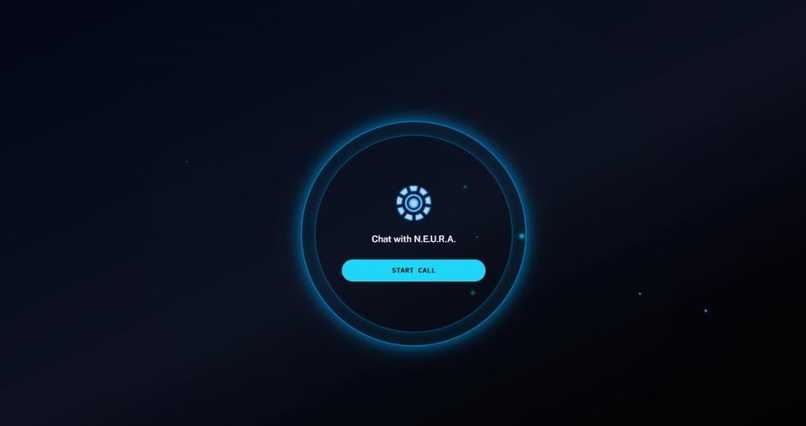
NEURA UI
Inspiration
Many existing AI assistants can answer questions but cannot remember long-term context or perform real digital tasks. Users still switch between multiple tools for emails, scheduling, searching, and documentation. This problem is even more challenging for visually impaired users who rely heavily on accessible interfaces.
We wanted to build an AI system that goes beyond responding to queries — an assistant that can understand, remember, and act. This idea led to the creation of NEURA, a cognitive AI web agent designed to automate digital workflows through voice interaction.
What We Built
NEURA (Neural Enhancement & Reasoning Assistant) is a multimodal AI web agent that can see, speak, remember long-term context, and automate digital tasks.
The system combines:
- Voice interaction for hands-free commands
- LLM-based reasoning for intelligent responses
- Persistent memory using embeddings
- Workflow automation using APIs and browser automation
NEURA can assist with tasks such as email generation, scheduling, information retrieval, coding assistance, and document understanding.
Additionally, NEURA supports "custom automation based on user behavior and needs". For example, if a user frequently uses platforms like YouTube, Instagram, or Twitter, NEURA can automate tasks such as content retrieval, notifications, or routine actions on those platforms.
How We Built It
The system follows a layered architecture:
- Input Layer – Voice, text, and visual inputs
- AI Processing Layer – Speech-to-text, NLP, and large language model reasoning
- Memory Layer – Embedding-based long-term memory retrieval
- Decision Engine – Determines whether to respond or execute a task
- Automation Layer – Executes workflows using APIs or browser automation
The backend was built using Python-based services, while automation workflows were implemented using tools like n8n and browser automation frameworks.
Challenges We Faced
One of the main challenges was integrating multiple AI components into a single seamless workflow. Managing memory retrieval while maintaining real-time responses required careful system design.
Another challenge was designing the system to support accessibility and voice-first interaction so visually impaired users can interact with the assistant easily.
What We Learned
Through this project, we learned how to design an AI system that combines reasoning, memory, and automation. We also explored how multimodal AI can improve accessibility and productivity.
NEURA demonstrates how AI assistants can evolve from simple chatbots into intelligent agents capable of understanding context and executing real-world digital tasks.

Log in or sign up for Devpost to join the conversation.