-
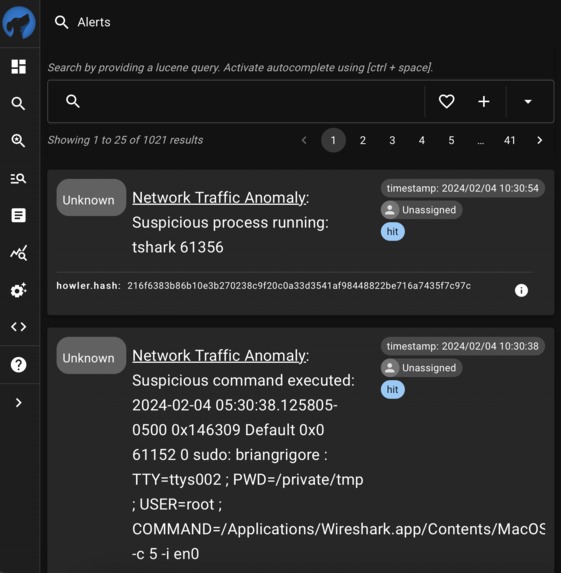
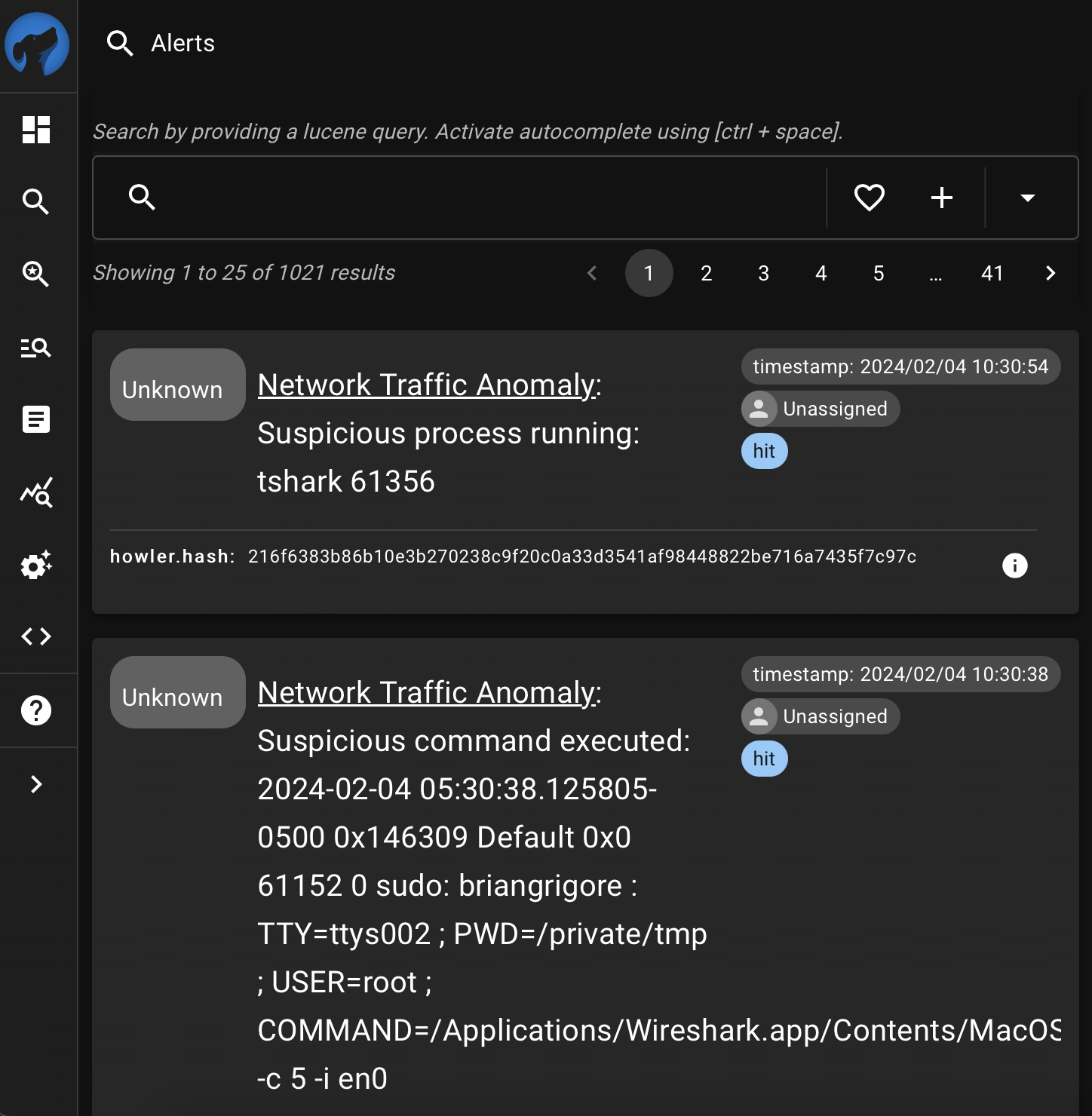
Howler Dashboard with alerts
-
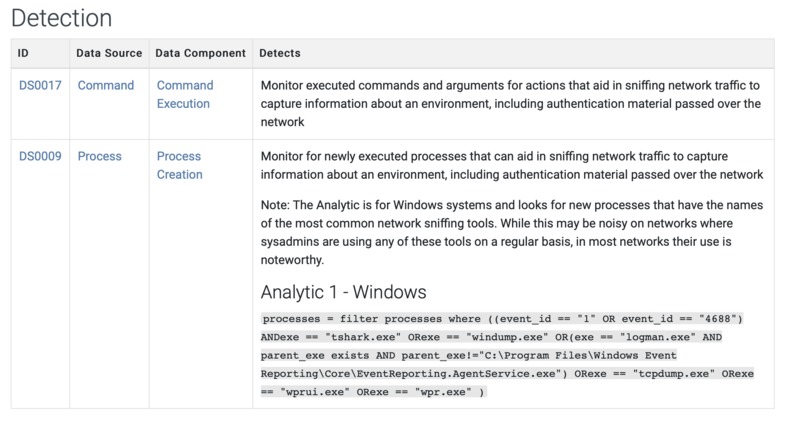
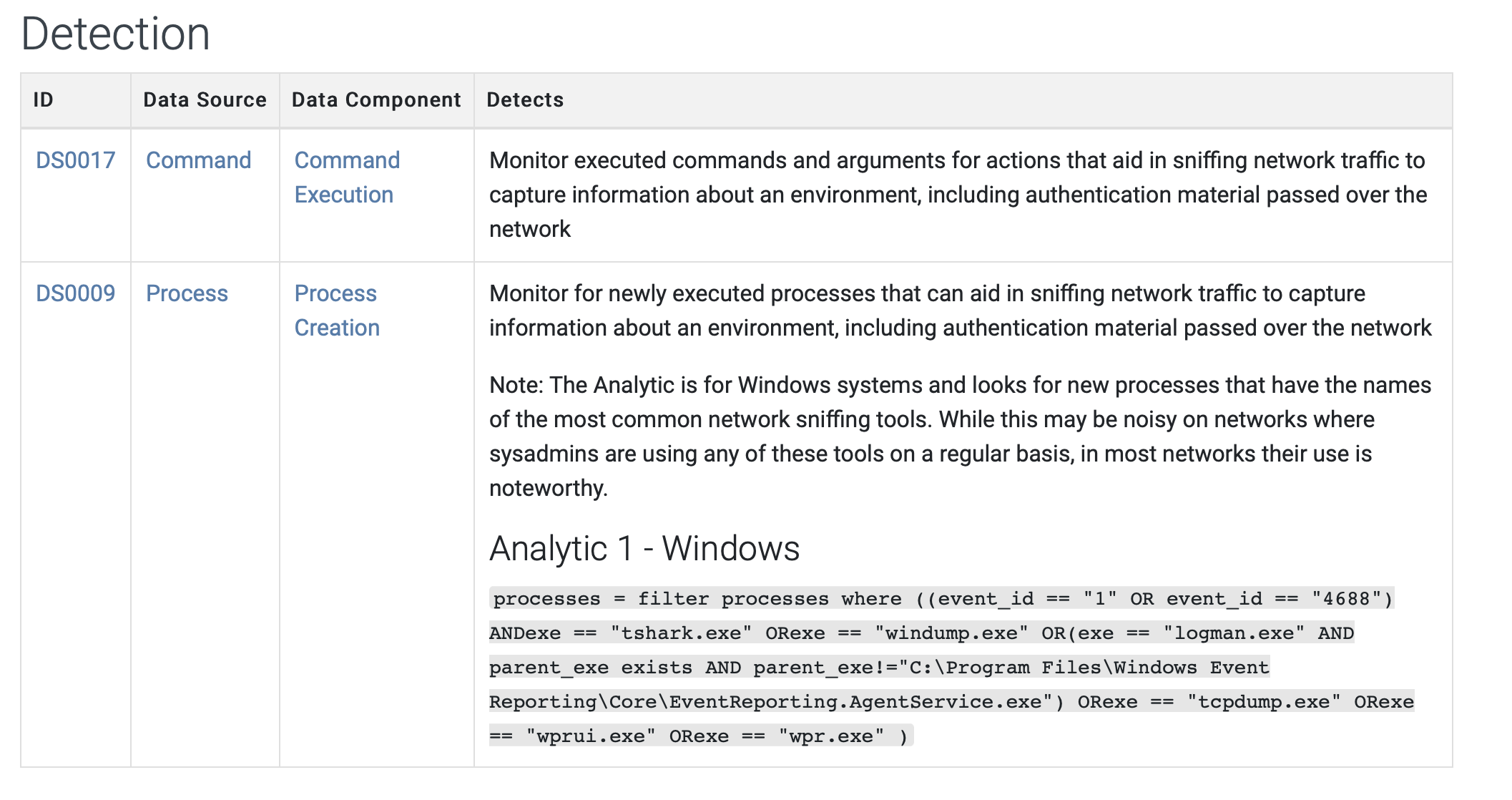
Threat detection methodologies from MITRE
-
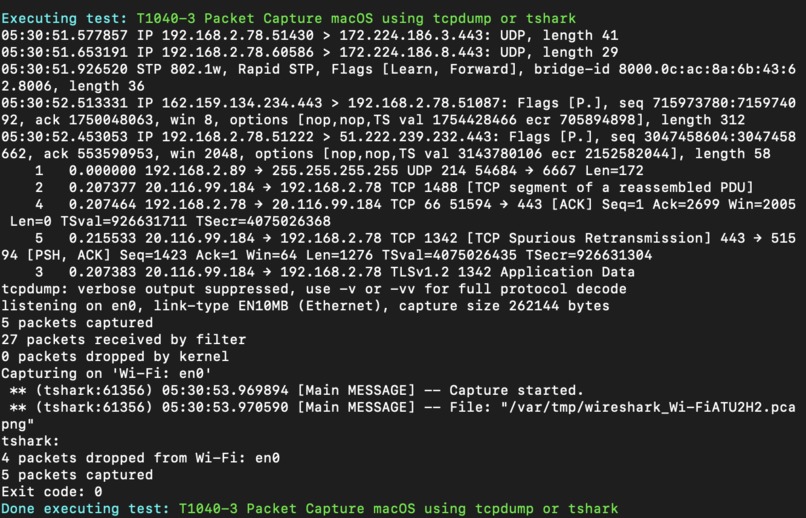
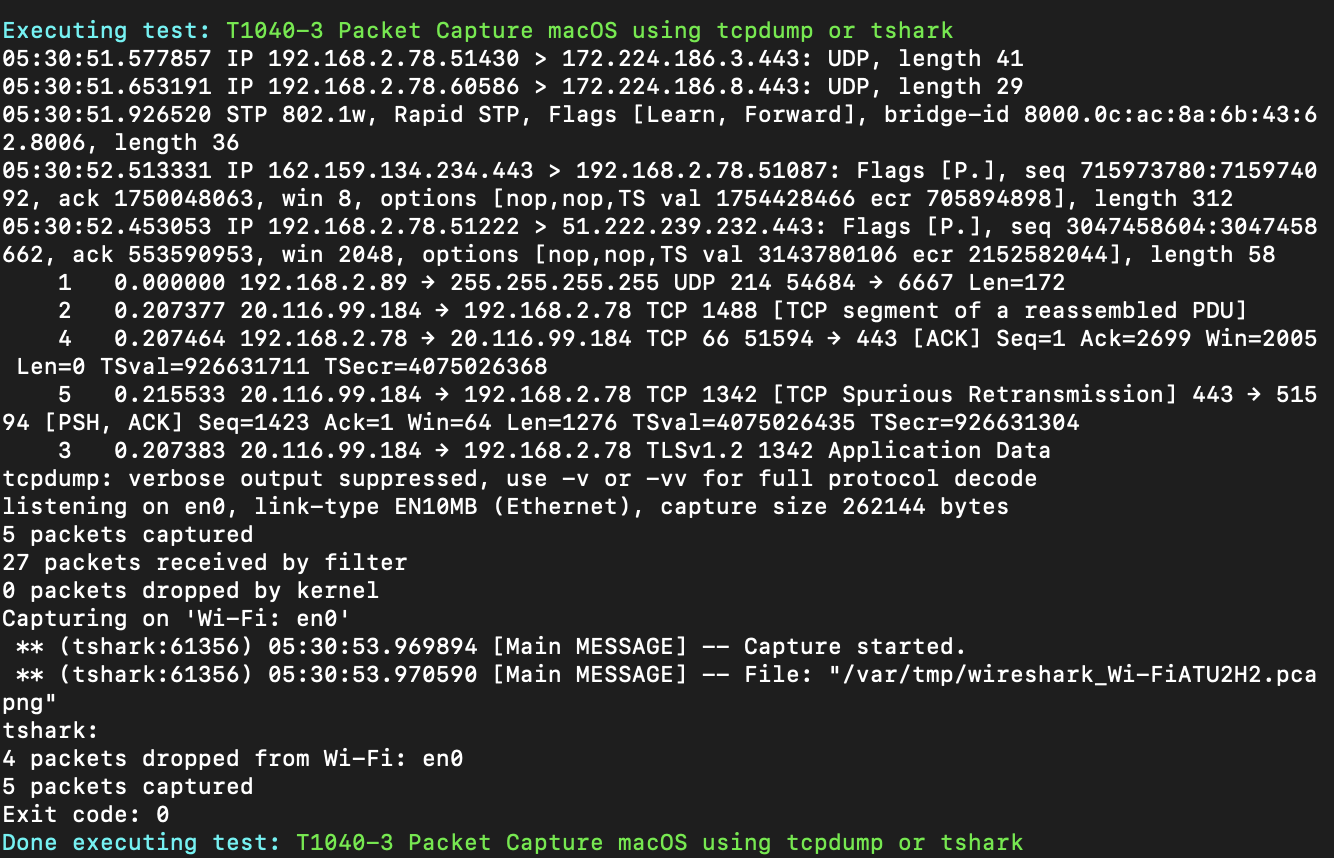
Simulated network sniffing with tshark
-

CLI view

Inspiration
We were inspired to create our detector by a desire to gain understanding of red team tactics and testing methodologies.
What it does
The detector looks for running processes that match the names of known sniffing software, captures the information, and creates a hit on the security dashboard provided by Howler. the same process is repeated if a suspicious looking command is executed. Solution adheres to the detection recommendations outlined in the MITRE analysis of the network sniffing technique.
https://attack.mitre.org/techniques/T1040/
How we built it
The detector is built using a continually running python script. The python script uses subprocesses and system utilities to access data on running processes and executed commands, and checks these against a list of known potentially malicious events. The demo and testing is done through Atomic Red Team test cases
https://atomicredteam.io/discovery/T1040/
Challenges we ran into
The atomic testing framework required modification to run on the host system, getting logs of commands executed is difficult.
Accomplishments that we're proud of
We are pleased that the script runs as expected and was able to detect both command execution and process creation.
What we learned
- Containerized red team testing using atomic red team and Docker
- Analysis of system status using logging and process monitoring. ## What's next for Network Sniffing Detector - MacOS Increasing the robustness of the program with more research into possible malicious processes.
- Using regex to allow for better classification of processes and commands.


Log in or sign up for Devpost to join the conversation.