-
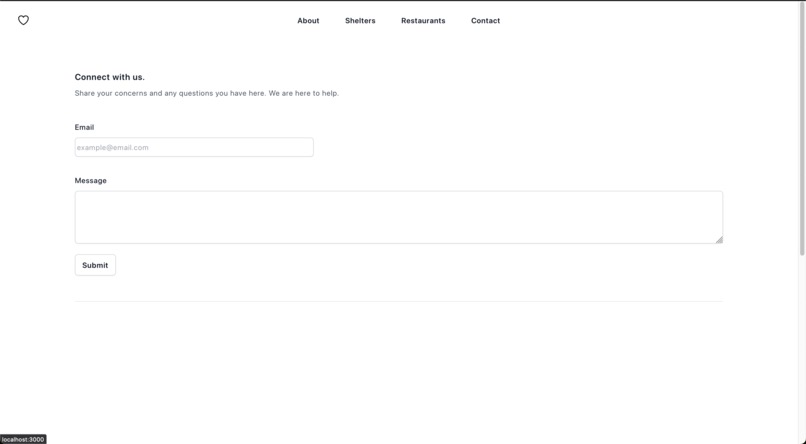
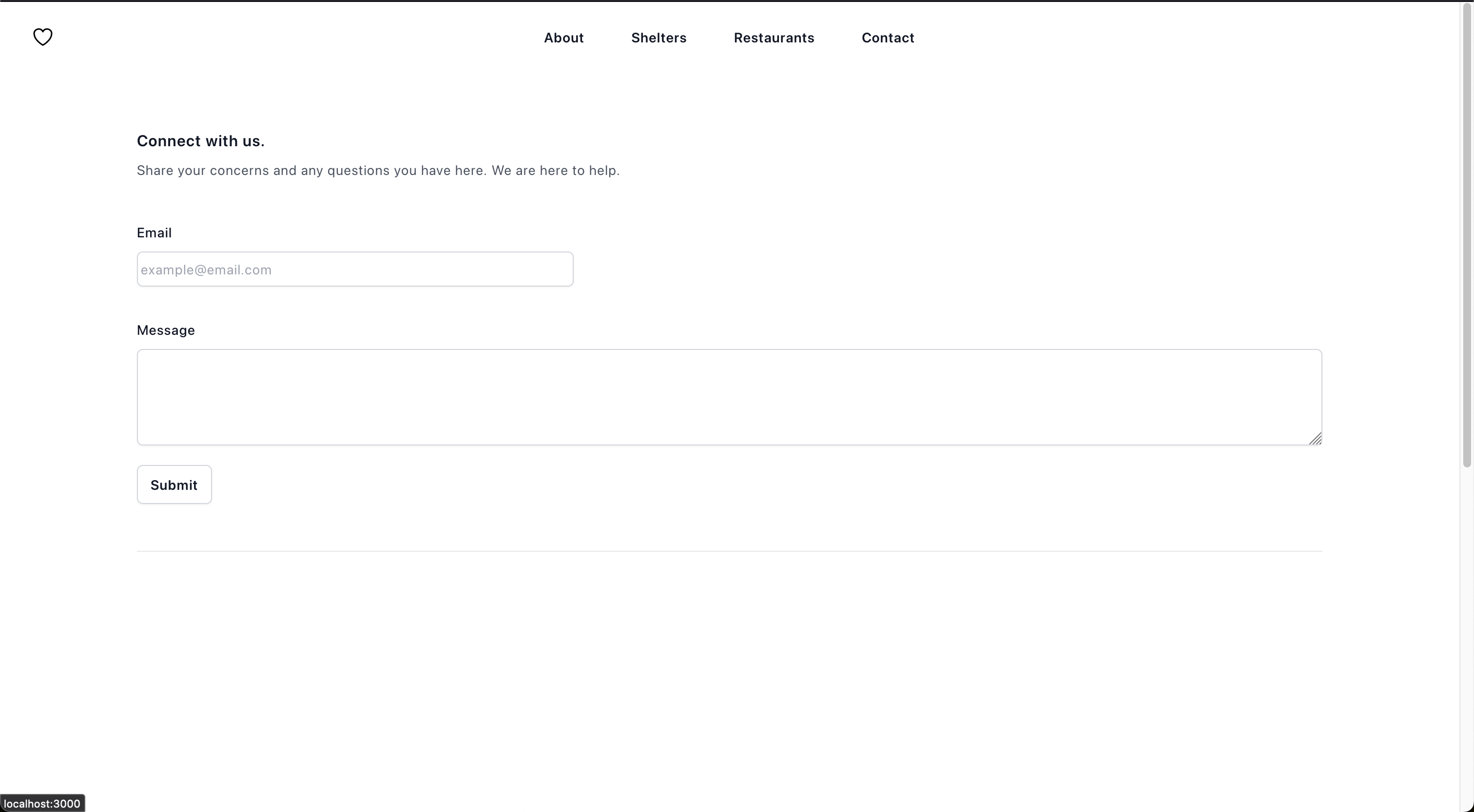
Contact Form
-
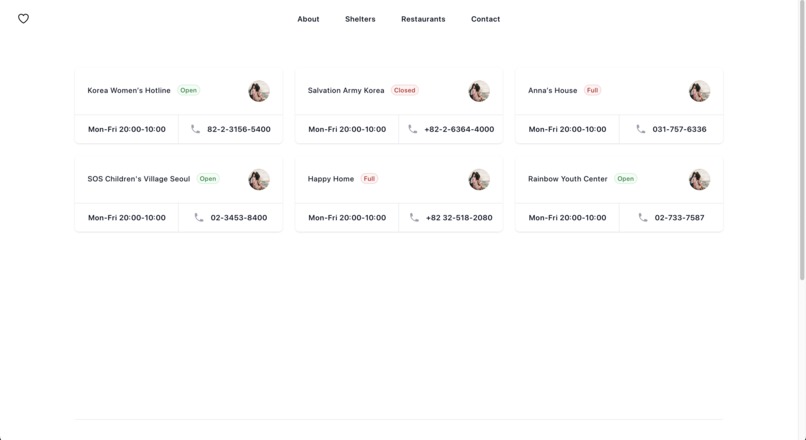
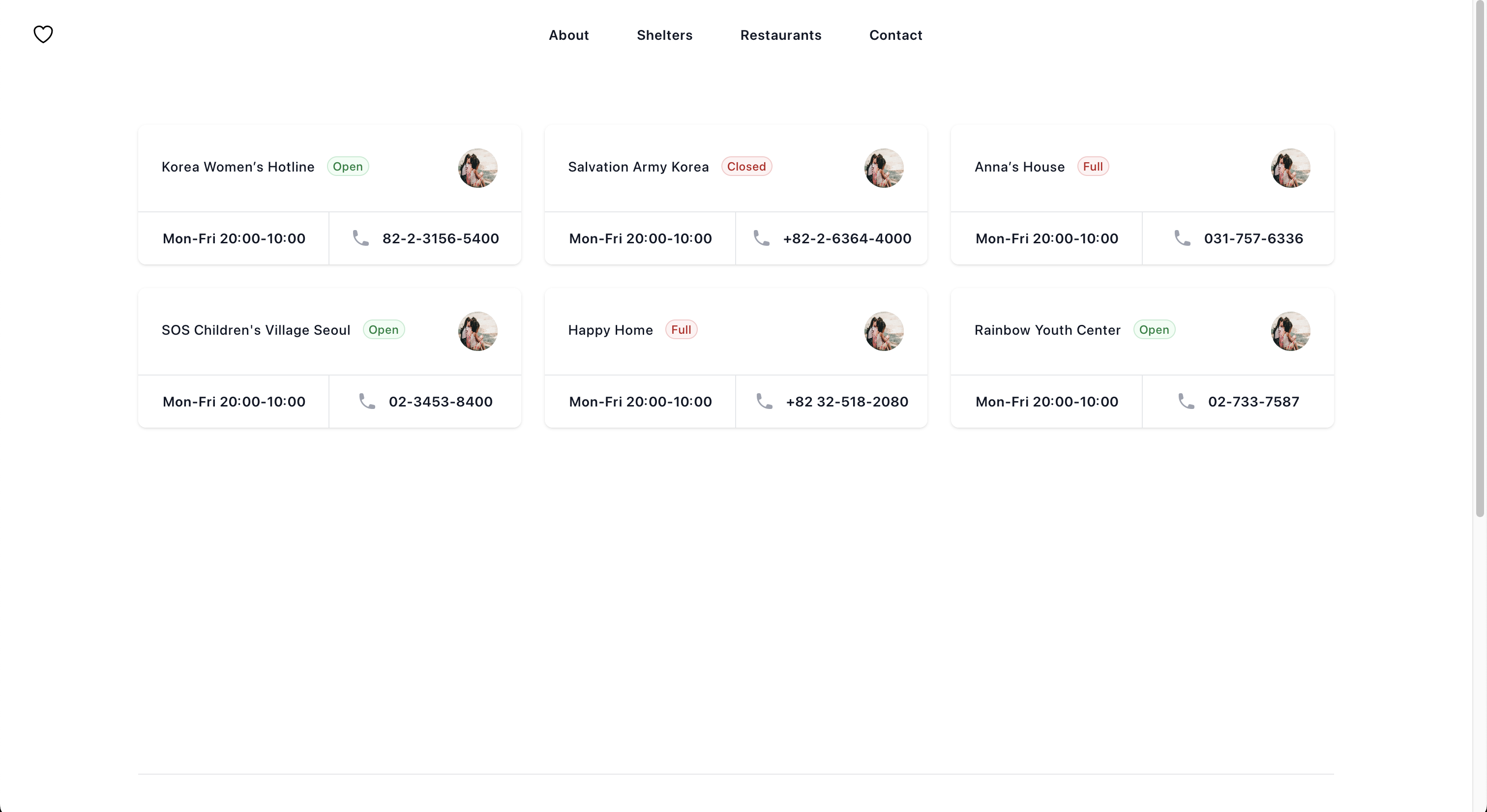
Shelter Overview
-
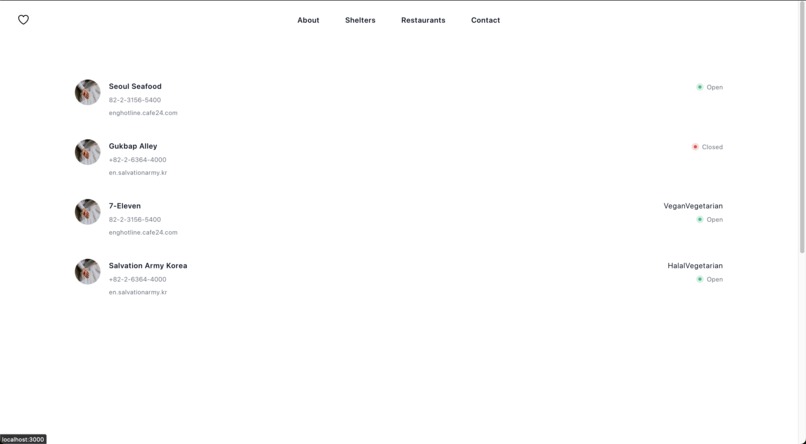
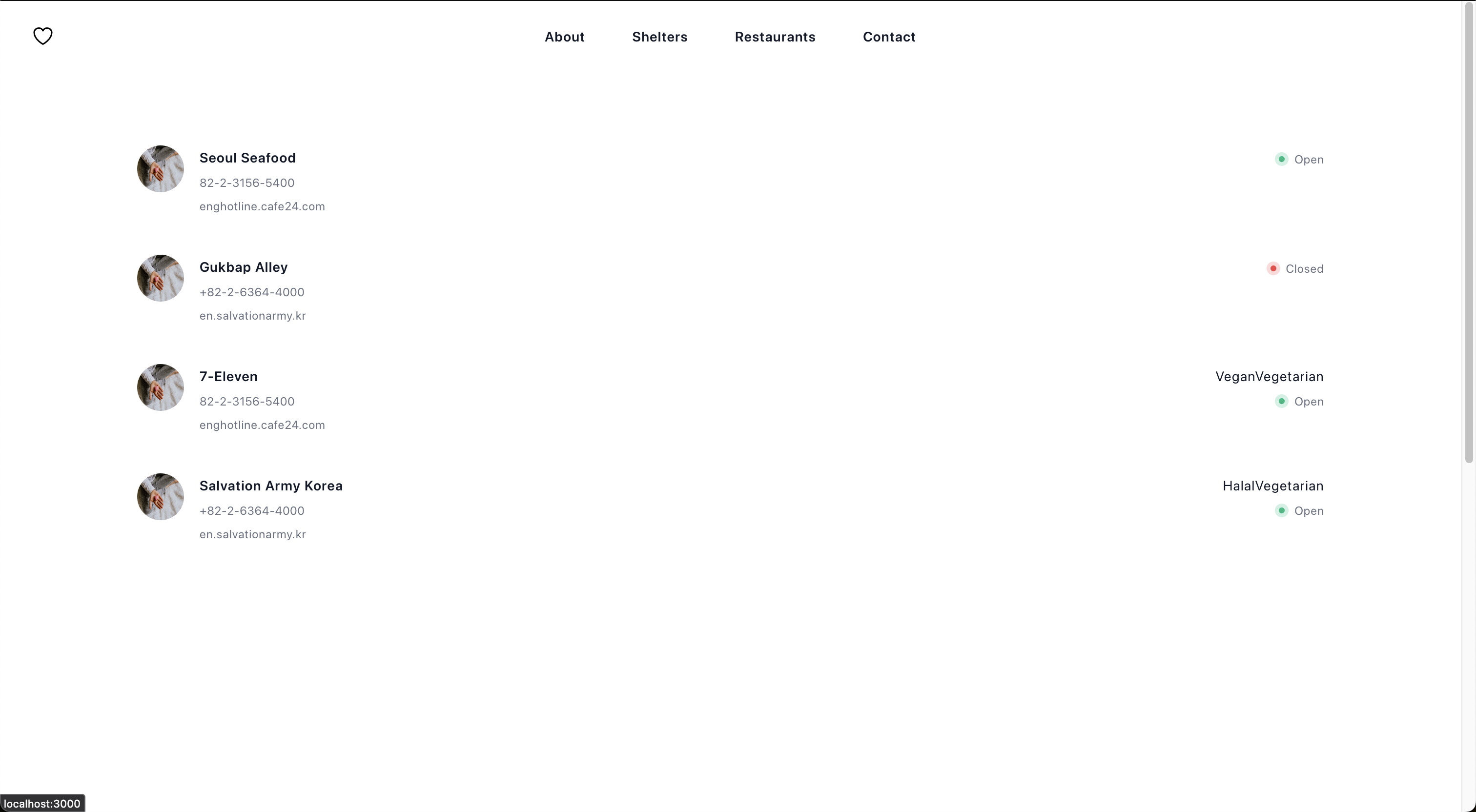
Restaurants Overview
-
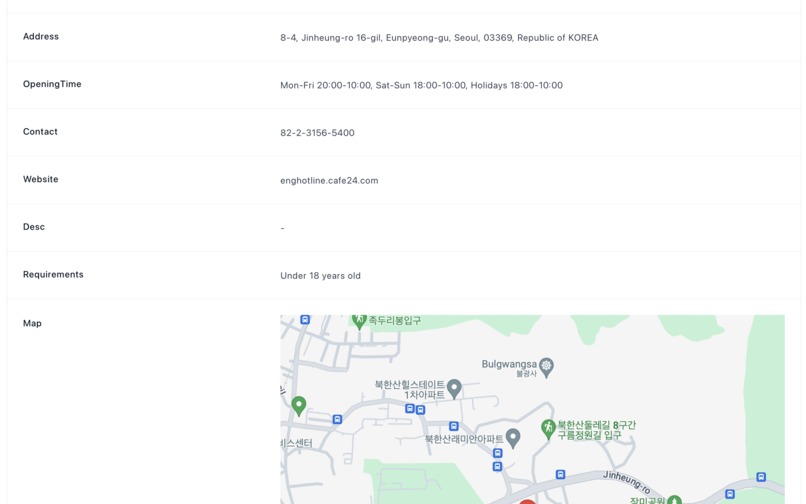
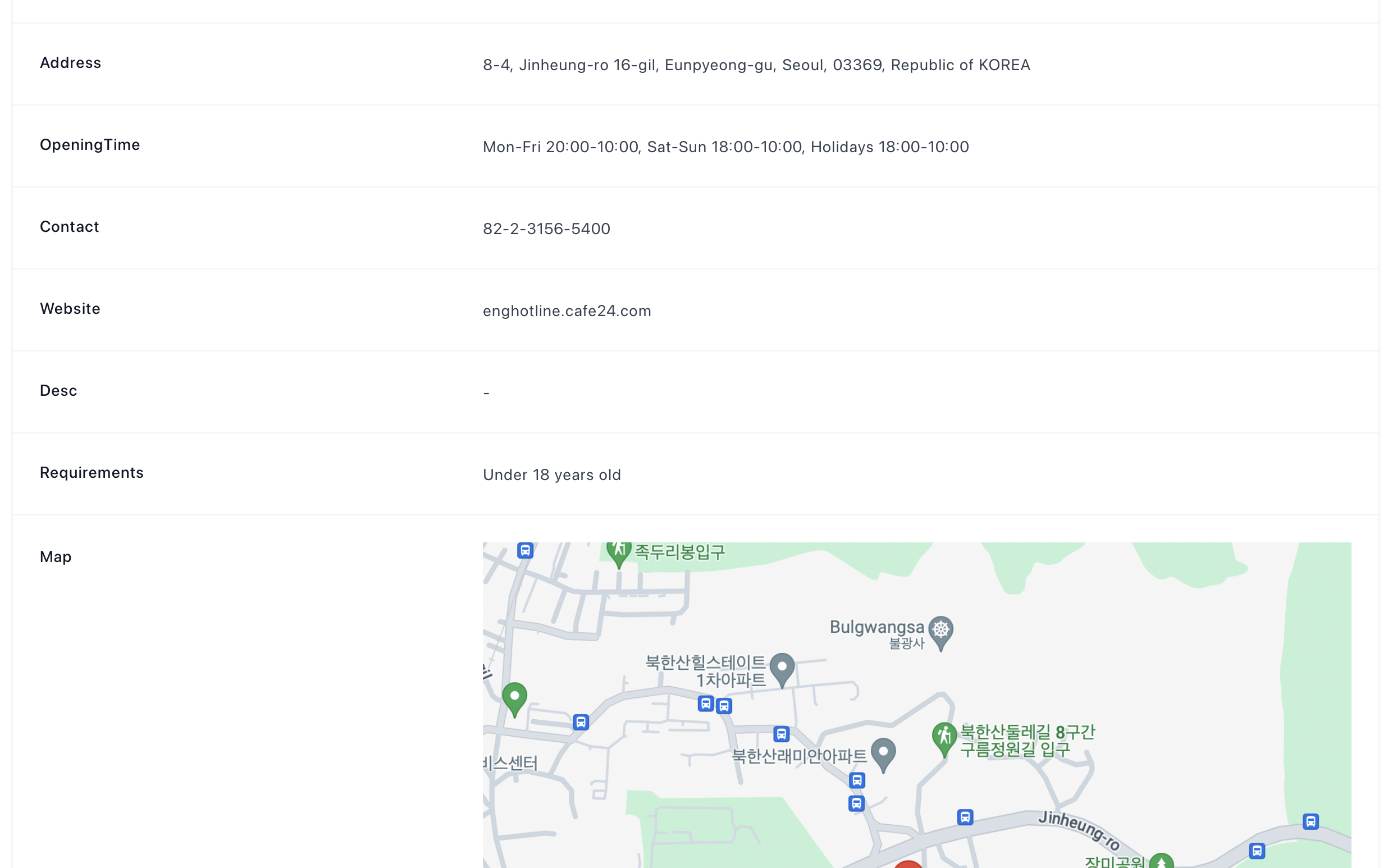
Shelter Info
-
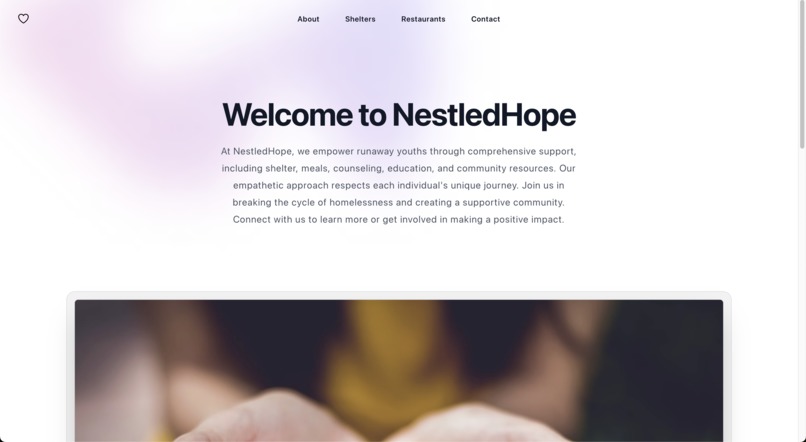
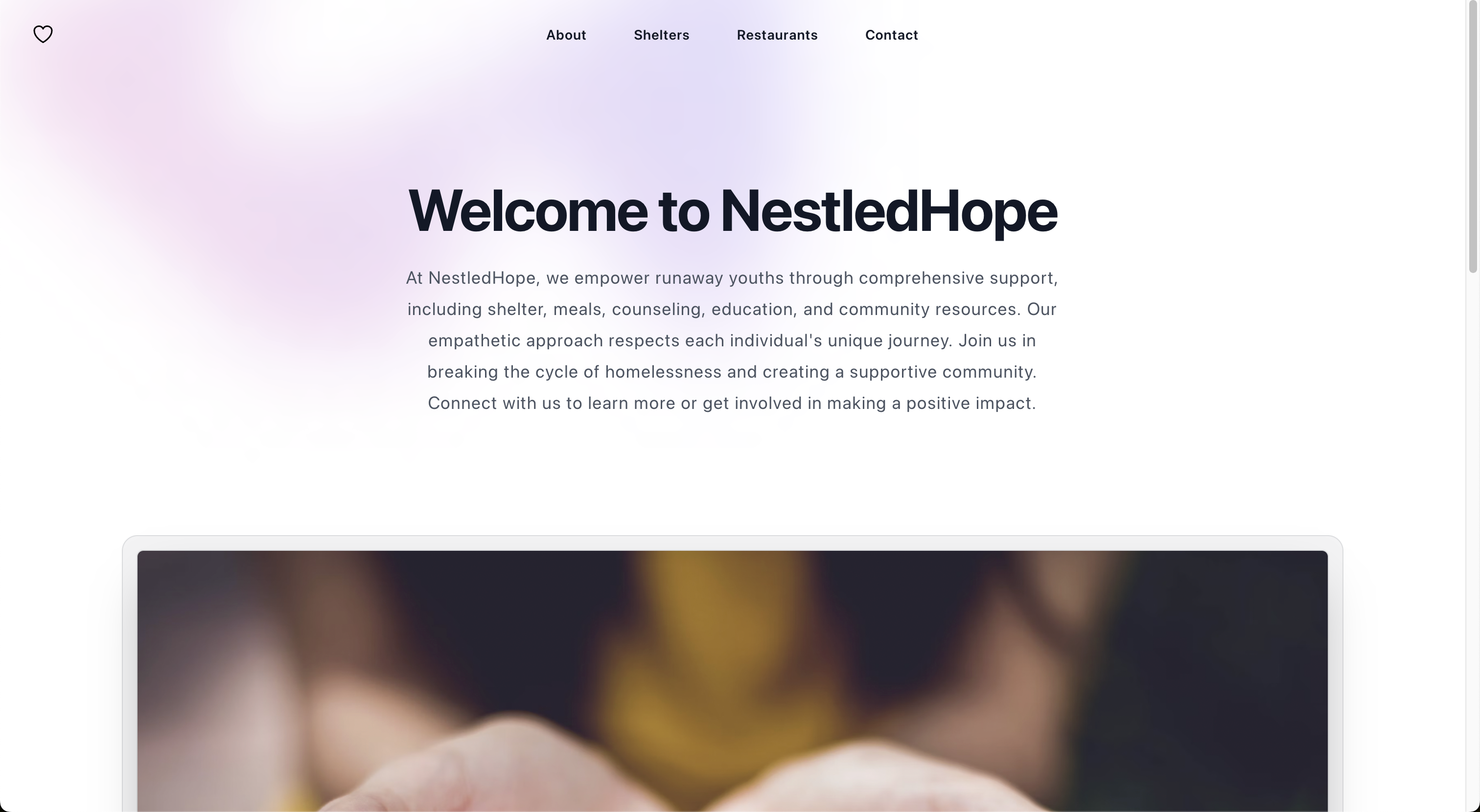
Landing Page
Problem Statement
Our project aims to address this social problem by providing a centralized online platform where homeless runaway youth can seamlessly find both shelter and food resources. By consolidating these critical services into one cohesive website, we aim to streamline the process, enhance accessibility, and empower vulnerable youth to navigate their challenges more effectively. Through this integrated approach, we envision creating a supportive online environment that not only addresses immediate needs but also fosters a sense of community and hope for a brighter future for those in need.
Team
- Kat: full-stack-ish developer and a dog mom working as a swe in Seoul and a front-end person for this project.
- Marvin: previously a Cloud Engineer, who quit his job to take a year off and come to Seoul for a working holiday. Can now fully relate to struggles immigrants are facing.
Project Beneficiaries
The beneficiaries of this project would be any youths looking for free food, shelter, and a bit of guidance as we strive to empower these individuals to navigate their challenges more effectively, promoting a path toward stability and a brighter future.
Solution Overview
While similar solutions exist, they usually do not feature potentially relevant information, e.g. available space in a shelter. In addition, the information about youth shelters and restaurants that provide support and offer free or very cheap food is scattered and not consolidated into a single resource. Our project tries to show a consolidated view and provide a single needed source for the survival of the Korean youth.
Our main goal participating in the hackathon was to have fun and take that experience with us. We are in general happy about having done this within 24 hours while still being able to attend the workshops, talk with a lot of people and even managed to get a bit of sleep in the end. It certainly was also a learning opportunity for some new-ish frameworks we haven't worked with before.
Overall, we are proud to have achieved those goals.
Technical Details
NestledHope uses the following technologies:
- Backend: Go with echo
- Frontend: React, Tailwind (TailwindUI)
For this simple mock, it felt unnecessary to actual go ahead with a deployed solution.
The implementation itself was relatively straightforward. With the exception of some CORS shenanigans when making the requests to the server-side there weren't any issues on the front-end development. This was fixed by configuring the CORS middleware available when using the echo go library. For the back-end, the only notable minor announce was coming up with a reasonable way to manually implement the filtering of mock data (a feature not used mock). In the end, we opted for creating filter structs including the potentially necessary filter data and being able to apply that filter to a data array.
Next Steps
As the current state is only contains mock data and isn't a fully functional site, the next steps are pretty clear.
For one, available APIs aren't bountiful, so building a webscraper to get the necessary information seems like a good first step. Running this daily to get updated data seems like a reasonable first plan.
Due to previous experience with AWS, hosting the DynamoDB-backed server on AWS EC2 is the most natural. Going serverless with API Gateway and Lambdas for the different API handlers is overkill and too expensive (contrary to popular belief, serverless is not cheap). It's also unnecessary due to low traffic expectations.
As a next feature, filtering the displayed information with regards to location, food preferences, shelter capacity, and restrictions feel like good next steps. Only after this is provided, a potential side-wide search should be added (can be powered by elasticsearch).

Log in or sign up for Devpost to join the conversation.