-
-

icon
-
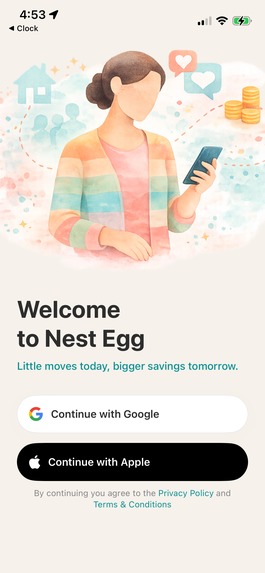
auth
-
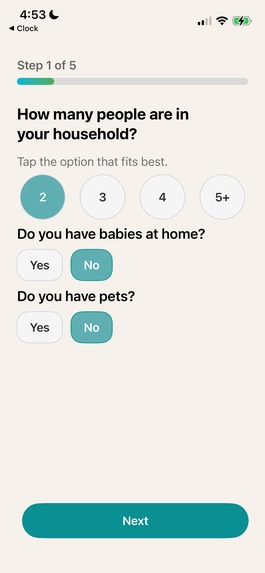
onboard1
-
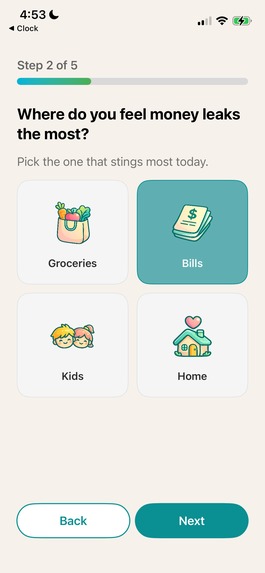
onboard2
-
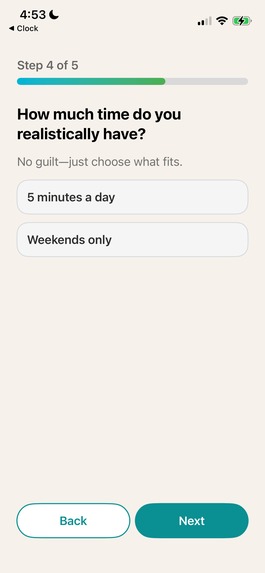
onboard4
-
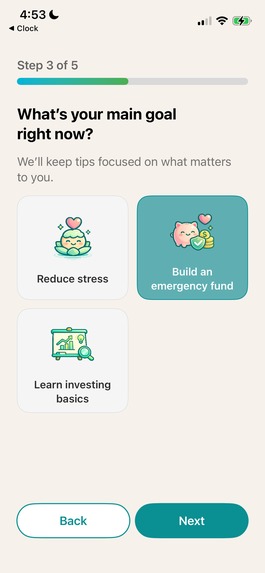
onboard3
-

loading
-
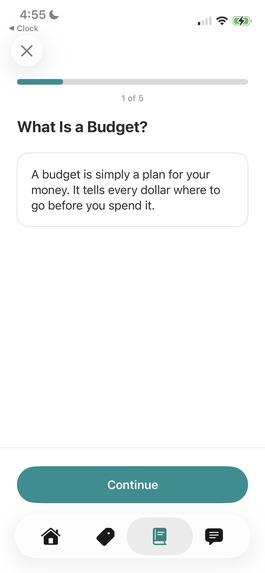
lesson example
-
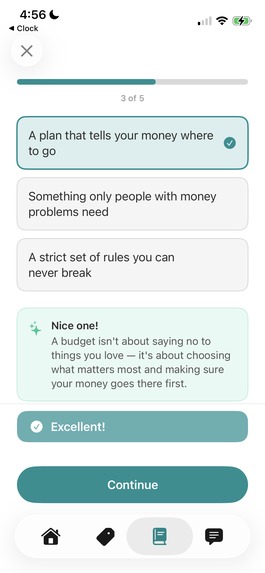
quiz
-
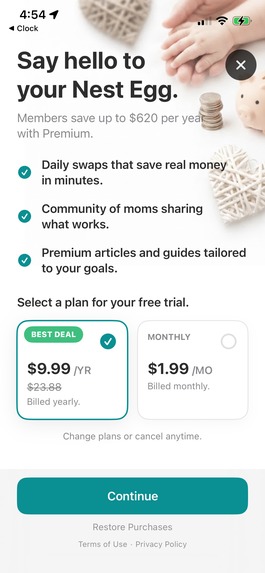
paywall
-
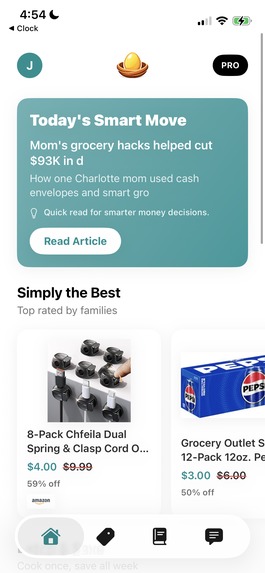
home
-
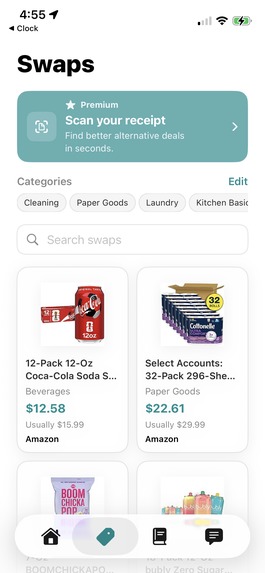
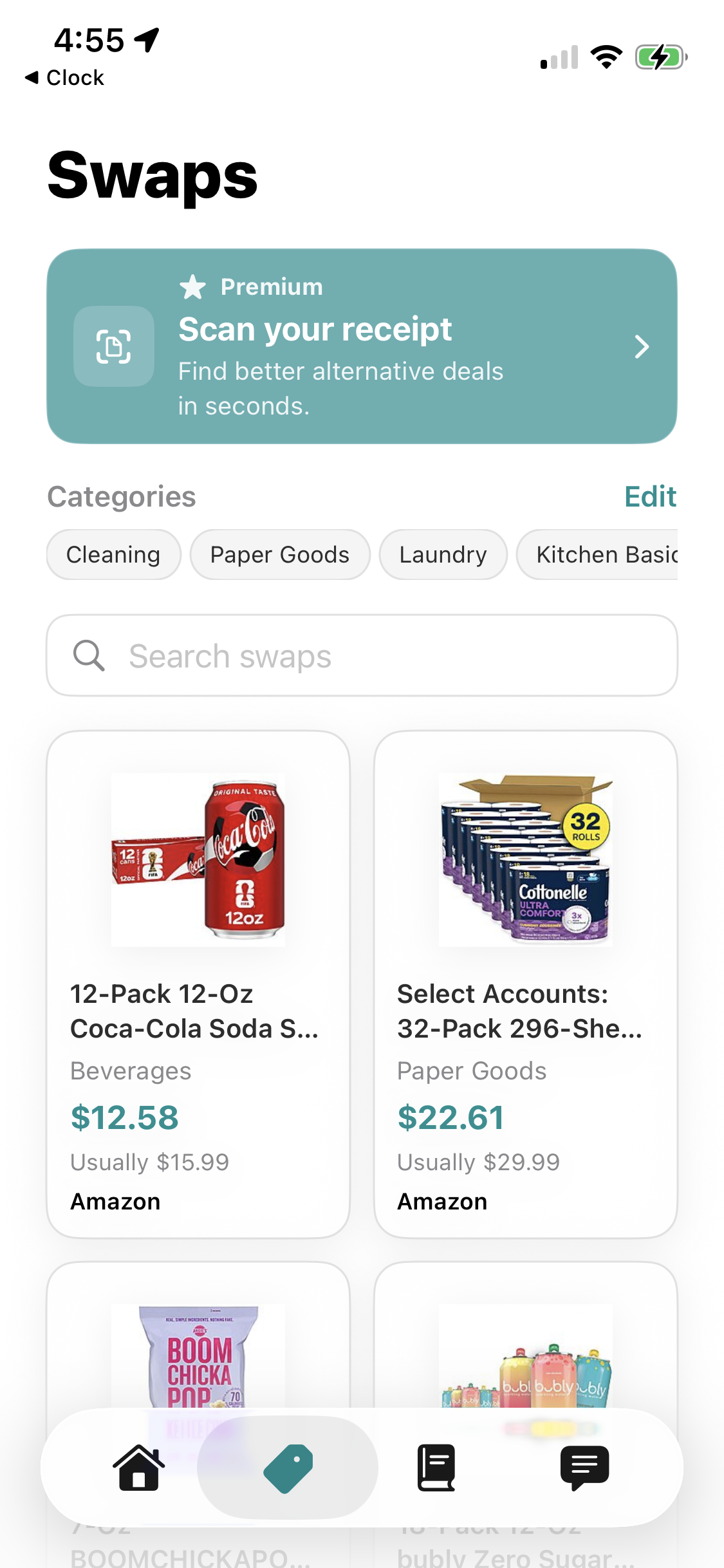
swaps
-
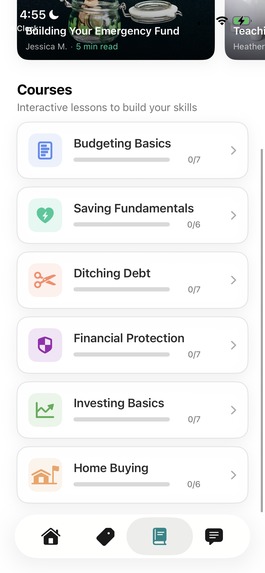
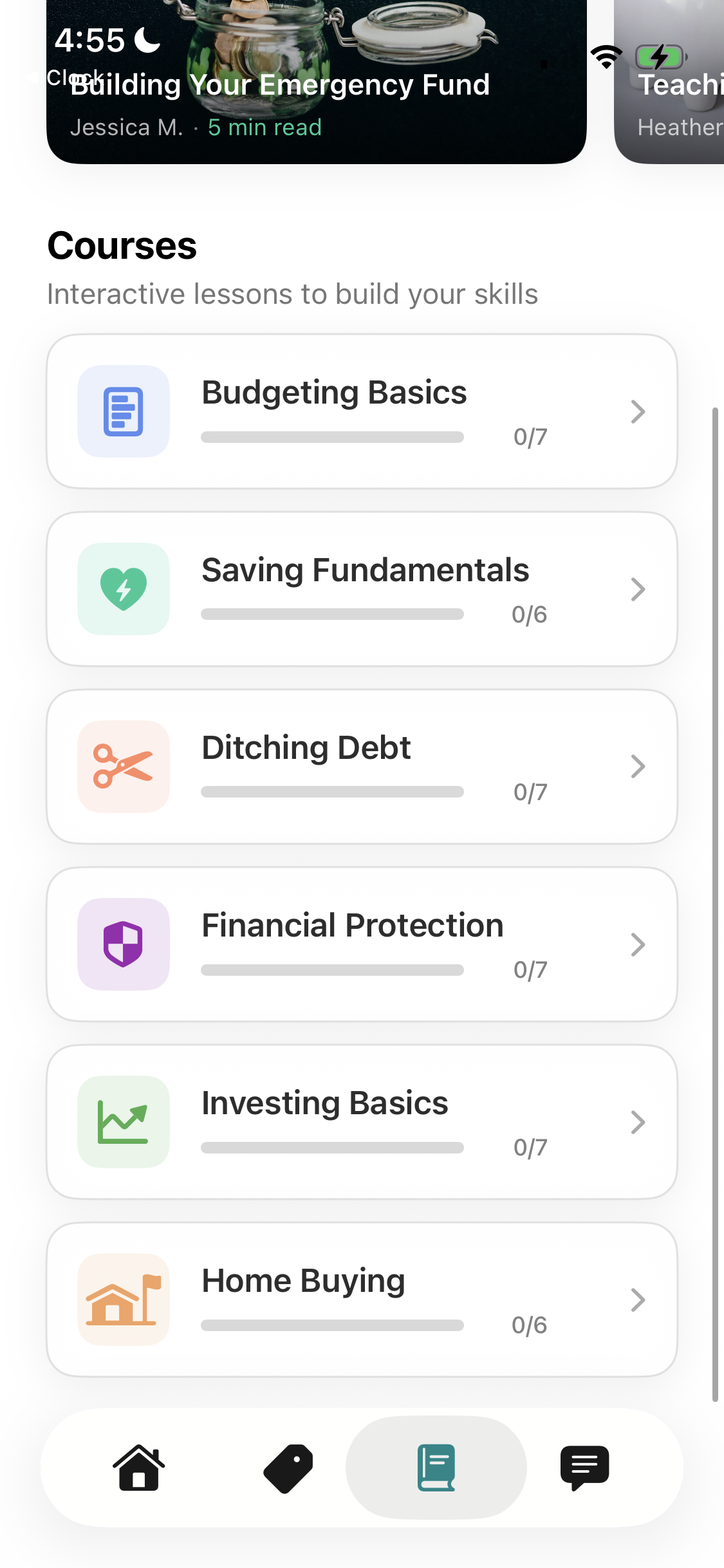
lessons
-
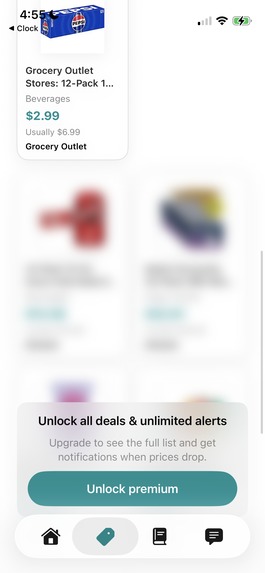
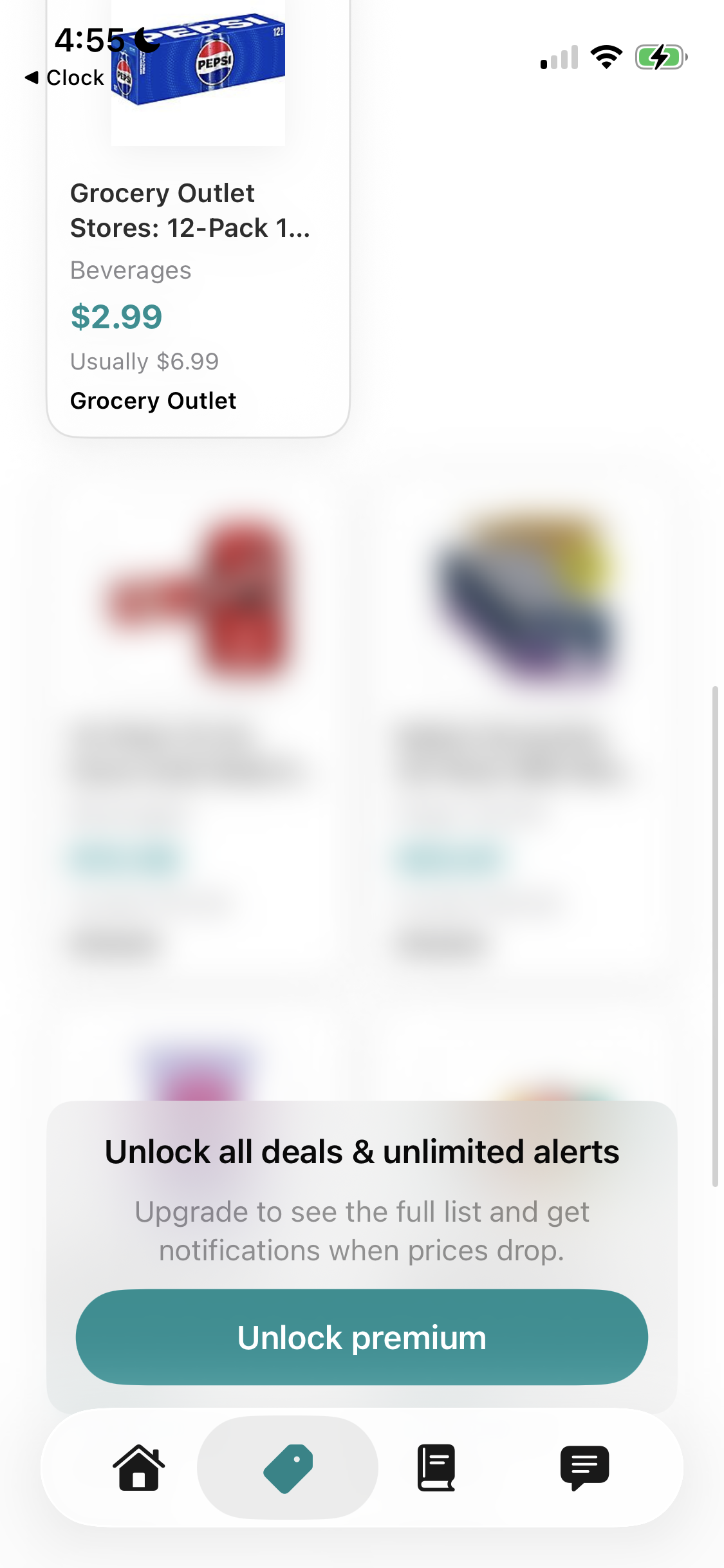
premium-swaps
-

community-paywall-cta
-
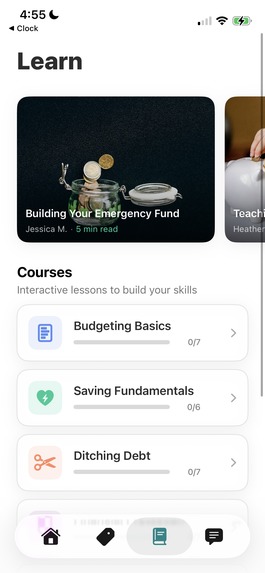
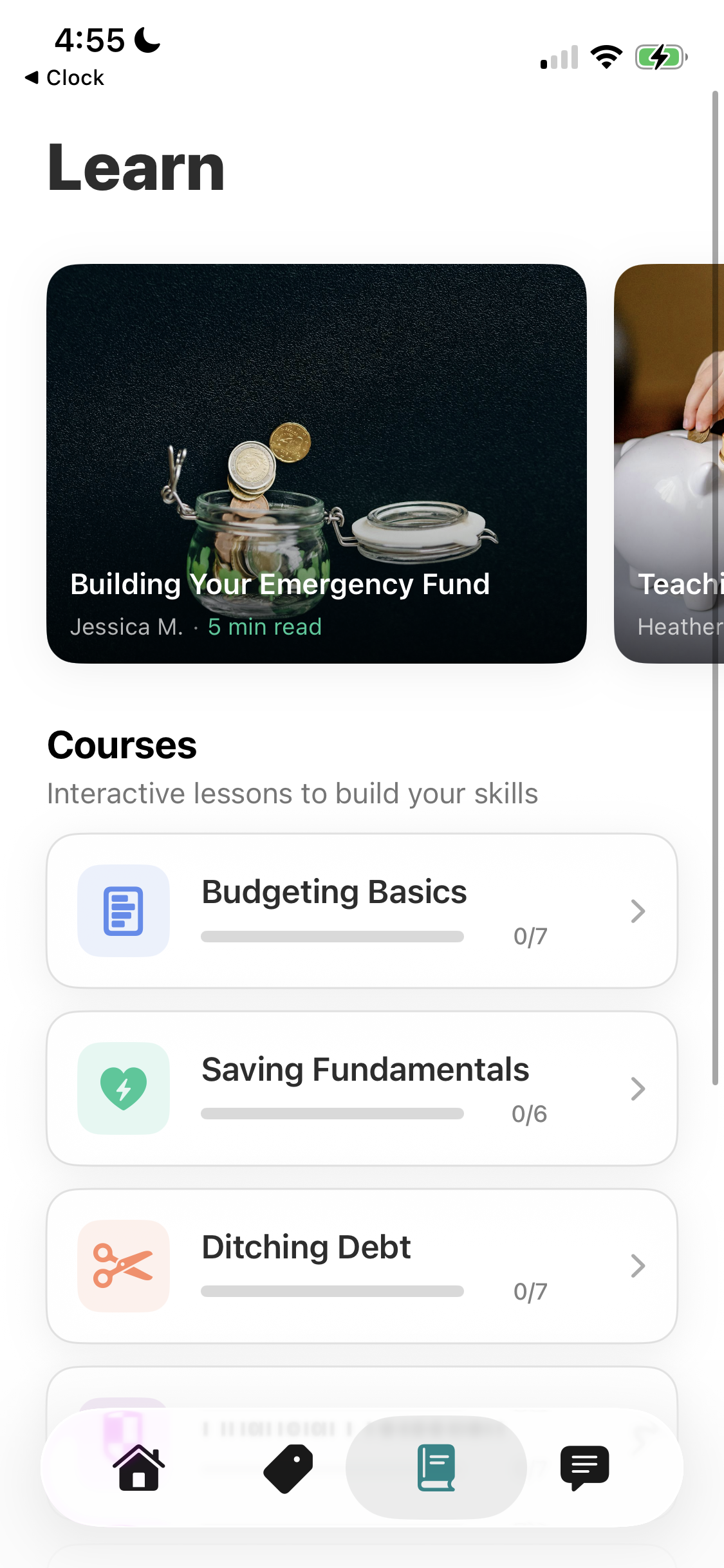
learnings
-
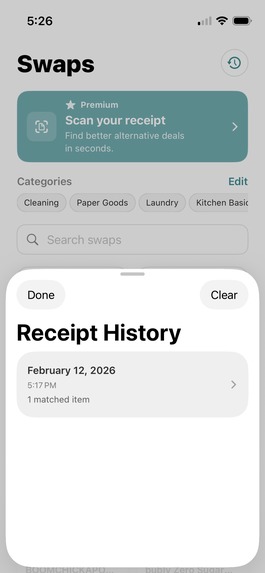
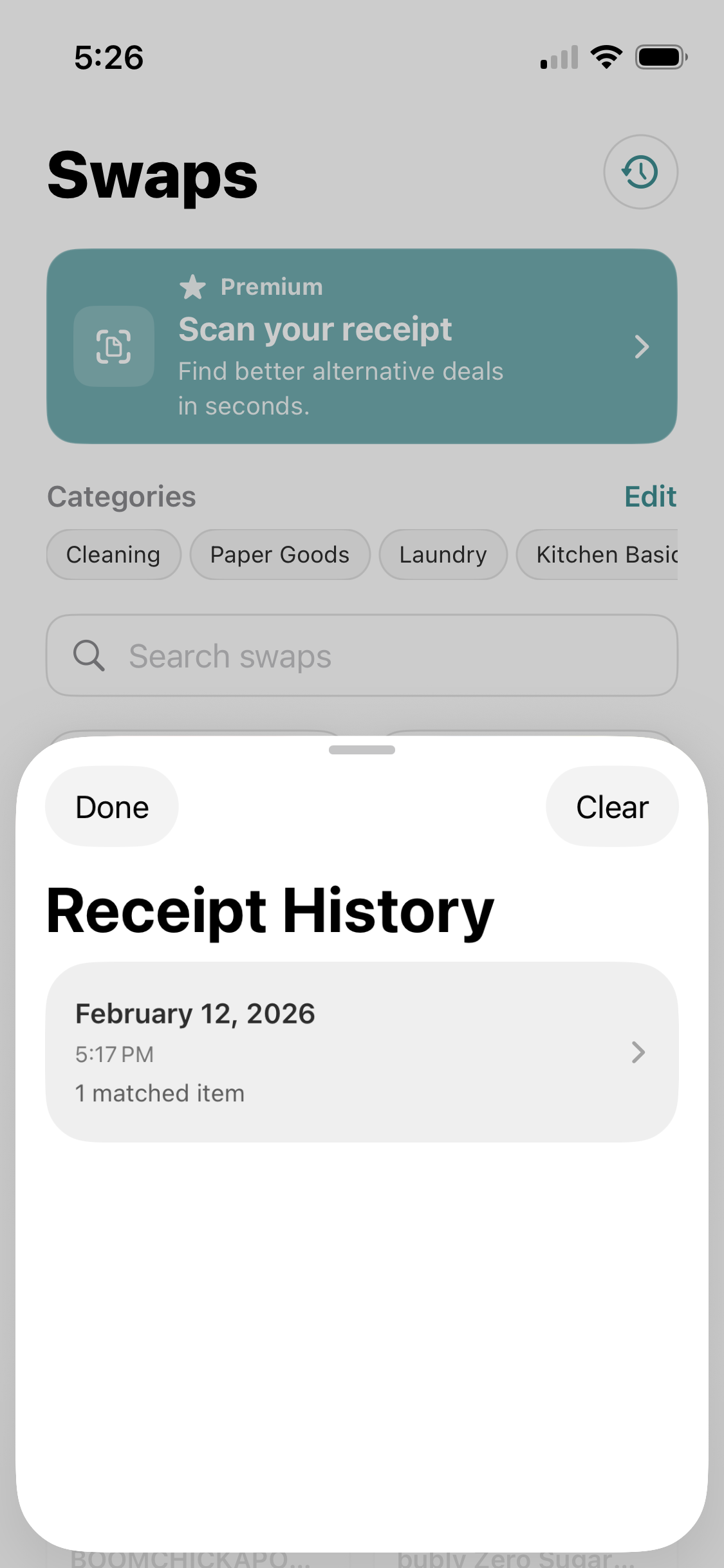
premium-receipt-history
-
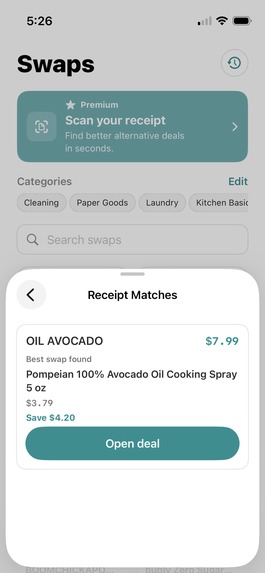
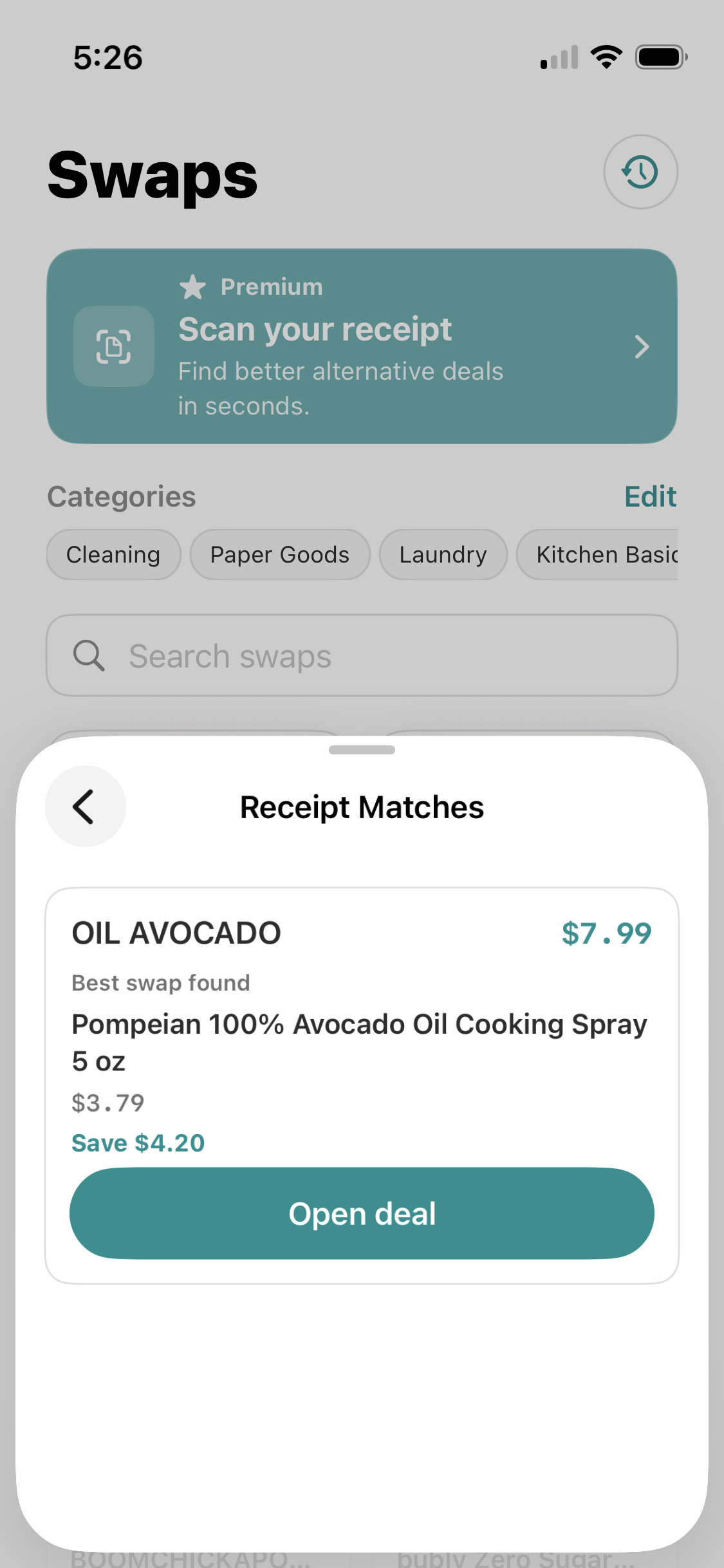
premium-receipt-match-with-better-deal
-
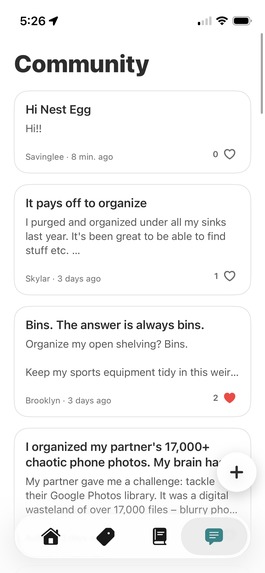
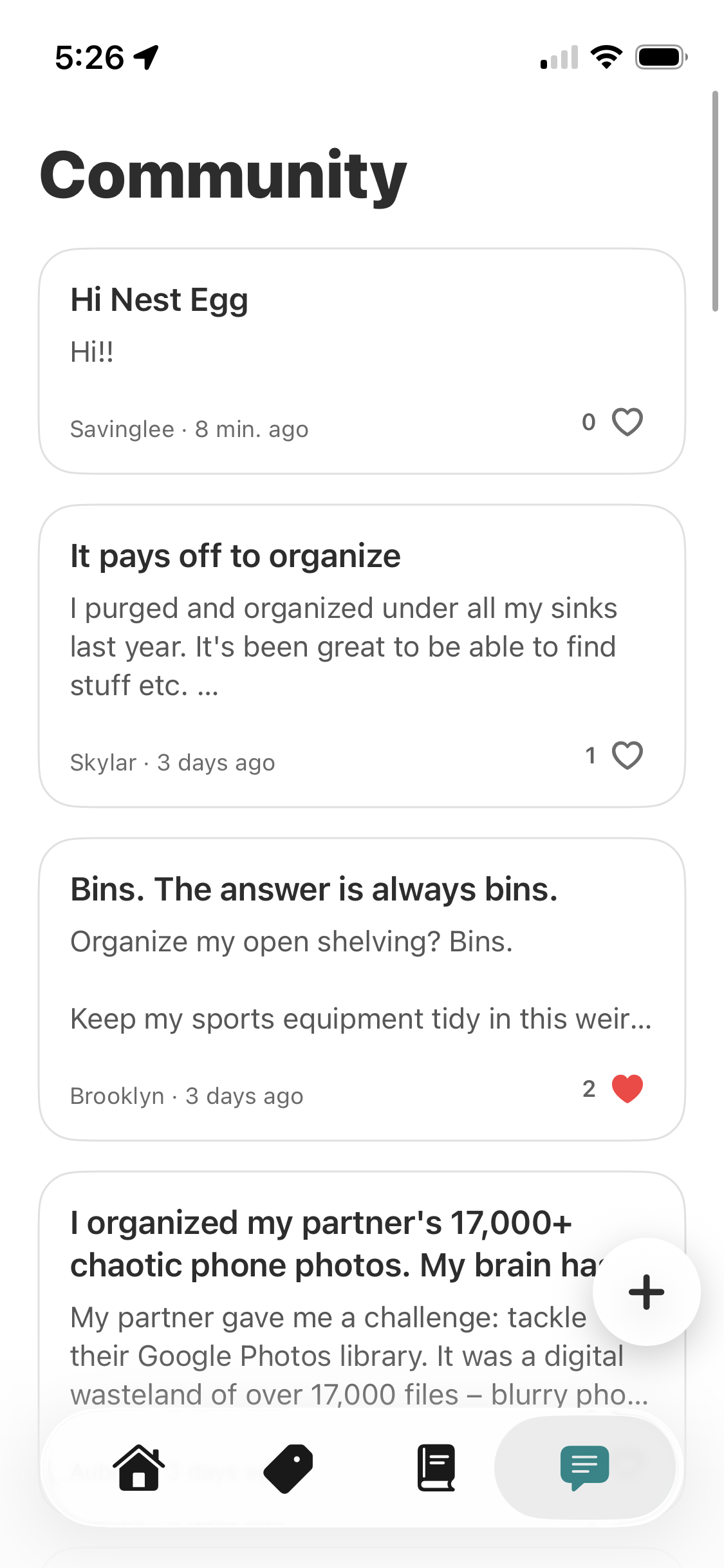
premium-community
-
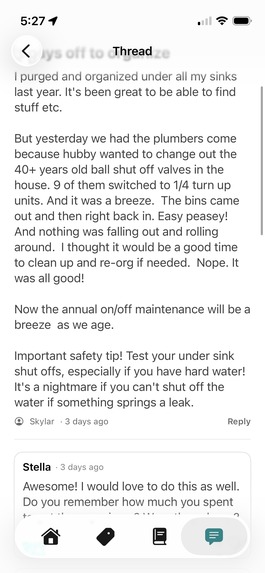
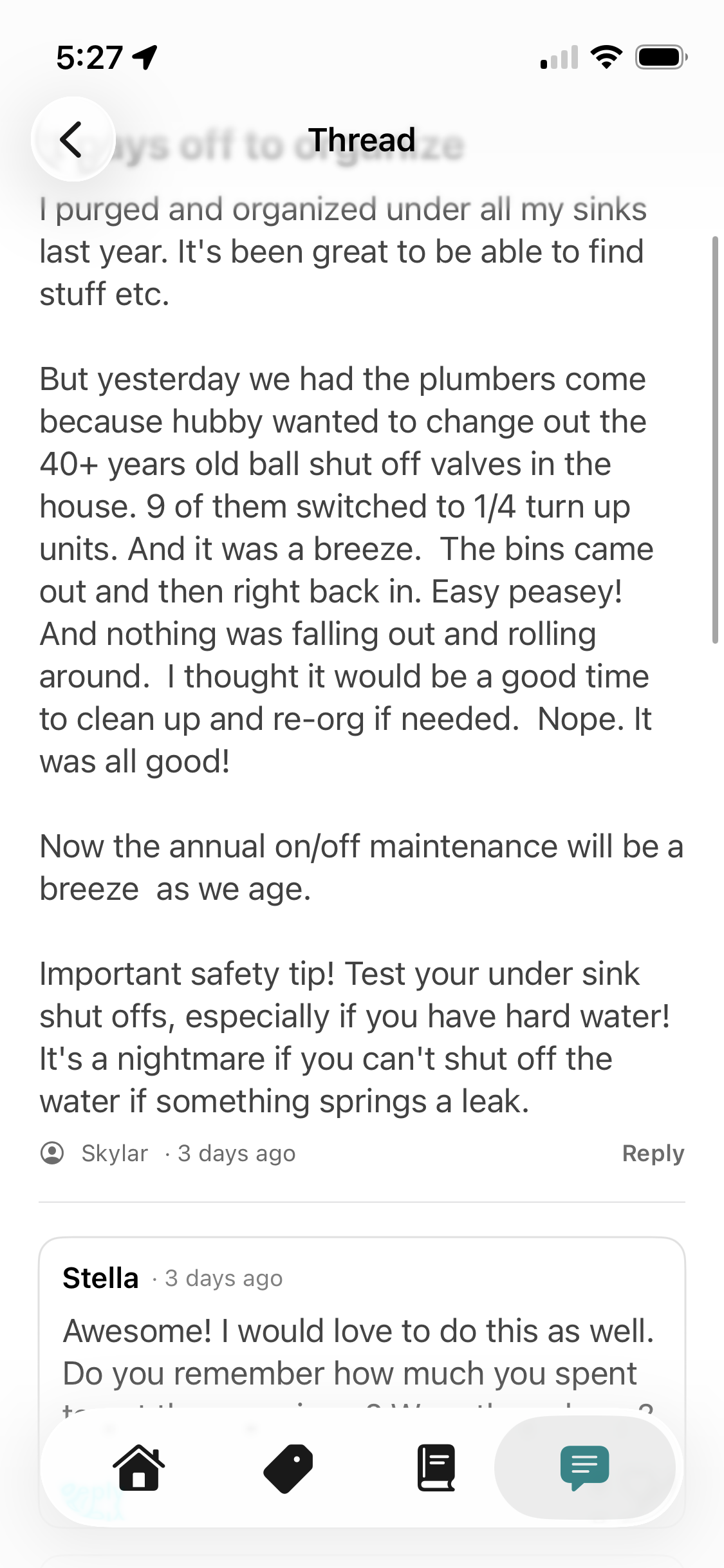
premiumcommunity-thread
-
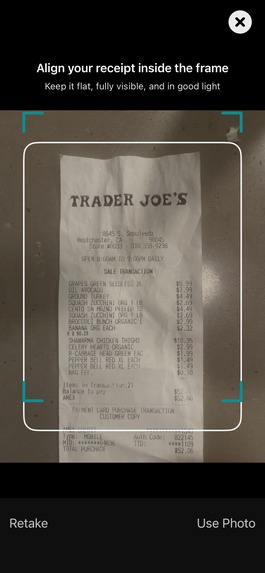
receipt-capture
-
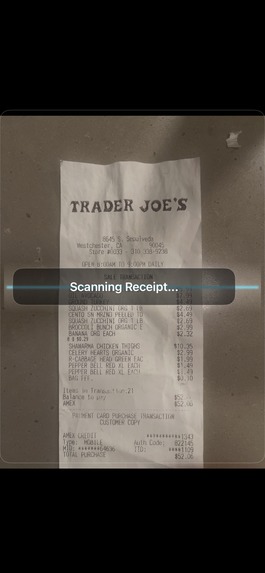
receipt-scanner

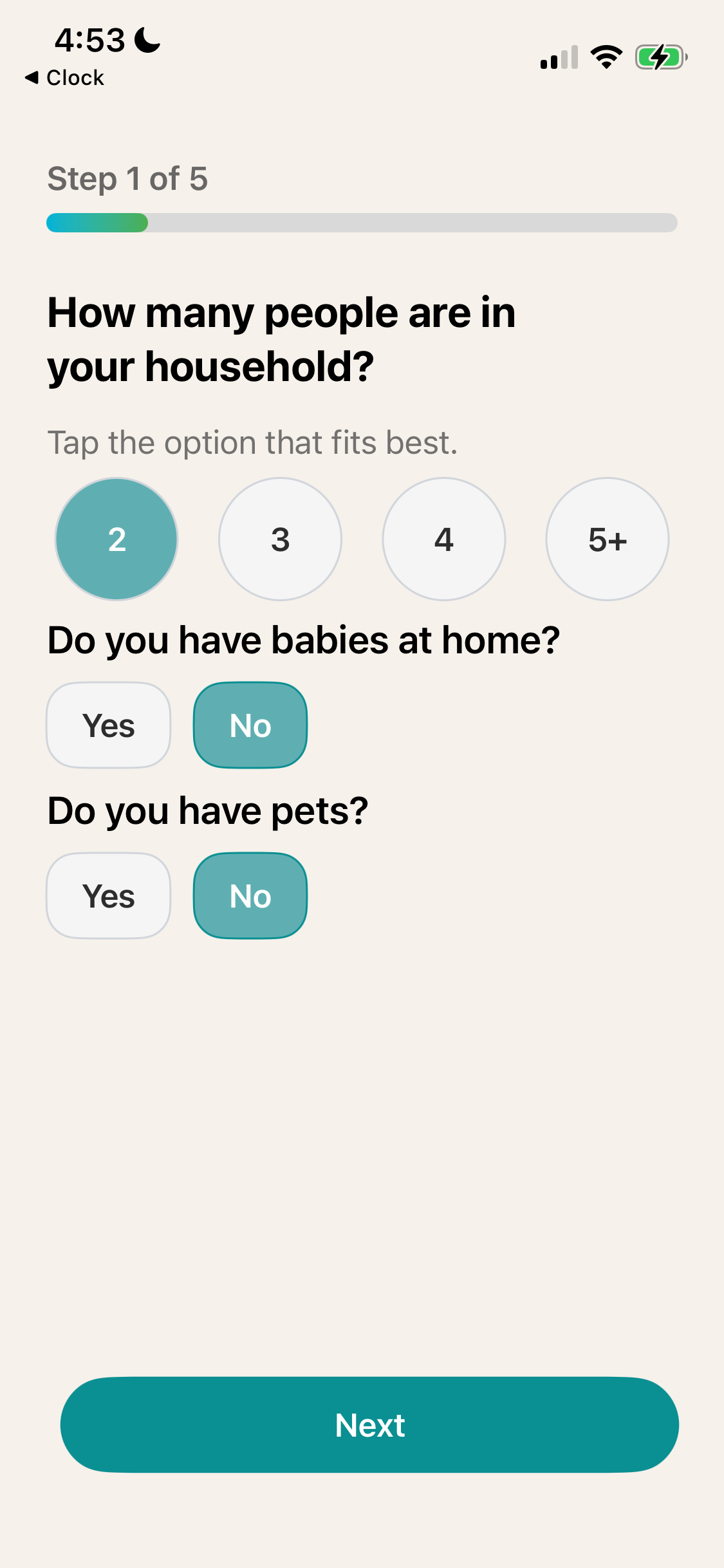
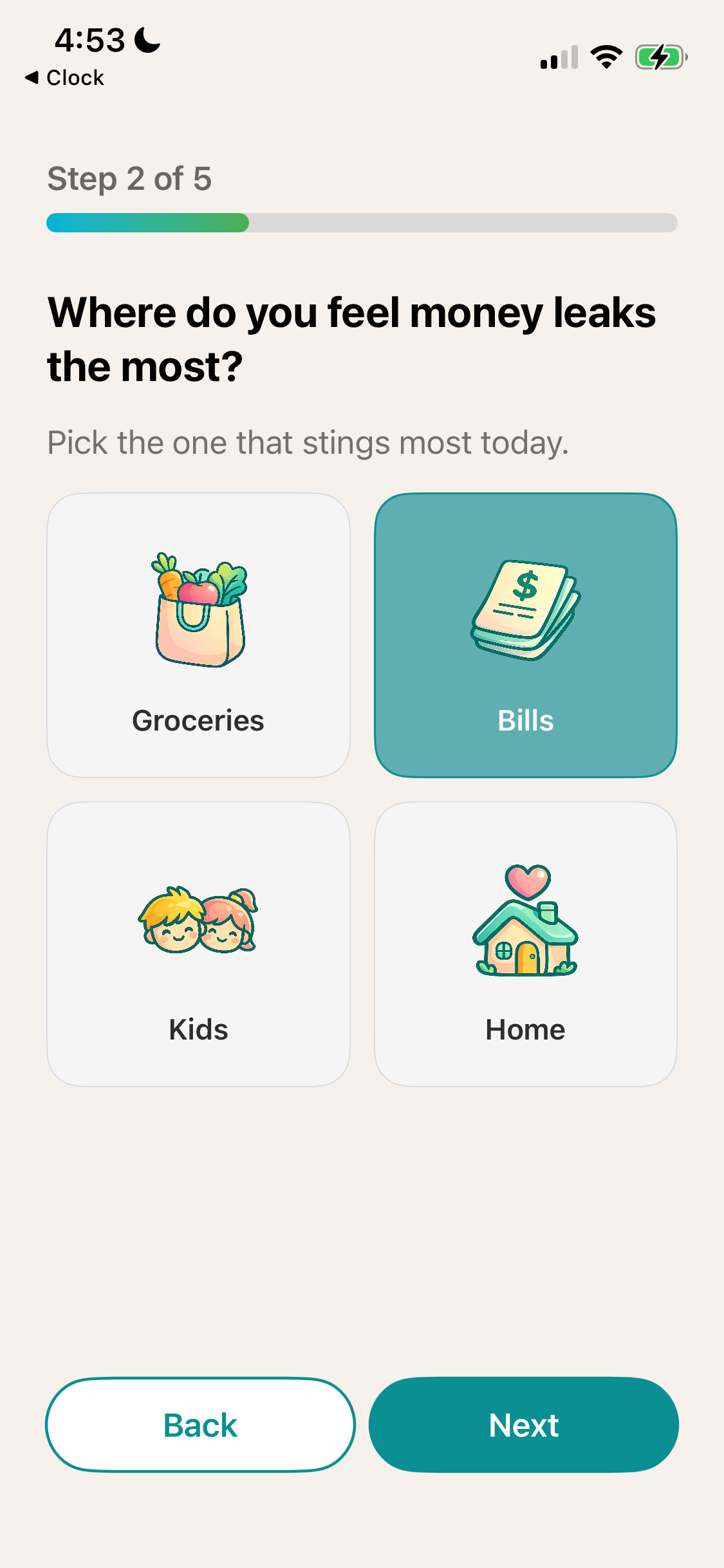
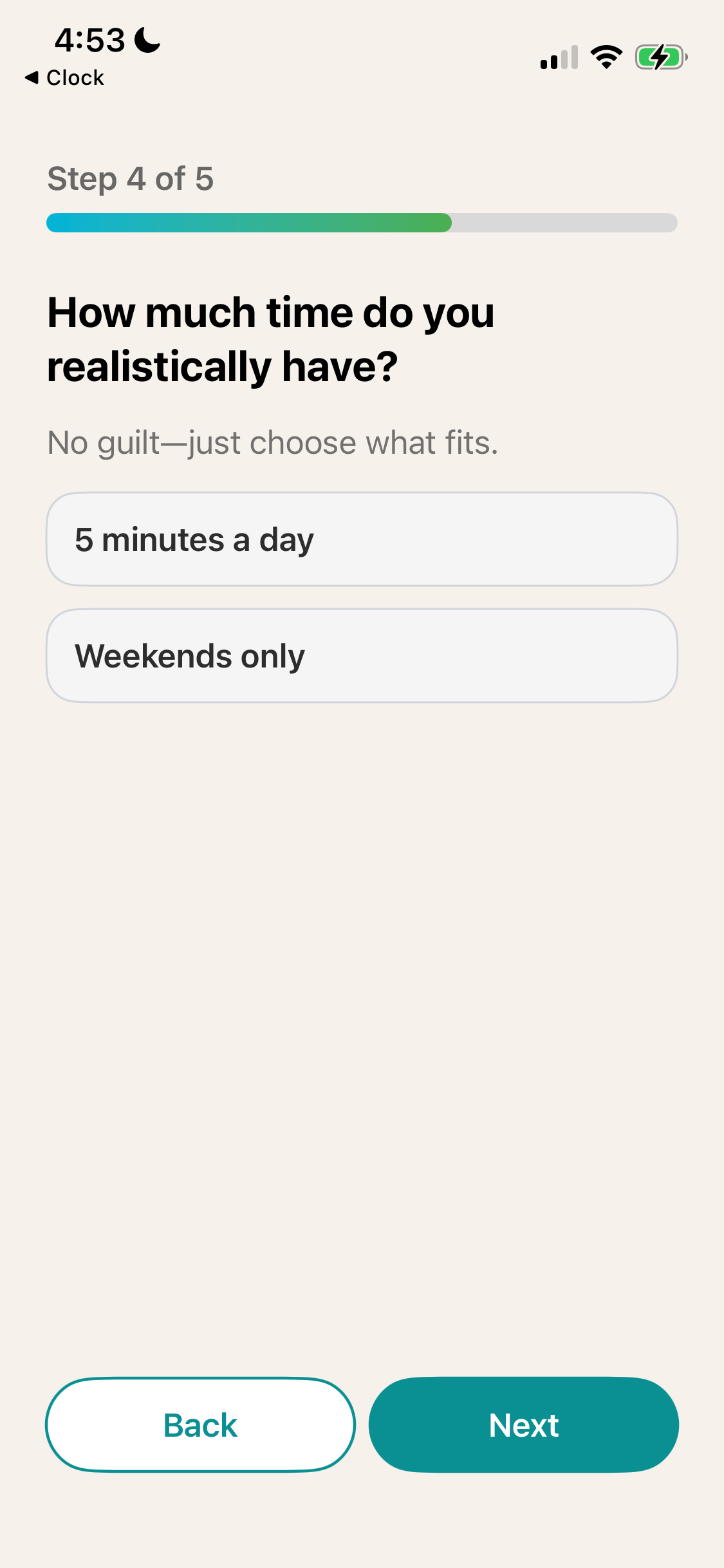
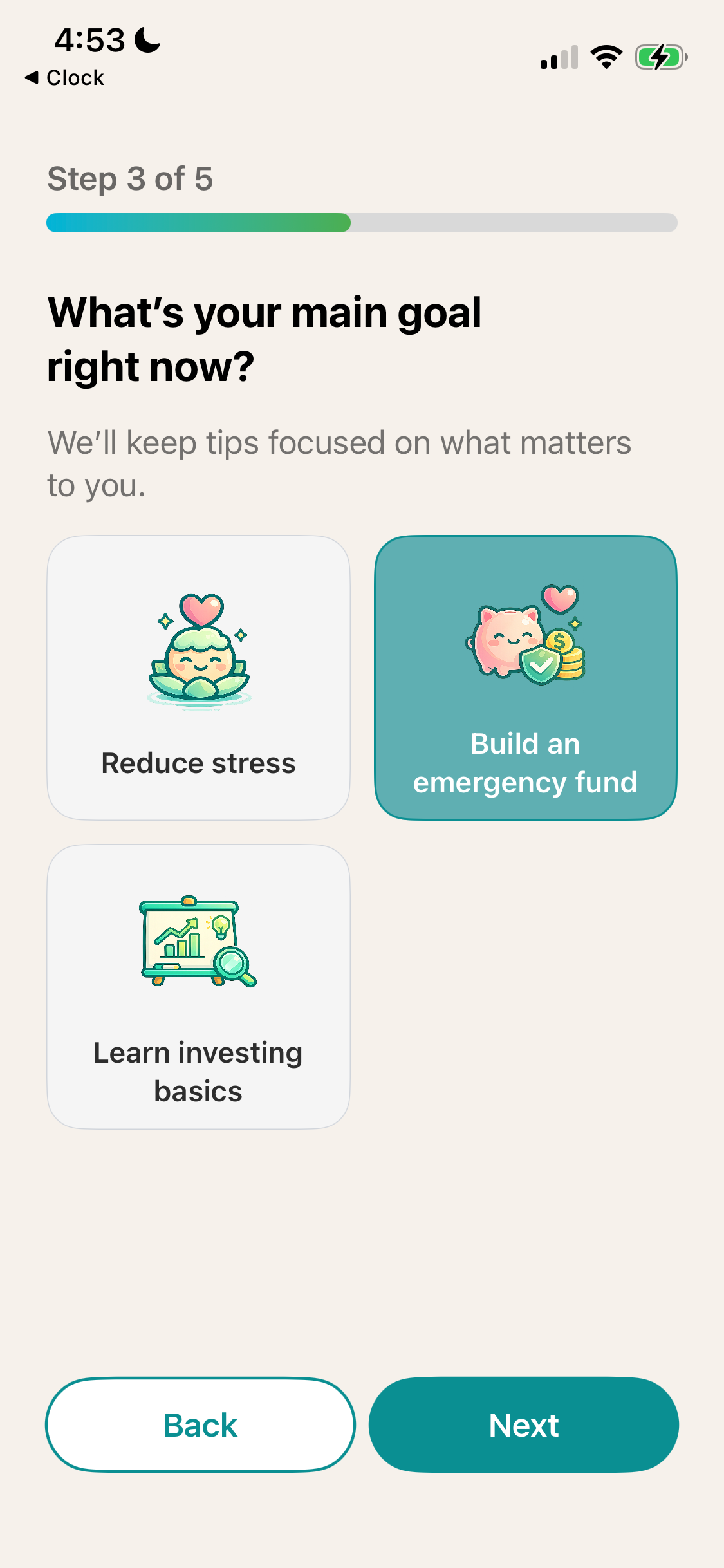


Inspiration
Every savings app out there is built for deal hunters or ends up being a fintech product. Slickdeals is great, but overwhelming -- endless lists, manual filtering, categories that have nothing to do with your family's actual needs. Ibotta gives you cashback but doesn't help you rethink what you're buying. YNAB is great for budgeting if you have time for spreadsheets. NerdWallet has good advice, but buried in walls of text.
None of them feel like they were made for a mom who has five minutes between school pickup and dinner prep.
I wanted to build something that felt more like an app for moms -- warm, curated, and built around what families actually need. Something with the community spirit of r/Frugal where real people share what works. And at its core, a simple idea: building a nest egg doesn't have to mean investing in stocks or learning about portfolios. It can start with smarter swaps on the things moms already buy.
What it does
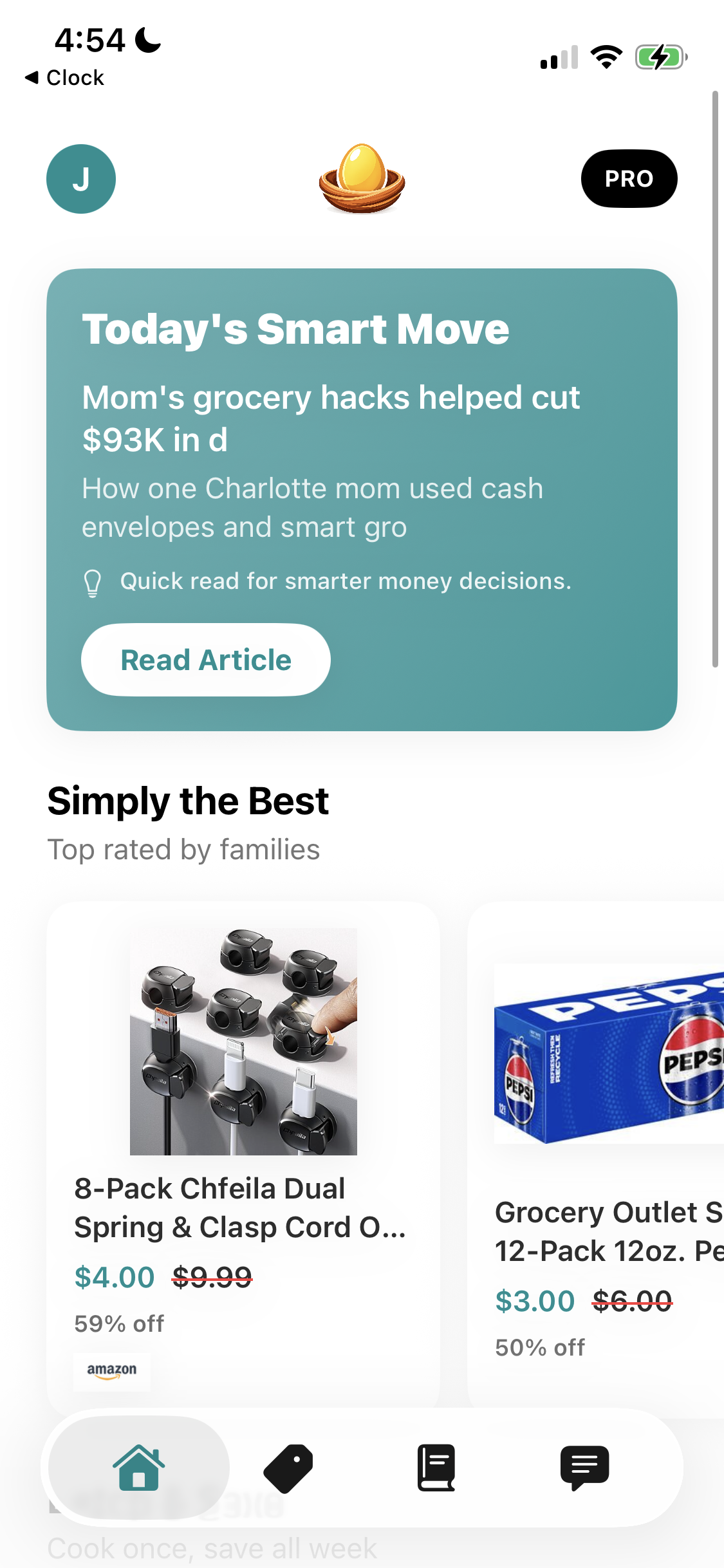
Today's Smart Move: One personalized recommendation per day -- a hot deal on diapers, a quick 2-minute money challenge, a weekend batch cooking recipe, or a tip tailored to your biggest spending pain point. It adapts to your household and never repeats.
Smart household swaps: We aggregate deals from across the web, then run them through an AI curation layer that filters like a budget-savvy mom would. You get the best prices on groceries, baby essentials, cleaning supplies, and more.
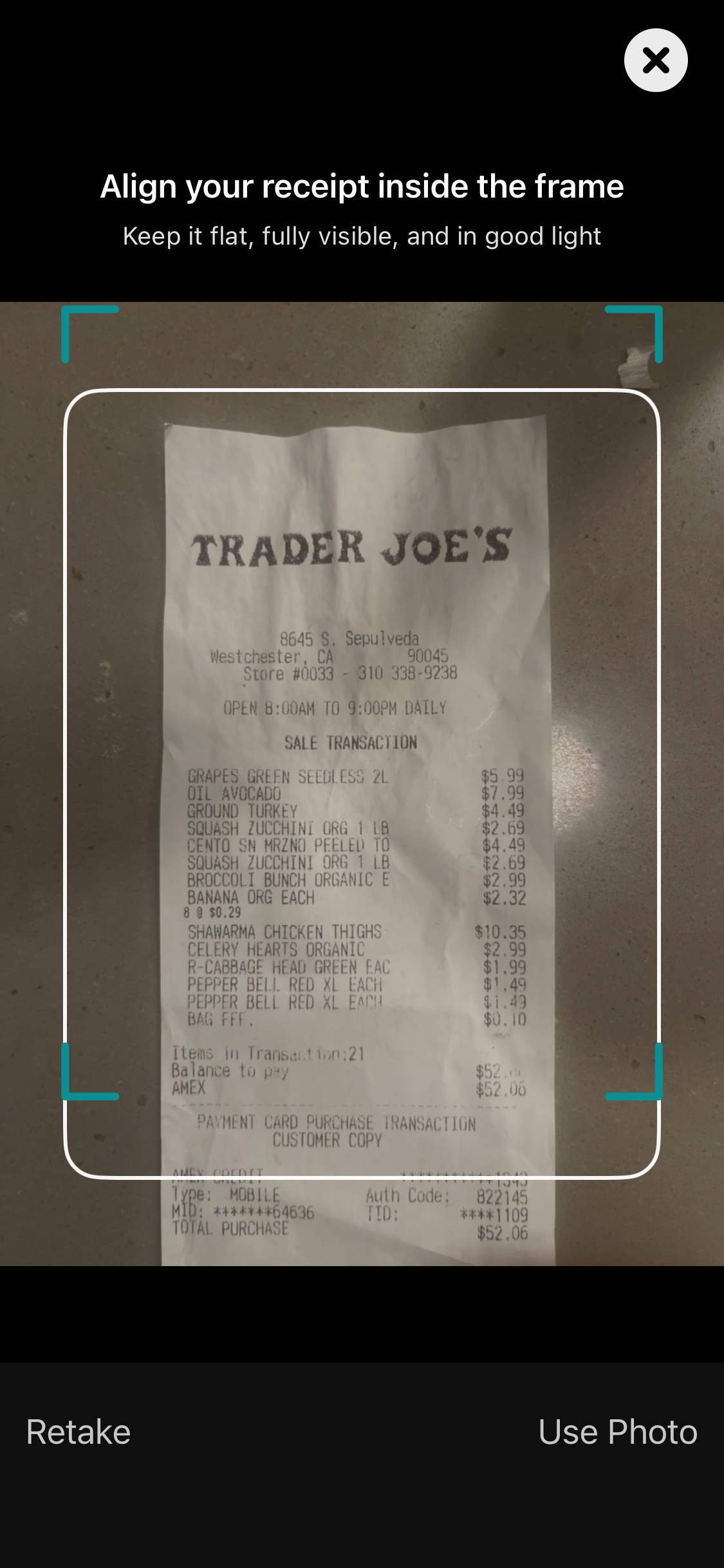
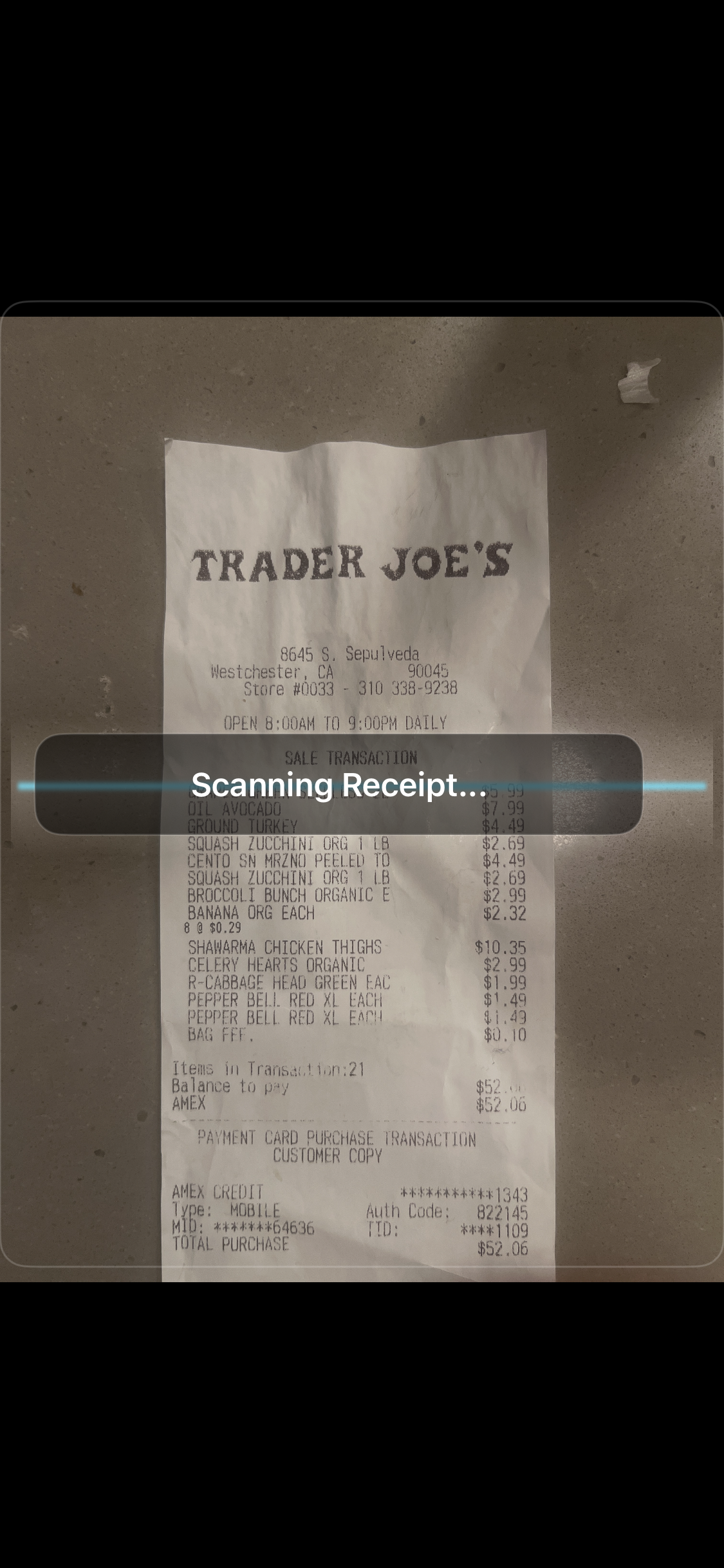
Receipt scanner: Snap a photo of your grocery receipt and instantly see where you could have saved against our deals. We want moms to be aware where their current shopping is going poorly!
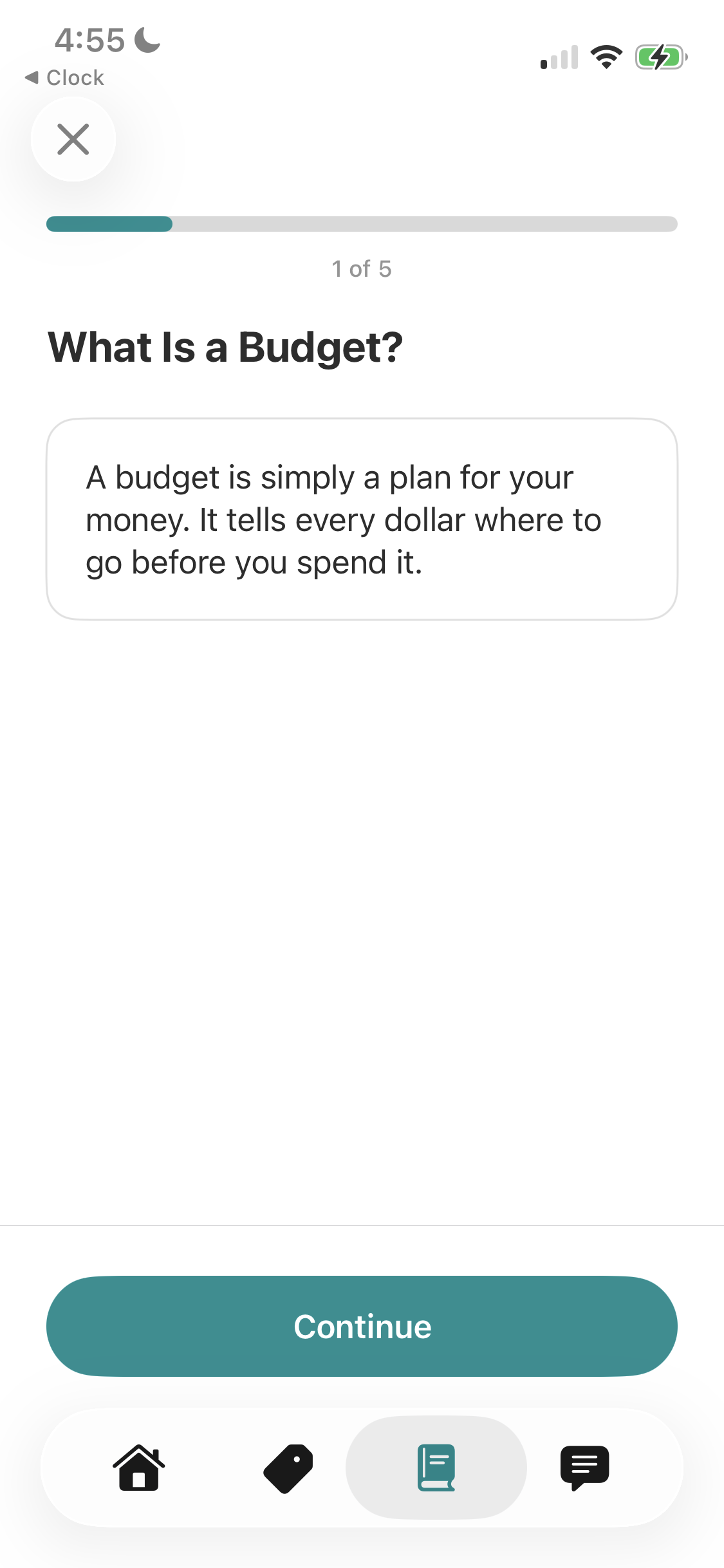
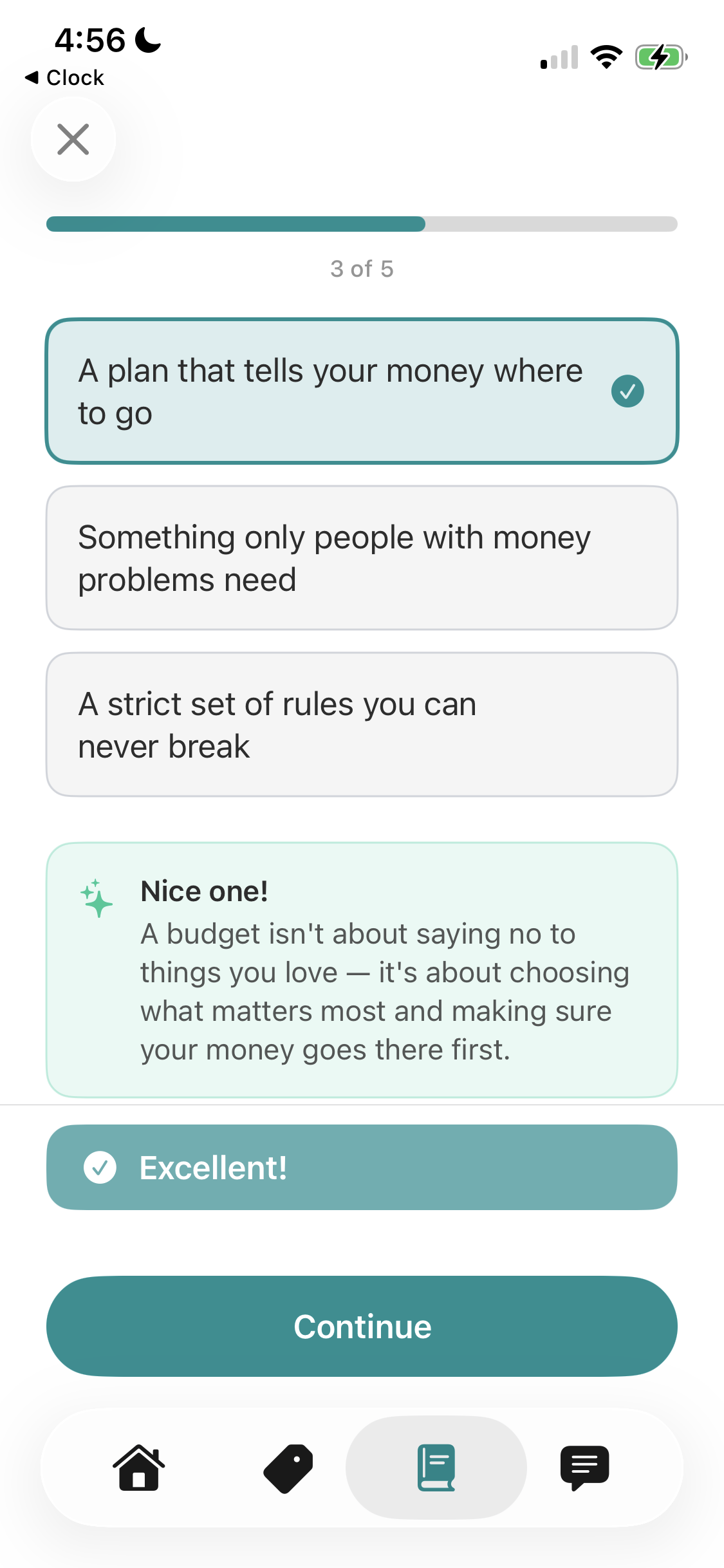
Bite-sized money lessons: Interactive courses on budgeting, saving, getting out of debt, and more -- designed to be finished during nap time, not homework.
Mom community: A space for sharing tips, wins, and encouragement with other moms who get it.
How we built it
The iOS app is built entirely in SwiftUI + SwiftData for local-first caching -- so the app always has something to show instantly, even before the network responds. Uses CLEAN architecture
On the backend, we run a Fastify server (Node.js/TypeScript) on Render with Supabase (PostgreSQL) for the database and community features.
The deal pipeline curates the best deals in absolute dollar amounts, then run them through a multi-stage processing pipeline: category matching against 1,400+ household keywords, unit price normalization (so you can actually compare a 96-count pack to a 24-count), and an gpt curation pass where the AI is prompted to think like a budget-conscious mom -- rejecting electronics, sweepstakes, near-duplicates, and anything that isn't a practical household win.
The receipt scanner sends a camera-captured photo to our server, where GPT-4o Vision extracts each line item and price. We then match those items against our deals database using fuzzy token matching to surface cheaper alternatives.
The Smart Move Engine runs 10 different recommendation providers picks the best one, and shows it at the top of your home feed
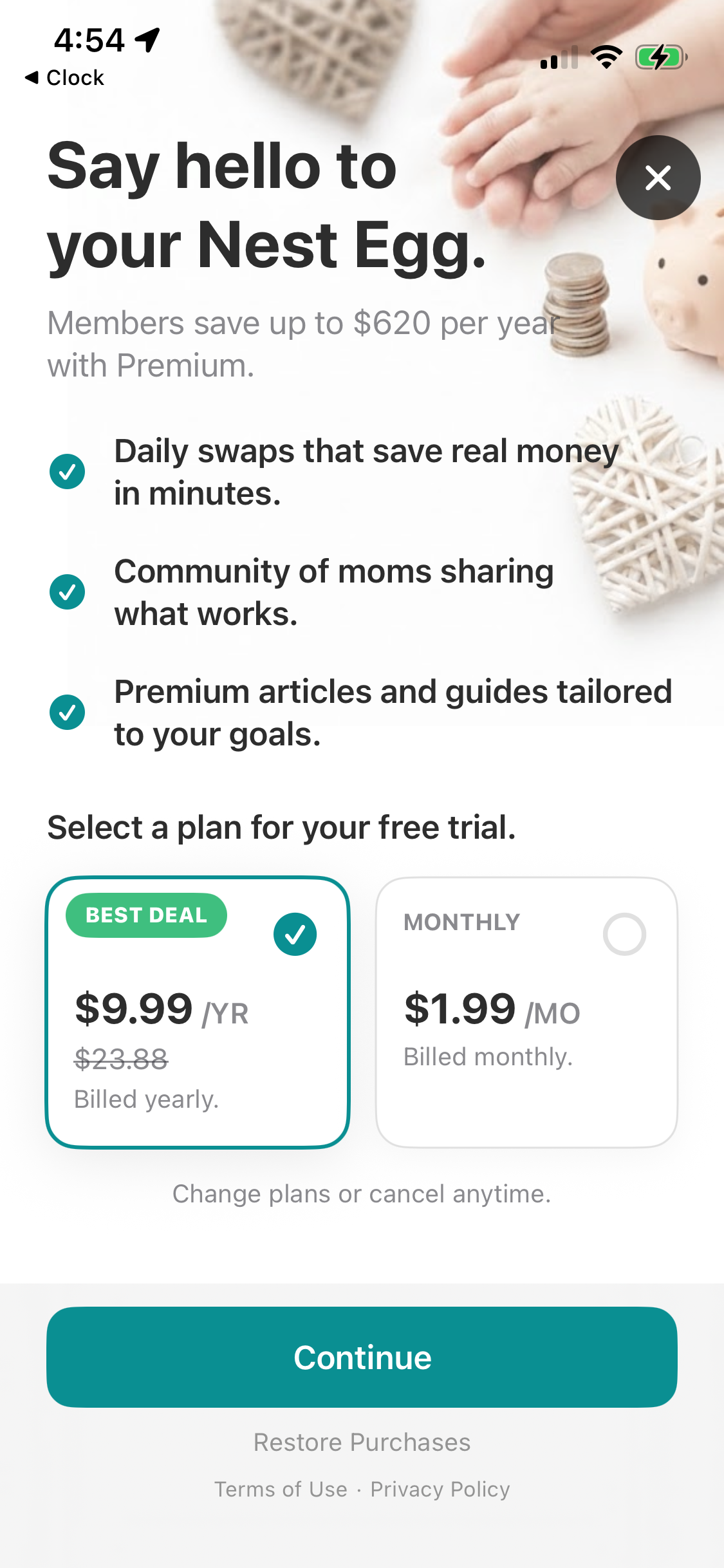
Auth0 handles authentication, and RevenueCat powers our freemium model.
Challenges we ran into
Curating deals that actually matter. Scraping hundreds of deals is the easy part. The hard part is making sure a mom opening the app sees exactly what's relevant to her family -- not gaming headsets. We went through multiple iterations of keyword matching, negative filters, and AI prompts before the curation felt right
Making receipt scanning actually useful. Receipt matching to deals was more challenging than expected, but I've prompted my ai agents to implement fuzzy matching with Levenshtein distance, and category filtering until the results were genuinely helpful.
Keeping the app fast. The home screen loads personalized deals, recipes, articles, and community content all at once. Without careful caching, it would feel sluggish. SwiftData local persistence, shimmer loading states, and smart cache TTLs make it feel like everything is already there when you open the app.
Accomplishments that we're proud of
- The design. It's warm, approachable, and intentionally doesn't look like a finance app. Soft teal gradients, pastel category accents, rounded everything -- it feels like an app a mom would actually want to open.
- Receipt scanning that works end-to-end in seconds: camera capture, Vision AI extraction, fuzzy deal matching, and a clear savings breakdown per item.
- Working community threads with replies and rich media urls
- The full pipeline from web scraping to AI curation to a polished mobile experience, working together as one product.
What we learned
The biggest lesson was simplification. Moms need one good deal, one smart tip, one quick lesson they can act on today. Every design decision came back to that -- can a mom use this with the moment of silence and make a quick saving?
On the technical side, we learned that AI curation only works with strong guardrails. Giving our ai agents the persona of a "budget-savvy stay-at-home mom" with explicit rejection rules (no electronics, no sweepstakes, no cashback-only listings) made a huge difference.
What's next for Nest Egg - Saving For Moms
- Mom-created content: Let moms share their own savings wins, hacks, and swap discoveries directly in the app
- Smart push notifications: Instant alerts when new deals drop on the specific items and categories each mom cares about
- Receipt history and learning: Save past receipts so the app learns your shopping patterns and gives increasingly personalized swap recommendations
- Short-form video: Simple, quick money-saving tips and hacks from real moms -- think TikTok energy but for your wallet
- Bookmarking - deals are usually temporary so this was a bit tricky, but I believe there are predictable ways to do this properly
Built With
- auth0
- fastify
- nextjs
- render
- revenuecat
- supabase
- swiftui
- typescript

Log in or sign up for Devpost to join the conversation.