Inspiration I chose Eitan Bernath's track: "From saved recipe to dinner made" because it perfectly aligns with a problem I've wanted to solve for decades.
I love good food, so I naturally had to learn how to cook. I don't treat it as a casual hobby. Like a true nerd, when I do something, I learn to do it well—aiming for chef-level execution.
The idea for Neru Plan actually started nearly 20 years ago. Back then, I wanted to build a web app to plan menus for camping trips. Outdoor logistics require precise calculation—what to buy, how much, and for which meal—to avoid carrying extra weight or running out of food. I never found the time to build it back then due to a busy career. Recently, I was laid off. This gave me the time to finally realize this vision, not as an old web app, but as a modern, autonomous mobile application built in just a couple of weeks.
Why "Neru"? The name derives from the Japanese verb "Neru (練る)", meaning "to knead" (like dough) or "to carefully cultivate a plan." It reflects the app's philosophy: transforming raw ingredients into a structured lifestyle.
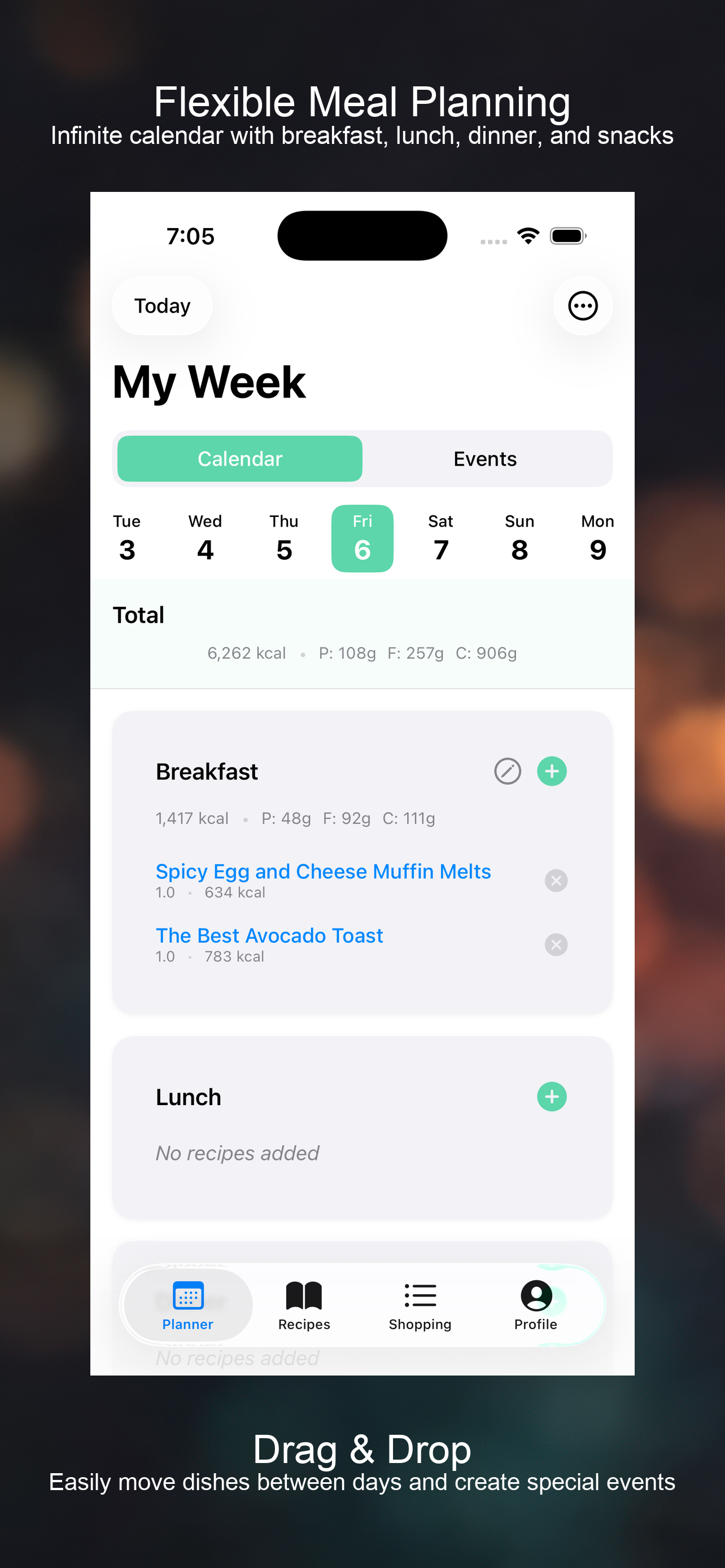
What it does Neru Plan bridges the gap between finding a recipe and putting dinner on the table. It handles the logistical math so you can focus on cooking.
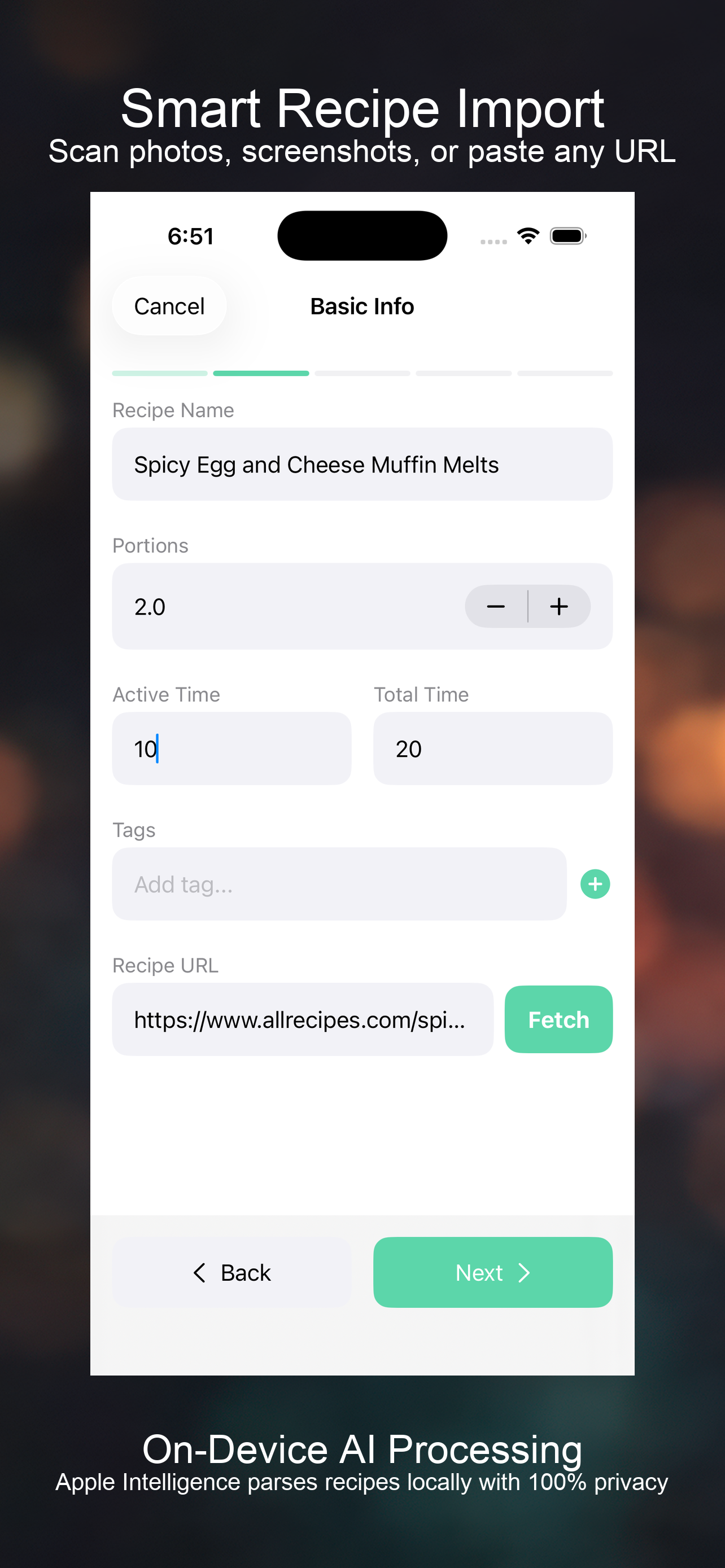
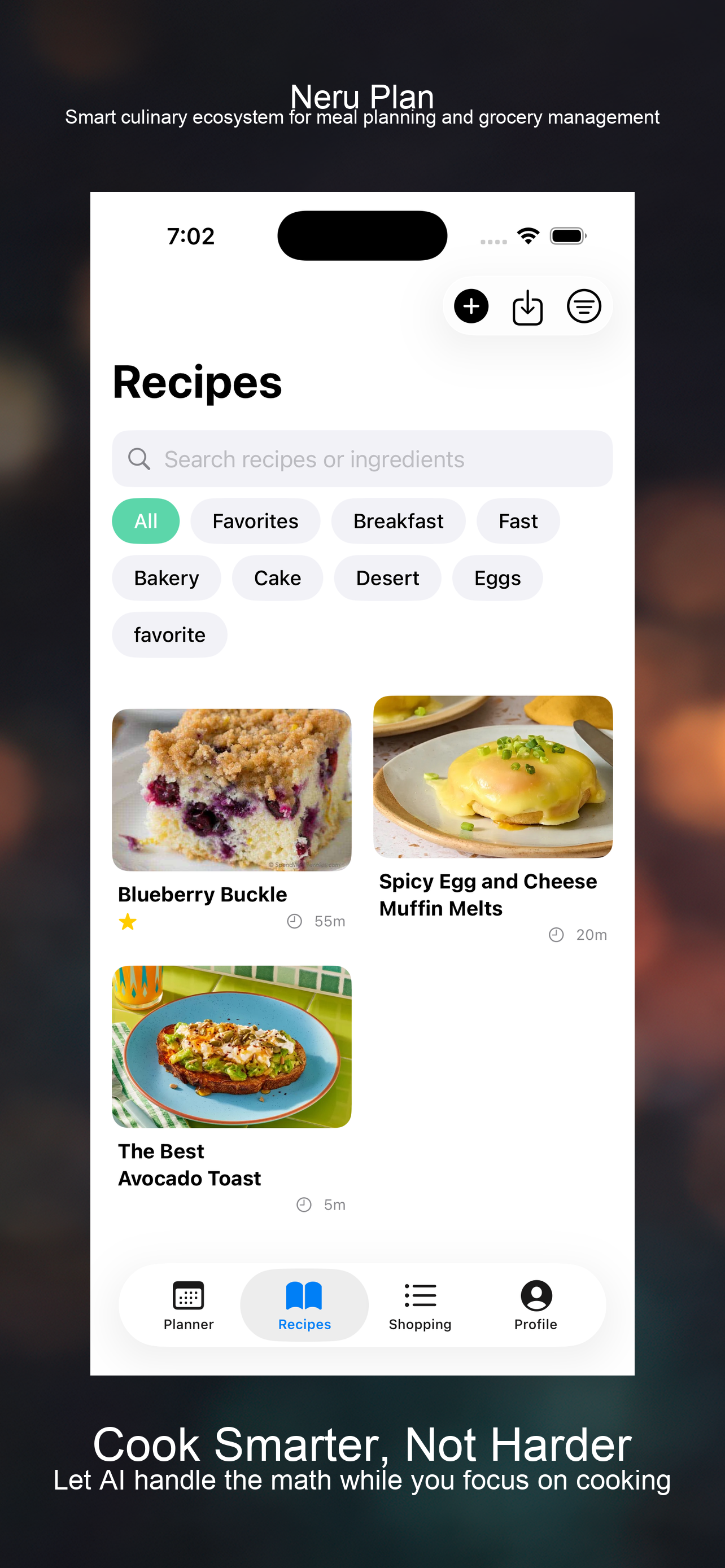
- Smart Import: Uses local AI to "read" recipes from photos, screenshots, or website links.
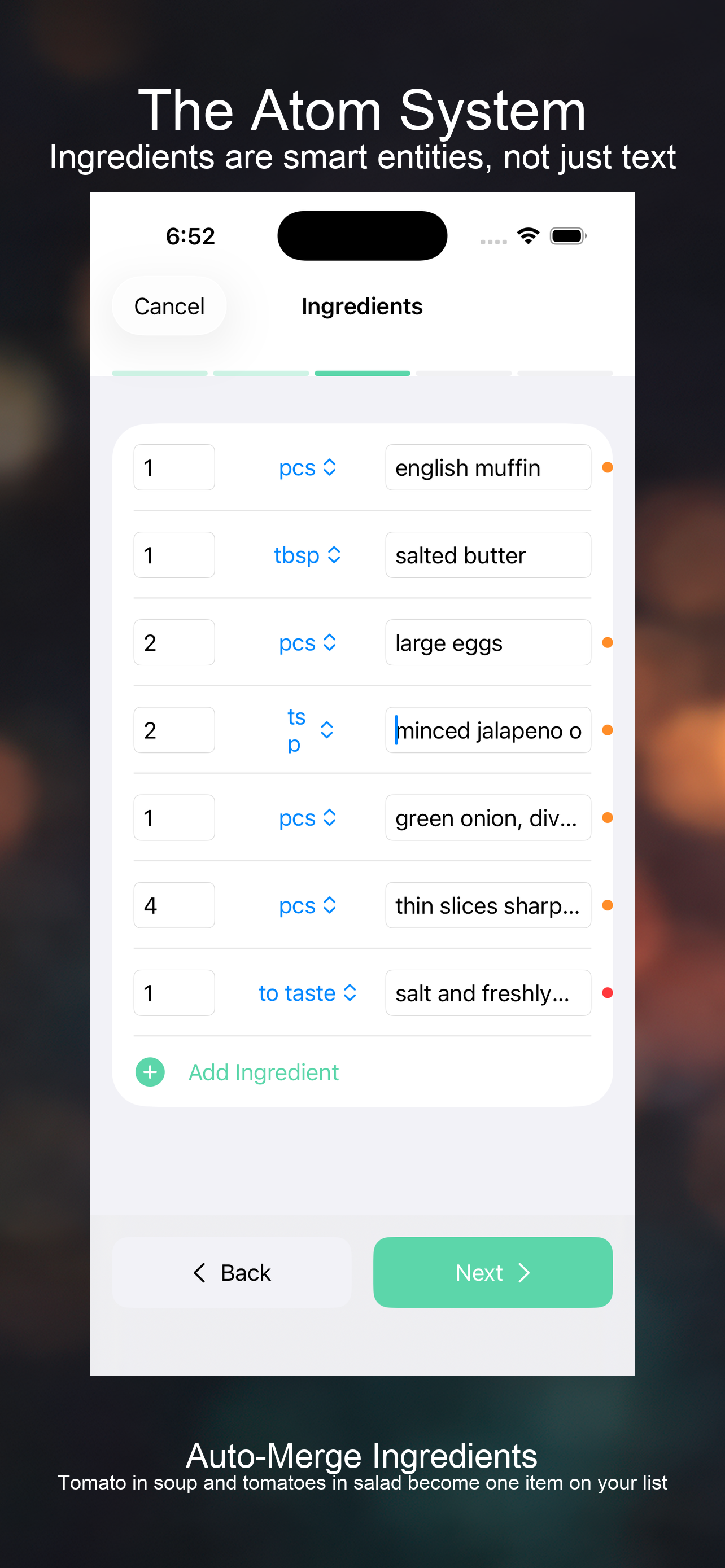
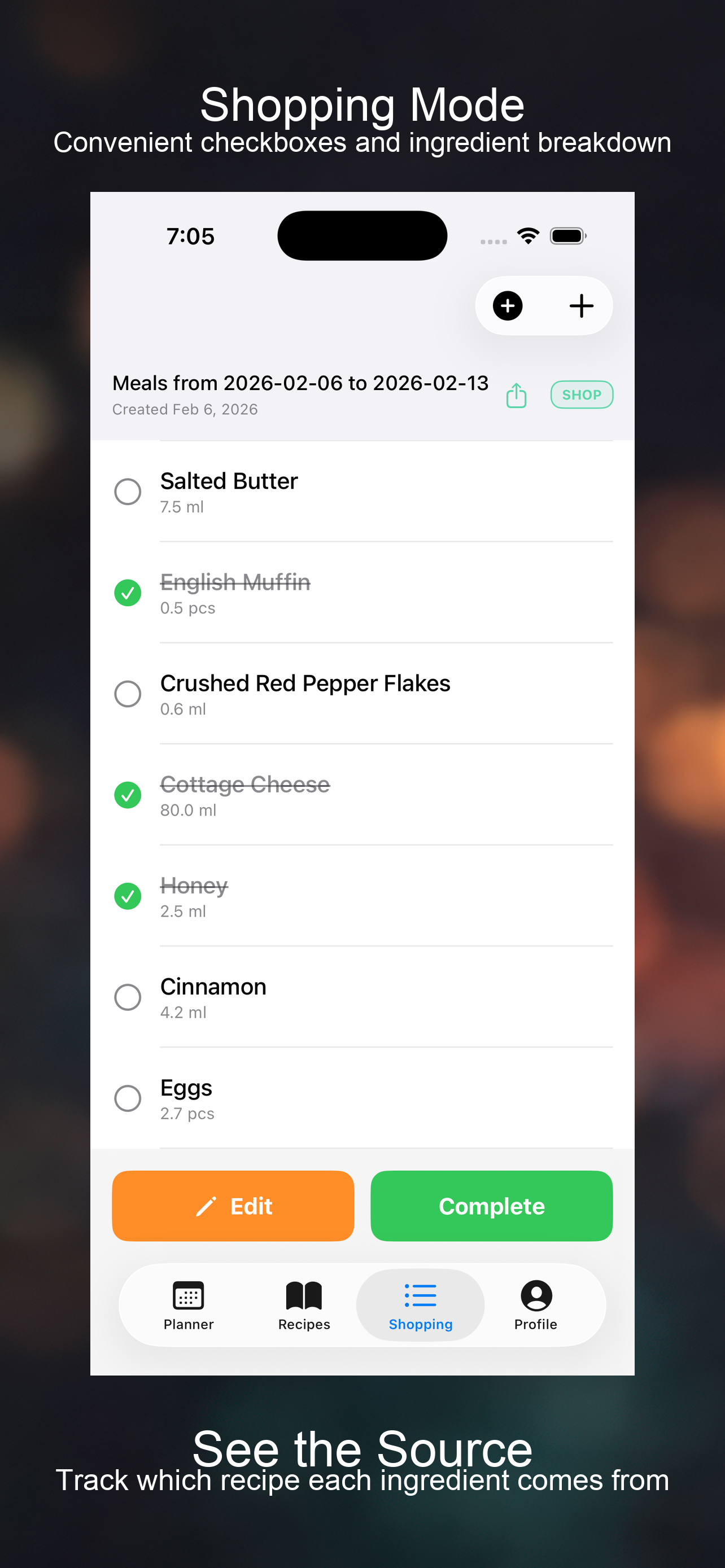
- The "Atom" System: It normalizes ingredients. "2 tomatoes" in a salad and "1 tomato" in a soup automatically become "3 tomatoes" on your shopping list.
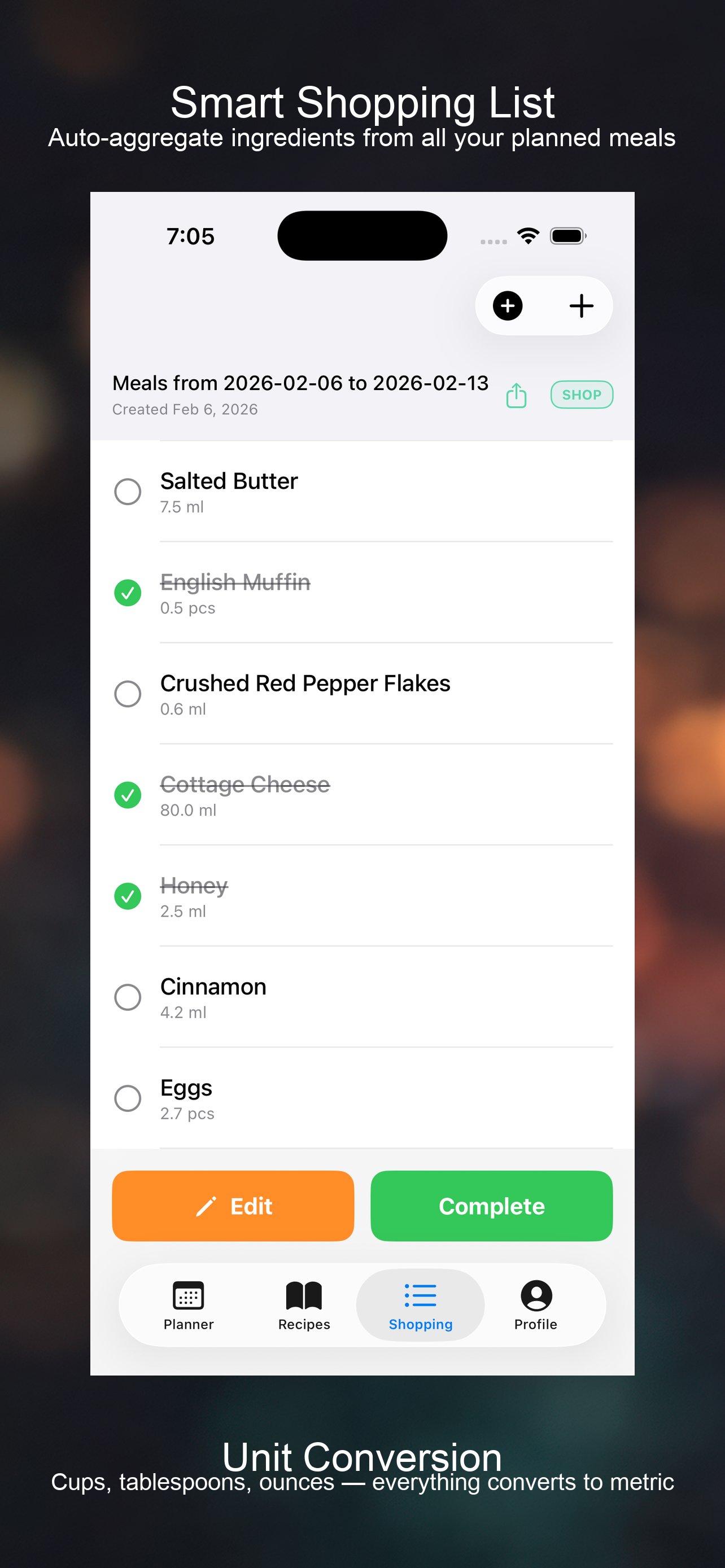
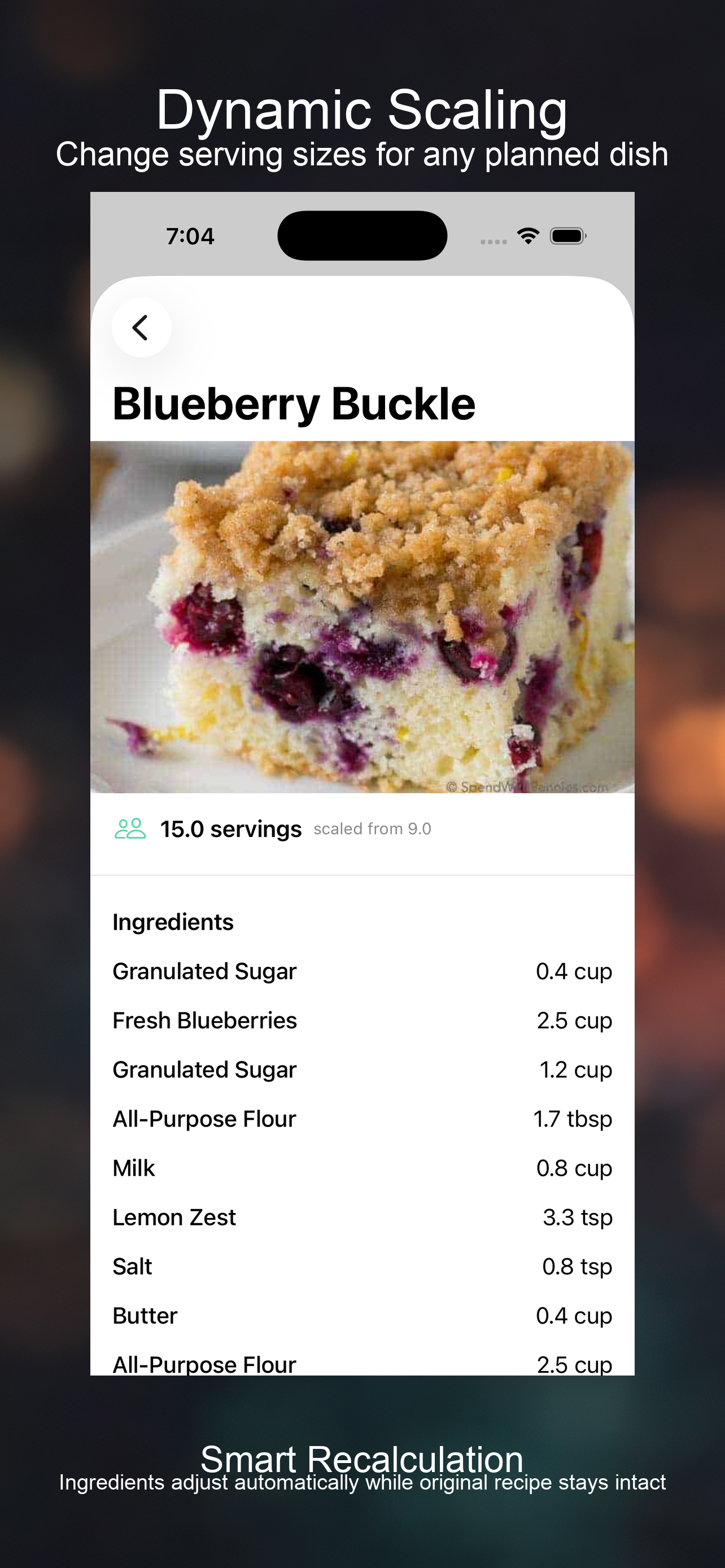
- Context-Aware Shopping: Aggregates ingredients from your plan and converts units (e.g., cups to grams) to create a unified shopping list.
How I built it I built Neru Plan entirely natively for iOS 18 using Swift 6 and SwiftUI.
- AI & Privacy: I heavily utilized Apple's Vision Framework for OCR and Apple Foundation Models for semantic parsing. By strictly using on-device models, I ensure 100% user privacy—no data ever leaves the device.
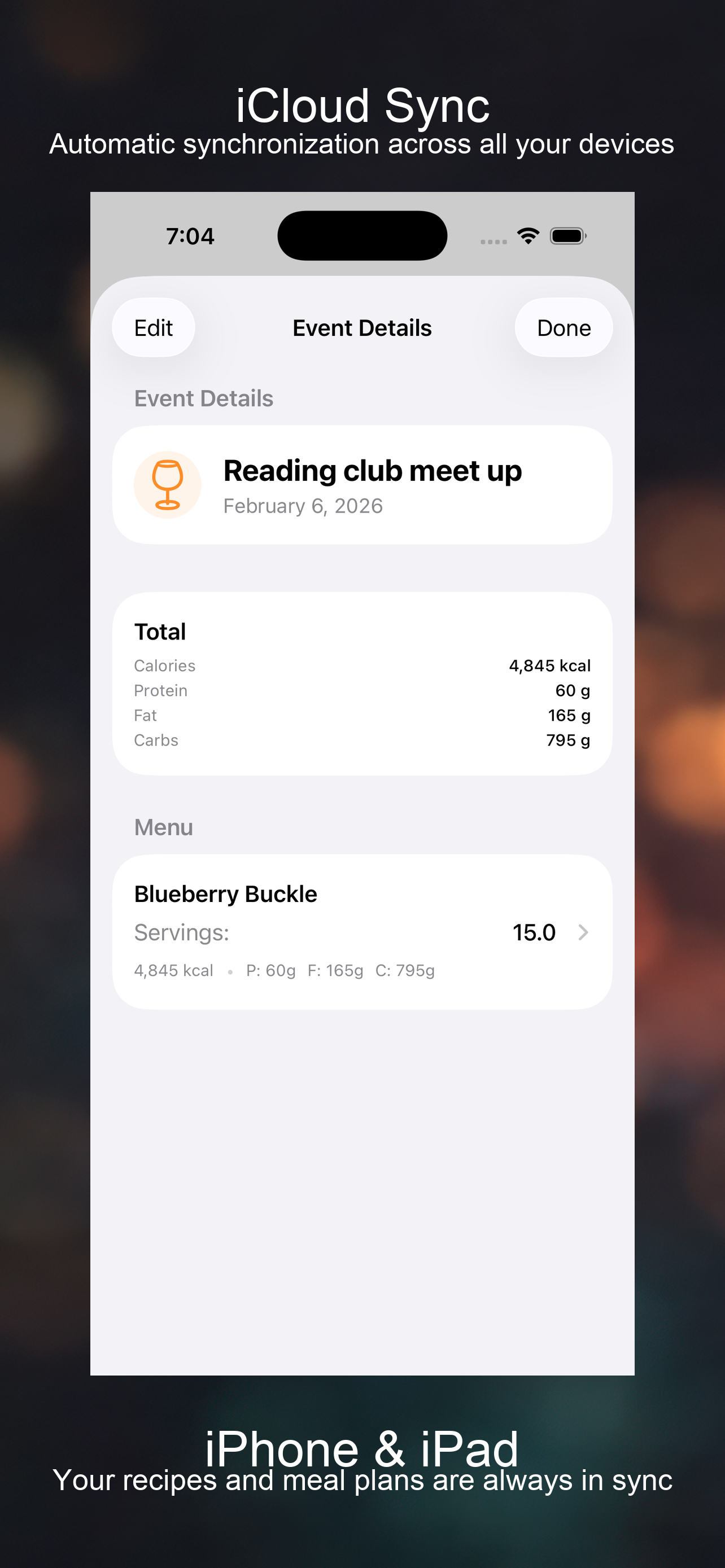
- Persistence: SwiftData handles the complex relationships between recipes, ingredients, and meal slots, while CloudKit keeps devices in sync.
Challenges I ran into The hardest technical challenge was the "Atomization" pipeline: parsing ingredients from wild, unstructured web data or OCR text, normalizing them, and converting units. Dealing with "cups" is particularly tricky—it's a volume unit often used for weight, requiring density tables to convert accurately to metric. To be honest, this logic is still being refined; it's a complex problem to solve perfectly for a customer-ready release.
Accomplishments that I'm proud of It works! I have already started using the app for my own daily meal planning.
One specific feature I'm proud of is AirDrop sharing. It feels like a digital nod to the "old school" way of sharing knowledge—requiring physical proximity to pass a trusted recipe to someone, just like mothers used to pass handwritten recipes to their daughters.
What's next for Neru Plan Improving the core. The foundation is solid, and since I am dogfooding the app daily, I am motivated to refine the ingredient parsing and unit conversion logic to make it bulletproof.
How we built it
Challenges we ran into
Accomplishments that we're proud of
What we learned
What's next for Neru Plan
Built With
- apple-intelligence
- coreml
- revenuecat
- swift
- swiftdata
- vision-framework

Log in or sign up for Devpost to join the conversation.