-
-
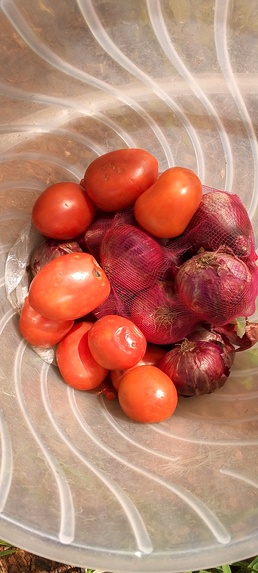
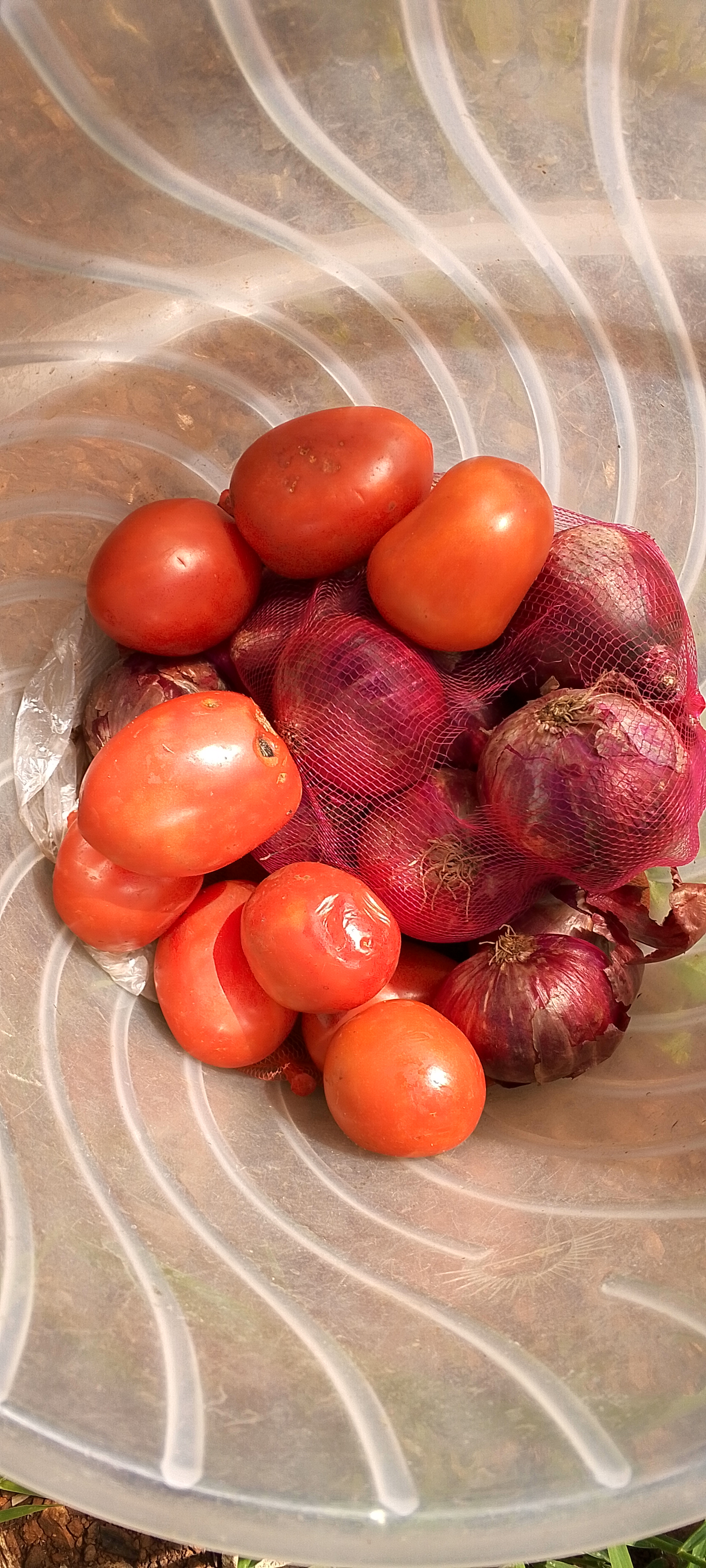
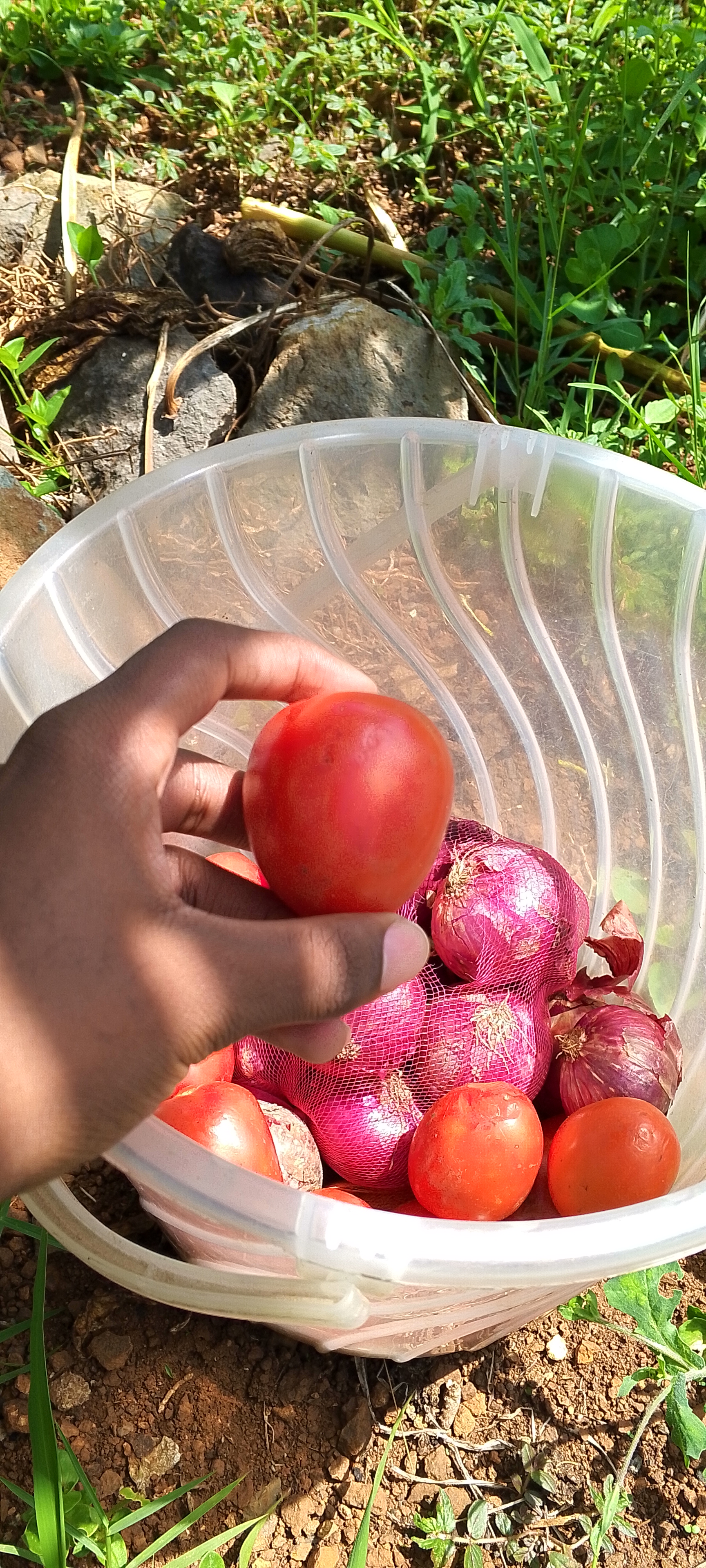
Tomato Harvest
-
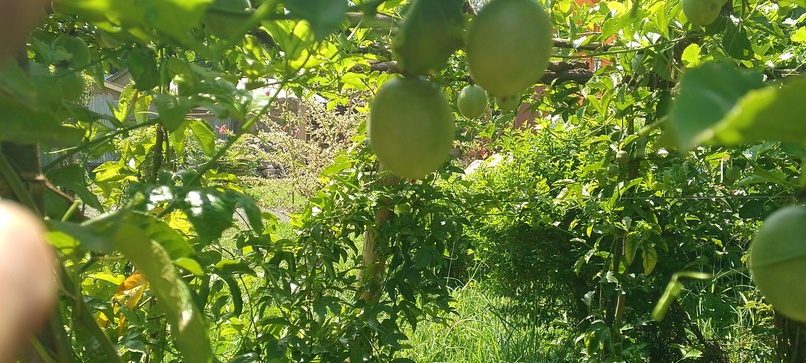
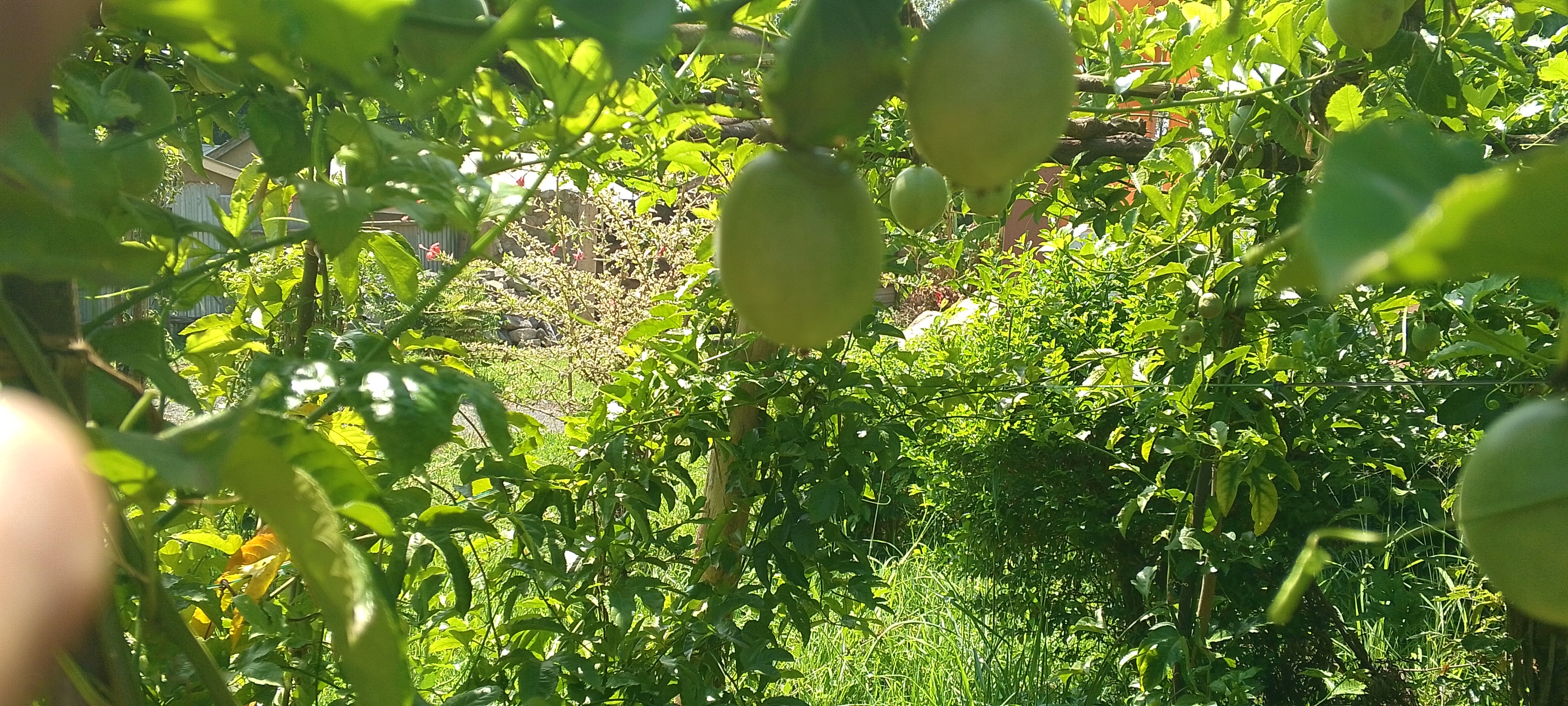
Passion Fruit Plant
-
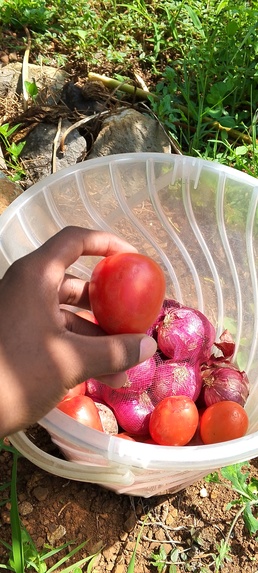
Tomato View
-
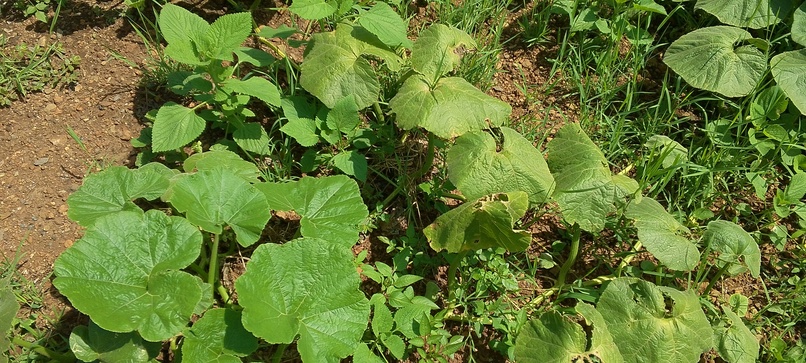
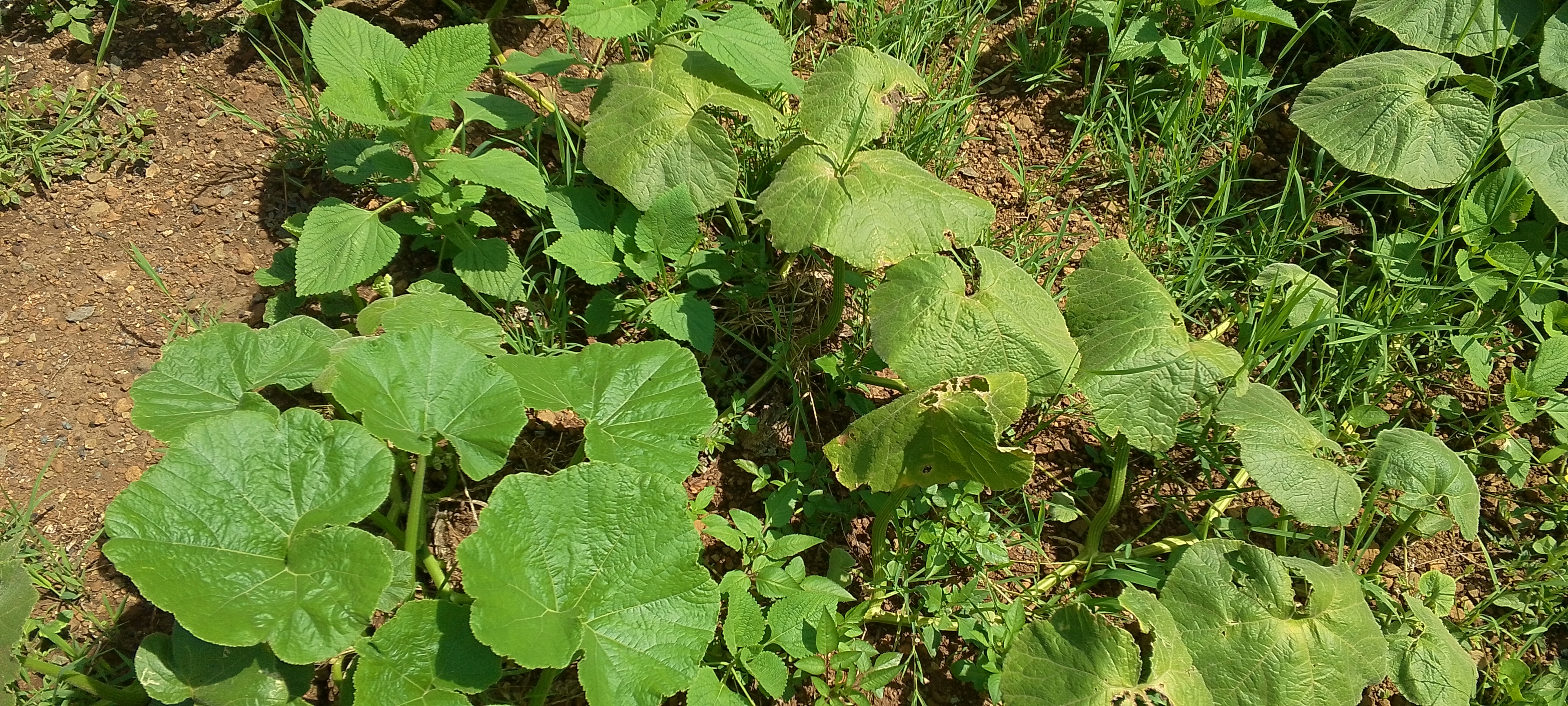
Pumpkins
-
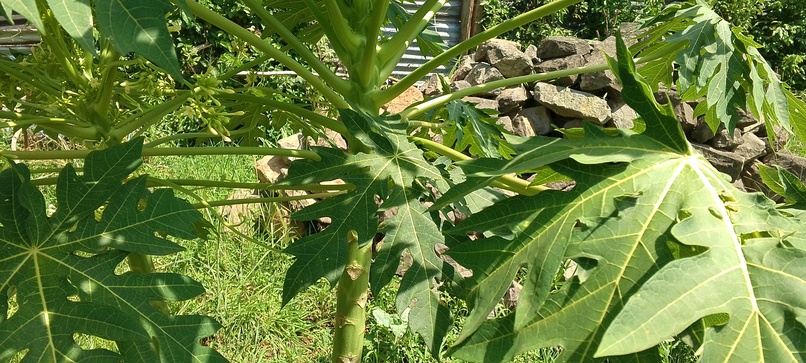
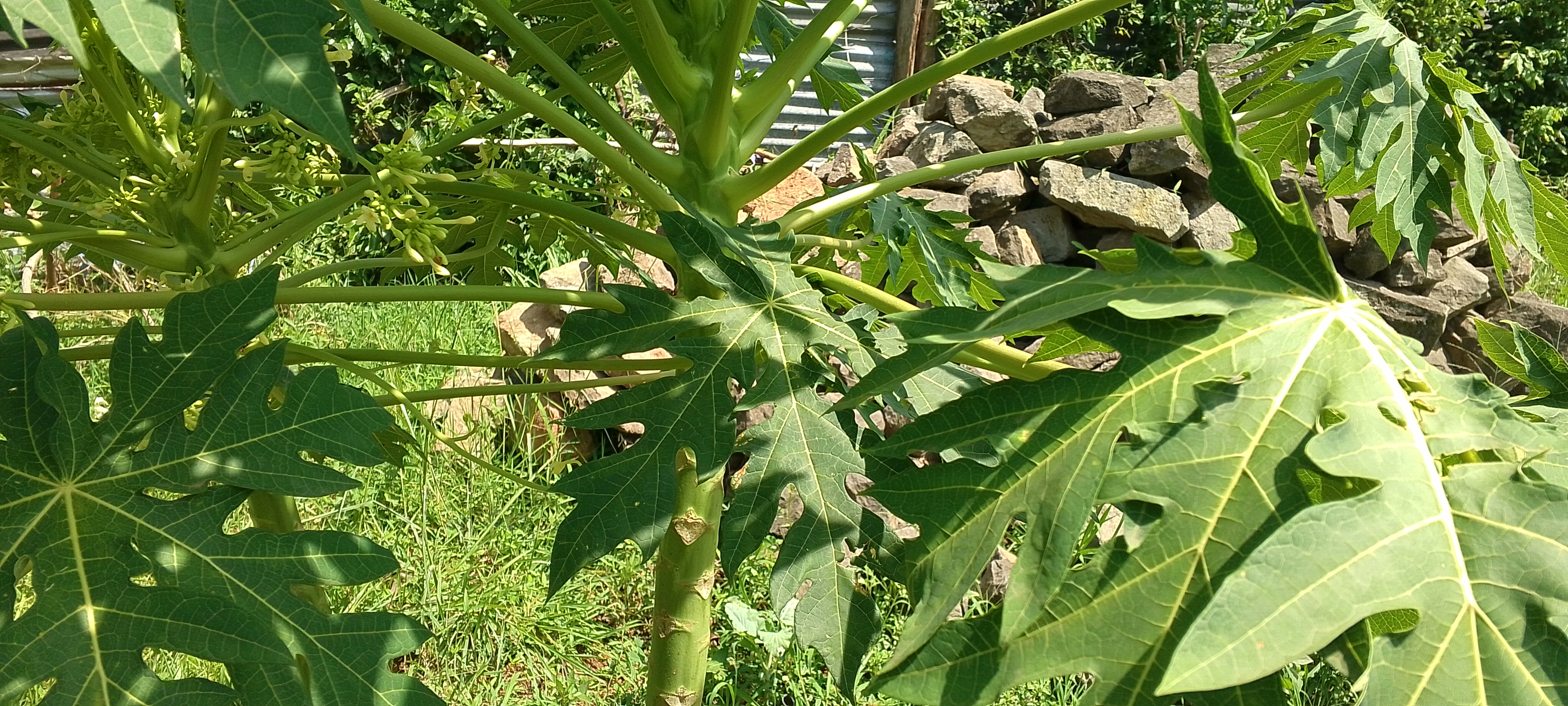
Papaya Plant
-
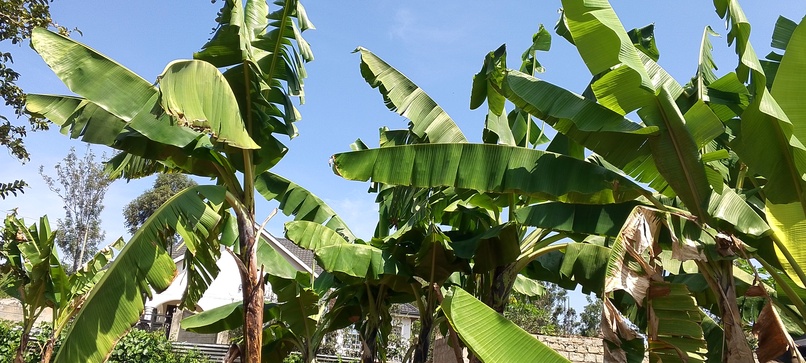
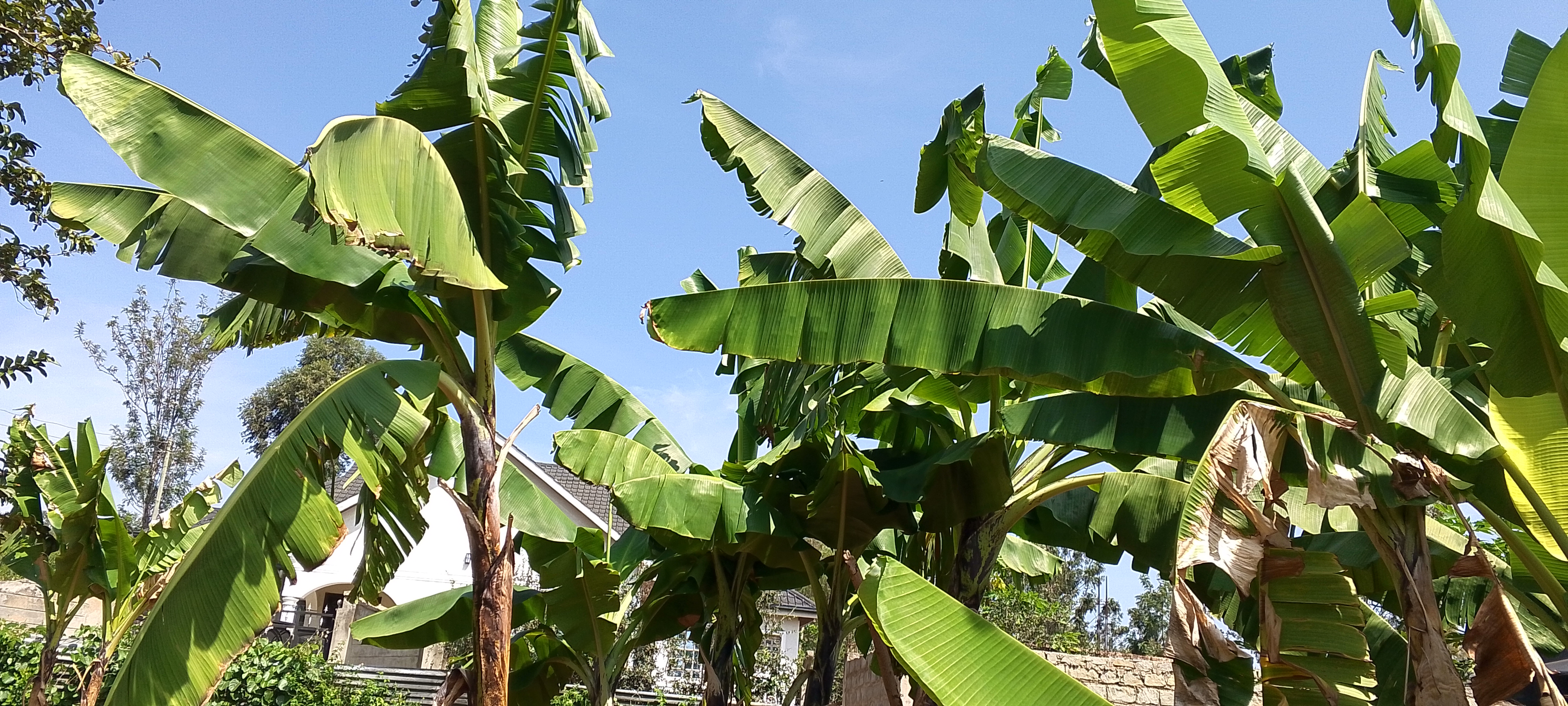
Banana Plantation
-
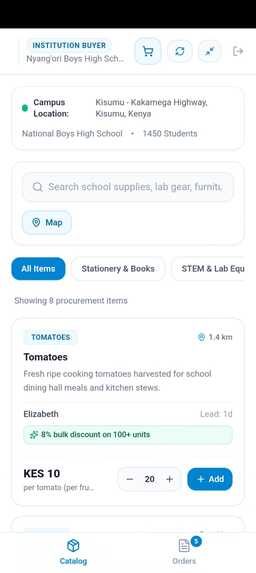
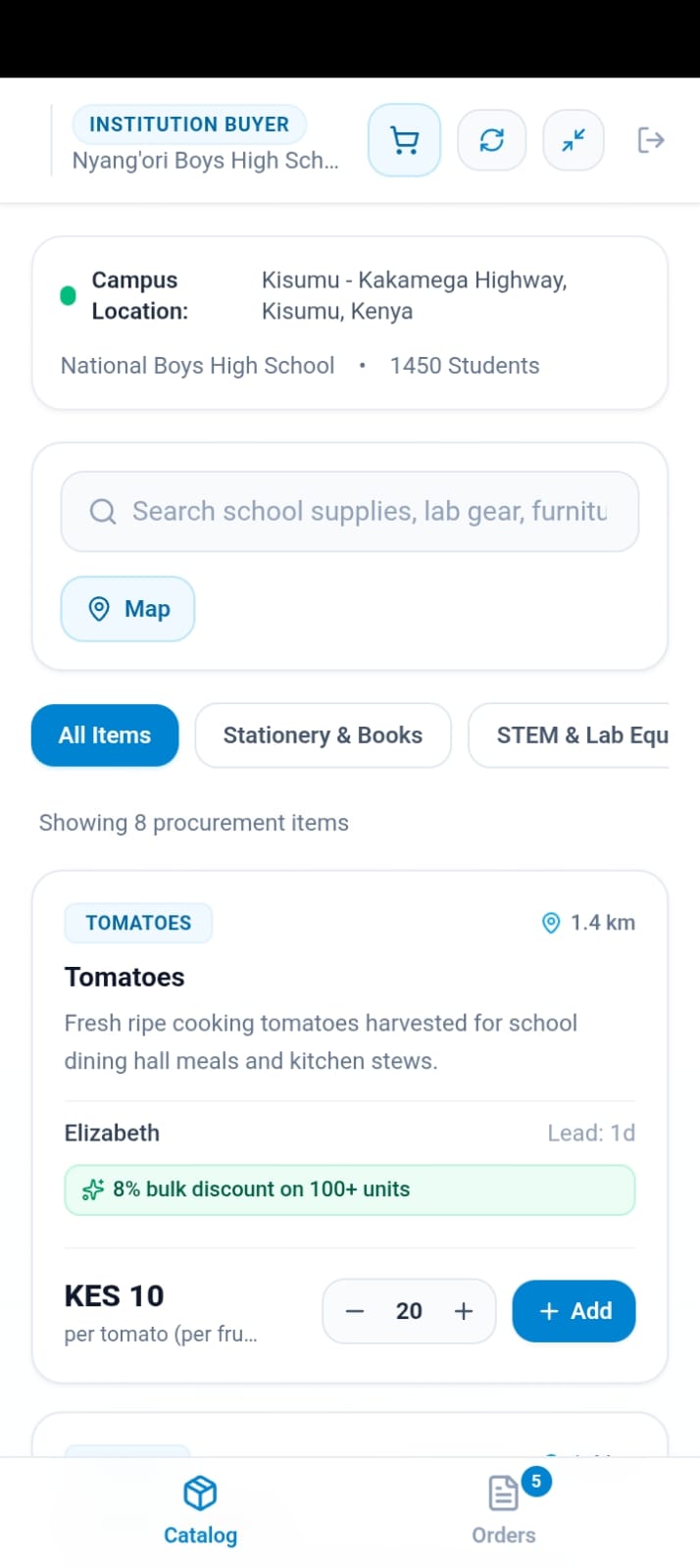
Buyer Side (Adding order)
-
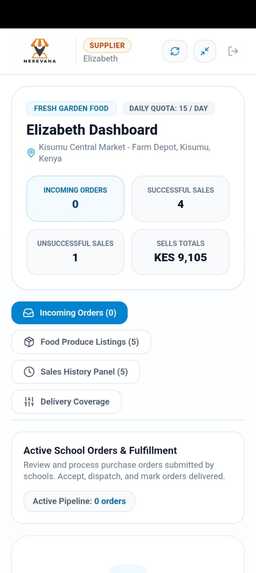
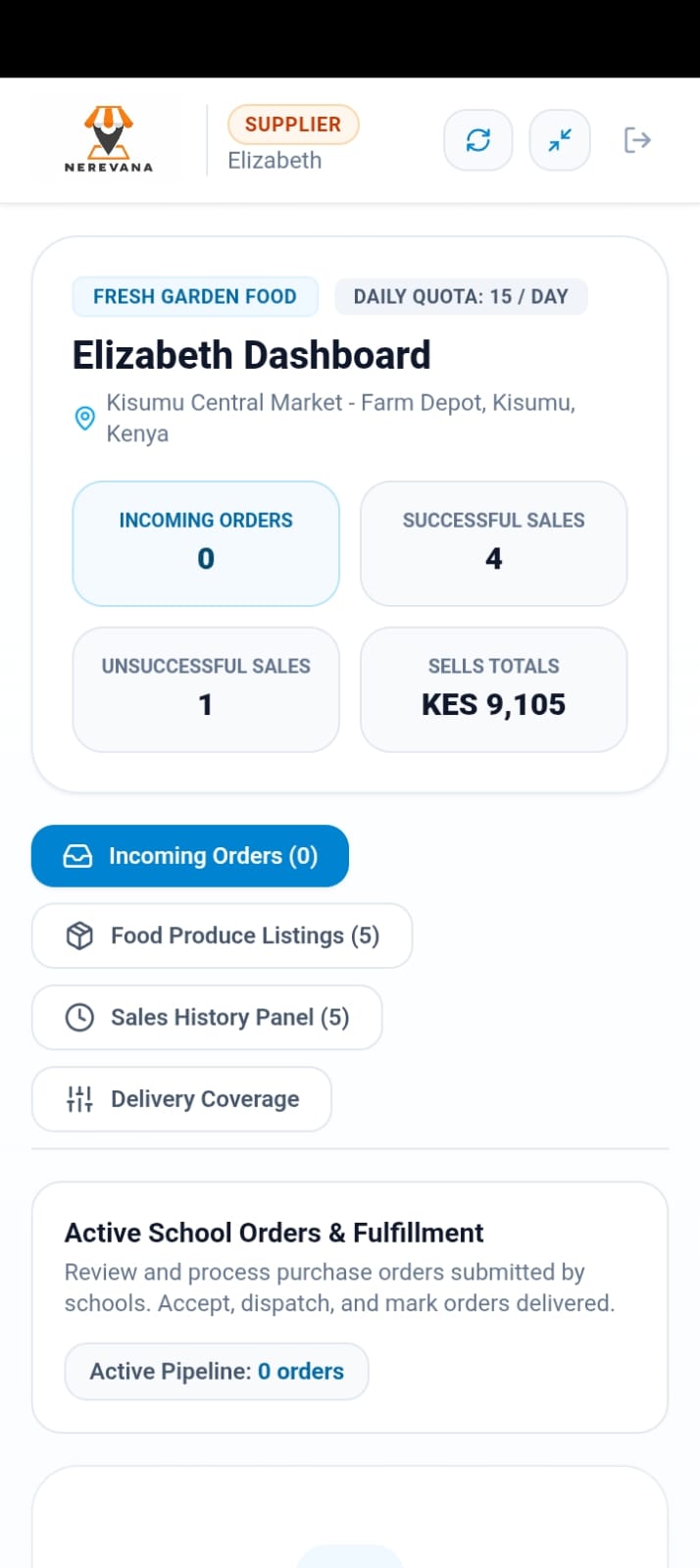
Seller Side (o orders)
-
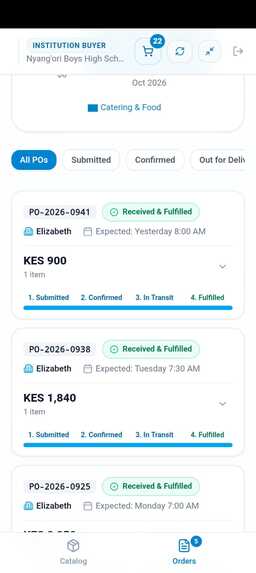
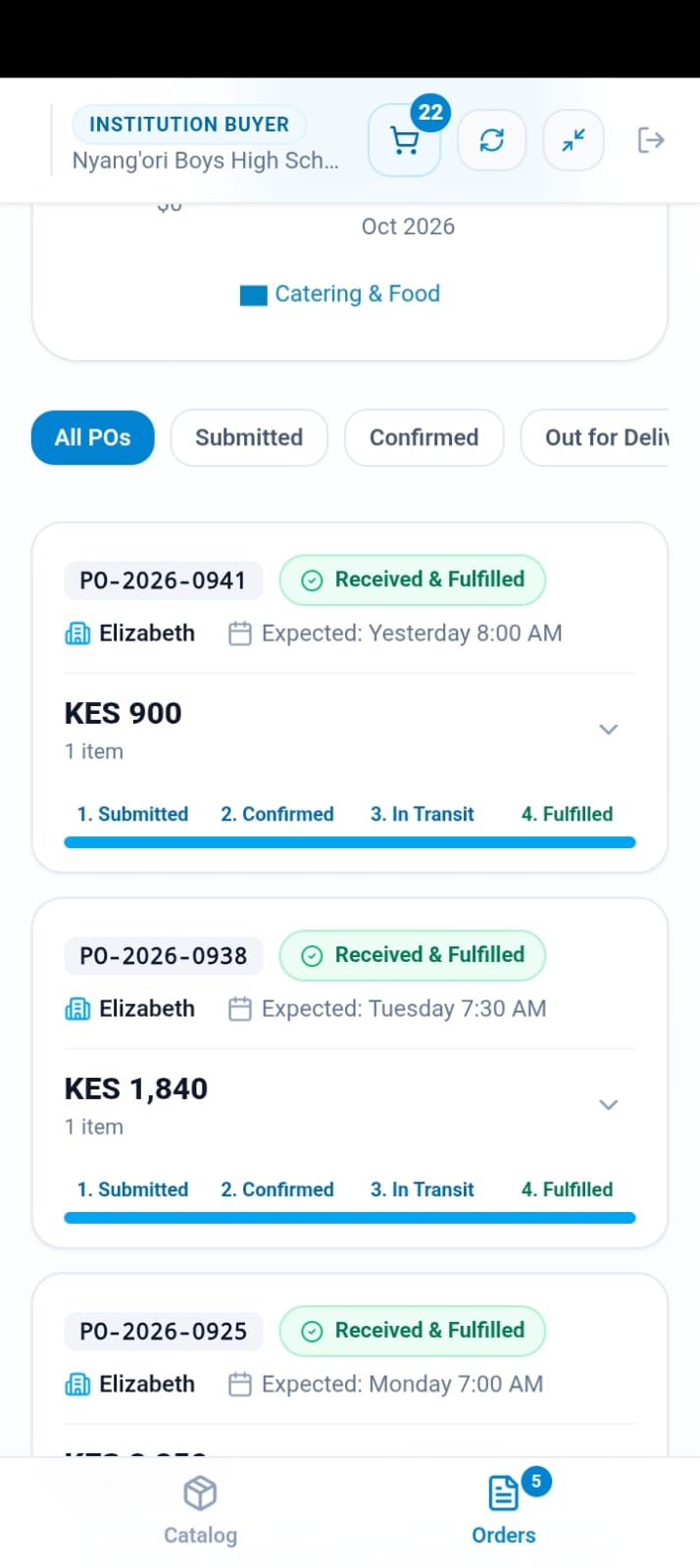
List of orders (Buyer Side)
-
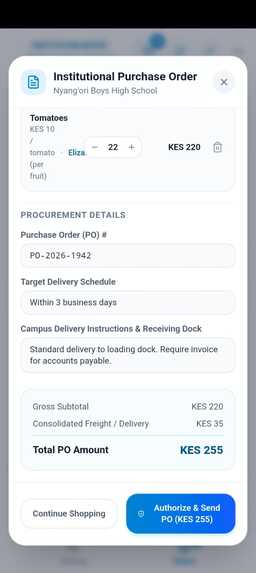
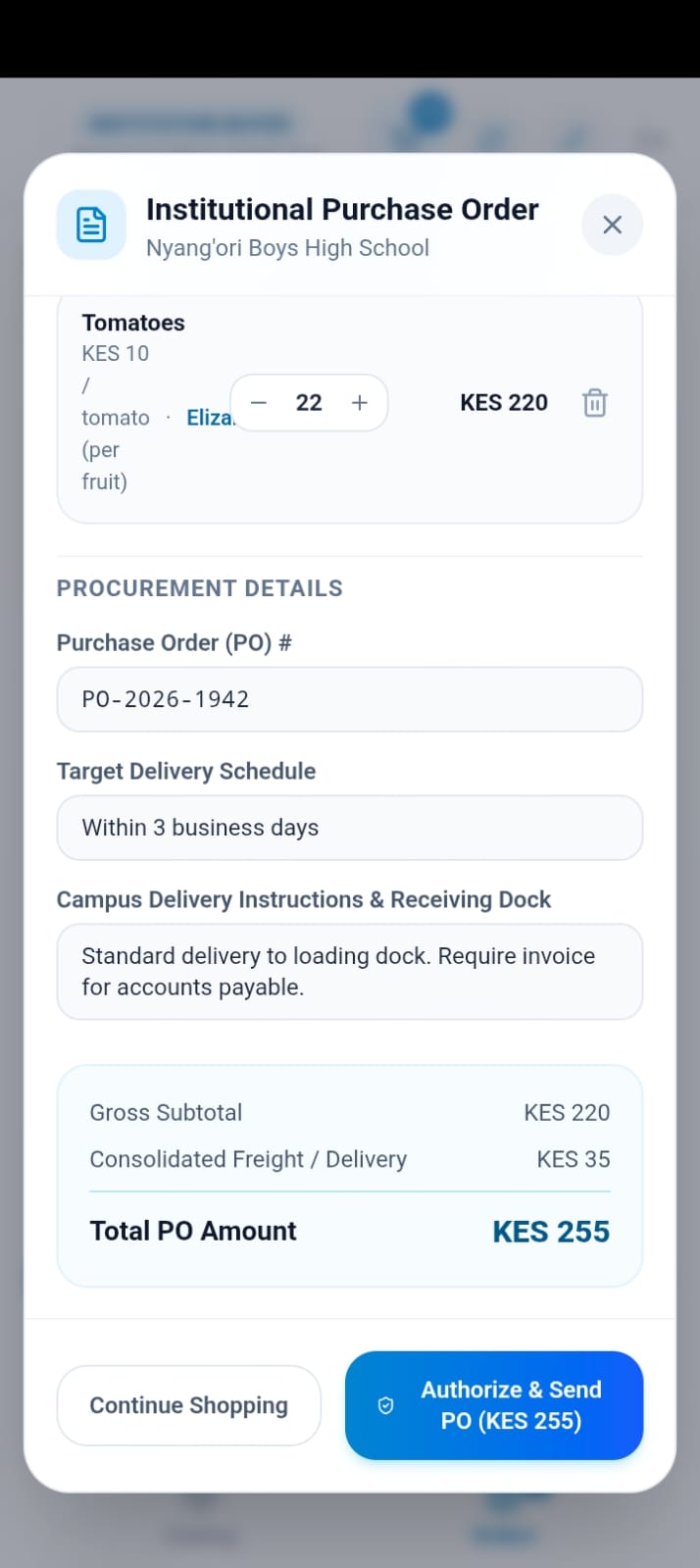
Order Auhorization (Buyer side)
-
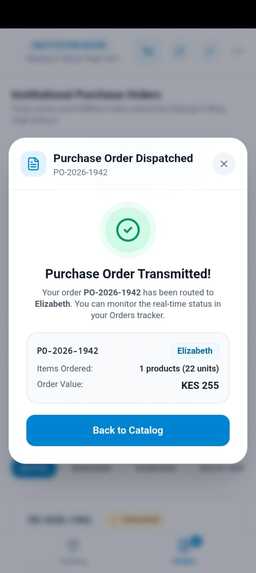
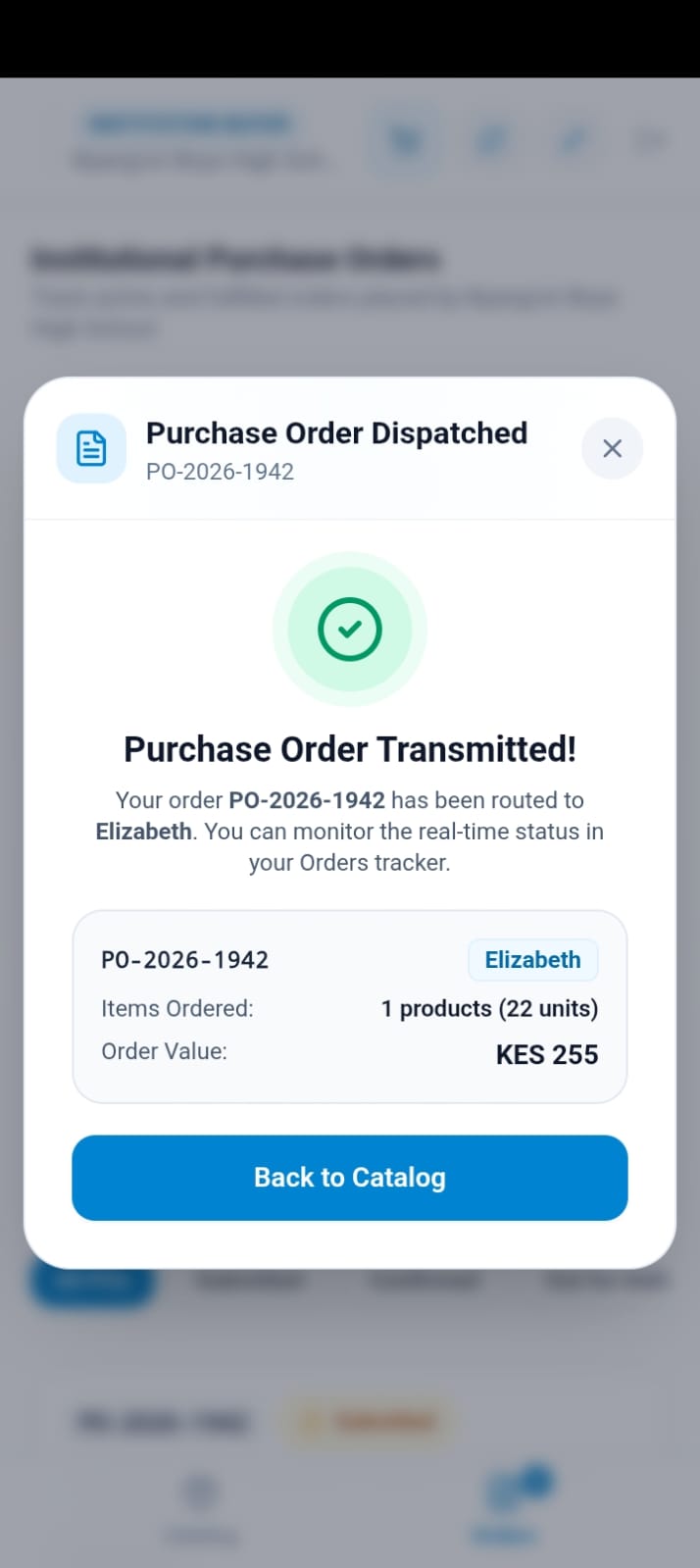
Purchase order Transmitted (Buyer side)
-
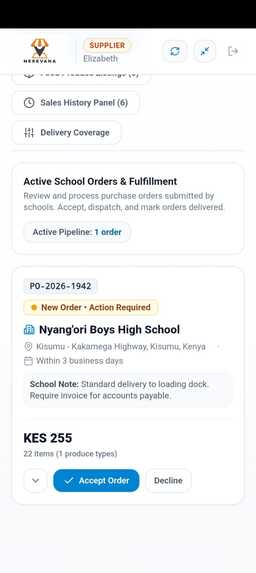
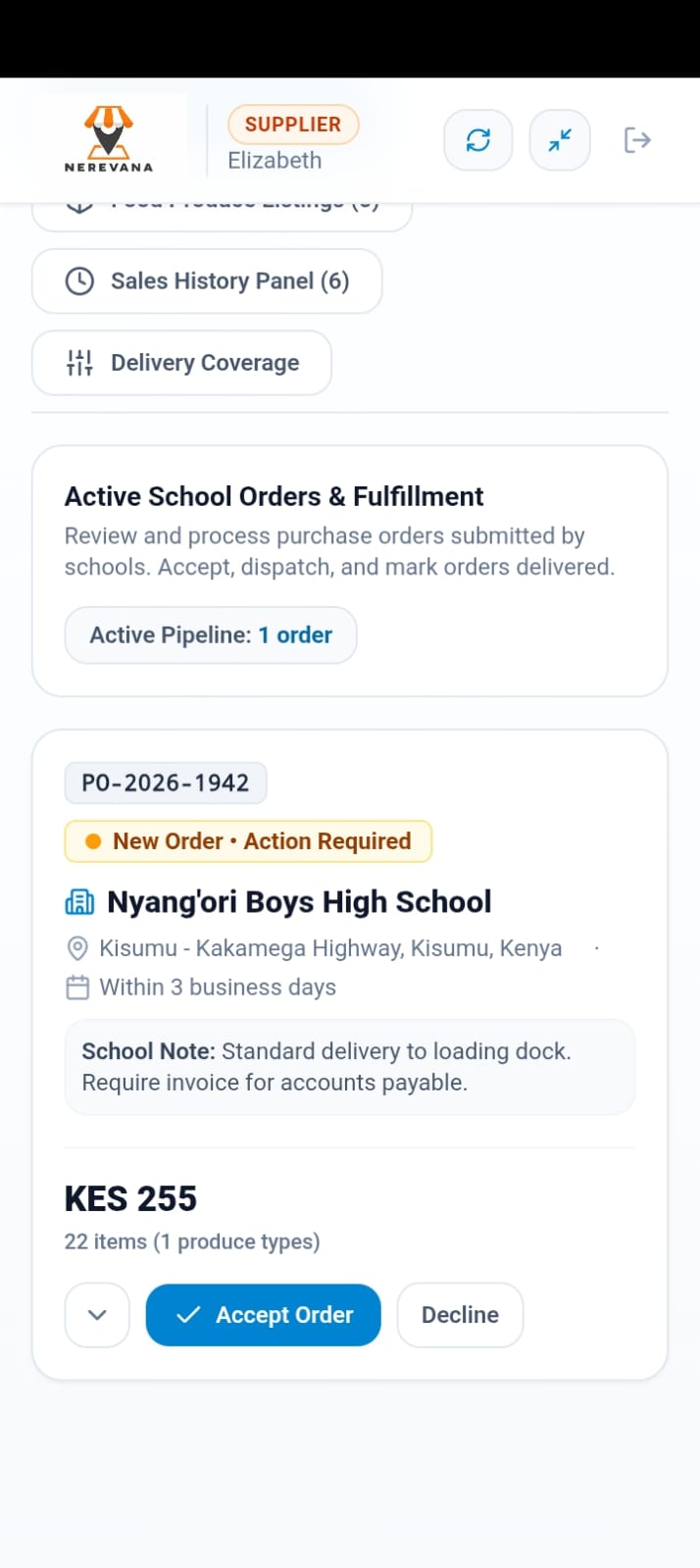
Accepting Order from School (Seller side)
-
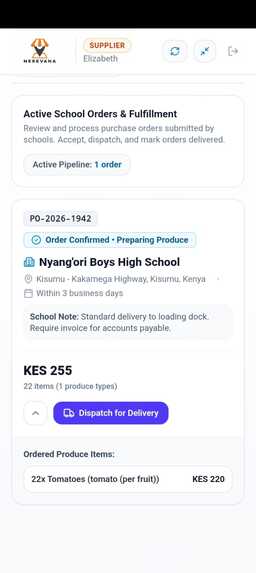
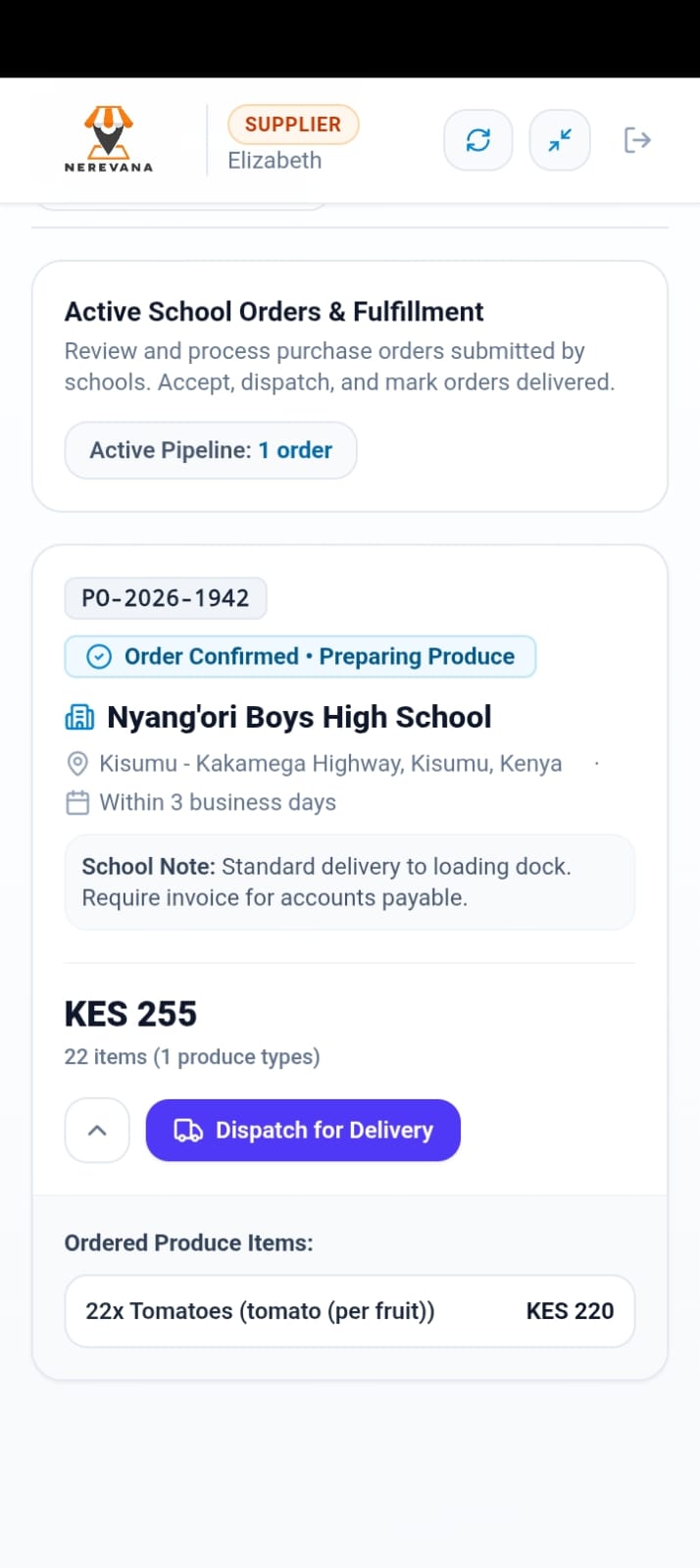
Order accepted and is in dispatch for delivery
Inspiration
My mom grows onions, tomatoes, and kales. She works hard, but selling is the hardest part. In my village, she and other suppliers can only sell a few kilos a day at whatever price the market gives. When she cannot find a buyer, the produce rots. That is not just wasted food. That is lost income for families.
My dad works at a local school that buys vegetables in bulk every week. But they buy from a distant wholesaler. The school pays premium prices and gets produce that is less fresh. My mom is minutes away. They never see each other.
One time, my mom sold to that school directly. It worked perfectly. The school got fresher food. My mom got a real sale. But it only happened because she knew someone there. There was no system for it. It relied on a personal favor, not a business process.
I realized the bottleneck is not farming. It is discovery. The vendor with the produce and the institution with the need are right next to each other, but they have no way to connect. I grew up watching this waste happen. I also have the technical skill to build the bridge that is missing. That is why I built Nerevana.
What it does
Nerevana is a B2B marketplace that replaces the middleman wholesaler by directly connecting local vendors to institutional bulk buyers.
The mechanism is a single, closed loop: an institution posts a weekly need (e.g., 50kg of tomatoes), a local vendor accepts the order, and the system locks in a transaction fee. This guarantees the vendor stable revenue and provides the institution with fresher, cheaper produce.
We proved this works with a live pilot connecting my mother's farm to the school where my father works, resulting in a completed transaction. You can see the real supply board from my mother's garden here: Vegetation Board and the institutional buyer setup from the school here: School Board.
How I built it
I built the MVP using a modern web stack to ensure it is fast and reliable. I started the initial architecture and UI layout in Google AI Studio using Gemini to rapidly prototype the React components. Once the core structure was ready, I exported the codebase and set up a local development environment using Vite and NPM.
I wrote the core application logic in TypeScript and React. Using TypeScript was critical here because strict type safety prevents the dashboard from crashing when handling different order states and inventory limits. The app features a dual sided dashboard where buyers post requests and sellers manage order history.
I used Git for version control, pushed the codebase to GitHub, and imported the repository directly to Vercel for continuous deployment. I also built a public inventory board so buyers can see exactly what is available before ordering. The next step for the platform is building SMS and USSD integration using an API gateway, so vendors without smartphones can receive order requests without needing the web app.
Challenges I faced
The biggest challenge was scope. A two-sided marketplace can easily become a payments app, a logistics app, and a procurement app at once. I had to deliberately keep the MVP to one loop: institution posts, vendor responds, order completes. Building and testing the platform on an older laptop with limited processing power also forced me to be highly efficient with my code and resourceful with my testing environment, having to use a borrowed computer for heavy testing and scripting.
The real world is not a sandbox. Reaching institutions meant dealing with transport costs and connection issues. More importantly, I had to earn their trust. Convincing a school to try a new digital system built by a teenager took in person meetings and proving the dashboard actually worked.
I also had to deal with environmental constraints. The drought this season has been severe in Kenya, meaning yields are lower than normal. That is a real limit on the supply side, but it proves exactly why a system that prevents food waste and connects local vendors to stable buyers is so important.
What I learned
I learned that the bottleneck in this market is not logistics or payments. It is trust and visibility. A vendor will not change how they sell because of a form. They change when they can see a real buyer with a real need.
I also learned that building a startup requires extreme resourcefulness. Since my own computer was too slow to handle the development and testing, I had to borrow my neighbor's computer just to keep making progress. I learned that you do not need perfect tools to build something real, you just need the determination to find a way to ship.
Finally, I learned that building a startup means proving the business model. By using a small transaction fee, the platform stays free for vendors to join while generating revenue as the network grows. One working loop with real names and real quantities is more convincing than ten unfinished features.

Log in or sign up for Devpost to join the conversation.