-
-
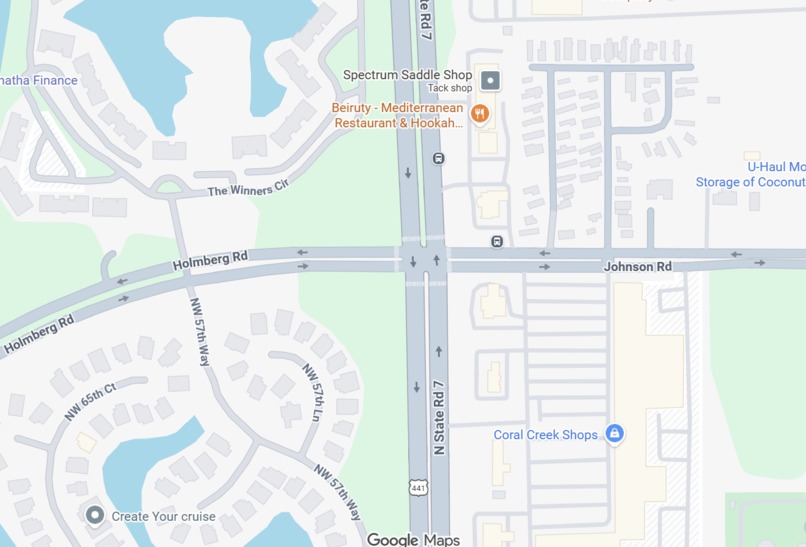
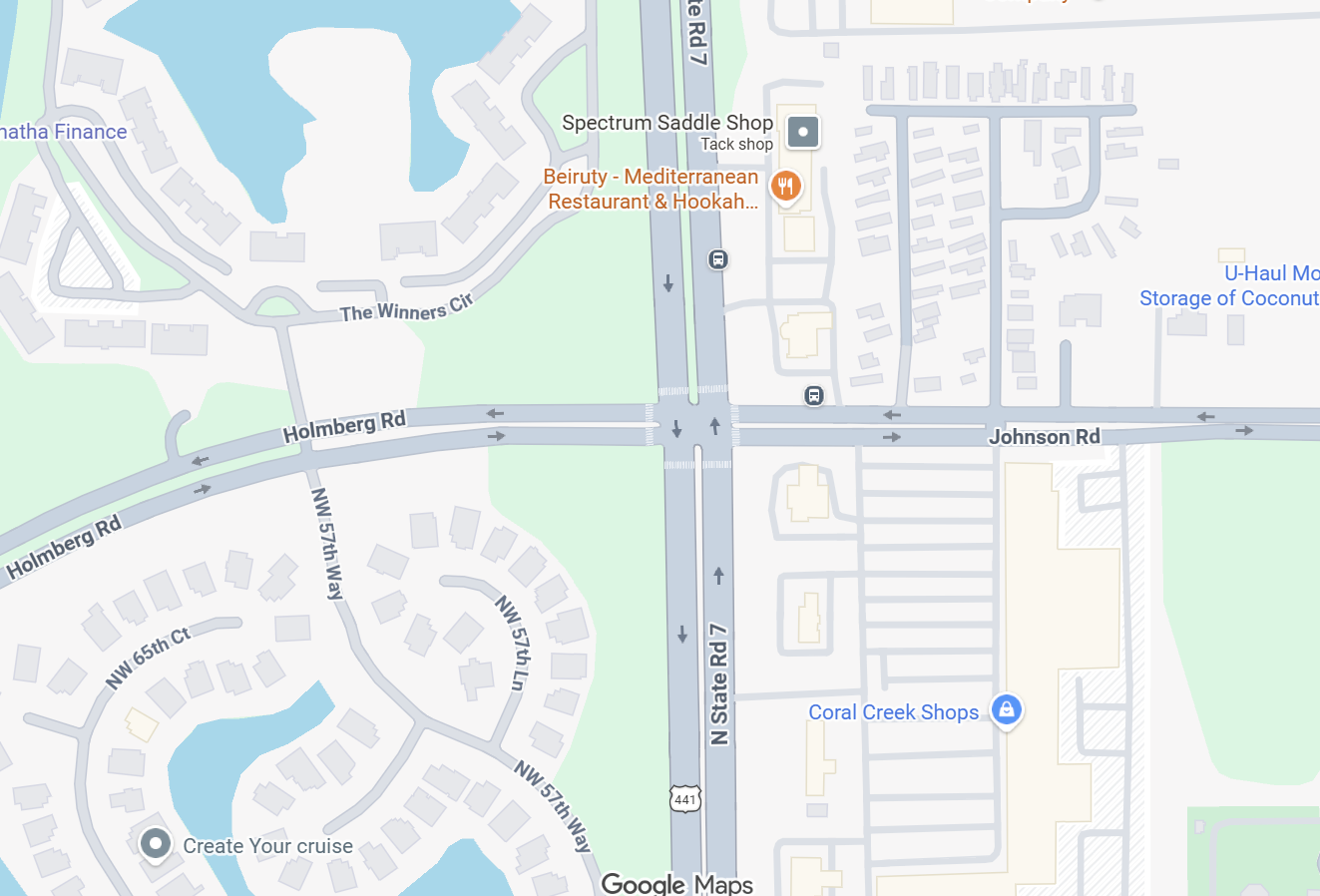
Image of an intersection. Goes in the images folder
-
Inspiration
Congestion, traffic, and blockages are problems that every South Floridian encounters on a daily basis. It wastes fuel, delays work and academic productivity, and increases the risk of car accidents, risking the safety, quality of life, and economic growth of daily commuters.
What it does
It analyzes the number of cars on the road, the times the cars arrived, and makes data informed decisions to change the traffic lights in intersections, accordingly, allowing efficient traffic flow and less congestion.
How we built it
For the from end, we used html, css, and flask as a framework to connect the AI to the frontend. For the backend, we used stable_baseline3 to train and fine tune the AI model, and S.U.M.O. (Simulation of Urban Mobility) to simulate it. As the AI gave responses that didint make sense or had a car sit at the red light for an unreasonable amount of time, we gave it negative reward points to guide it towards better results.
Challenges we ran into
We struggled finding these datasets and because there were so many we needed, we did not have the hardware necessary to download and manage them quickly. For the front end, we struggled finding a way to concisely present the results of the AI concisely under the time constraint.
Accomplishments that we're proud of
We were able to find software that simulates the results of AI on a simulated intersection, making the process of interpreting the AI's results smoother.
What we learned
We learned how to divide and conquer based on our specialized skills. After utilizing these skills, we were also able to learn more about sides of developing AI that one person was not familiar with, but other team members were specialized in.
What's next for Nerds
With further success of this demo, there is potential to test it on physical traffic lights and record its results. If successful, it can be deployed throughout South Florida and even the whole country to manage congestion and traffic flow.

Log in or sign up for Devpost to join the conversation.