Inspiration
Premature and newborn babies in Neonatal Intensive Care Units (NICUs) require continuous monitoring to ensure their safety and well-being. However, healthcare professionals often manage multiple patients simultaneously, making it difficult to continuously observe every infant. Delayed detection of critical changes in vital signs can lead to severe complications. We were inspired to develop NeoGuard to provide an intelligent monitoring solution that combines IoT and Artificial Intelligence to support healthcare professionals, improve neonatal safety, and enable faster medical intervention.
What it does
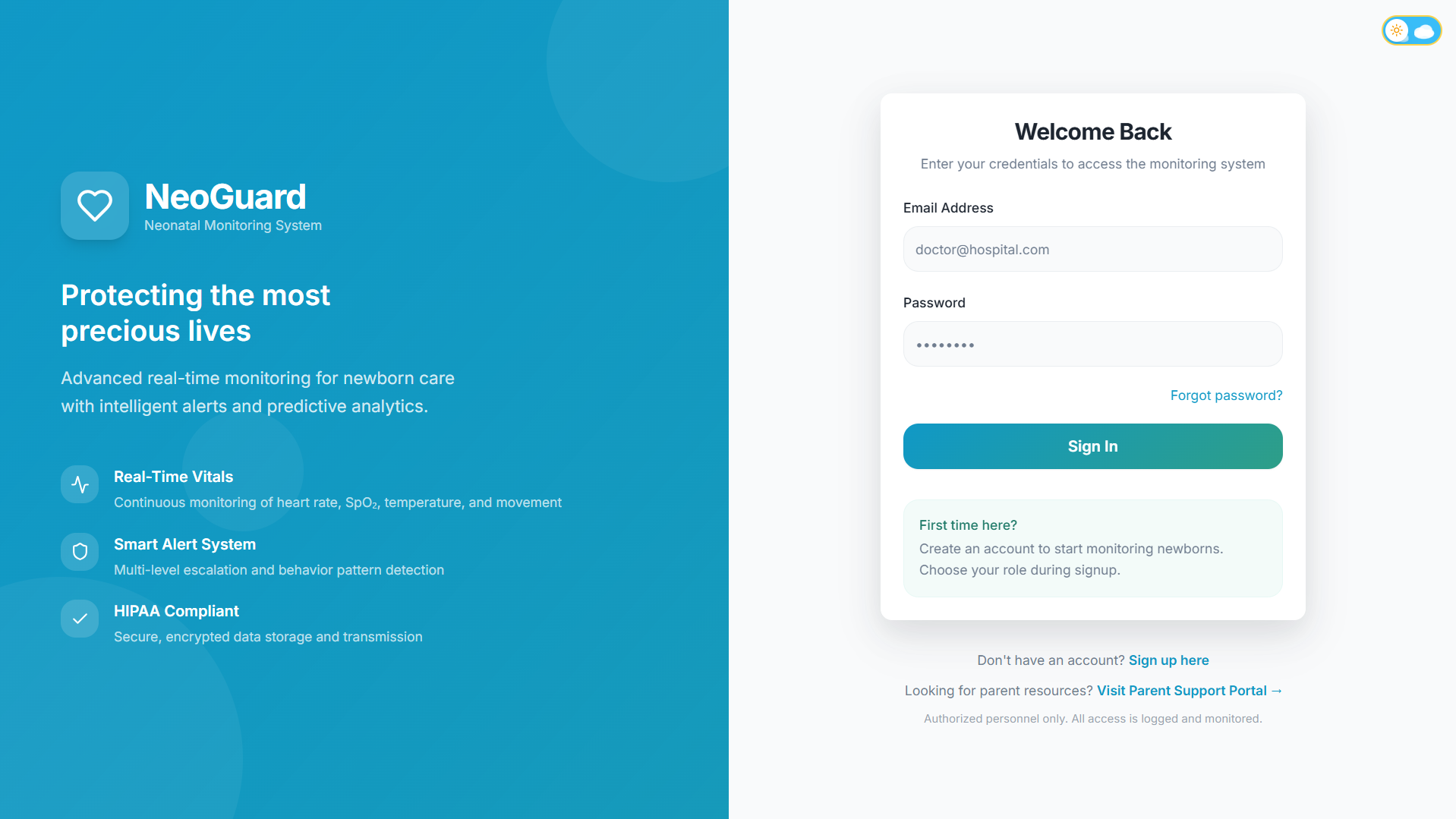
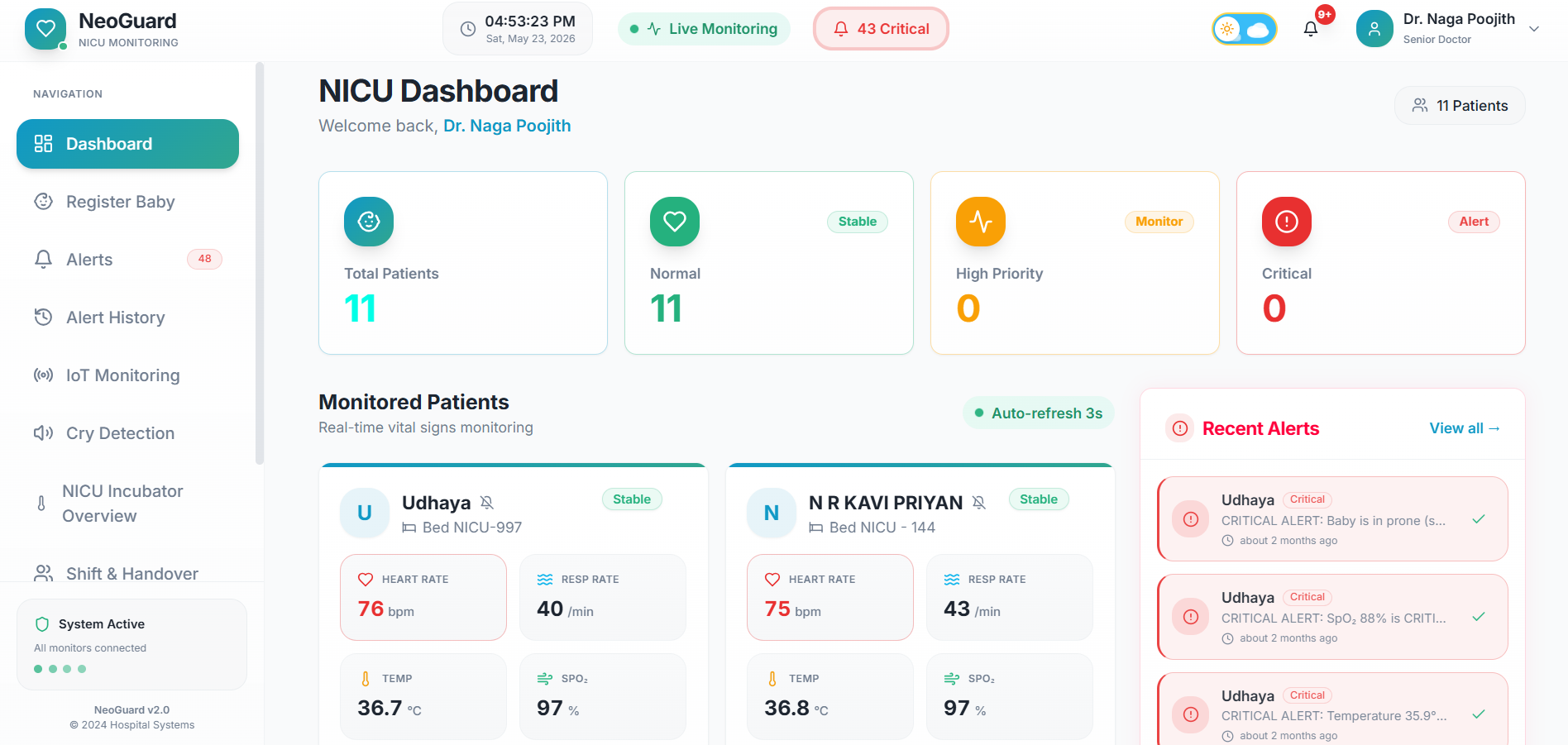
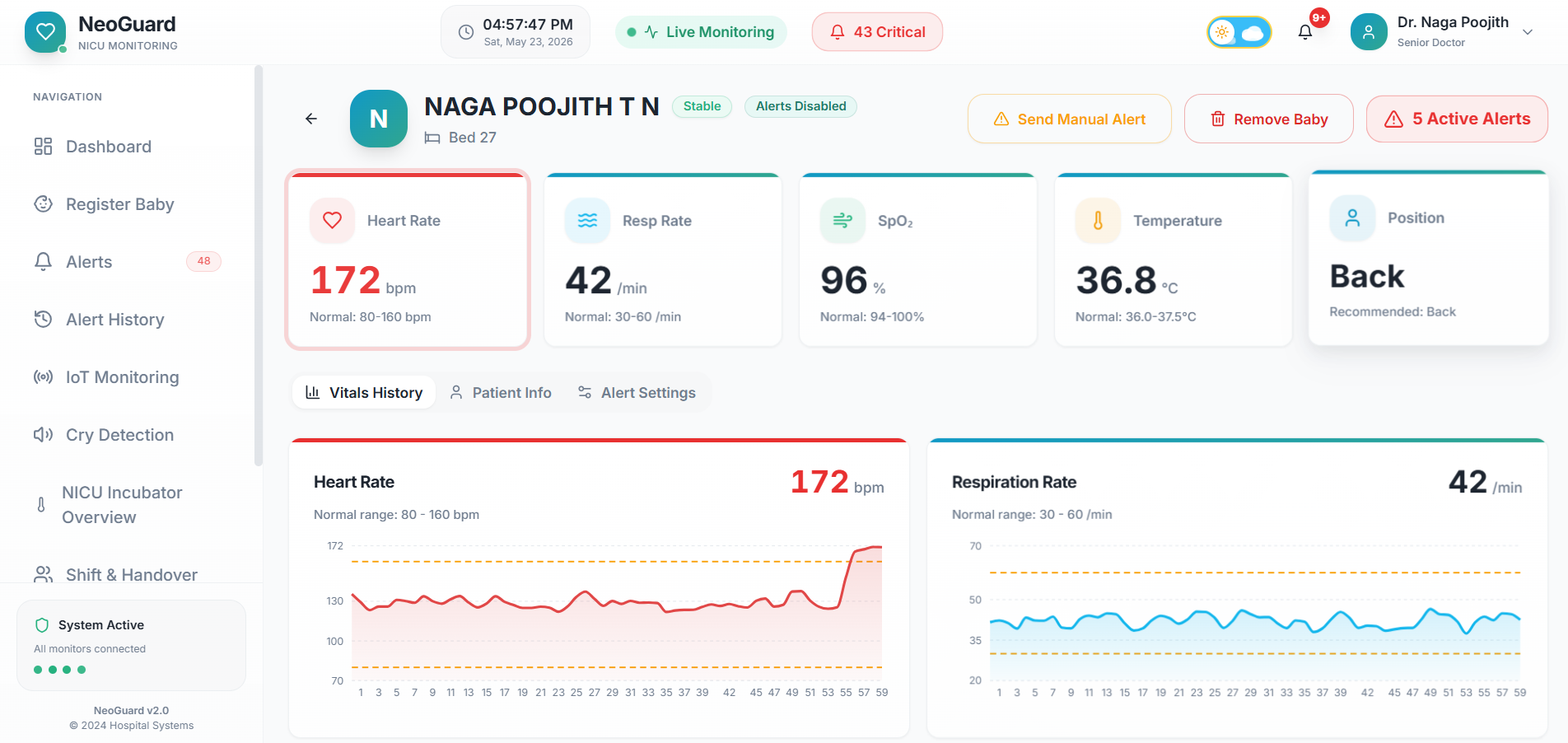
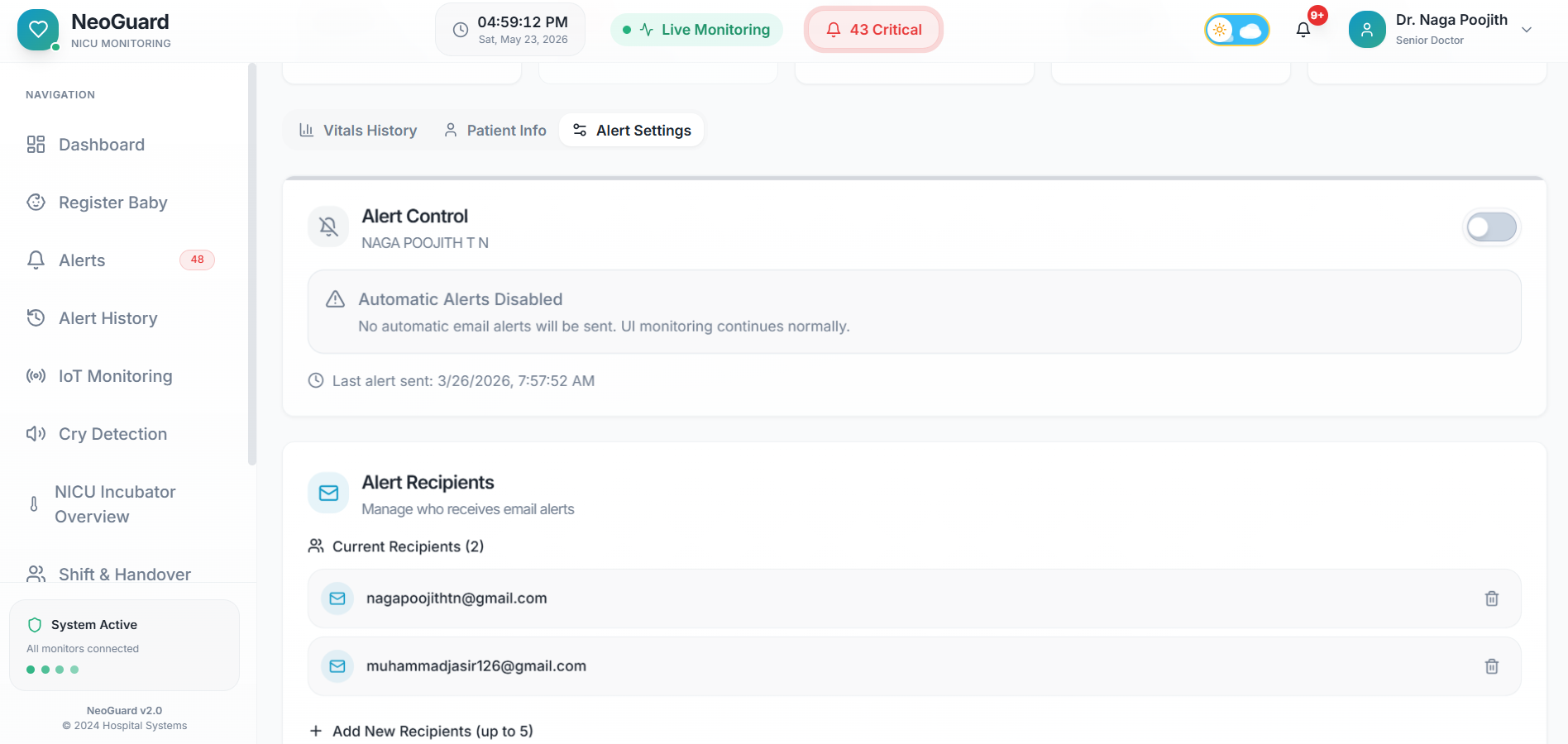
NeoGuard is an AI-powered IoT neonatal monitoring system designed to provide real-time monitoring and intelligent healthcare support for NICUs.
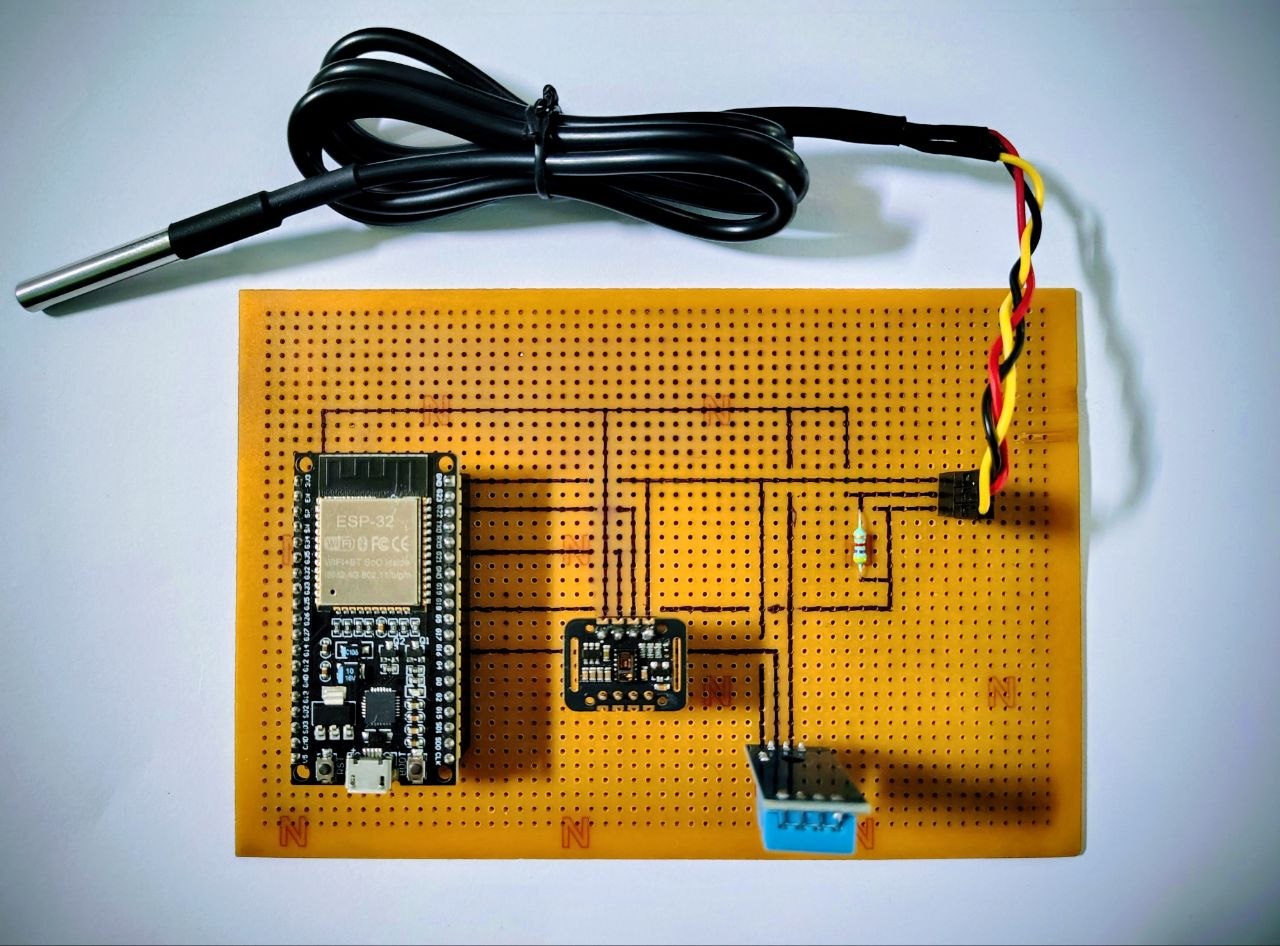
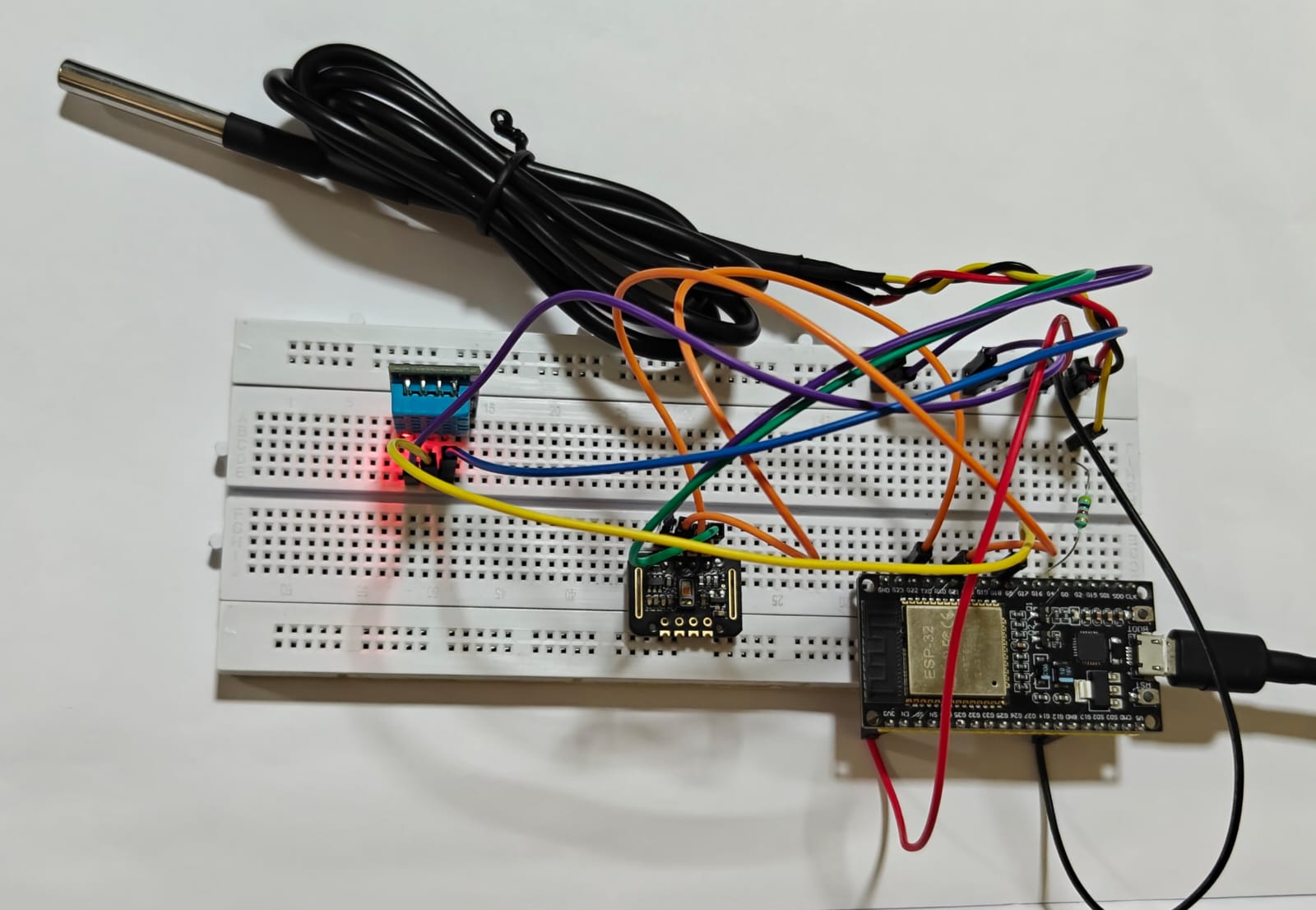
The system continuously monitors neonatal health using:
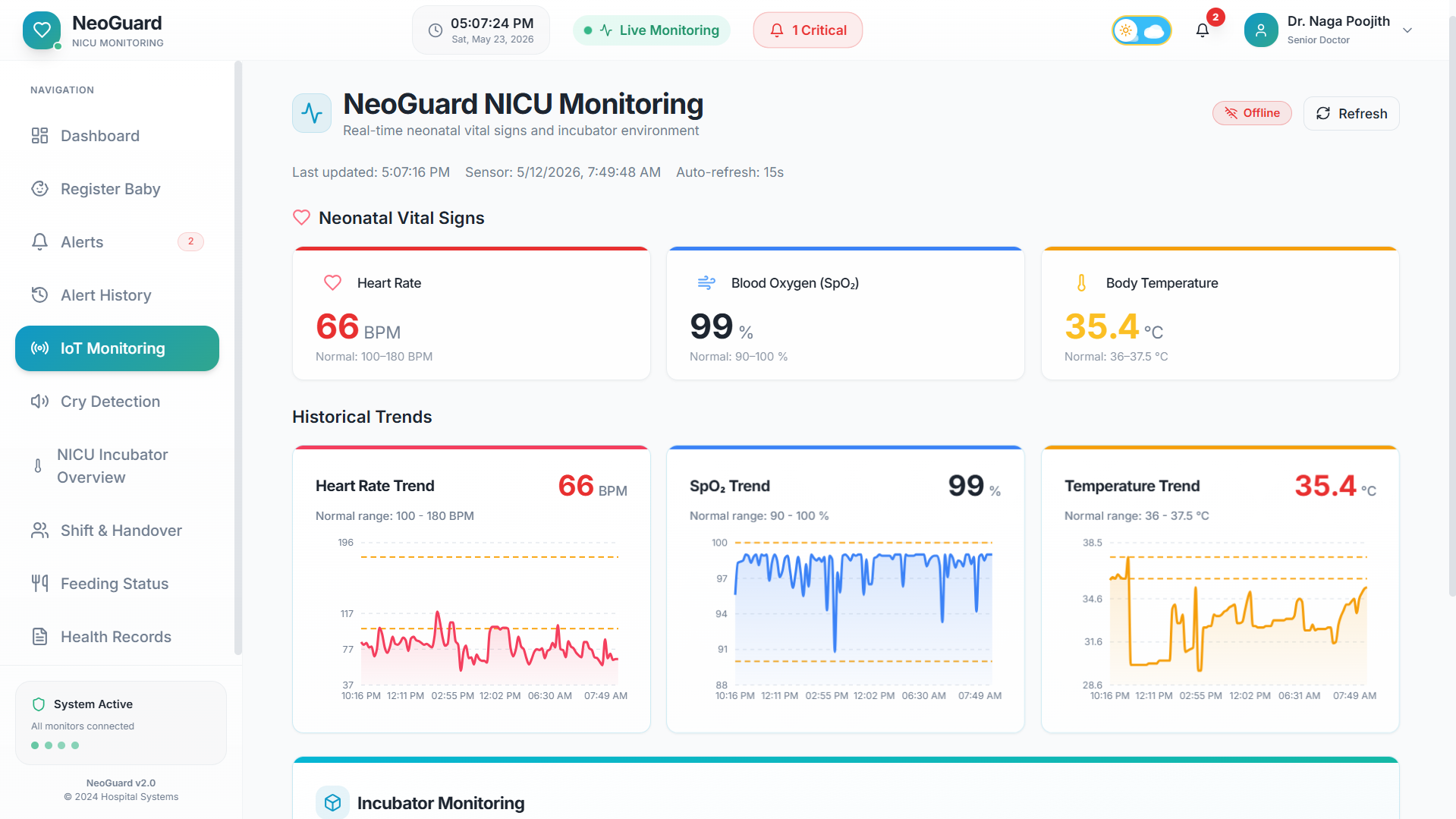
- MAX30102 Sensor (Heart Rate & SpO₂)
- DS18B20 Sensor (Body Temperature)
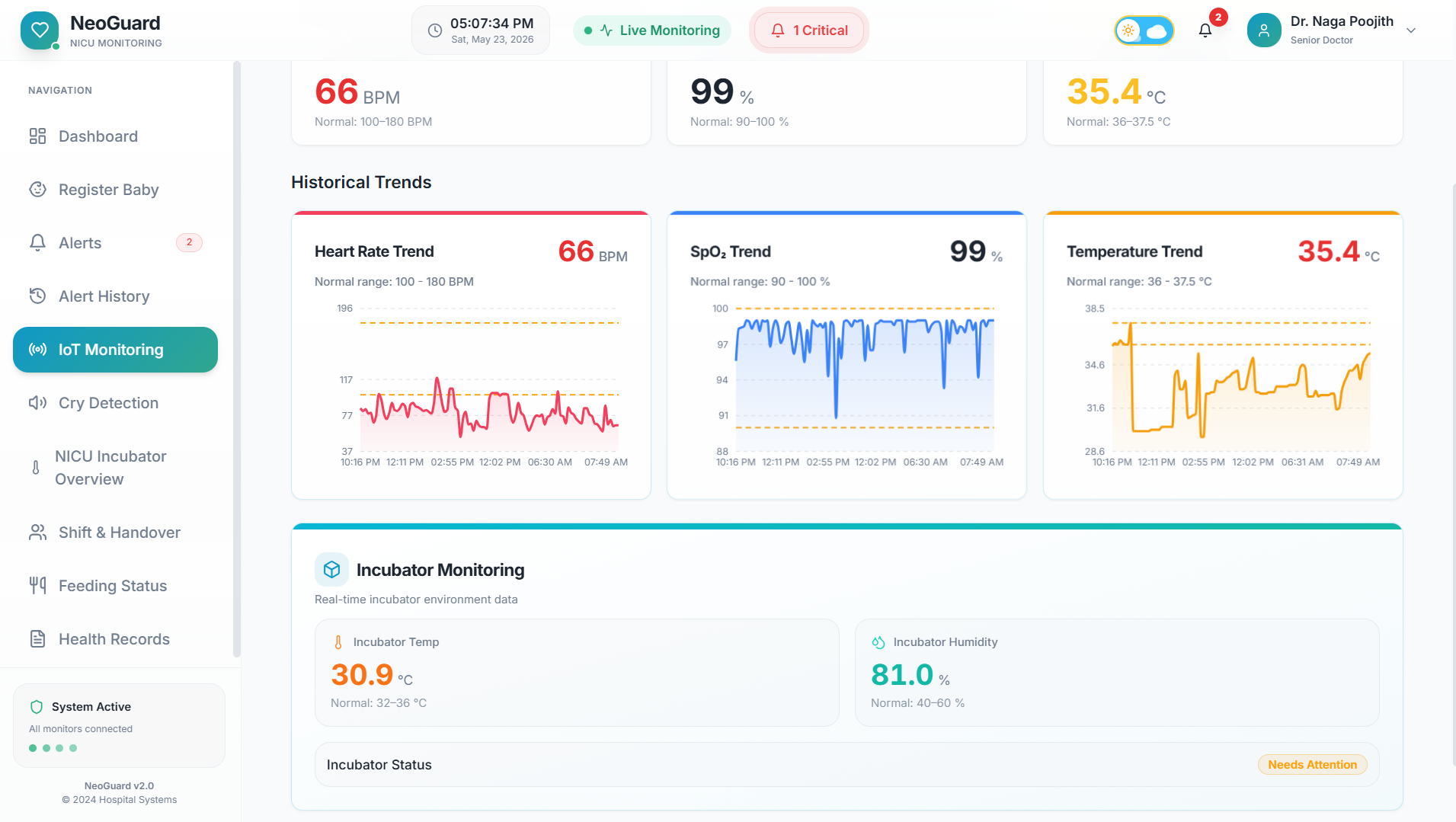
- DHT11 Sensor (Temperature & Humidity)
Key Features:
- Real-time vital sign monitoring
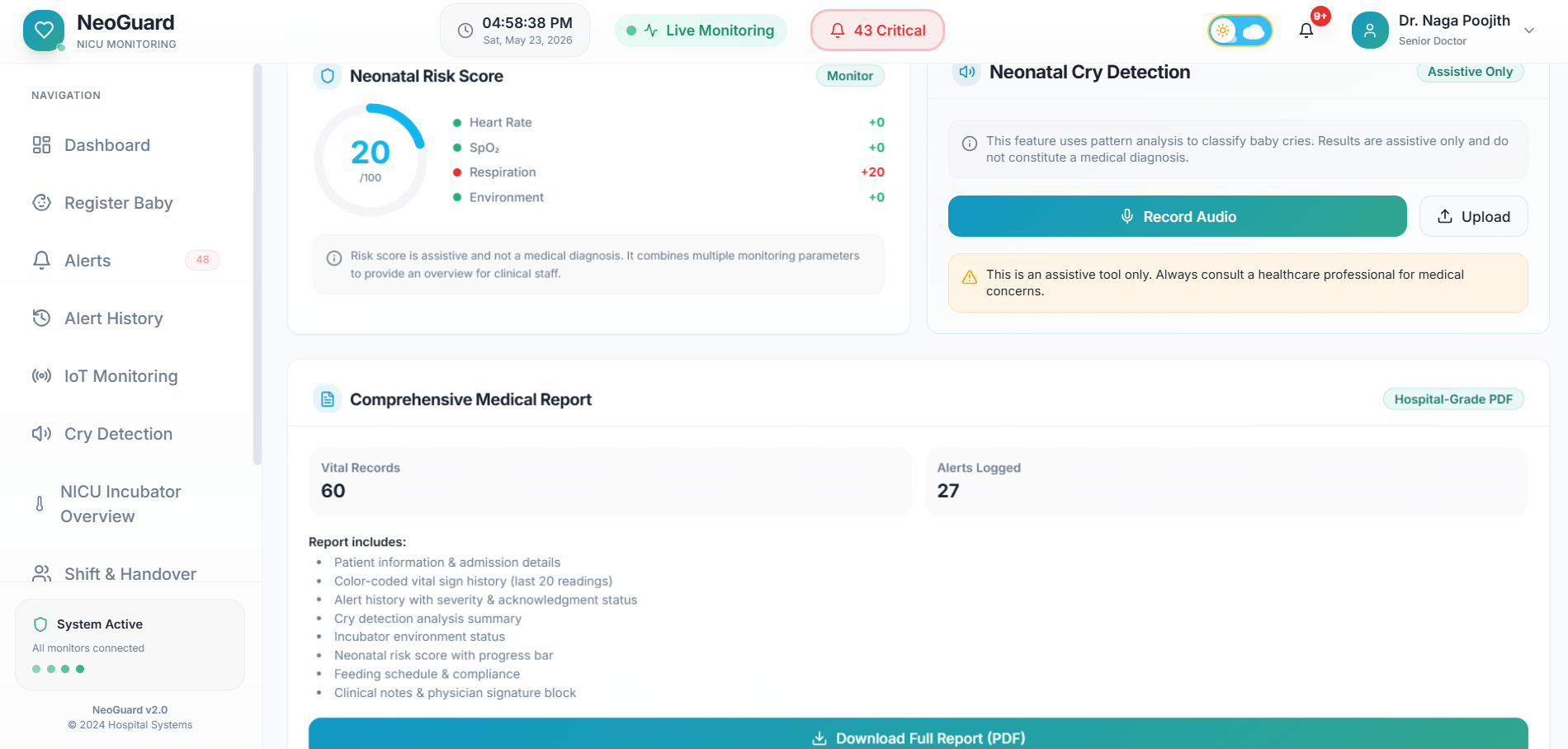
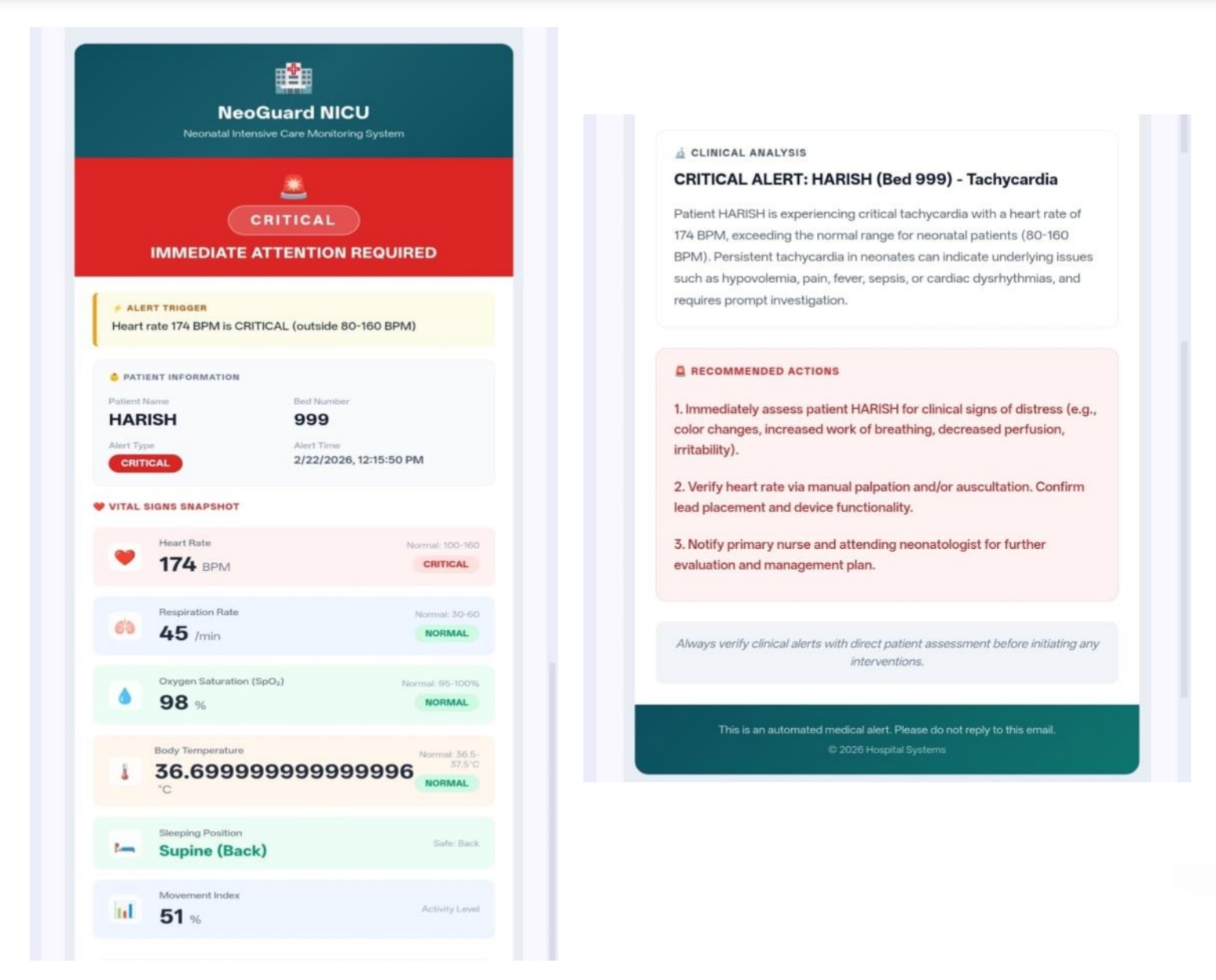
- AI-powered neonatal risk assessment
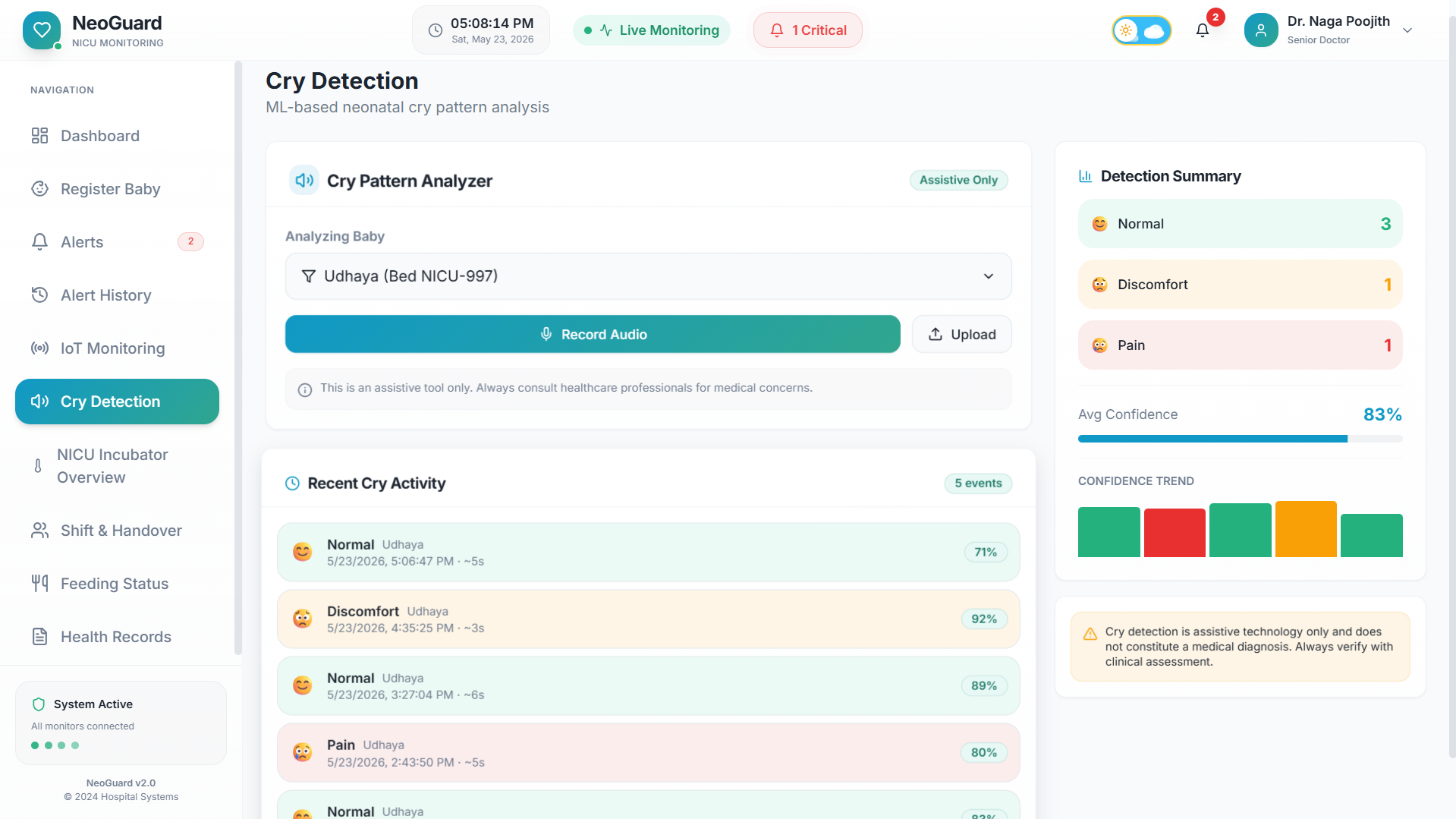
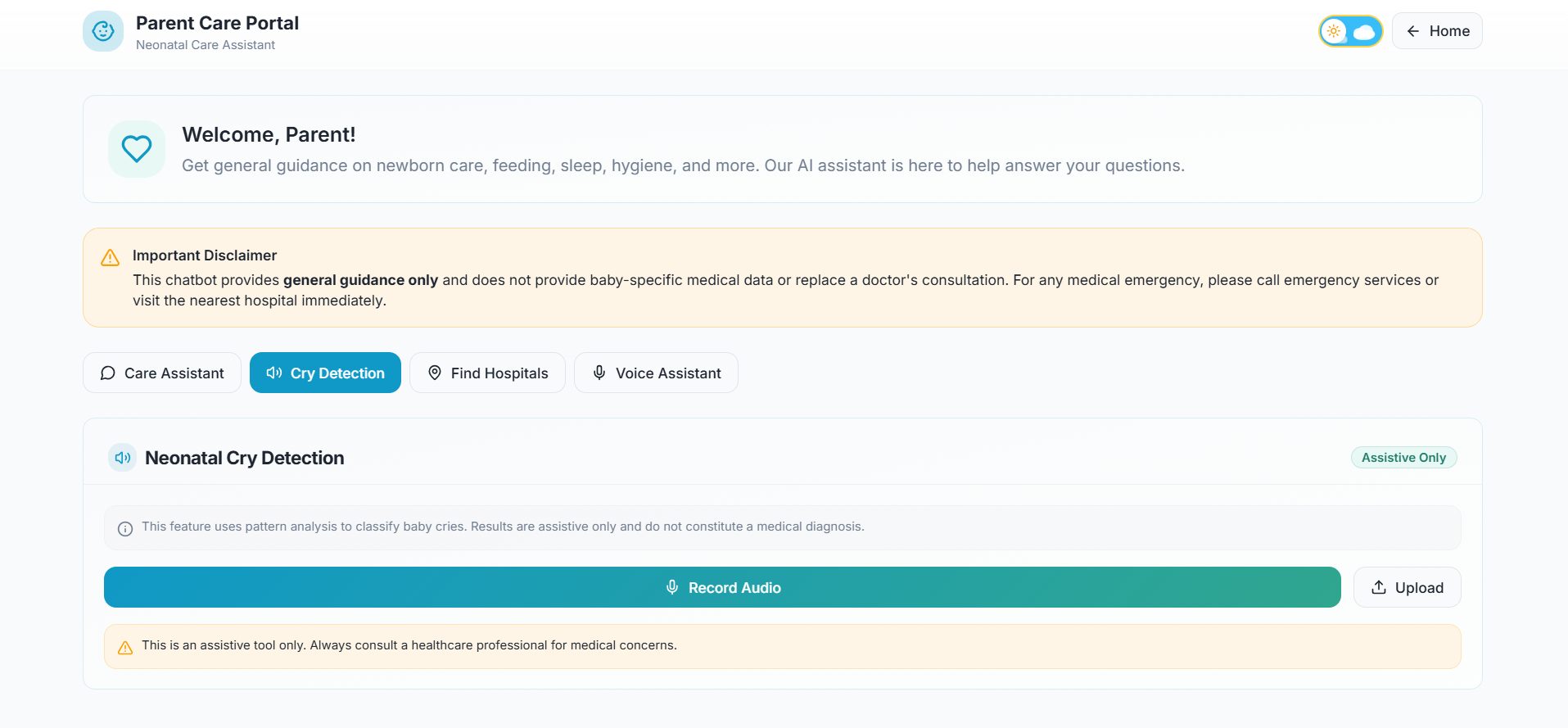
- Cry detection and classification
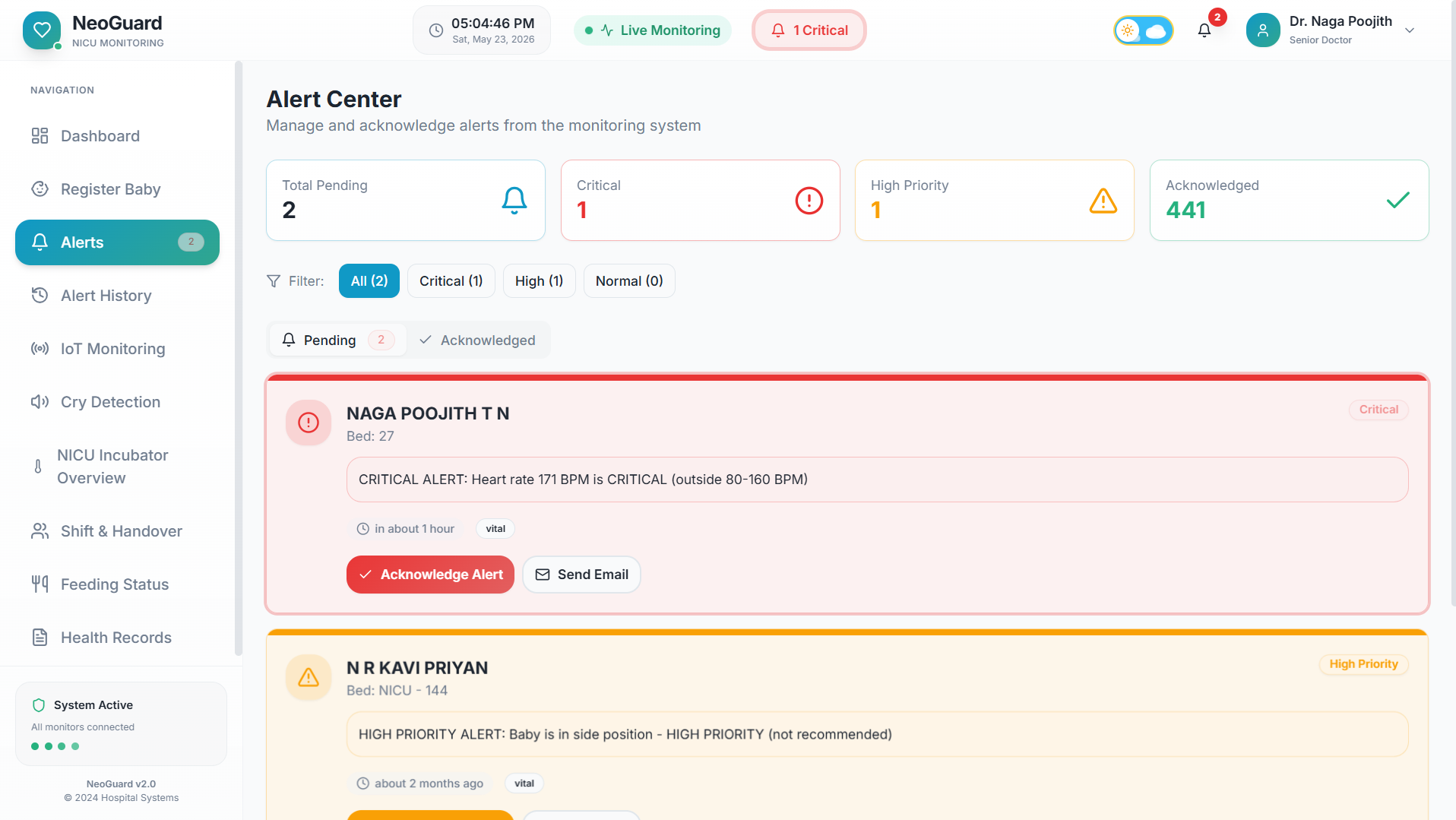
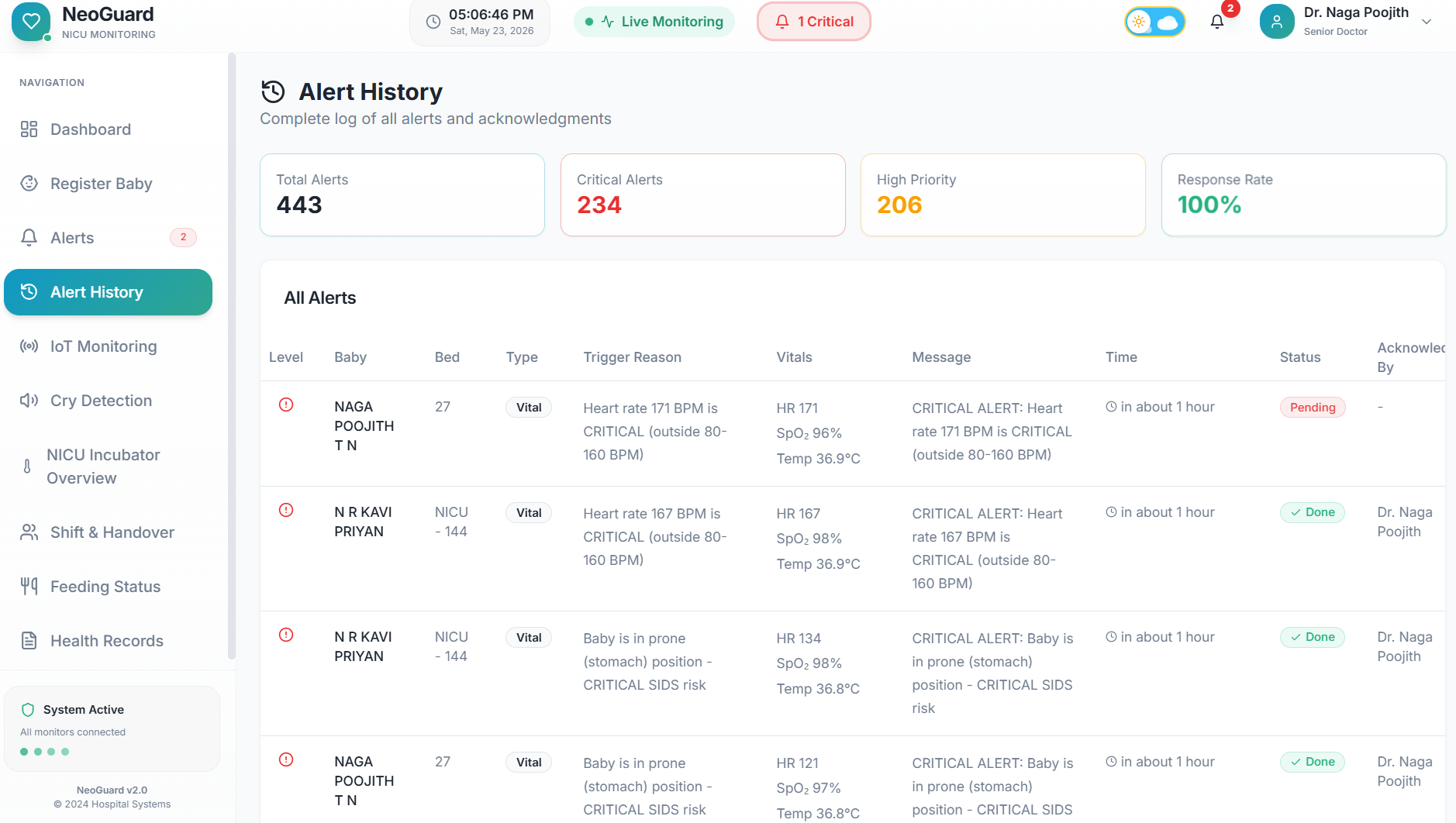
- Automated multi-level alert escalation
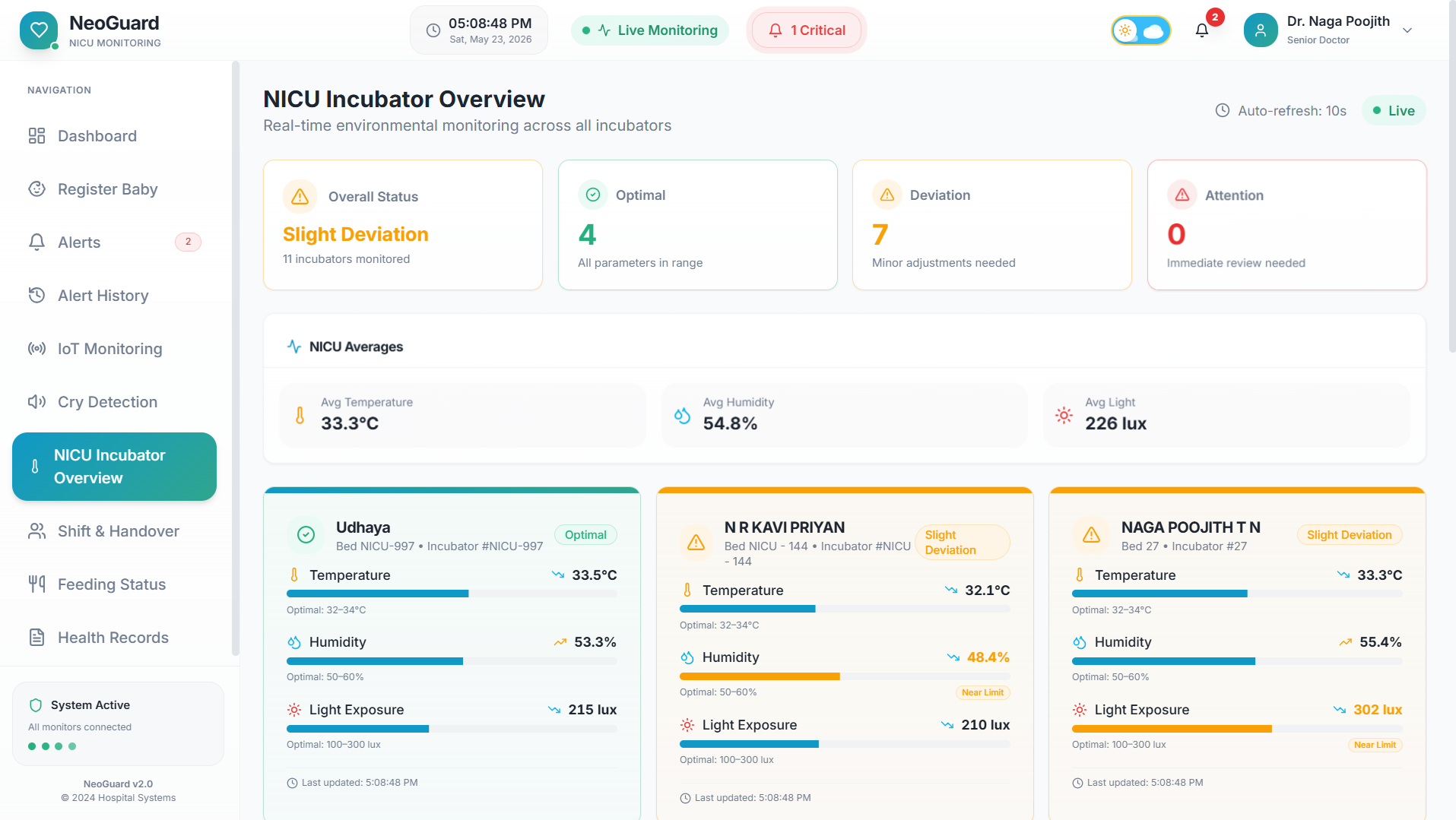
- NICU incubator environment monitoring
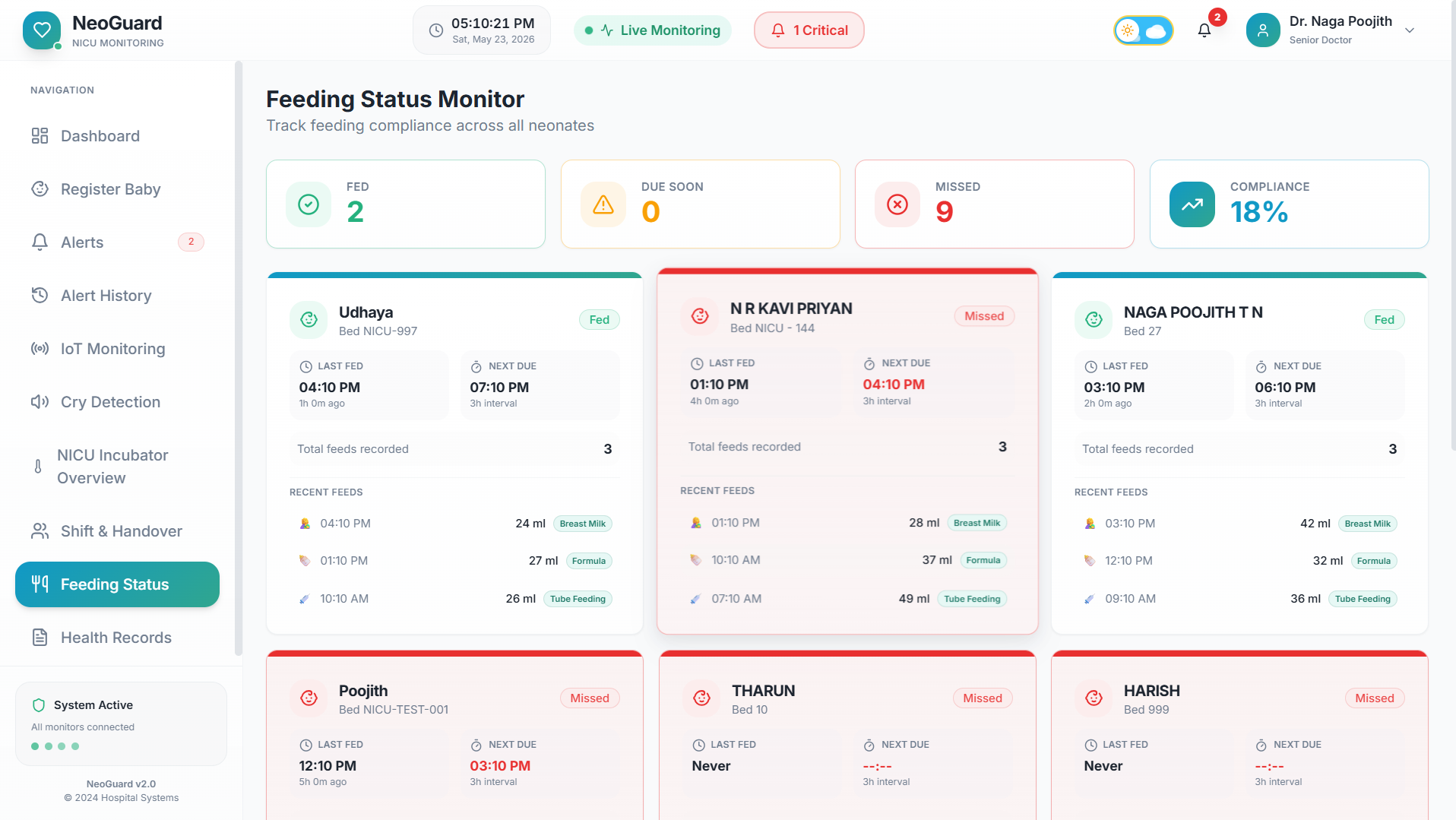
- Feeding management and tracking
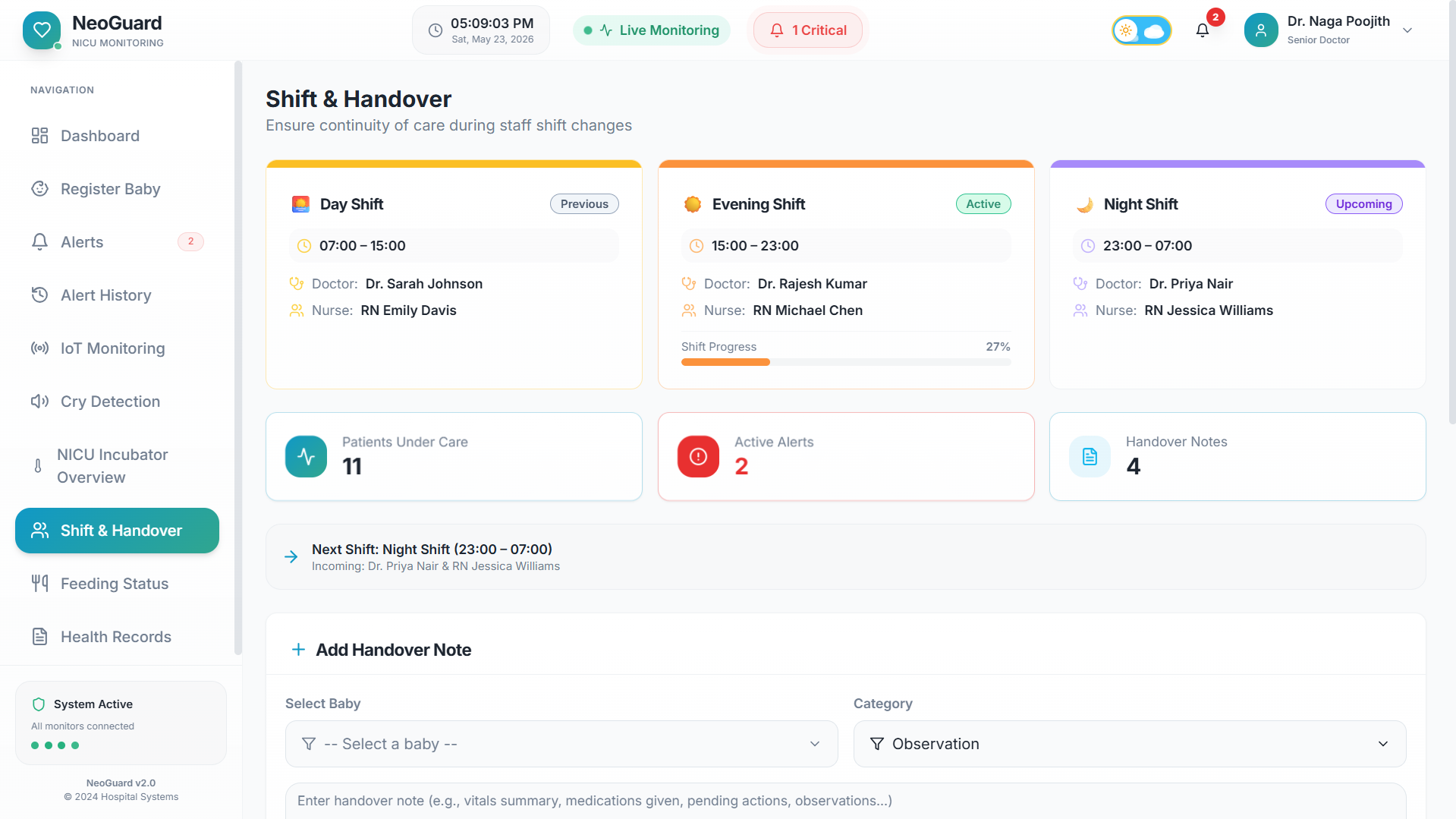
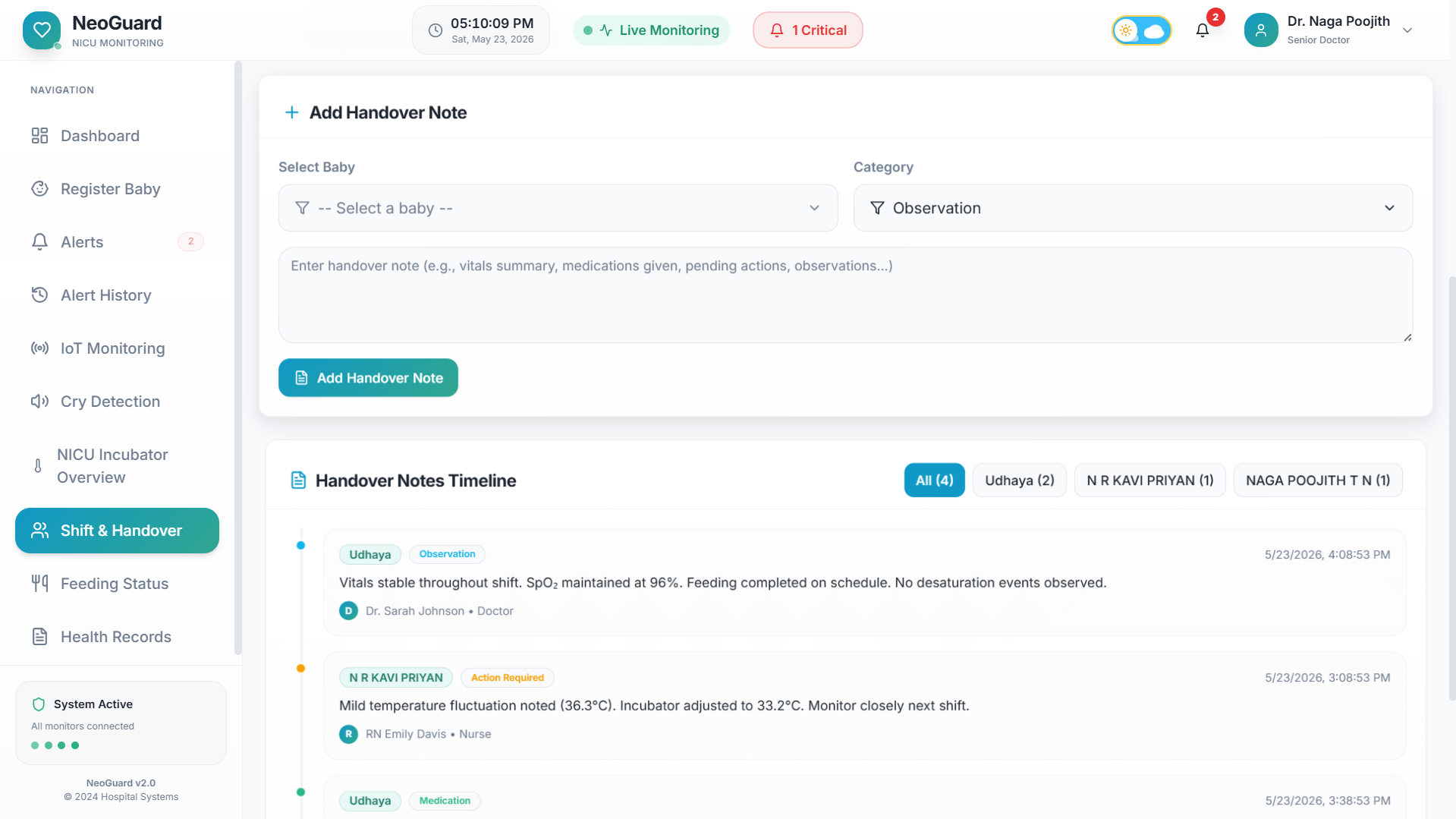
- Shift and handover management
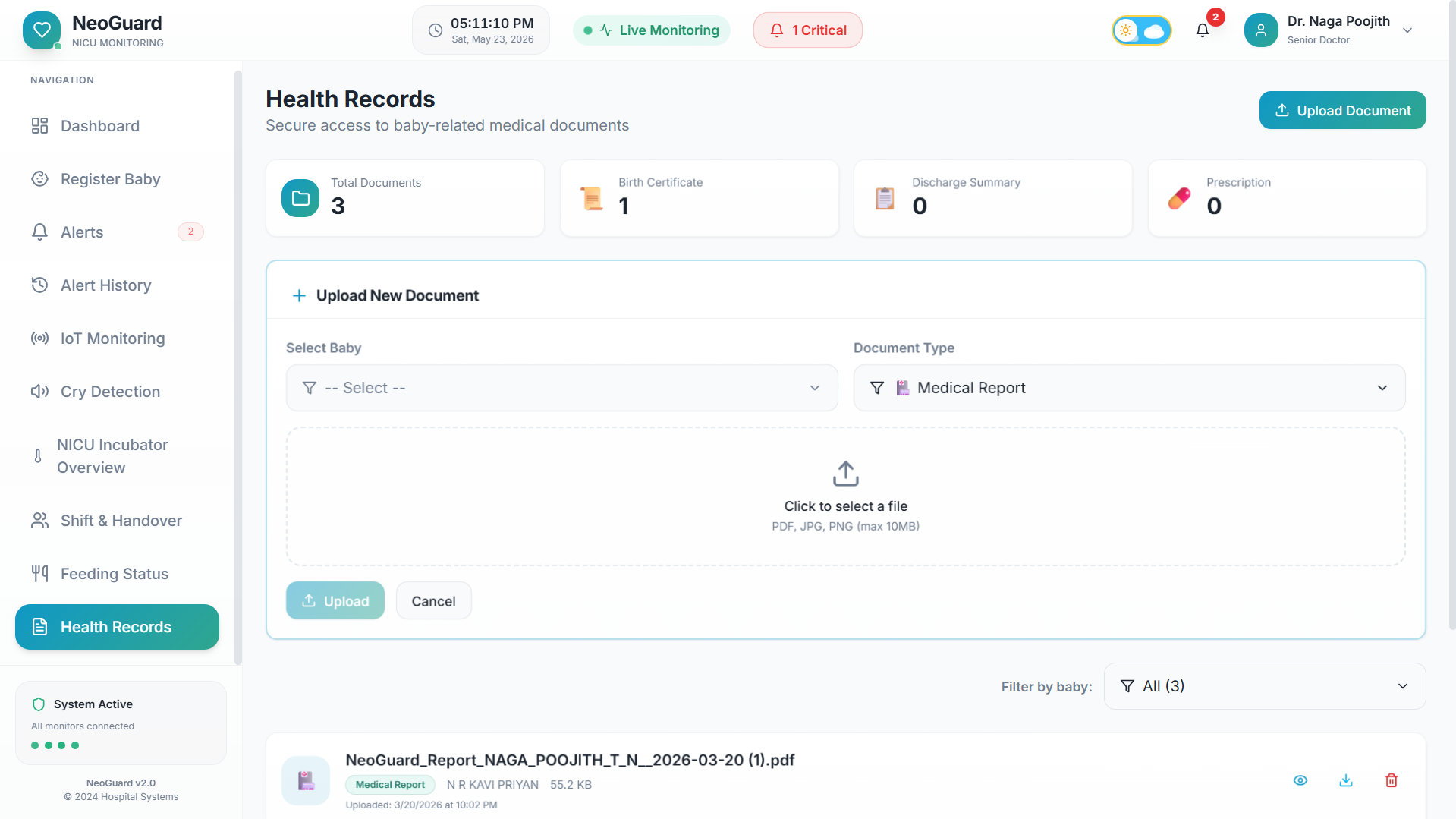
- Health record management
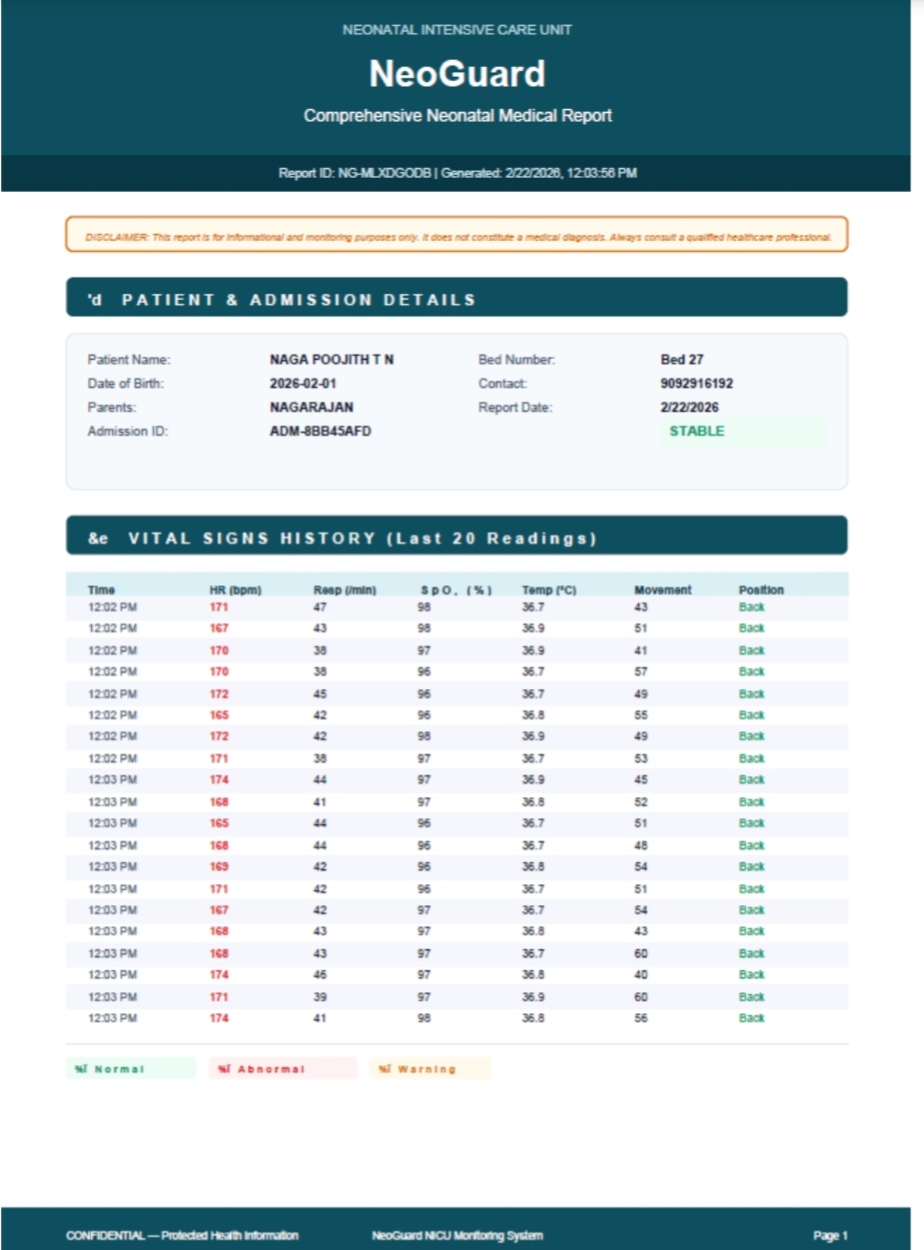
- Hospital-grade PDF medical report generation
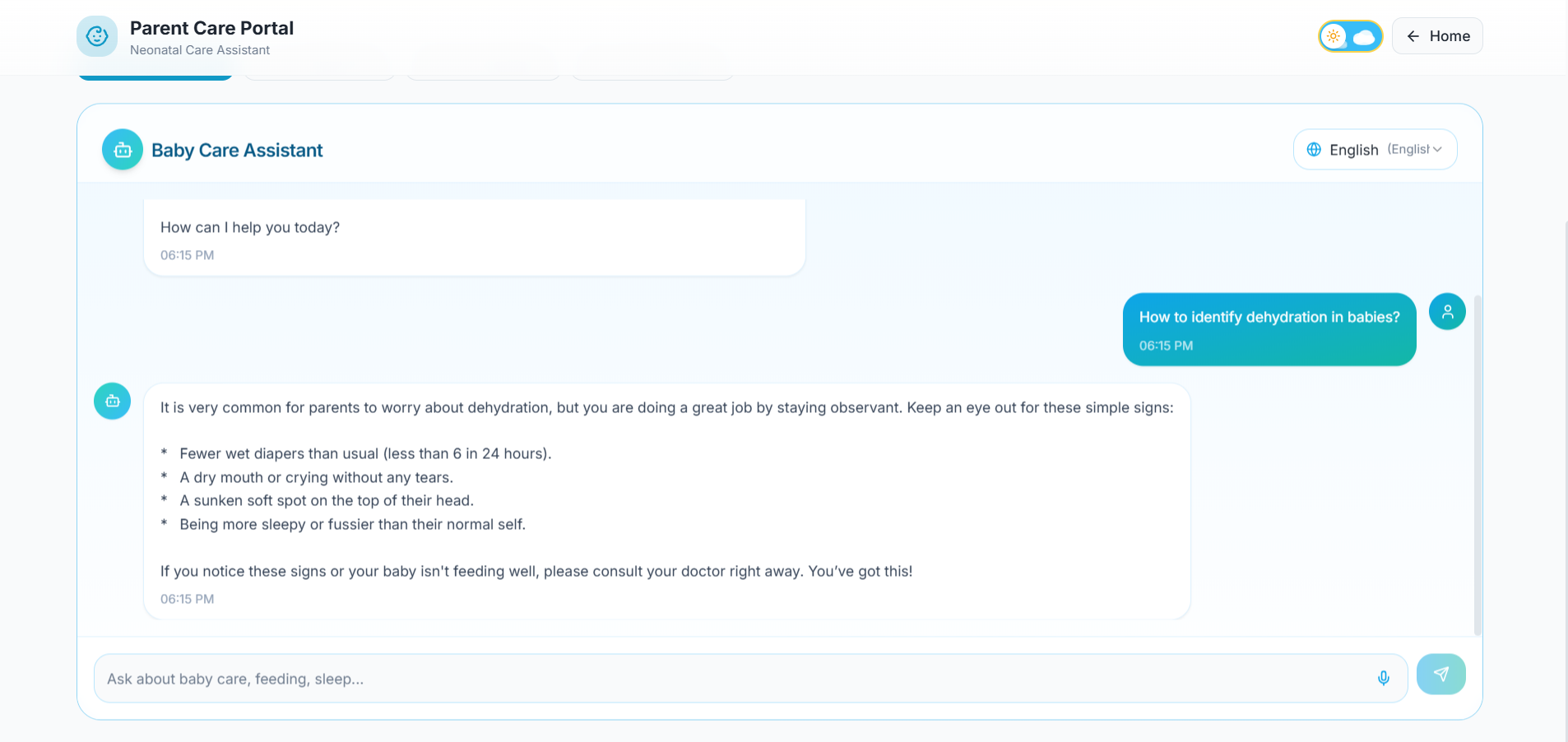
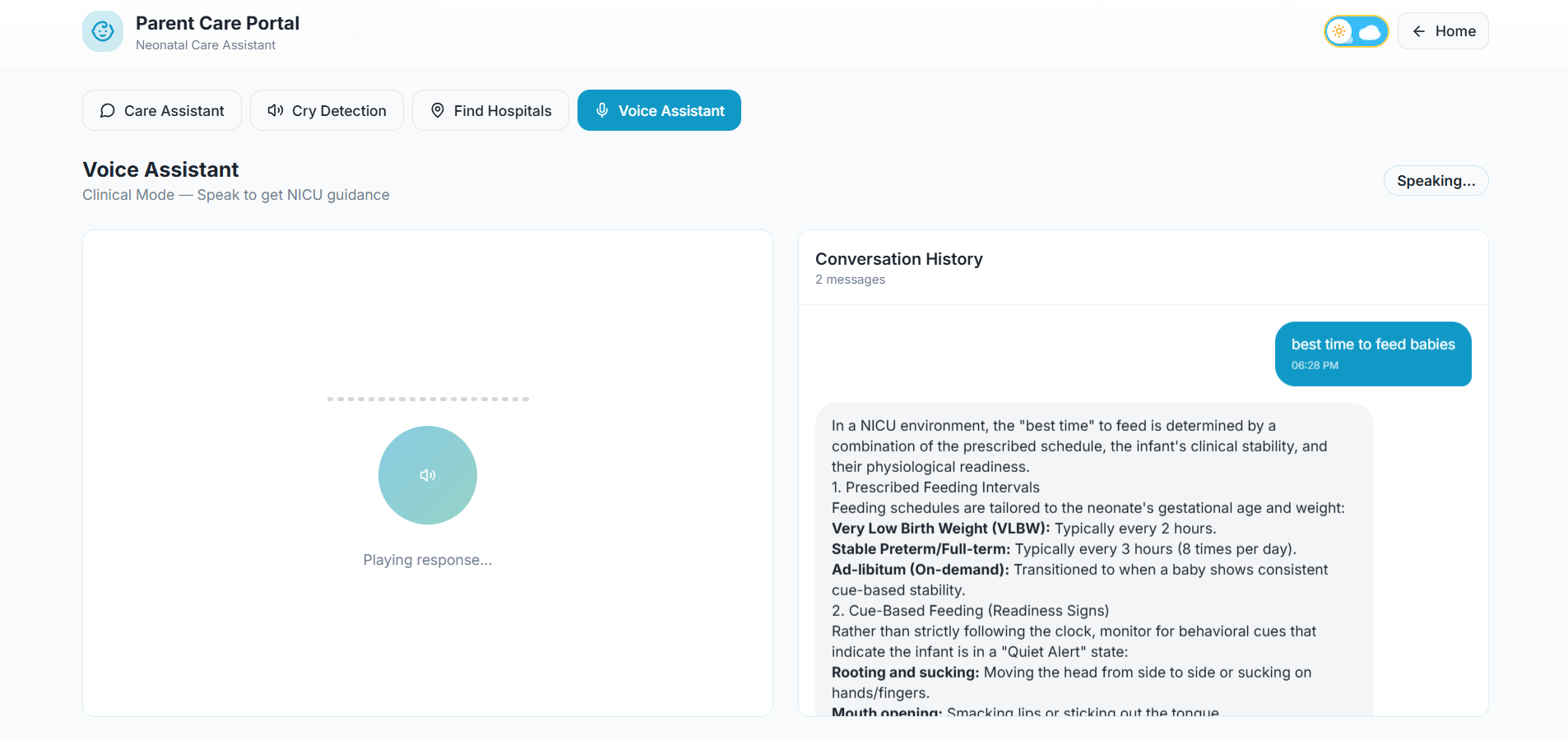
- Multilingual parent support chatbot
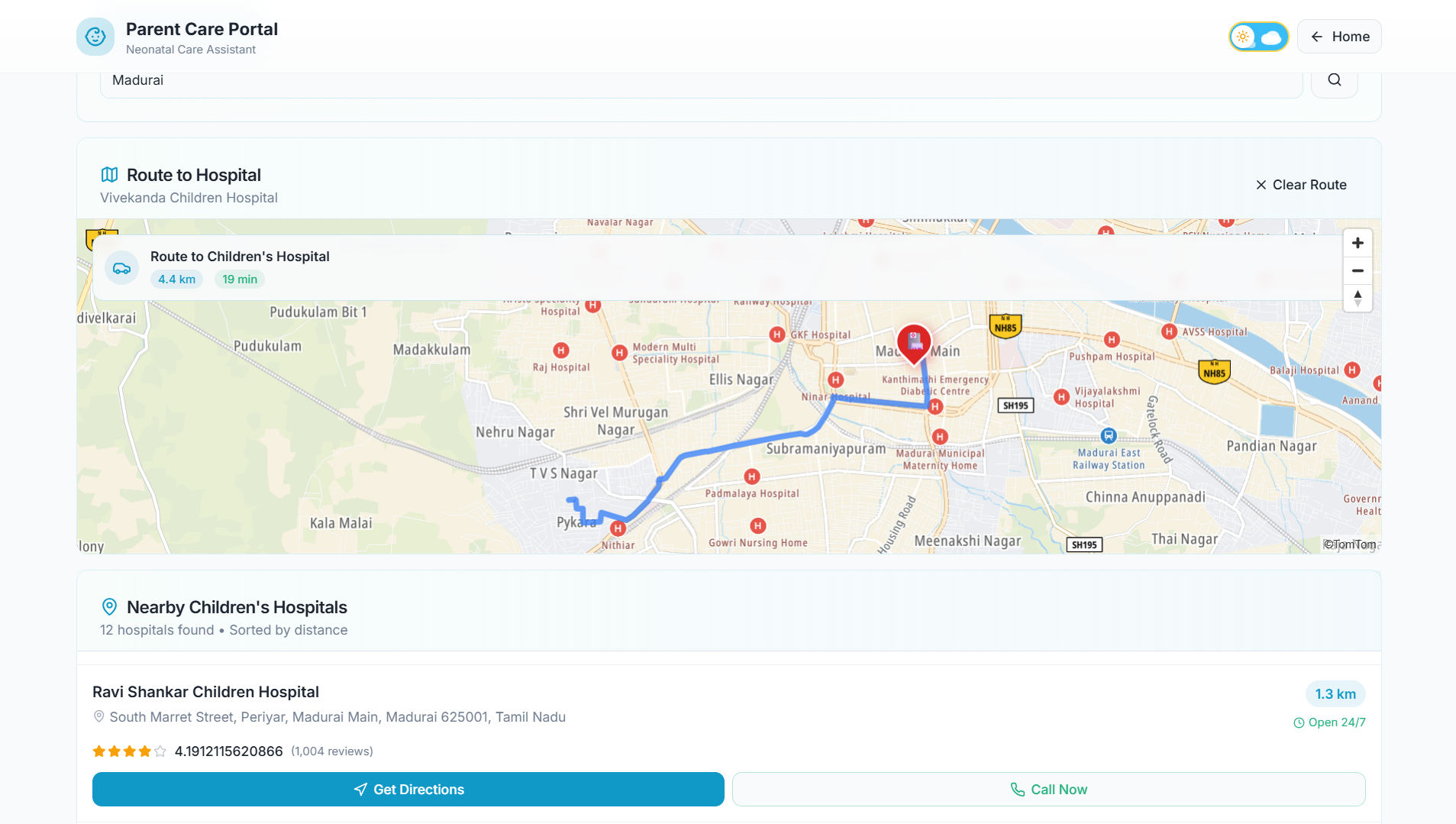
- Nearby hospital discovery and navigation
NeoGuard helps healthcare professionals identify potential health risks early and respond quickly to critical situations.
How We Built It
We developed NeoGuard using a combination of IoT hardware, Artificial Intelligence, cloud services, and modern web technologies.
Hardware
- MAX30102 (Heart Rate & SpO₂)
- DS18B20 (Body Temperature)
- DHT11 (Temperature & Humidity)
- ESP32 Microcontroller
Software & Technologies
- React.js
- Tailwind CSS
- FastAPI
- Python
- PostgreSQL
- Pandas
APIs & Cloud Services
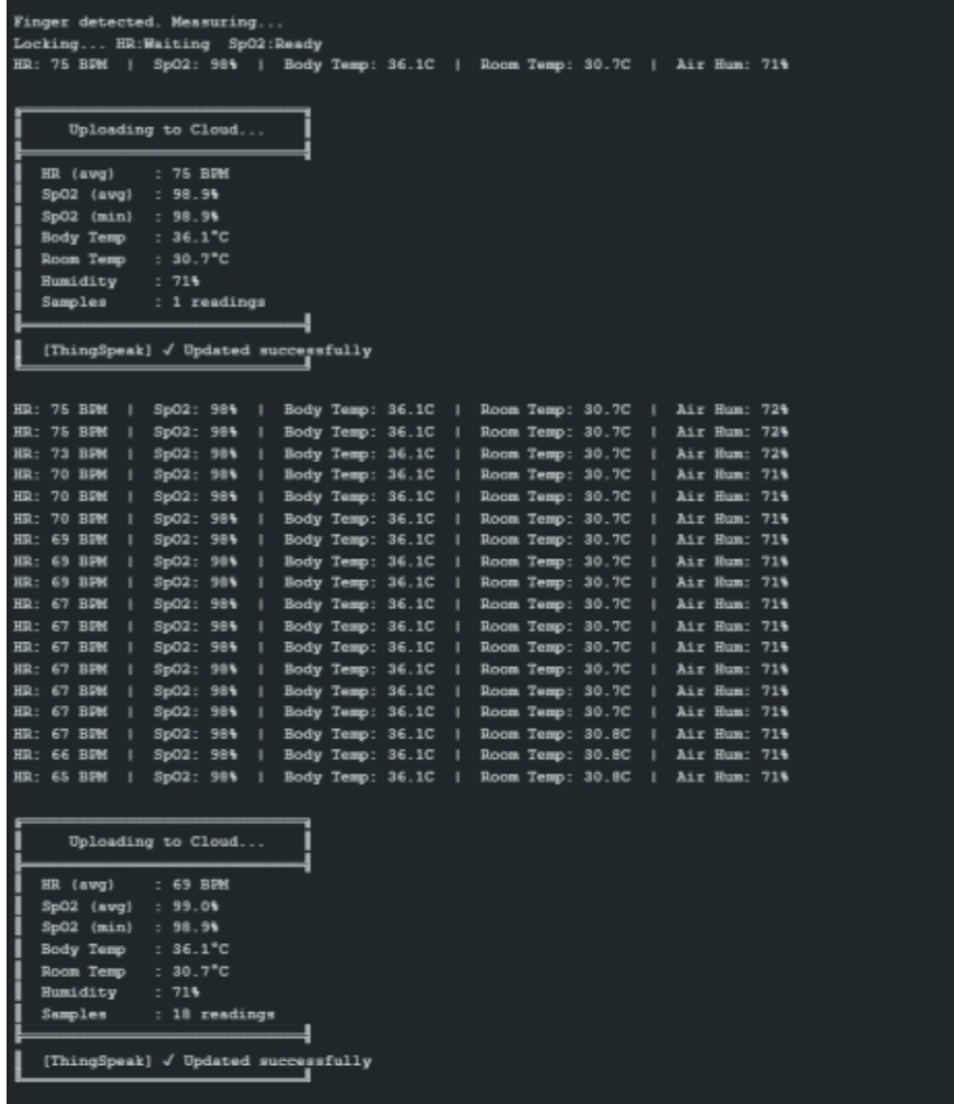
- ThingSpeak API for IoT communication
- Brevo API for automated email alerts
- OpenAI API for multilingual chatbot support
- TomTom API for hospital navigation and directions
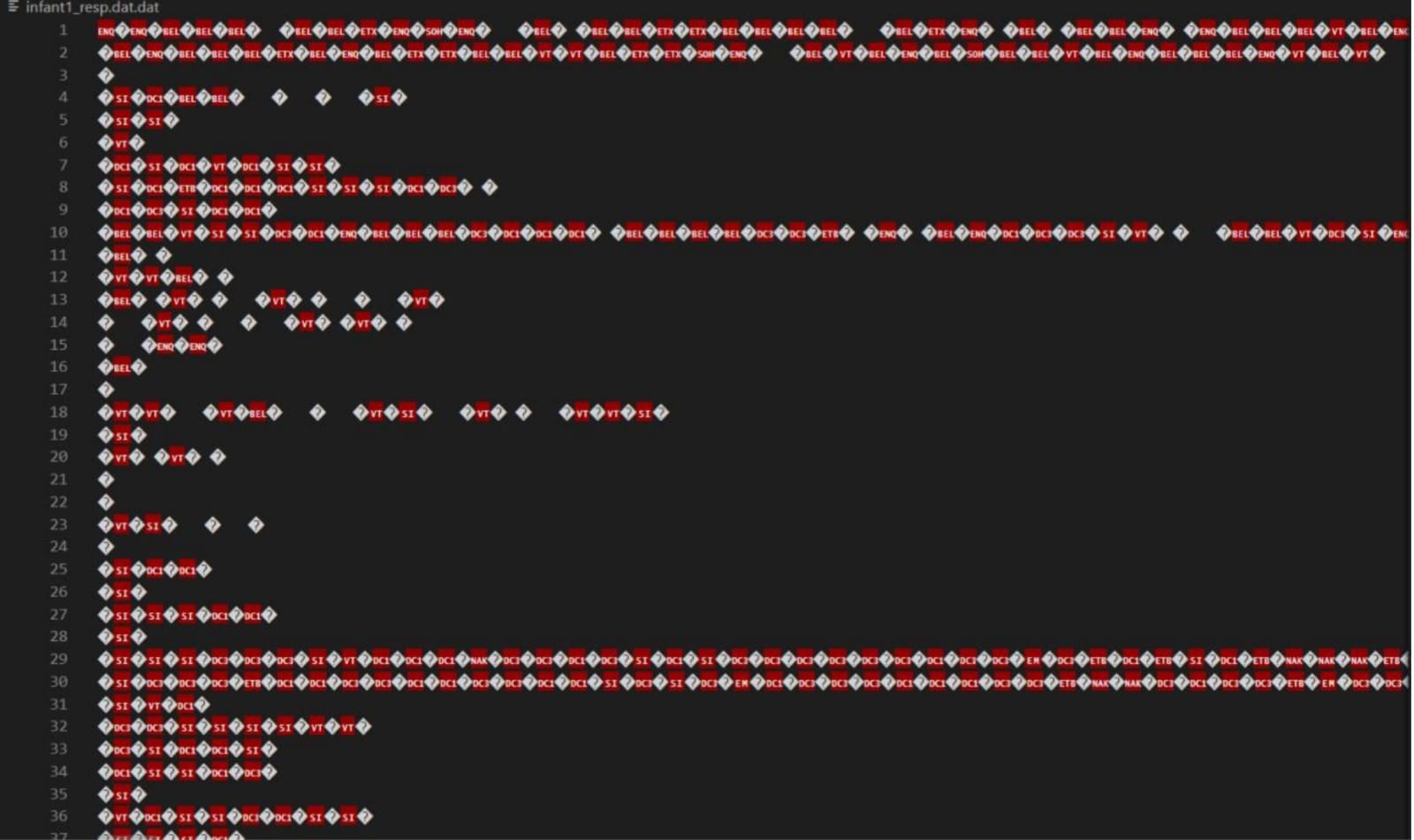
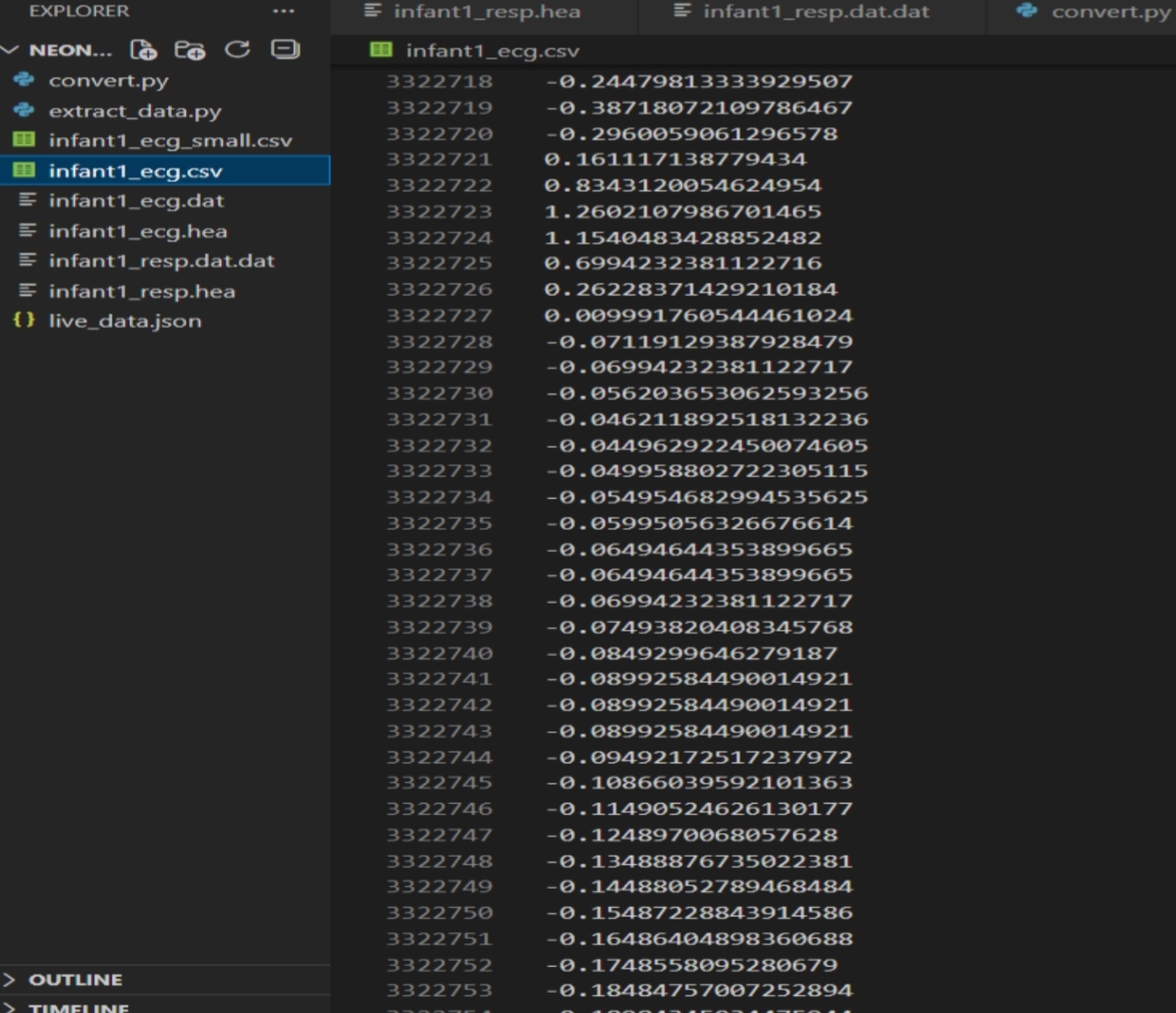
To develop our AI modules, we utilized neonatal datasets from PhysioNet and processed them using Python and Pandas for data cleaning, transformation, and analysis.
Challenges We Ran Into
One of the biggest challenges was obtaining and processing neonatal healthcare data. Since real-time neonatal medical data is highly sensitive and difficult to access, we relied on PhysioNet datasets. These datasets were available in clinical formats and required extensive preprocessing, normalization, and conversion into machine-readable datasets suitable for AI analysis.
We also faced hardware challenges during development. Some sensors were damaged during soldering, and we encountered wiring issues and communication failures between sensors, ESP32, and cloud services. Achieving reliable real-time data transmission required extensive debugging, testing, and system optimization.
Accomplishments That We're Proud Of
- Successfully integrated IoT hardware with a real-time healthcare platform
- Implemented AI-powered neonatal risk assessment
- Developed cry detection and classification capabilities
- Built an automated multi-level alert escalation system
- Generated hospital-grade PDF medical reports
- Integrated multilingual parent support features
- Connected real-time sensor data with cloud services
- Created a complete end-to-end neonatal monitoring solution
What We Learned
Through NeoGuard, we gained valuable experience in IoT development, sensor integration, healthcare technology, AI model development, cloud communication, real-time data processing, and full-stack web development. We also learned the importance of data quality, system reliability, and user-centric design when building healthcare solutions.
What's Next for NeoGuard
Our future roadmap includes:
- Advanced AI-based neonatal health prediction
- Digital Twin technology for neonatal monitoring
- Mobile applications for doctors and parents
- Integration with hospital information systems
- Enhanced deep-learning-based cry detection
- Real-time analytics dashboards
- Predictive emergency intervention recommendations
- Large-scale deployment across hospitals and NICUs
Our vision is to transform NeoGuard into a comprehensive smart neonatal healthcare platform that improves outcomes for newborns while supporting healthcare professionals with intelligent, data-driven decision-making.
Built With
- ai
- artificial-intelligence
- brevo-api
- cry-detection
- dht11
- ds18b20
- email-notifications
- esp32
- fastapi
- health-analytics
- iot
- machine-learning
- max30102
- nicu
- openai-api
- pandas
- physionet
- postgresql
- python
- react.js
- real-time-monitoring
- tailwind-css
- thingspeak-api
- tomtom-api


Log in or sign up for Devpost to join the conversation.