-
-
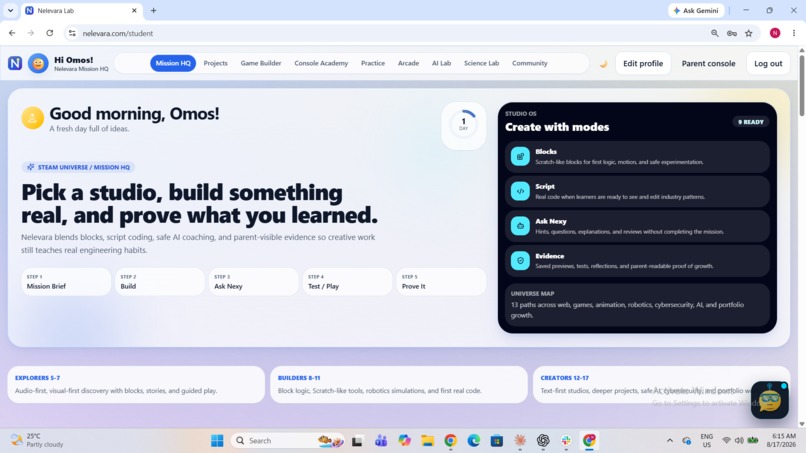
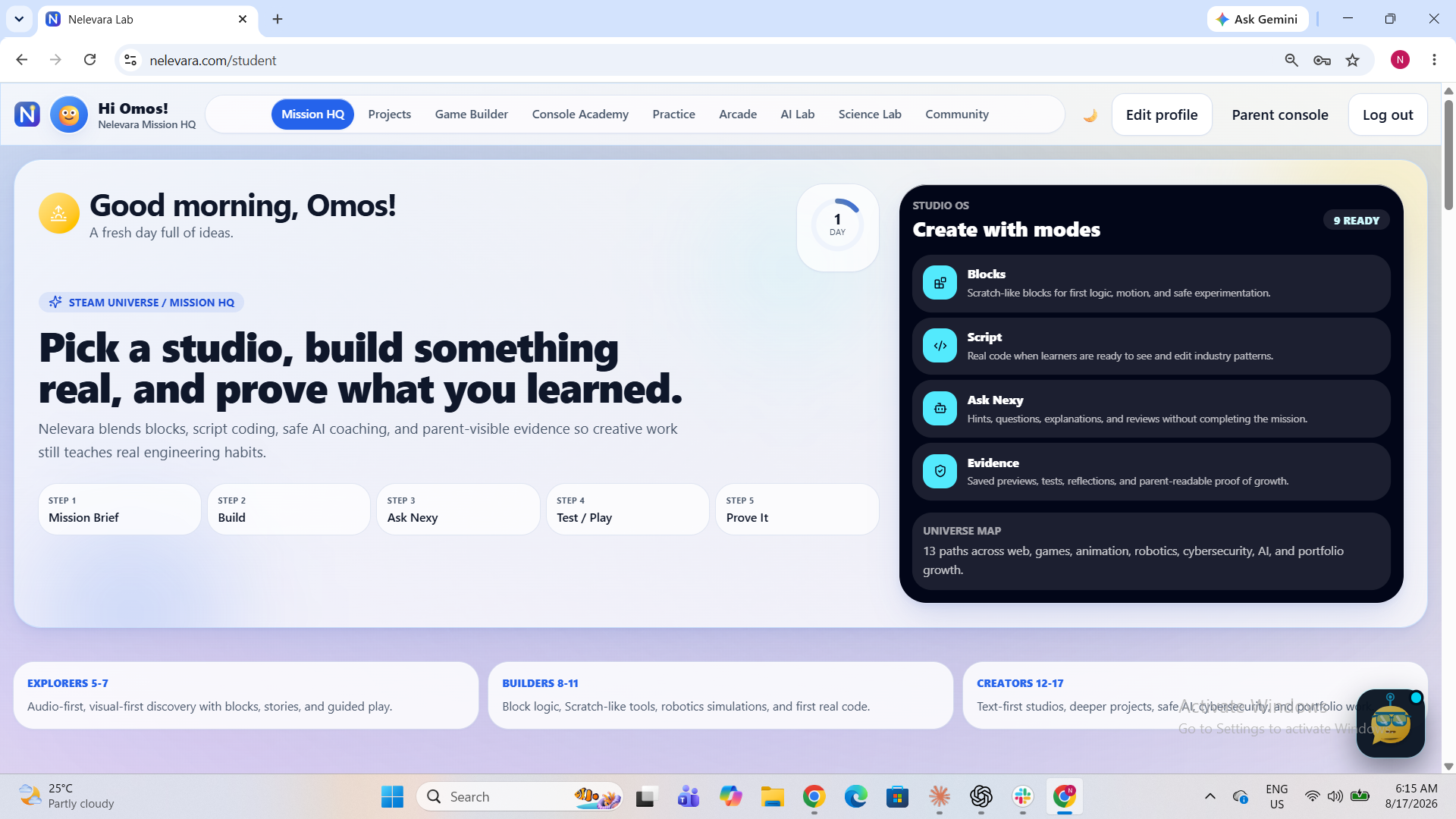
Student Dashboard
-
-
-
-
-
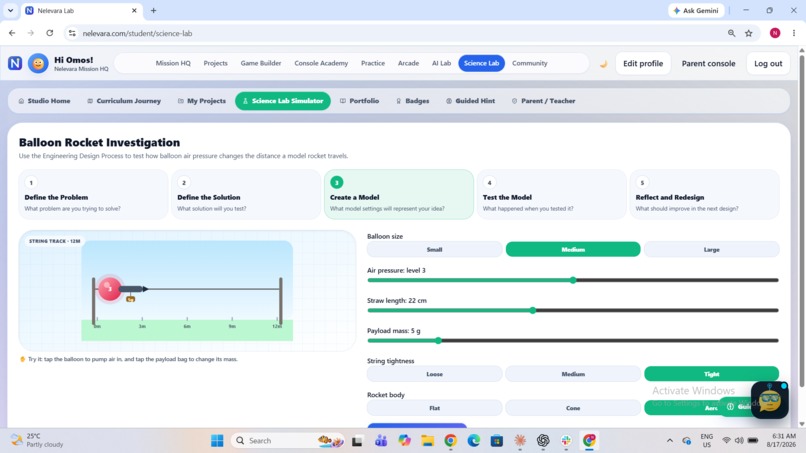
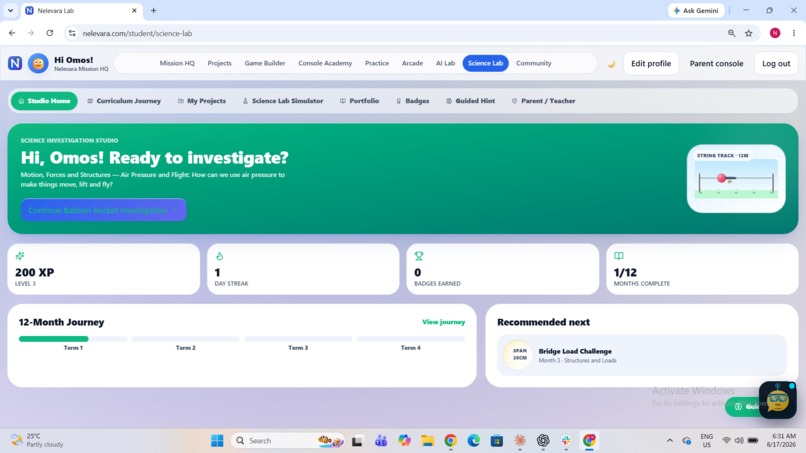
Science studio
-
-
-
-
-
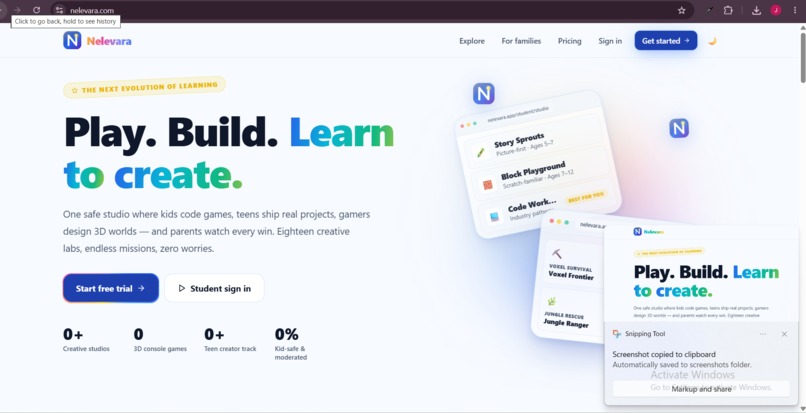
Homepage
Inspiration
I am a STEM instructor, and Nelevara grew directly from what I have experienced while teaching children.
Over time, I noticed an interesting challenge. Many young people know that coding and technology skills are important, but traditional coding lessons can feel like extra schoolwork to them, especially as they grow into their teenage years.
Games, on the other hand, can hold their attention for hours.
I have personally had around 8 to 10 parents approach me because they were worried about how much time their children were spending playing games. Some had reached the point of using parental controls to restrict access to their children's laptops.
That made me ask myself a different question.
Instead of simply fighting children's interest in games, what if we could use that interest to motivate them to learn?
That idea became one of the foundations of Nelevara.
A learner should be able to complete meaningful learning activities, earn points through that learning, and then use those points to access entertainment in the Console Game Academy. The more they learn and build, the more opportunities they unlock.
I noticed something else in my classes.
Some of the girls I taught were much more excited when they could create something visually than when the lesson began with writing lines of HTML or code. Animation and digital creativity interested them, but many professional animation tools available today are too complex for a young beginner.
Different children are motivated by different things.
One child may love robotics. Another may love games. Another may want to animate a story. Another may enjoy science experiments, cybersecurity or building a website.
I began to imagine one platform where all of those interests could become entrances into technology and problem solving.
That became Nelevara, the next generation of learning and innovation.
What it does
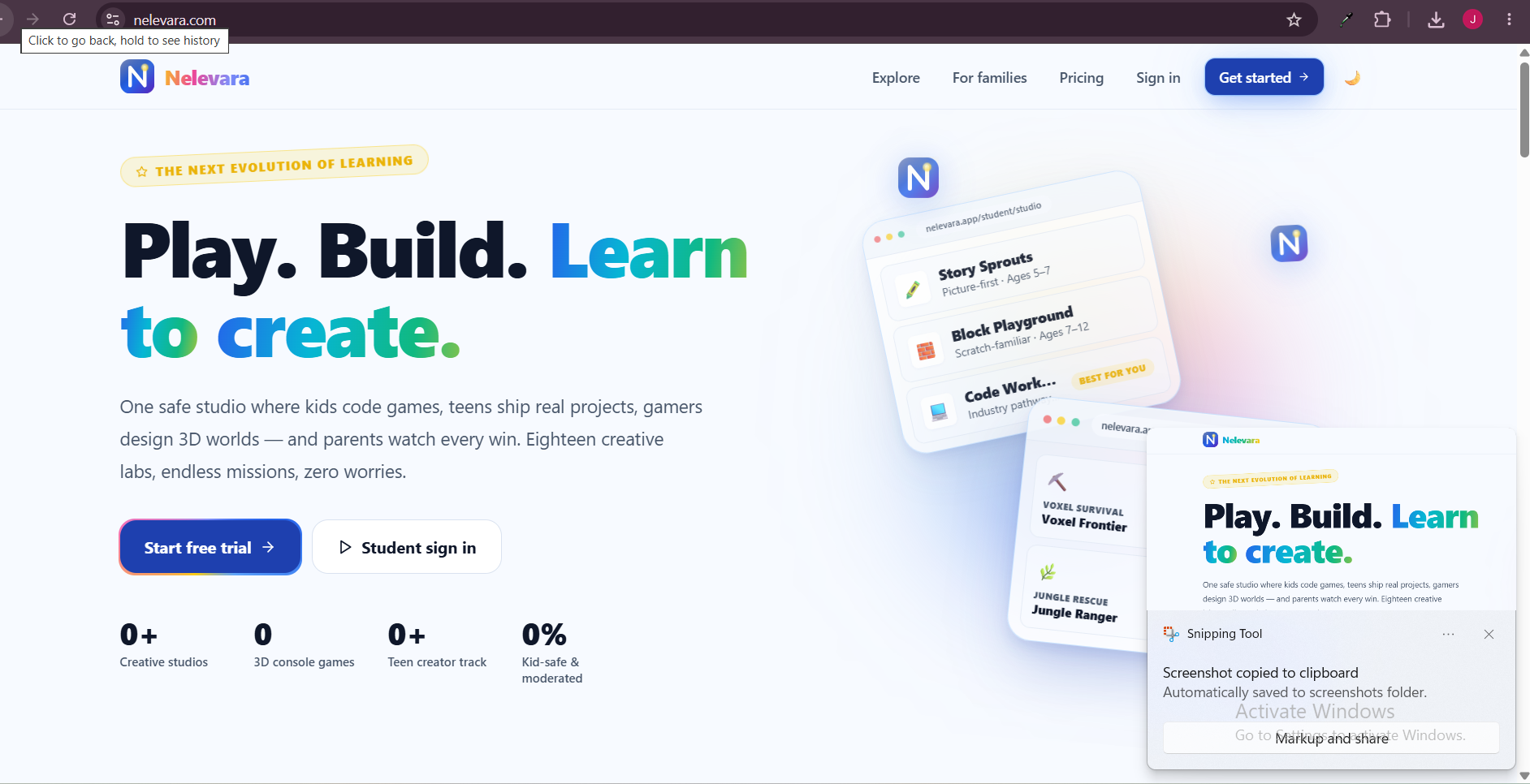
Nelevara is a child safe, AI powered STEAM learning platform for young people ages 5 to 17.
Instead of being a platform where children only watch lessons or memorize syntax, Nelevara is built around learning by creating.
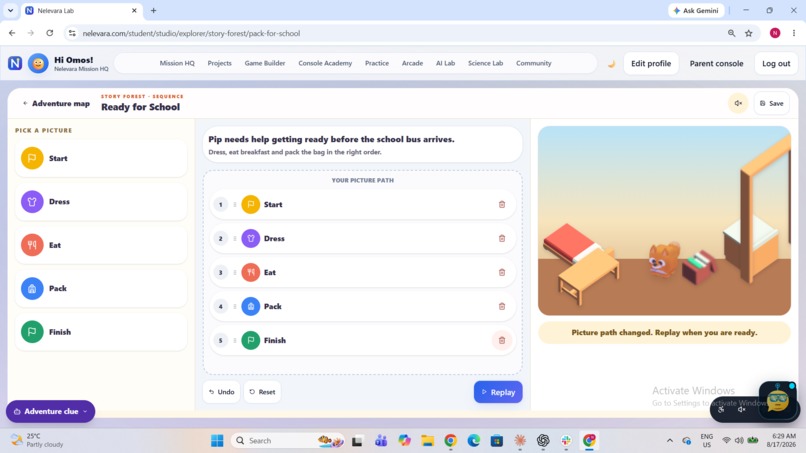
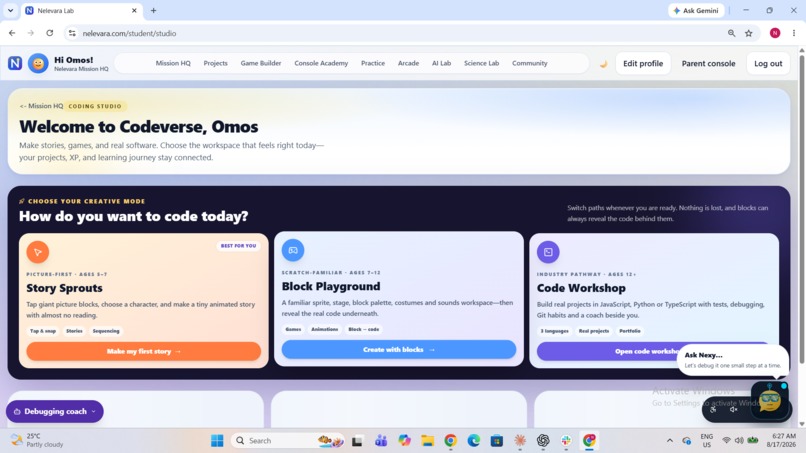
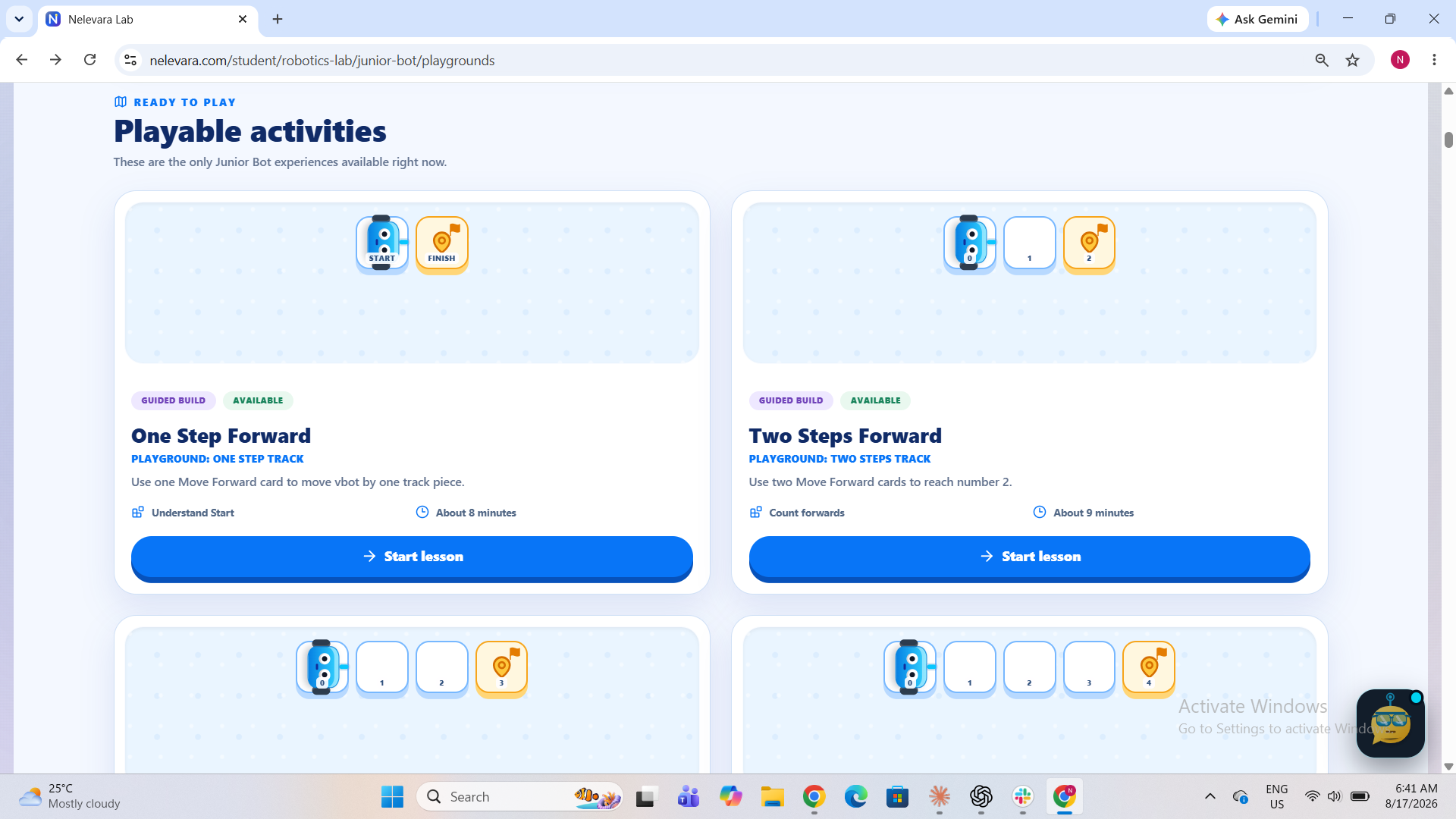
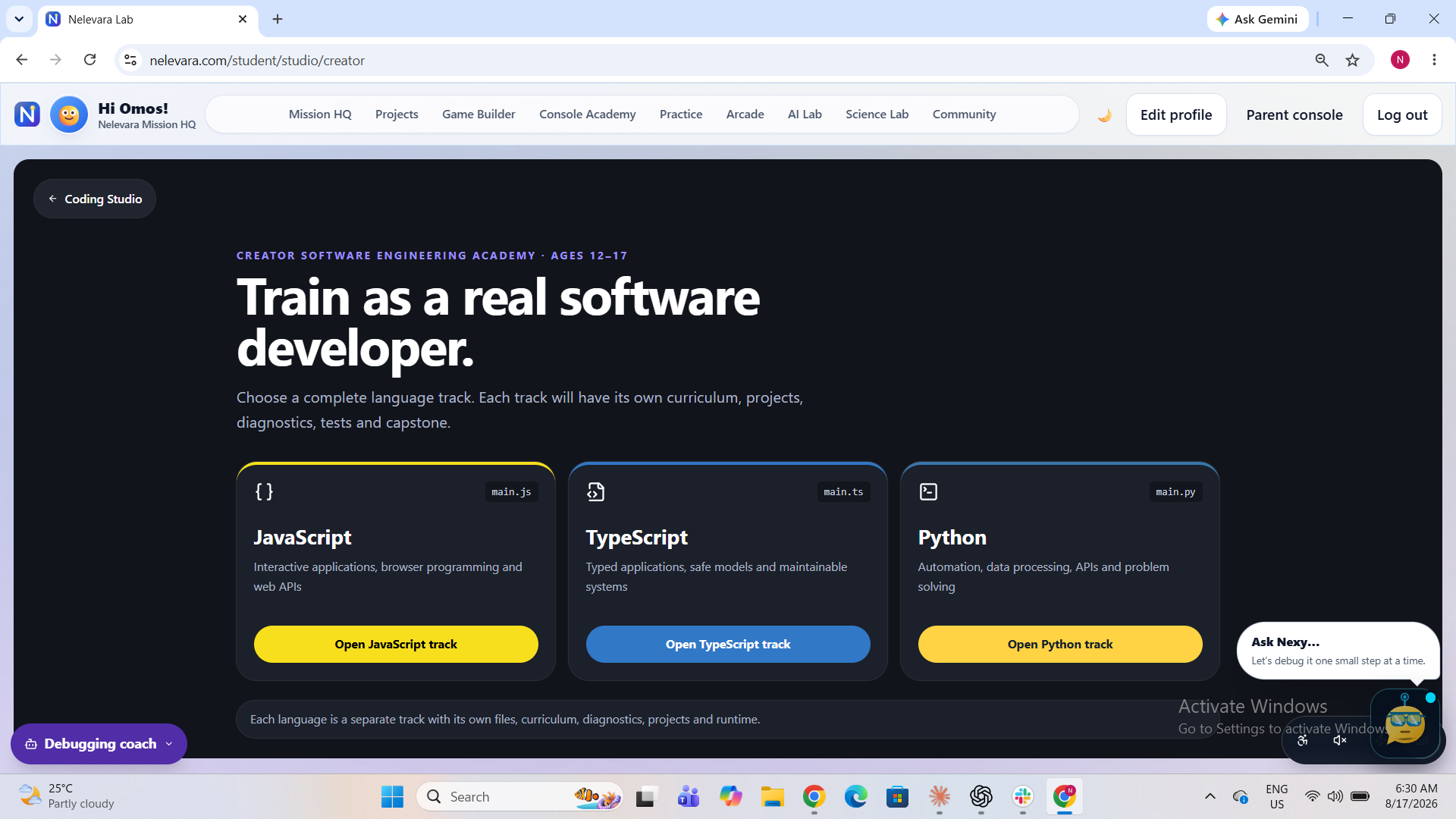
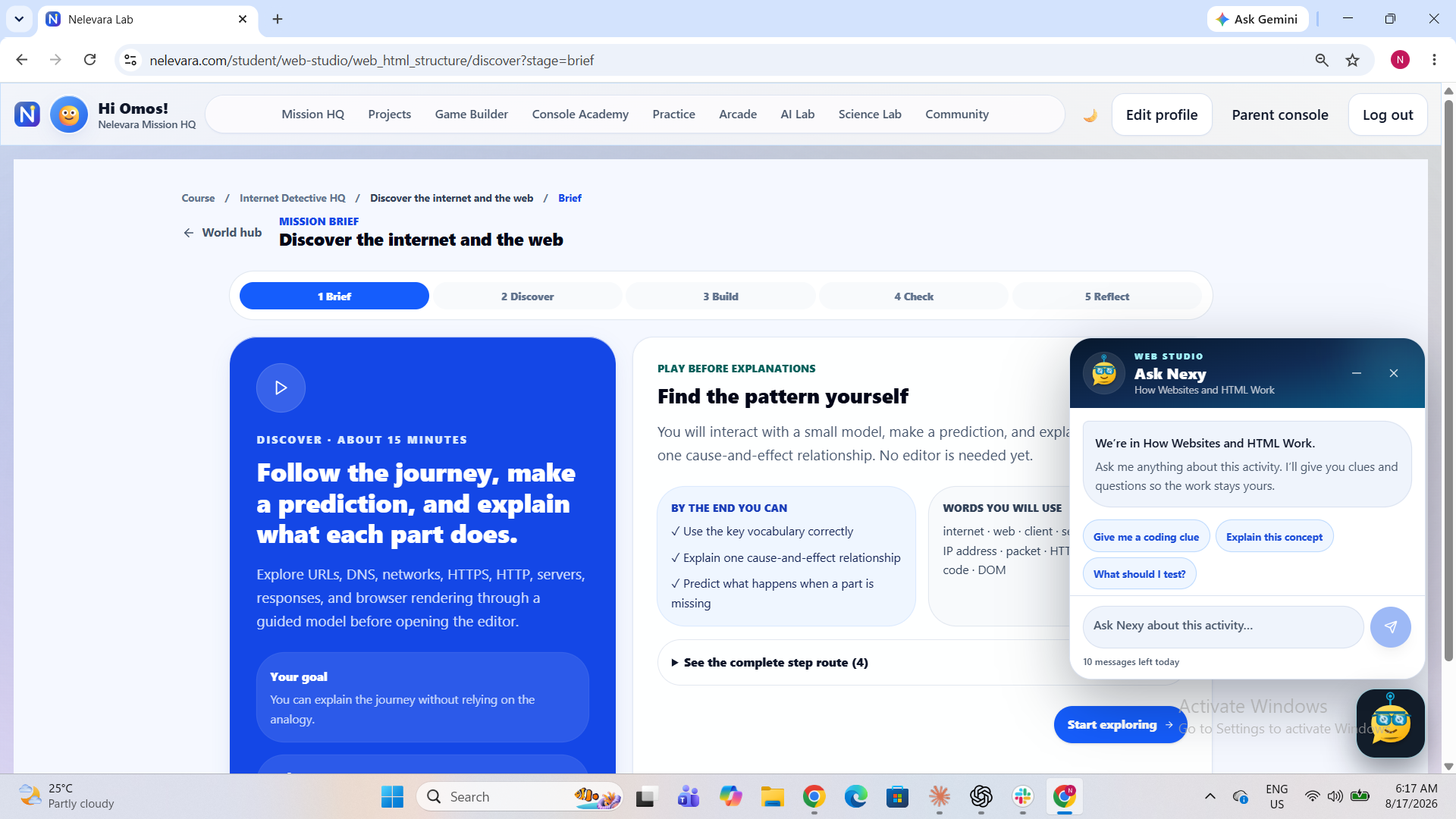
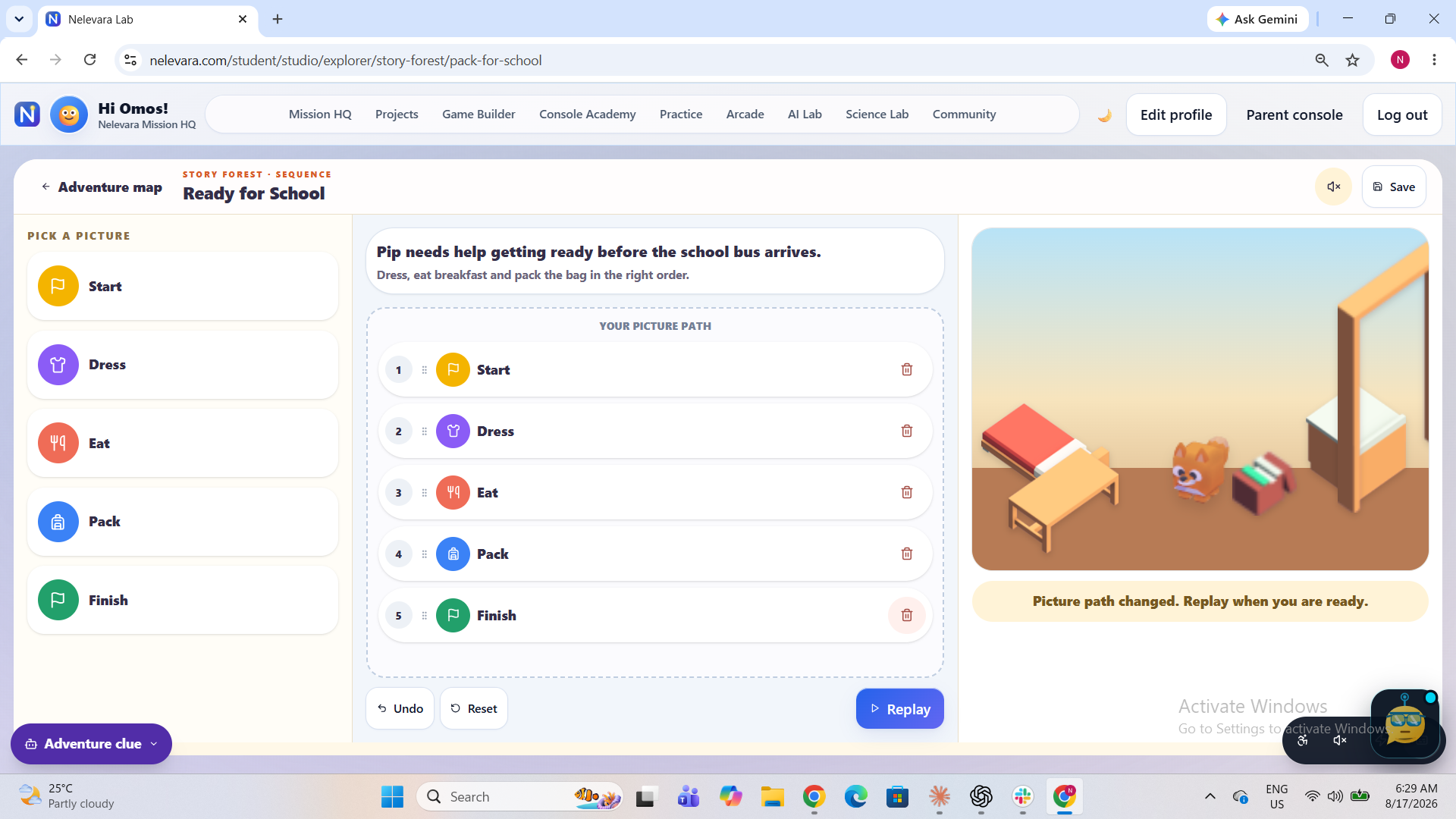
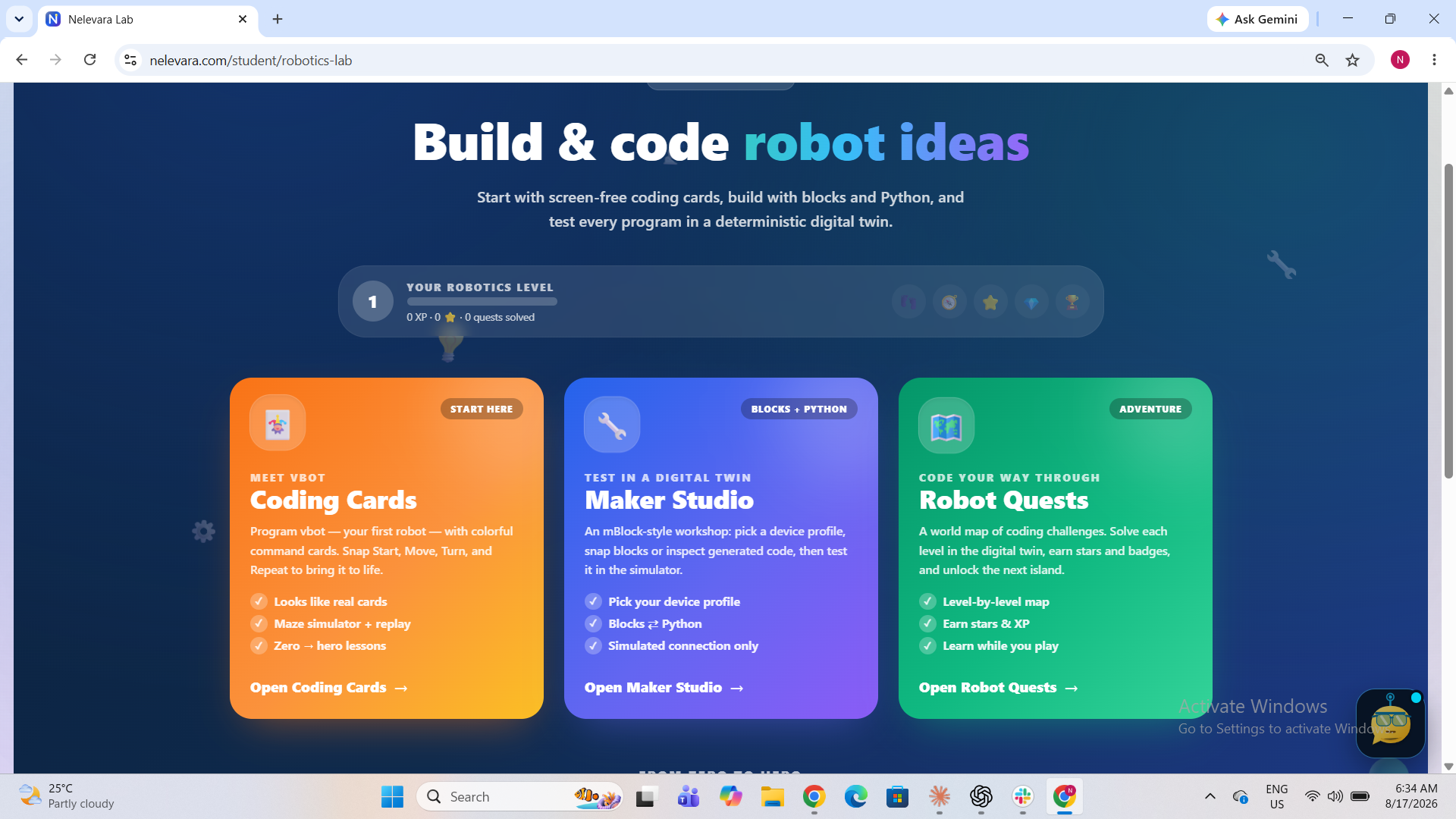
Learners can explore coding, robotics, science investigations, cybersecurity, animation and digital storytelling, web development, game development and AI assisted creative learning.
The experience is adapted across three developmental stages.
Explorers are ages 5 to 7.
Builders are ages 8 to 11.
Creators are ages 12 to 17.
The goal is for a learner to move from understanding an idea to actually using it by building something, testing it, making mistakes, improving it and creating evidence of what they have learned.
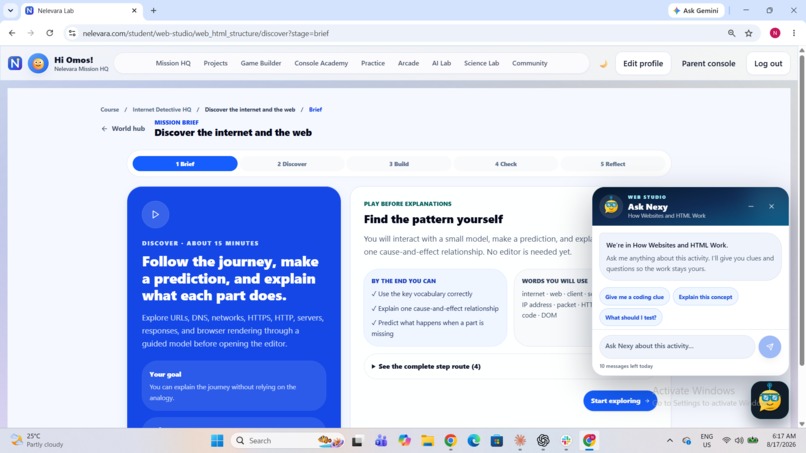
Nelevara also includes Nexy, the virtual AI learning assistant.
Nexy is intended to behave more like a supportive tutor than an answer machine. When a learner gets stuck, Nexy can guide, explain and encourage them while still allowing the learner to do the thinking and building.
Gamification is another important part of the platform. Learners earn rewards for meaningful learning progress. The reward model connects learning with the Console Game Academy so that entertainment becomes something earned through learning rather than something competing against learning.
Parents are also part of the system. Nelevara includes parent accounts, child profiles, progress visibility, learning controls, approvals and subscription management.
Child safety is designed into the platform. Public facing learner experiences use protected identities, publishing requires appropriate approval, community activity is moderated, and cybersecurity learning happens only in safe fictional or sandboxed environments.
How we built it
Nelevara is being built as a real full stack education platform rather than a collection of disconnected hackathon demos.
The frontend is built primarily with Next.js, React and TypeScript, while the backend uses Fastify based services, Prisma, PostgreSQL, Redis and background workers.
The system includes production authentication, parent and learner accounts, persistent projects, progress tracking, evidence collection, rewards, AI assisted learning, subscriptions, moderation and operational monitoring.
Interactive learning environments require different technologies.
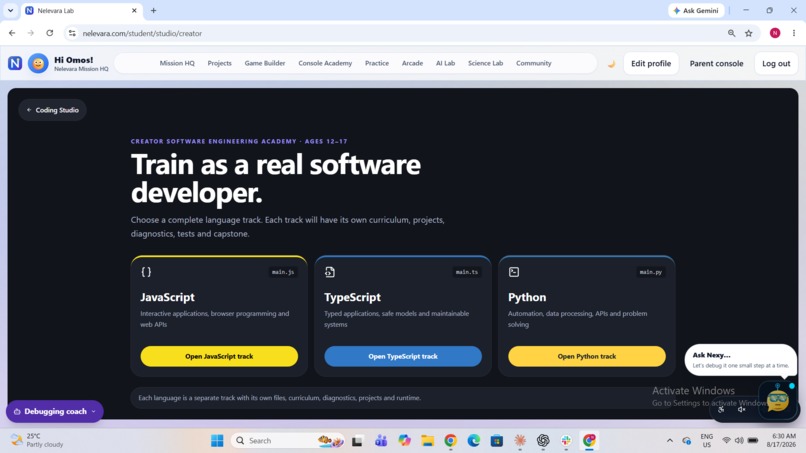
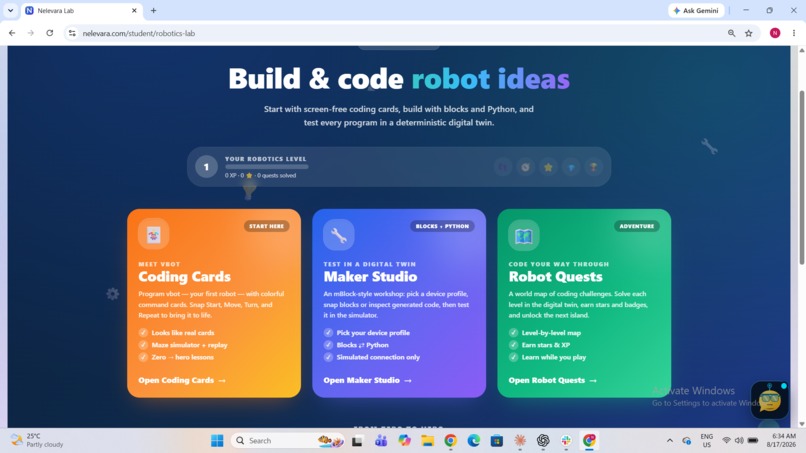
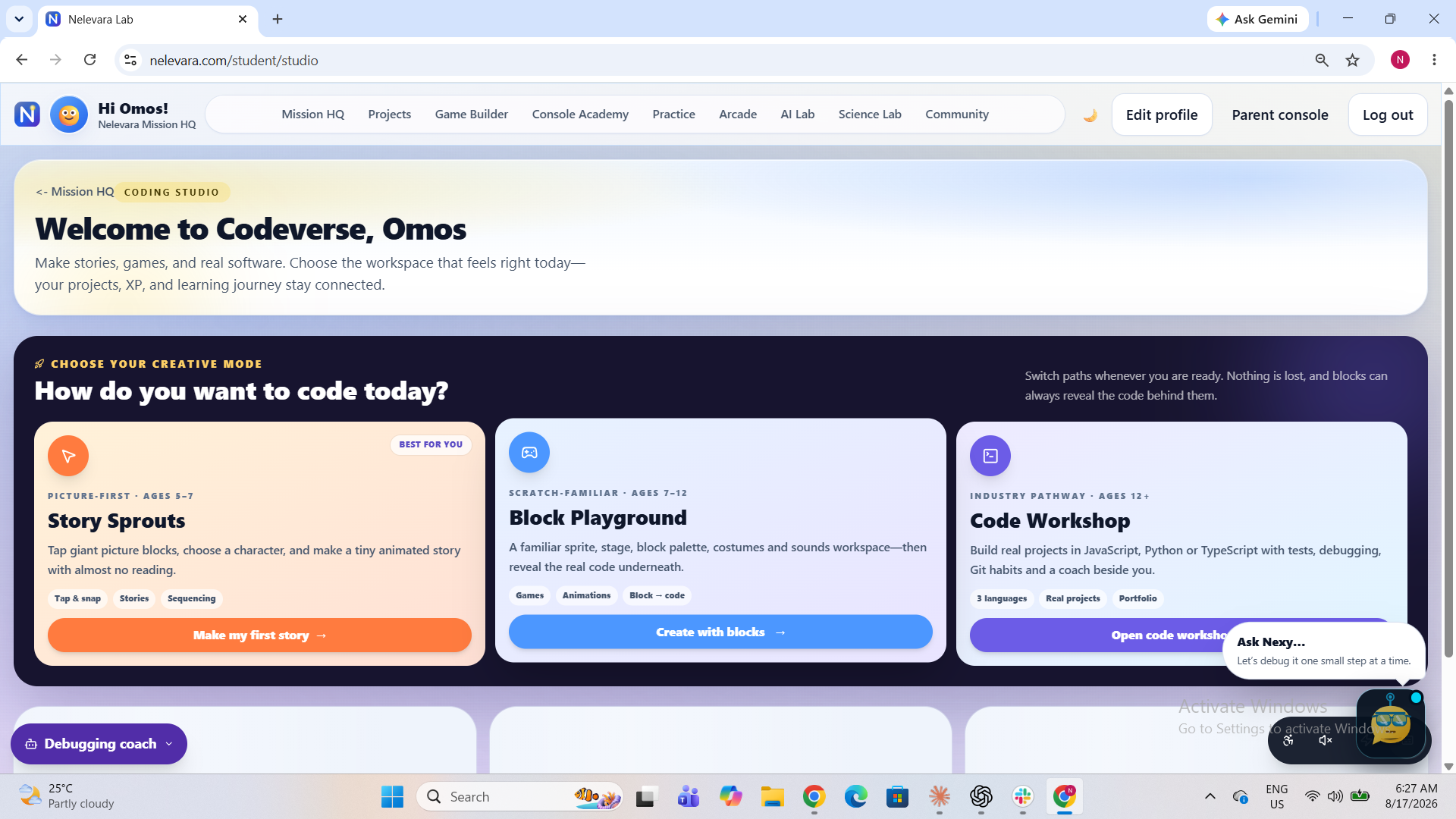
Coding experiences need editors and block based programming.
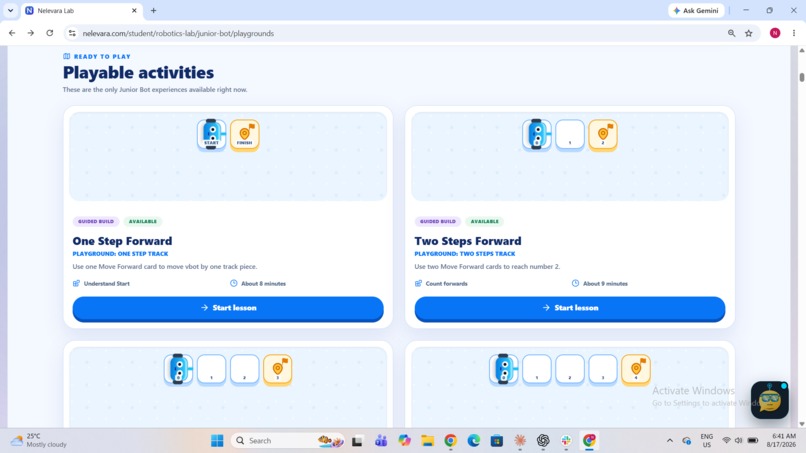
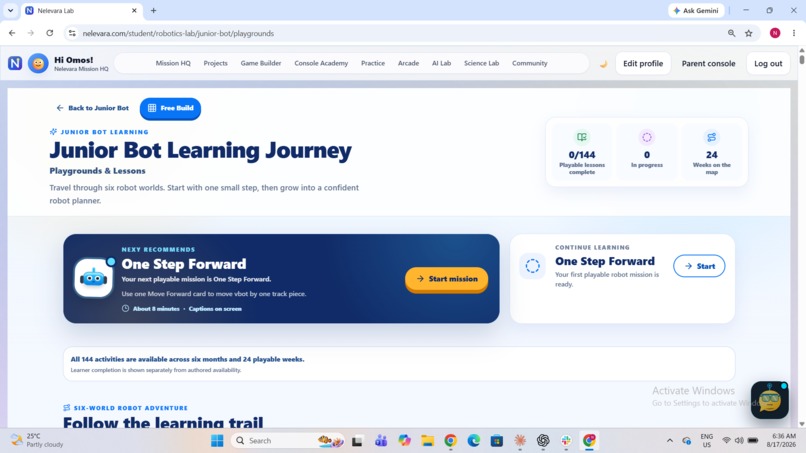
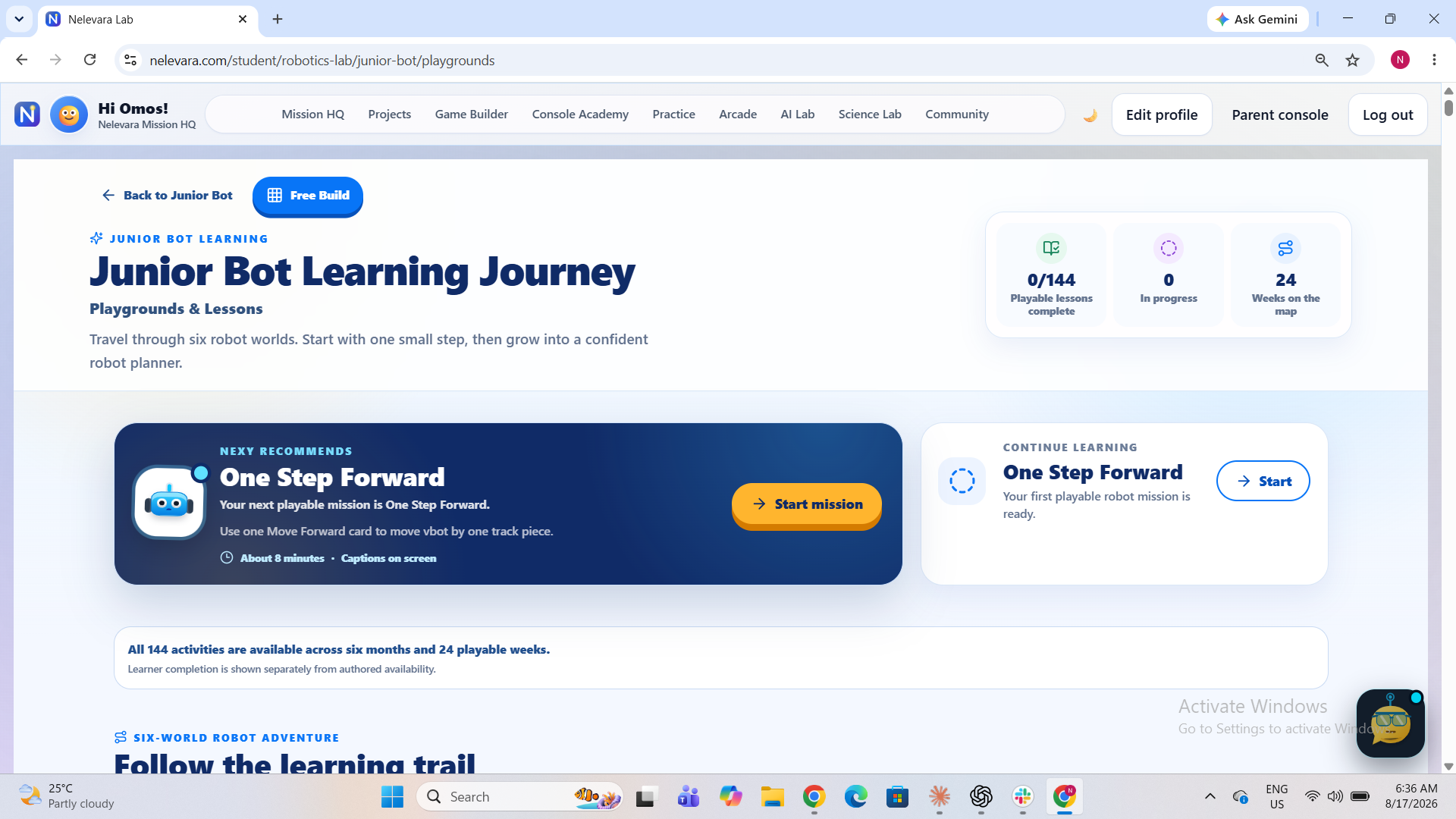
Robotics requires deterministic simulation and the ability to translate a learner's instructions into visible robot behaviour.
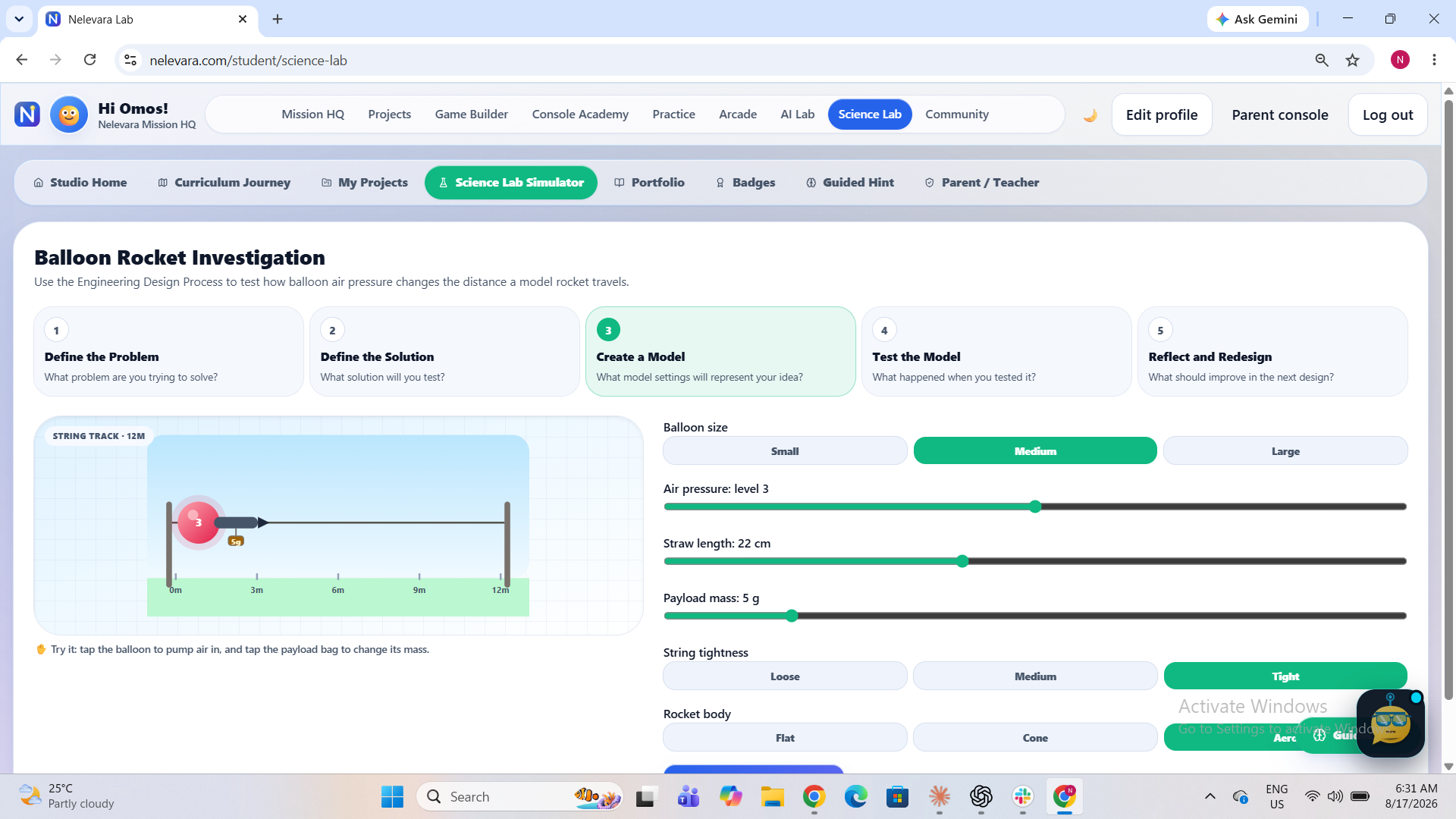
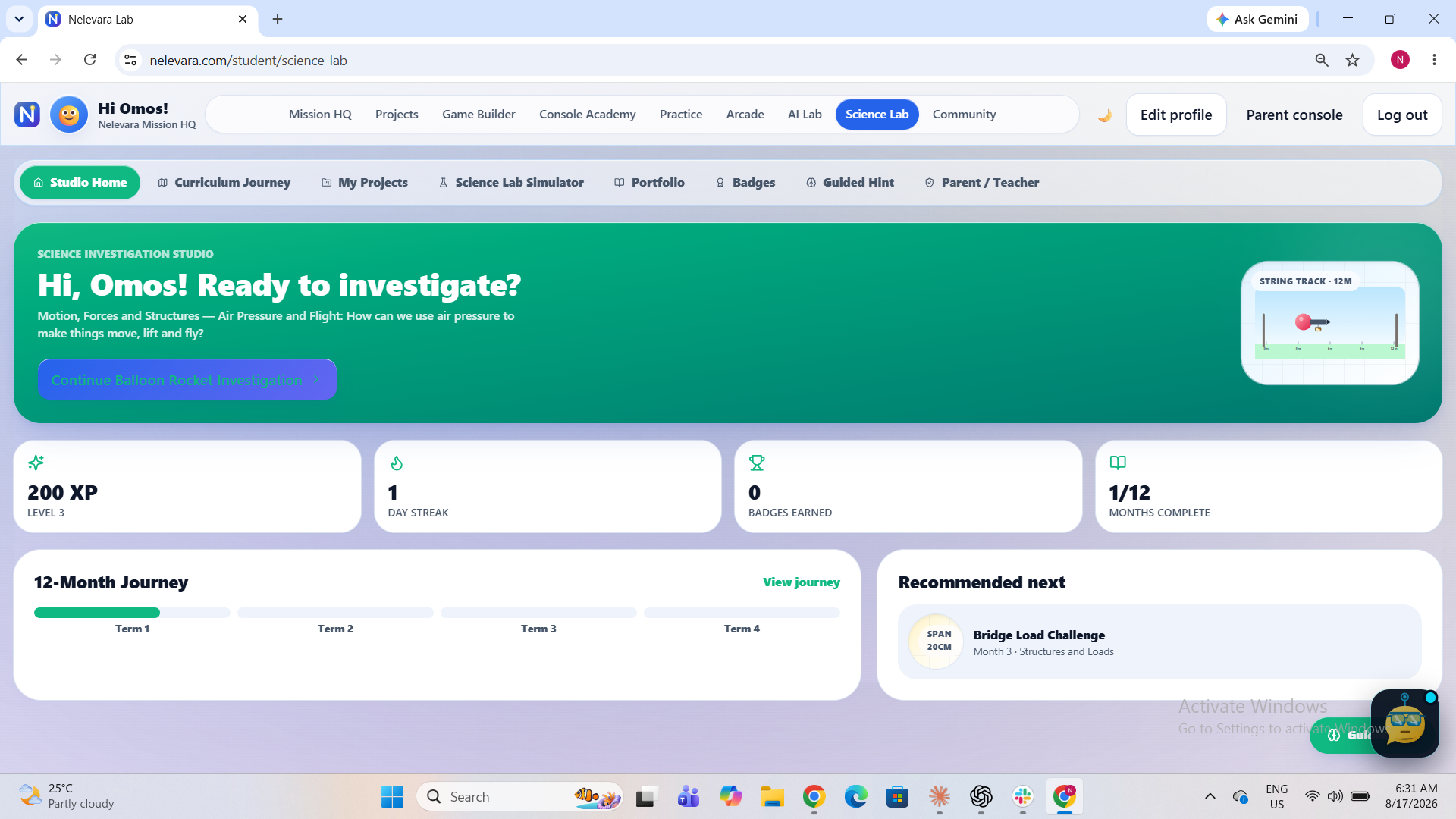
Science investigations require hypotheses, controlled experiments, trials, results, graphs, conclusions and redesign.
Animation requires characters, scenes, movement and storytelling tools.
Cybersecurity requires especially strong safety boundaries.
Rather than building each of these as completely separate products, I have been working toward a common Nelevara architecture where they can share the same learner identity, progress, rewards, AI support, evidence and parent oversight.
The platform is deployed online, with the frontend and API running as separate production services and supported by persistent database and queue infrastructure.
I also implemented recurring subscription infrastructure, including support for payments in Nigerian Naira through Flutterwave and international pricing as the platform expands.
One principle has remained constant throughout the build.
Nelevara should eventually be something families can genuinely use, not something that only works during a demonstration.
Challenges we ran into
Building Nelevara has been one of the most demanding projects I have worked on.
One challenge has simply been the environment I am building from.
I live in Nigeria, where reliable electricity and internet access cannot always be taken for granted. During parts of this project I had to buy petrol almost every day to run a generator so that I could continue working.
Internet reliability created additional interruptions.
My development laptop also became a limitation as the project grew. Nelevara contains several technically demanding environments and a large codebase, and I eventually had to take the laptop to a technician to increase its storage and RAM so I could continue working effectively.
AI assisted development costs and usage limits became another challenge. During intensive development periods I repeatedly reached usage limits and had to maintain multiple paid development subscriptions so that progress would not stop completely.
There was also a much more personal challenge.
I became a new father while building Nelevara.
That meant trying to meet an ambitious development deadline while also being present for my wife and our newborn child. There were days when I had to move between debugging production systems, helping at home and returning to development again.
It was difficult, but it also made me more disciplined and intentional in how I approached building the product.
Technically, the project created another category of challenges.
Authentication, child safety, recurring payments, webhook reliability, interactive simulations, curriculum progression, AI guidance, evidence tracking and production deployment all have very different failure modes.
At several points, solving one problem revealed another layer underneath it.
But each of those problems moved Nelevara closer to being a platform rather than simply an idea.
Accomplishments that we are proud of
I am proud that Nelevara has progressed beyond a design concept.
There is now a working production platform with real infrastructure behind it.
We have implemented core systems including parent authentication, child profiles, learning progress, project persistence, AI assisted learning, gamification, subscriptions, evidence tracking and production monitoring.
Several interactive learning environments are already operational or substantially developed, including coding, robotics simulation, science investigations, cybersecurity learning and animation experiences.
One accomplishment that matters especially to me is the reward philosophy behind the platform.
The same problem that originally inspired the project, children's attraction to games, is becoming part of the solution.
Rather than telling learners that learning and entertainment are enemies, Nelevara is being designed so that progress in learning creates access to rewards.
I am also proud that child safety has remained a product requirement even when it made development more difficult.
AI interactions, publishing, community participation, cybersecurity activities and parent oversight all require additional engineering when the users are children.
Those constraints are not features I want to remove.
They are part of what Nelevara is supposed to be.
What we learned
The biggest thing I have learned is that educational technology works better when it starts with the learner's motivation rather than with the technology itself.
A child may not wake up wanting to learn JavaScript.
But that same child may desperately want to build a game.
Another learner may not be interested in HTML, but may want to create an animated story.
Another may want to make a robot move.
The technology lesson can live inside that motivation.
I have also learned that AI in education becomes far more useful when it understands the learning context around the child.
A general chatbot mainly understands the conversation.
A learning platform can understand the learner's age, current activity, previous attempts, project state, progress and the evidence surrounding that activity.
That is the direction I want Nexy to continue moving toward.
Building for children has also taught me that one interface cannot simply be scaled up or down for every age.
A five year old, a ten year old and a sixteen year old need different levels of independence, language, visual complexity, safety controls and learning depth.
Finally, this project has reinforced something I already believed as a teacher.
Children understand technology differently when they can see their ideas become something real.
What is next for Nelevara
Nelevara is not finished.
Some learning studios are already significantly developed, while others still need to move through the remaining production phases.
My immediate priority is to complete and strengthen those experiences so that the quality is consistent across the platform.
The roadmap includes deeper curriculum and project progression across coding, robotics, science, cybersecurity, animation, game development and other STEAM areas.
Another major priority is the Console Game Academy.
I want to populate the game console with many exciting, high quality games and interactive experiences that learners genuinely want to play. The goal is to make the Console Game Academy exciting enough to become a real motivation for learning, while ensuring that access to those experiences remains connected to the points learners earn through educational activities.
The reward ecosystem will also continue evolving.
One planned feature is a Friday leaderboard, where Nexy highlights learners with the strongest learning point performance for the week. As the learner community grows, the reward programme can expand beyond points into meaningful recognition and other incentives.
Learners will eventually be able to gift eligible console points to friends under appropriate parental controls.
The Nelevara community is another important next phase.
Learners should be able to celebrate what they build, discover projects created by others and feel that learning technology makes them part of a creative community. Because Nelevara serves children, that community will continue to be built around parent approval, moderation and protected identities rather than unrestricted social interaction.
I also want to strengthen the parent and educator side of Nelevara so that learning evidence becomes useful beyond the learner dashboard, helping parents and teachers understand not only whether a child completed something, but what that child can actually build and explain.
As the platform grows, I want to continue improving Nexy so that the AI assistant understands more of each learner's educational context and can provide increasingly useful guidance without replacing the learner's own thinking.
The longer term goal is to expand Nelevara's curriculum, improve each studio, add more engaging projects and challenges, strengthen the community, expand the reward system and make the platform increasingly useful to families, teachers and schools.
Over time, I want Nelevara to reach children far beyond the students I can personally teach.
The vision is simple.
Turn children's curiosity about games, robots, stories, science and technology into the motivation to learn, build and create.
And give them a safe AI powered environment that grows with them while they do it.
Built With
- and
- babylon.js
- blockly
- css
- fastify
- flutterwave
- gemini
- google-cloud
- next.js
- node.js
- playwright
- postgresql
- prisma
- react
- redis
- tailwind
- trpc
- typescript
- vertex
- zustand


Log in or sign up for Devpost to join the conversation.