-
-
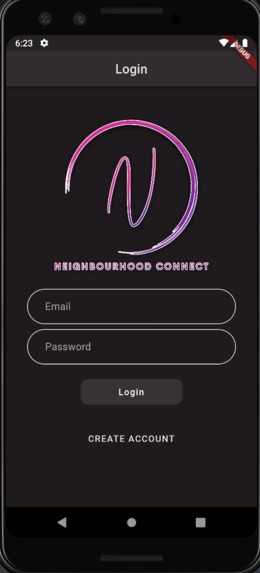
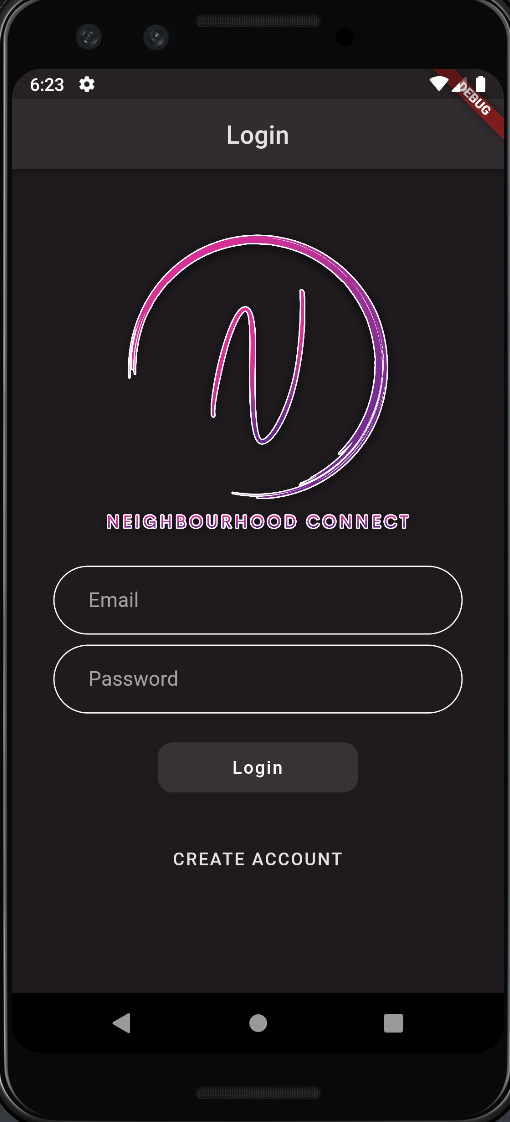
LogIn Screen
-
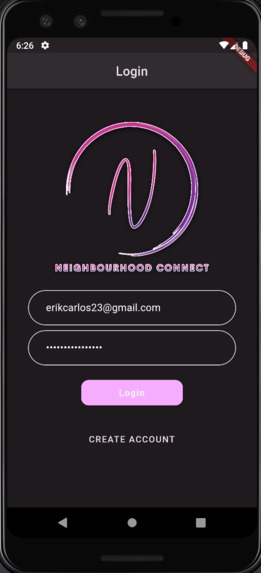
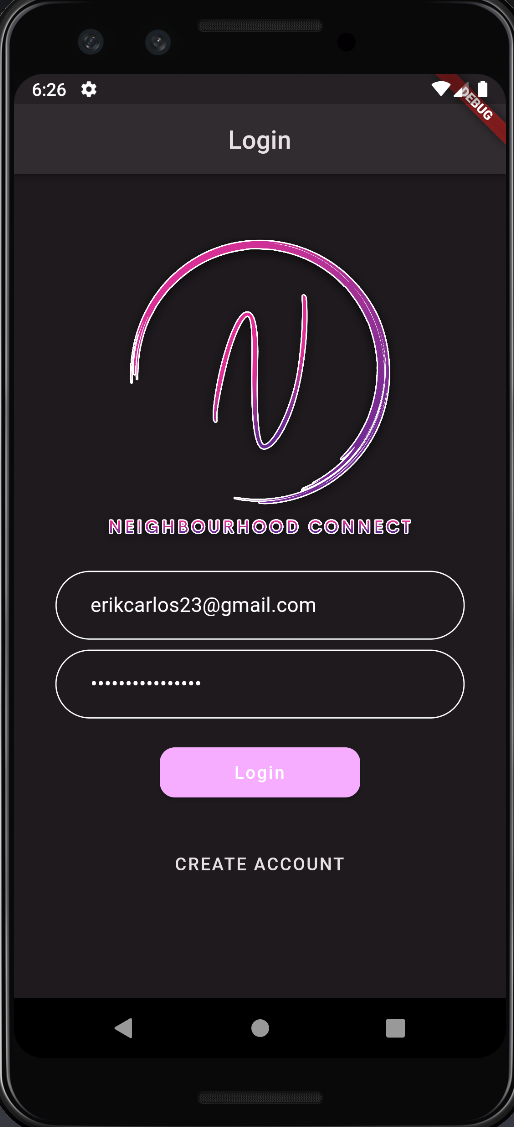
LogIn Screen filled
-
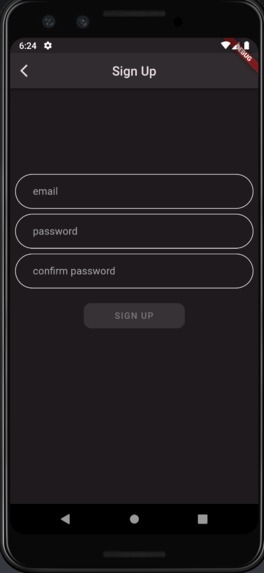
Sign Up Screen
-
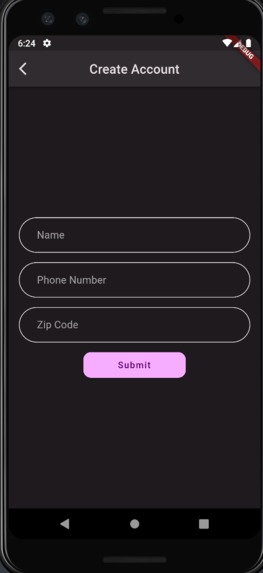
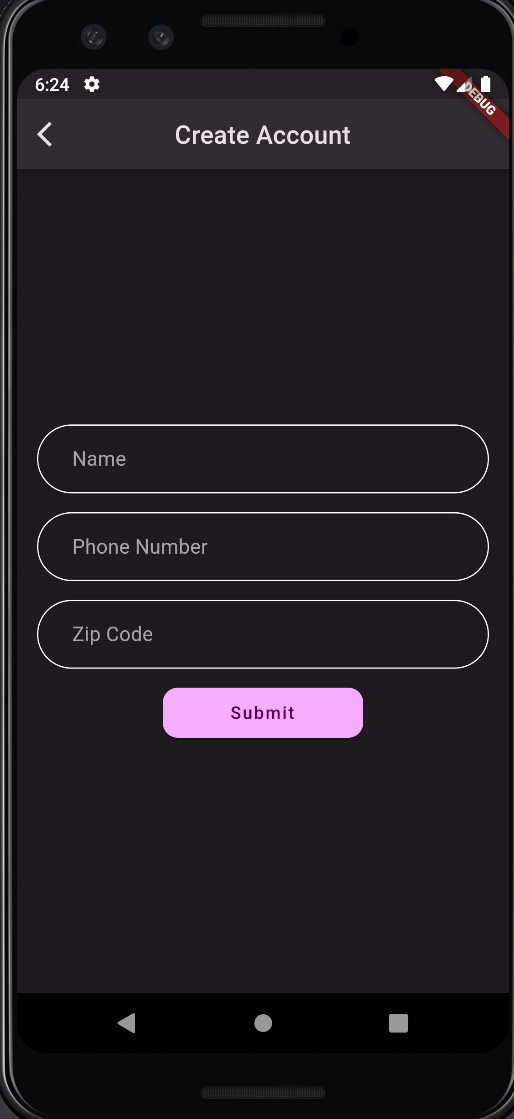
CreateAccount Screen
-
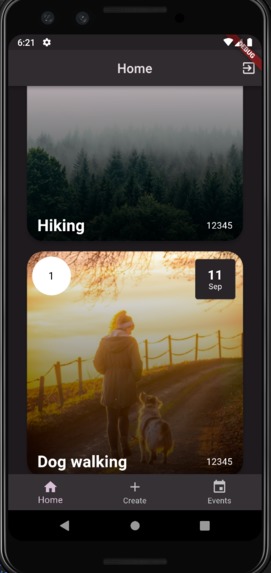
Home Screen
-
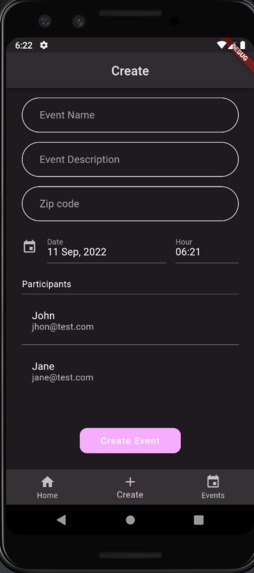
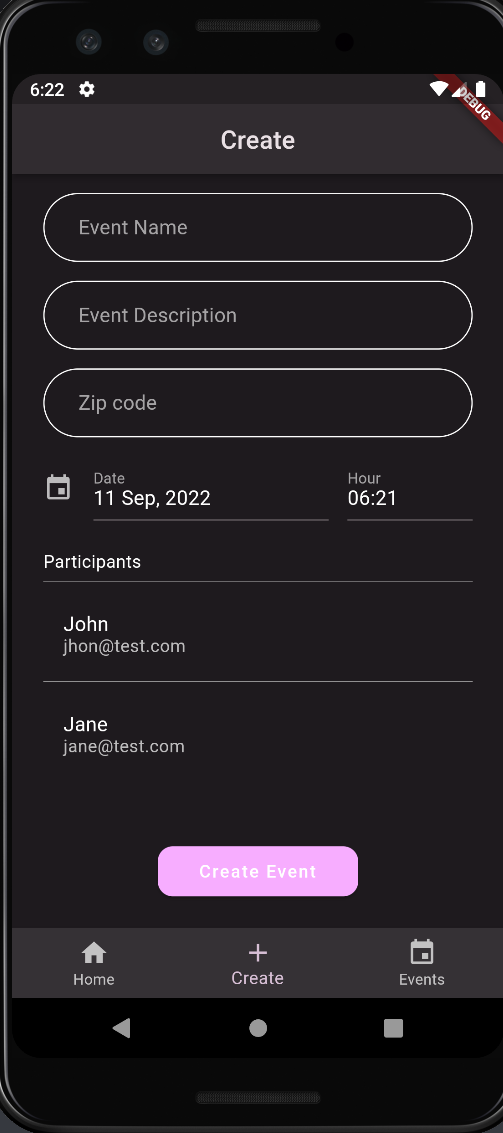
Create Screen
-
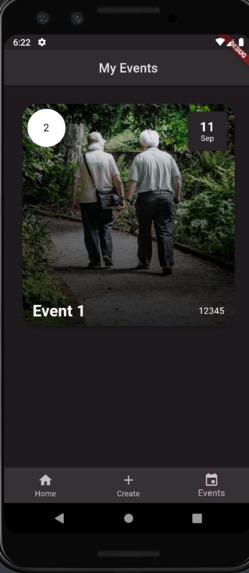
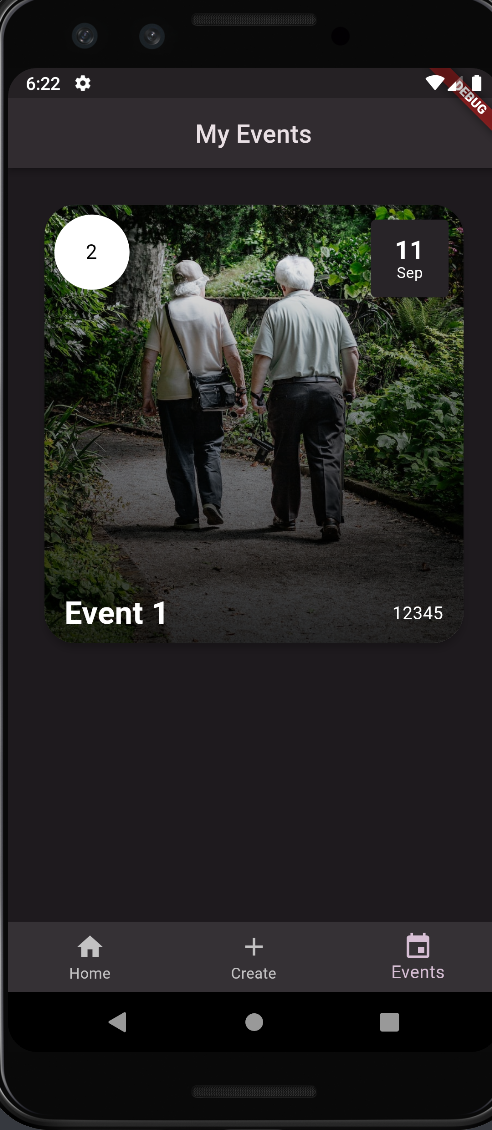
Event Screen
-
Logo



Inspiration
During the last two years, COVID-19 took a toll on many people's physical well-being due to lockdowns, as well as not being able to interact within our own communities. This led us to design Neighbourhood Connect, an application that helps users engage in a much more efficient way while also staying active.
What it does
Our application focuses on bringing neighborhoods together by offering a quick and efficient way to create gatherings that focus on physical activity. Looking to go for a run at your local park with your friend across the street? With our application, you can easily join events and stay engaged in your community.
How we built it
All of us have an interest in mobile development, so we decided to use Flutter as our framework. This allows us to have an application for Android, iOS, and web with only one codebase. We began by creating diagrams of how the UI should look along with the flow for each page within it. In the front end, we are using flutter widgets, and we are using Dart as a programming language, for our backend, we are using Firebase Firestore to store and retrieve data, Firebase Authentication to authenticate, and Twilio to send SMS notifications to our physical phone. To join the front end and back end we used Bloc, a state management library to help us with our business logic.
Challenges we ran into
We decided to use the Bloc Library for Dart- which handles our state management within the application. Only one of us had prior knowledge of this, and the documentation is not explicitly clear on some of the usages, but our two back-end developers (Erik and Gabriel) were able to make proper use of it. Setting up a git repository was also challenging because we ran into some weird authentication problems with git, but we manage to solve it with help of Fultan, using the resources provided by UPE we were able to find a mentor to help us.
Accomplishments that we're proud of
Learning new technologies in a short time itself is something to be proud of, as also implementing some new technology such as Bloc library, and Twilio API, and working together as a team to overcome any hurdles along the way. We were able to implement the most important features of the application, which we are very proud of!
What we learned
The Twilio API was very interesting to use, and we chose it because it sounded like an interesting feature to learn for future projects. Also, we learned more about Bloc, Firebase, and being good programmers. We improve how to work as a team, and learn more tactics of how to apply them in the future. Also, we learned more about Flutter and Dart, which is a nice technology to know being mobile developers.
What's next for Neighbourhood Connect
We plan on implementing more features to our application in the future, and eventually publishing it to the Google Play/Apple Store! Some of those features include being able to choose a location more accurately because currently, we are just using zip code. We are going to add a feature to add friends. A chat feature to connect better with neighbors. Ability to upload pictures after the event to create more memories. Also, updating your profile, in case you move. Have a google map to show you the exact location of the event, and also take you there through Google Maps. Implement machine learning to Neighbourhood Connect for an app to recommend to you possible activities to do in the future based on your past preferences for location, time, or events.

Log in or sign up for Devpost to join the conversation.