-
-
logo
-
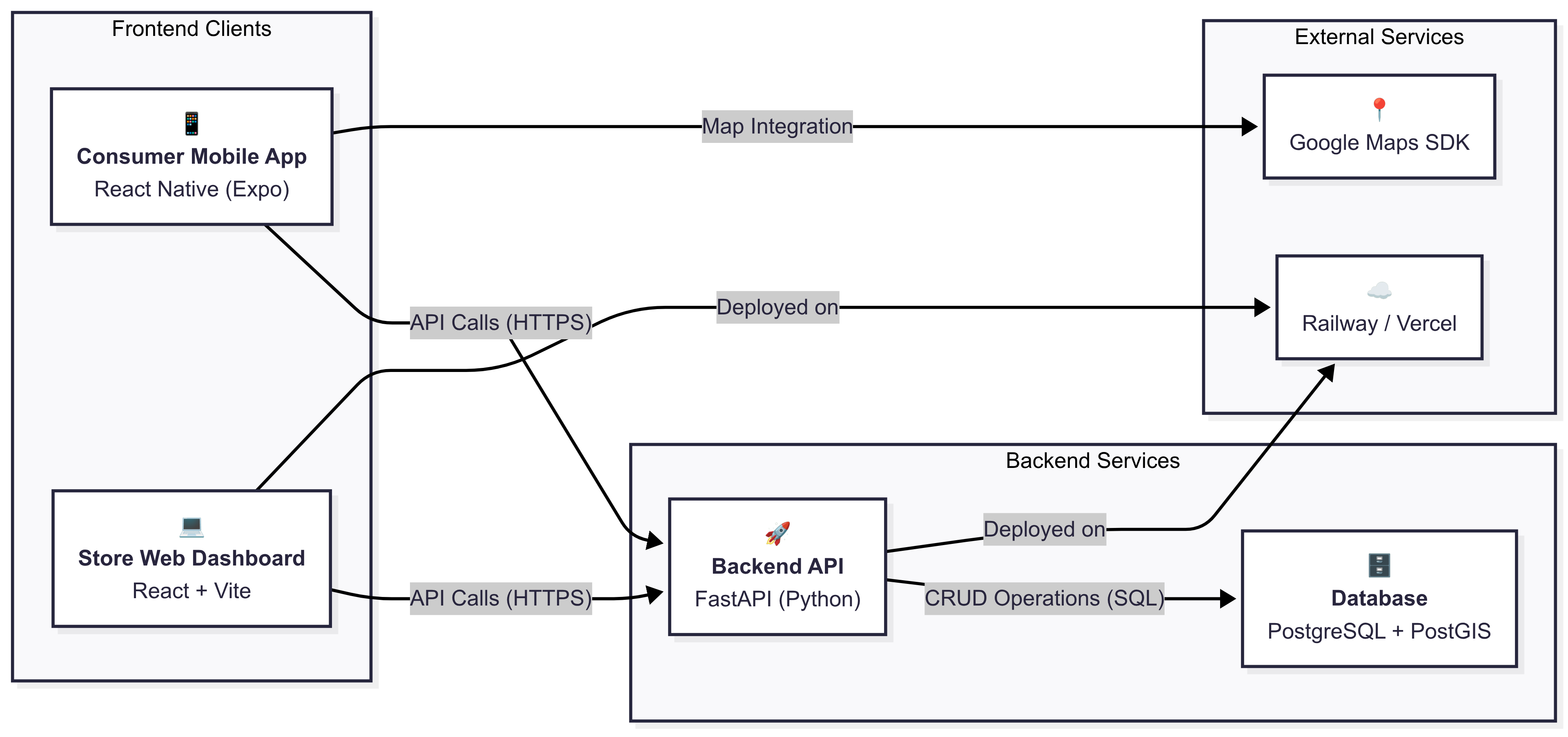
tech stack
-
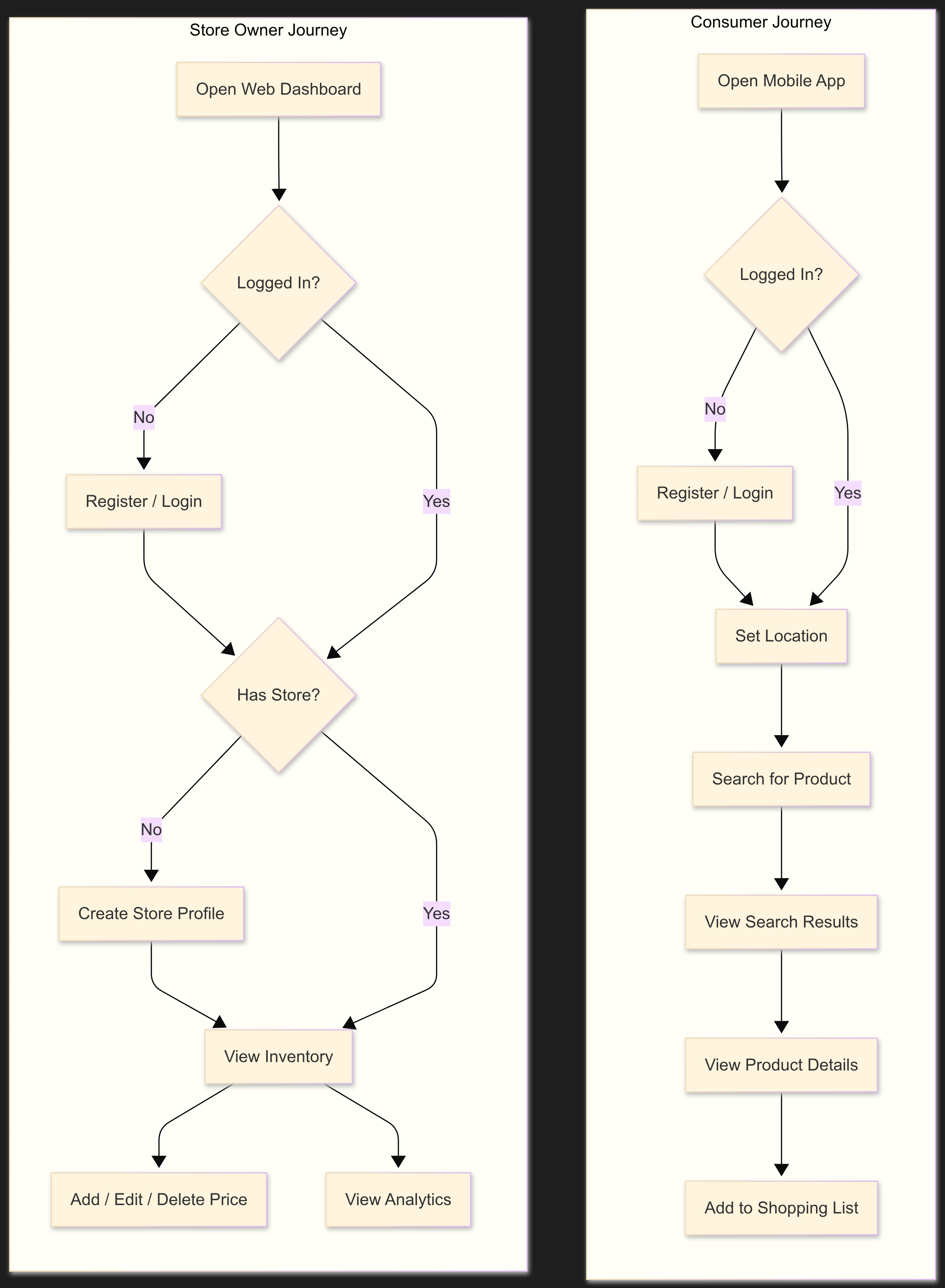
user workflow
-

-

-
-
-
-
-
-
-
-
-
-
-
-
-

Inspiration
In Nigeria, the concept of a "neighbor" is powerful. When you move to a new area, your neighbor is your guide—they show you where to find the best food, how to navigate the market, and most importantly, how to get a fair price. The inspiration for Neighbor came from a simple, universal Nigerian experience: the uncertainty and stress of shopping in a market with massive price variations. I wanted to digitize the trust and local knowledge of that helpful neighbor and put it in everyone's pocket. I was inspired to build a solution that addresses the real-world economic challenges of price opacity and empowers everyday people to make smarter financial decisions.
What it does
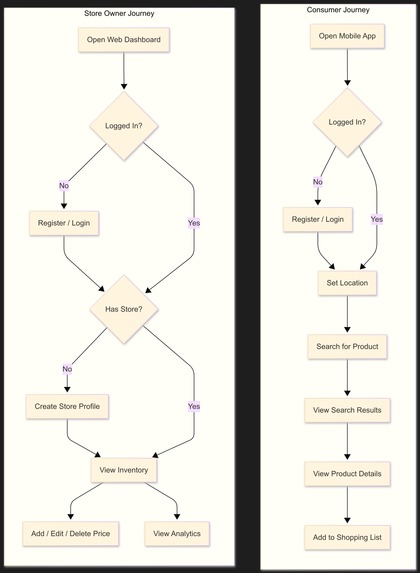
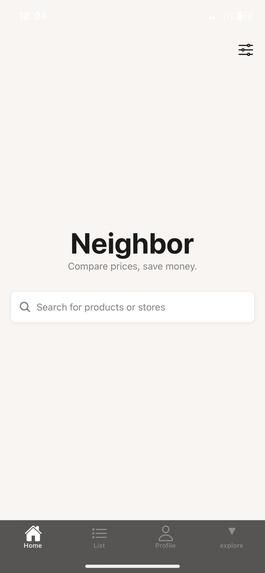
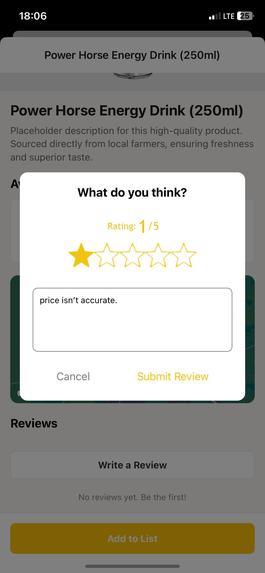
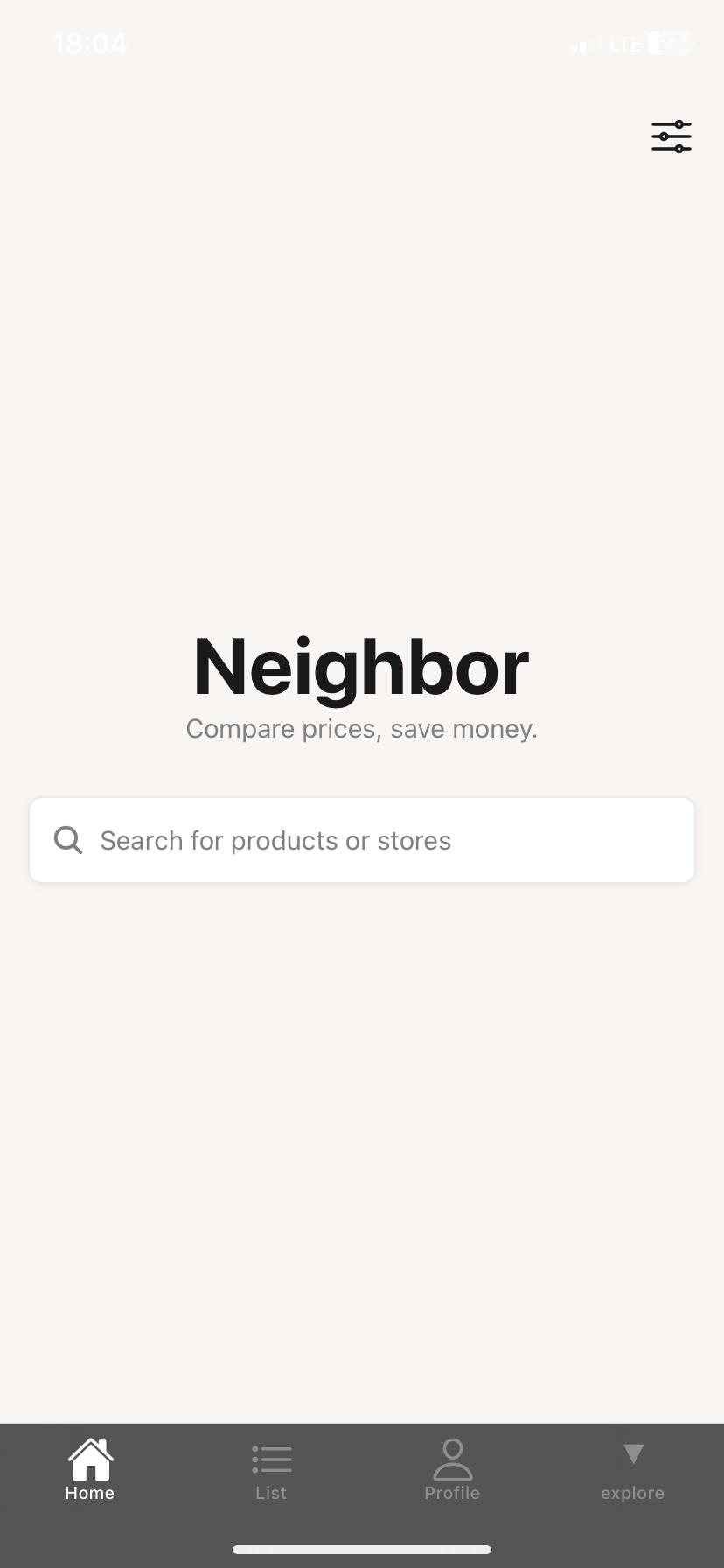
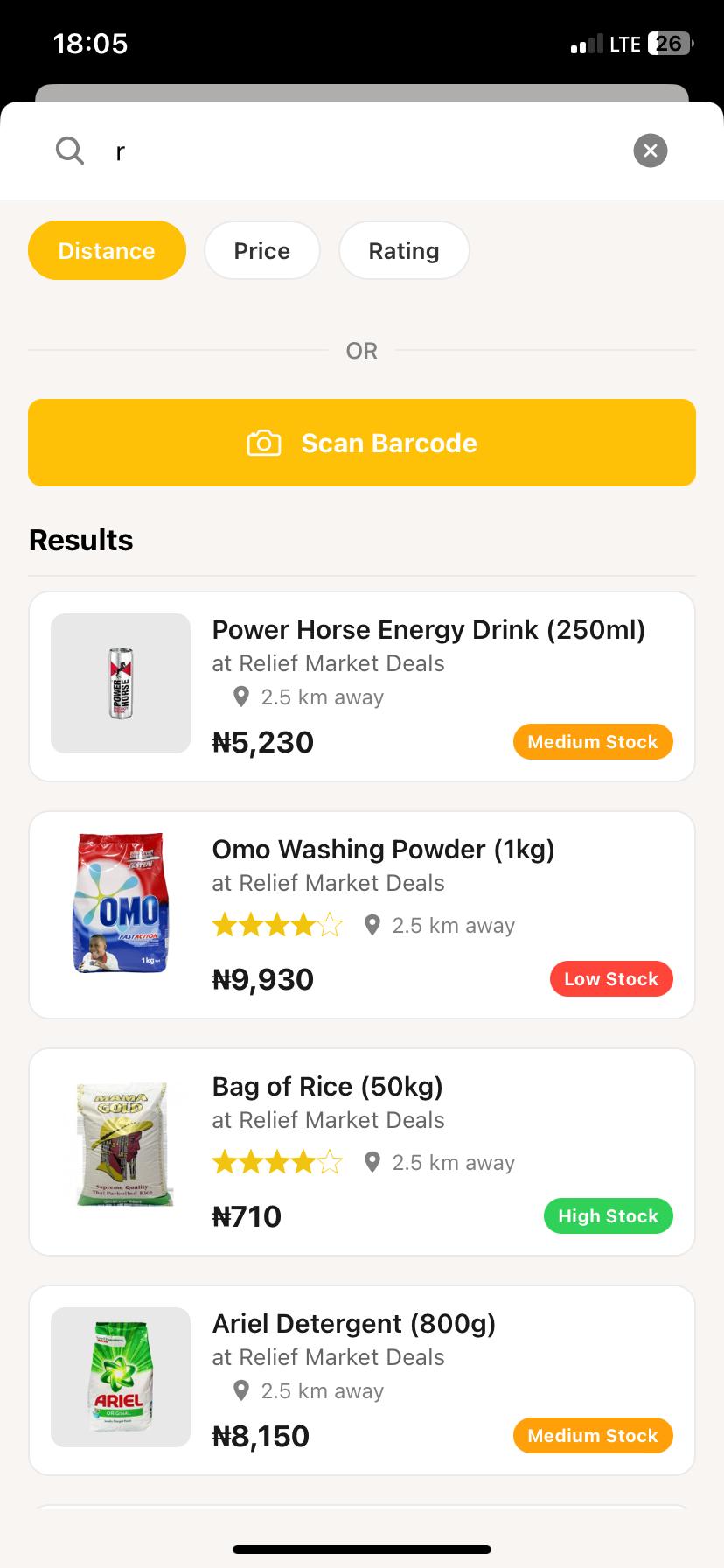
Neighbor is a hyper-local, community-driven price comparison ecosystem. For consumers, it's a mobile app that allows them to:
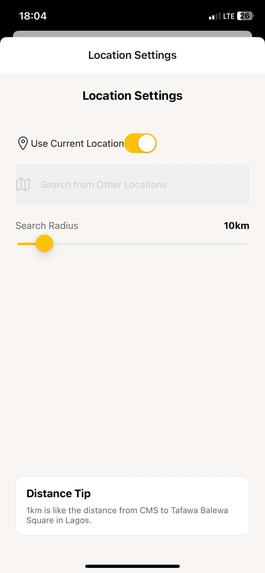
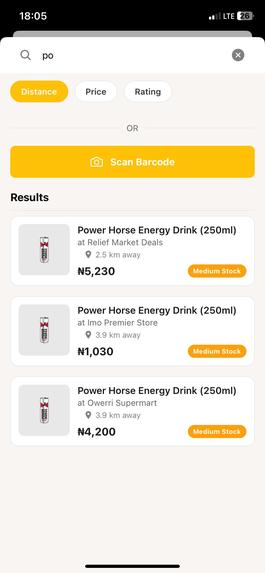
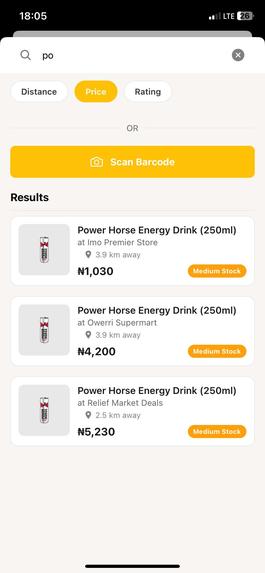
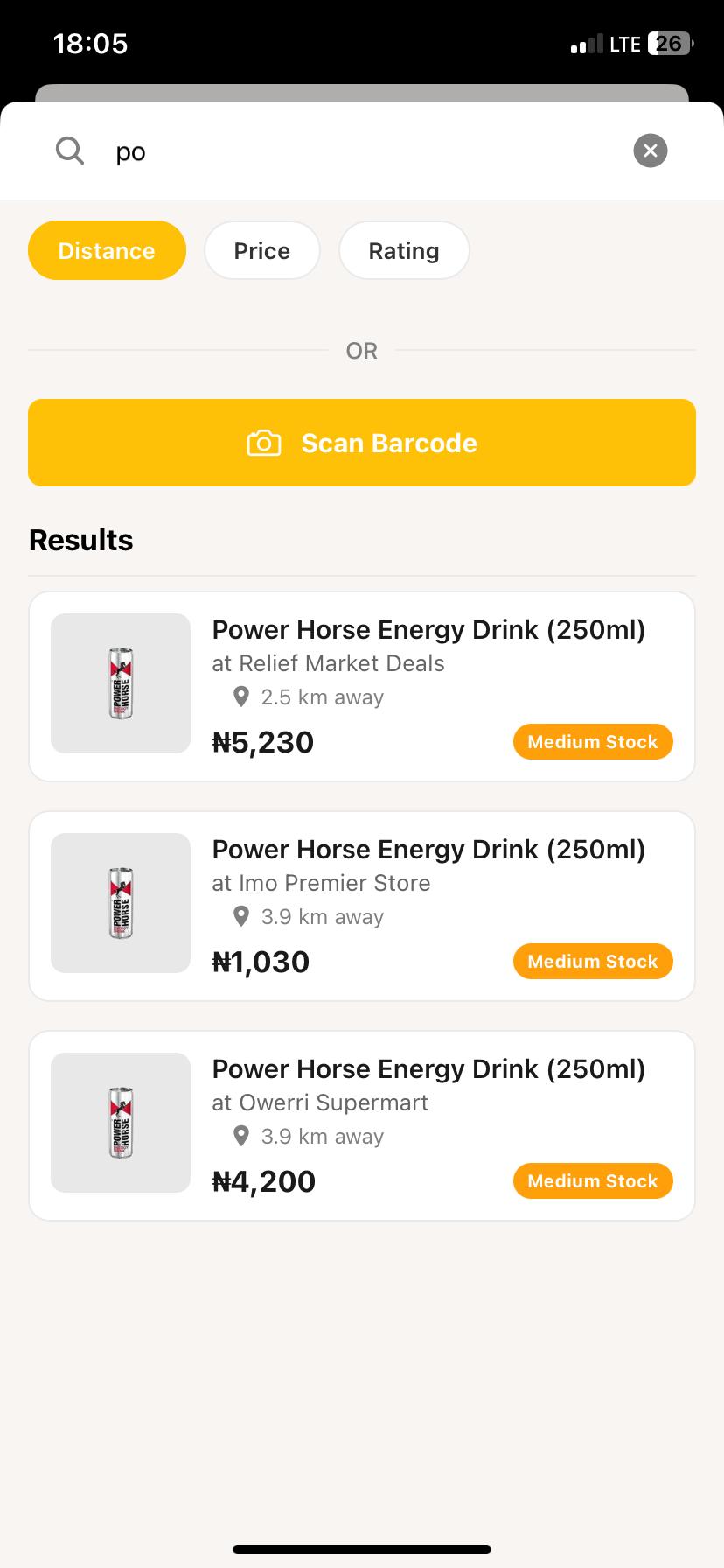
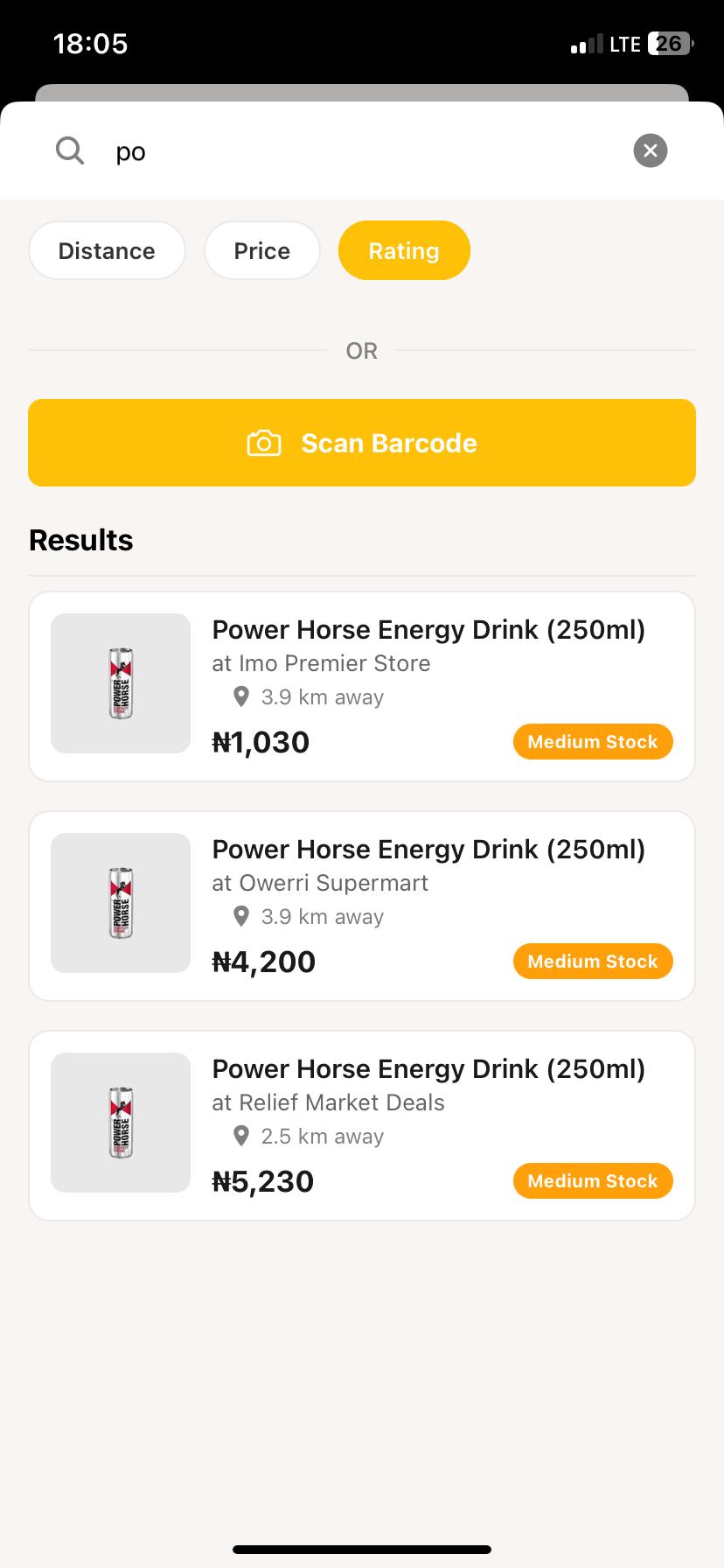
- Search for any product and instantly see a list of prices from various stores in their immediate vicinity, using their phone's GPS.
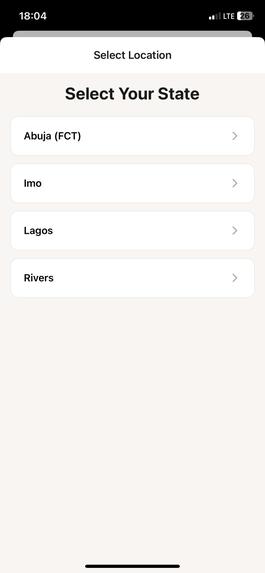
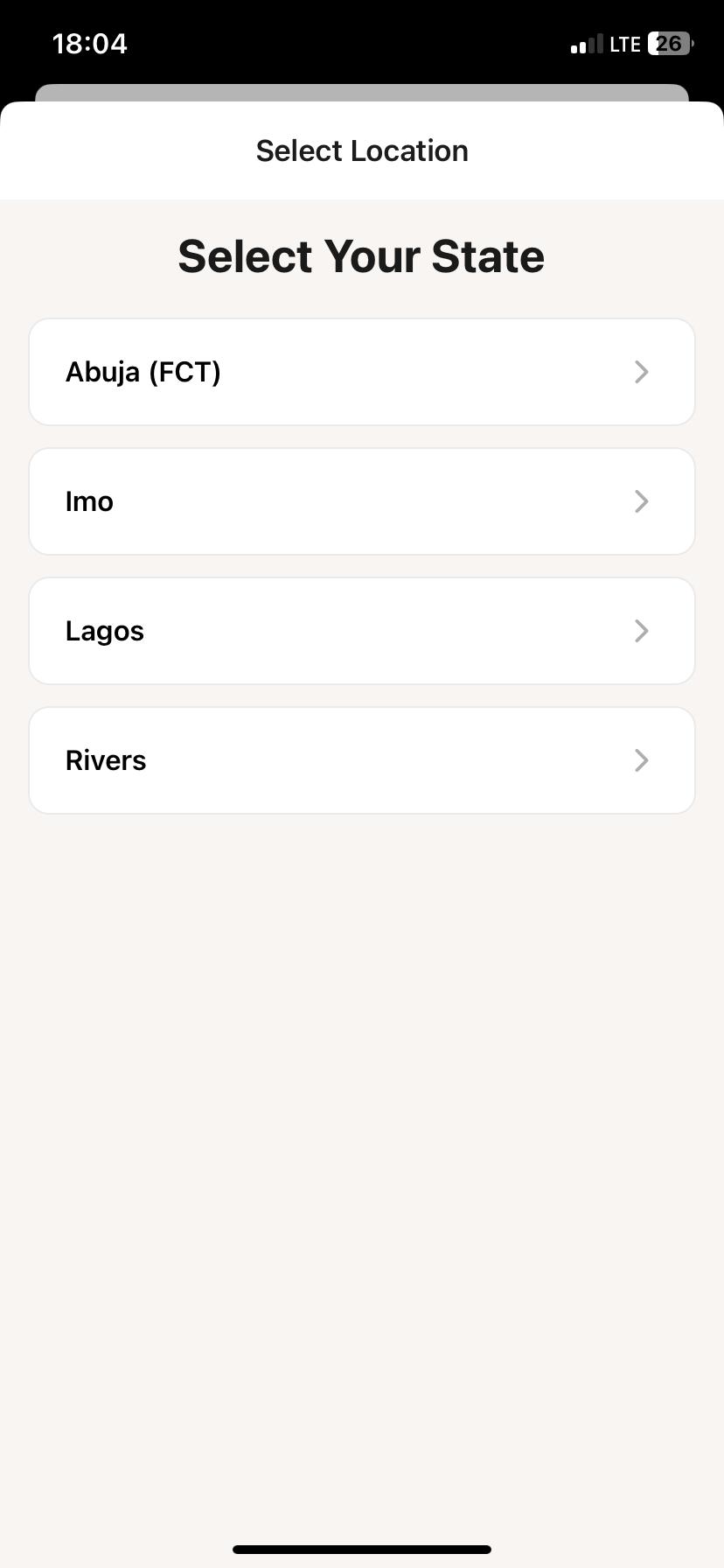
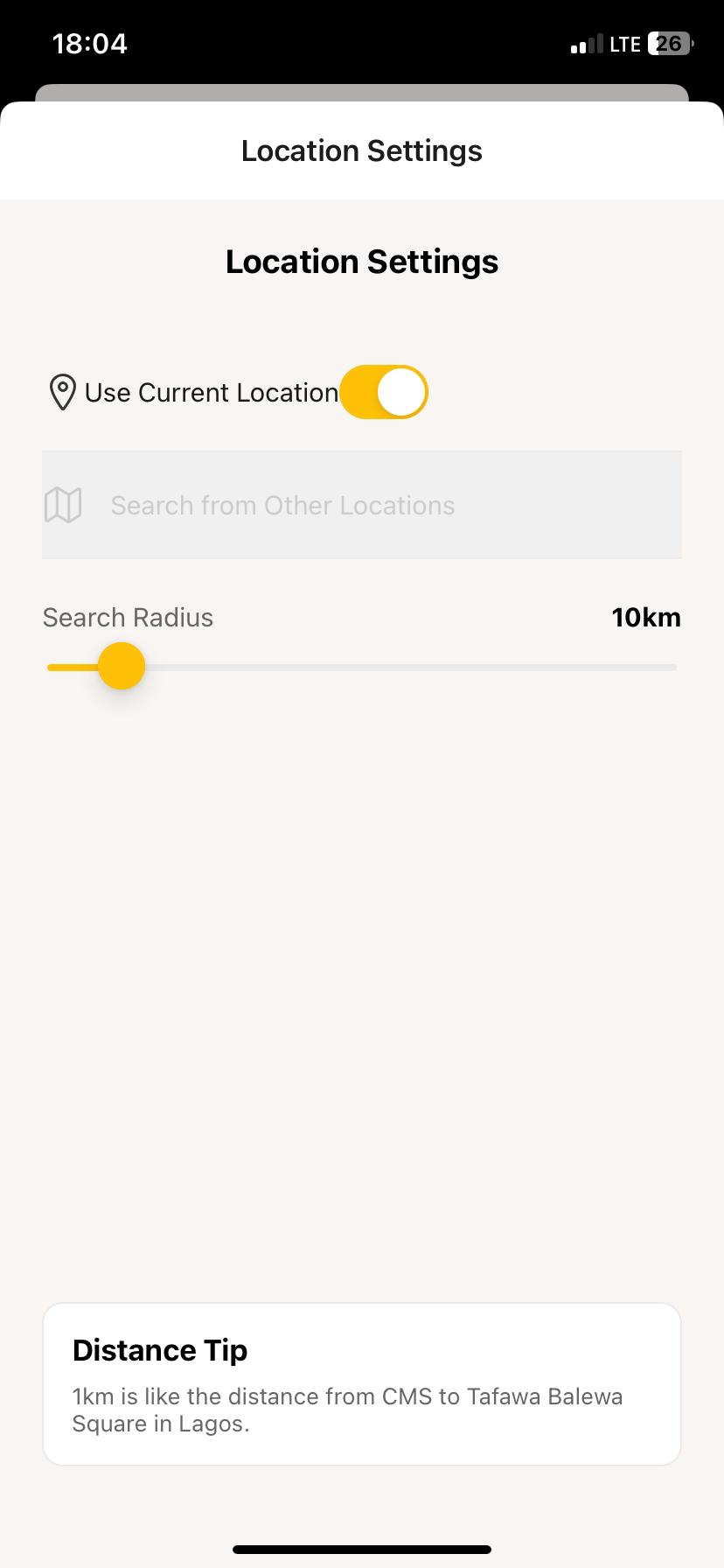
- Dynamically adjust their search radius and receive intelligent warnings if their search crosses state boundaries.
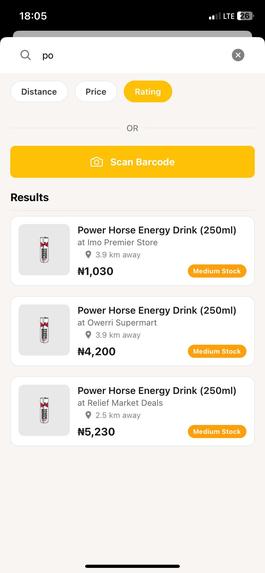
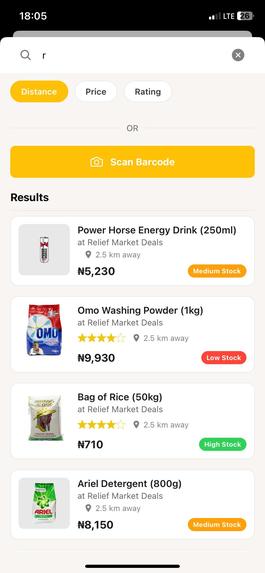
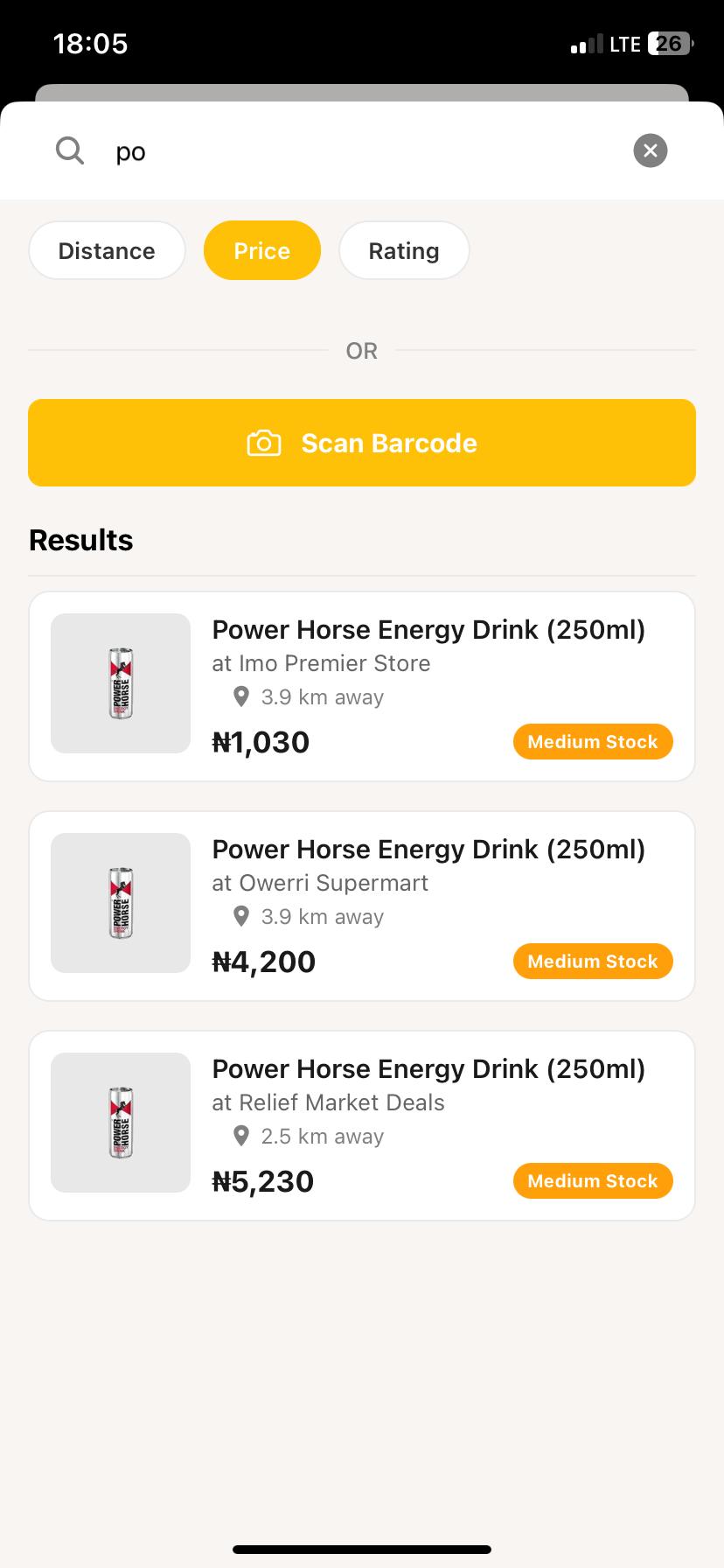
- Sort results by distance, price, or user rating to find the perfect deal.
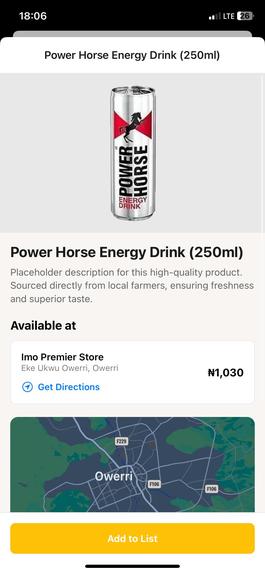
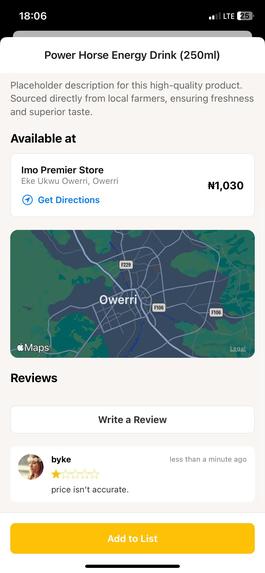
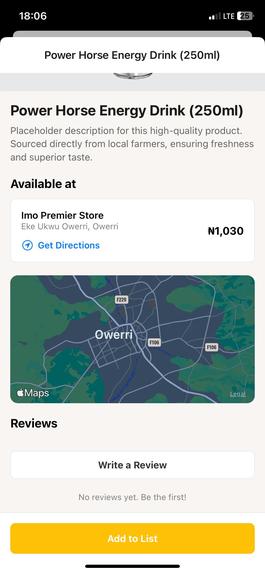
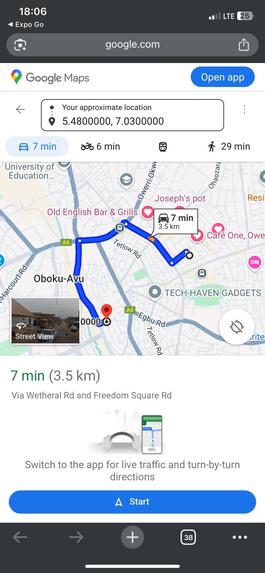
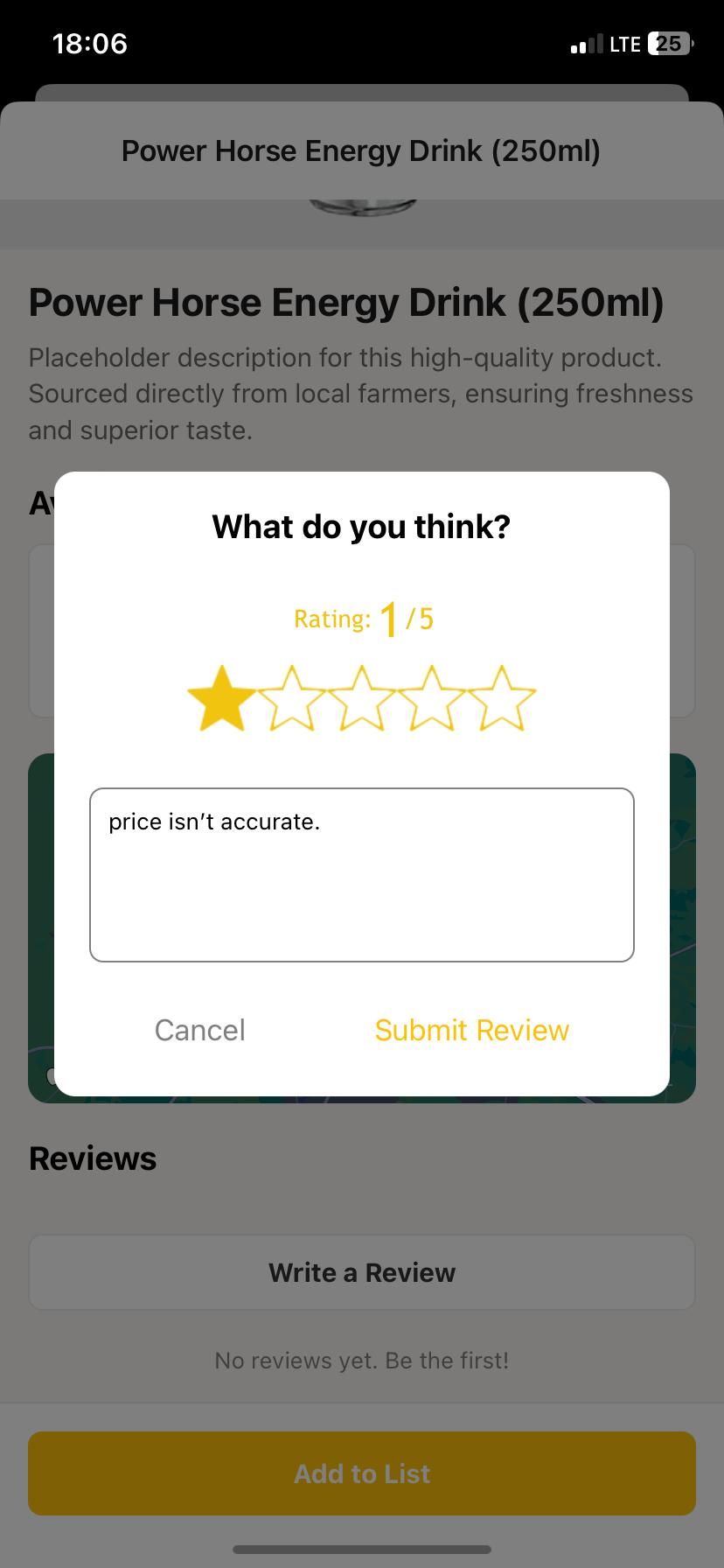
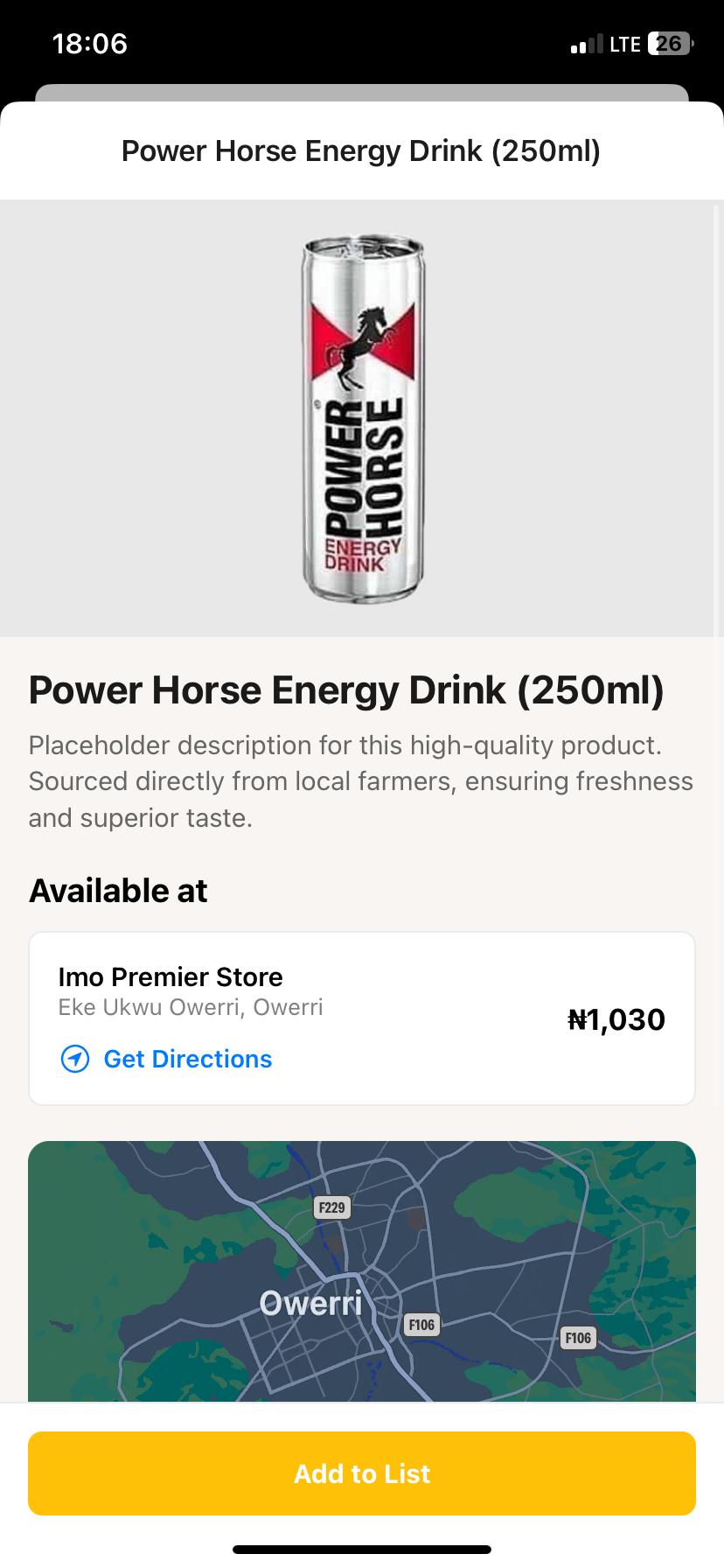
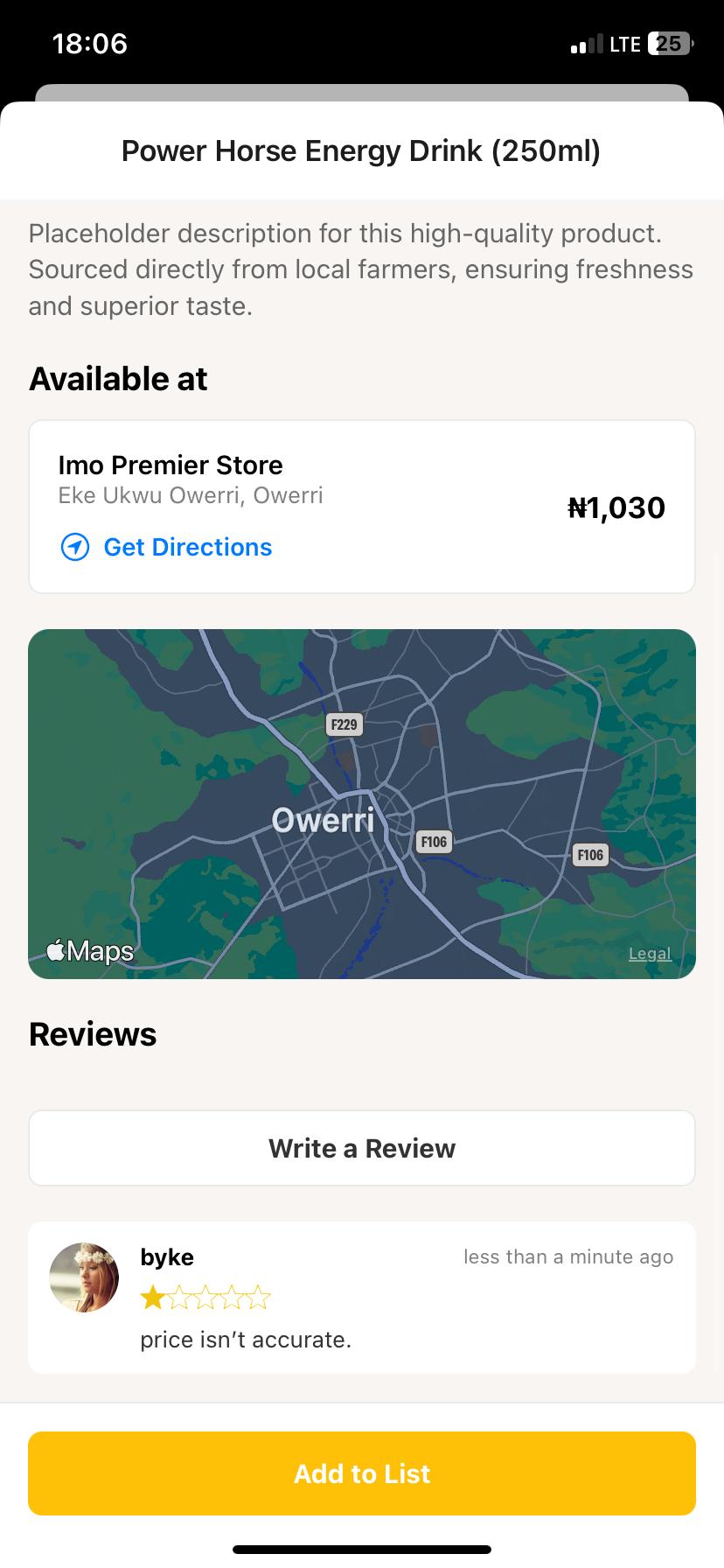
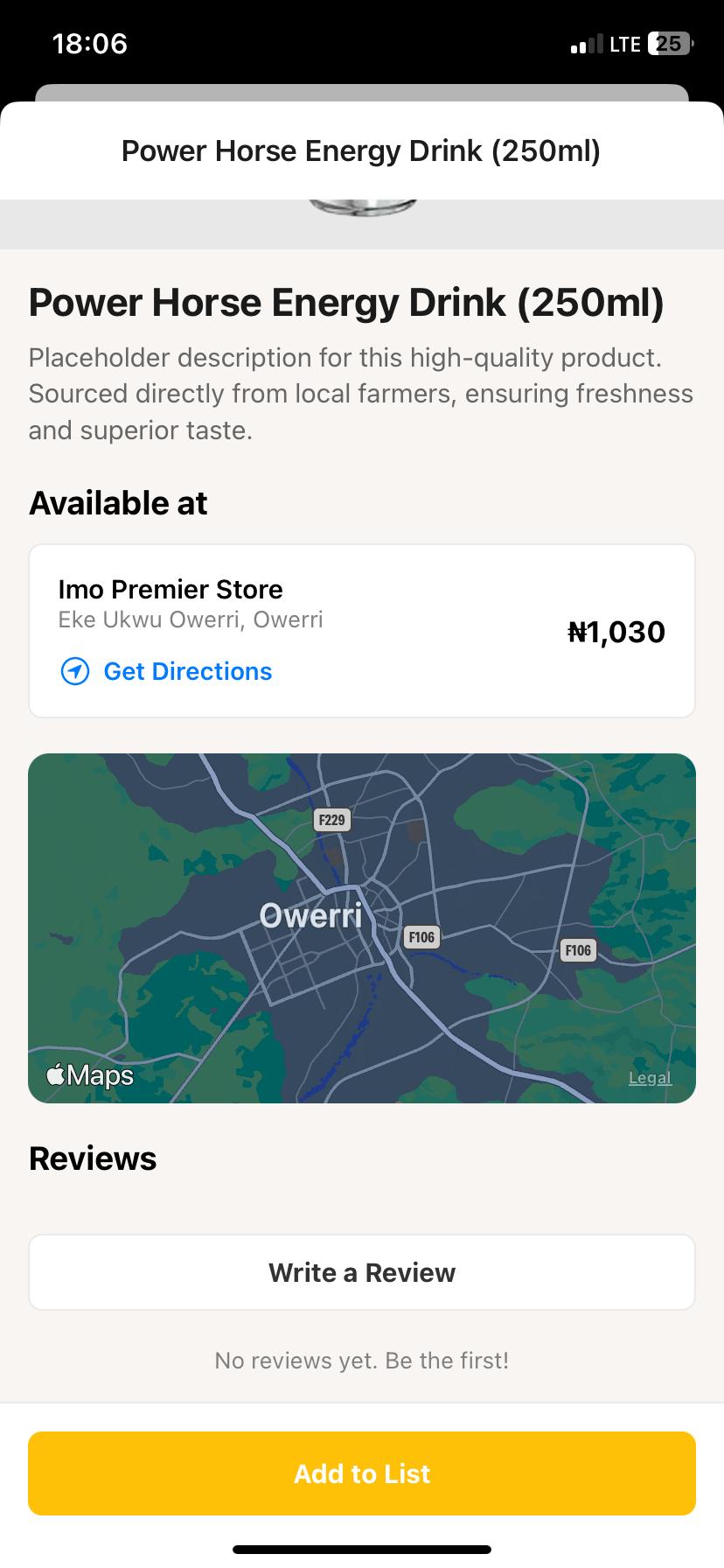
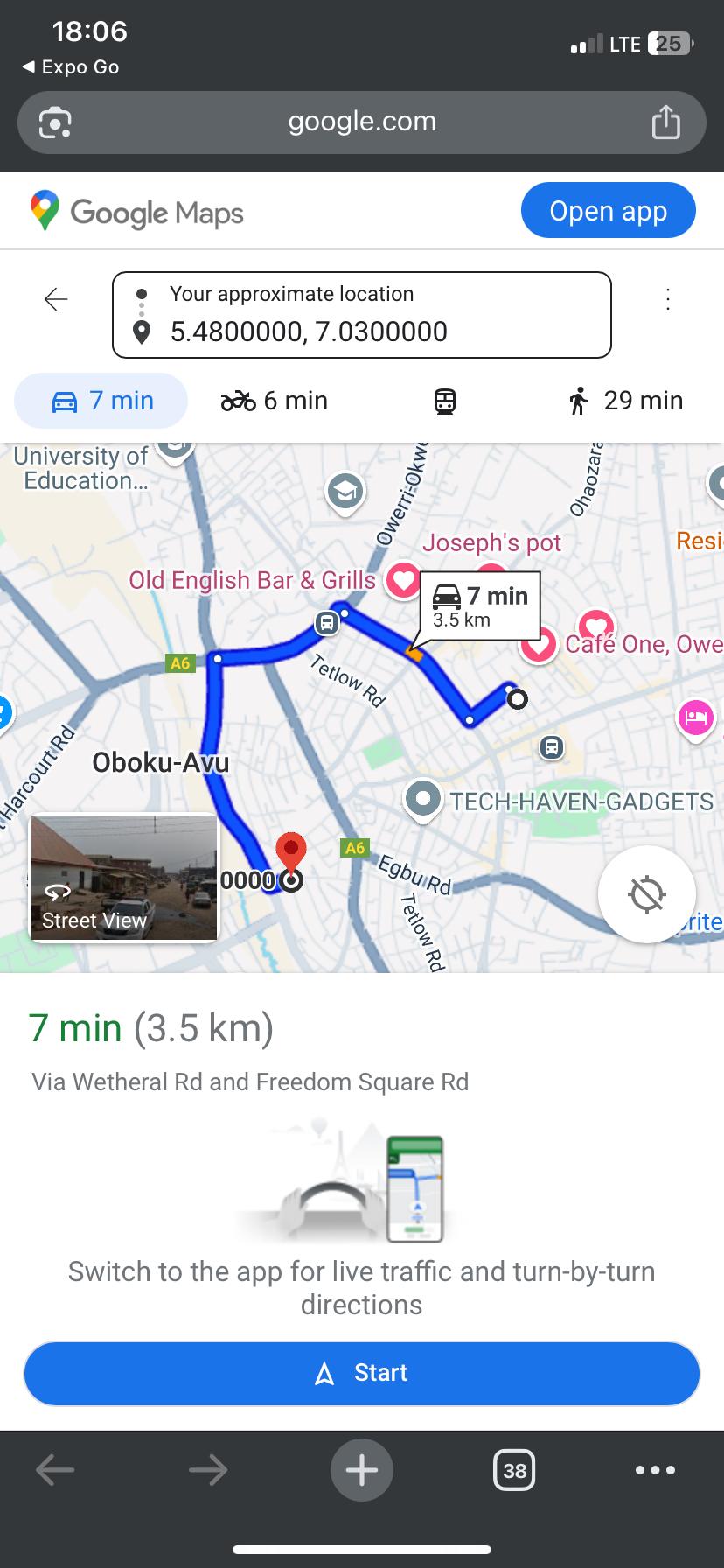
- View detailed product pages with store locations on a map and get directions.
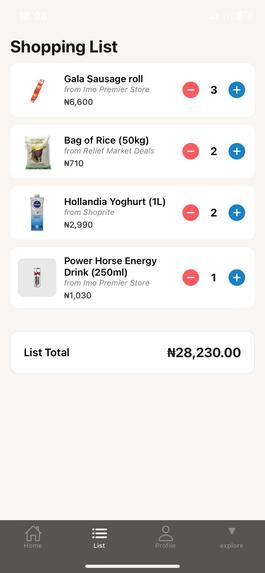
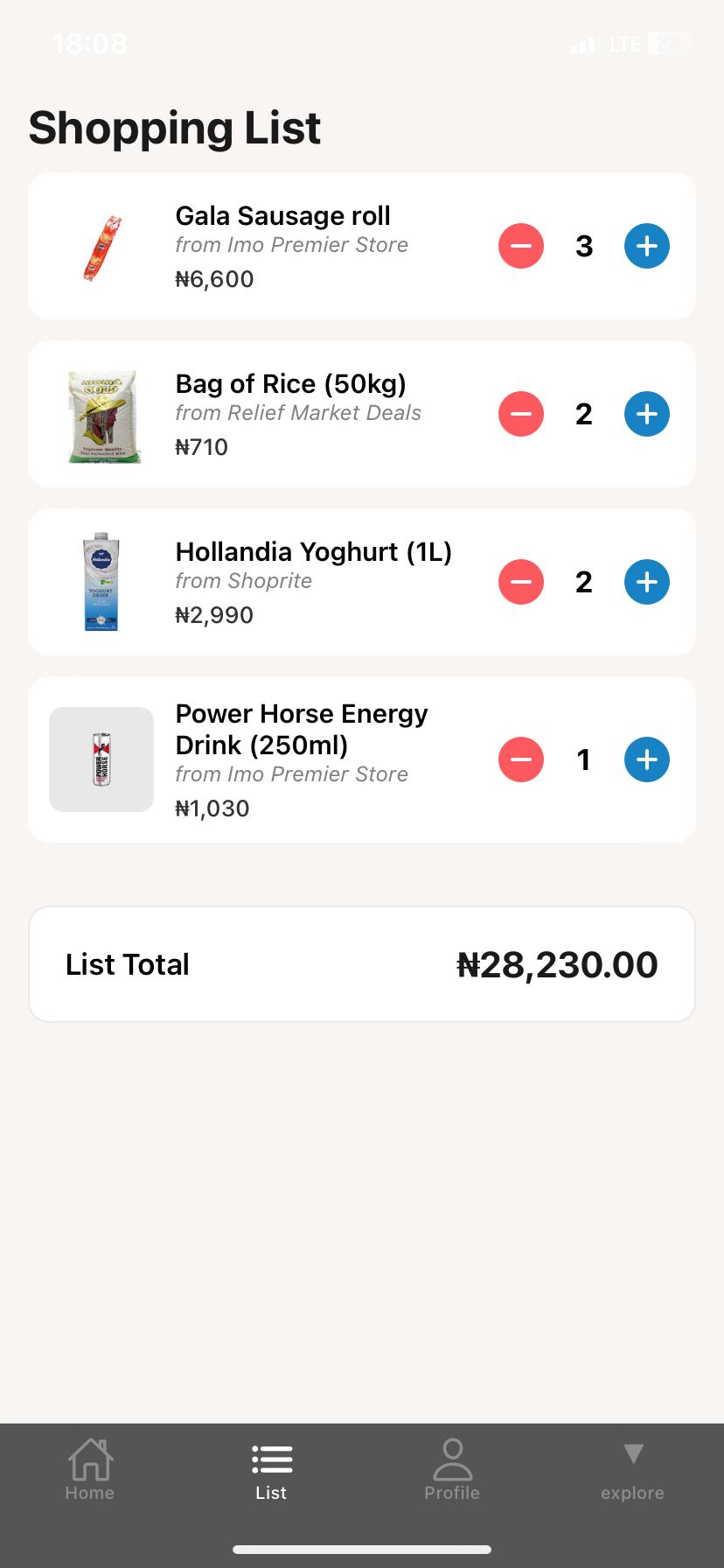
- Build a personal shopping list with an integrated calculator to manage their budget.
For local businesses, it's a simple web dashboard that empowers them to:
- Create a digital storefront in minutes.
- Manage their product inventory, including prices and stock levels.
- View basic analytics to see which of their products are getting the most views from nearby customers.
How I built it
I took a "UI-First" and full-stack approach, building a complete ecosystem with three core components:
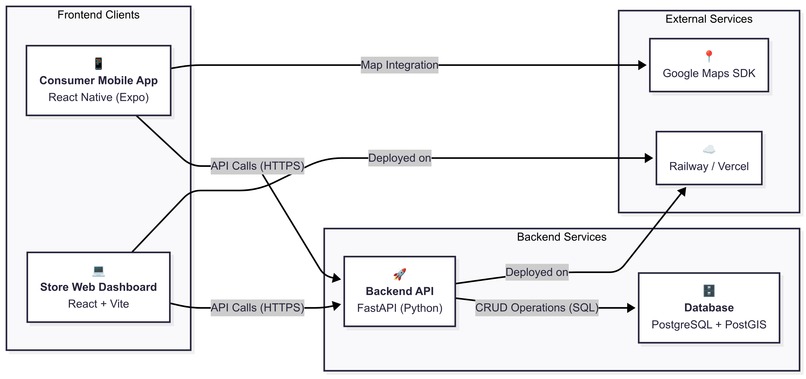
- The Backend API: I used
FastAPI(Python) for its incredible speed and efficiency. I chose aPostgreSQLdatabase supercharged with thePostGISextension to handle all our complex geospatial queries, which are the heart of our location-aware features. User authentication is managed securely withJWT. - The Consumer Mobile App: I used
React Native(Expo) withTypeScriptto build a high-performance, cross-platform native app. For a seamless and fast user experience, I integratedTanStack Query(React Query) to create a robust offline-first caching layer, directly solving the challenge of unreliable connectivity. - The Store Web Dashboard: I used
React+VitewithTailwind CSSto rapidly build a clean, modern, and responsive interface for our business users.
The entire system is designed to be deployed on modern cloud platforms like Railway for the backend and Vercel for the frontend.
Challenges I ran into
Our biggest challenge was mastering the geospatial logic. I initially struggled with PostGIS queries, where our "nearby" search wasn't returning correct results due to subtle bugs in how location data was being stored and queried. I debugged this by printing the raw SQL, testing it directly in psql, and correcting our data seeding scripts to use the proper spatially-aware format (WKTElement).
I also faced persistent 401 Unauthorized and 422 Unprocessable Entity errors. This forced us to refactor our authentication and data flow, leading us to build a more robust, centralized dependency injection system for our database sessions and a token interceptor on the frontend, which made the entire application more stable.
Accomplishments that I'm proud of
I am incredibly proud of building a solution that truly embodies the "Resource-Constrained Computing" theme.
- True Offline Capability: Our app isn't just "offline-compatible"; it's "offline-first." Thanks to
TanStack Query, the app is fast and functional even with zero internet, a critical feature for use in real Nigerian markets. - Advanced Geospatial Intelligence: I successfully implemented a system that not only finds nearby products but also understands the geography of Nigeria, warning users when their search radius crosses state lines.
- A Complete Ecosystem: In just a few weeks, I built and tested a full-stack application with three distinct parts—a consumer app, a business dashboard, and a powerful backend—that all work together seamlessly.
What I learned
This project was a deep dive into the realities of full-stack, cross-platform development. I learned the critical importance of a well-defined data flow between the frontend and backend to avoid validation errors. Most importantly, I learned that the biggest technical challenges often reveal the most important user needs. The difficulty of implementing the geospatial features underscored how vital accurate location context is to our users, reinforcing our commitment to building a truly hyper-local product.
What's next for Neighbor
This MVP is just the beginning. Our vision is to build a complete e-commerce ecosystem. Our roadmap includes:
- Onboarding: Partnering with major supermarkets and empowering thousands of smaller vendors to join the platform.
- Logistics: Integrating delivery services to create a seamless search-to-delivery experience.
- AI: Developing the "AI Shopping List" feature to provide predictive, personalized suggestions to users.
- Expansion: Replicating our successful model in other African countries, starting with Ghana.
Built With
- axios
- fastapi
- googlemapssdk
- javascript
- postgis
- postgresql
- python
- react+vite
- react-native(expo)
- react-navigation
- sql
- sqlalchemy
- tanstackquery
- typescript


Log in or sign up for Devpost to join the conversation.