Inspiration
When we started brainstorming for "Reimagining Community," we took a step back to examine how our society operates today. So much of our daily interactions are monetarily transactional. We often need help with things that people in our own community could easily assist with, but instead, we end up struggling on our own or waiting until we can afford to hire someone. This cycle contributes to isolation and overconsumption.
But what if there was an easier way to connect with the people around us? People who might need something we can offer, just as we need something they can? That’s how we came up with Neighborly, a community-driven skill exchange system. People offer their skills, whether it's gardening, tutoring, babysitting, or more, and earn credits to use for other services. Our goal is to promote non-monetary community support, encouraging people to engage with their neighbors, meet new people, and truly benefit from the talents and skills within their community.
As we explored the concept of neighbors helping neighbors, we found a significant number of people online interested in something like this. However, many didn’t know where to start or struggled with communication in their communities.
“This is really fascinating! It's hard for me to wrap my head around. I feel like this would be an amazing system once it's established, but it would be hard to get going.” – MiaWinter on Reddit, 7 years ago
“I've only had two offers of jobs. I have been disappointed with it. I thought I would get lots to do for other people, and then be able to get other people to do things for me.” – Timebanking and the co-production of preventive social care with adults; what can we learn from the challenges of implementing person-to-person timebanks in England?
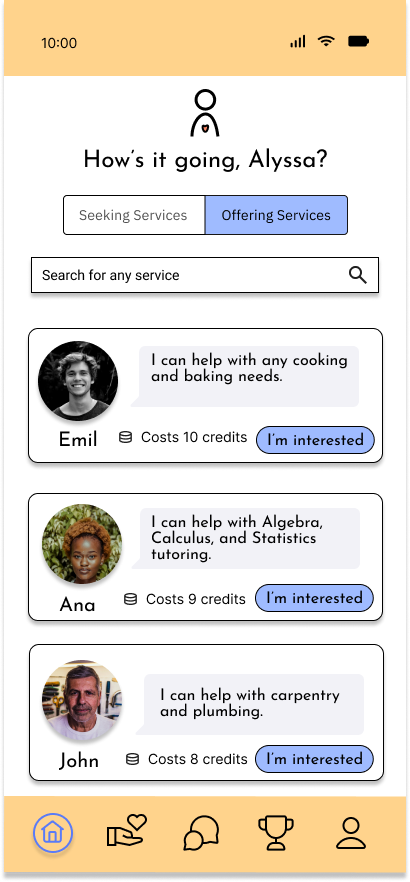
Neighborly solves this problem by making community connection simple and accessible. The app allows people to see available services, offer their own skills, and track their earned credits. To keep users engaged, Neighborly features community chats, events, leaderboards, and badges.
What it does
Neighborly makes it easy for neighbors to exchange skills and services while fostering real community connections. The Home page allows users to browse available services, request help, or offer their own skills, whether it’s baking, gardening, pet sitting, or handyman work.
Beyond transactions, Community Central encourages deeper engagement with discussion boards, local events, and skill-sharing opportunities. New members are introduced in the “New Neighbors” section, making it easy to connect, while topic boards let users discuss shared interests and exchange advice.
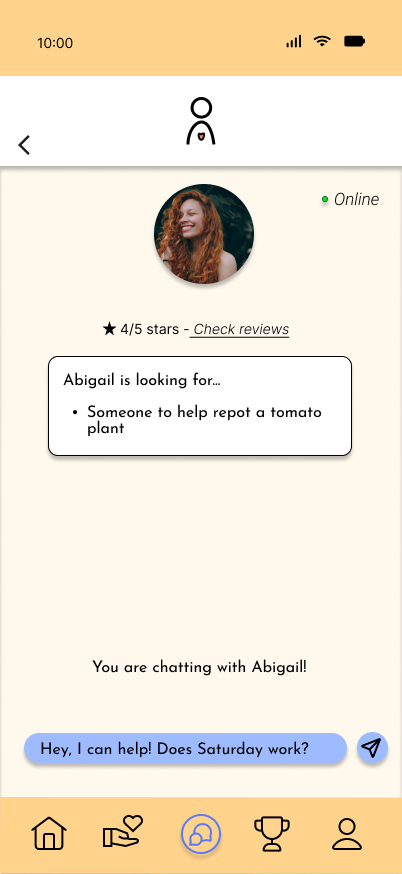
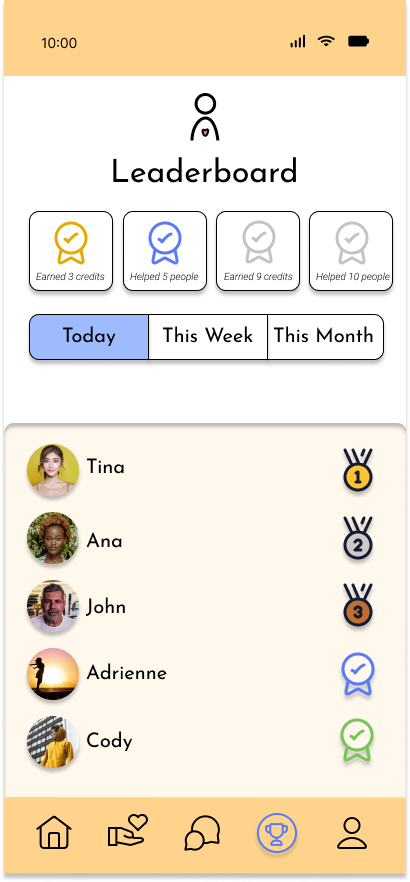
The Chats section ensures smooth communication by allowing users to chat with those they’ve arranged services with or connect with new neighbors. To keep the platform engaging, the Leaderboard highlights top contributors and tracks the total “Community Badges” earned.
Finally, the Profile showcases each user’s skills they offer, skills they frequently search, reviews, earned credits, and badges, making it easy to build trust and encourage ongoing participation. By blending service exchanges with meaningful interactions, Neighborly helps strengthen real-world connections within communities.
How we built it
We designed Neighborly using Figma. We started by defining our core concept, brand identity, colors, and logo. From there, we conducted research, identified design challenges, and developed key design principles to guide our process.
To ensure a seamless user experience, we established a consistent design system across all pages. We then moved into lo-fi wireframing, refining our ideas before bringing them to life in a high-fidelity prototype.
Challenges we ran into
One of our biggest challenges was ensuring community engagement and retention. Similar concepts have struggled because users didn’t feel connected enough to keep using the platform. We wanted to design something that people wouldn’t just sign up for, but actively participate in.
Balancing engagement-focused features while keeping the platform simple and accessible was another challenge. We worked hard to create a system that felt inviting, functional, and truly community-driven.
Accomplishments that we're proud of
We’re incredibly proud of how much we learned and grew during this project. Whenever we encountered an idea we didn’t know how to execute, we took the “let’s learn now” approach instead of backing away. Because of this mindset, we picked up new design skills and Figma techniques that will benefit us long after this project.
We also worked well as a team. Whenever we had conflicting ideas, we quickly discussed them, made decisions efficiently, and kept moving forward.
What we learned
- How to implement horizontal and vertical scrolling in Figma
- Effective team collaboration and problem-solving
- How to run productive brainstorming sessions
What's next for Neighborly
We would love to bring Neighborly to life in a real community setting and see how it evolves in practice!
Built With
- figma


Log in or sign up for Devpost to join the conversation.