Inspiration
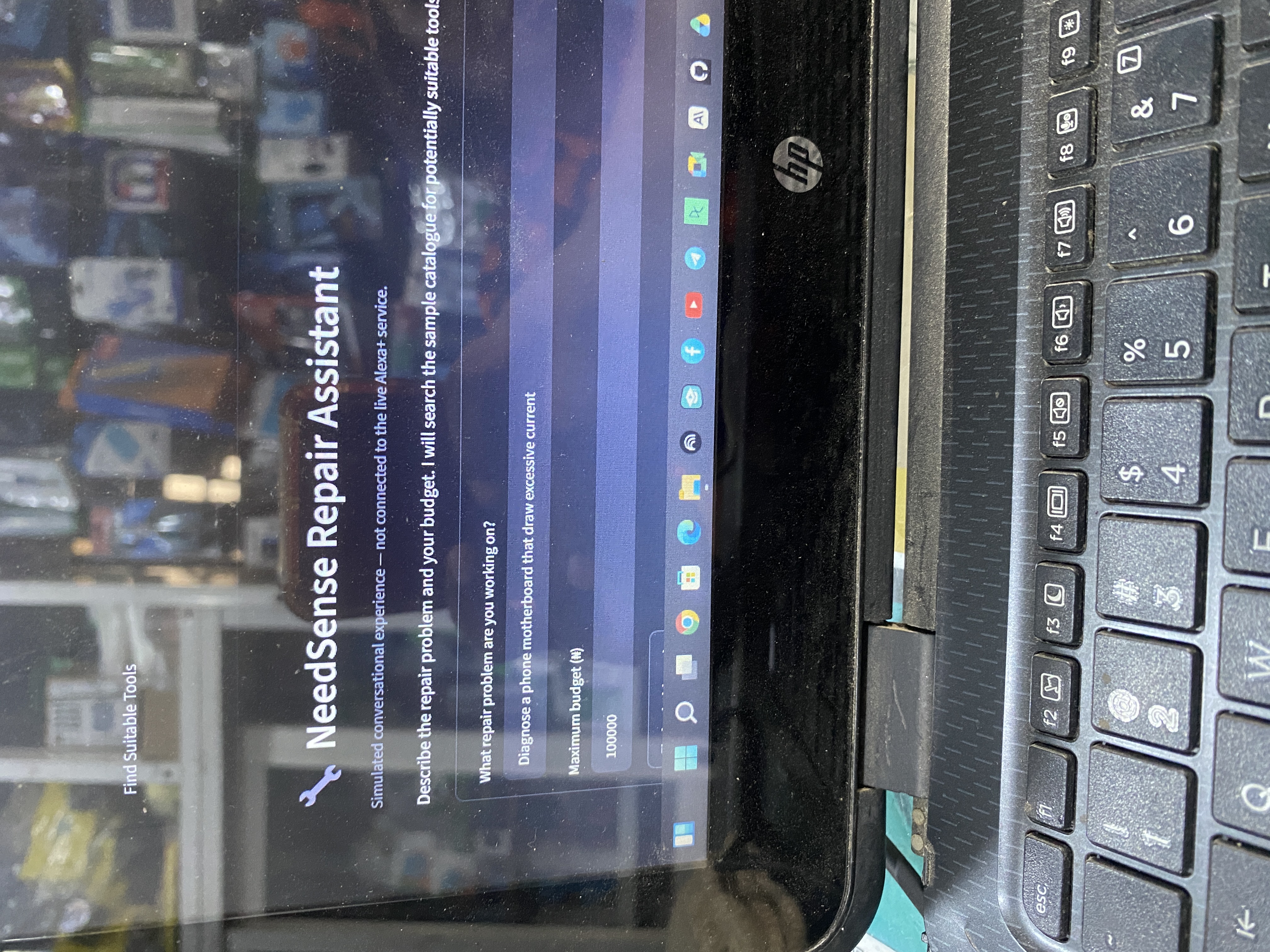
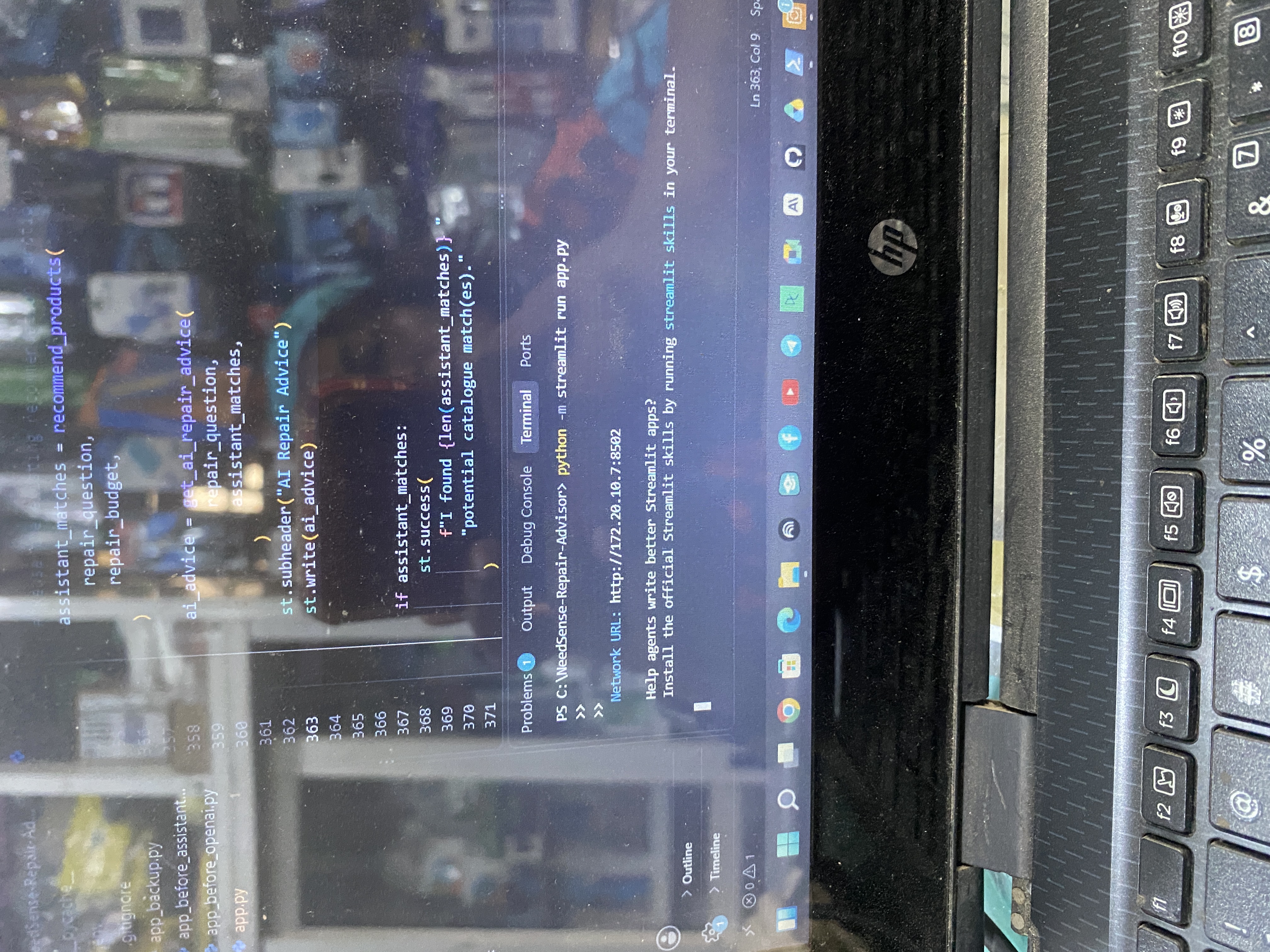
Inspiration Mobile phone repair technicians rely on specialised equipment to diagnose and repair faults. However, choosing the right tool can be challenging, especially when technicians have different budgets and face a large range of products. Buying unsuitable equipment can waste money and delay repairs. This inspired me to build NeedSense Repair Advisor, a tool-discovery application designed to help technicians identify potentially suitable repair tools based on their repair problems and budgets. What It Does NeedSense Repair Advisor allows a technician to describe a repair problem and enter a maximum budget. The application searches a sample catalogue and recommends potentially relevant tools. It is designed to make tool discovery faster, more accessible, and more budget-conscious. The current prototype demonstrates the core workflow using a Python and Streamlit web application. Its catalogue-matching function identifies potential product matches, and an OpenAI integration is included for AI-generated repair advice when the API is configured correctly. How I Built It I built the prototype using Python and Streamlit. Python handles the application logic and catalogue matching, while Streamlit provides the interactive web interface. I developed the project in Visual Studio Code and used AI-assisted development to help inspect the code, connect the repair form to the recommendation workflow, and improve the user experience. The current version uses a sample product catalogue. Product prices and availability are illustrative and are not verified against live supplier data. Challenges I Faced One of the main challenges was connecting the repair form, product-matching function, and AI-advice function without disrupting the existing application. I also had to troubleshoot Python indentation and integration issues while preserving working parts of the prototype. Working through these challenges helped me understand the importance of testing individual functions, checking application behaviour, and distinguishing between a working prototype and features that still require configuration. What I Learned I learned how to build an interactive web application, connect user inputs to recommendation logic, and use AI-assisted coding to support software development. I also learned that reliable recommendations require more than matching keywords: they need accurate product information, technical references, and careful validation. What's Next My next steps are to improve the quality of repair recommendations, connect verified technical documentation, and replace illustrative catalogue data with reliable product information. I also plan to evaluate suitable Amazon Web Services, including Amazon Bedrock for managed AI capabilities and Amazon DynamoDB or Amazon S3 for data storage, subject to access and implementation. These are planned improvements rather than claims of completed integrations. The longer-term goal is to build a more reliable repair-support assistant that helps technicians make informed equipment choices.
What it does
How we built it
Challenges we ran into
Accomplishments that we're proud of
What we learned
What's next for NeedSense Repair Advisor
Built With
- ai
- amazon-web-services
- openai
- python
- streamlit

Log in or sign up for Devpost to join the conversation.