Inspiration
We wanted to help people who need support but aren’t able to use apps or mobile phones. There are many elderly people in Munich without someone who can help them with everyday tasks.
What it does
ZeitZuHelfen lets anyone call a phone number and tell an AI what help they need. The AI extracts key details and sends them to our backend as a structured request. This makes it easy for neighbours or volunteers to respond.
How we built it
FastAPI powers our backend and receives structured AI data. Gemini processes the caller’s message and generates natural responses. The responsive UI is built with React & Vite
Challenges we ran into
Selecting the correct LLM for speech-to-text and data processing. Synchronizing Telegram webhooks, ngrok tunnels, and FastAPI endpoints was tricky. Managing Python environments caused unexpected issues. Turning free speech into clean, structured data required tuning.
Accomplishments that we're proud of
We built a fully working AI assistant under intense time pressure. It understands people naturally and logs their needs reliably. Seeing end-to-end calls actually work felt amazing.
What we learned
We learned how to combine telephony, AI, and backend systems into one flow. Small configuration mistakes can break everything, so testing each step matters. Clear prompts create much more reliable AI behavior.
What's next for ZeitZuHelfen
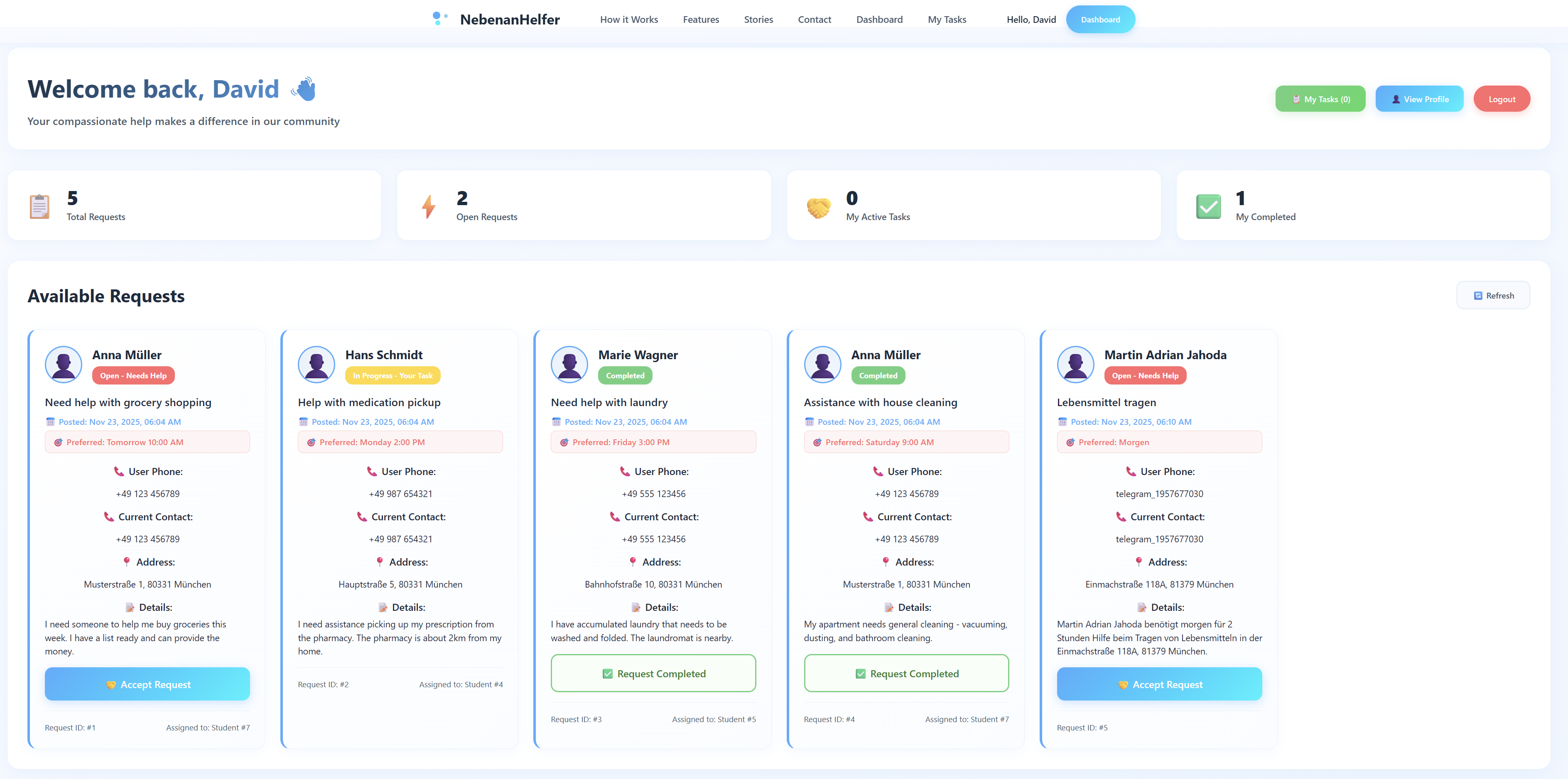
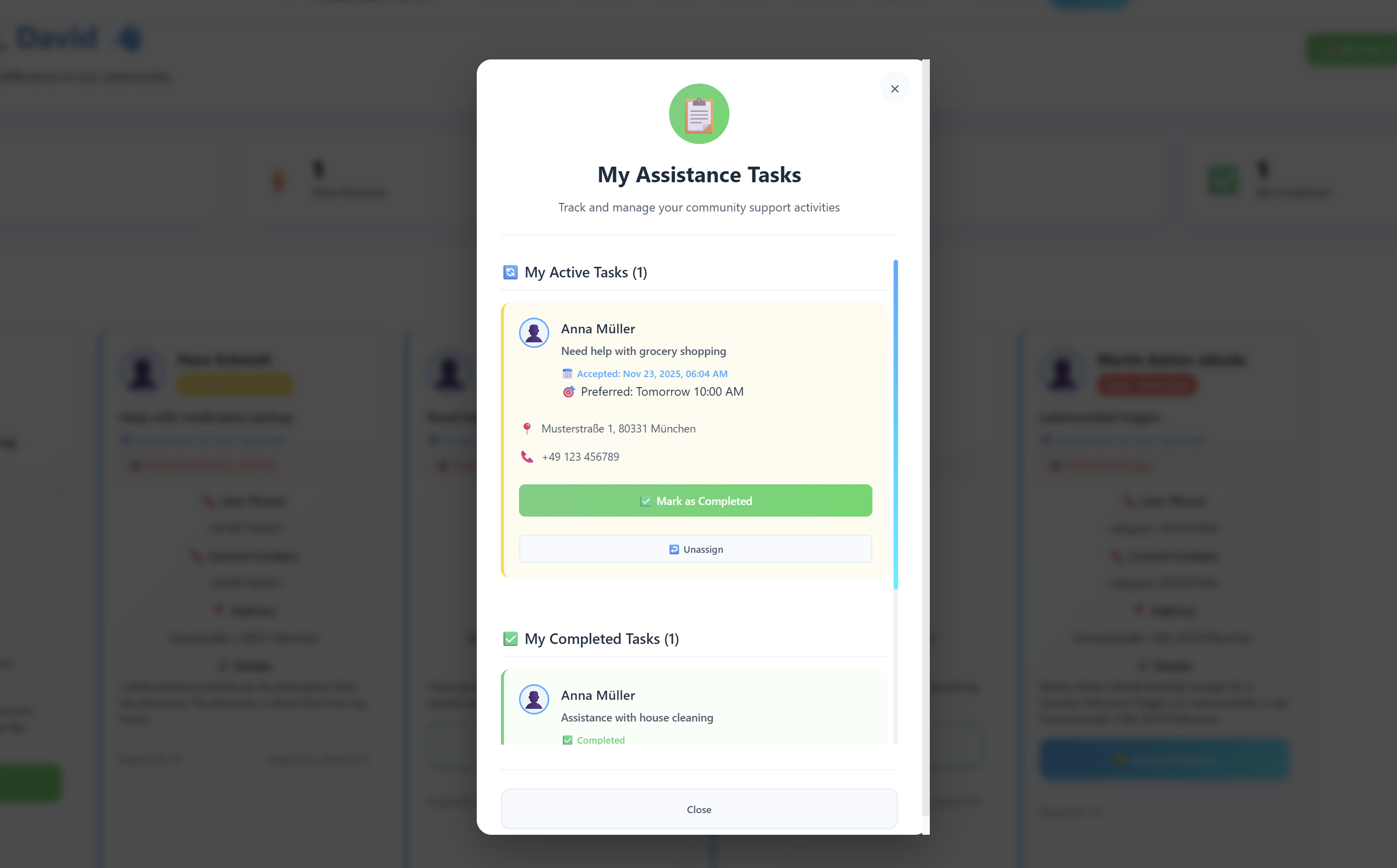
We want to build a volunteer dashboard so helpers can accept requests. Multi-language support would make it usable for more neighbours. We also plan to improve the conversation flow with smarter follow-up questions.
Built With
- fastapi
- gemini
- python
- react
- sqlalchemy
- telegram
- vite


Log in or sign up for Devpost to join the conversation.