-
-
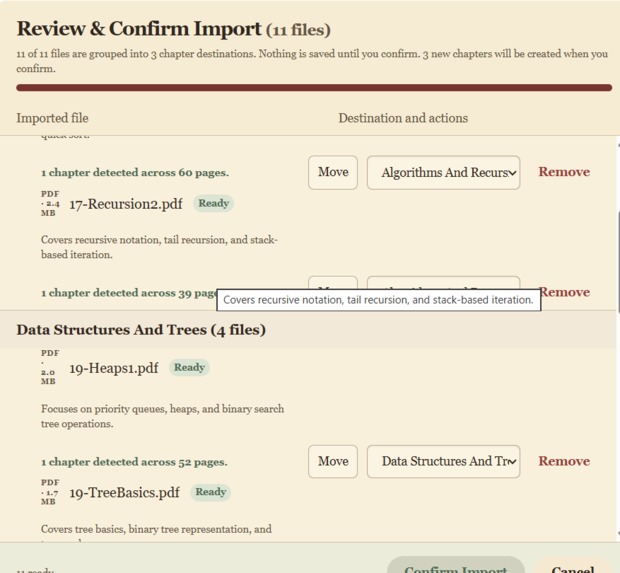
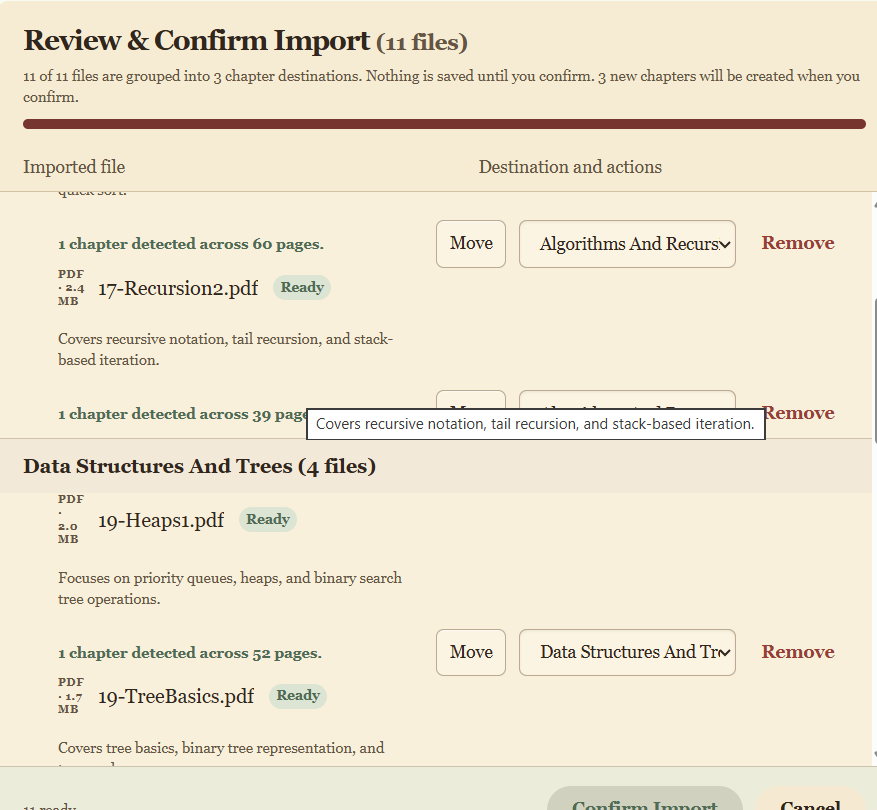
Auto Categorized Chapter
-
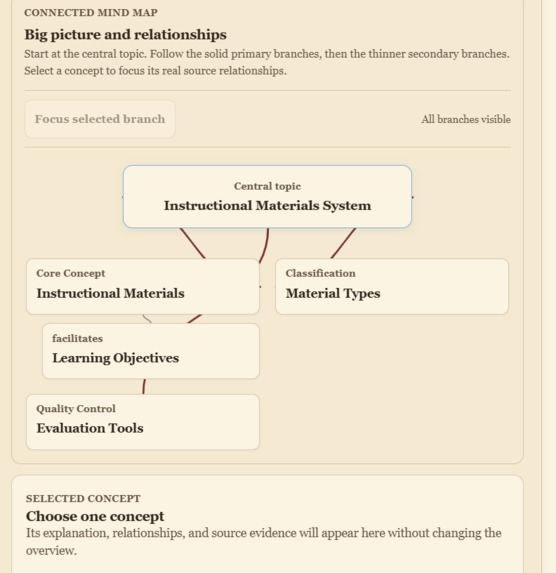
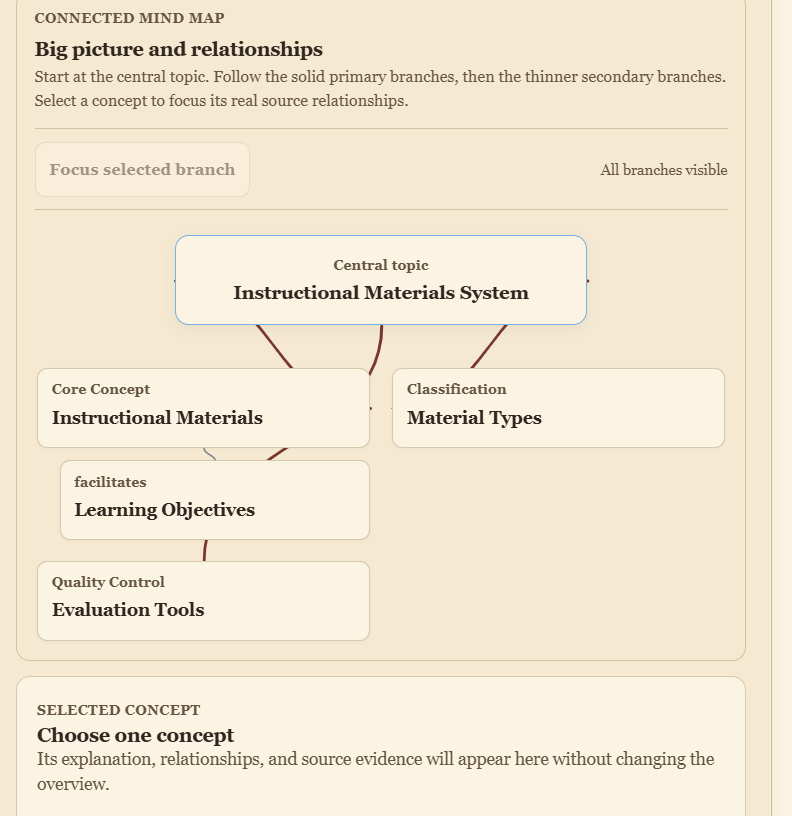
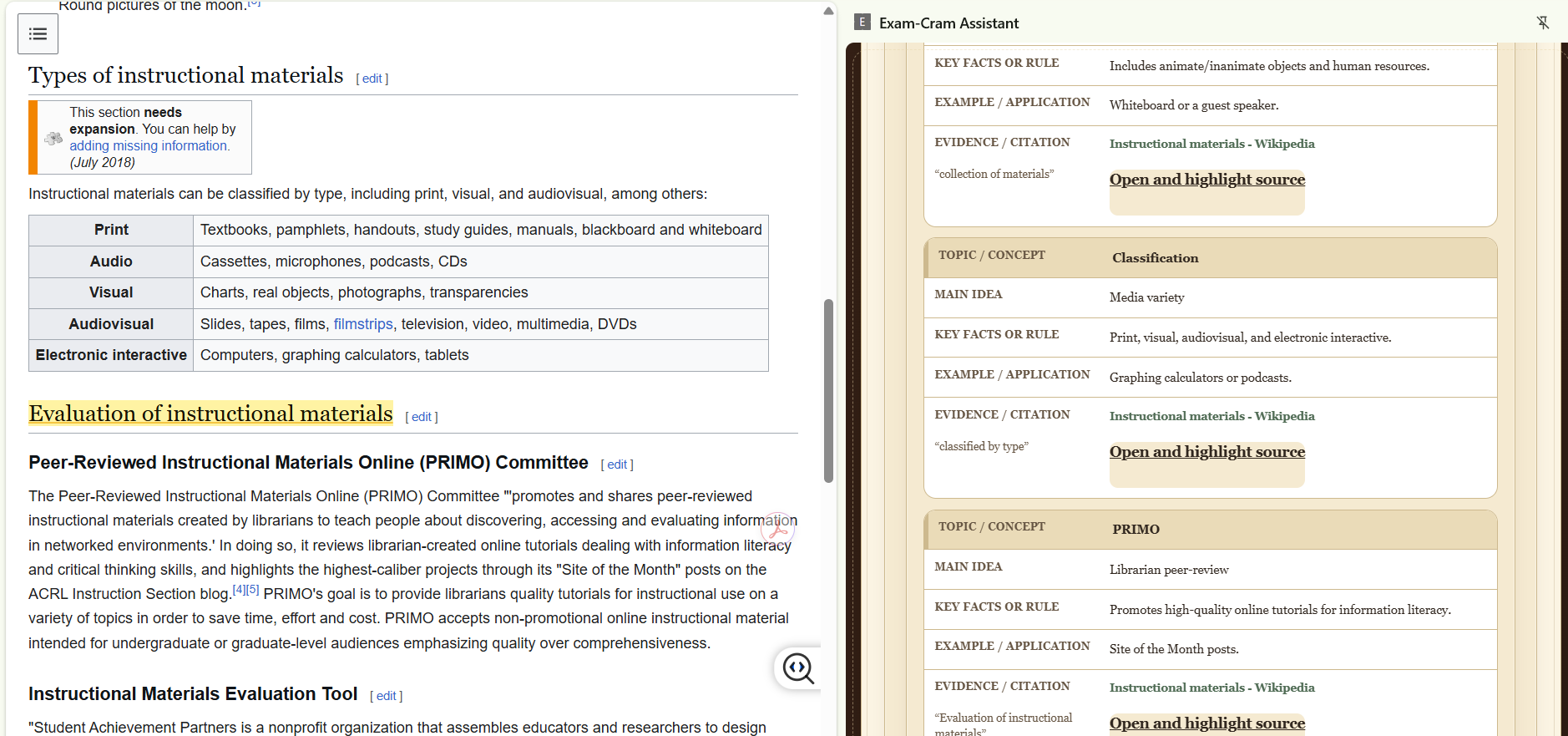
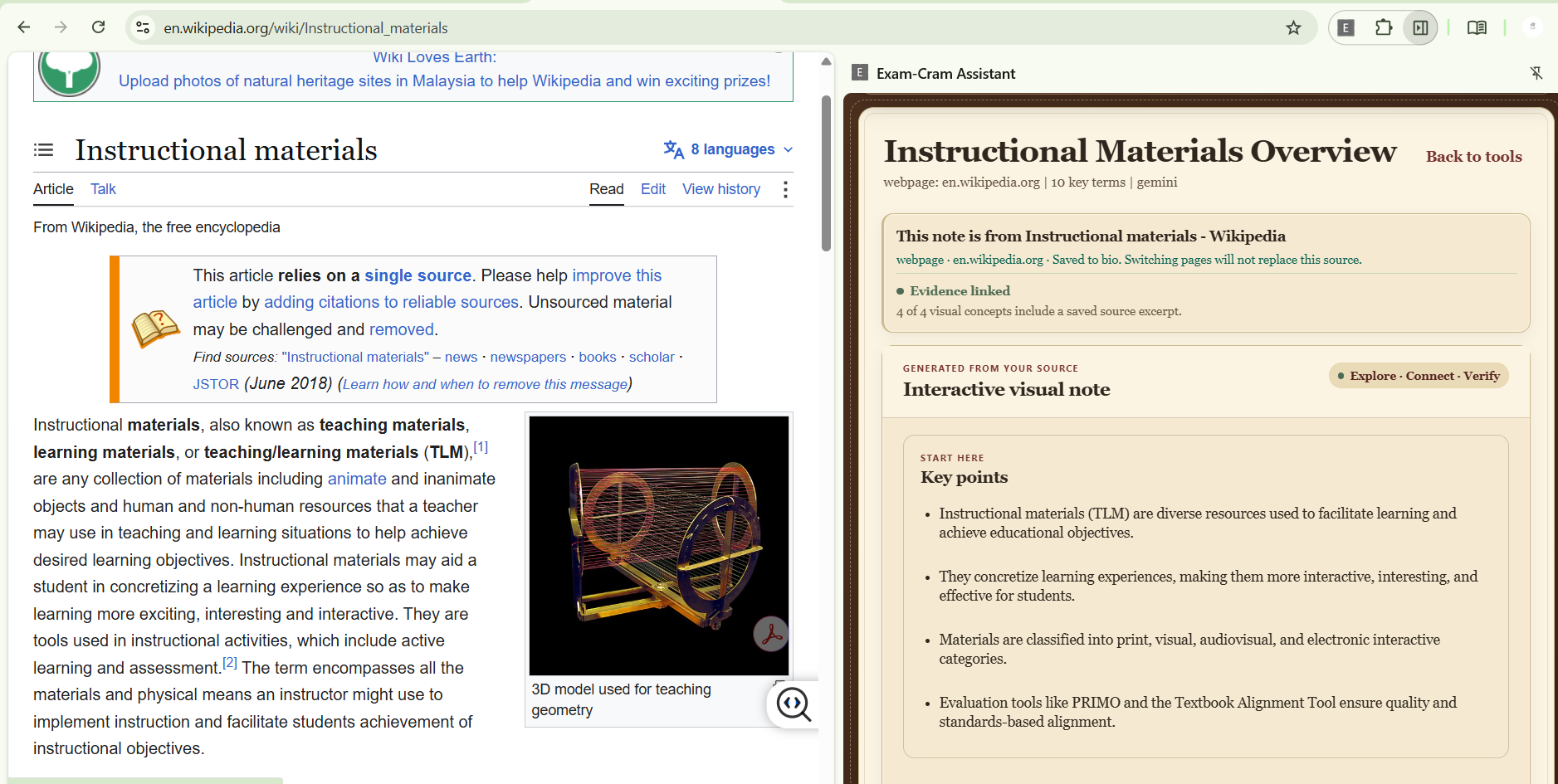
Visualize the key note into mind map
-
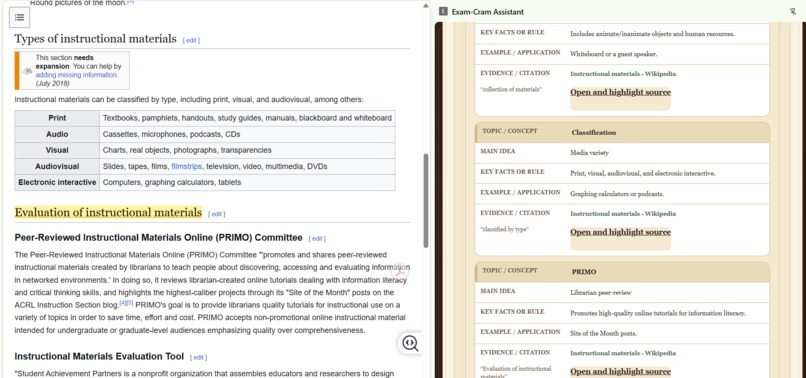
Highlighted source
-
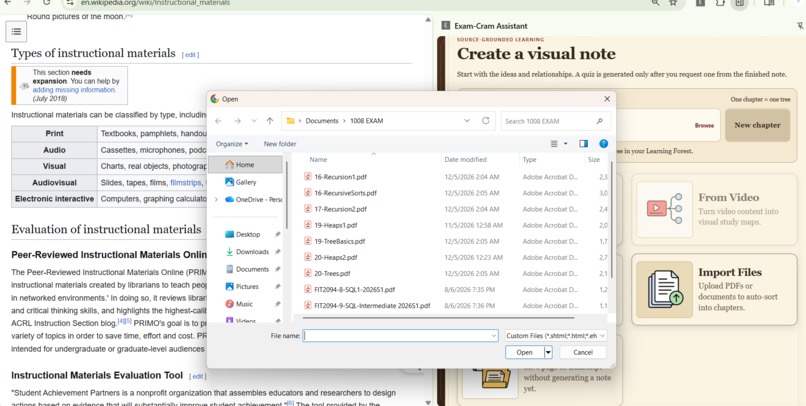
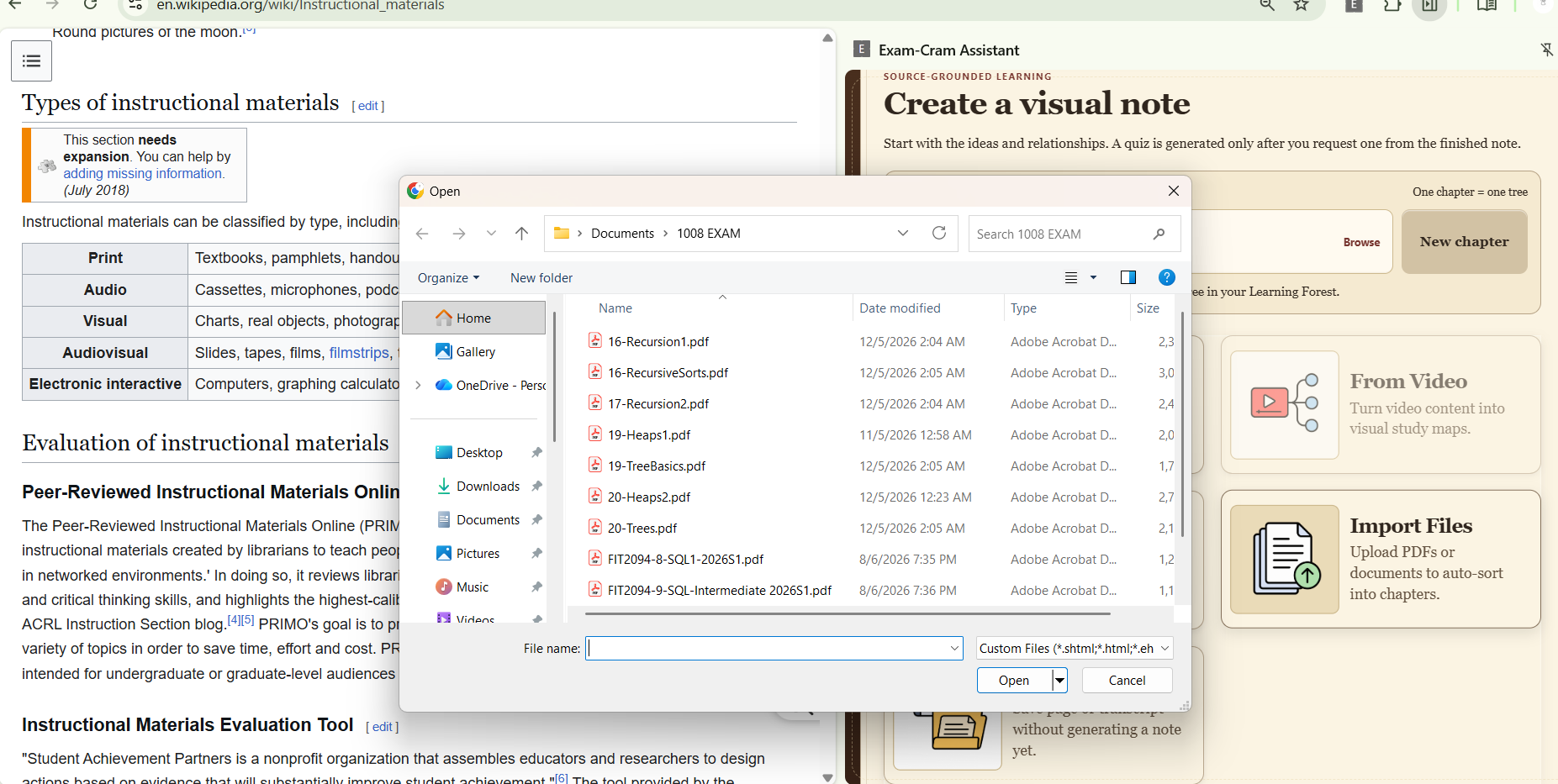
select multiple files
-
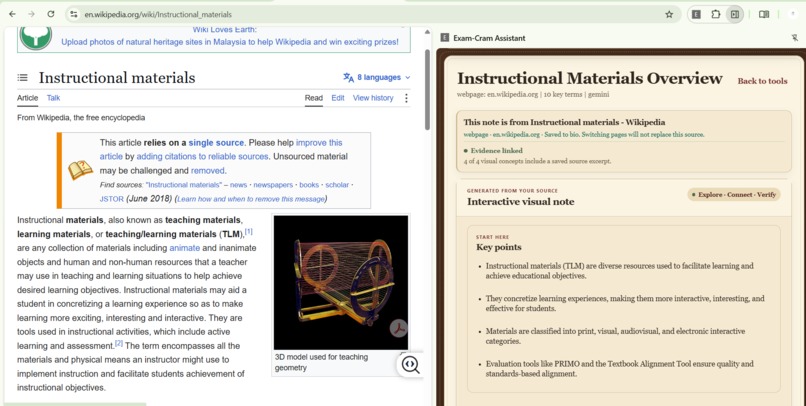
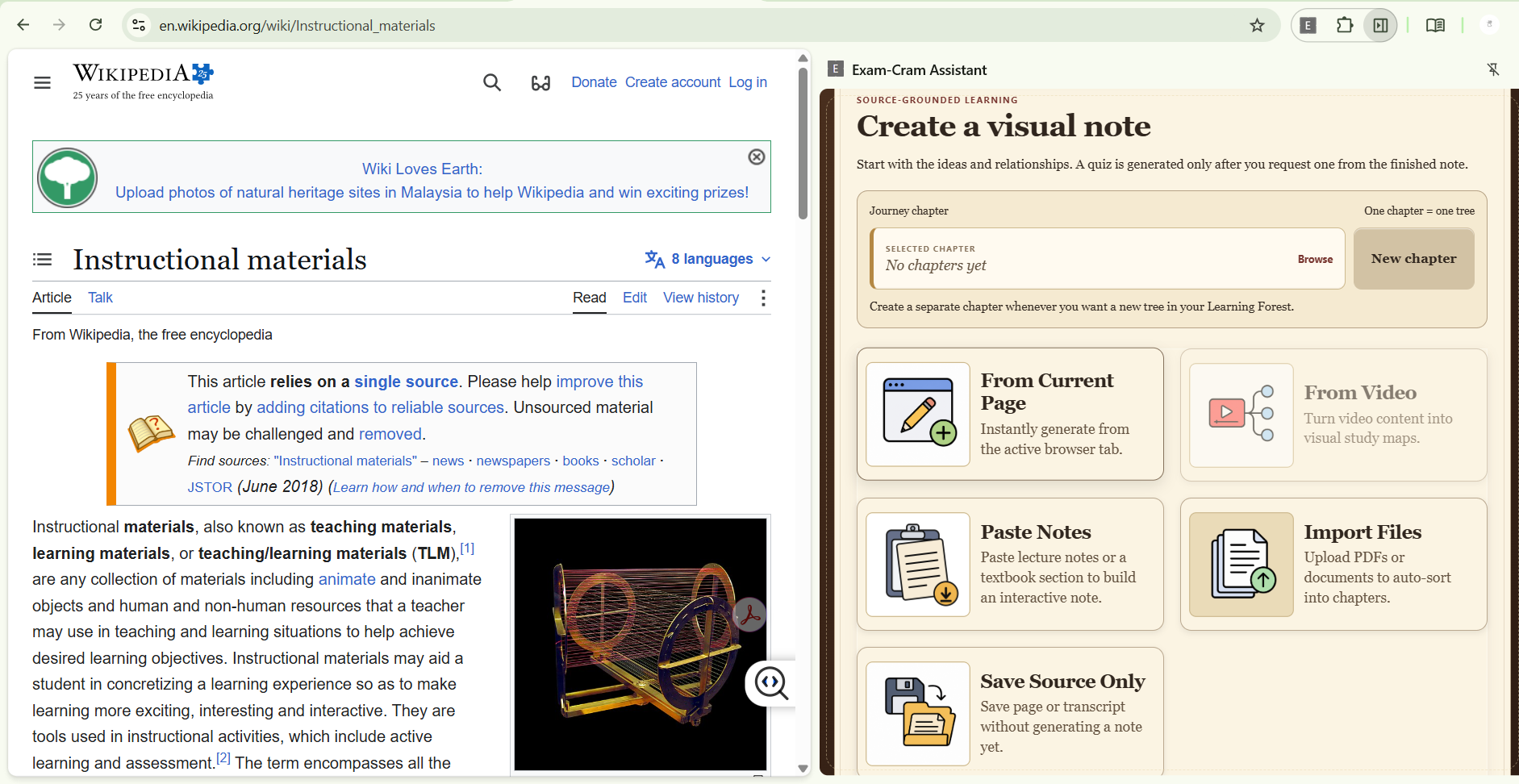
Directly generate the notes in current webpage
-
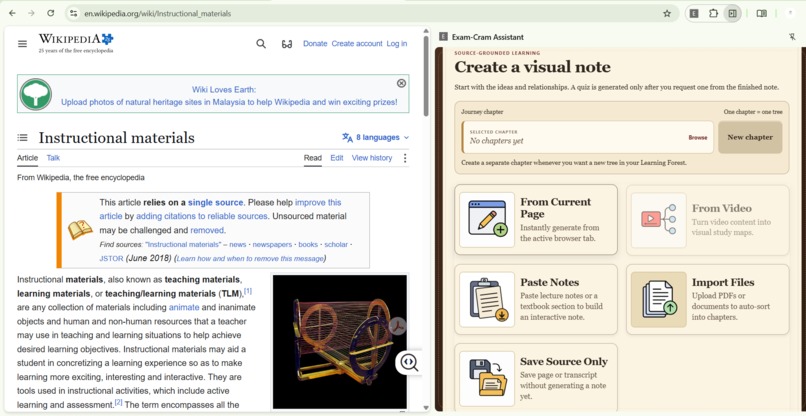
Multiple selection for generate your own notes
-

Select Scope for target lerning
-

learning forest , the much you learning, the growth of tree


## How we built it
NeatMind is built as a Chrome Manifest V3 extension with a persistent side-panel interface.
The main system includes:
- A side-panel application for source selection, visual notes, quizzes, and study actions.
- A service worker for privileged browser operations and serialized storage updates.
- Extension-local browser storage for chapters, saved sources, artifacts, quiz results, and Journey progress.
- A local Node.js backend that isolates optional AI-provider communication from the extension.
- Source-processing utilities for webpages, notes, HTML documents, PDFs, videos, captions, and transcripts.
- A Three.js-based Learning Forest that represents each stable Journey chapter as a growing tree.
- Export tools for creating structured PDF and DOCX study materials.
- Automated tests covering grounding, storage, permissions, quizzes, documents, video workflows, Journey behavior, and security boundaries.
We also created a zero-configuration mathematics demonstration. It uses curated extractive evidence and the same source, validation, quiz, and Journey contracts as the normal product, allowing judges to test the complete learning loop without an API key.
Codex supported the engineering and review process by inspecting the existing system, identifying grounding and workflow problems, implementing focused corrections, and running validation. The learning requirements, product direction, acceptance criteria, and final behavior remained human-defined and human-reviewed.
———
## Challenges we ran into
### Keeping generated content trustworthy
The most important challenge was preventing an explanation or quiz from appearing reliable simply because it sounded confident. We had to preserve source identity throughout generation, verify quoted evidence, validate output structures, and reject unsupported answers.
### Supporting many kinds of learning material
Webpages, PDFs, notes, videos, captions, and audio transcripts all behave differently. We needed bounded extraction rules and consistent source contracts without losing page references, document metadata, or timestamps.
### Working within Chrome extension constraints
Manifest V3 introduces strict security policies, permission boundaries, service-worker lifecycles, and tab-capture authorization requirements. We designed just-in-time permission flows rather than requesting unrestricted access during installation.
### Maintaining reliable Journey data
An open Journey page must not overwrite a newly saved source or quiz result. We introduced stable chapter IDs, serialized writes, revision checks, deduplication, and idempotent demo behavior.
### Balancing visual creativity with accessibility
The Learning Forest needed to feel memorable without becoming distracting or inaccessible. We added bounded particle budgets, keyboard-accessible controls, responsive layouts, visible focus states, and reduced-motion behavior.
———
## Accomplishments that we're proud of
We are especially proud that NeatMind is a functioning end-to-end product rather than only a visual concept.
Our key accomplishments include:
- A complete source-to-evidence-to-practice-to-Journey workflow.
- Exact supporting evidence that remains visible beside generated concepts.
- Two-stage validation for backend-generated quizzes.
- A deterministic no-key demonstration that uses production data contracts.
- Stable learning chapters that preserve sources, notes, quizzes, and progress.
- Targeted recovery actions based on weak concepts and their evidence.
- A responsive, interactive Learning Forest that makes progress tangible.
- Least-privilege permission requests and honest local-storage language.
- A comprehensive automated test suite covering core product and security behavior.
Most importantly, NeatMind does not ask students to blindly trust an answer. It gives them a path back to the evidence.
———
## What we learned
We learned that trust cannot exist only in backend validation. It must also be visible in the user experience.
A green badge alone is not enough. Students need to see the supporting passage, understand why it supports an idea, and have a way to report something that appears unsupported.
We also learned that passive activity is not the same as learning. Reading a generated note should not automatically count as mastery. NeatMind records demonstrated progress through submitted quiz results and review actions. are not reliable enough to prevent accidental merging or duplication.
Finally, fallbacks must be transparent. When an optional provider is unavailable, the interface should preserve the source relationship and clearly label the fallback instead of presenting it as fully verified AI output.
———
## What's next for NeatMind
Our next step is a small pilot with students from different subjects. We plan to measure:
- Time required to complete the first study loop.
- Quiz completion rate.
- Student confidence in the displayed evidence.
- Return usage after seven days.
- Frequency of unsupported-claim reports.
- Whether targeted recovery actions make the next study step clearer.
We also want to improve onboarding, expand reliable source adapters, refine weak-concept recommendations, and continue accessibility and performance testing across lower-powered devices.
Longer term, we hope NeatMind can become a dependable learning layer for the open web—helping students understand not only what to study, but also why it is supported and what they should do next.
Built With
- accessibility
- chrome
- chrome-manifest-v3
- chrome-side-panel-api
- chrome-storage-api
- chrome-tab-capture-api
- css3
- docx
- educational-technology
- gemini-api
- generative-ai
- html5
- javascript
- natural-language-processing
- node.js
- npm
- openai-api
- openai-codex
- pdf-lib
- pdf.js
- three.js
- web-audio-api
- webextensions


Log in or sign up for Devpost to join the conversation.