NavigatorAI - 智能旅游规划助手
About the Project
Inspiration
This project was inspired by the growing need for personalized and efficient travel planning solutions. Traditional methods of creating itineraries are time-consuming and often fail to meet individual preferences. With the advancement of large language models (LLMs) and real-time data retrieval, we saw an opportunity to combine these technologies to create a smarter, user-friendly travel planner. Our goal was to simplify the process of trip planning while ensuring it remains flexible and dynamic to user feedback.
What We Learned
Throughout the development process, we gained deeper insights into integrating LLMs with search APIs, handling real-time data retrieval, and transforming unstructured information into structured, actionable formats. Additionally, we learned how to leverage Flask for building a robust backend and creating a seamless API-driven architecture. Understanding user interaction and iterative design also provided valuable lessons in creating a user-centered application.
How We Built It
The project is divided into four core modules:
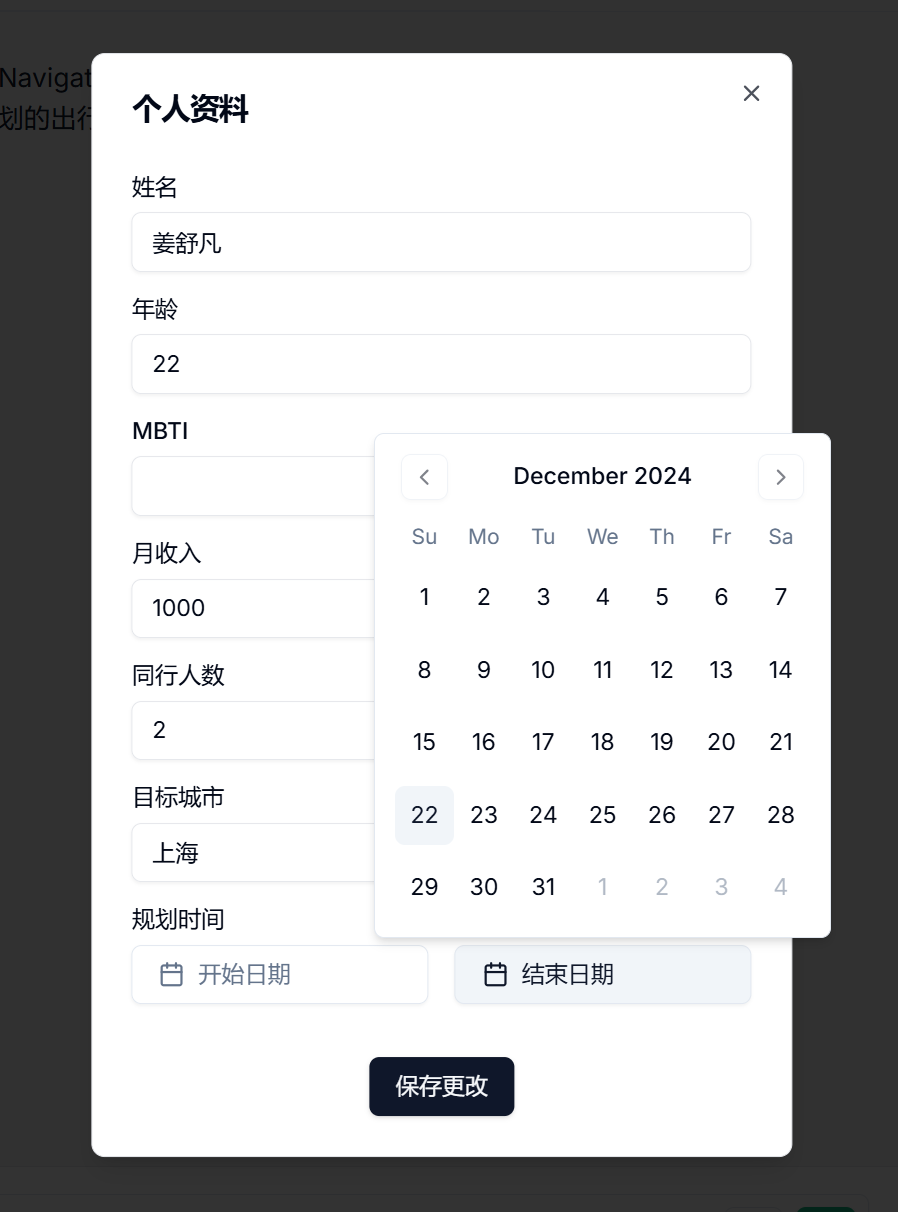
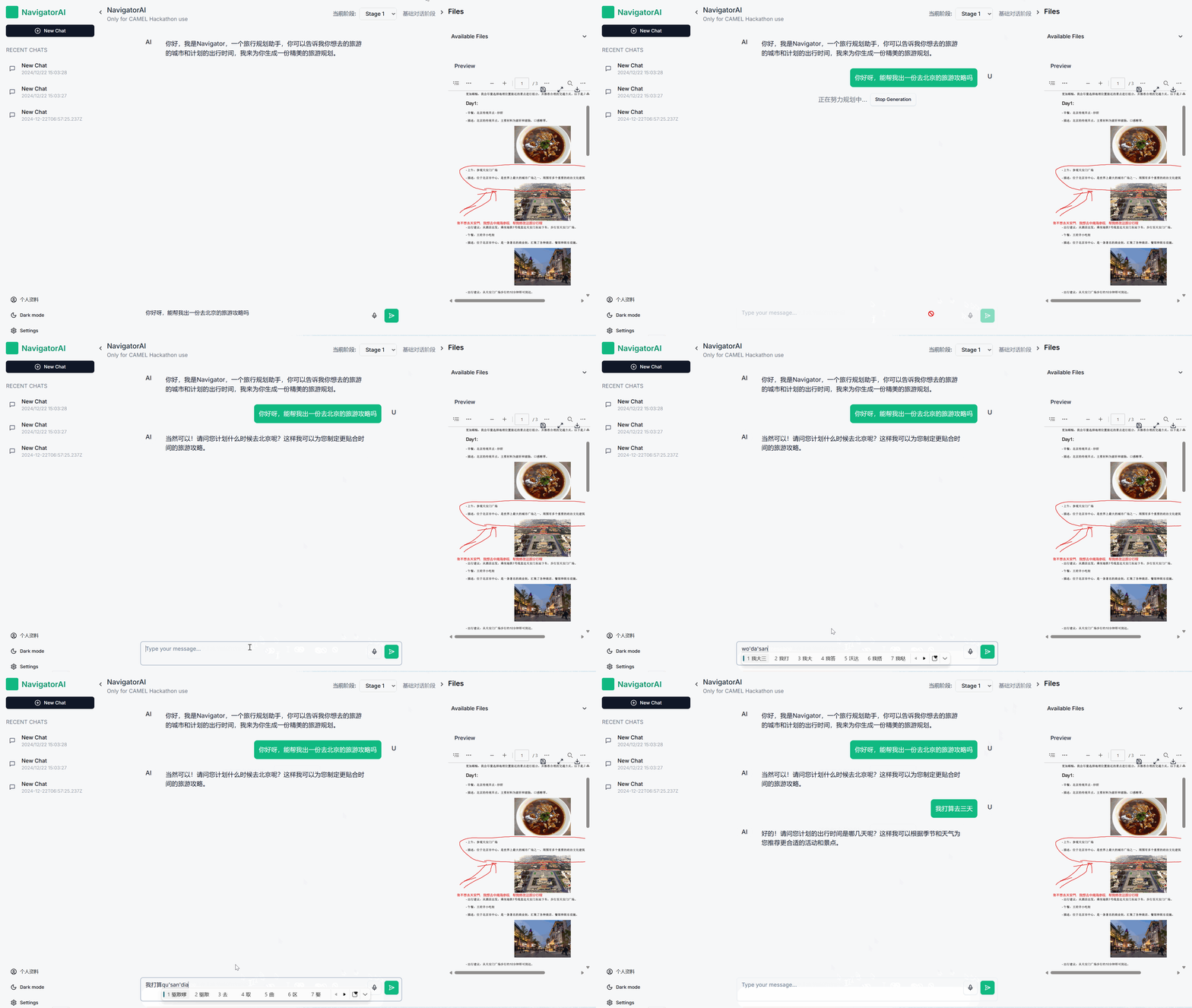
- User Information Extraction Module: This component uses LLMs to extract key details (e.g., destination, duration) from user inputs, ensuring structured data for downstream processes.
- Travel Information Generation Module: By utilizing Google Search API and DuckDuckGo, this module retrieves relevant data about scenic spots, cuisines, and images, which is then refined and ranked by the LLM.
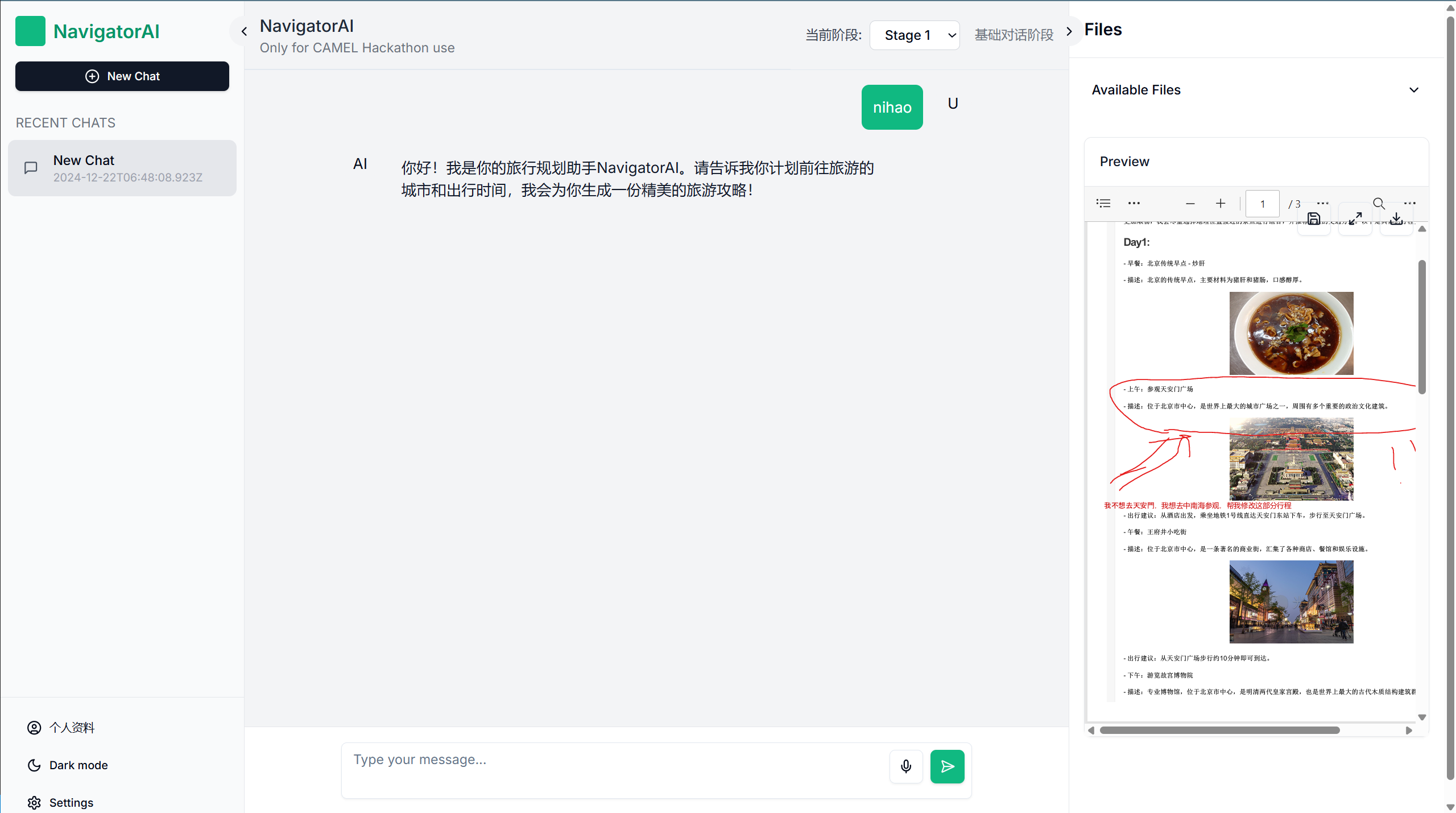
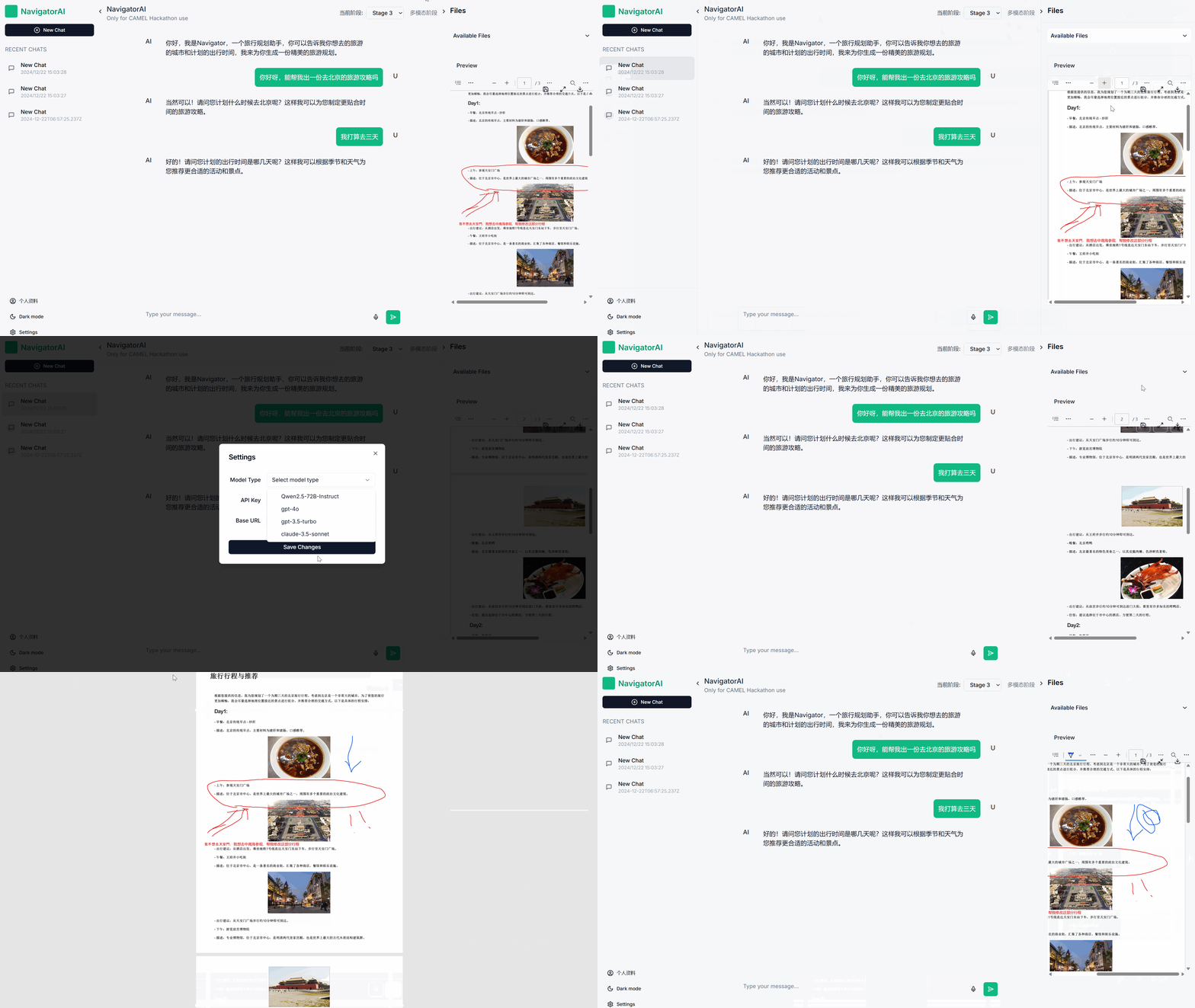
- Itinerary Planning Module: This module generates a detailed, day-by-day itinerary in HTML format, offering a responsive design with integrated visuals for easy previewing.
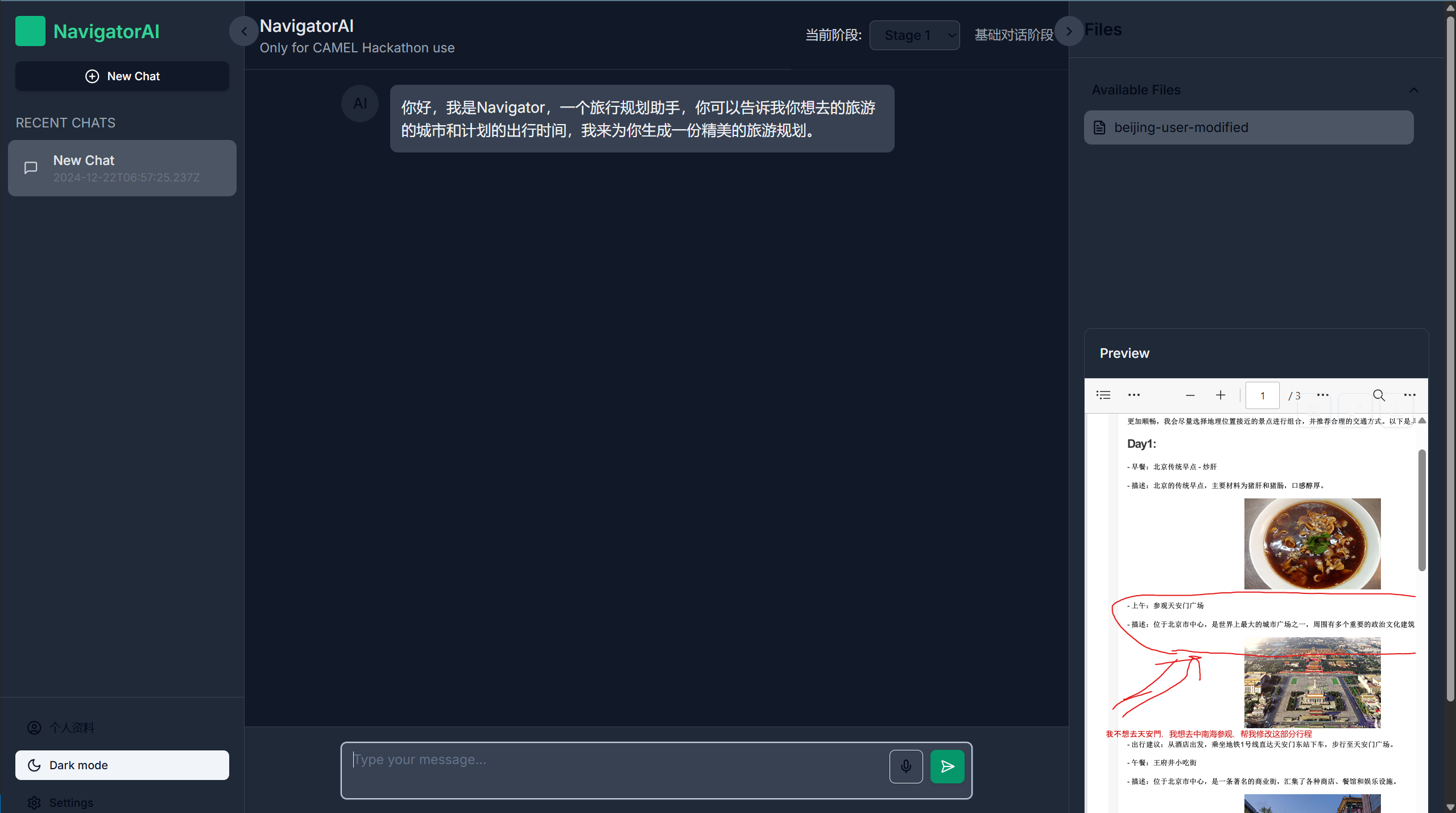
- Feedback and Optimization Module: To enhance user satisfaction, this module incorporates feedback loops powered by LLMs for interactive, multi-modal adjustments to the itinerary. Final outputs are delivered in both HTML and PDF formats.
The entire application is powered by Flask APIs, with a database for storing reusable travel information and ensuring scalability.
Challenges We Faced
One of the biggest challenges was managing the interplay between real-time data retrieval and model inference. Balancing speed, accuracy, and relevance required iterative tuning of search queries and reranking algorithms. Another significant challenge was implementing a dynamic feedback system that could interpret user inputs accurately and modify itineraries in real time. Lastly, ensuring the seamless integration of visual elements like images in HTML and PDF formats while maintaining responsiveness posed technical hurdles.
Built With
- camel
- modelscope
- python
- qwen


Log in or sign up for Devpost to join the conversation.