Inspiration
T-Mobile is powering baseball accessibility for the blind and visually impaired through a partnership with OneCourt.
This inspired us to think about how similar technology could be applied to everyday navigation in cities, helping people move independently and safely.
What it does
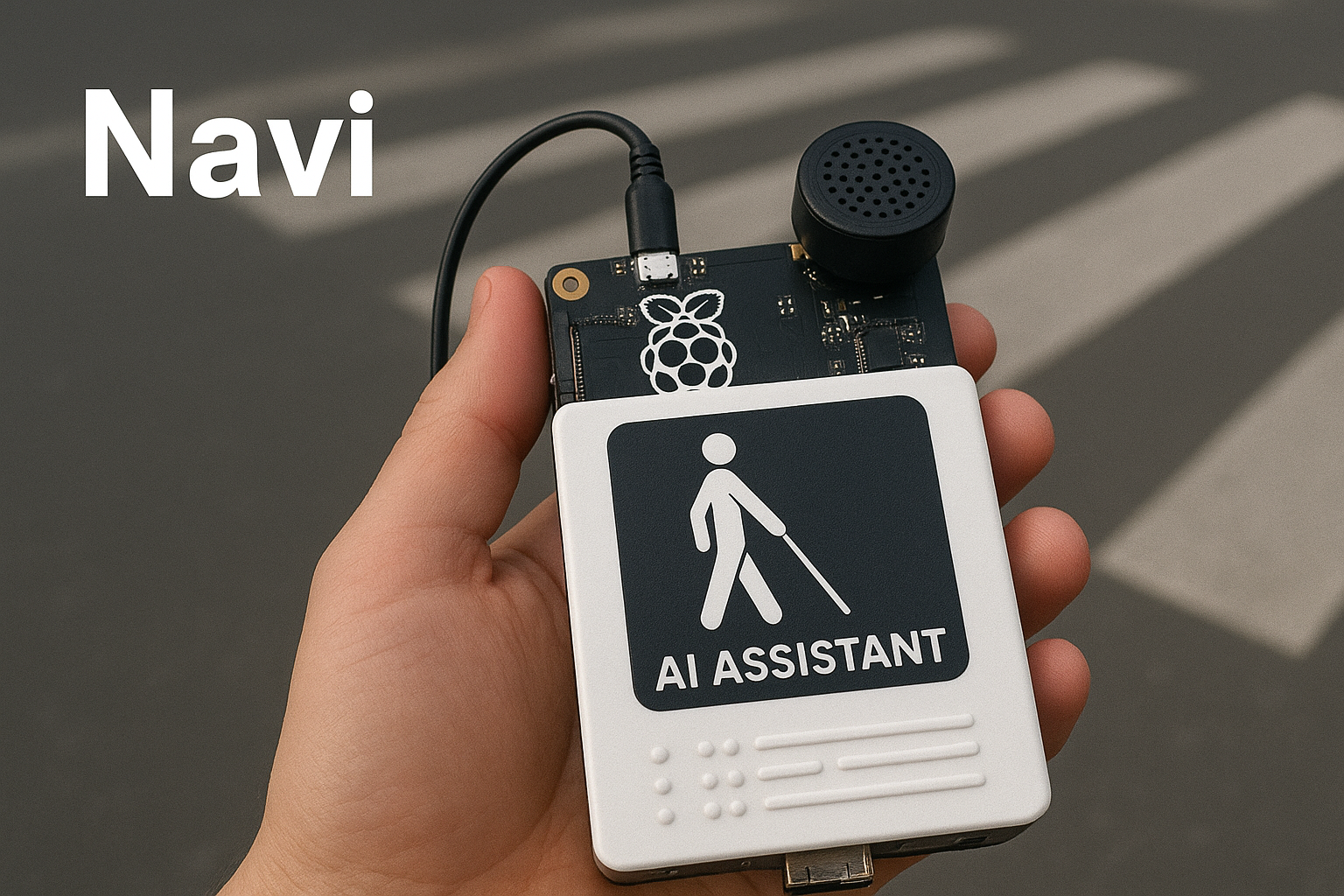
Voice-first, turn-by-turn navigation that guides users safely with clear spoken directions. Our project helps navigate the visually impaired. It gives real-time voice guidance with awareness of obstacles and safer routes, making walking in public spaces more accessible.
How we built it
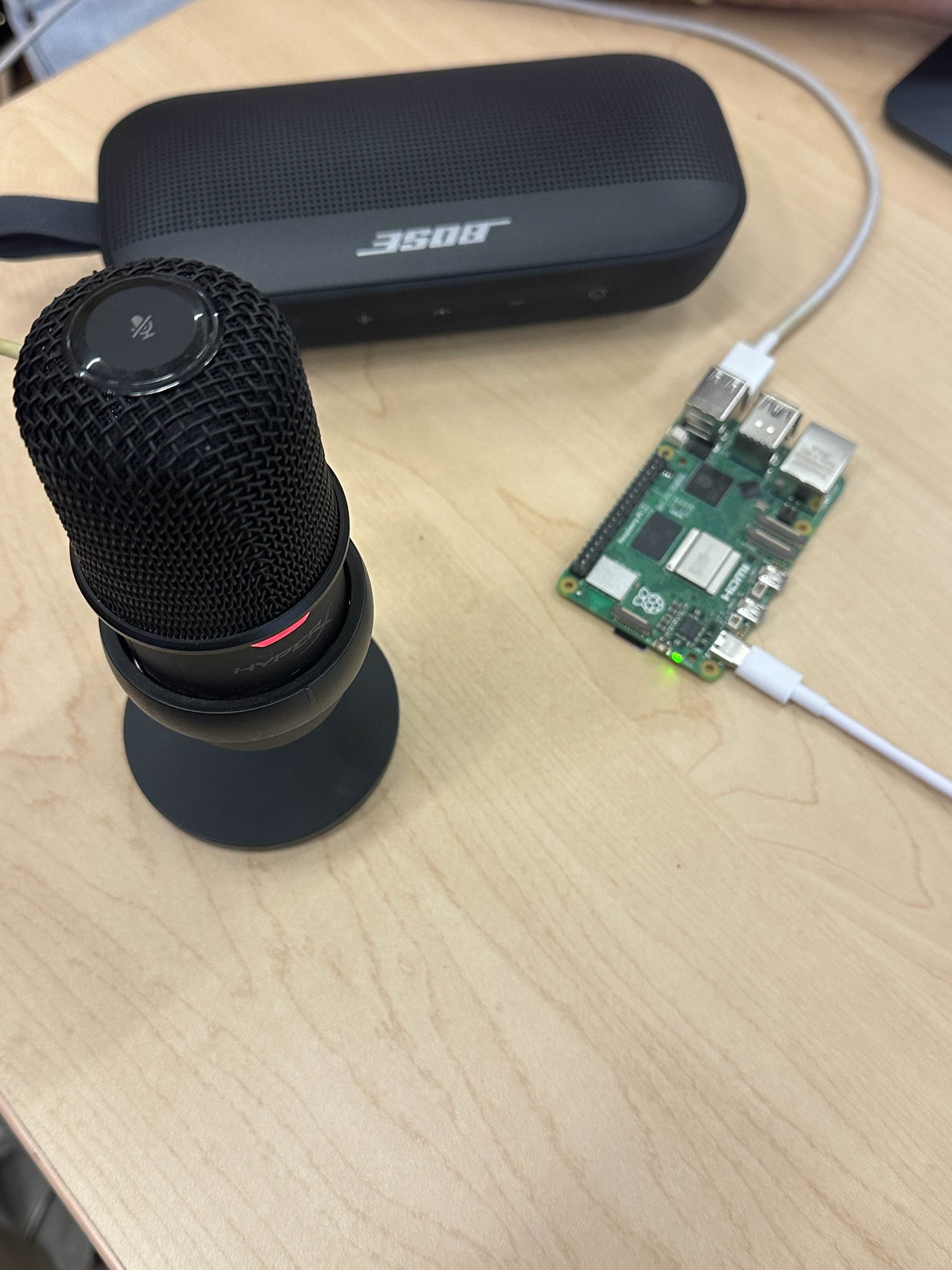
We combined speech recognition, text-to-speech, GPS, and local llm gemma on the raspberry pi. Python stack with a CLI app that computes routes using OpenStreetMap + OSRM. Live GPS via browser geolocation or a Flask GPS server. Smart step logic that auto-advances directions every few seconds based on location. When gps data fails, it resorts to ip address of the device network.
Challenges we ran into
We had several challenges within 24 hours, ranging from getting a local llm ollama (gemma) working on the raspberry pi to being able to transfer our code over and getting the required software for a debian os.
Accomplishments that we're proud of
We are proud of getting an assistant that understands speech, gives directions and helps people. Having the local llm being hosted on the raspberry pi and having it work under the given time constraint makes us really happy.
What we learned
We learned about different APIs for text-to-speech, raspberry pi's abilities, running local llms on limited hardware. We also learned how important low latency and offline resilience are when building accessibility-focused solutions.
Built With
- gemma
- ollama
- python


Log in or sign up for Devpost to join the conversation.