About the project
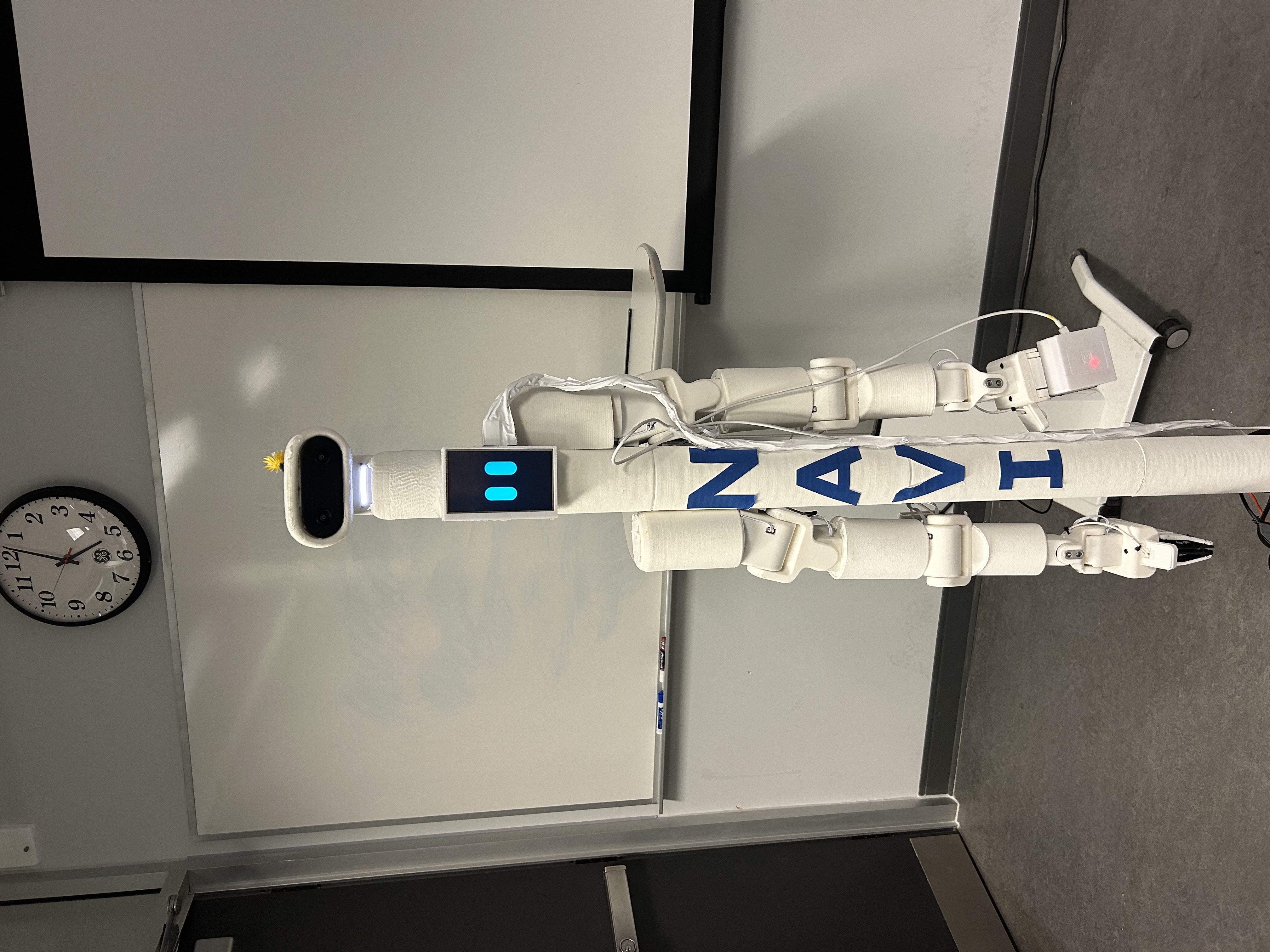
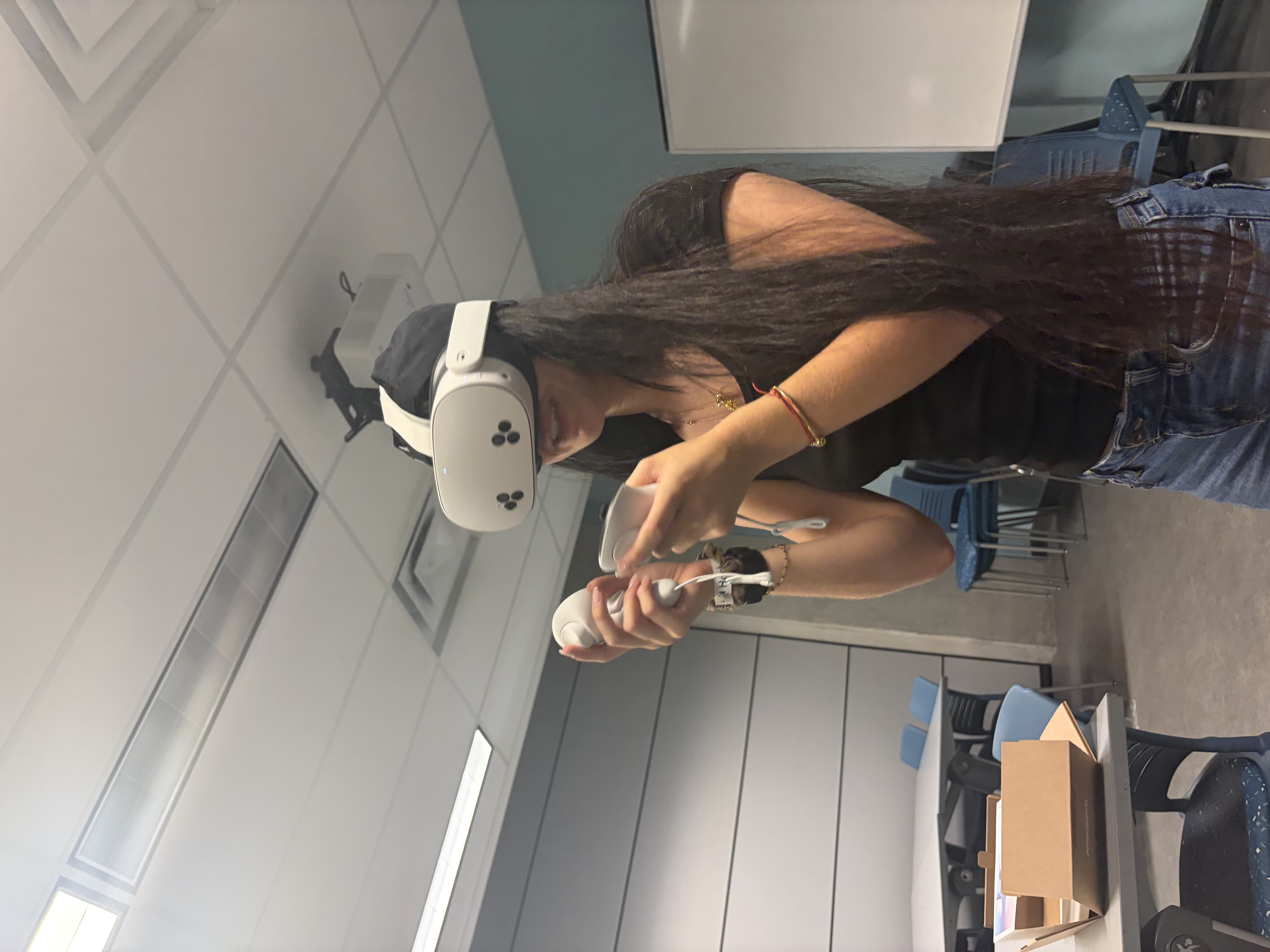
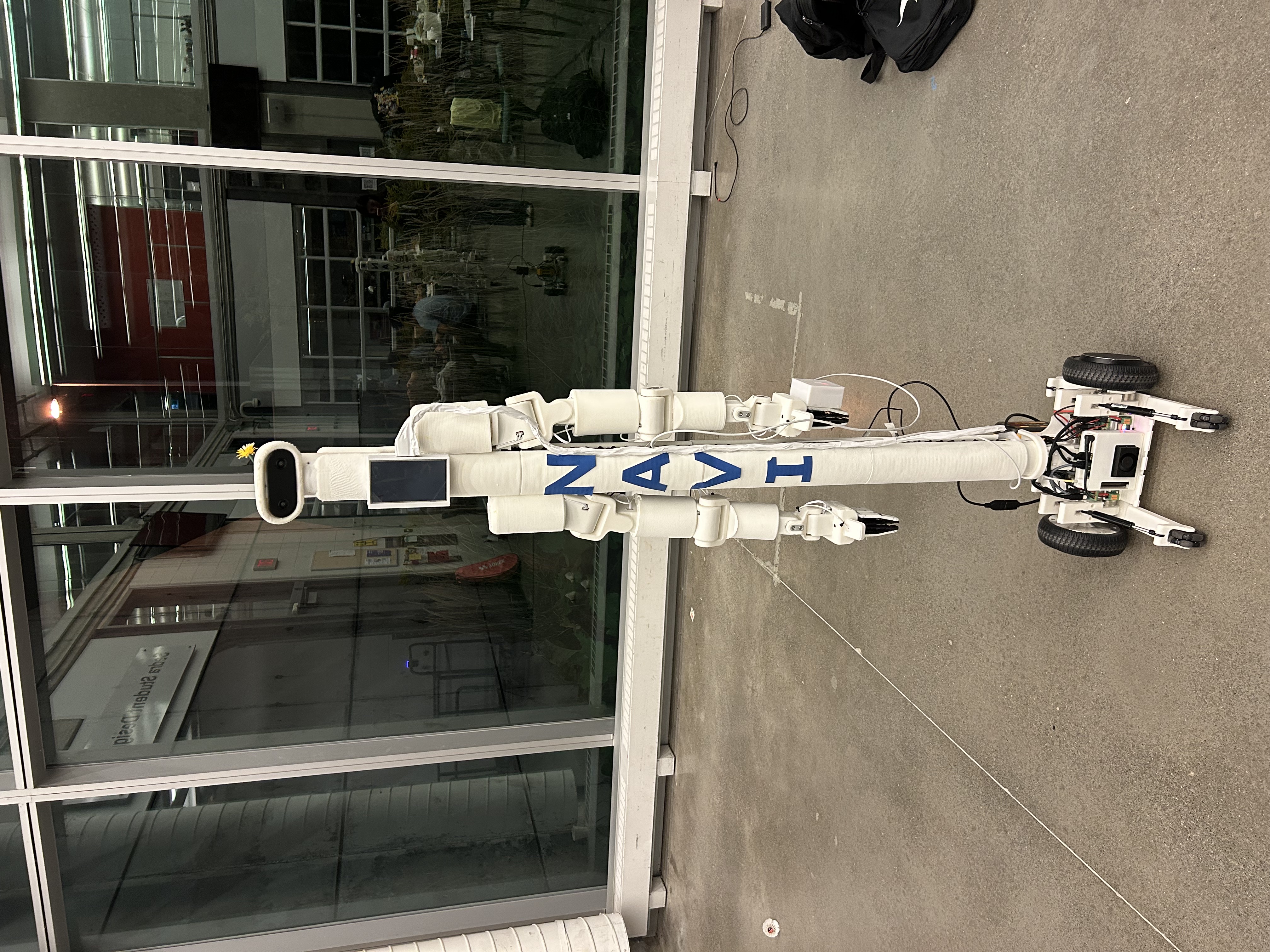
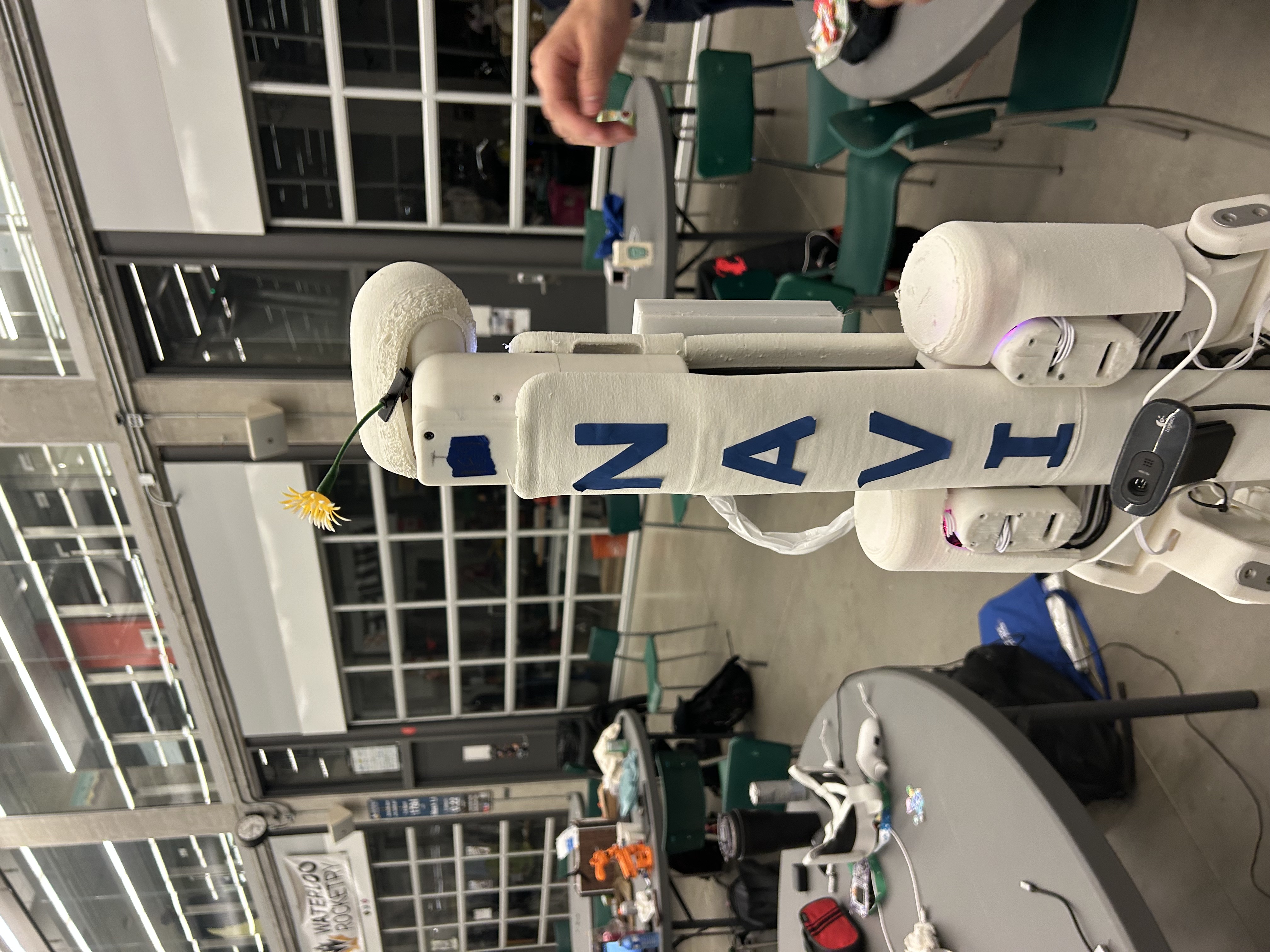
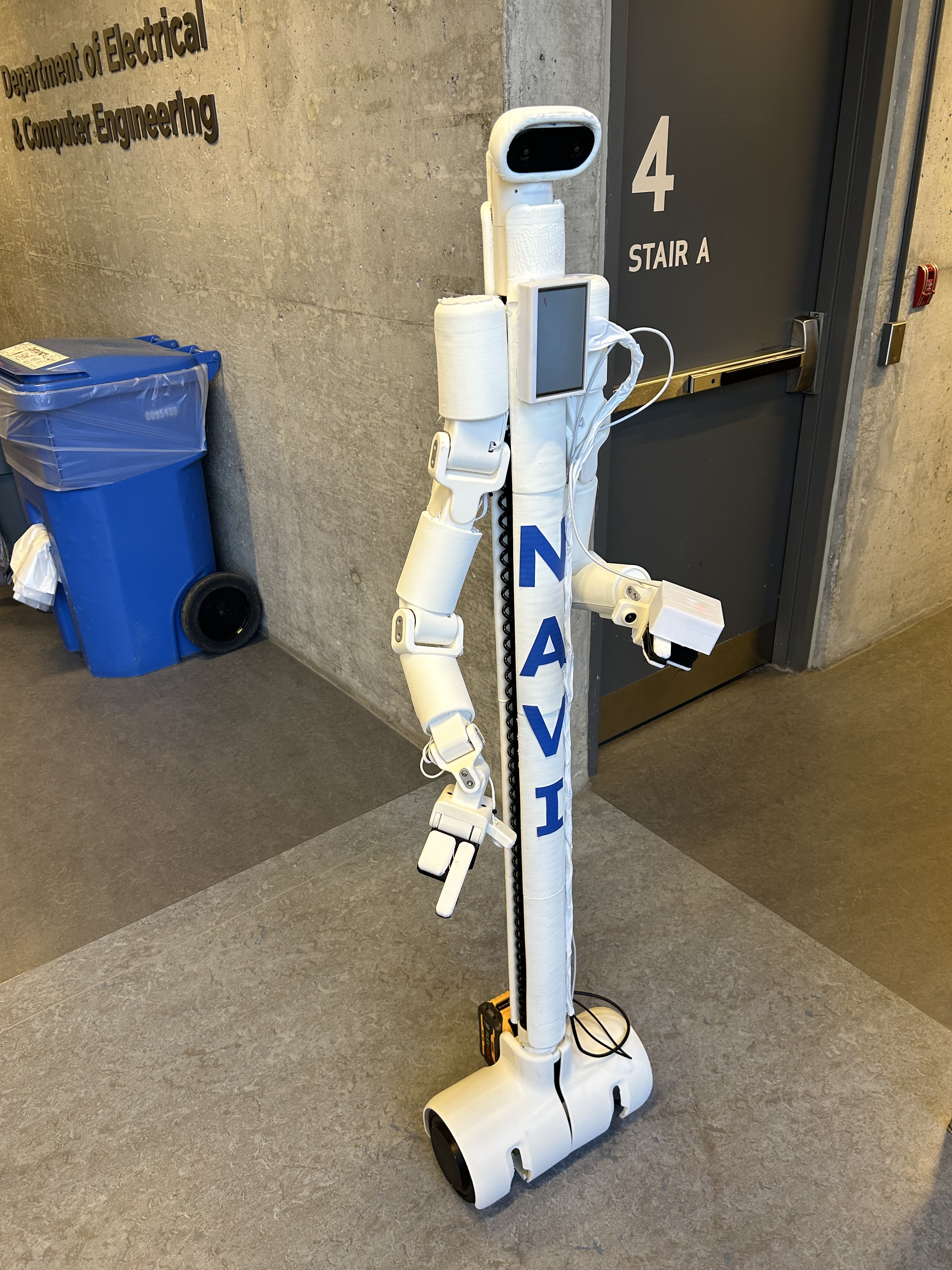
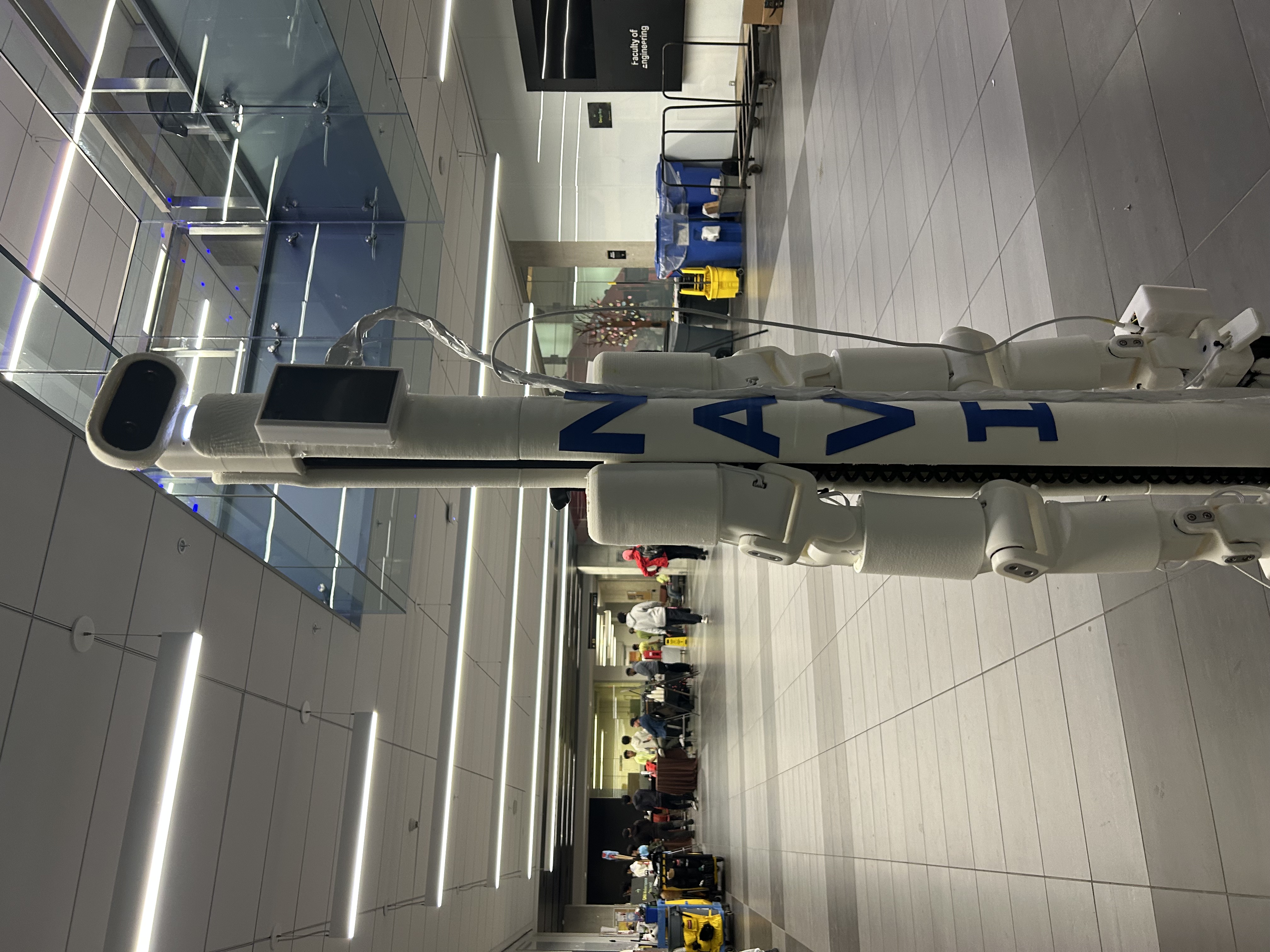
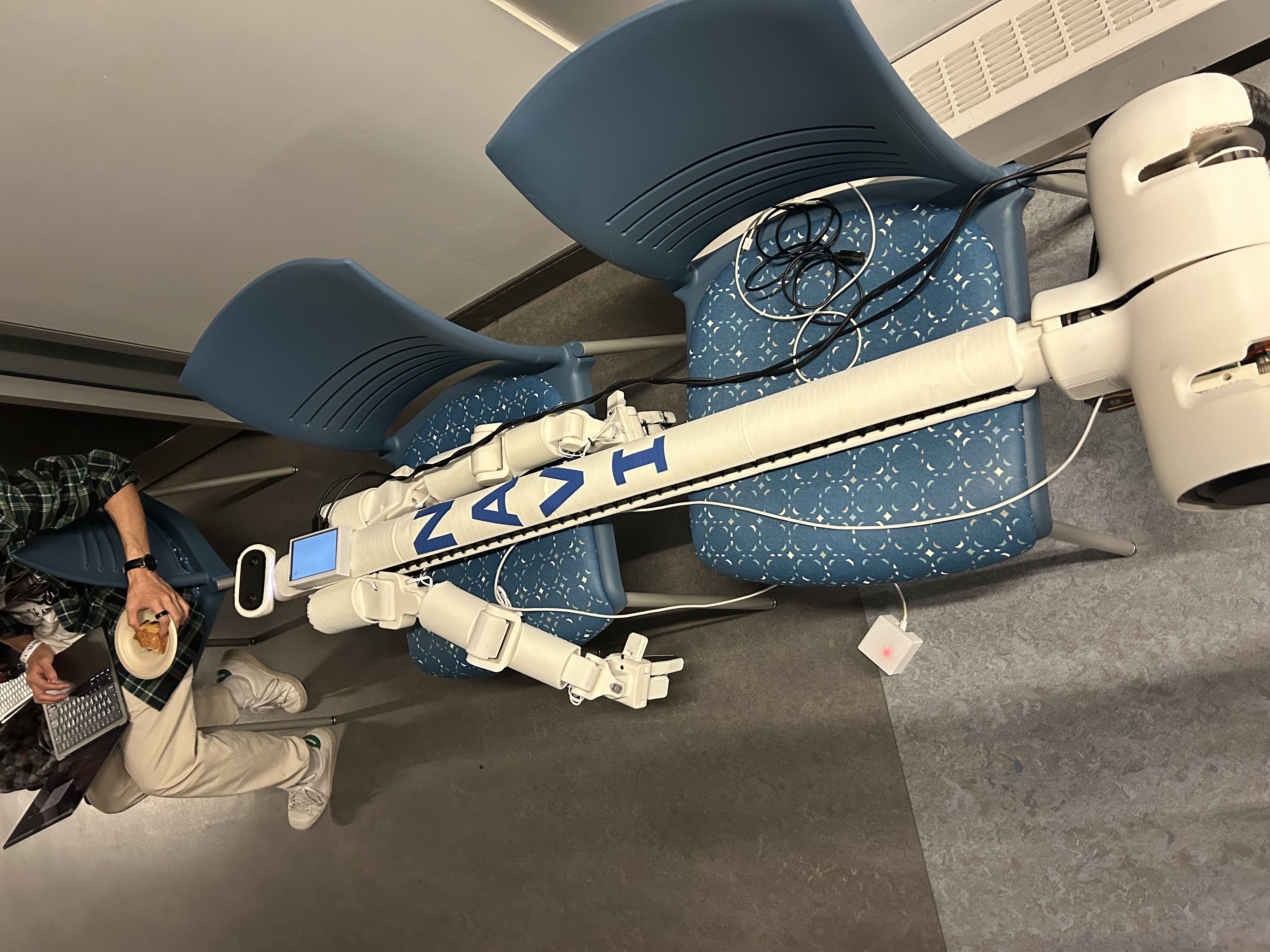
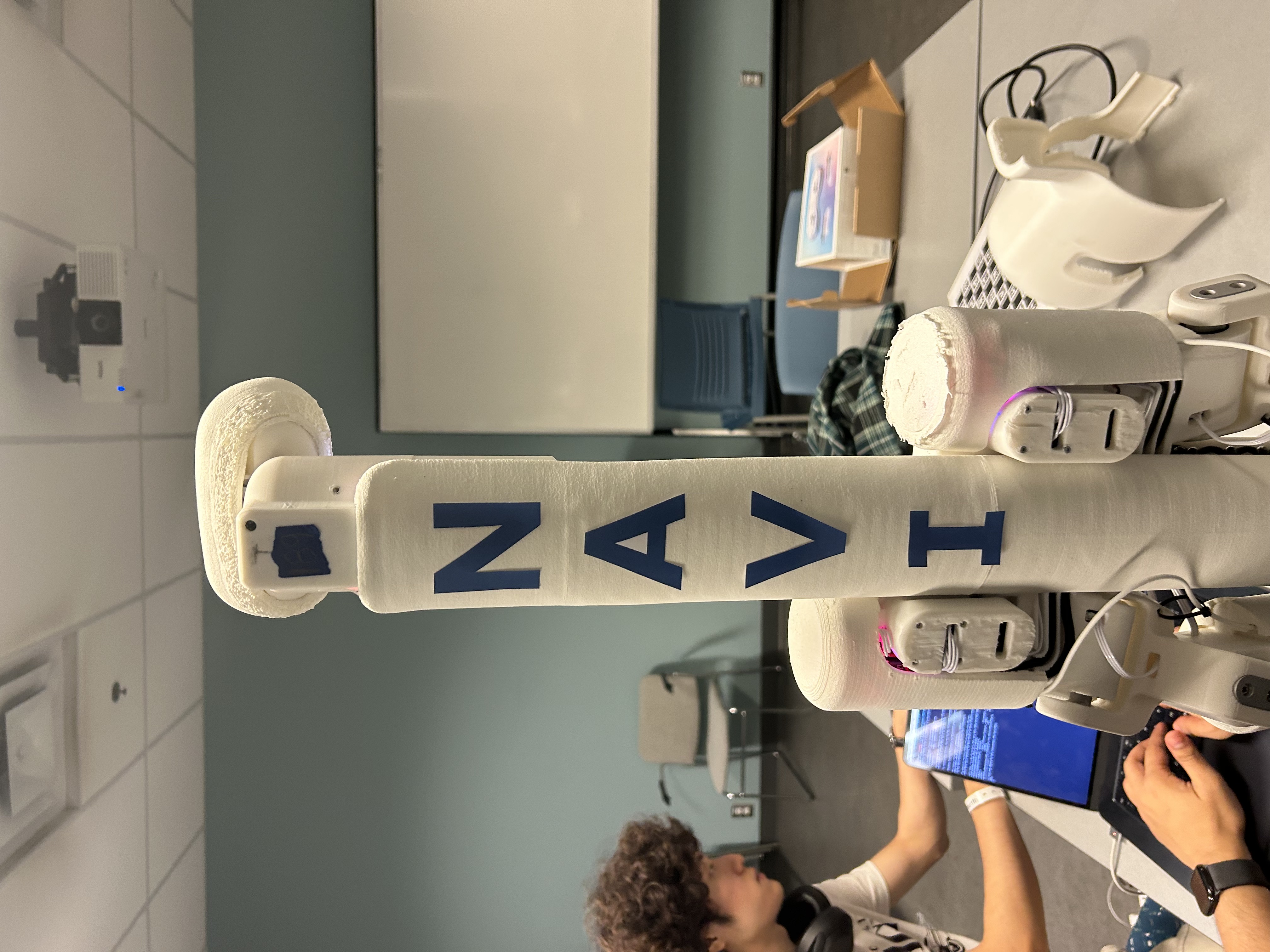
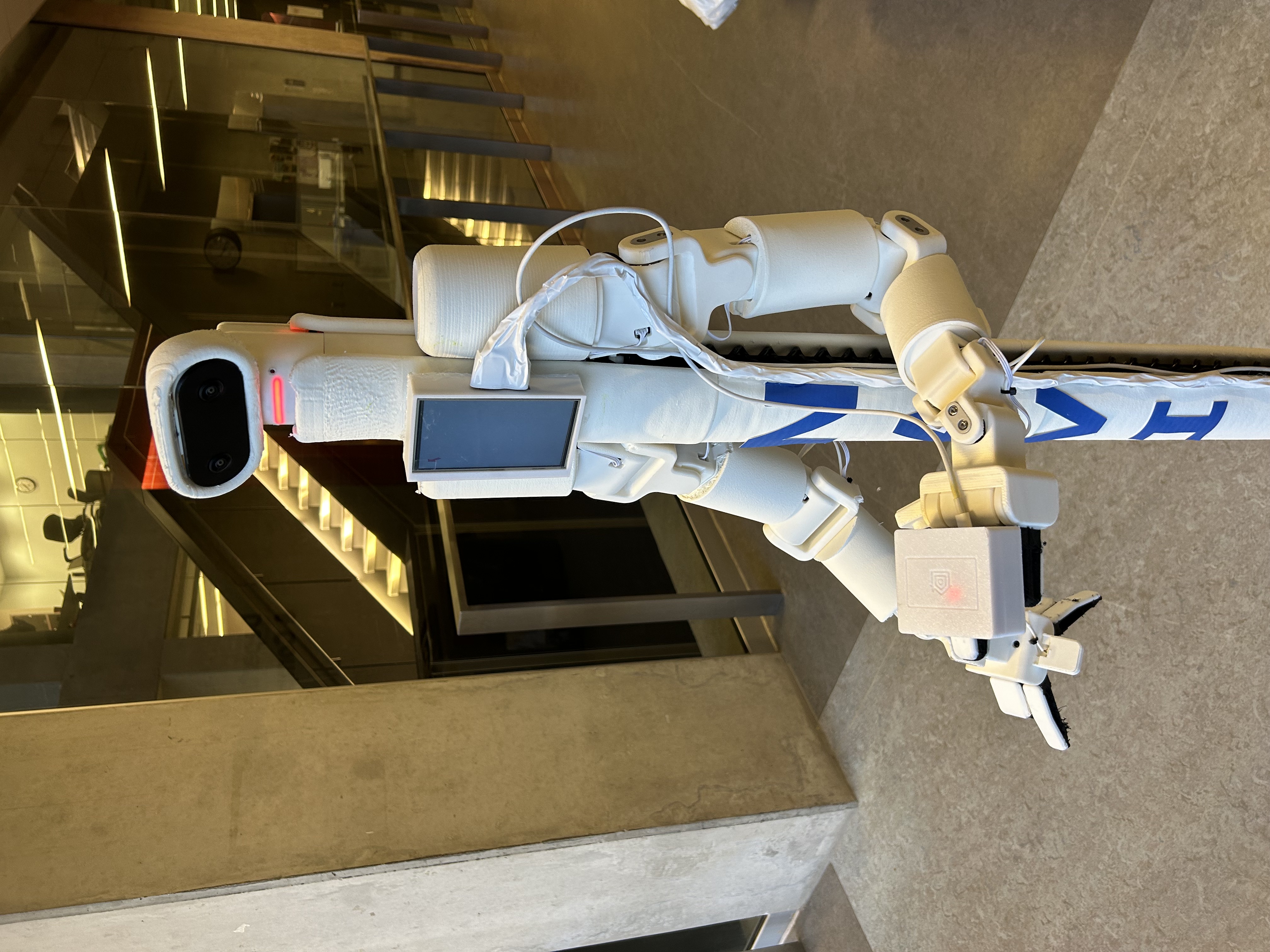
Large buildings are hard to navigate, and phone GPS does not work indoors. At Hack the North, visitors, sponsors, and judges all need to find the right room fast, while organizers still need to keep people out of restricted areas. A teammate who had worked at a security company kept coming back to one idea: what if a robot solved both problems at once, guiding people while also enforcing access rules? At least two sponsors told us this would genuinely help them run large event buildings, which is what pushed us to build NAVI, an embodied, identity aware indoor guide on the newest Bracket Bot platform. A user taps an NFC card (read by a Freenove ESP32-WROVER-E with a PN532 module over USB serial), asks for a destination, and the Jetson checks that specific card against that specific destination's clearance before agreeing to guide anyone, so a card allowed into the judging area can still be denied from hardware storage. If access is granted, NAVI leads the way; if denied, it explains why and offers somewhere it can actually take you. NAVI also runs audio only walking meetings, using Gemini to transcribe, summarize, and extract action items to a dashboard and mobile app, all backed by two RGB cameras for 3D SLAM, a Jetson driven face monitor for live robot state, Google Speech to Text and Text to Speech for voice, and a Meta Quest headset for teleoperated arm demonstrations.
The hardest part was treating identity and permission correctly. It would have been easy to treat an NFC read as "this person is authorized," full stop, but real buildings do not work that way: clearance had to be a function of card ID plus destination, never card ID alone. Getting SLAM to behave reliably in a space full of moving people, and keeping the Jetson, ESP32, and face monitor cleanly separated so each only does its own job, took real discipline under hackathon time pressure. We were also careful to keep the NFC demo honest: it shows a working prototype badge check, not a claim that an NFC UID alone is strong authentication. We came away understanding just how big the gap is between "the robot can move" and "the robot can be trusted to decide where you're allowed to go," and that consent has to be a first class interaction before a robot ever starts recording someone. Next, we want multi floor navigation and real elevator riding, a learned VLA policy for the arm instead of teleoperated demos, and clearance decisions wired into a real building's existing access control system.
Special mentions for OpenAI: The website uses OpenAI to interpret natural-language requests and turn them into structured navigation destinations. Users can ask NAVI questions such as “Where can I learn about AI?”, and OpenAI identifies the user's intent and matches it against the Hack the North event data. The website then displays the relevant event, time, and room, with the destination ready to be passed to NAVI's navigation system.


Log in or sign up for Devpost to join the conversation.