-
-
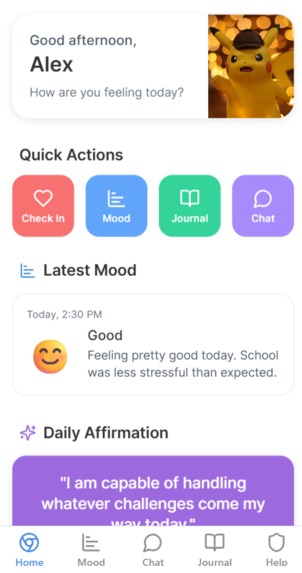
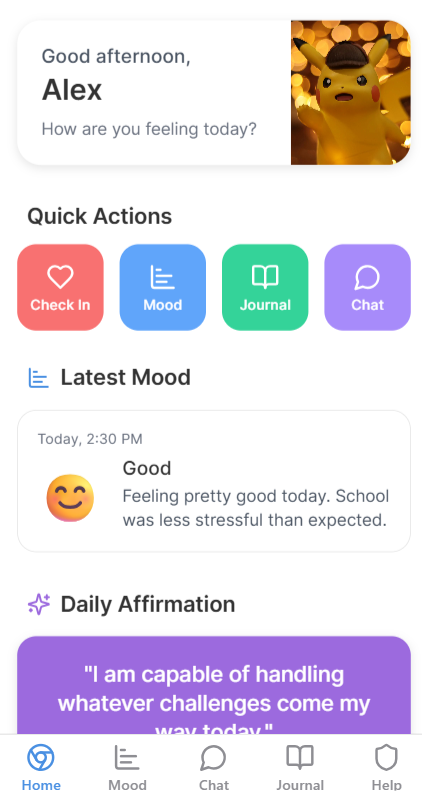
Home page
-
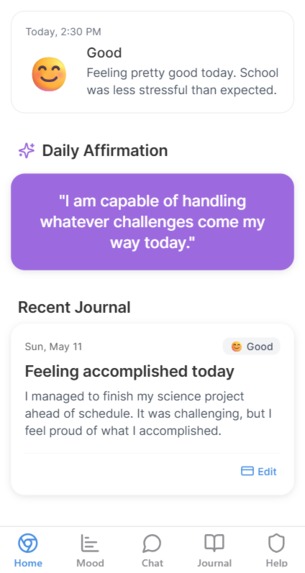
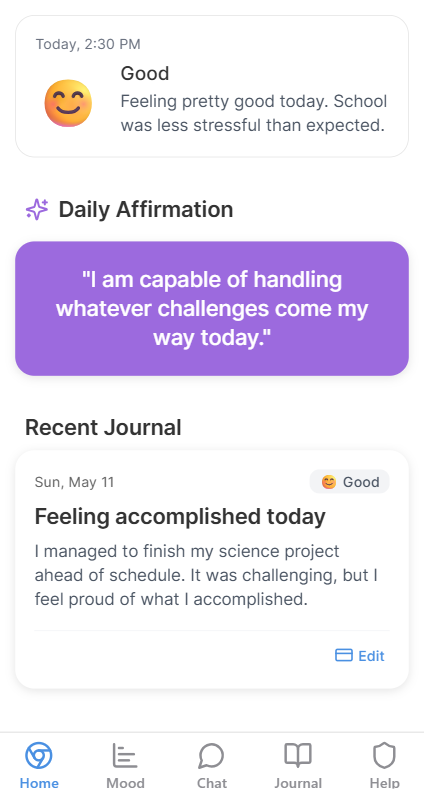
Home page 2
-
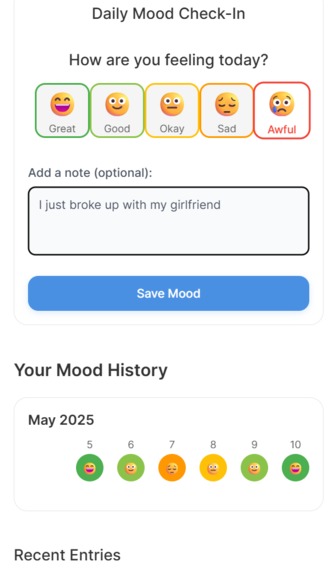
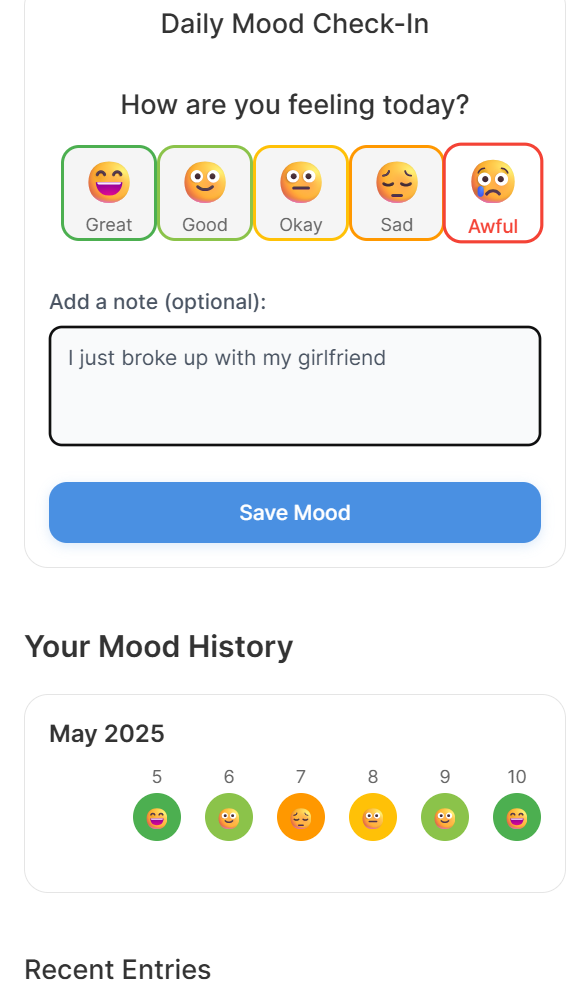
Mood page
-
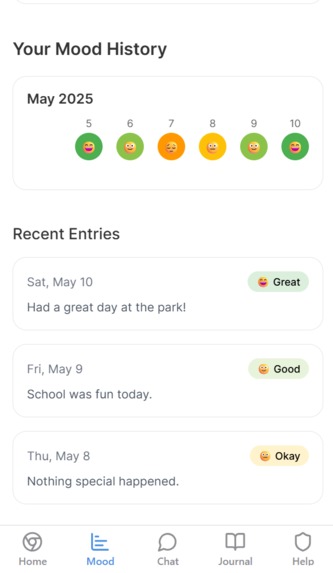
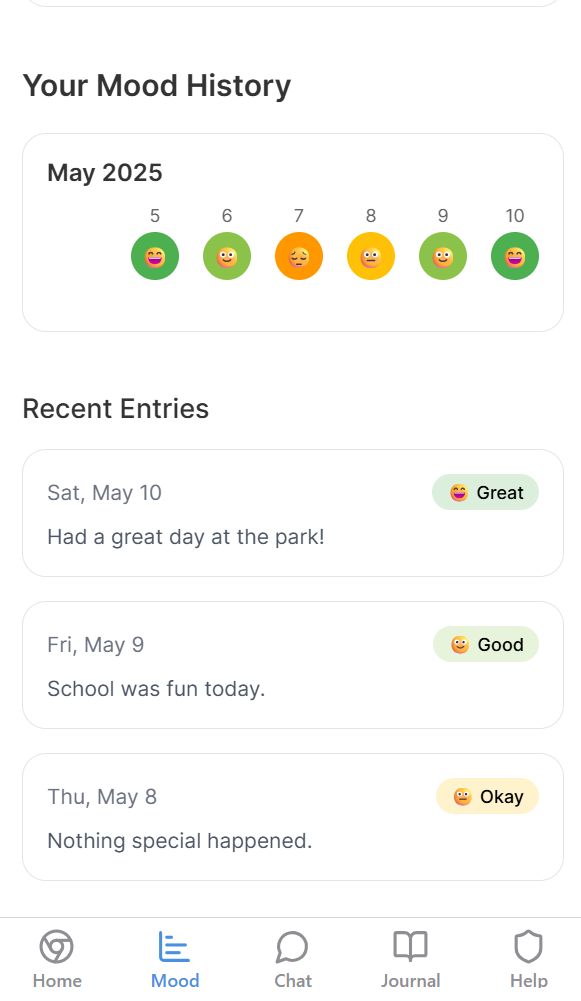
Mood Page 2
-
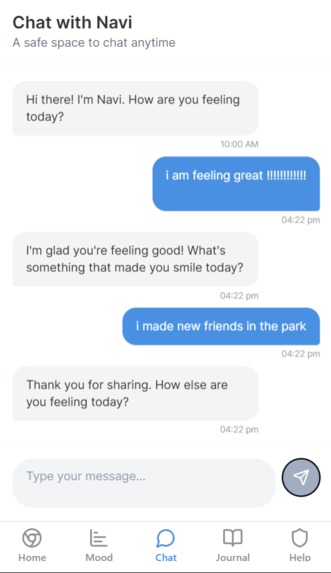
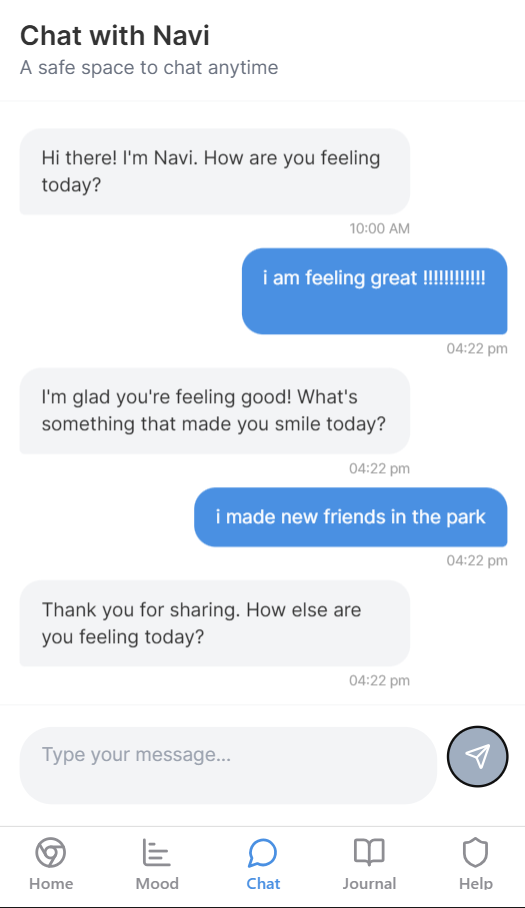
Chat page
-
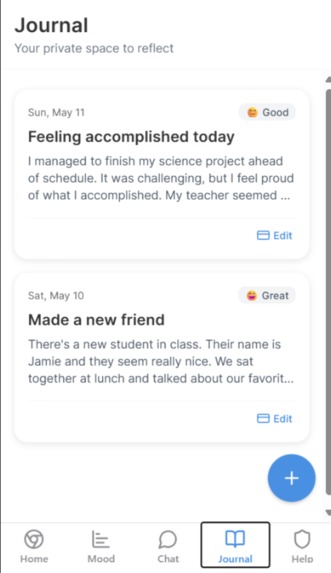
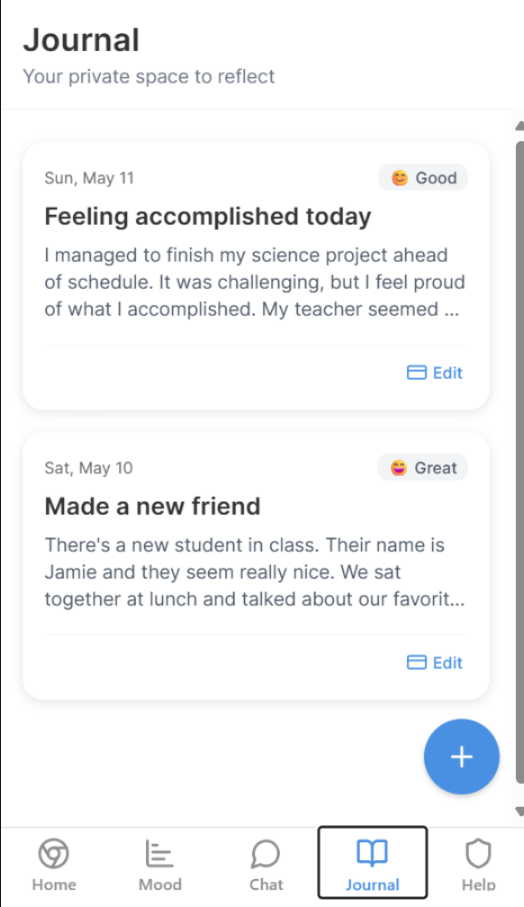
Journal page
-
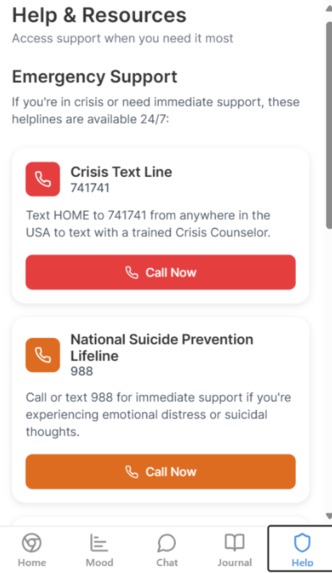
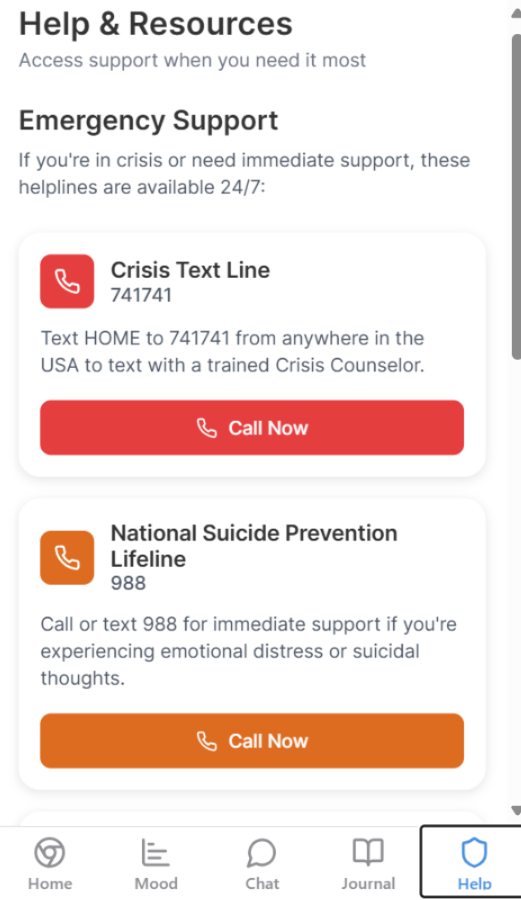
Help page
-
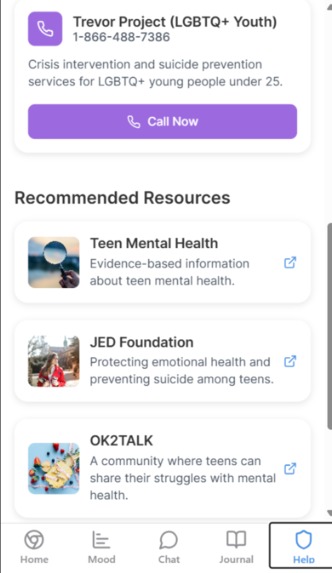
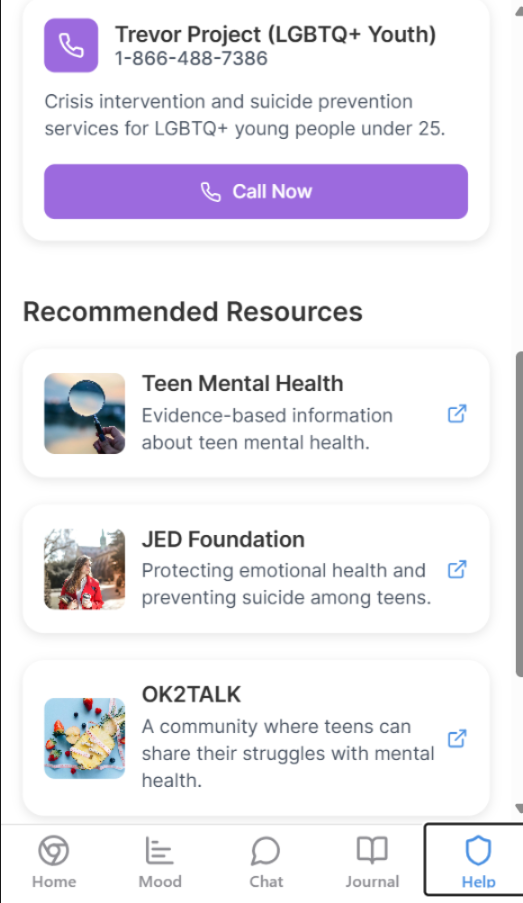
Help page
💡 Inspiration
We were inspired by the growing mental health challenges faced by teenagers today. Many teens struggle silently with stress, anxiety, and self-doubt, yet hesitate to seek support due to fear of judgment or lack of access. We wanted to create something approachable, private, and empowering—a friendly digital companion teens could trust. That’s how NAVI was born: a safe space for emotional support, anytime and anywhere.
💬 What it does
NAVI is a mental health companion app designed specifically for teenagers. It allows users to track their moods, talk to a reliable AI chatbot named Navi, reflect through journaling, practice mindfulness with guided exercises, and access local mental health helplines during emergencies. It encourages emotional awareness and well-being without pressure or judgment, offering a private and supportive space for teens to grow mentally stronger.
🛠️ How we built it
We designed NAVI using Figma to create intuitive, teen-friendly interface mockups and interactive prototypes. The chatbot logic was mapped out with basic AI conversation trees, focusing on empathy and helpful responses. While this version is a concept, we planned to use Firebase for secure data storage and Dialogflow for chatbot development in future stages.
🚧 Challenges we ran into
One of the main challenges was ensuring that the chatbot sounded empathetic and human, without making it too generic. We also had to carefully consider how to handle sensitive topics responsibly. Additionally, designing a clean interface that feels friendly yet not childish required multiple iterations to strike the right balance for teen users.
🏅 Accomplishments that we're proud of
We’re proud of creating a project that addresses a real and urgent issue in a way that feels relatable and meaningful. Our biggest achievement was designing a space that could genuinely make someone feel heard and supported. Seeing the entire app come together—from sketches to a polished prototype—was incredibly rewarding.
📖 What we learned
We learned the importance of empathy in design—especially when building for mental health. We also gained experience in planning user journeys, creating inclusive UX, and thinking deeply about ethical responsibilities in AI-driven apps. Above all, we realized how small digital actions can have a big emotional impact.
🔜 What's next for NAVI
We plan to develop a working prototype using Flutter and Dialogflow, test it with teen users, and refine its features based on real feedback. We’re also exploring partnerships with mental health organizations to integrate verified support resources. Ultimately, we aim to launch NAVI on app stores and bring compassionate support to as many teens as possible.
Built With
- python
- splachscreen
- stack
- statusbar


Log in or sign up for Devpost to join the conversation.