-
-
NATM (Night at the Museum)
-
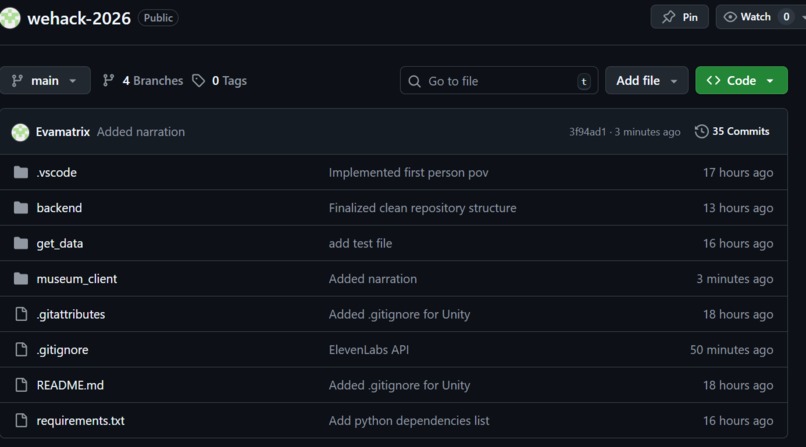
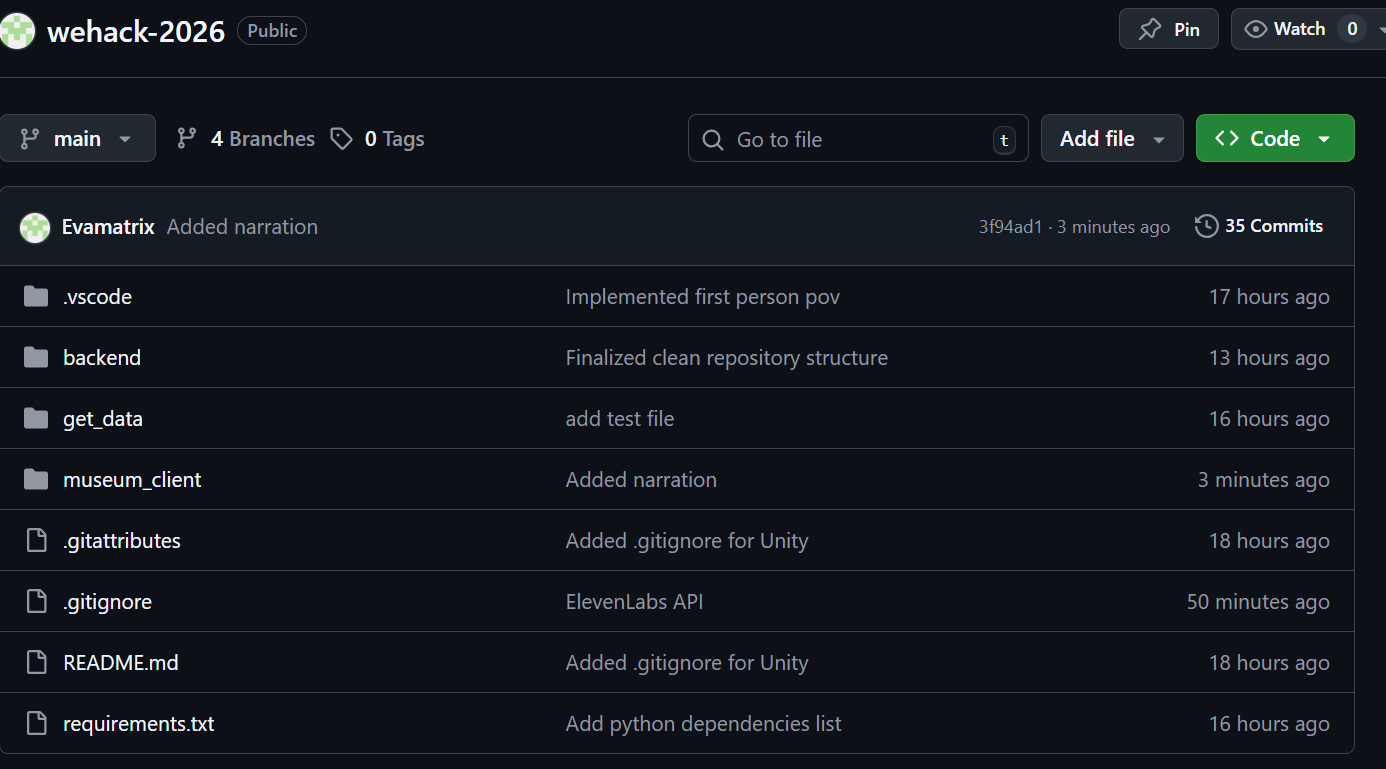
Our GitHub repo with 35 commits!
-
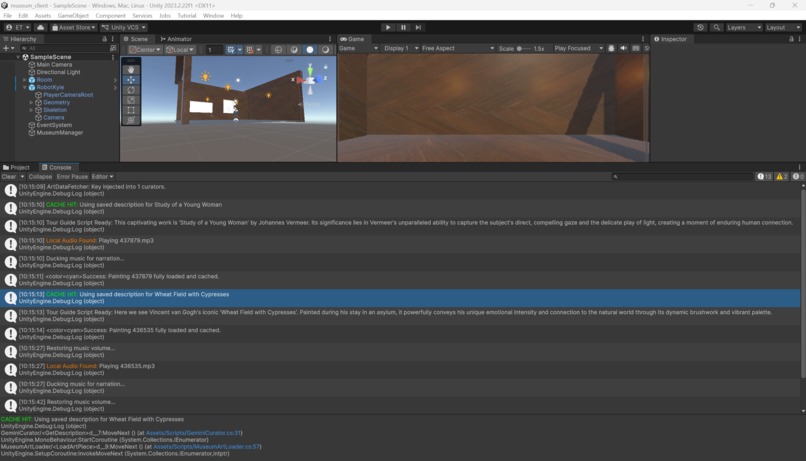
Game Log
-
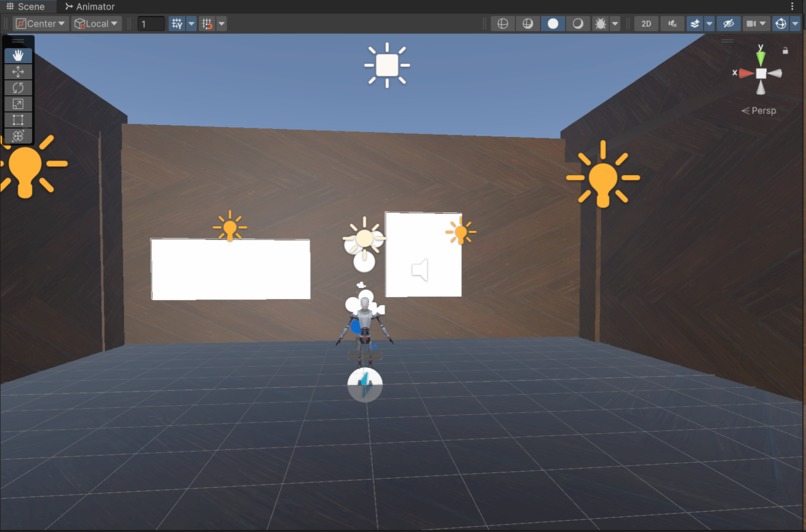
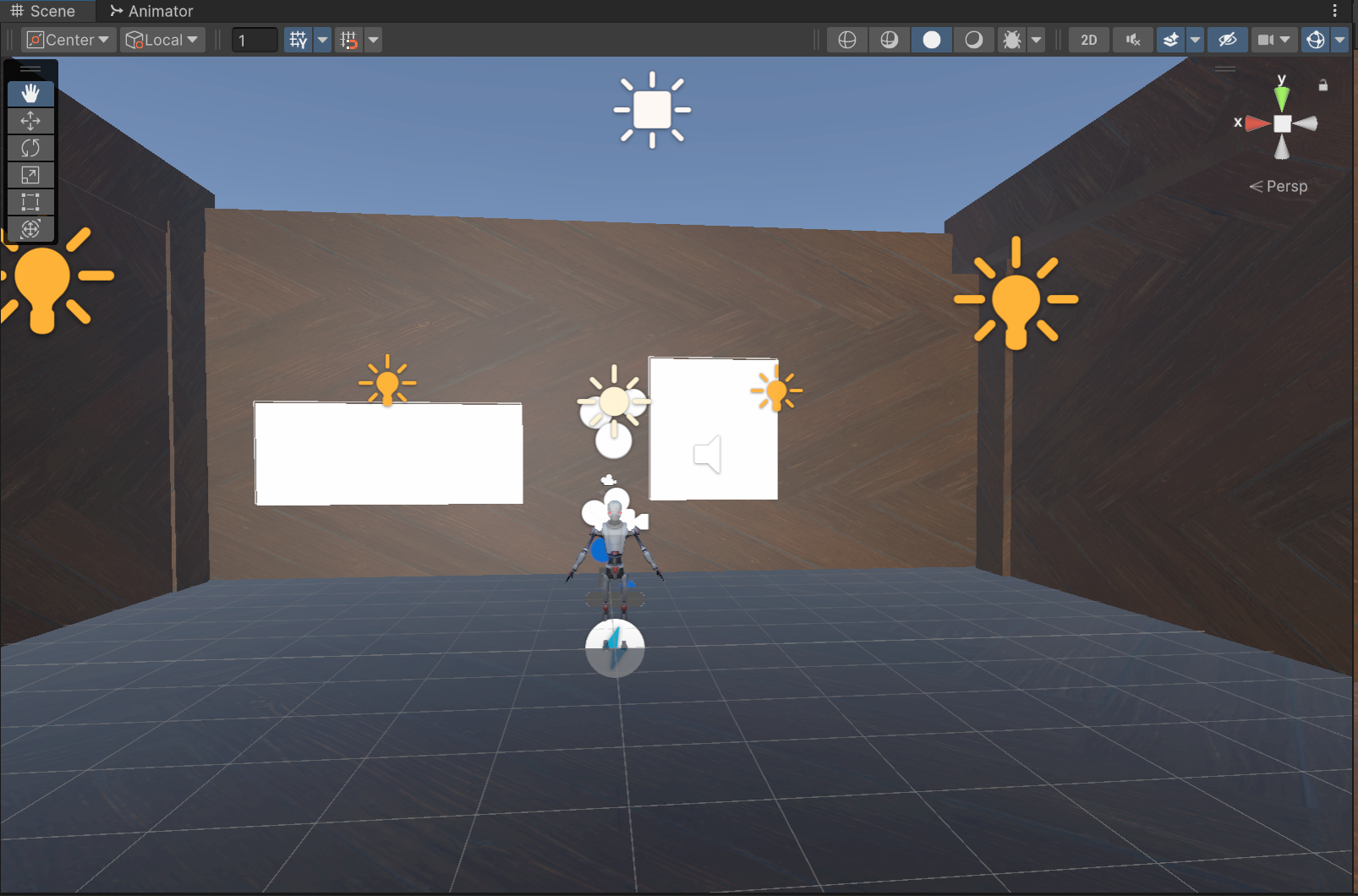
Our museum scene in Unity
-
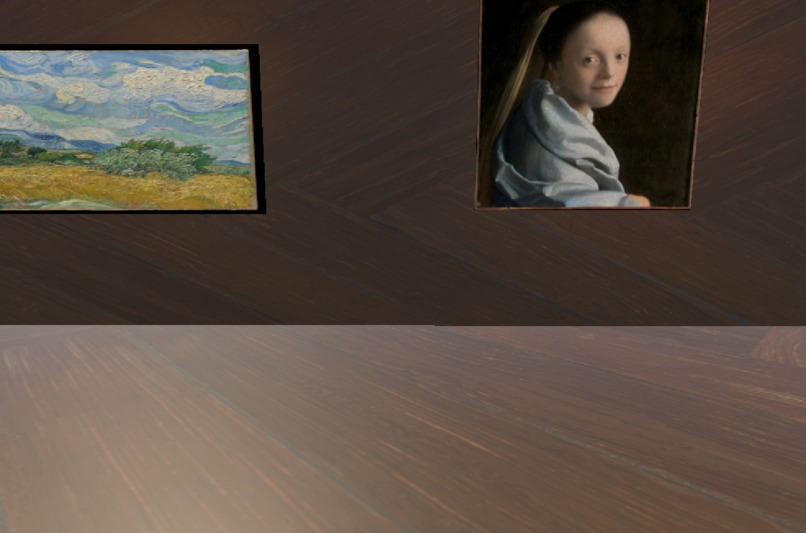
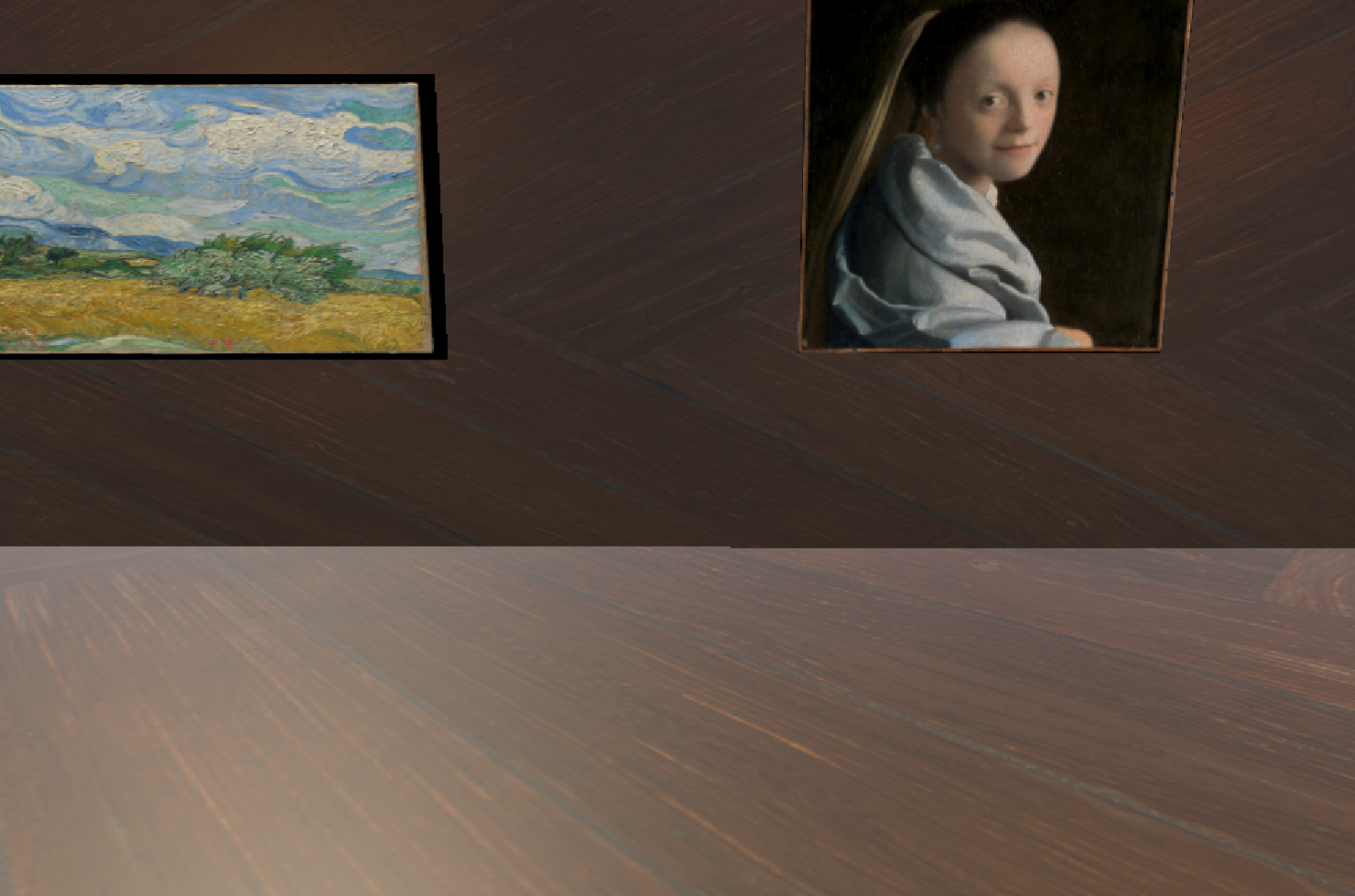
Player POV
-
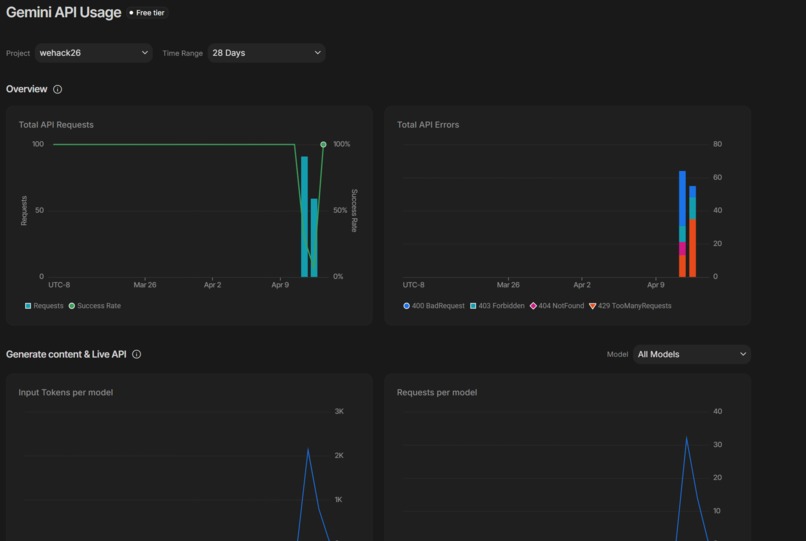
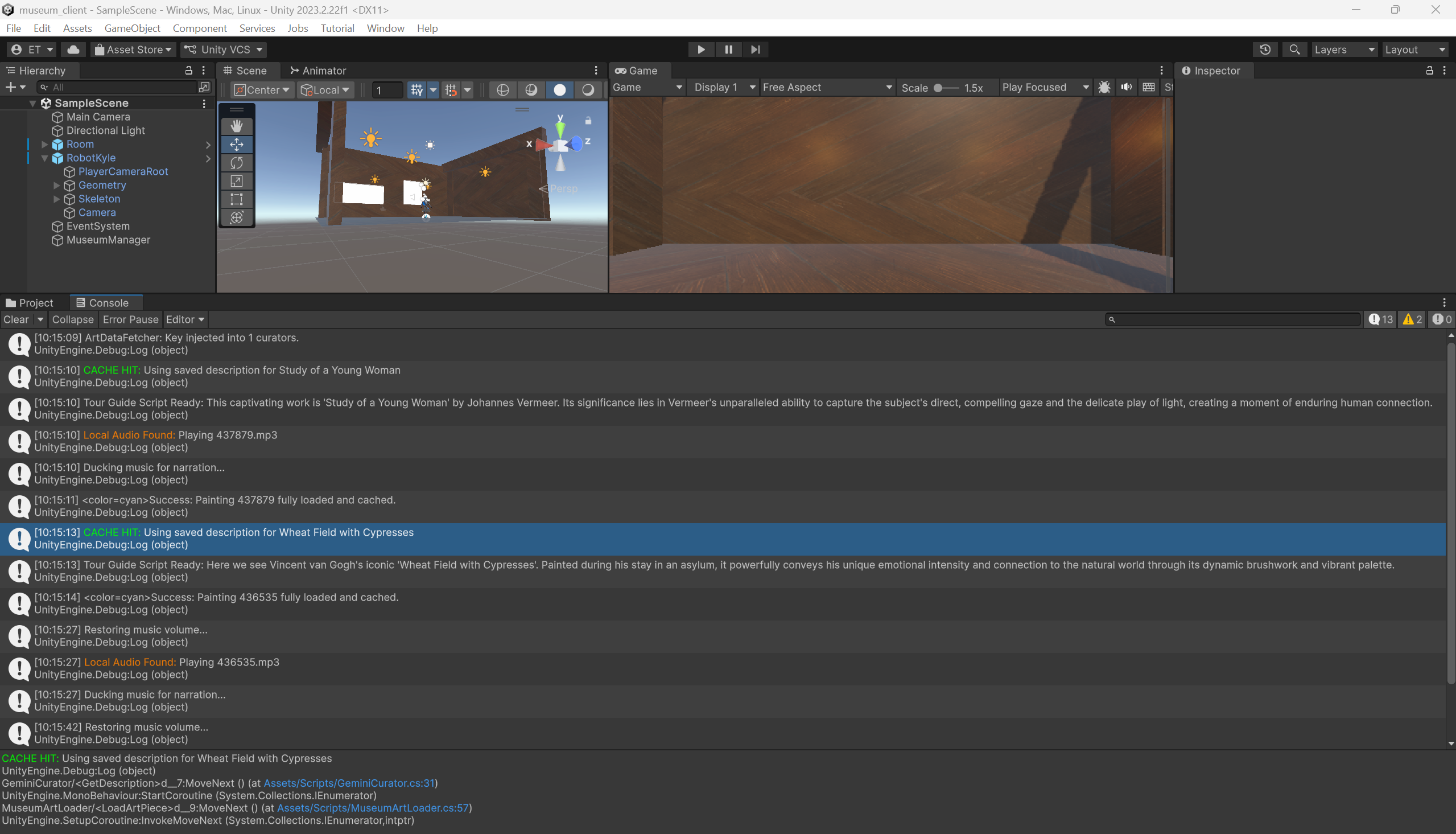
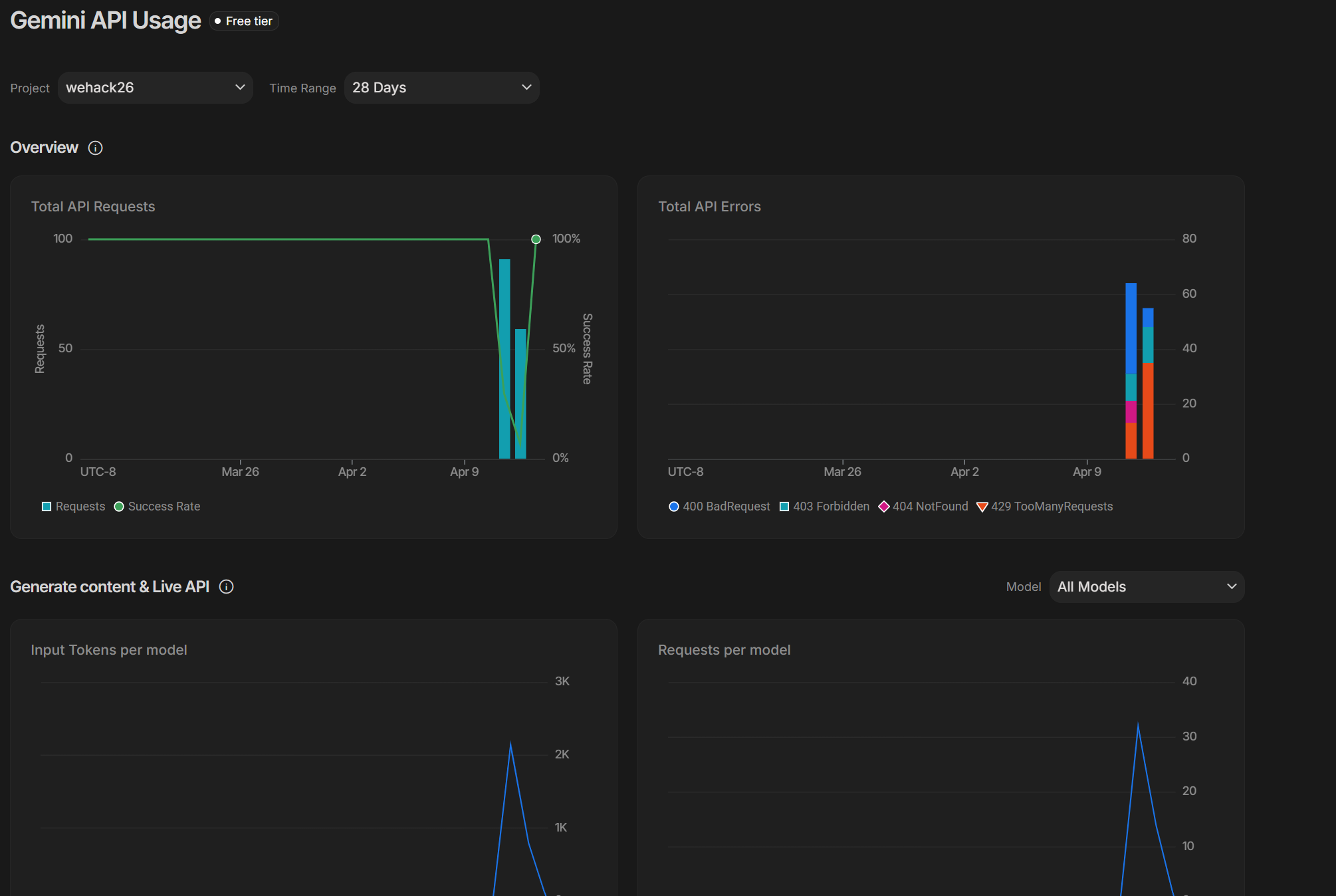
Our Gemini API usage
-
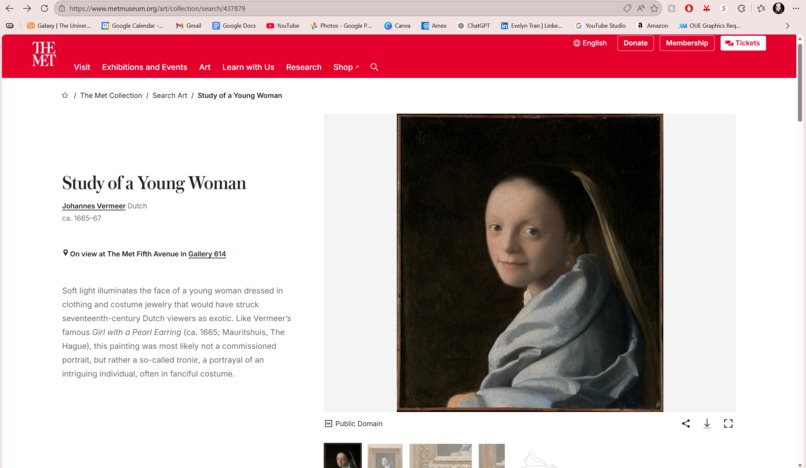
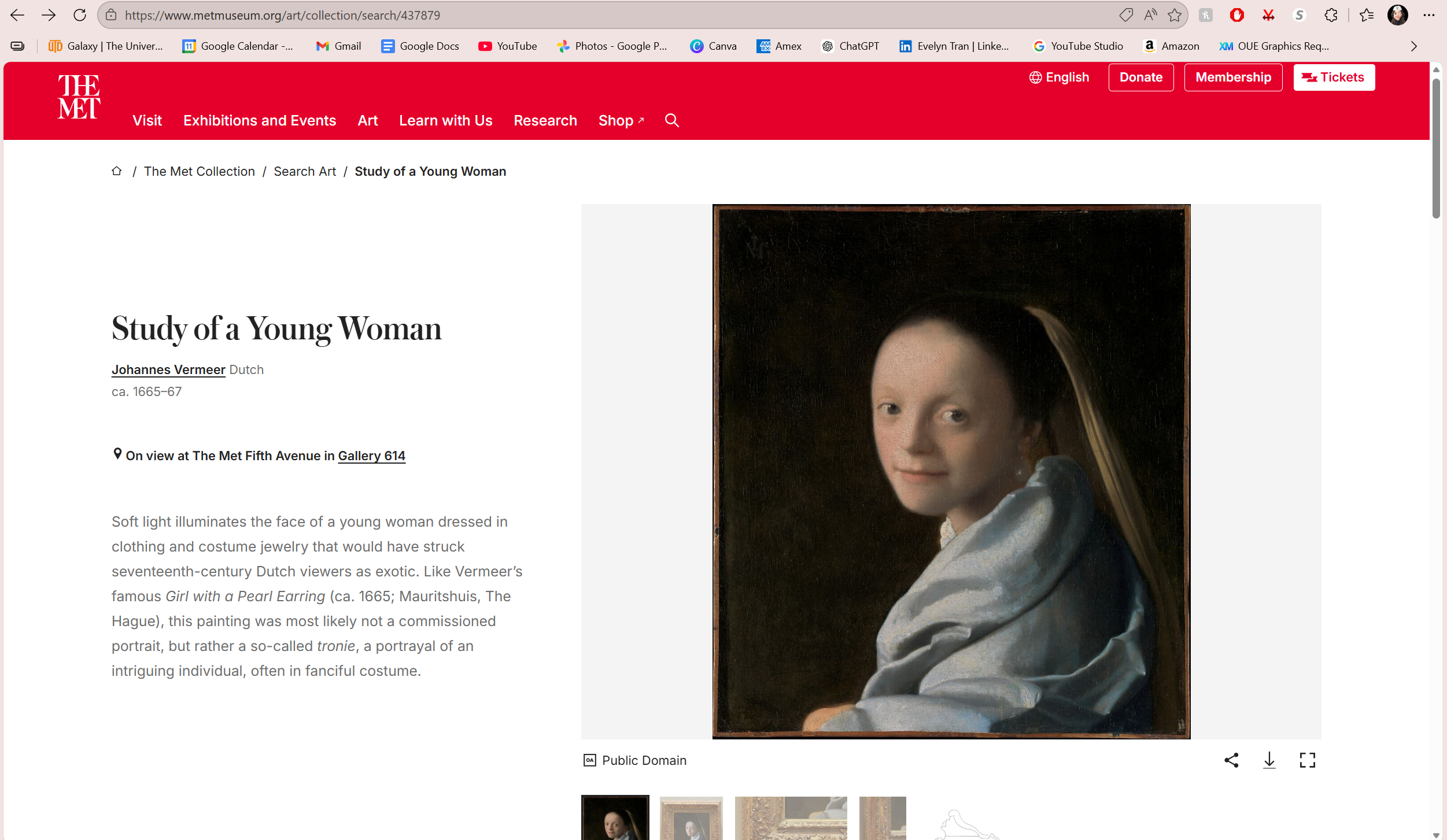
Sourcing art
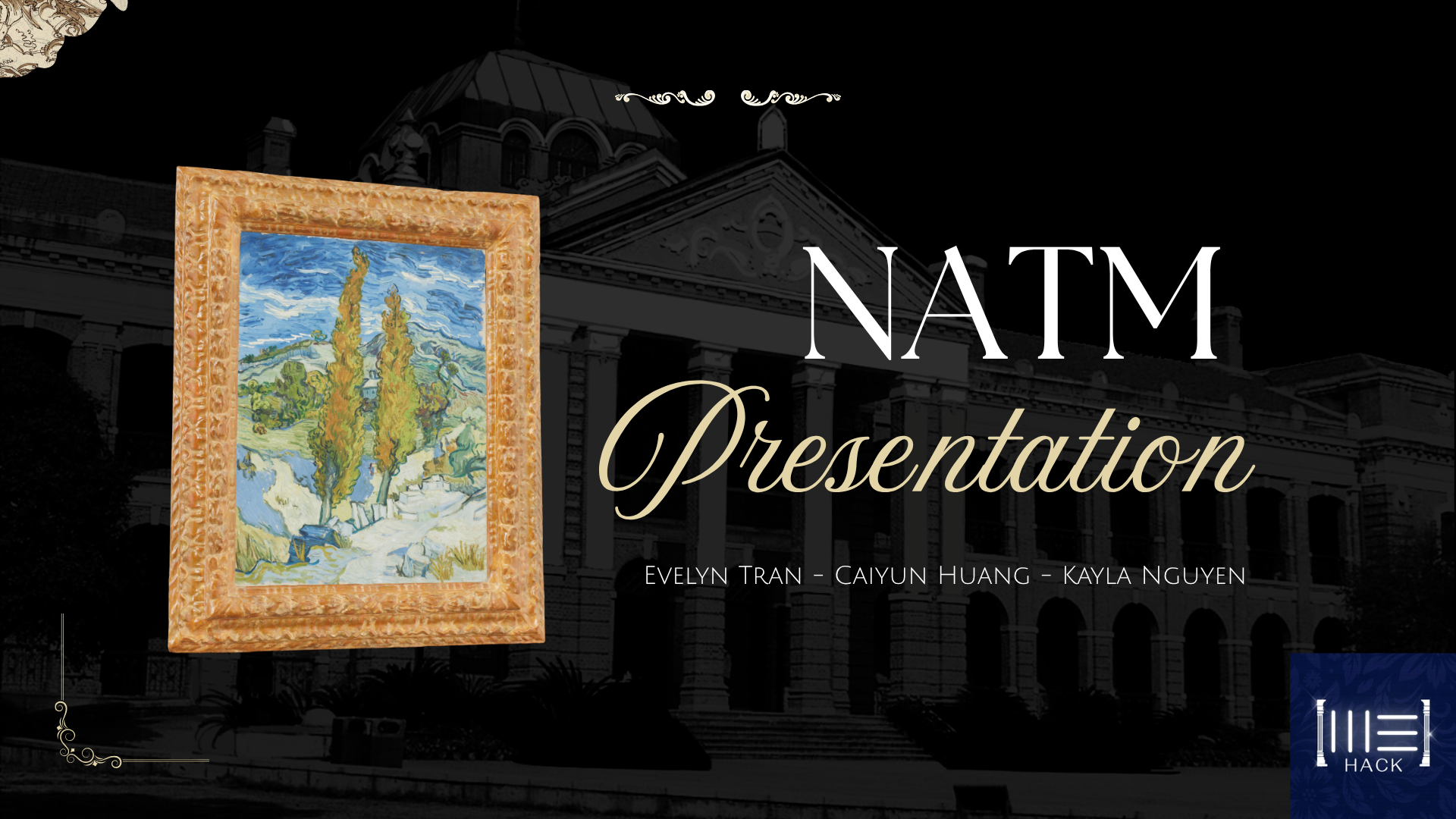
Inspiration
This is our last year and we wanted to try something new. During this semester, a couple of us learned Unity. The vision was to create a virtual tour of a "Night at the Museum" and instead reading the text we wanted to use Gemini API to generate the description of the painting.
What it does
This is an interactive game that allows the user to play and walk around a room that is full of paintings. When the player stand in front of the art the Gemini API would generate the description and use Eleven Labs to generate the text-to-voice voice narration when the player walks up to a painting.
How we built it
This game was mainly built on the Game engine, Unity. This was where we designed the layout, character, and display the art. There were free assets that was downloaded to create the layout of the simulated room and a canvas that allowed us to create the user interface. To implement the mechanics of the game, they were developed using C# scripts. These scripts are used to make the character move and apply other features, such as using the API and event manager.
Challenges we ran into
It was difficult to come up with a creative idea. So at first we wanted to add an AI component that gives the player recommends after viewing an rating the current image. However, we had complications setting up a split repository with python and Unity. This caused us to run into many merge conflicts where when we would commit there would be duplicates of files. Then realized far too late that the Git Repository was not properly established for Unity and it caused major errors.
Accomplishments that we're proud of
We were able to create a functioning player that moves around. Implemented the Gemini API to the pictures we have and integrated the music to those pictures.
What we learned
Gained hands-on experience integrating multiple APIs to connect our Unity client. Additionally, strengthened our version control practices, improving our ability to manage branches, resolve merge conflicts, and collaborate effectively.
What's next for NATM
For design the next steps for NATM is expanding the room to a bigger layout and adding more arts, including 3D artifacts. For the mechanics, is to refine the use of the Gemini API by making the generated information to show on the user's interface. As well as using different musics or sounds for different arts.

Log in or sign up for Devpost to join the conversation.