-
NativeChain
-
-
-
-
-
Inspiration
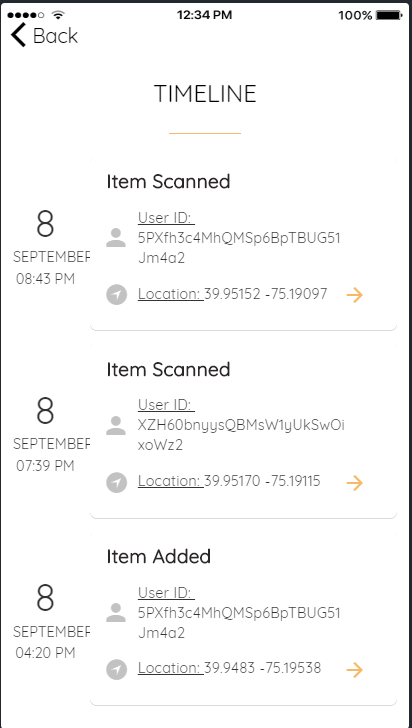
While talking to Mitt from the CVS booth, he opened my eyes to a problem that I was previously unaware - counterfeits in the pharmaceutical industry. After a good amount of research, I learned that it was possible to make a solution during the hackathon. A friendly interface with a blockchain backend could track drugs immutably, and be able to track the item from factory to the consumer means safer prescription drugs for everyone.
What it does
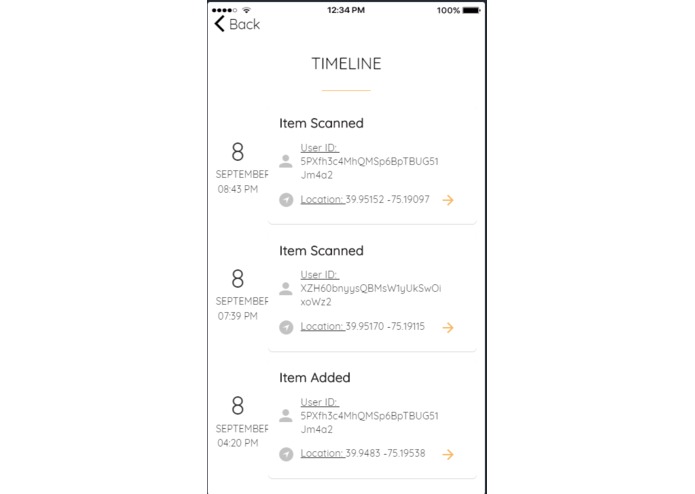
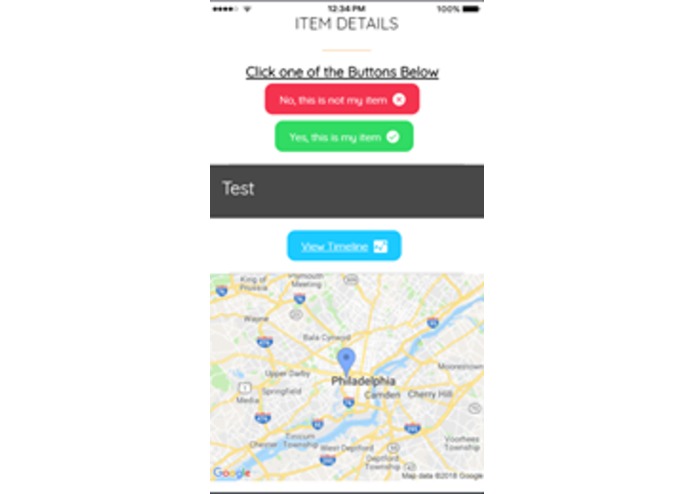
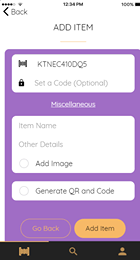
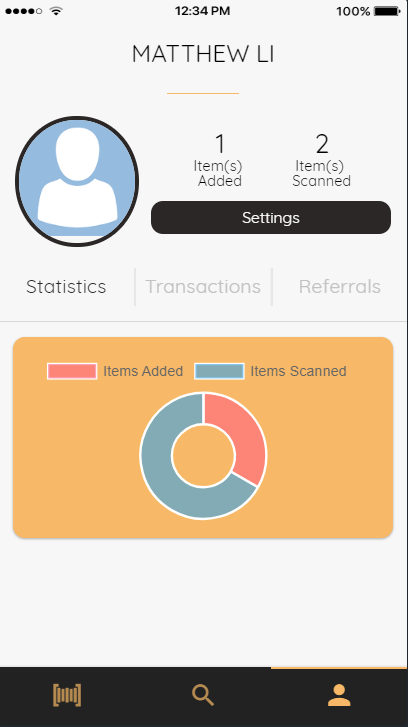
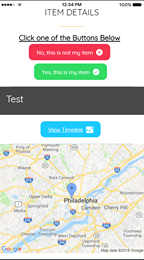
Using our app, users can scan the item, and use the provided passcode to make sure that item they have is legit. Using just the QR scanner on our app, it is very easy to verify the goods you bought, as well as the location the drugs were manufactured.
How we built it
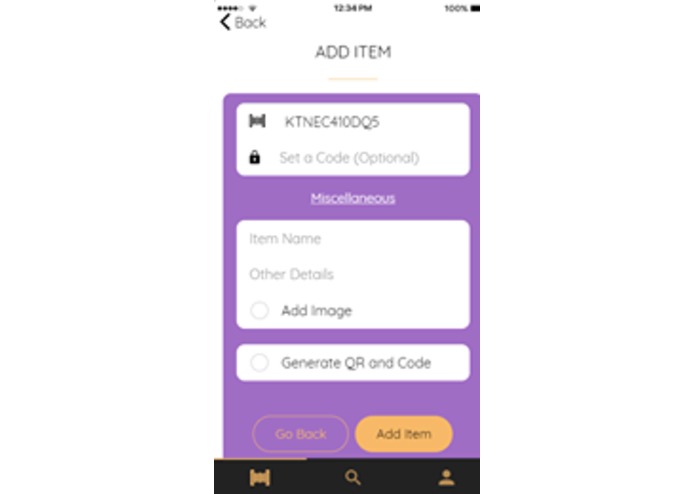
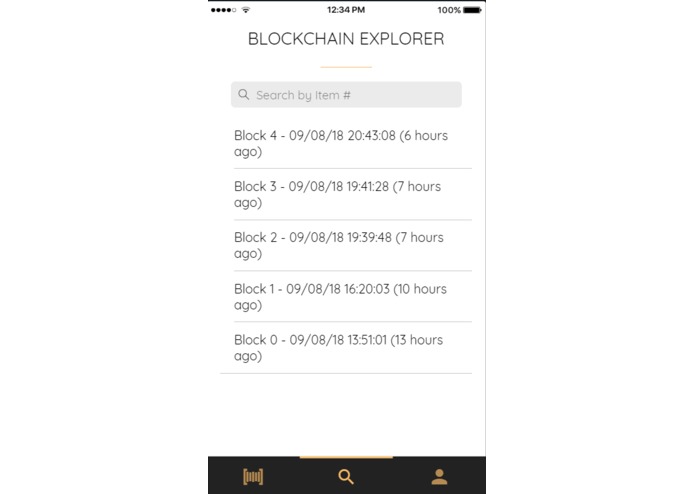
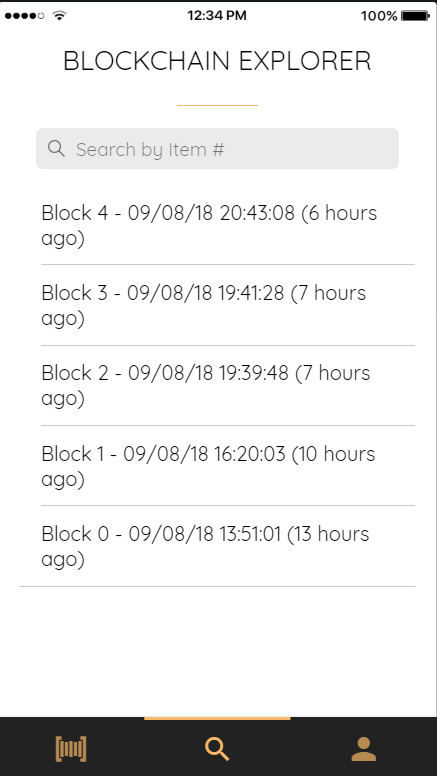
We started off wanting to ensure immutability for our users; after all, our whole platform is made for users to trust the items they scan. What came to our minds was using blockchain technology, which would allow us to ensure each and every item would remain immutable and publicly verifiable by any party. This way, users would know that the data we present is always true and legitimate. After building the blockchain technology with Node.js, we started working on the actual mobile platform. To create both iOS and Android versions simultaneously, we used AngularJS to create a shared codebase so we could easily adapt the app for both platforms. Although we didn't have any UI/UX experience, we tried to make the app as simple and user-friendly as possible. We incorporated Google Maps API to track and plot the location of where items are scanned to add that to our metadata and added native packages like QR code scanning and generation to make things easier for users to use. Although we weren't able to publish to the app stores, we tested our app using emulators to ensure all functionality worked as intended.
Challenges we ran into
Our first challenge was learning how to build a blockchain ecosystem within a mobile app. Since the technology was somewhat foreign to us, we had to learn the in and outs of what "makes" a blockchain and how to ensure its immutability. After all, trust and security are our number one priorities and without them, our app was meaningless. In the end, we found a way to create this ecosystem and performed numerous unit tests to ensure it was up to industry standards. Another challenge we faced was getting the app to work in both iOS and Android environments. Since each platform had its set of "rules and standards", we had to make sure that our functions worked in both and that no errors were engendered from platform deviations.
What's next for NativeChain
We hope to expand our target audience to secondhand commodities and the food industry. In today's society, markets such as eBay and Alibaba are flooded with counterfeit luxury goods such as clothing and apparel. When customers buy these goods from secondhand retailers on eBay, there's currently no way they can know for certain whether that item is legitimate as they claim; they solely rely on the seller's word. However, we hope to disrupt this and allow customers to immediately view where the item was manufactured and if it truly is from Gucci, rather than a counterfeit market in China. Another industry we hope to expand to is foods. People care about where the food they eat comes from, whether it's kosher and organic and non-GMO. Although the FDA regulates this to a certain extent, this data isn't easily accessible by customers. We want to provide a transparent and easy way to users to view the food they are eating by showing them data like where the honey was produced, where the cows were grown, and when their fruits were picked. Outbreaks such as the Chipotle Ecoli incident can be pinpointed as they can view where the incident started and to warn customers to not eat food coming from that area.

Log in or sign up for Devpost to join the conversation.