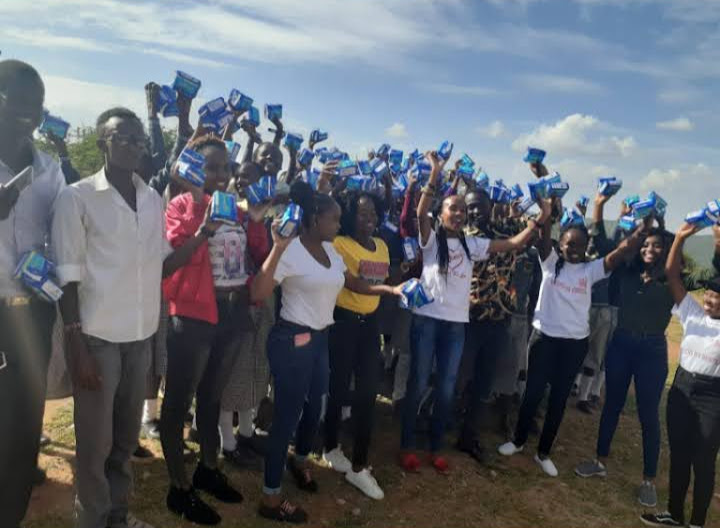
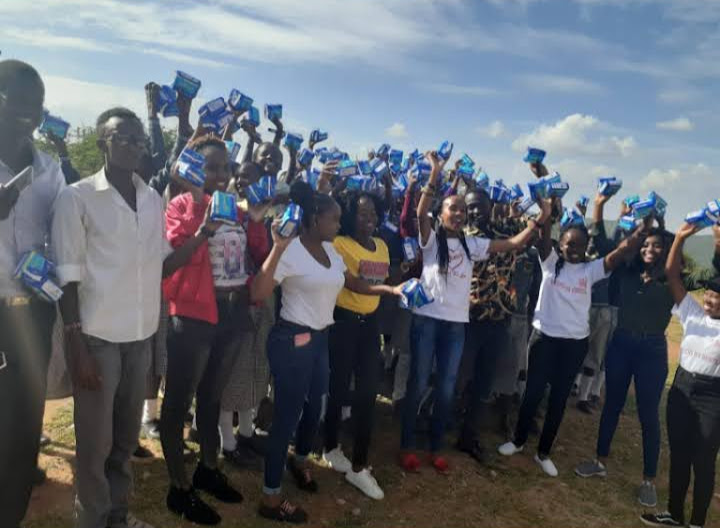
in samburu with student leaders mentoring young girls
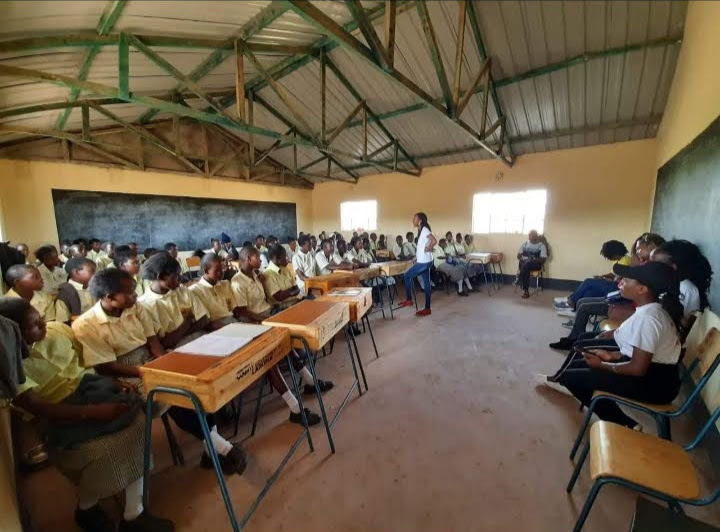
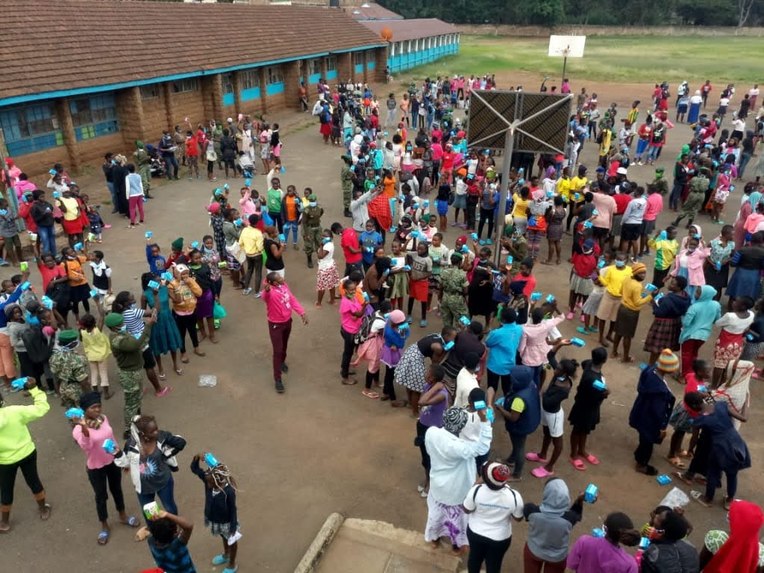
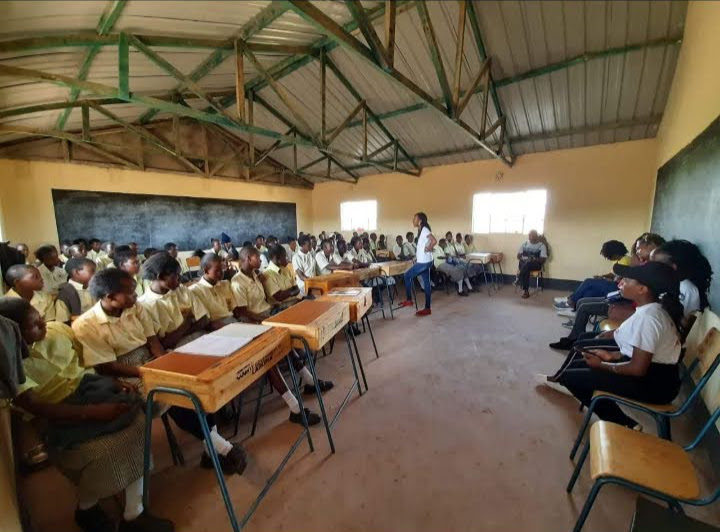
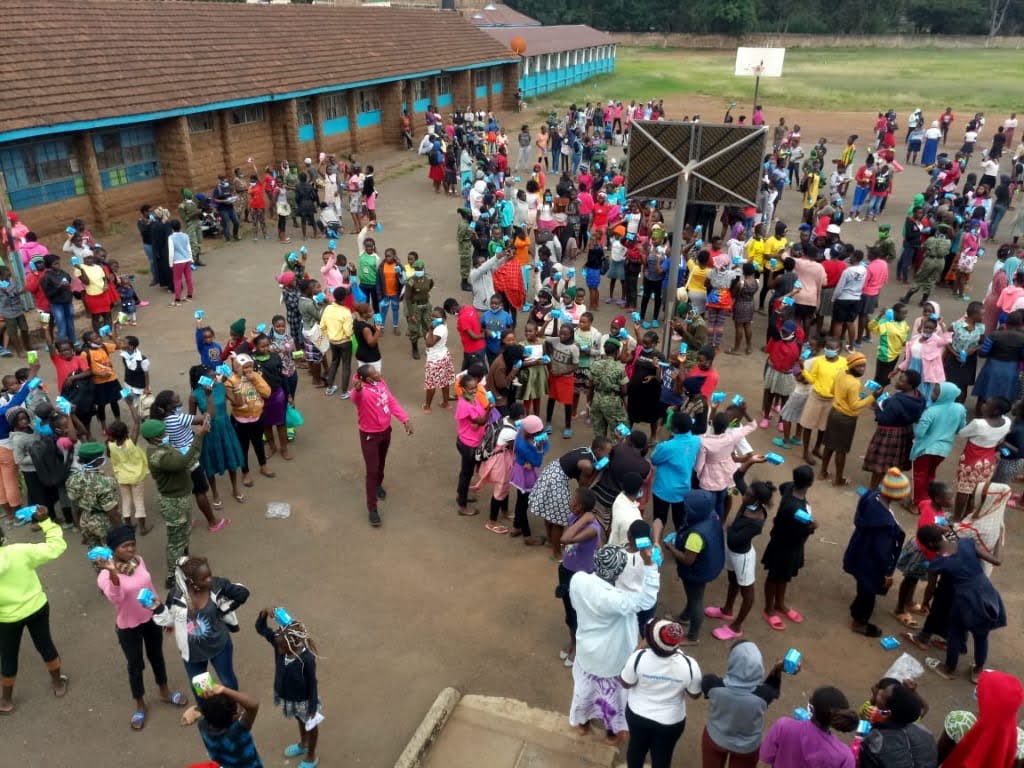
at Ngei primary school,langata
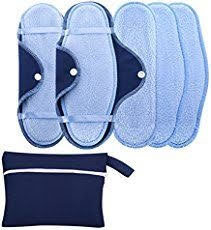
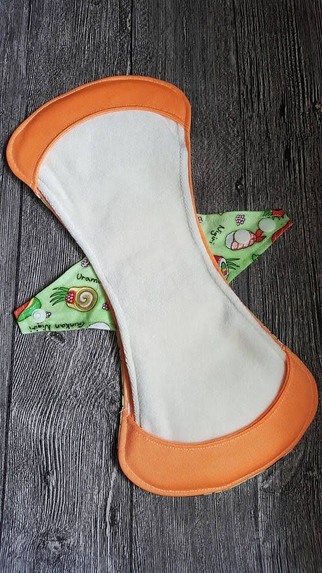
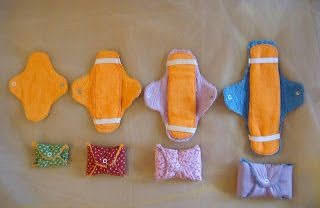
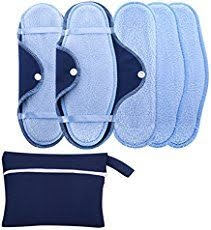
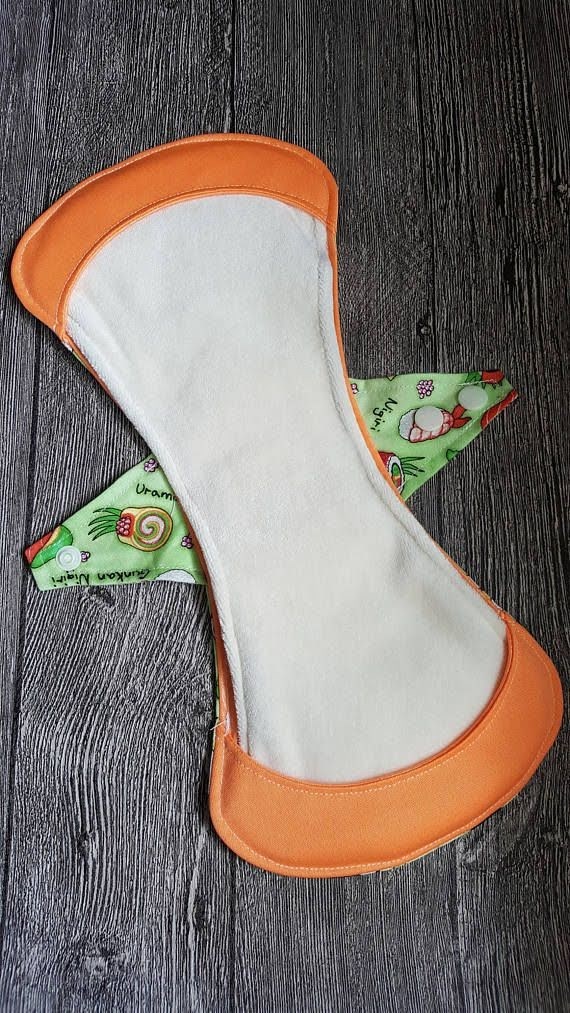
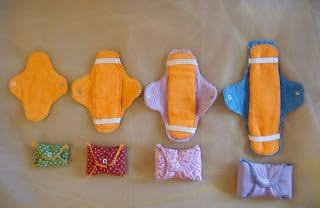
design of reusable pad
sample of reusable pad prototype
design of reusable pad
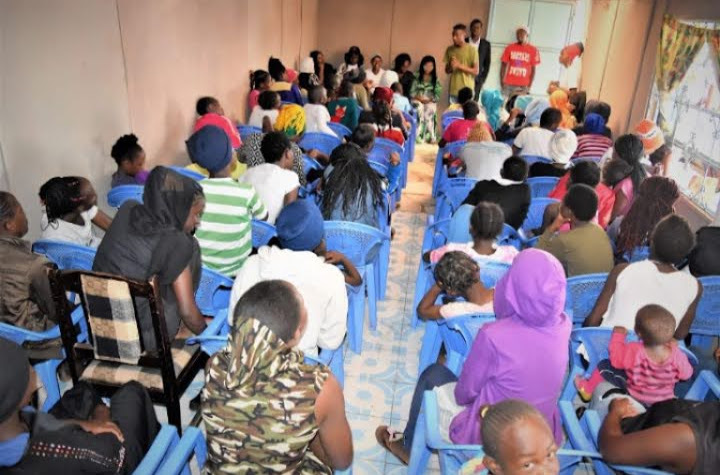
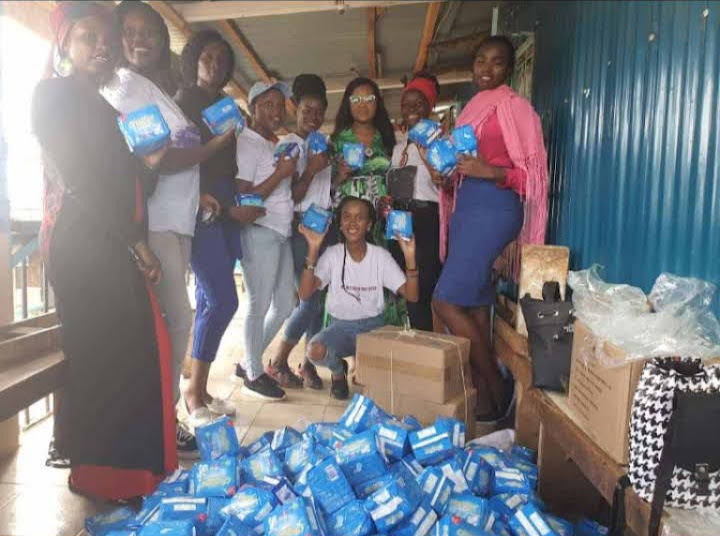
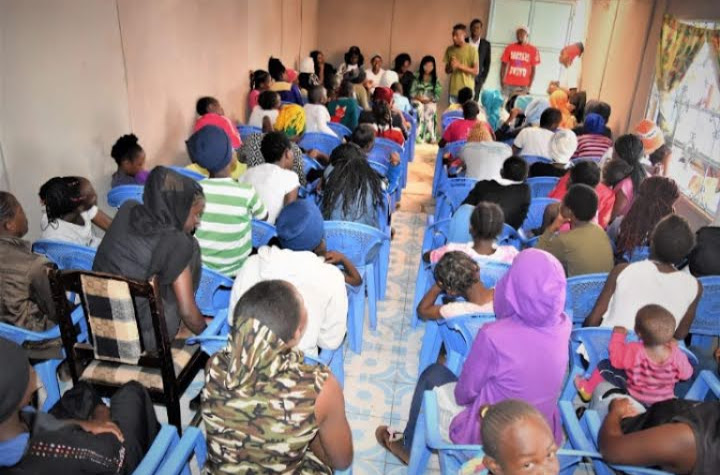
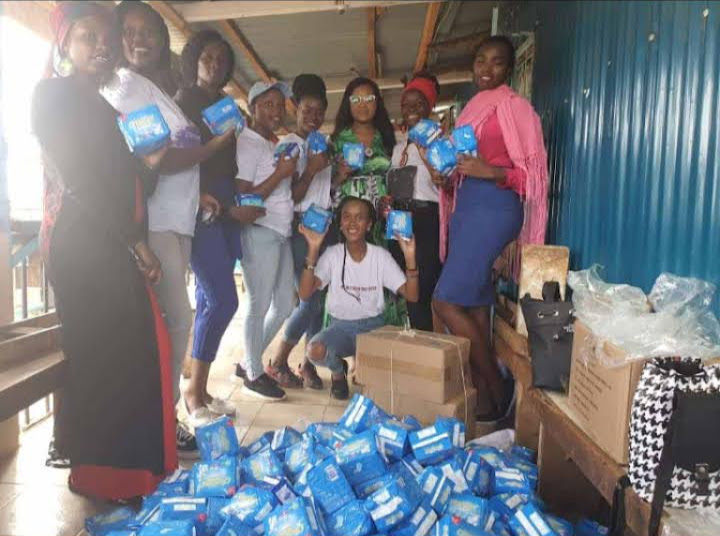
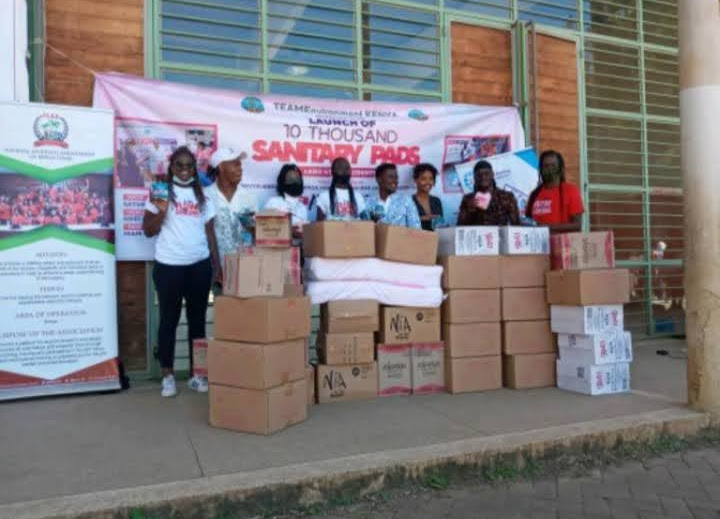
at kibera,Makina ward
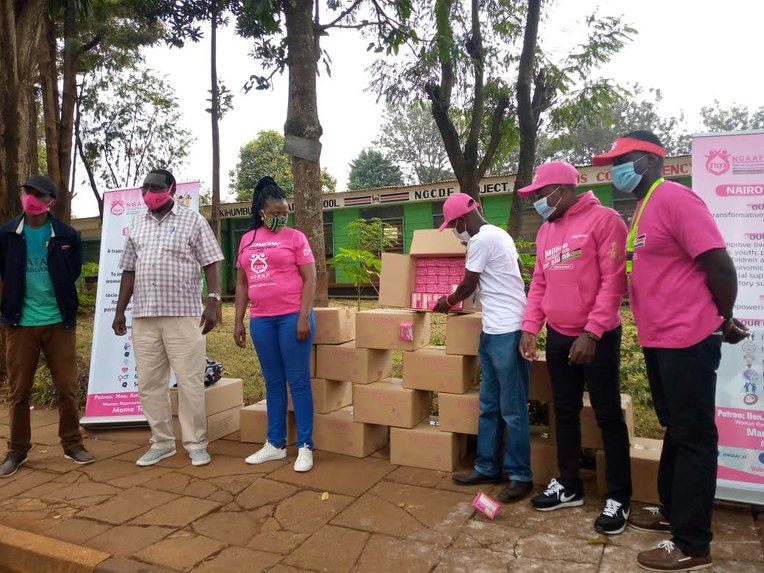
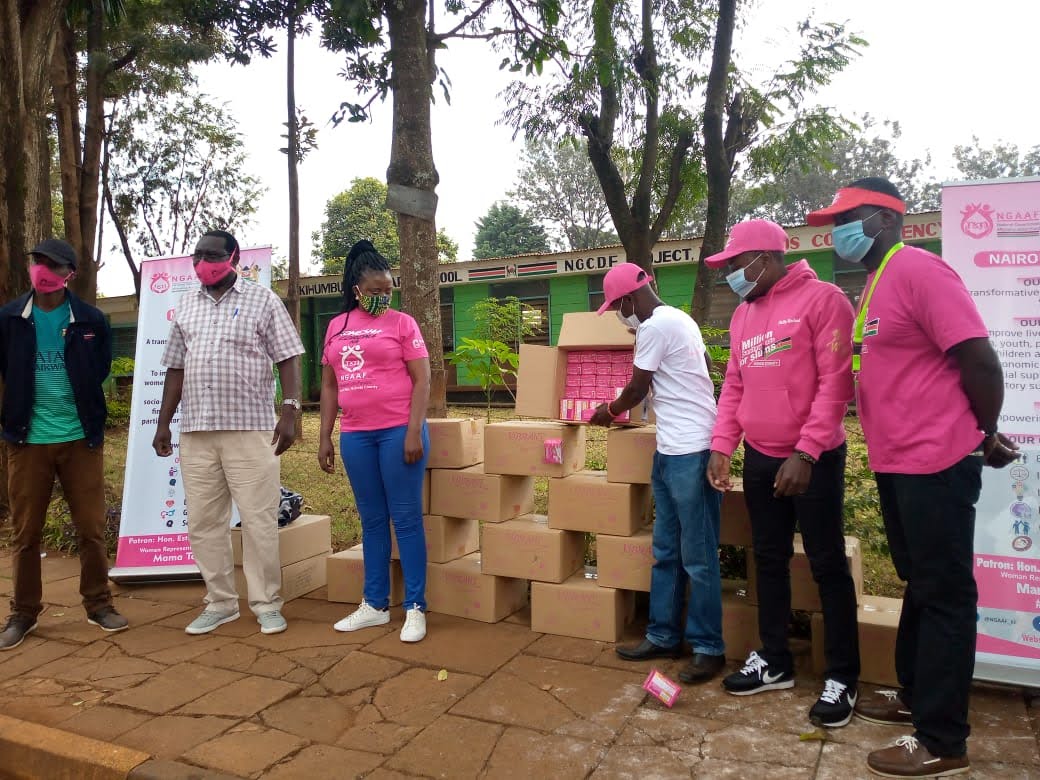
at kangemi with NGAAF team
what inspired me is the drastic increase in teenage pregnancies. In the recent months from a survey done by the Kenya Health Information Management System (KHIS) with the most affected being vulnerable girls and women with disabilities and those from low income households. When interviewed, many of the girls aged between 10-19 years confessed to engaging in premarital sex due to lack of necessities, negligence and mentor ship.In a few instances girls committed suicide due to menstrual shaming .This proposed campaign will run for 2 years,which is the estimate period of the subsidence of the covid-19 pandemic.The campaign will reduce the rate of teenage pregnancies,crime rate,suicide rates,poverty rate,unemployment rate and help the government in curbing the spread of the pandemic and the recovery of the economy.
young girls aged between 10-18 years receive free sanitary products from the government.through the already existing protocols such as the nyumba kumi ,chiefs and headteachers.The products which include sanitary towels are reusable in nature which makes them long lasting,discrete to prevent period shaming,and durable to last for a long period.
The sanitary pads are made using tailor machines.the materials used include cotton,bamboo,and other natural fabrics. the sanitary kit will include a transport bag,a pair of knickers,sexual and reproductive health handbook,soap,eight liners,two shields made from two pieces of cotton(with moisture-barrier fabric between to prevent leaks) and wings that fold around the knickers.most of the vulnerable girls cannot afford to purchase the knickers and that why the kit includes Which means there is little to no use of plastics thus conserving the environment.moreover, more youth will be employed,in the manufacturing process.
lack of enough resources to manufacturer the product,is among the challenges faced in the implementation of this campaign.it costs Ksh500 to make a reusable pad,but with mass production and government intervention,with the help of local manufacturers,the cost can be reduced by almost 50%
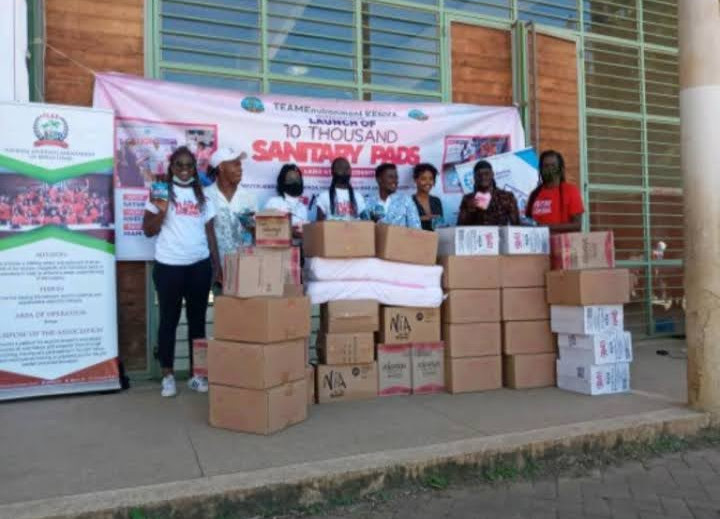
I'm proud of being able to mobilize and donate free sanitary products in the country with the help of government,NGOs and various youth organizations.
i have learned that teamwork,dedication,proper management,and enough resources is necessary in the implementation of various projects
What's next for NATIONAL SANITARY PAD POLICY to help reduce the cases of teenage pregnancies,suicide rates,while creating job opportunities for the youth in the country.

Log in or sign up for Devpost to join the conversation.