-
-
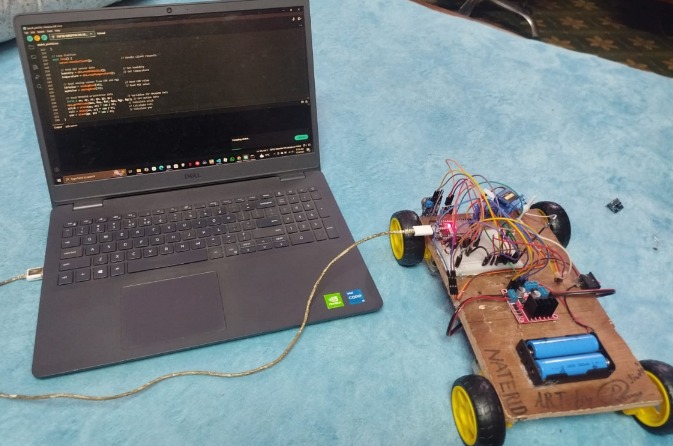
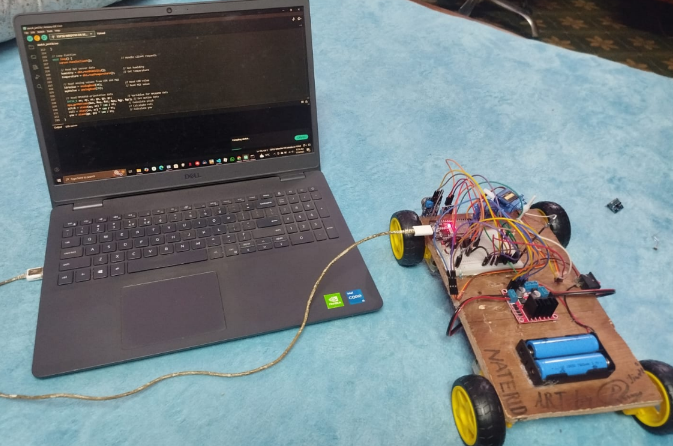
NATERIDA prototype 1 completed
-
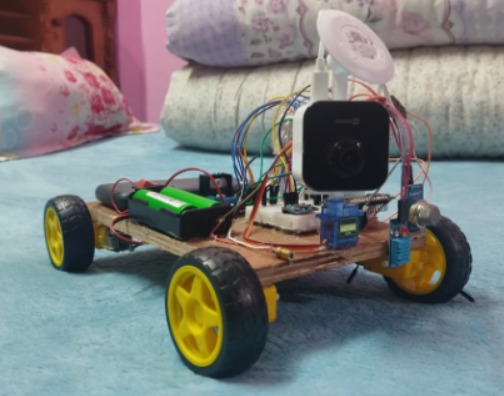
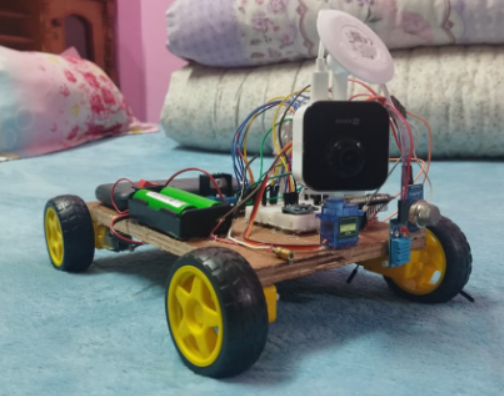
NATERIDA prototype 2 completed
-
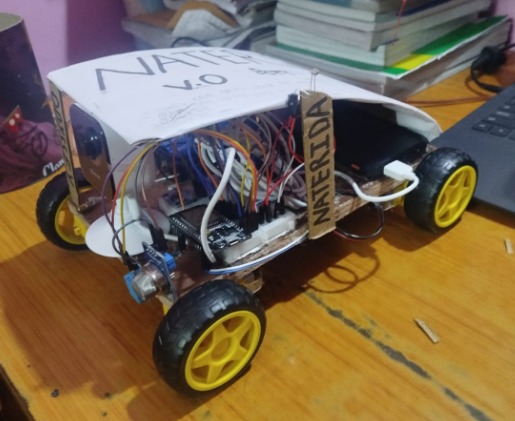
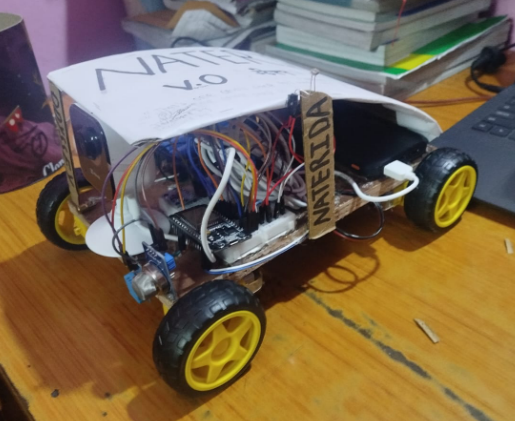
NATERIDA version 0.0 completed (rudimentary version)
-
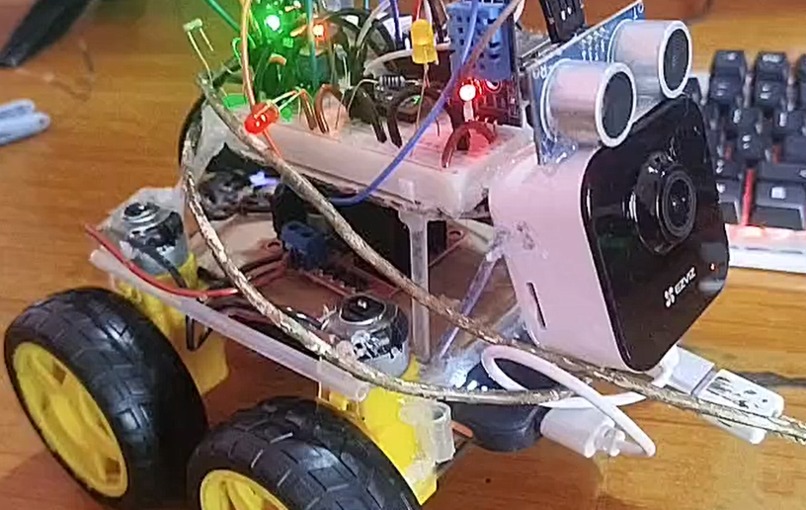
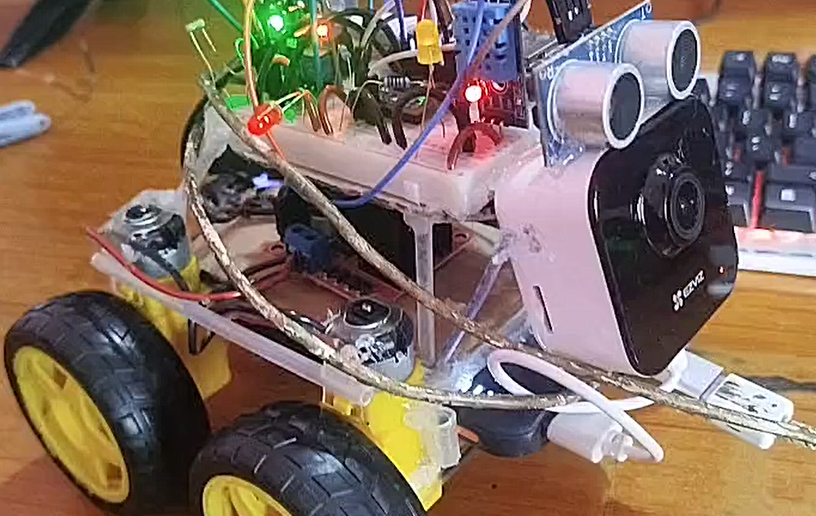
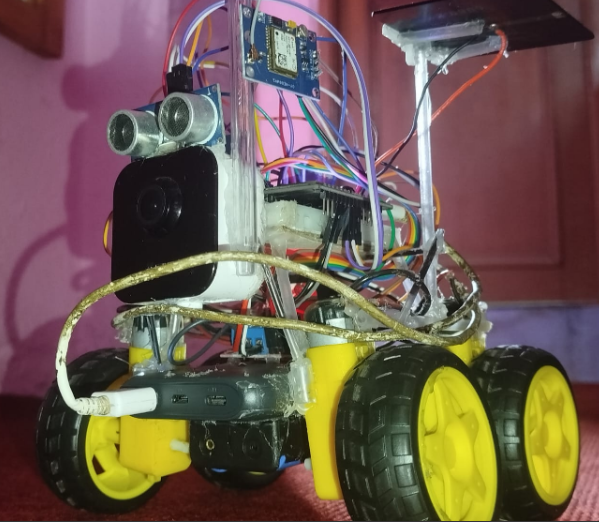
NATERIDA version 1.0 completed
-
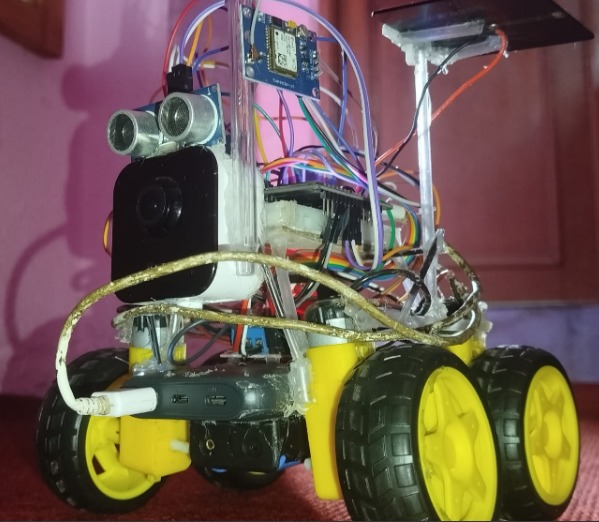
version 1.0 front view
-
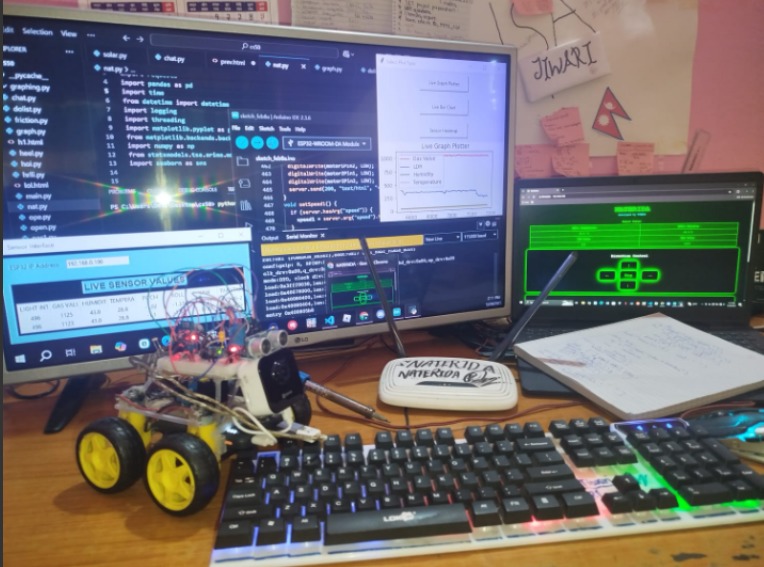
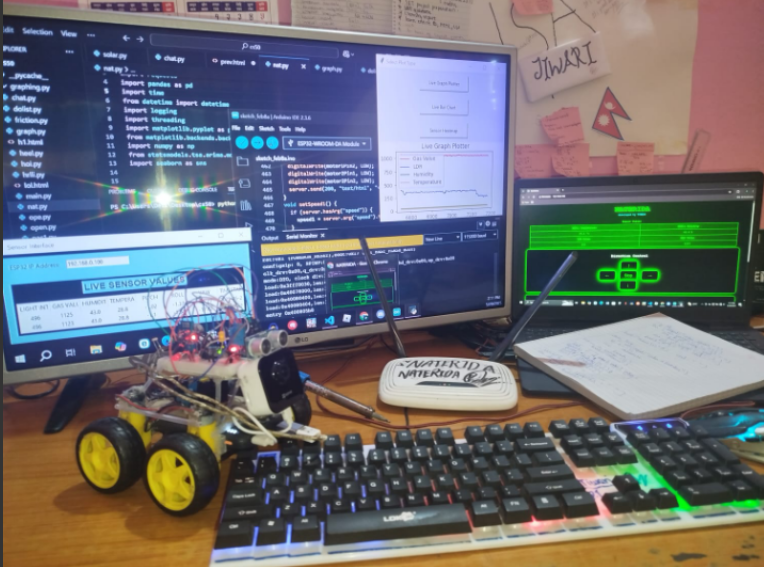
workplace for NATERIDA
-
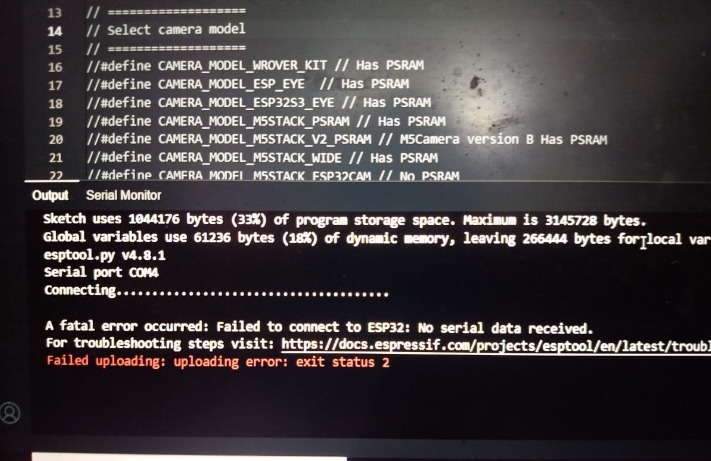
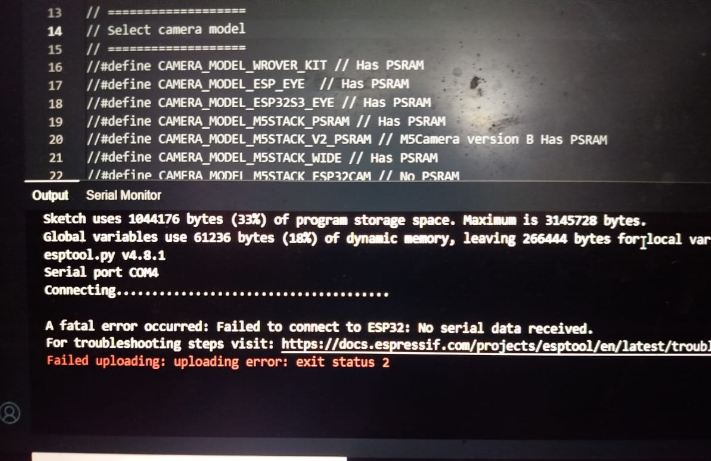
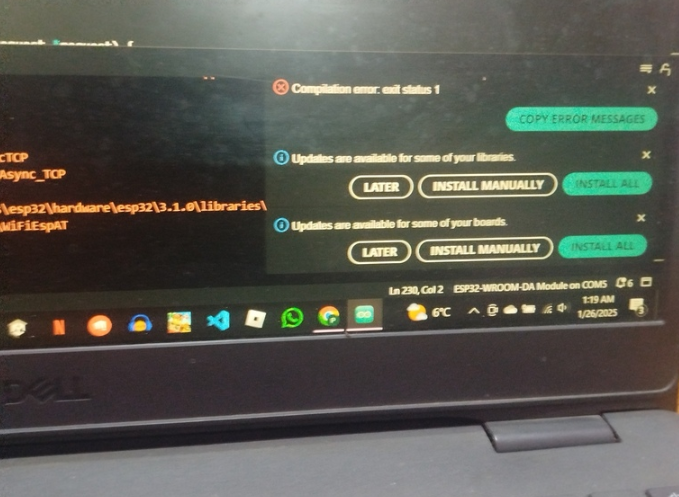
error in connection to the esp32
-
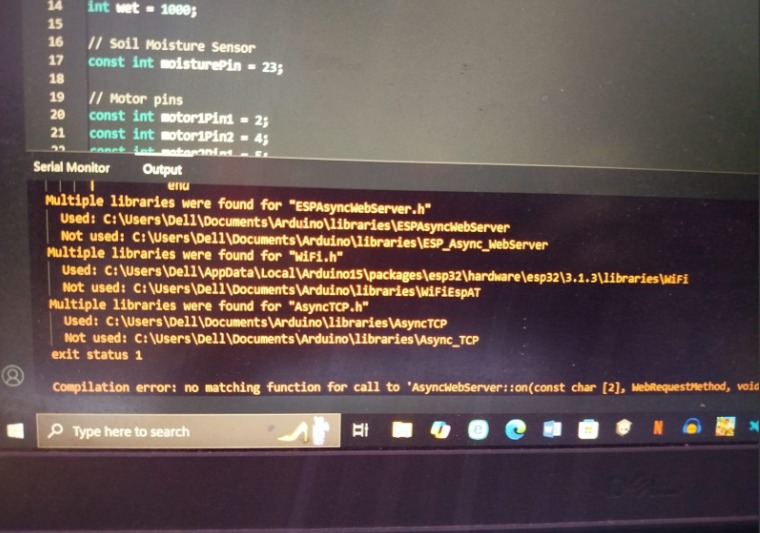
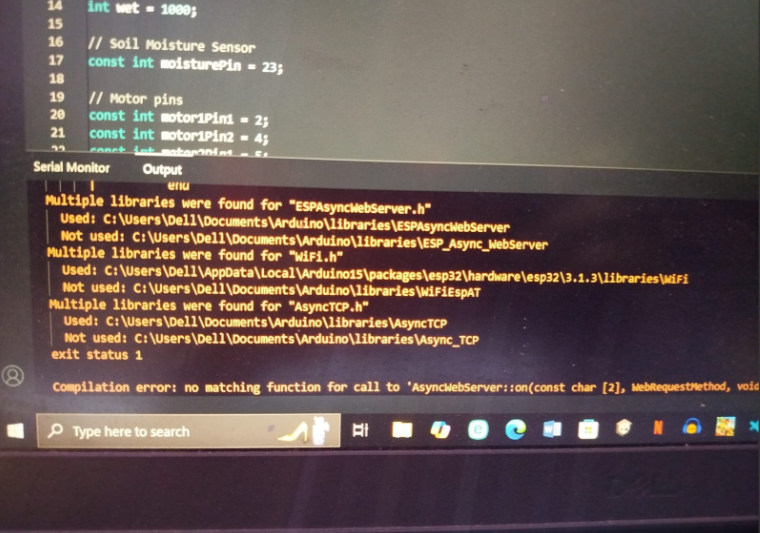
asynctcp did not work hence we switched to webserver
-
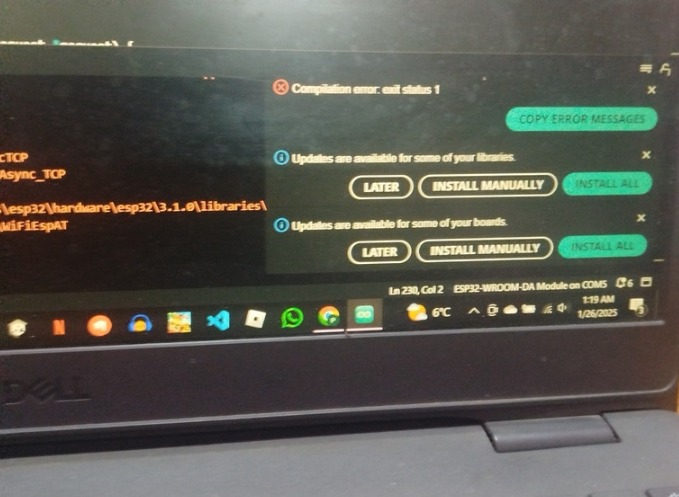
Facing troubles to correct code.
-
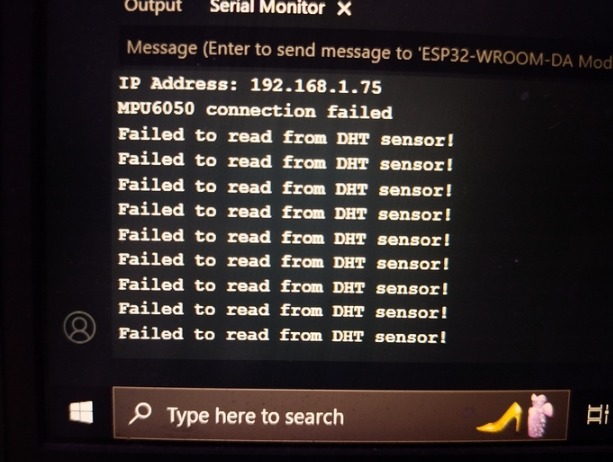
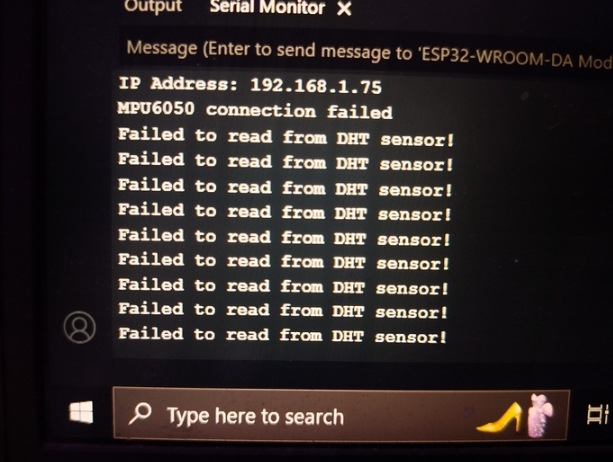
problem to read sensor values
-
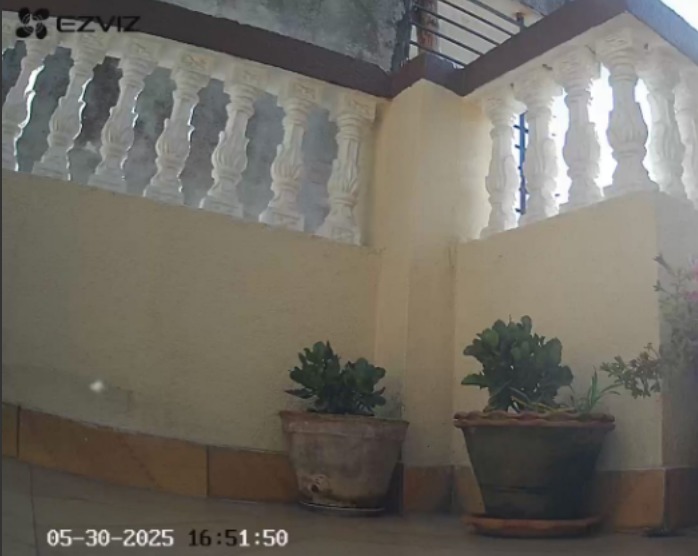
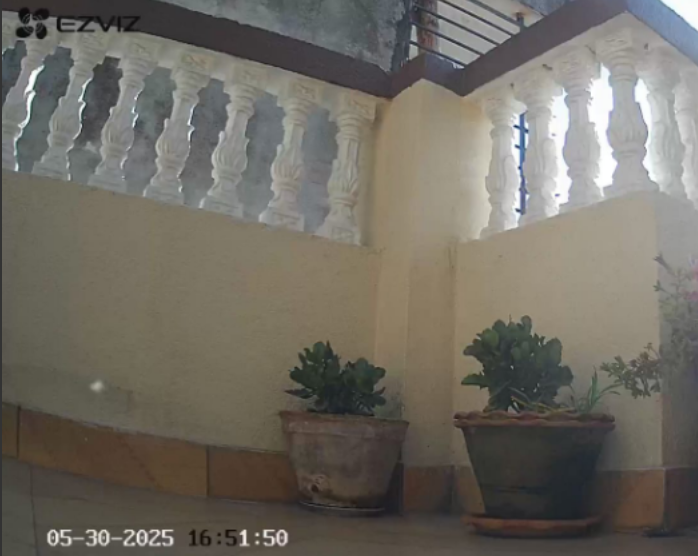
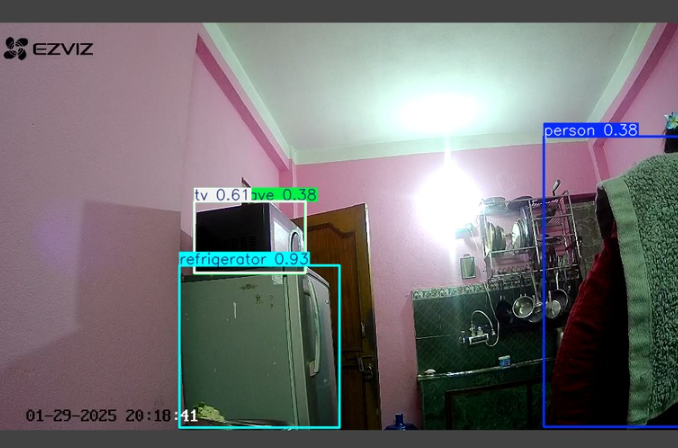
View through NATERIDA camera (ESP32 cam module)
-
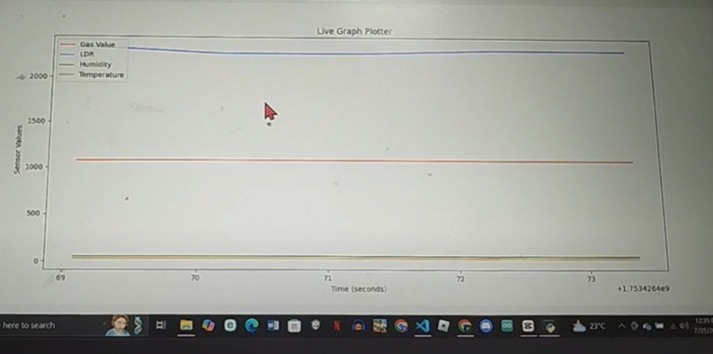
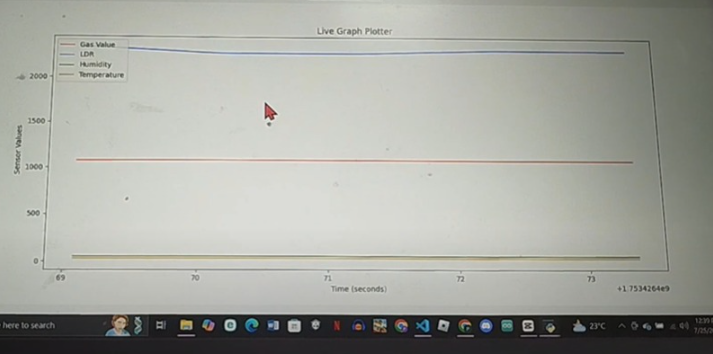
live line graph plotter
-
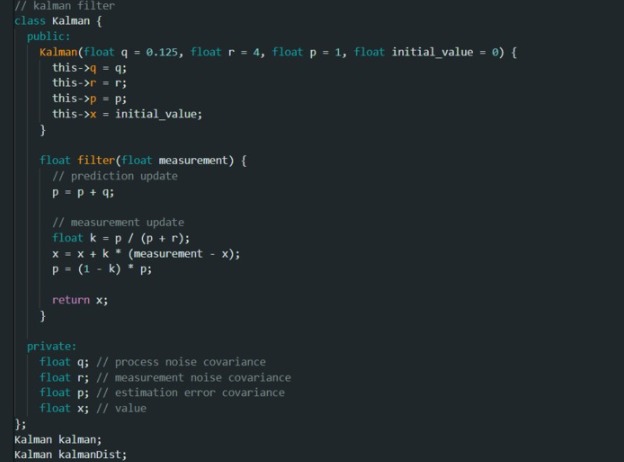
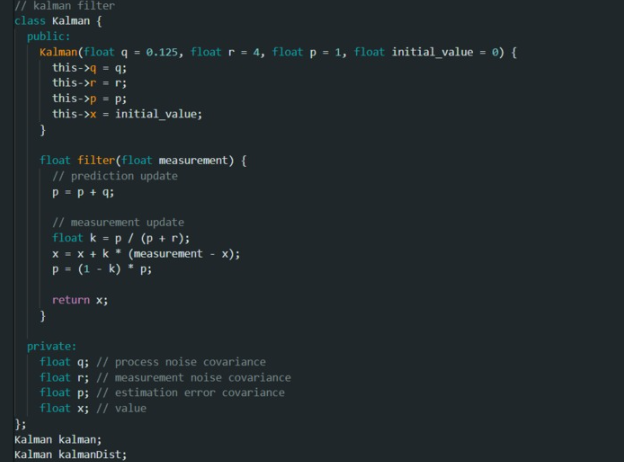
kalman filter algorithm or obstacle avoiding
-
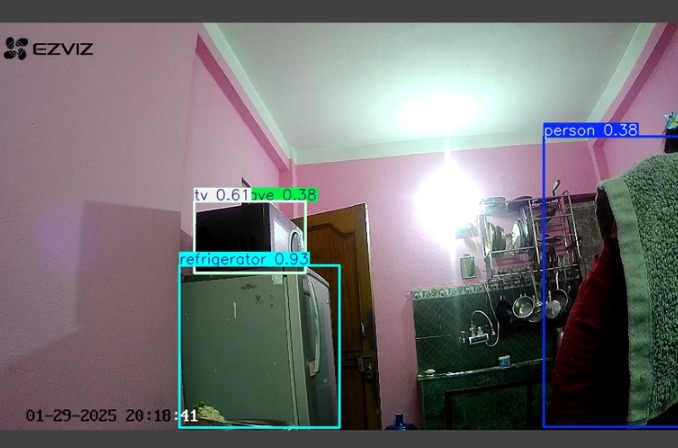
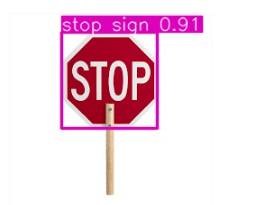
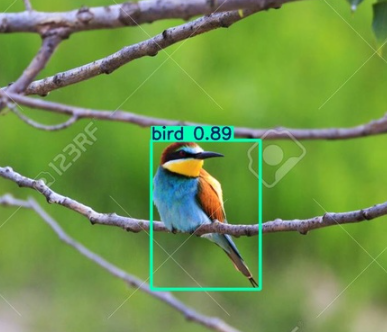
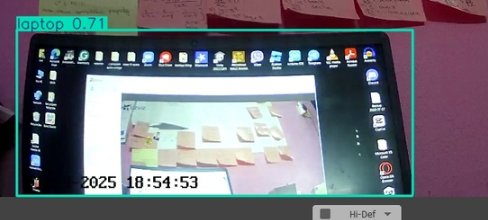
NATERIDA OPENCV demo 1
-
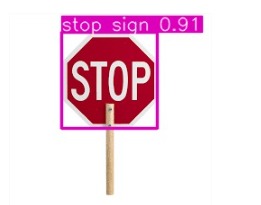
NATERIDA OPENCV demo 2
-
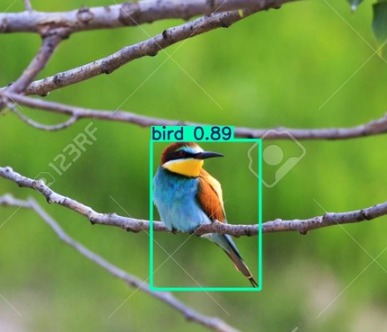
NATERIDA OPENCV demo 3
-
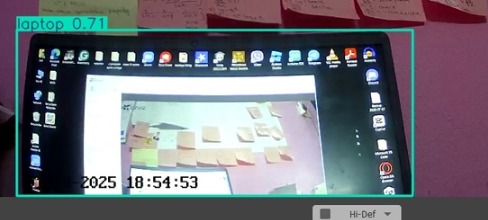
NATERIDA OPENCV demo 4
-
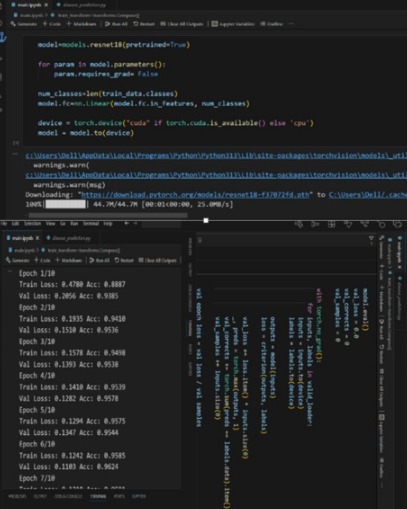
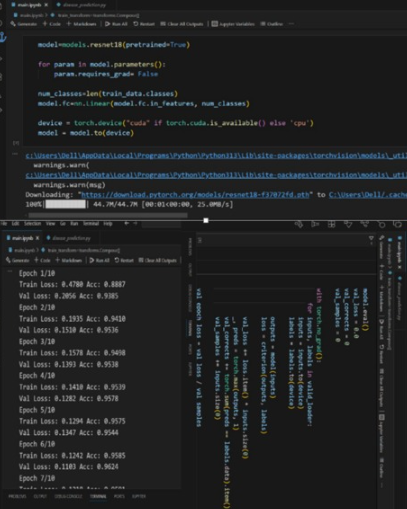
Plant disease detection with 96% accuracy.(OPENCV demo 5)
-
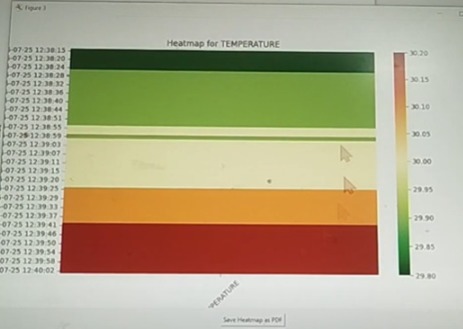
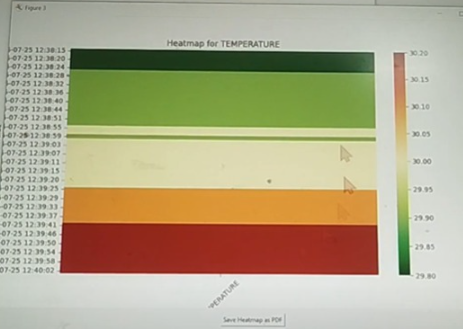
live heat map generator
-
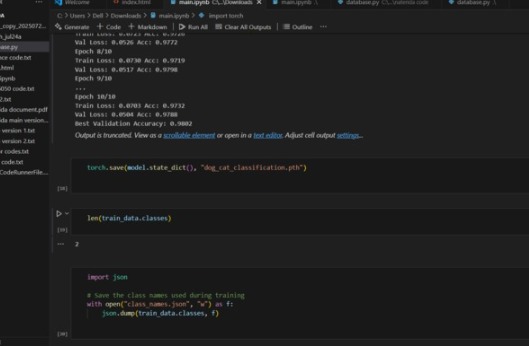
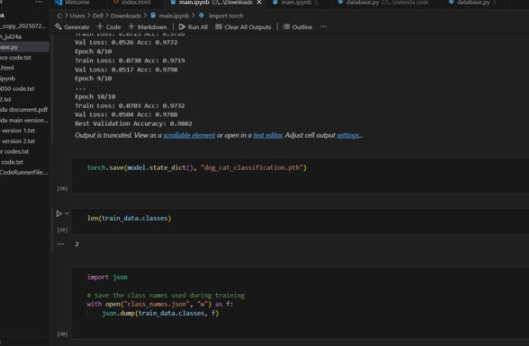
we got approx of 98% accuracy within 10 epoch in classification model with 2 classes
Inspiration
I built my first Arduino project a blinking light in grade 10, and it left a lasting impression on me. Since then, I’ve pursued my passion for robotics. Coming from Nepal, a country rich in natural beauty but lacking technological support, I’ve always dreamed of using robotics and AI to create real impact. That vision led me to build Naterida, my exploration bot designed to contribute to the betterment of my country and its people.
What it does
NATERIDA isn’t just any robot, it’s like a mini Mars rover, but designed for Earth. The name stands for Navigation Transfer Intelligent Data Allocation Bot, a multi-functional smart robot packed with sensors, AI capabilities, and a compact but powerful design. Its core purpose is to operate in challenging environments forests, disaster sites, remote villages, or traffic zones adapting through computer vision and intelligent sensors.
Environmental Monitoring Equipped with sensors like DHT11 (temperature/humidity), MQ2 (gas/smoke), and light sensors, NATERIDA collects real-time environmental data. This data can support organizations and researchers working on pollution, air quality, and climate change.
Plant Disease Detection & Sustainability Using a ResNet-18 convolutional neural network, we’ve developed a plant disease detection model. With its onboard camera and computer vision, NATERIDA can scan plants, identify diseases, and alert locals or forest rangers. This helps in preventing large-scale crop loss, protecting forests, and promoting agricultural sustainability.
Weather Forecasting Beyond sensors, NATERIDA integrates a weather forecasting system, enabling it to predict local weather conditions. This is especially useful for farmers, disaster preparedness, and environmental monitoring.
Exploration of Dangerous Zones NATERIDA can be deployed in risky environments—unstable caves, toxic gas zones, or disaster-hit areas where human entry is unsafe. It gathers crucial data and provides live feedback, ensuring safety while enabling effective exploration.
Surveillance & Monitoring With computer vision, it can perform tasks like number plate recognition and traffic flow analysis. In emergencies, such as road accidents, NATERIDA can automatically reach the scene, assist victims, or alert authorities. It can also be used in wildlife reserves to prevent poaching, silently monitoring and capturing live video.
LLM Integration – Giving NATERIDA a Brain By fusing it with LLMs like ChatGPT or local models (e.g., DeepSeek, Mistral), NATERIDA becomes more than a robot—it gains the ability to interact, guide, teach, or assist. Imagine a mobile AI assistant: a chatbot with legs, capable of both action and conversation.
Future Vision – Miniaturized Disaster Response Bots Looking ahead, we envision micro versions of NATERIDA for disaster response tiny crawlers that can move through collapsed buildings, detect survivors, sense toxic gases, and support rescue missions.
How we built it
The heart of NATERIDA is the ESP32, a powerful and Wi-Fi-capable microcontroller. We wired up sensors like DHT11, MQ2, LDR, MPU6050, HC-SR04, and GPS (NEO-6M) to it. For mobility, we used TT motors connected through an L298N motor driver. The brain part (vision + AI) runs on a PC or local server where we stream data from the robot to a web interface coded in HTML/CSS/JS.
The dashboard shows sensor data live, lets us control the robot, change motor speeds, and even trigger alerts or messages. For computer vision, we started with OpenCV in Python and plan to upgrade to models like YOLO or MediaPipe for object detection. We also used TinyGPS++ for real-time location tracking. Power comes from a rechargeable Li-ion pack that powers both the ESP and the motors.
Challenges we ran into
There were a bunch of challenges. The biggest was sensor noise, especially from the MPU6050. It gave messy pitch and yaw values, which we cleaned up using a Kalman filter. Another issue was processing power—ESP32 couldn’t handle heavy vision tasks or AI locally. So we had to split the work between the bot and a server. Also, sometimes the ESP32 would crash when multiple tasks ran together, so we had to introduce watchdog timers and optimize the sensor polling rate. Since country like nepal is very unfamaliar with topics like robotics we really had to scavange various shops and stores for the equipments and parts. With a budget as less as 60$ we really had to face the true definition of optimization and adjustment.
We also faced motor overheating, especially when testing long hours. L298N got too hot, so we added heat sinks and spaced out the circuit better. And yeah, Wi-Fi drops were a pain—especially in outdoor tests. So we had to code reconnect loops and error handling to make it more stable.
Accomplishments that we're proud of
The first win was making a fully functional robot with real-time sensor updates and web control—all on a tight budget (less than $60). We’re also proud of how modular the system is: you can remove or add sensors anytime, and the robot adapts. Another proud moment was integrating an LLM for control—that gave the bot a kind of “soul”. The fact that a high school student from Nepal could build something so versatile, so powerful—that too with limited access to tech—is something we’ll always be proud of.
What we learned
We learned that hardware is messy. Code is one thing, but real-world signals, motors, and sensors don’t act how you expect. We learned how to clean data, optimize performance, and debug under pressure. I personally understood how AI can transform dumb robots into adaptive, conversational systems. We also saw the power of open-source and how many global tools can be brought together for something local. Most importantly, we learned that impact doesn’t require money—it needs intention and engineering.
What's next for NATERIDA microbots
We’re enhancing NATERIDA by integrating local LLMs like DeepSeek and Mistral, making it smarter and more autonomous. Our next step is adding NVIDIA Jetson Nano—or even scaling to CUDA-powered platforms like NVIDIA COSMOS—for real-time ML processing, object detection, and advanced autonomy onboard. A swarm version is under development to enable multiple bots to collaboratively explore large-scale environments such as farms and disaster zones.
We’re also working on a medical variant equipped with vitals sensors for rescue missions and remote healthcare. Beyond robotics, we’ve already built a ResNet-18 model for plant disease detection and a weather forecasting system—currently left unintegrated due to the ESP32’s AI limitations, but planned for deployment once we transition to stronger compute platforms.
Finally, we aim to open-source the NATERIDA framework and release an AI-robotics API, empowering young innovators worldwide to build, scale, and adapt robotics for their own communities.
Built With
- css
- data
- deepseek-api-(llm)
- esp32
- esp32webserver
- espasyncwebserver
- github
- handling:json-for-class-mappings-pytorch-dataloaders
- html
- javascript-frameworks/libraries:-arduino-ide
- juypter-notebook
- kaggle-new-plant-diseases
- kalman-filter-library
- languages:-c++
- matplotlib
- numpy
- opencv
- optimization:adamw-optimizer-&-crossentropyloss
- pandas
- python
- pytorch
- resnet-18
- resnet18
- seaborn
- tinygps++


Log in or sign up for Devpost to join the conversation.