-
-
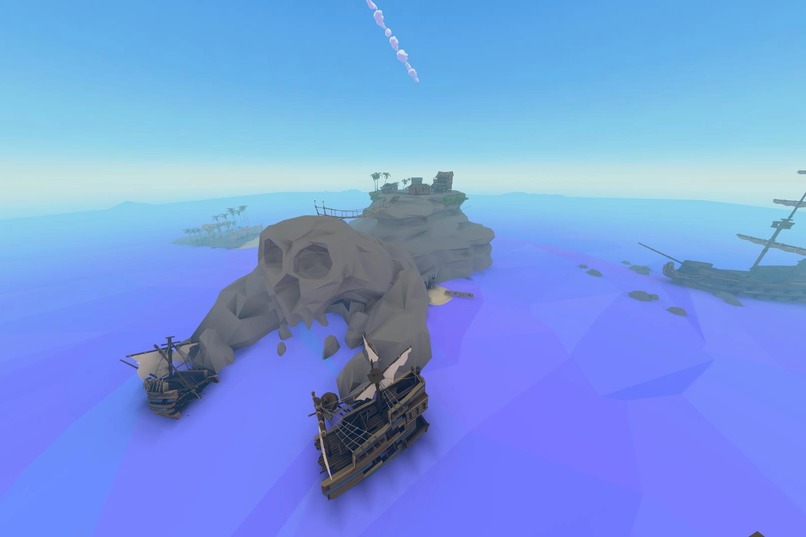
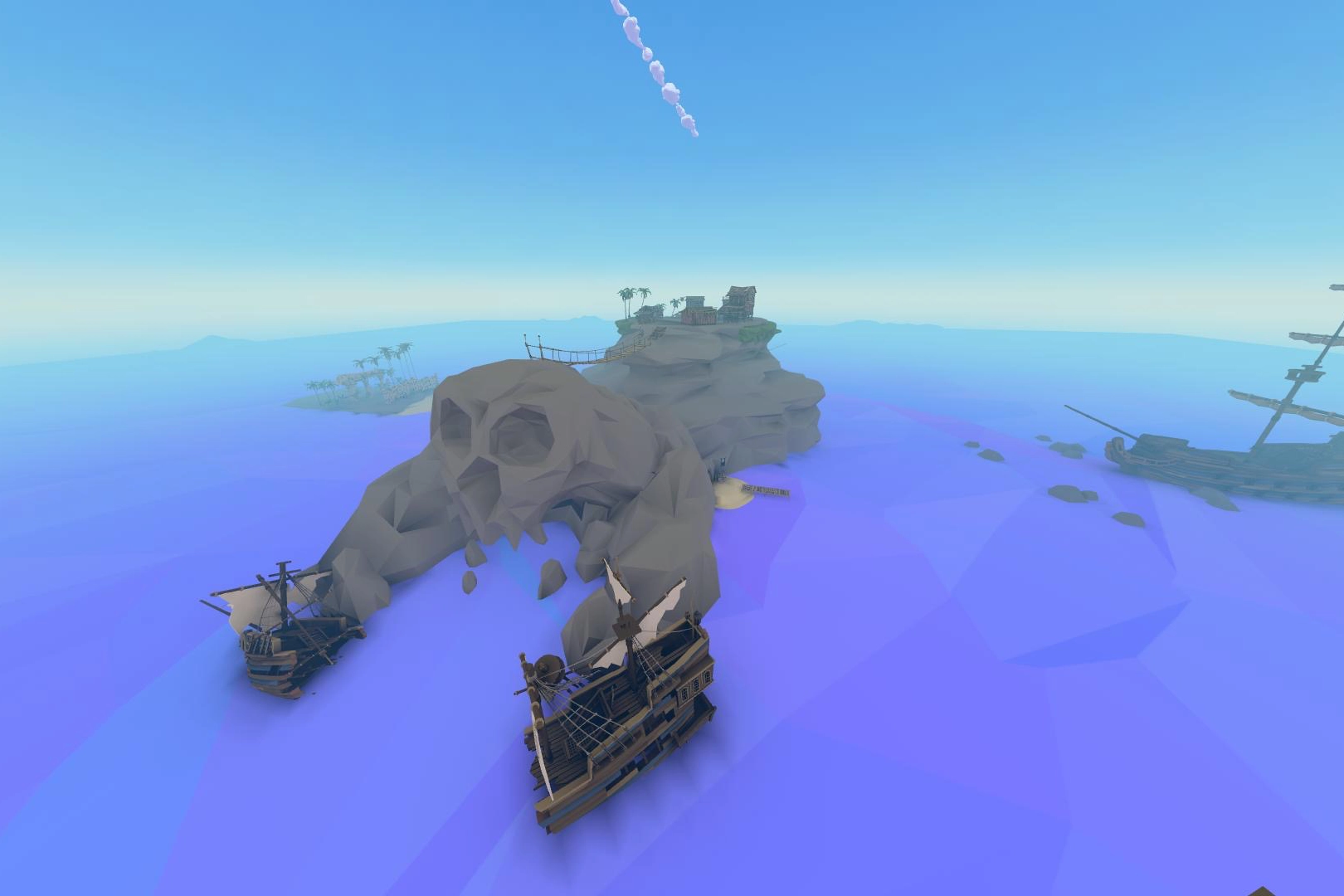
birds-eye view of Nassau
-
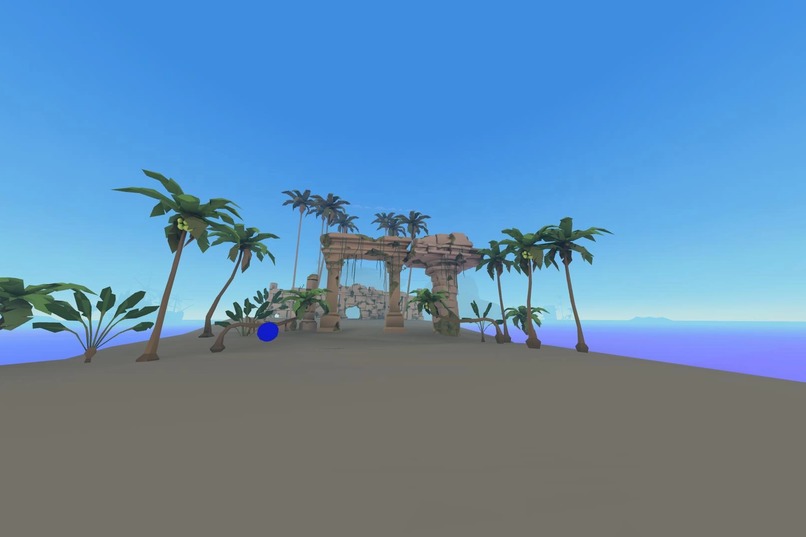
board nearly cleared
-
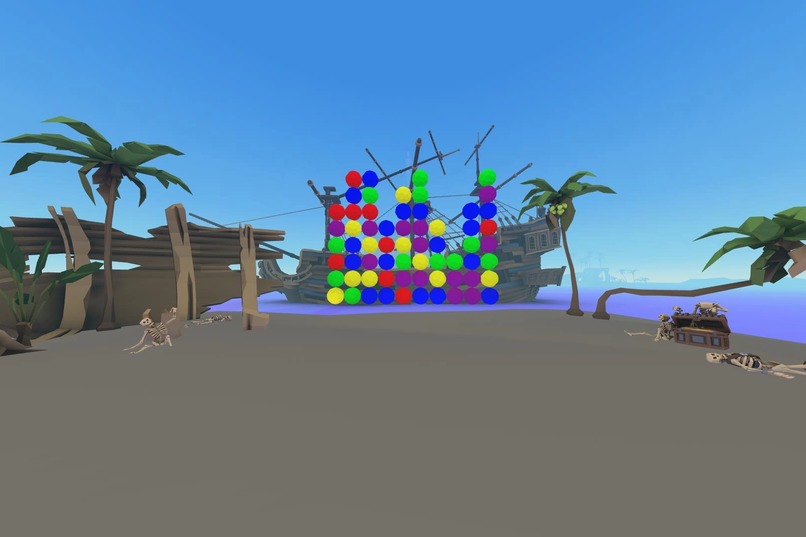
board in play
-
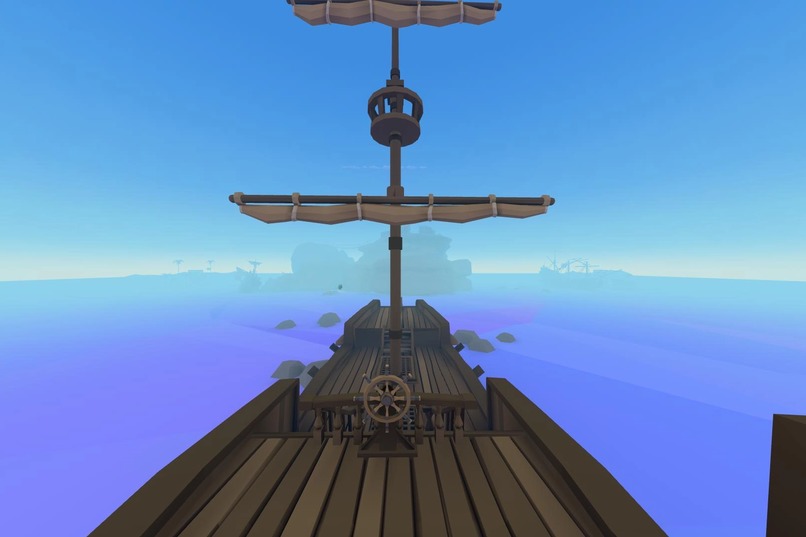
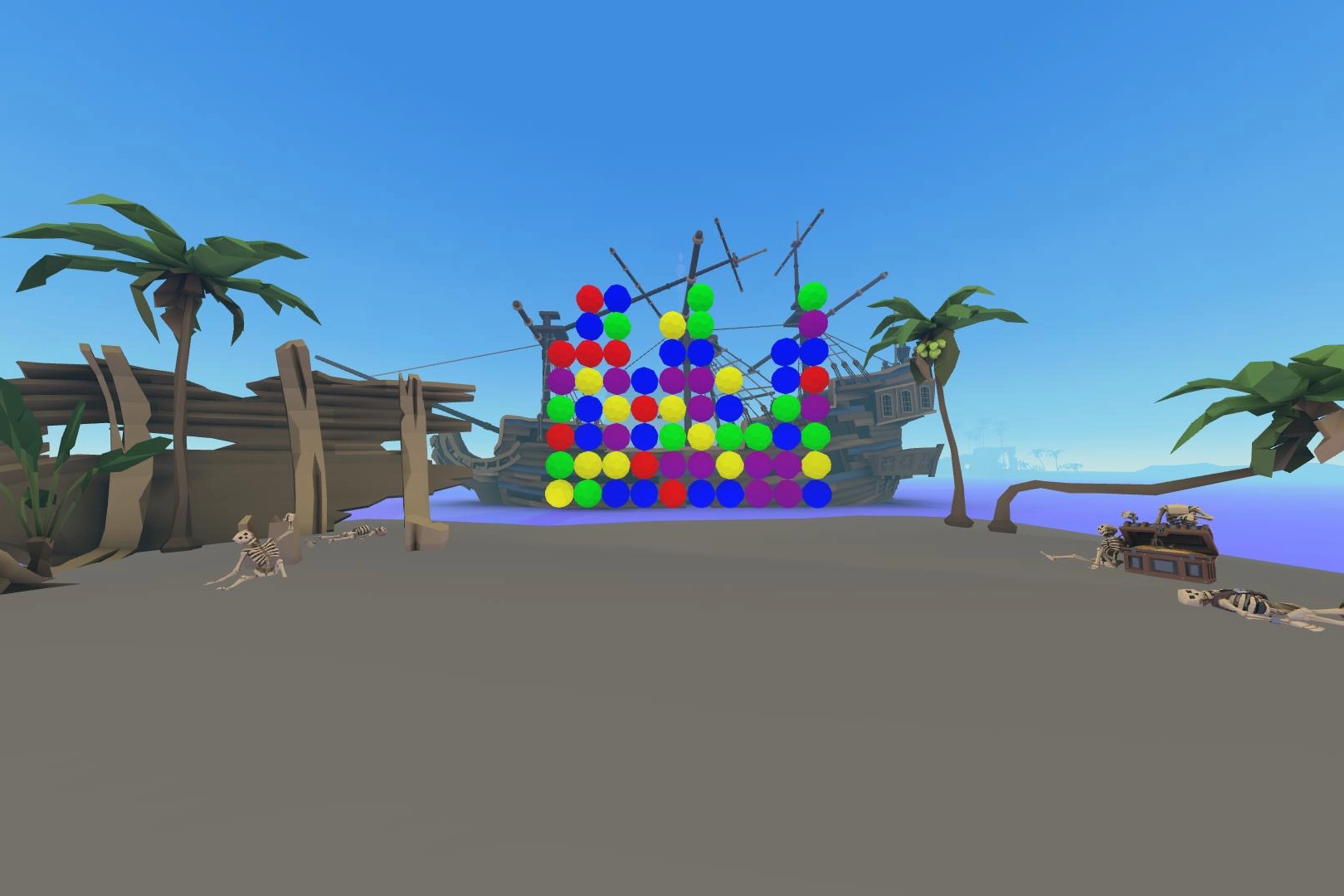
board pre-play
Inspiration
"Nassau's Treasure Trials" was inspired by my deep love for pirate lore and history. Growing up fascinated by the tales of the high seas, I found myself particularly drawn to experiences like the game Assassin's Creed: Black Flag and the History Channel's Black Sails series. These stories captured the adventure and mystique of the pirate era, and I wanted to bring that excitement to life in a mobile first short loop experience. †1. Desktop and VR play also supported.
In addition, I've always been a fan of puzzle games—especially those that are easy to pick up and play for short periods. With a busier lifestyle these days, I appreciate games that offer quick, enjoyable experiences without a heavy time commitment. Combining this with a pirate setting seemed like the perfect way to create an engaging, repeatable experience for players of all ages.
This project was a combined effort between myself (Johnny Danger - jdngr) as well as friend and fellow MHCP member Timothy Jeske (GausRoth) the two of us making up Damned Cat Studio.
What we learned
Having worked in the tech industry for years, we were already familiar with project management and programming in languages like TypeScript and Python. However, building "Nassau's Treasure Trials" gave us the opportunity to learn new tools available through the Meta Horizon Creator's Program (MHCP). We had to adapt my thinking to work in 3D space, considering how players would move, interact, and perceive elements in virtual reality.
One of the biggest lessons I learned was the importance of constant iteration, particularly in balancing gameplay features with the platform’s capacity limits. Staying within these constraints while maintaining a smooth and fun player experience required creative problem-solving and frequent adjustments, which ultimately honed my skills in optimization and agile development.
How we built it
"Nassau's Treasure Trials" was built using 3D assets from Synty Studios, which I had already licensed, along with TypeScript for scripting. Additionally, some sound effects were generated using the in-editor Gen AI tool, which I believe is based on Llama. These resources helped create the immersive pirate-themed experience that forms the backbone of the game.
The development process began with "grey-boxing" the game world, focusing first on getting the core mechanics to function properly. This involved a lot of scripting and prototyping, ensuring that the ball-matching system and player interactions worked seamlessly. Between these coding sessions, we took breaks to work on world-building, gradually adding detail to bring the islands and environments to life.
Since the game world remained unpublished until more recently, most feedback came from internal team playtesting. We frequently paper-built new mechanics—mapping them out and discussing them as a group—to figure out what approaches felt most enjoyable and balanced. This helped us refine the game before allowing more players to experience it.
Challenges we ran into
One of the biggest challenges we faced was ensuring smooth multiplayer synchronization between server scripts and local scripts. Specifically, sending a group of balls from one player's server and adding it dynamically to another player's board while they were actively interacting with their own grid led to frequent synchronization issues. Often, the game would fall out of sync, creating inconsistent player experiences. We ultimately solved this by moving the addBall logic to the local scripts, so balls could be rendered directly on the player's device responsible for managing that board, keeping everything in sync.
Another significant challenge came from tooling limitations. Since the Meta Link app and Horizon Worlds are not available on macOS, my usual working environment, I had to transition back to using Windows. This was made a bit more challenging because my preferred code editor, Zed, isn't available on Windows yet. I had to refamiliarize myself with VSCode, which was an adjustment. Additionally, the Horizon Editor's built-in GenAI often suggested incorrect code, such as trying to use .set() on classes that didn’t support it. These small setbacks required careful debugging and extra validation, adding time to the overall development process.
What's next for Nassau's Treasure Trials
The journey for "Nassau's Treasure Trials" is far from over. Moving forward, we plan to expand the game by adding mini-games in the lobby, perhaps challenge modes and unique power-ups to keep gameplay fresh and exciting as well as "Quests". We also exploring the possibility of introducing themed events—limited-time challenges that align with real-world festivities, such as Pirate Day or seasonal holidays, to engage players and encourage them to revisit.
In terms of technical improvements, we want to further refine the multiplayer experience to ensure seamless, lag-free interactions. Gathering feedback from a broader player base will be crucial to understand what elements need enhancement or new features players want to see.
Finally, I’m considering expanding the world of "Nassau's Treasure Trials" with additional 'maps' by way of sub-levels, allowing players to explore new islands and environments, each with its own unique visual aesthetic and challenges. The goal is to keep players coming back, fostering a community that enjoys the pirate adventure together.
Built With
- horizon
- typescript

Log in or sign up for Devpost to join the conversation.