-
-
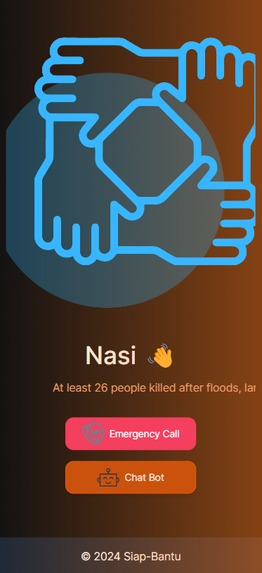
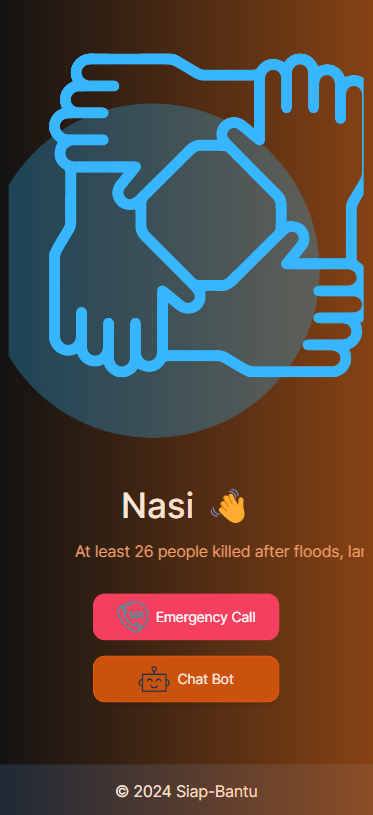
Landing Page
-
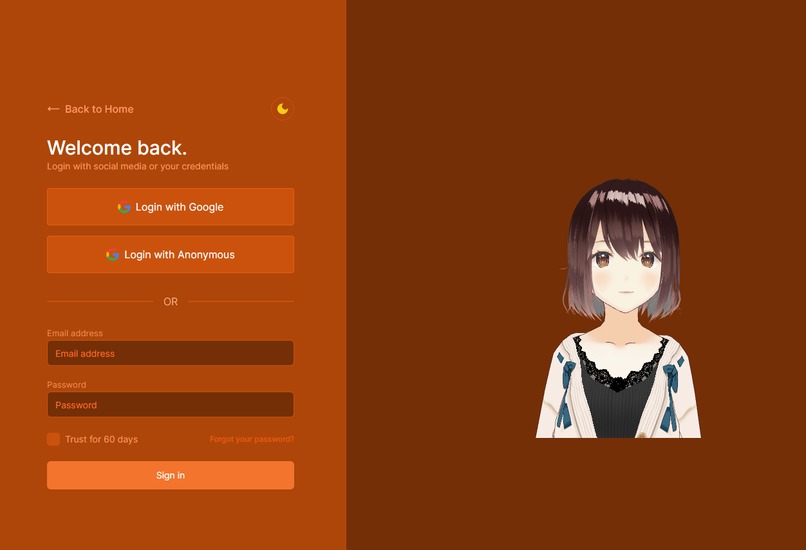
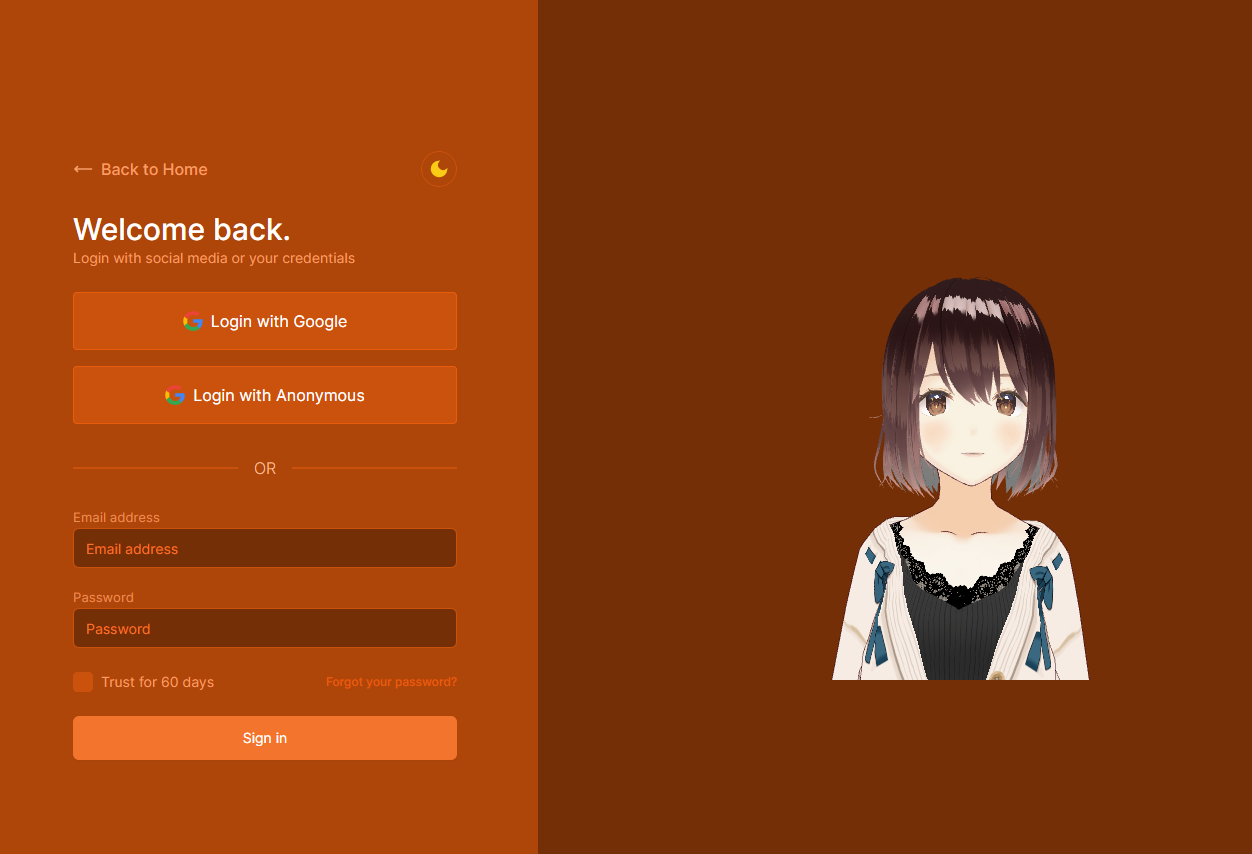
Login Page
-
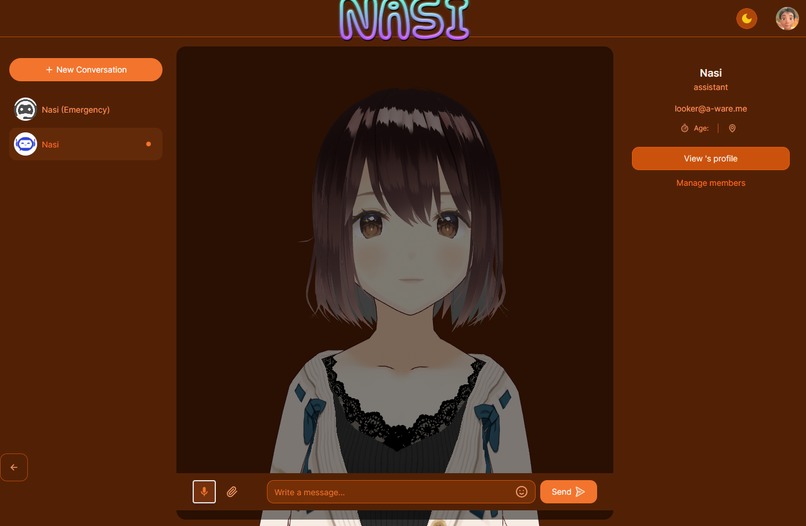
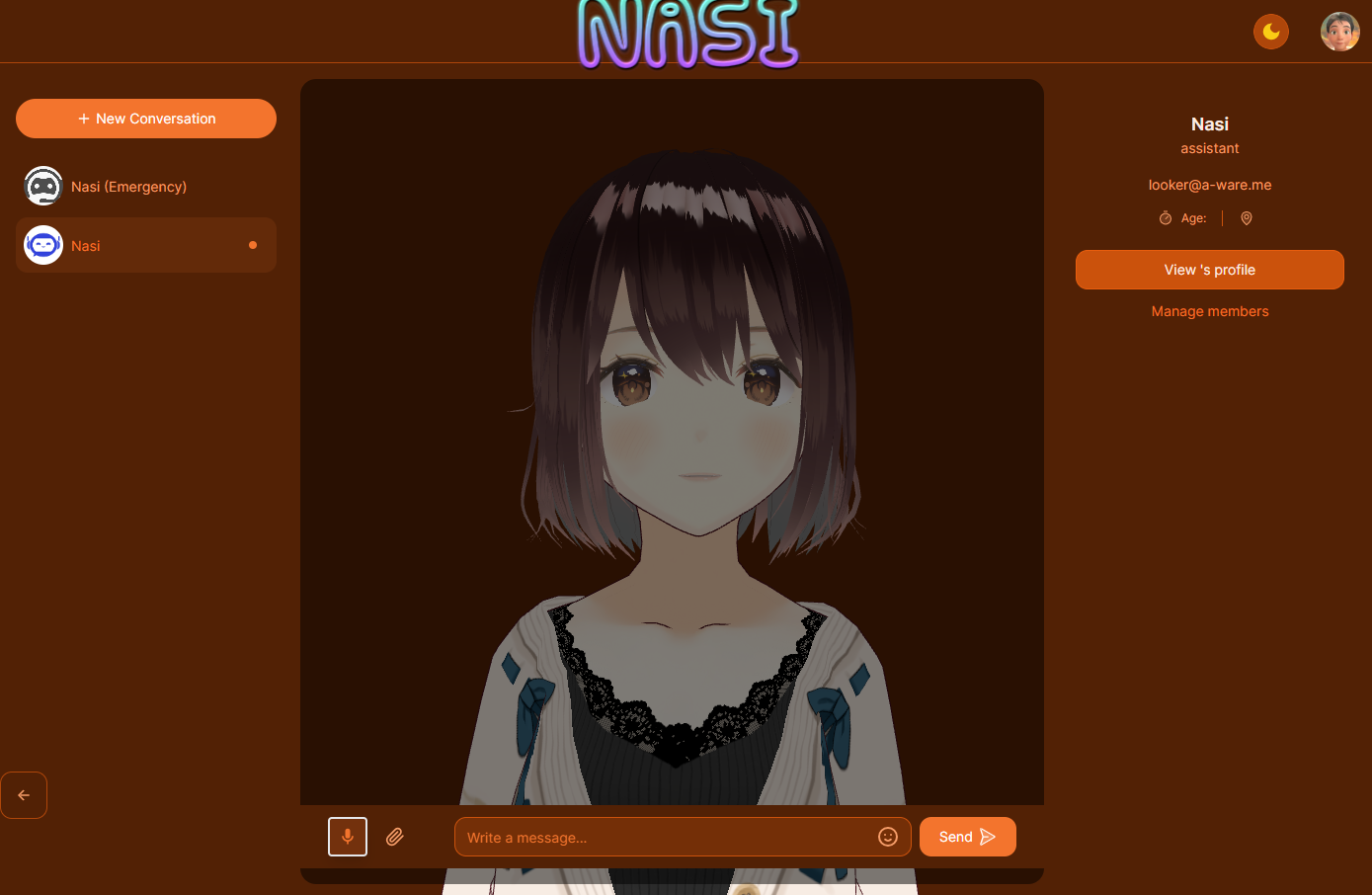
We can ask every thing
-
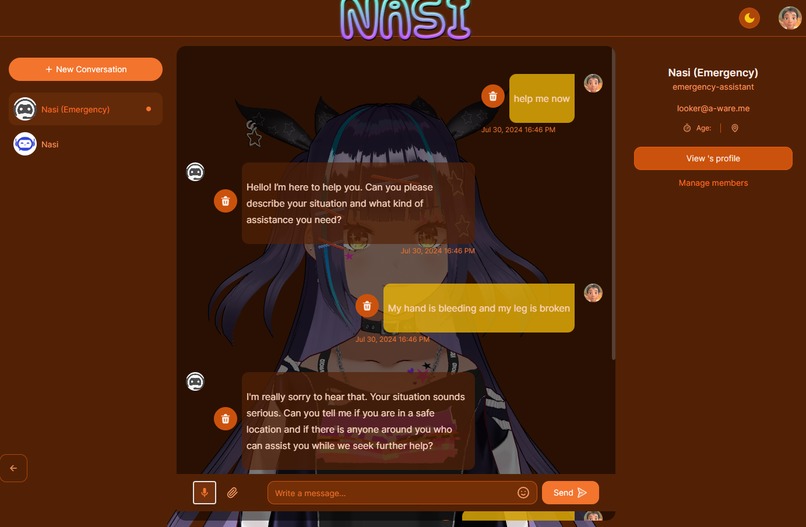
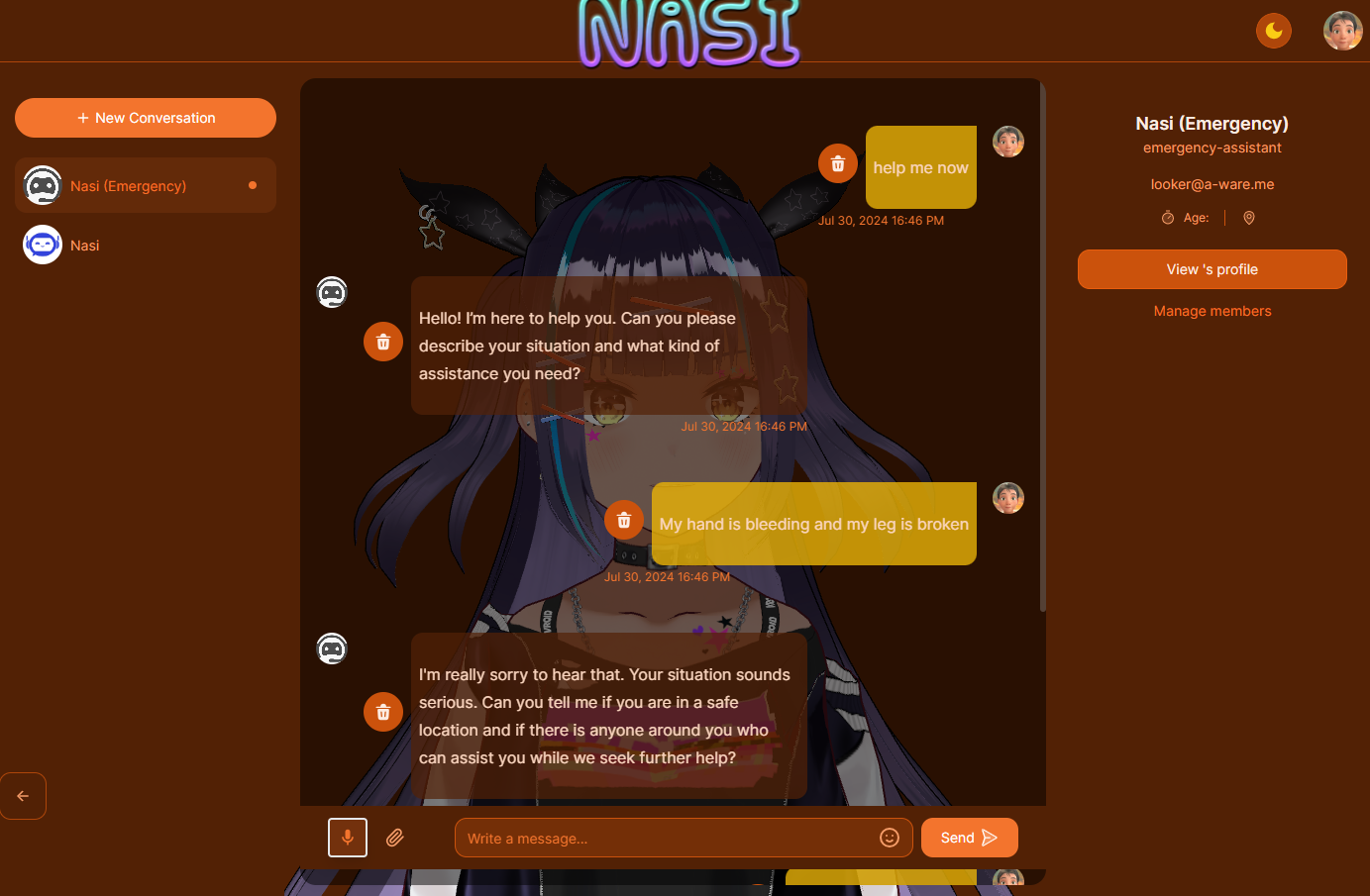
Main Page with Emergency Function
Inspiration
Natural disasters are something that terrifies us humans, just imagine if we were alone in the rubble and only had our phone for company and we didn't know who to ask for support. We will have to struggle because calls to the rescue station are blocked due to overload. Therefore, our idea is for users to use it in the most critical moments, your information will be sent promptly to those who can help you in the shortest range and at the same time can also consider your situation with just a photo, with a friendly interface, fast response speed, this helps users to rest assured that someone will definitely save.
What it does
Nasi is an innovative application designed to:
- Increase the survival rate of residents during disasters.
- Support rescue forces and government agencies in their efforts to save lives and manage disaster responses.
- Provide a user-friendly and accessible platform for everyone.
The application consists of two main components:
- Emergency Chatbot: This feature allows users to send distress signals to nearby users, analyze the severity of injuries, and call/send SOS signals in critical situations.
- Normal Chatbot: This assistant provides educational information and guides on safety knowledge to help users prepare for and prevent damage from disasters.
How we built it
- Frontend: Developed using Nuxt and Vue.js for a responsive and intuitive user interface.
- Backend: Utilizes Firebase for database management for continuous integration and deployment.
- Generative AI & Whisper AI: Integrated Generative AI for intelligent response generation and Whisper AI (Theta Edge Clould) for accurate voice-to-text conversion, enhancing user interaction and accessibility.
- Theta Protocol: Leveraged the Theta protocol to enhance the application's functionality and expand its use cases, ensuring a robust and scalable solution.
Challenges we ran into
- Integrating Generative AI and Whisper AI seamlessly into the chatbot functionalities.
- Ensuring real-time communication and accurate location tracking for distress signals.
- Balancing the application's usability with advanced features to cater to a diverse user base.
Accomplishments that we're proud of
- Successfully creating an end-to-end working product that integrates advanced AI technologies.
- Developing a user-friendly interface that can be used by anyone, regardless of their technical proficiency.
- Implementing a robust backend infrastructure to support real-time data processing and communication.
What we learned
- The importance of user-centered design in creating accessible and effective disaster response tools.
- The potential of AI technologies in enhancing communication and decision-making during emergencies.
- Effective strategies for integrating various technologies to create a cohesive and functional application.
What's next for Nasi
- Expanding Features: Adding more functionalities, such as real-time weather updates, resource maps, and community forums.
- Testing and Feedback: Conducting extensive user testing and gathering feedback to refine and improve the application.
- Collaboration: Partnering with local government agencies, NGOs, and community groups to enhance the application's impact
Built With
- firebase
- generated-ai
- google-cloud
- thetaedgecloud
- vue.js


Log in or sign up for Devpost to join the conversation.