Sure! Let’s change the developer's name to Michael.
Developing a Web App with NASA Image and Video Library API Integration
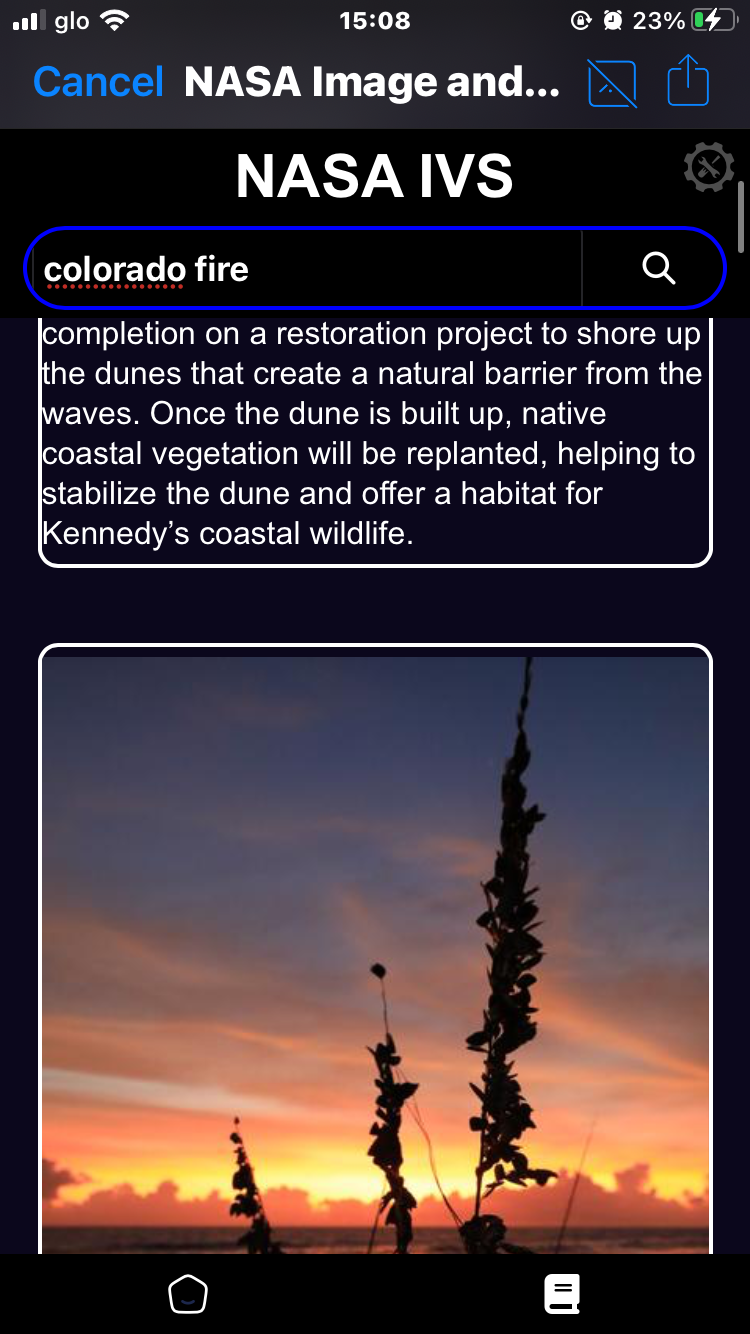
Creating a web app that effectively utilizes the NASA Image and Video Library API presents both opportunities and challenges for developers. Michael, a passionate developer, aimed to build a platform that showcased NASA’s vast collection of imagery and videos, providing users with an engaging way to explore space visuals.
Project Initiation and API Integration
Michael began by diving into the NASA Image and Video Library API documentation, which offered extensive resources for accessing a diverse range of multimedia content. He structured the app using HTML for layout, CSS for styling, and JavaScript for interactivity. The primary challenge was managing the complexity of API requests, including proper authentication and adhering to usage limits.
To integrate the API, Michael employed JavaScript’s fetch function, creating asynchronous requests to retrieve data. He faced initial hurdles with JSON formatting, as the API returned large datasets. To tackle this, he designed a modular approach, breaking down the data into manageable components, which made handling the responses easier.
Performance Optimization
Ensuring that the web app loaded quickly was a top priority. Michael identified that the large images and videos contributed to slower load times. To enhance performance, he implemented lazy loading, allowing media to load only as users scroll down the page. This significantly improved initial load speeds.
Additionally, Michael optimized the app by minifying CSS and JavaScript files, reducing their sizes for faster transmission. He also utilized browser caching to store previously fetched data, minimizing redundant API calls and further speeding up load times.
Debugging and JSON Manipulation
Debugging was critical throughout the development process. Michael used browser developer tools to inspect network requests and console logs, identifying and resolving errors in real time. By setting breakpoints in his JavaScript code, he could trace the flow of data and pinpoint where issues arose.
Manipulating JSON data from the API was another challenge. Michael created helper functions to parse the data effectively, filtering unnecessary information and formatting it for user display. He leveraged JavaScript array methods like map and reduce to efficiently handle large datasets, ensuring that the app remained responsive.
Conclusion
Through dedication and strategic problem-solving, Michael successfully developed a web app that harnessed the NASA Image and Video Library API. The challenges of performance optimization, debugging, and efficient data manipulation were significant, yet they provided invaluable insights into web development. This project not only refined his skills but also deepened his appreciation for the wonders of space, inspiring future projects in the tech landscape.

Log in or sign up for Devpost to join the conversation.