When I first saw the India High School Exoplanet Data Challenge, I honestly wasn't sure if I should participate. I had only been learning Python and machine learning for a short time, and this was my very first hackathon. Working with a real NASA dataset sounded exciting, but also a little intimidating. Instead of letting that stop me, I decided to take it as a chance to learn and challenge myself.
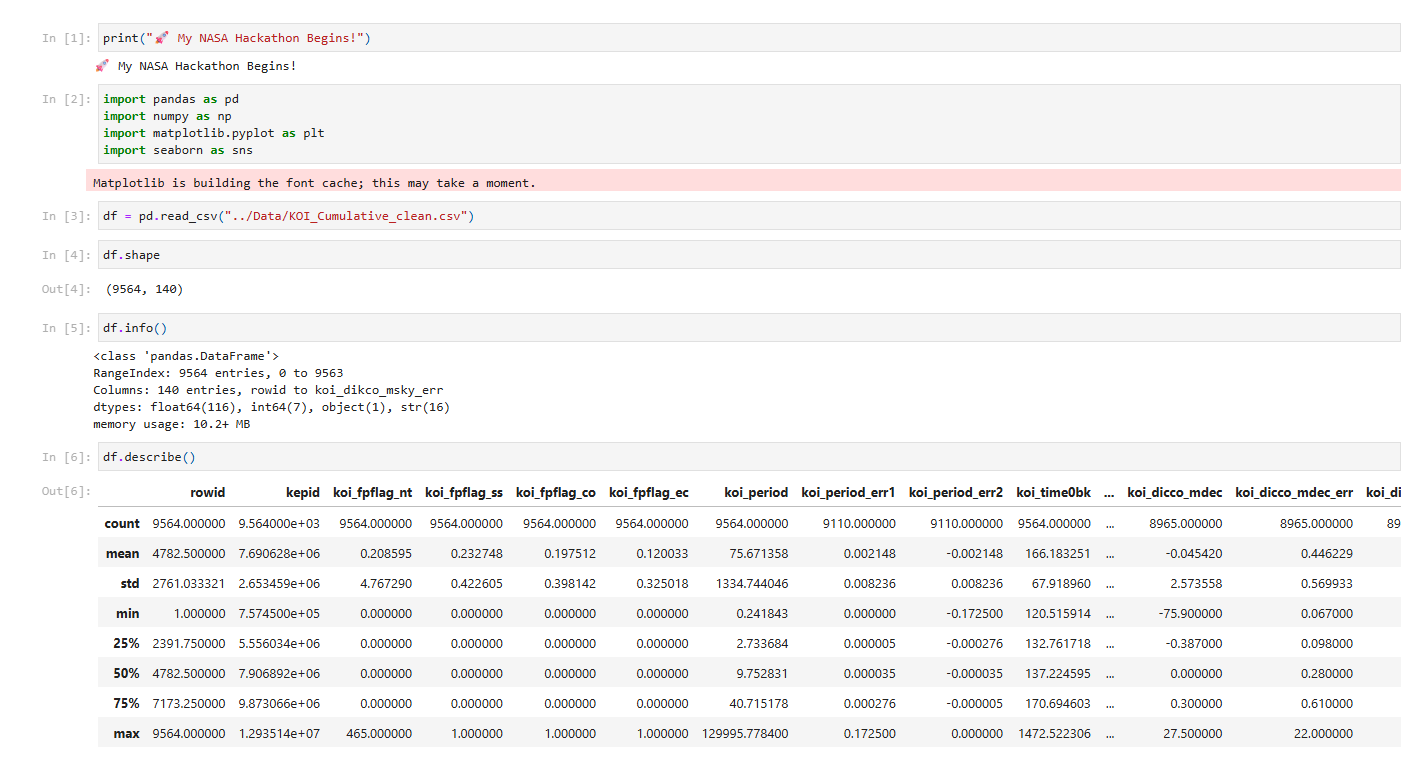
At the beginning, I didn't know much about exoplanets or how scientists discover them. I spent time reading about NASA's Kepler mission and understanding what each feature in the dataset meant. Slowly, I realized that this challenge wasn't just about space-it was about using data and machine learning to solve a real scientific problem.
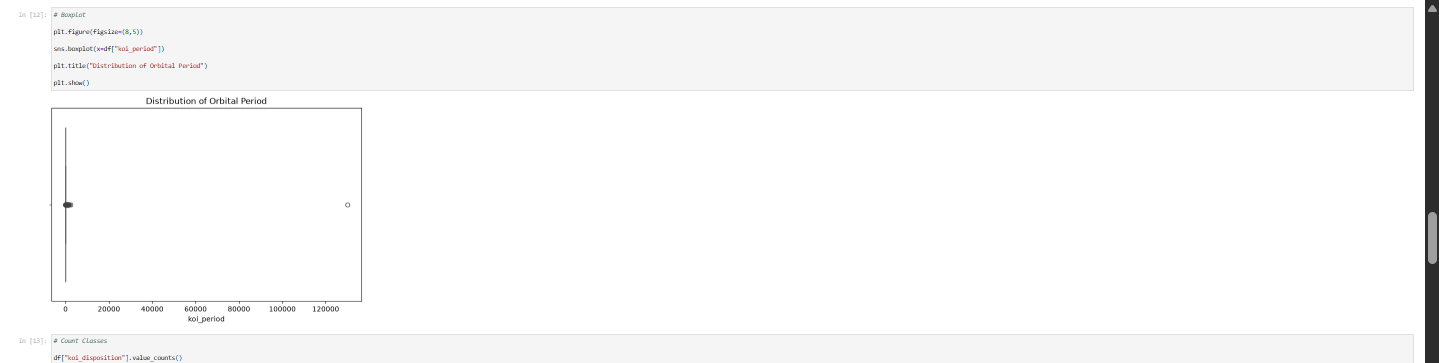
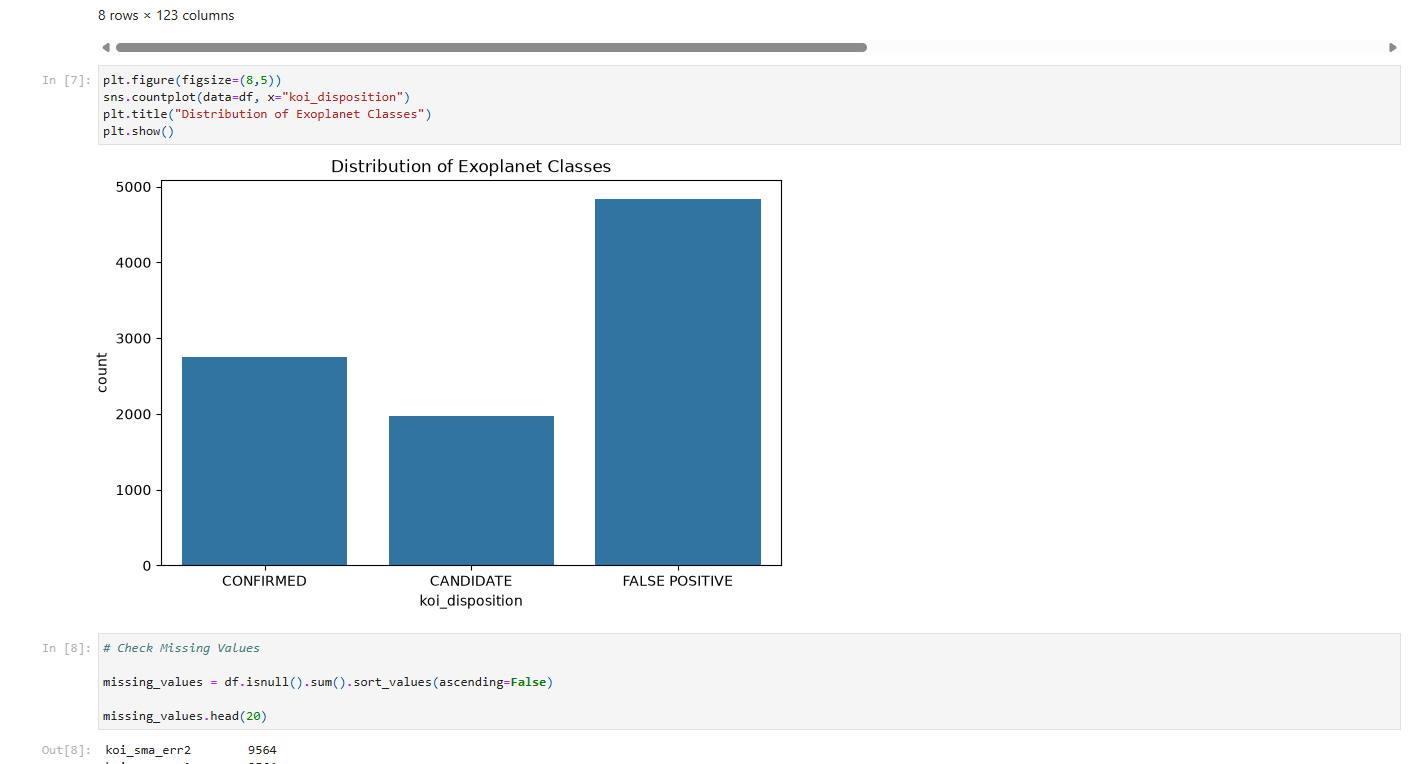
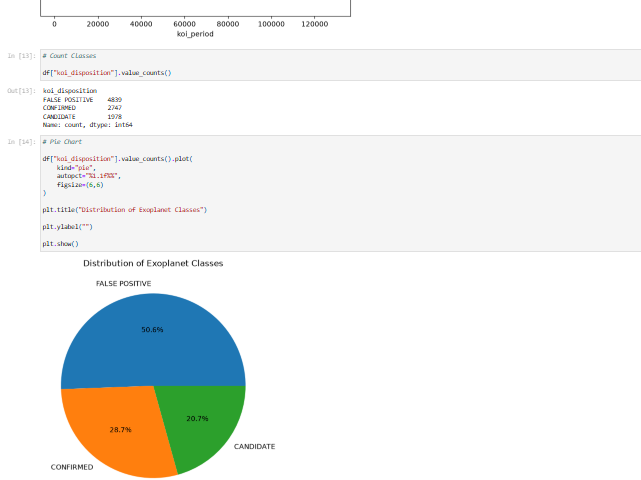
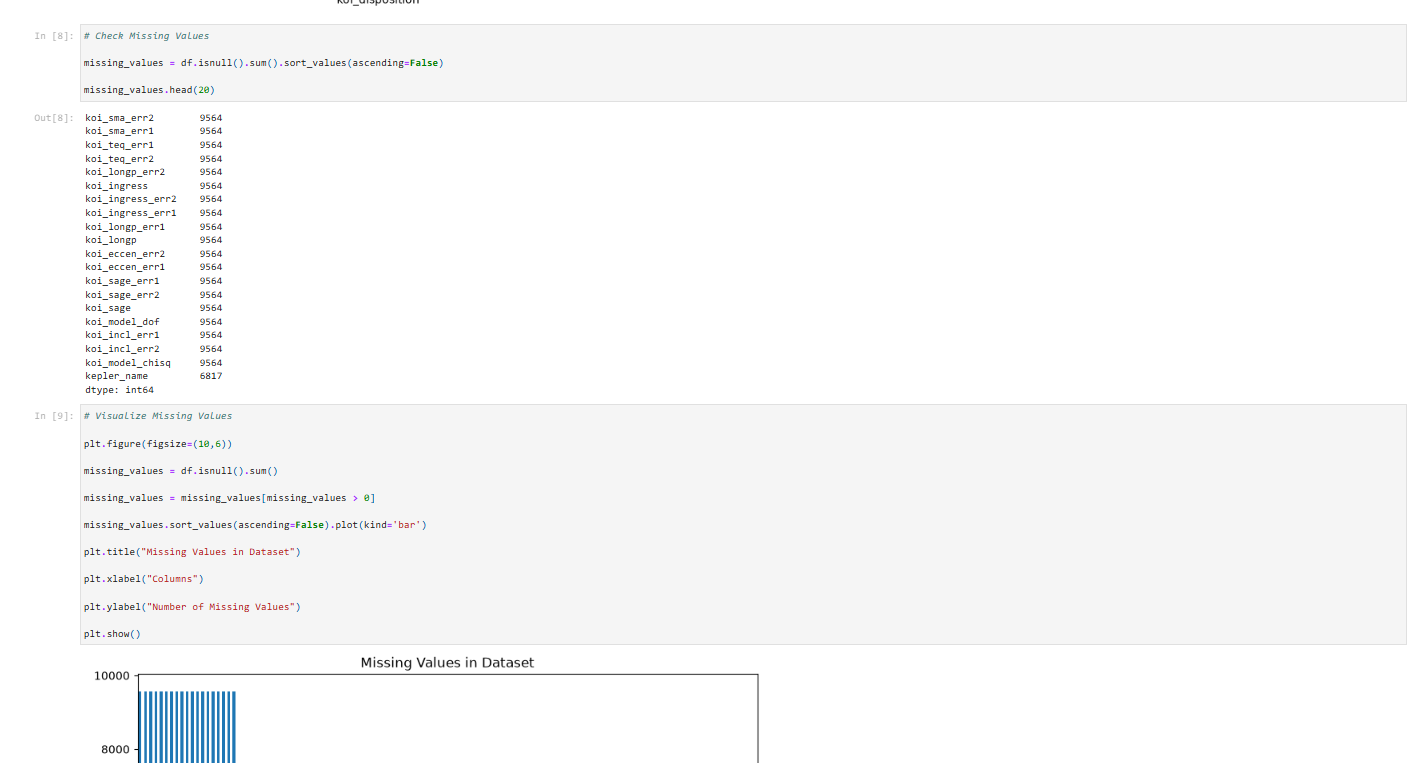
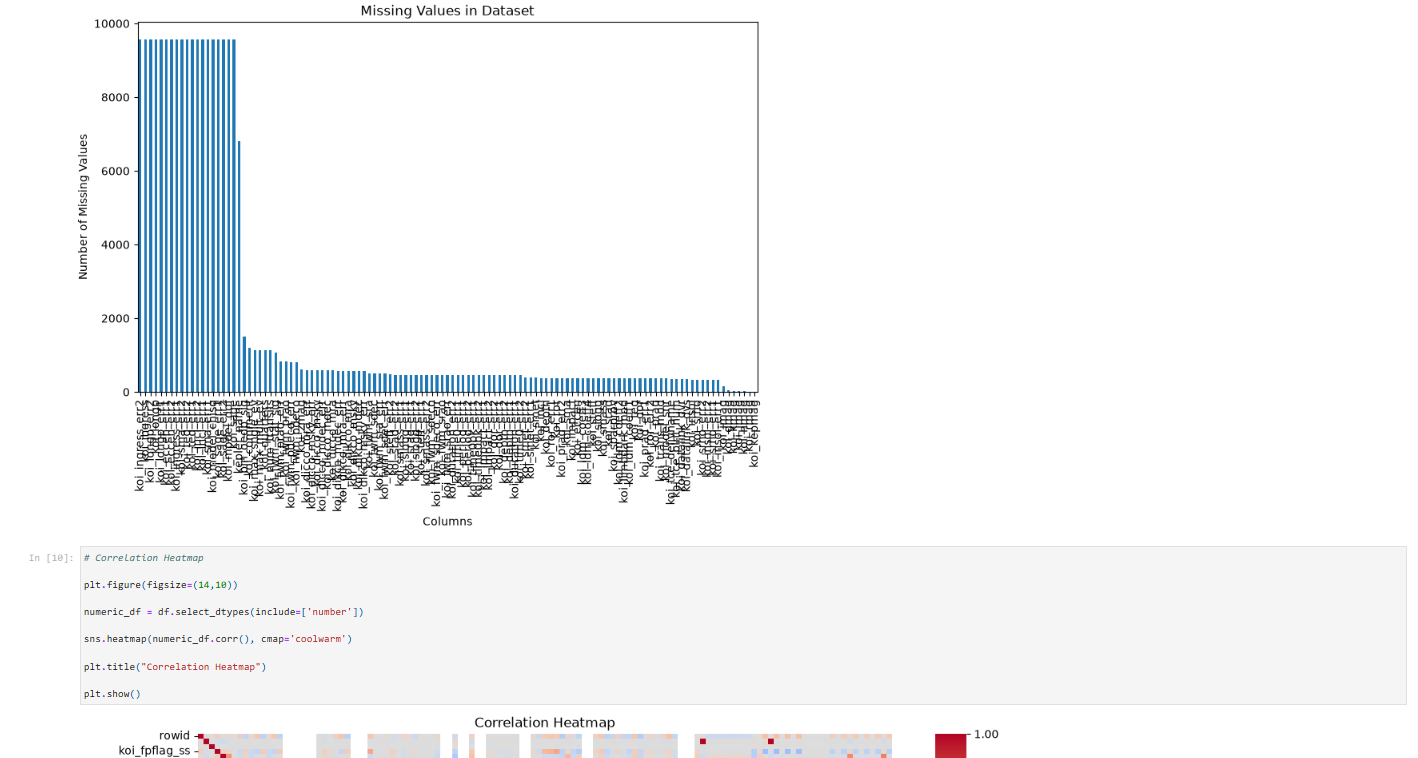
The biggest learning experience came during data preprocessing. The dataset contained missing values, unnecessary columns, and different types of data that couldn't be used directly for training a model. I learned how important data cleaning is and discovered that building a good machine learning model starts long before writing the first line of training code.
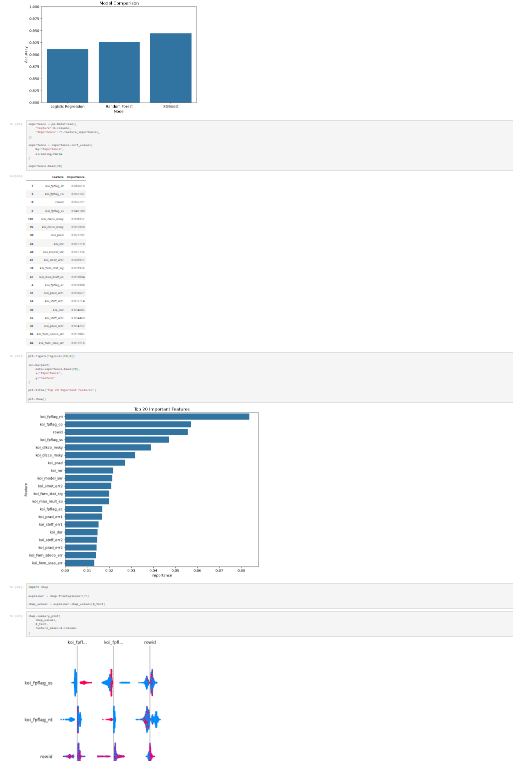
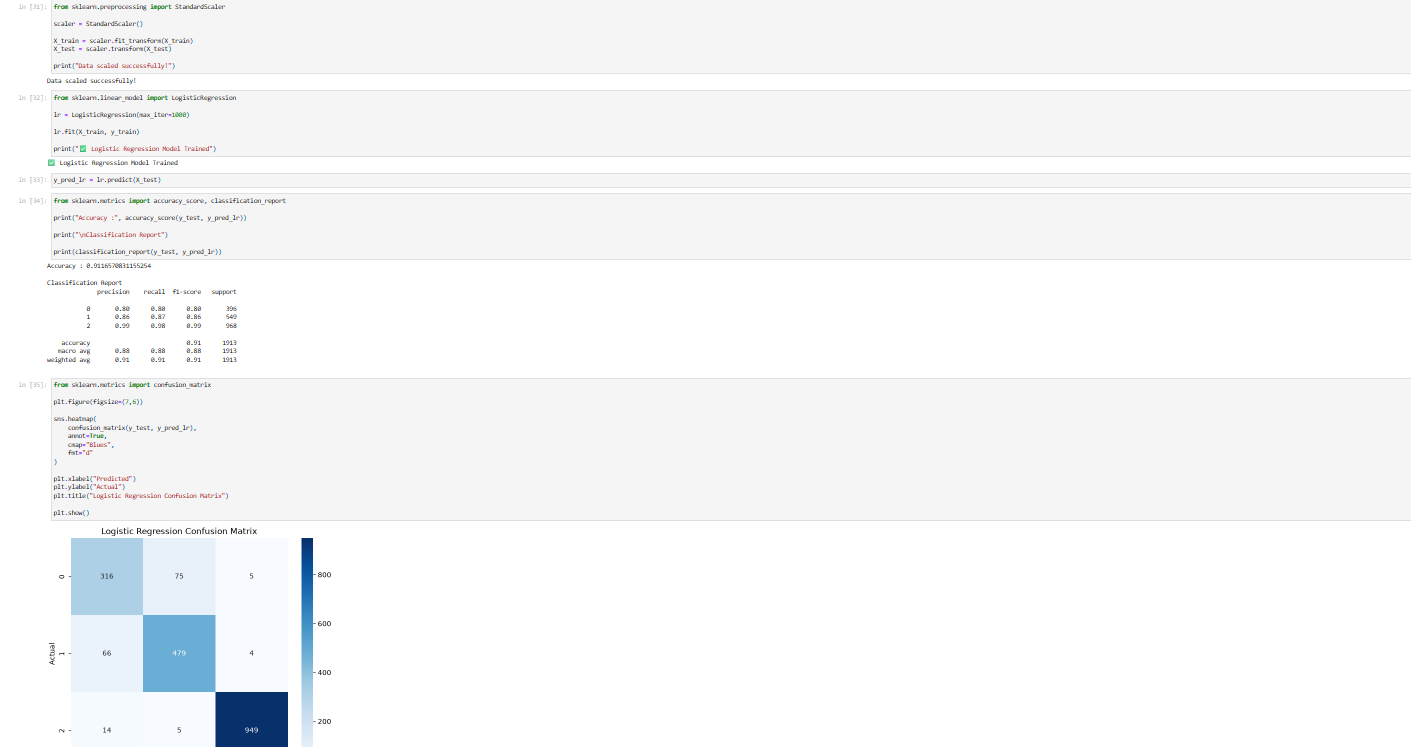
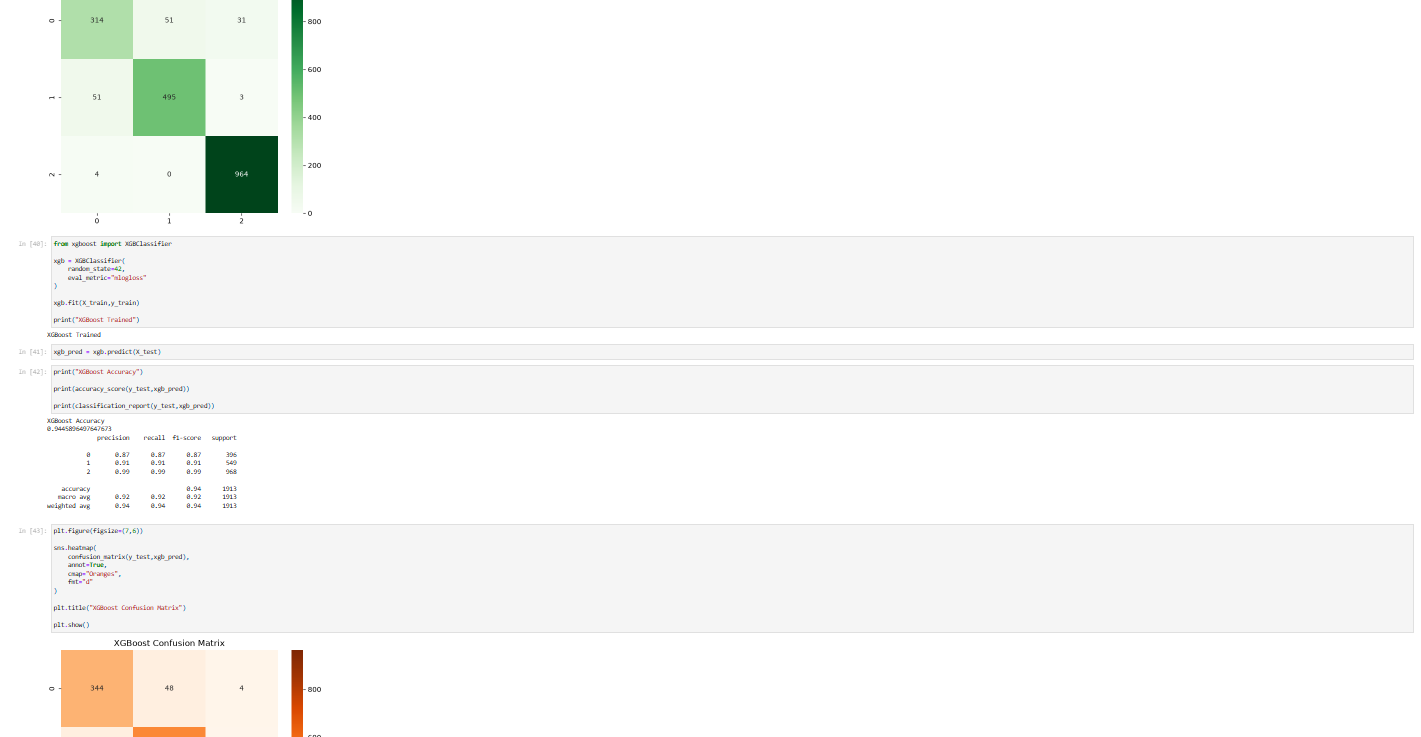
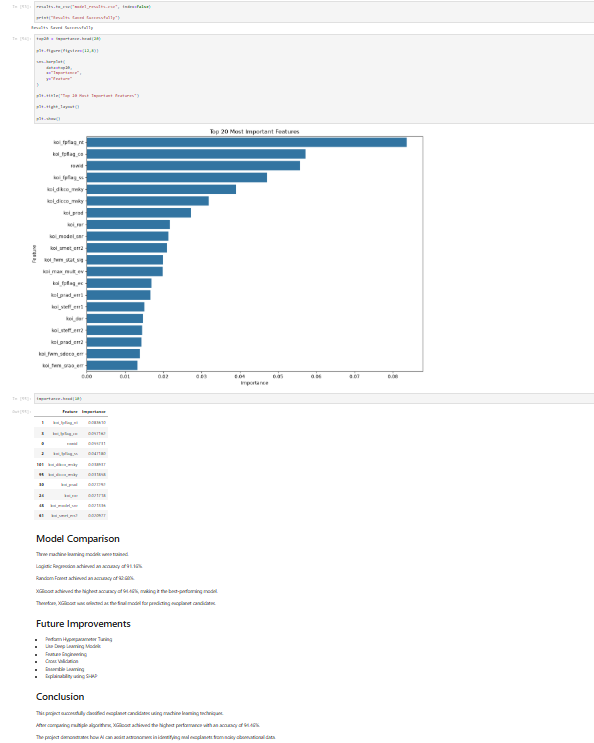
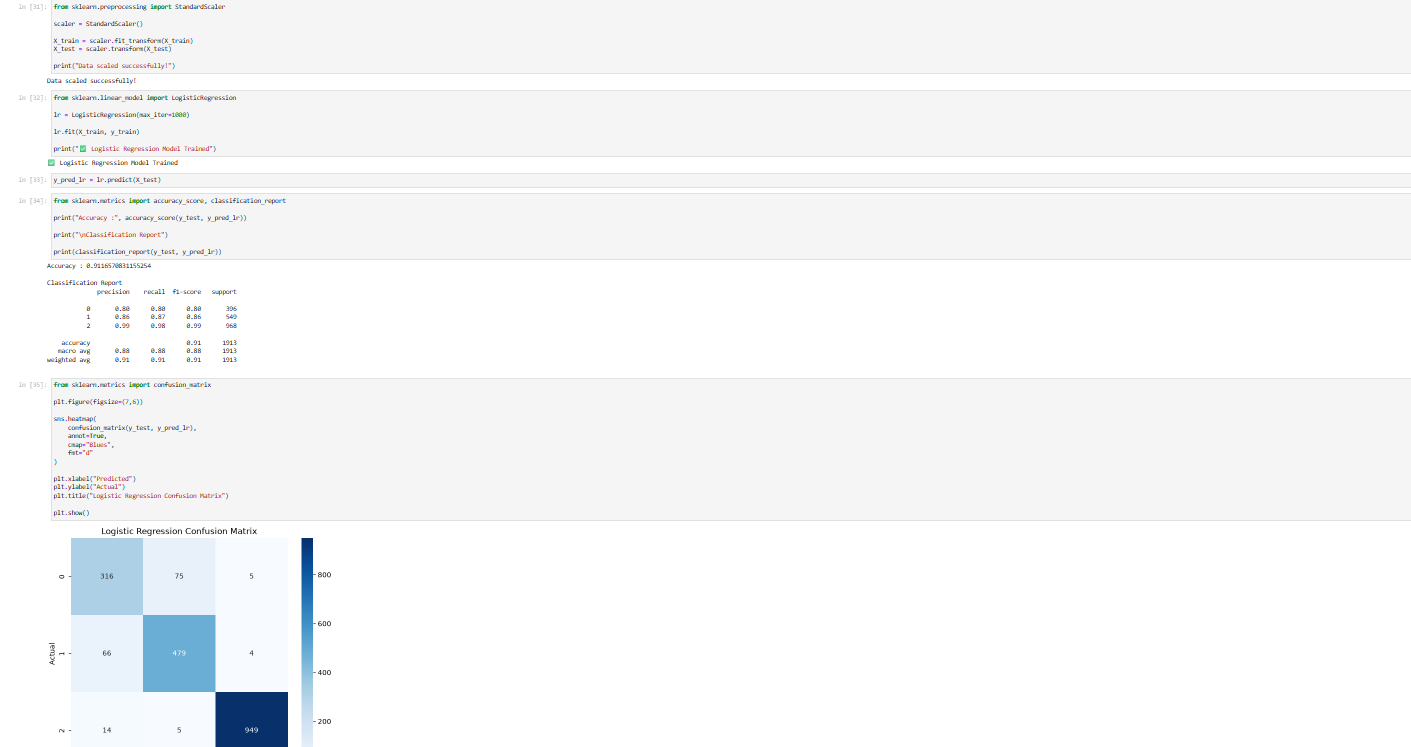
I trained and compared three different machine learning models: Logistic Regression, Random Forest, and XGBoost. Instead of choosing the first model that worked, I evaluated each one using accuracy, precision, recall, F1-score, confusion matrices, and feature importance. In the end, XGBoost achieved the best performance with an accuracy of 94.46%, making it the final model for this project.
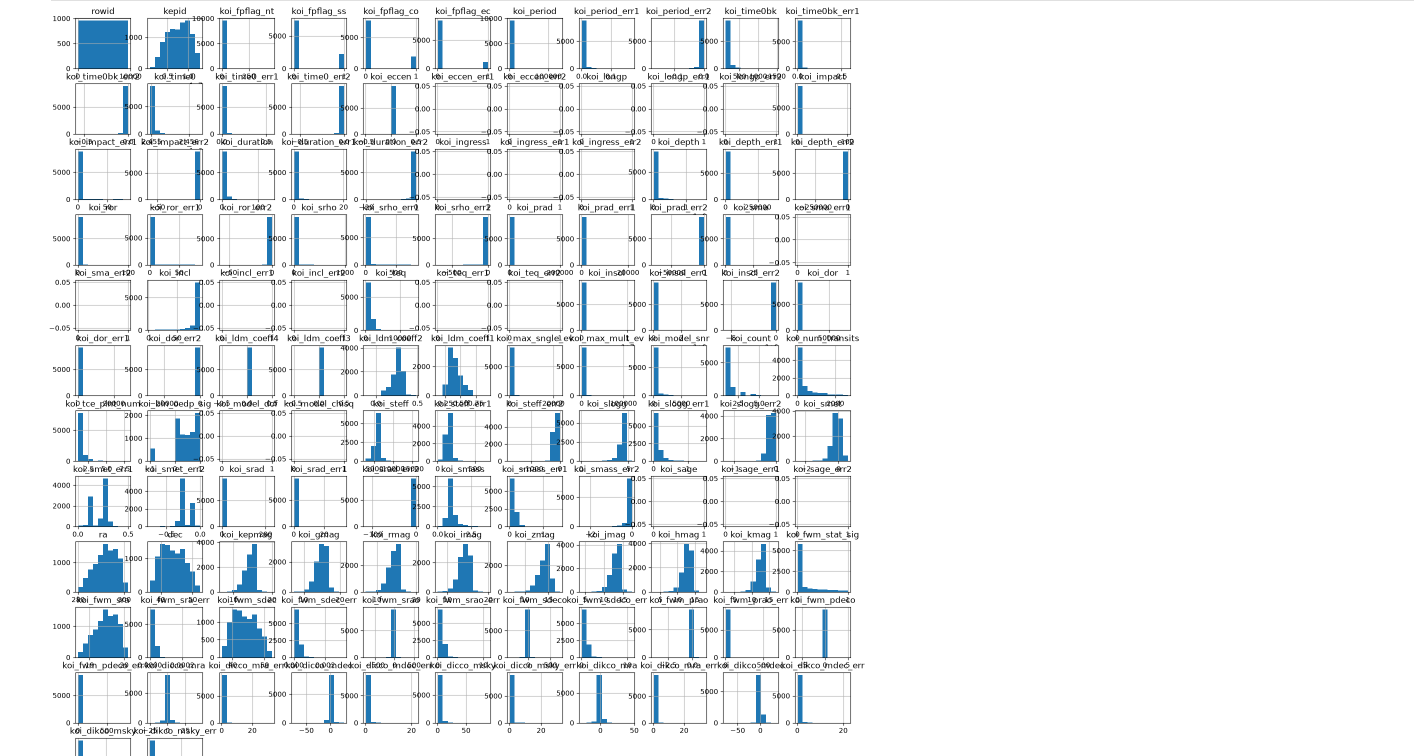
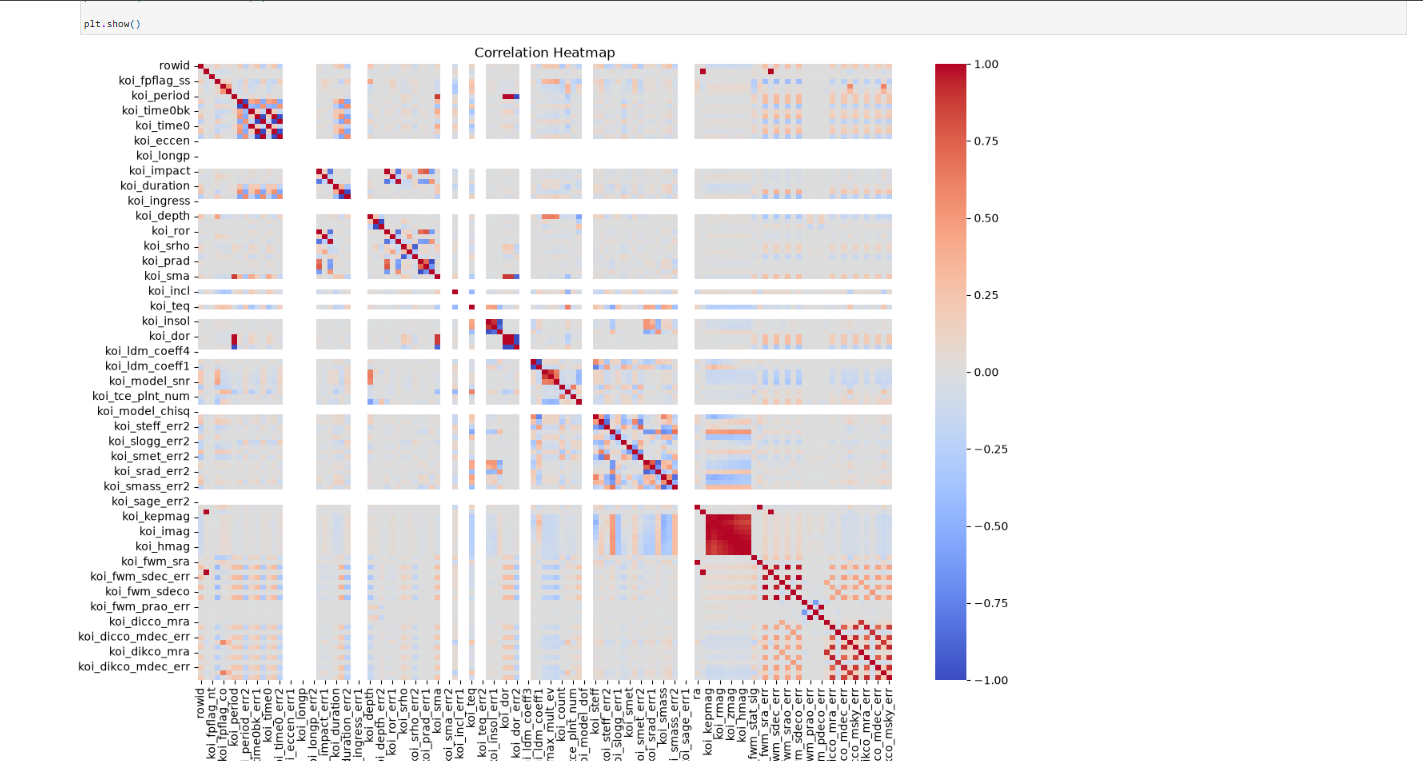
More than the final accuracy, this project taught me how a complete machine learning workflow comes together—from understanding the problem and exploring the data to preprocessing, model building, evaluation, and presenting the results. It also gave me experience using GitHub, Jupyter Notebook, and Python to organize and document a real-world project.
As this was my first hackathon, there were many moments when I got stuck, made mistakes, and had to debug my code. Every challenge helped me understand the concepts more deeply and improved my confidence as a beginner in machine learning.
Looking back, this project is much more than just a classification model. It marks the beginning of my journey into artificial intelligence and data science. I'm proud of what I built, grateful for everything I learned, and excited to keep exploring how technology can be used to solve meaningful problems-from space science to real-world applications.

Log in or sign up for Devpost to join the conversation.