-
-
Front page
-
2
-
3
-
4
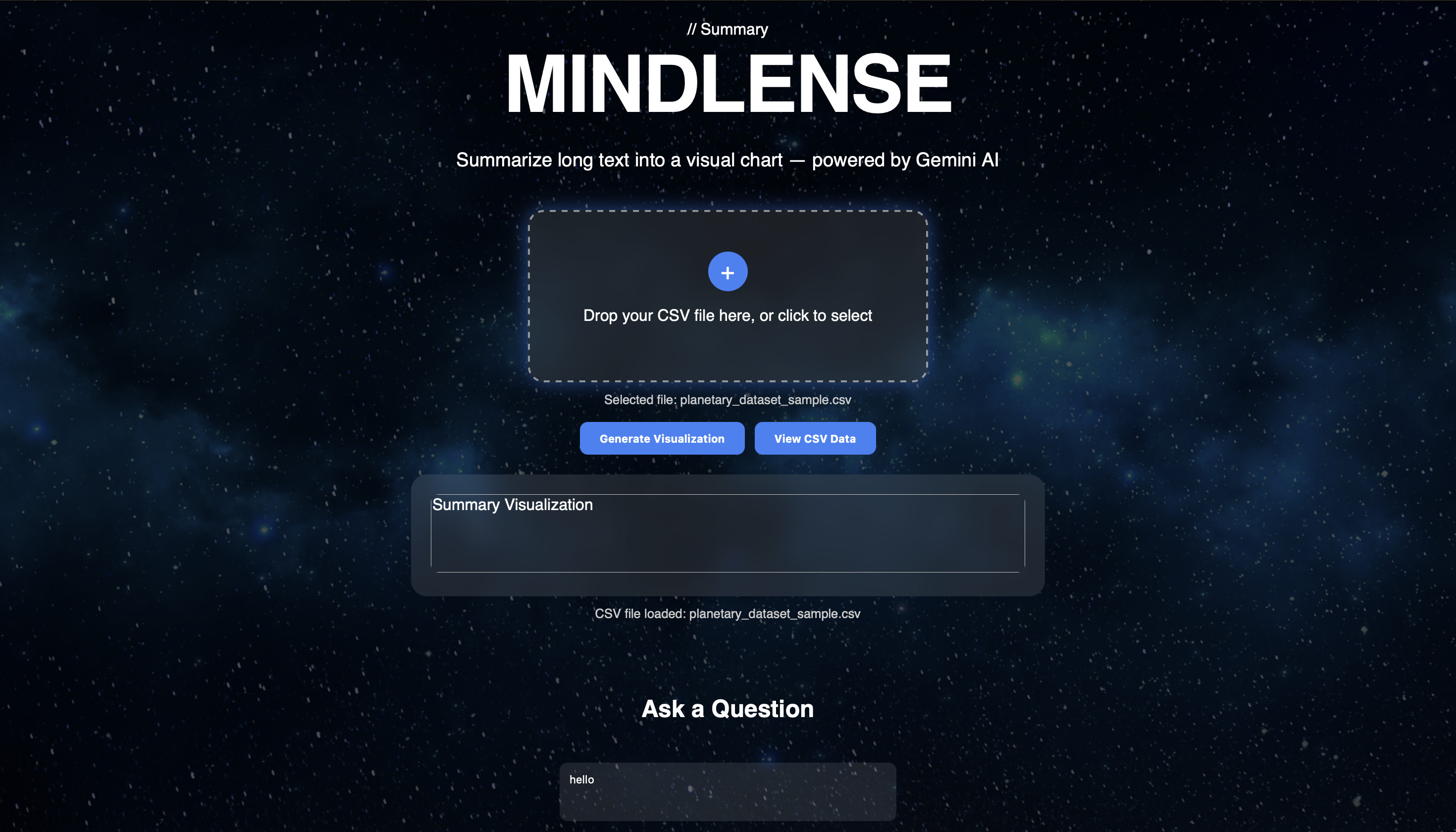
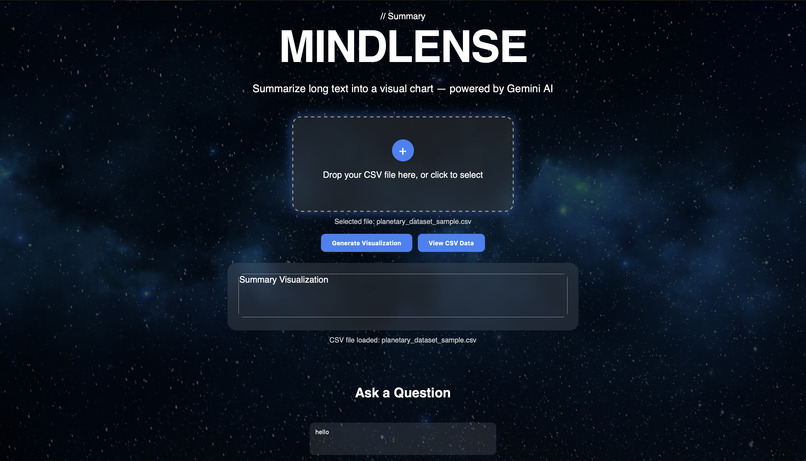
roject Title: Nano-Q (Nano-Summarizer) Inspiration When we first started learning Data Science, we found it difficult to make sense of raw CSV data and to interpret the graphs produced by code. We often wished for a simpler, more interactive way to explore datasets — to visualize them instantly and ask natural questions about what the graphs meant. Nano-Q was born from that idea. It’s the kind of tool we wish we had when we started — one that makes data exploration accessible, intelligent, and private.
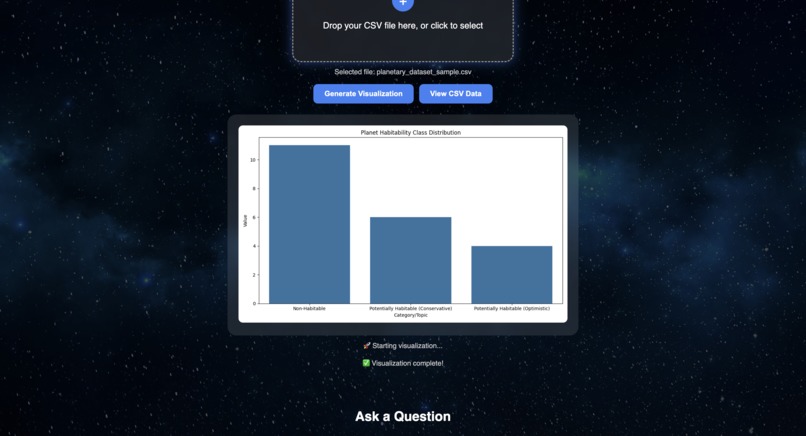
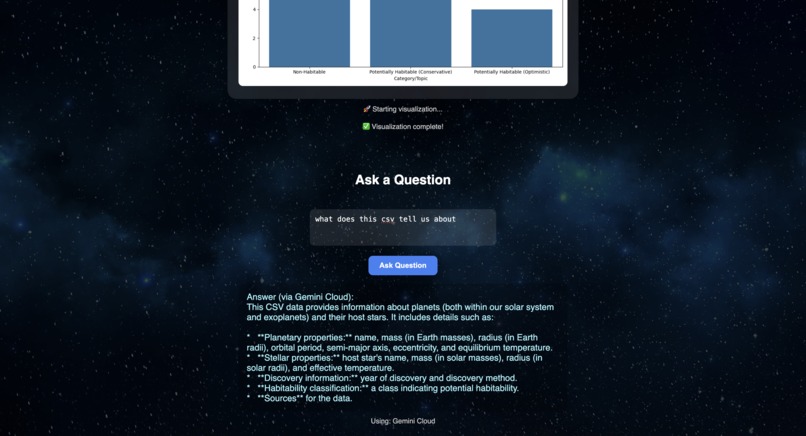
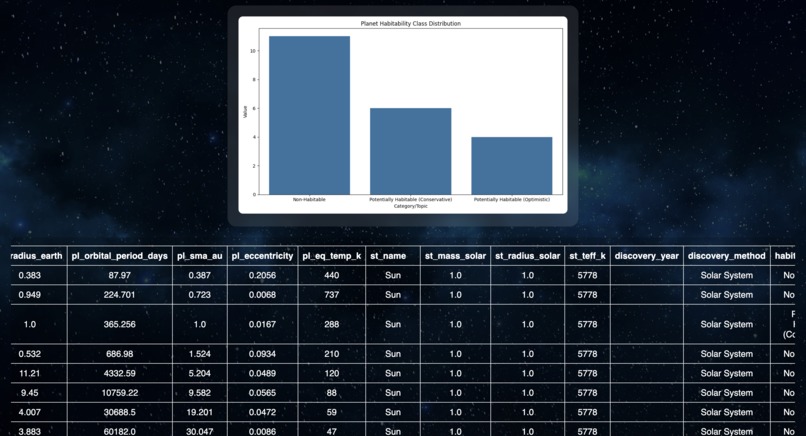
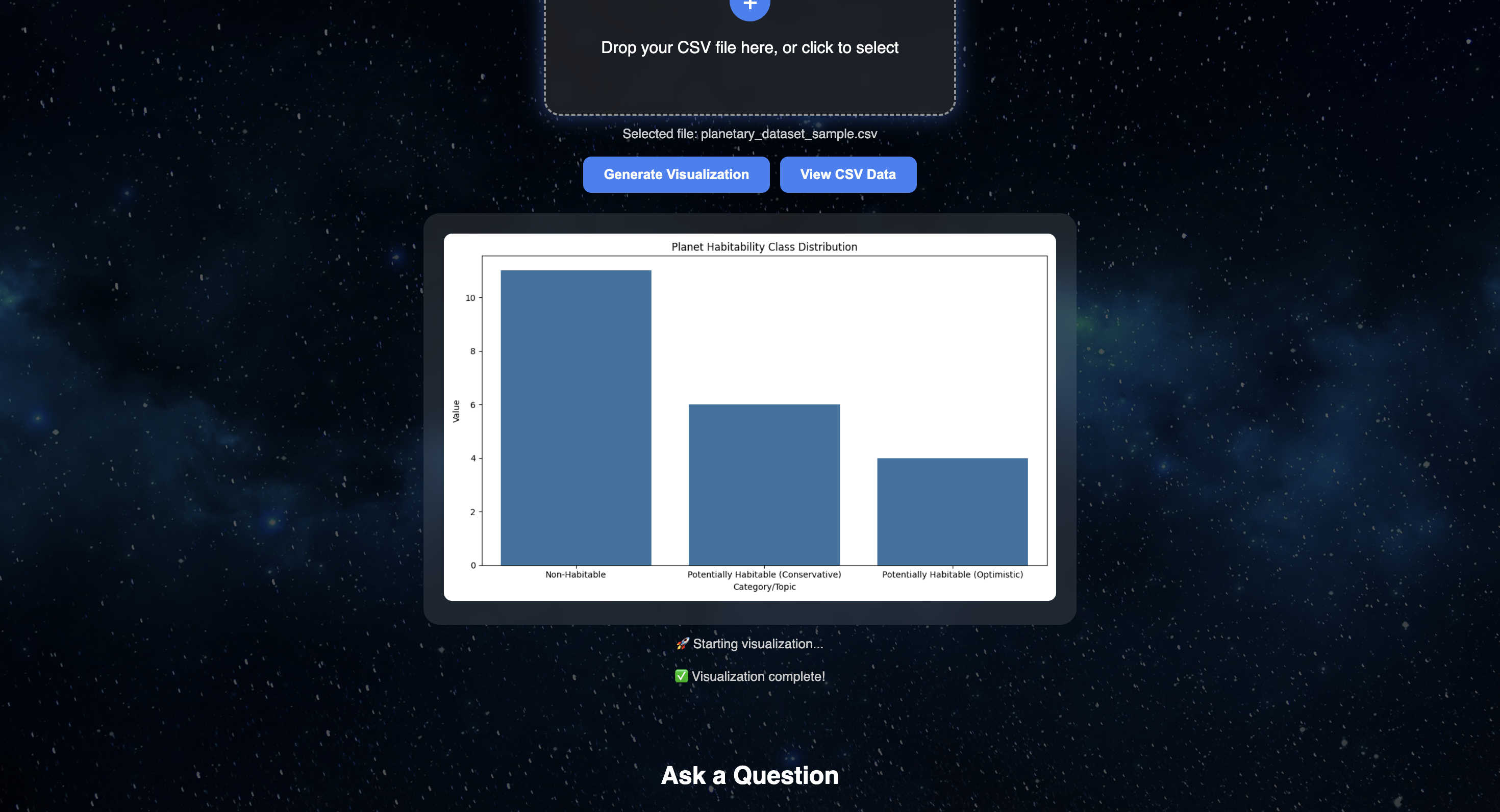
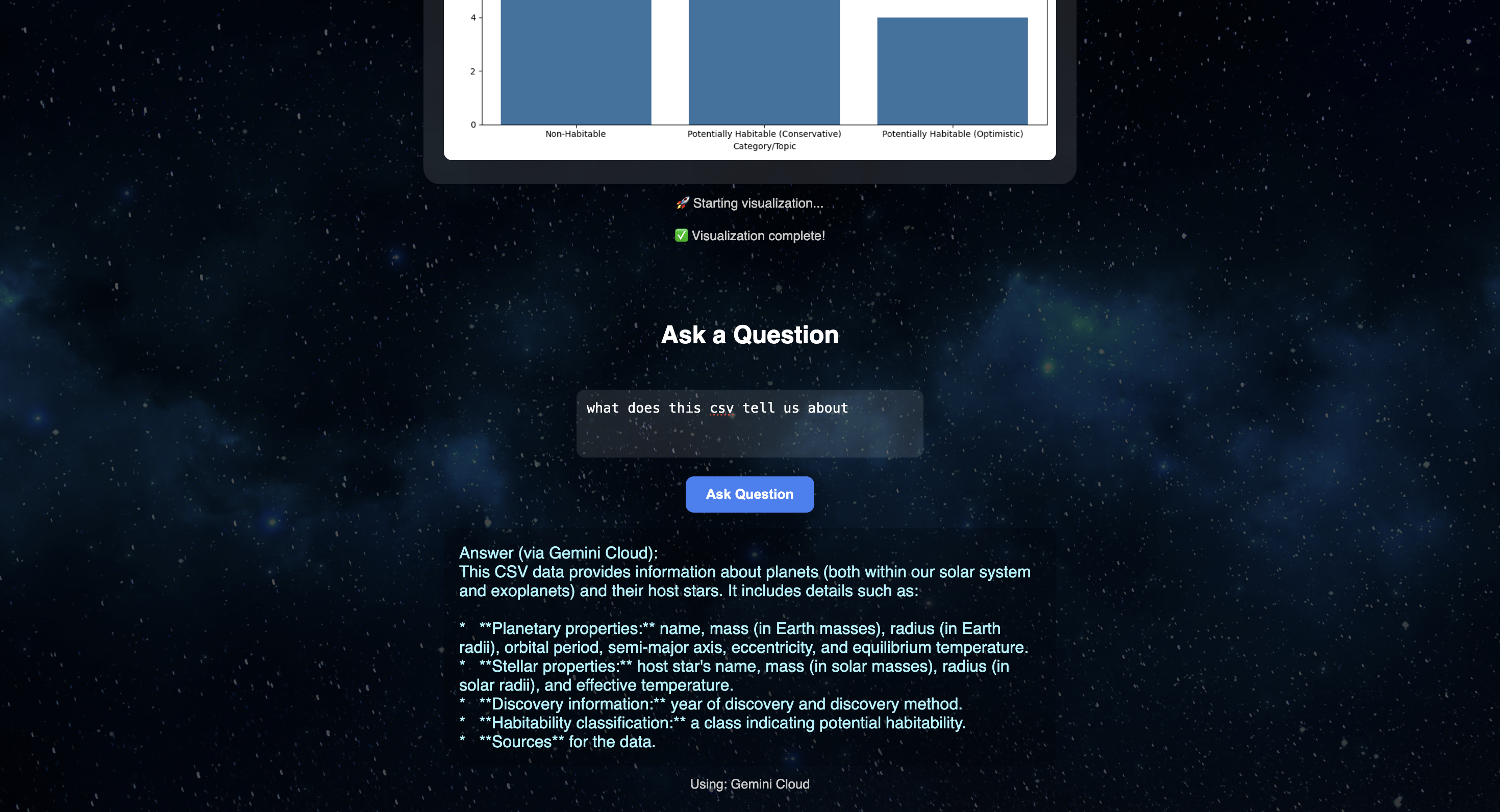
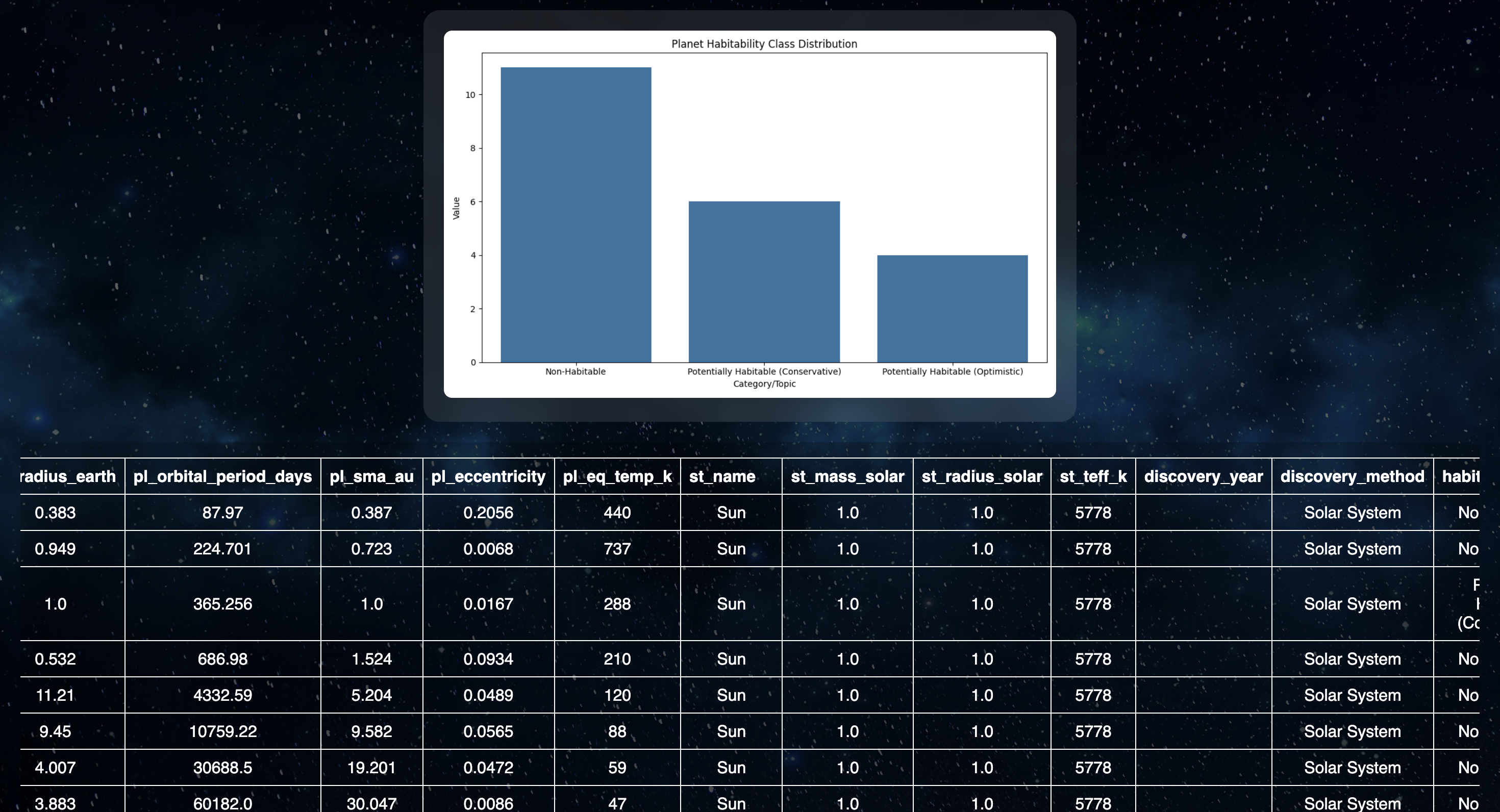
What It Does Nano-Q is a privacy-preserving web application for intelligent data analysis. Users can upload a CSV file and get: Automatically generated visual summaries (bar, pie, or line charts). The ability to ask natural language questions about the data and receive instant answers. It combines on-device AI and cloud AI to balance privacy and performance — ensuring sensitive data never leaves the user’s system.
How We Built It Frontend: Built using HTML, CSS, and JavaScript (app.js) for a clean and responsive interface. Backend: Developed in Node.js using Express.js for routing, CORS for secure requests, and Dotenv for managing environment variables.
AI & Data Processing: Implemented in Python using: pandas for reading and analyzing CSV data. matplotlib and seaborn for generating data visualizations. google-generativeai for communicating with the Gemini models.
APIs:
Gemini Nano (On-Device): Handles private Q&A directly in the browser. Gemini 2.5 Flash (Cloud): Handles heavy data visualization and fallback Q&A. Fetch API: Connects frontend and backend for data transmission and responses. The system creates a hybrid AI pipeline — local Gemini Nano for privacy, cloud Gemini Flash for computation, and seamless integration between Node.js and Python.
Challenges We Ran Into Integrating two different AI runtimes (on-device Gemini Nano and cloud-based Gemini Flash) smoothly within a single system. Managing privacy while still allowing powerful data visualization. Ensuring fast communication between Node.js and Python without blocking or performance drops. Handling large CSV files efficiently without browser crashes.
Accomplishments That We're Proud Of Built a fully functional hybrid AI system that runs both locally and in the cloud. Achieved complete on-device Q&A with Gemini Nano — ensuring user data never leaves their machine. Created a one-click visualization pipeline that intelligently decides the best chart type for any dataset. Successfully bridged Node.js and Python to form a smooth, modern full-stack AI architecture. Designed a user-friendly interface that makes data exploration feel natural and effortless.
What We Learned How to combine multiple AI systems (on-device and cloud) in a single architecture. How to securely handle API keys and environment variables in full-stack projects. How to communicate between Node.js and Python for real-time AI processing. How to turn dense data into meaningful, interactive visual insights.
What's Next for Nano-Q Expanding support for more file formats like Excel, JSON, and SQL databases. Adding advanced visualization types (scatter plots, heatmaps, correlation matrices). Integrating local fine-tuned models for offline analytics. Building a desktop app version of Nano-Q for complete offline use. Introducing collaborative features — allowing users to share dashboards securely.
Built With
- express.js
- geminiapi
- gemininano
- javascript
- node.js
- python


Log in or sign up for Devpost to join the conversation.