-
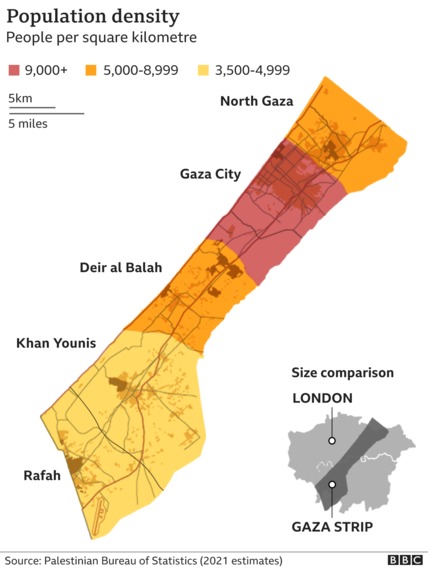
Game setting
-
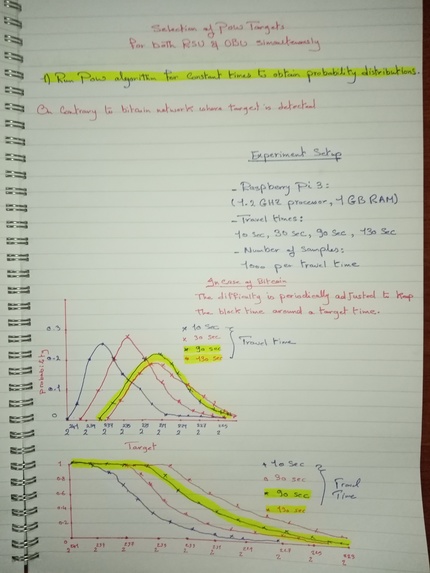
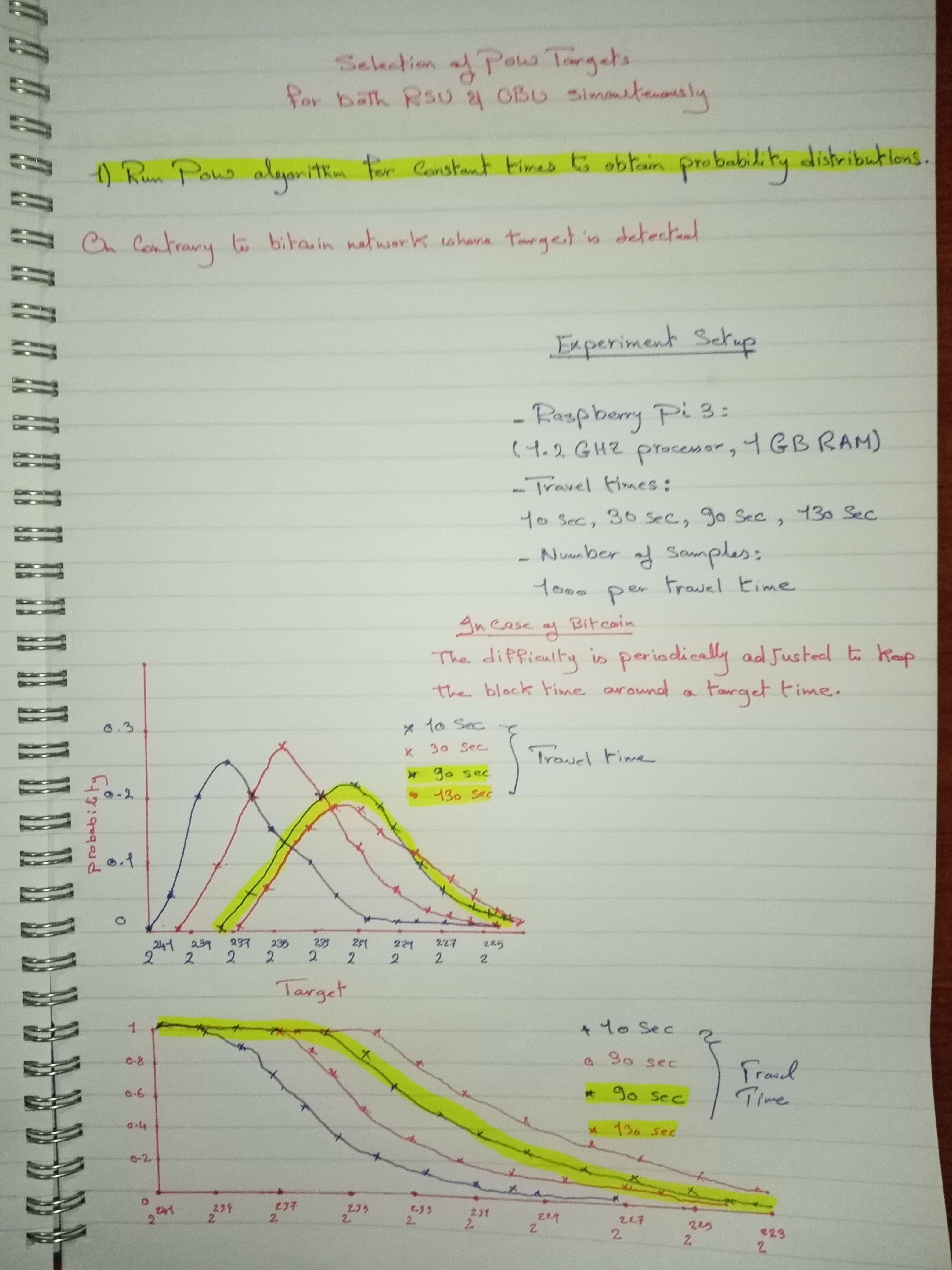
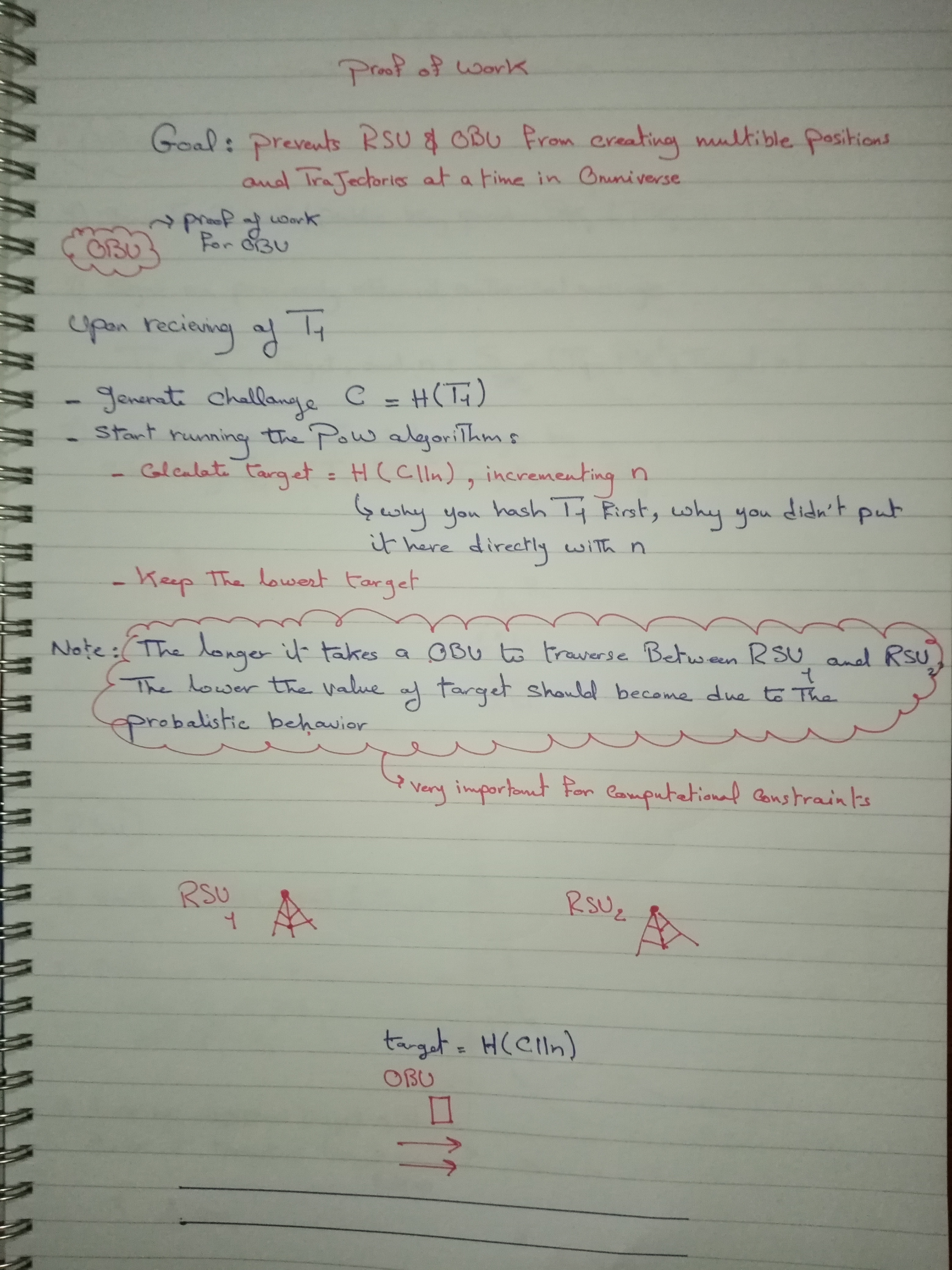
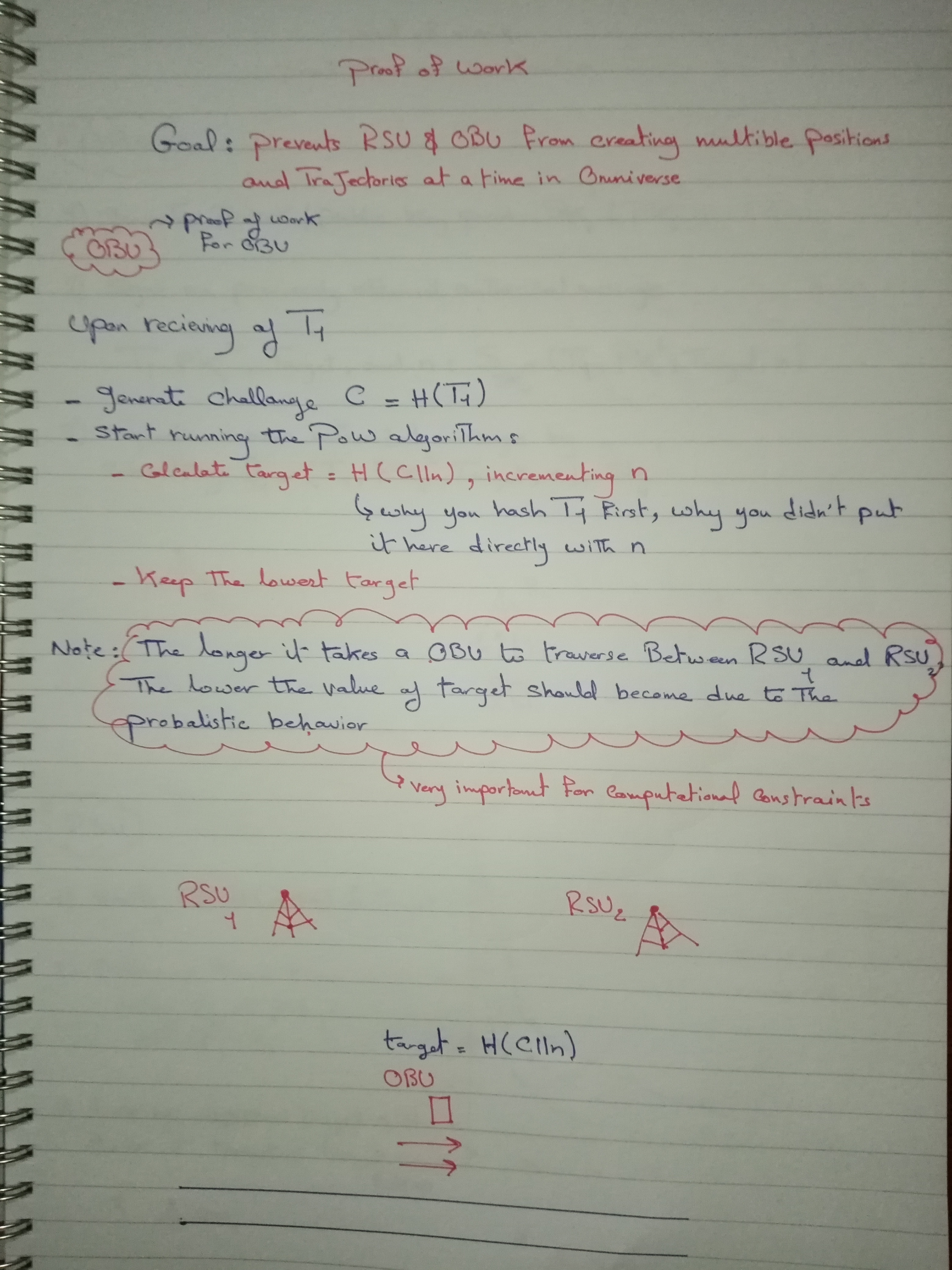
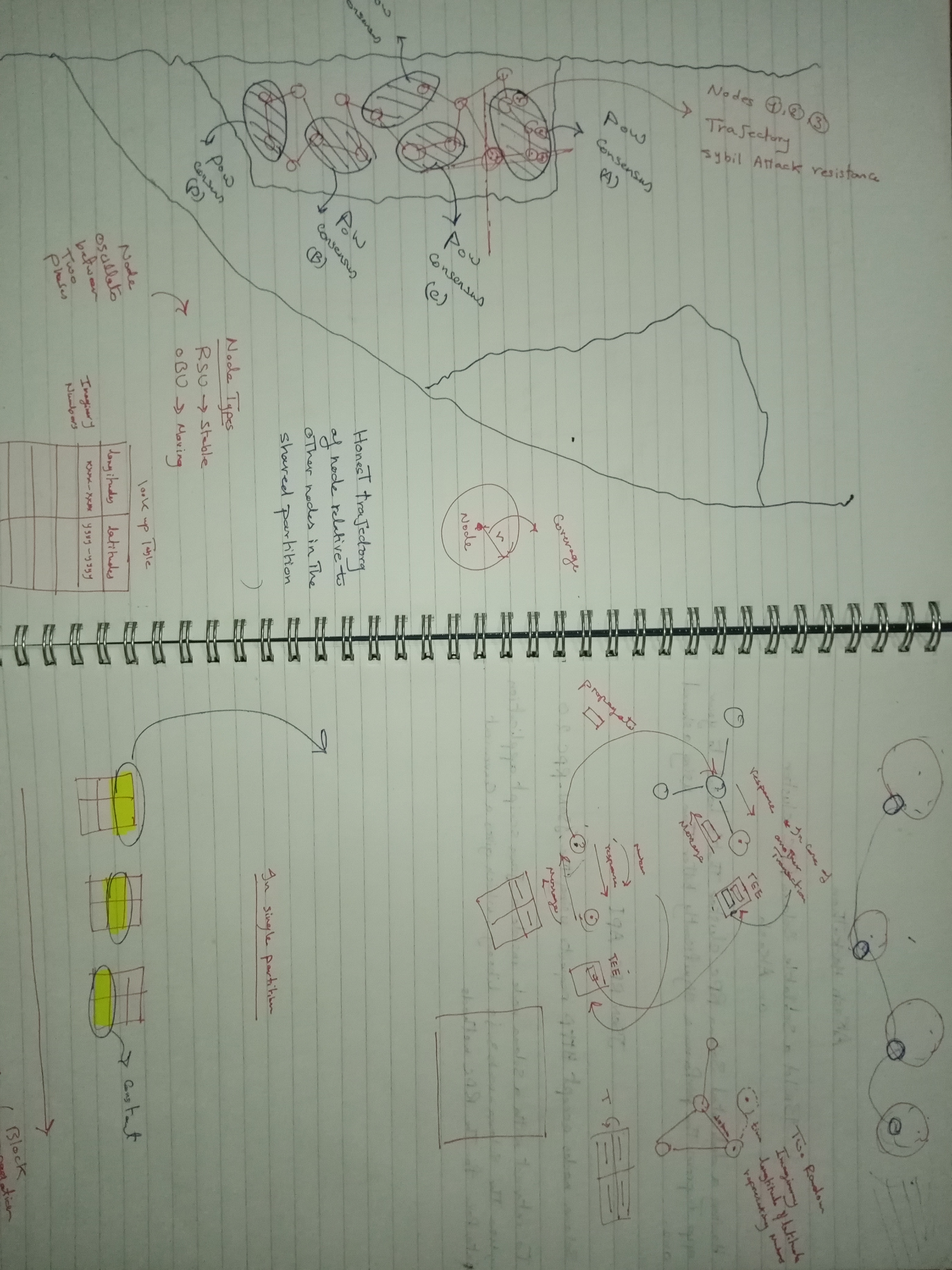
PoW target selection
-
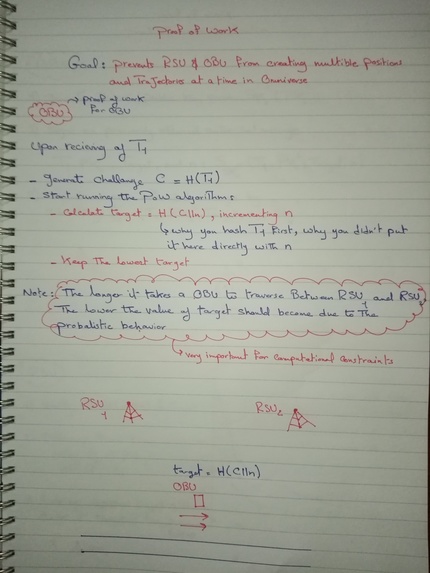
Trajectory generation
-
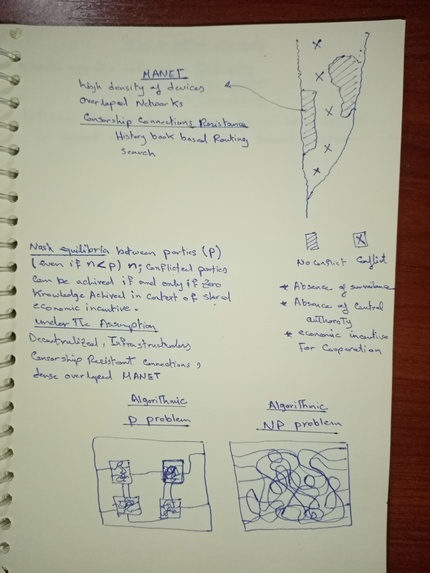
Conflict equlibrium
-
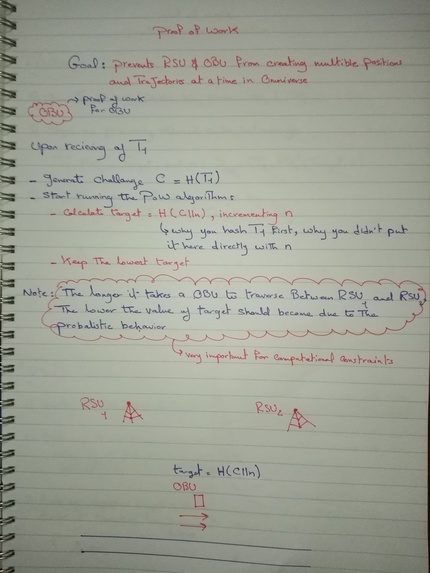
PoW
-
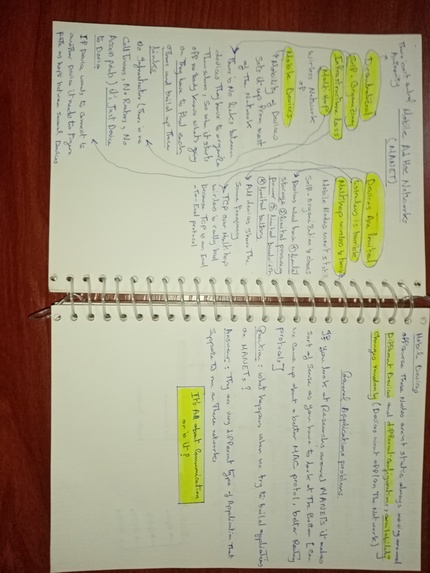
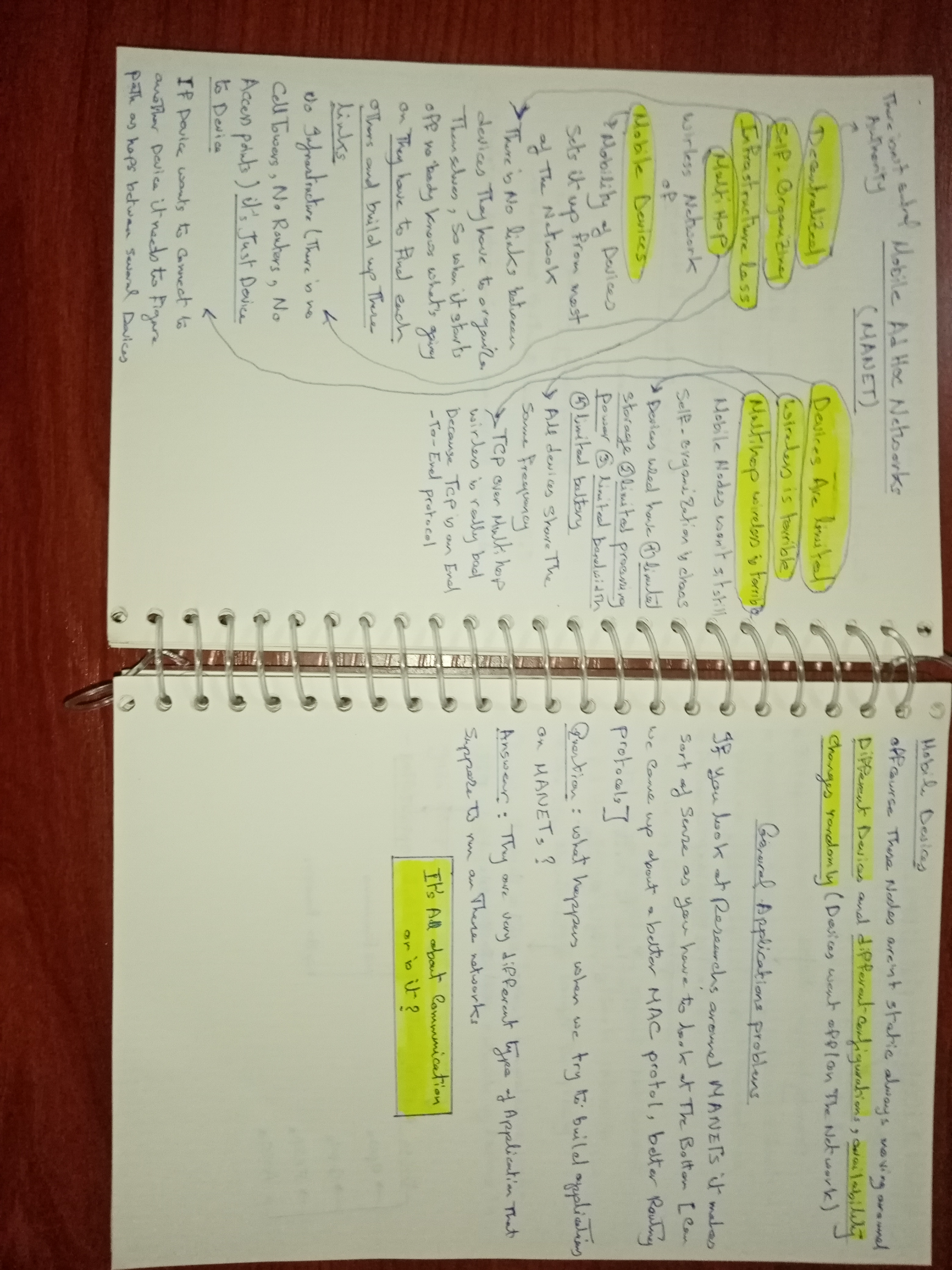
MANETs
-
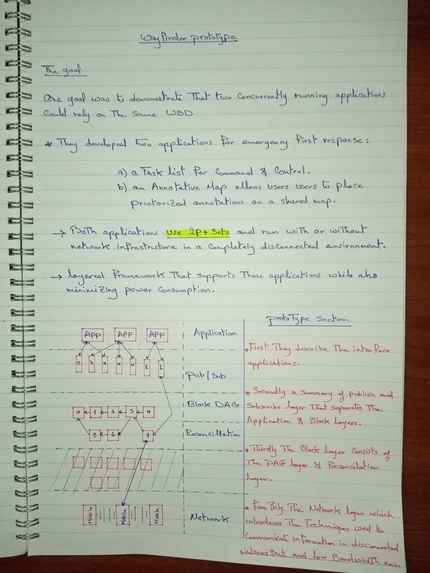
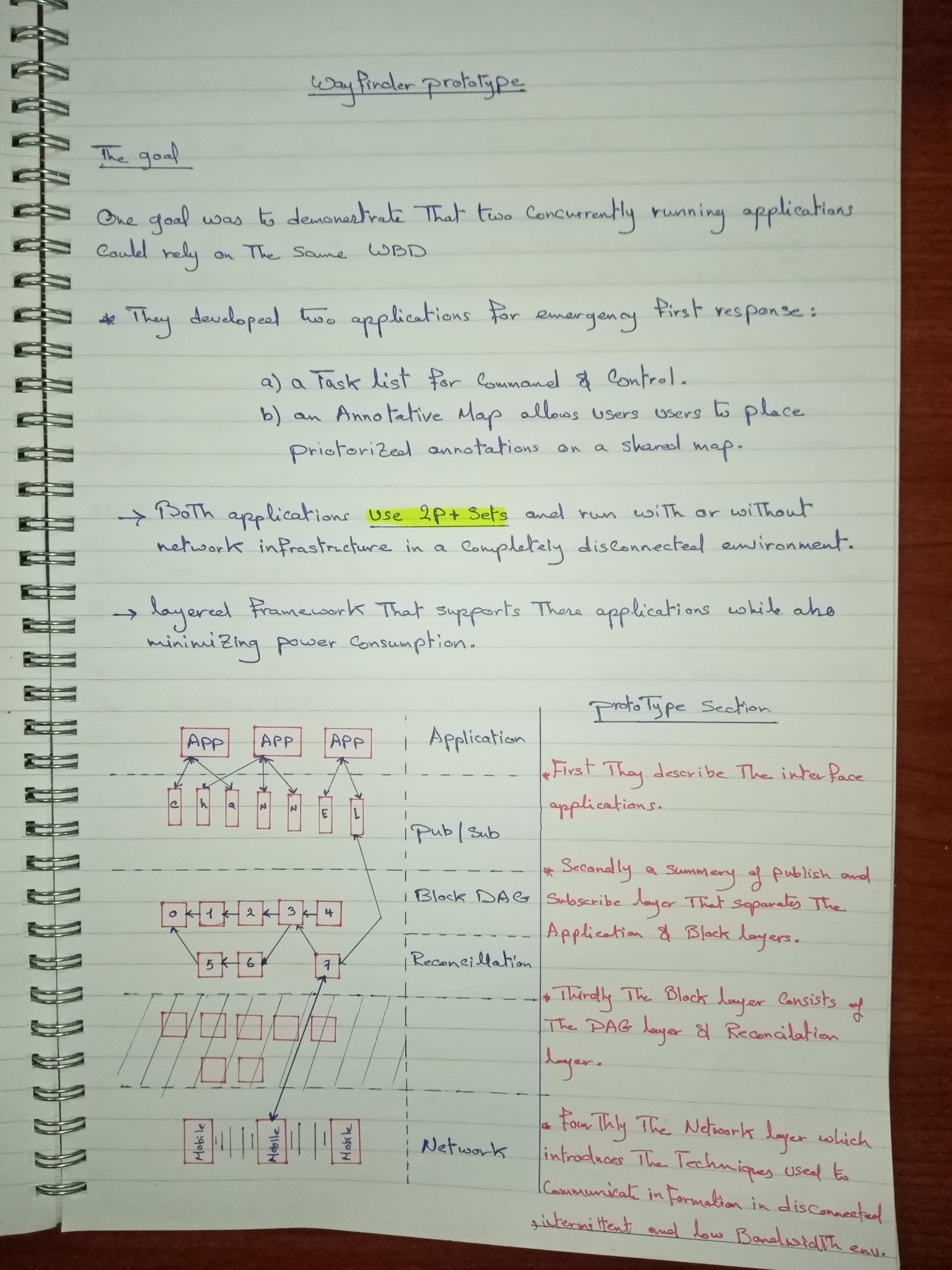
Wayfinder framework
-
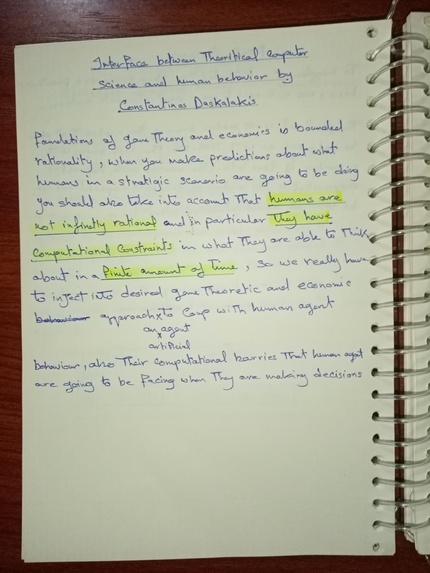
Humans bounded computations
-
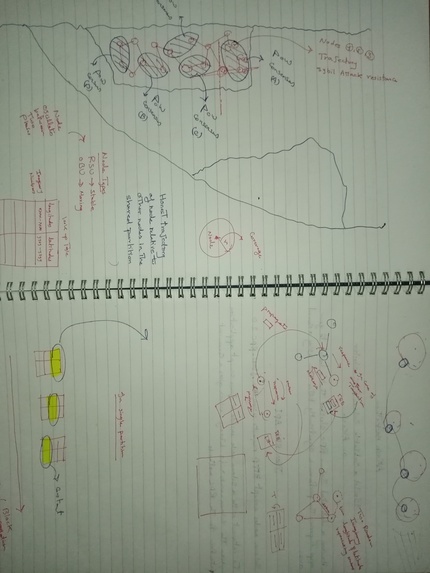
Node dynamics
-
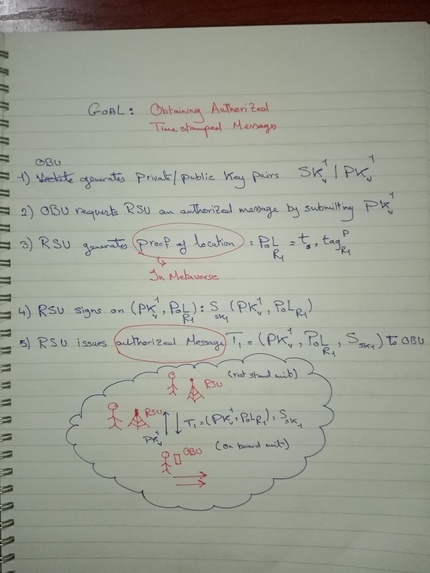
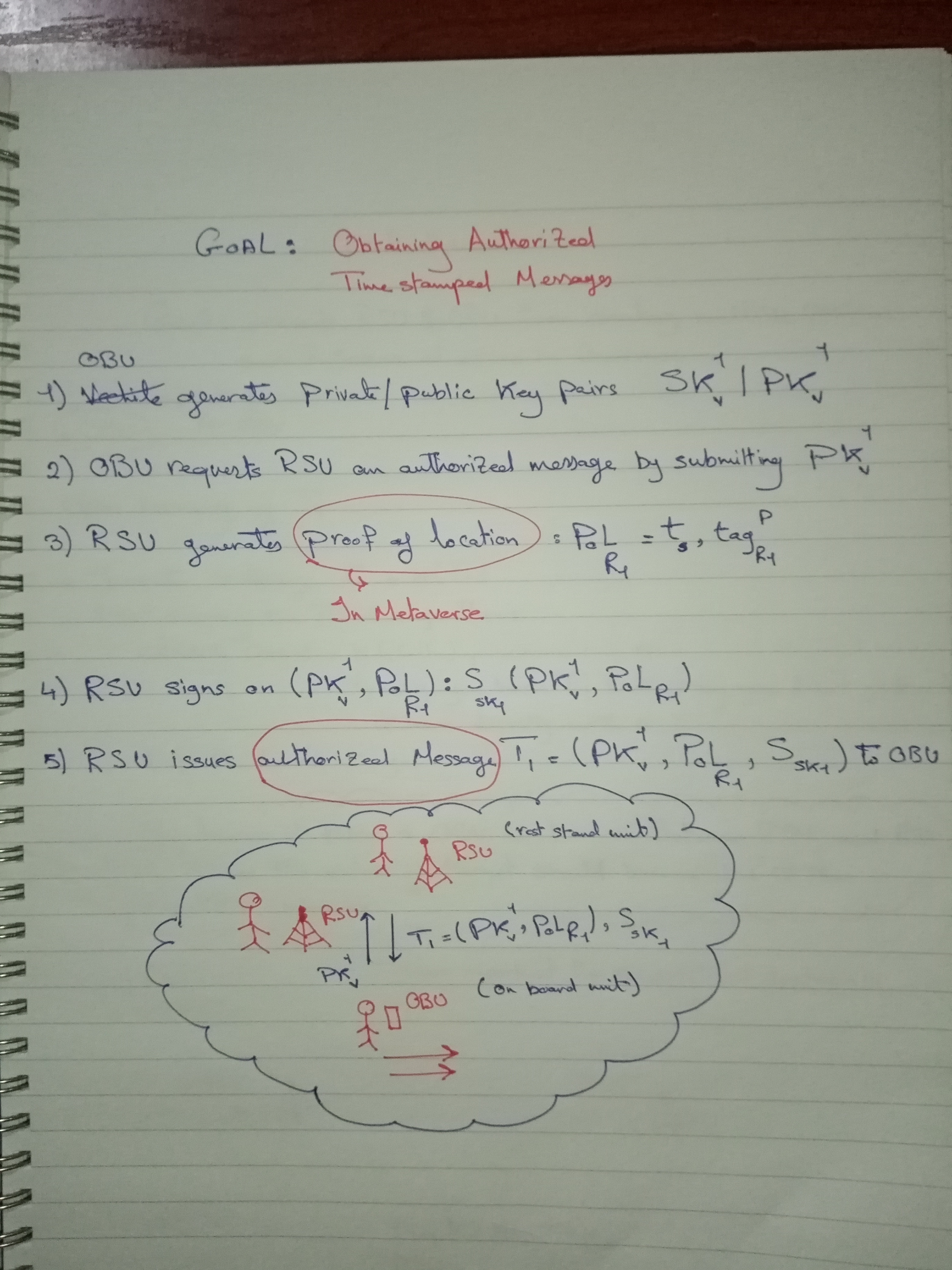
Authorized timestamp
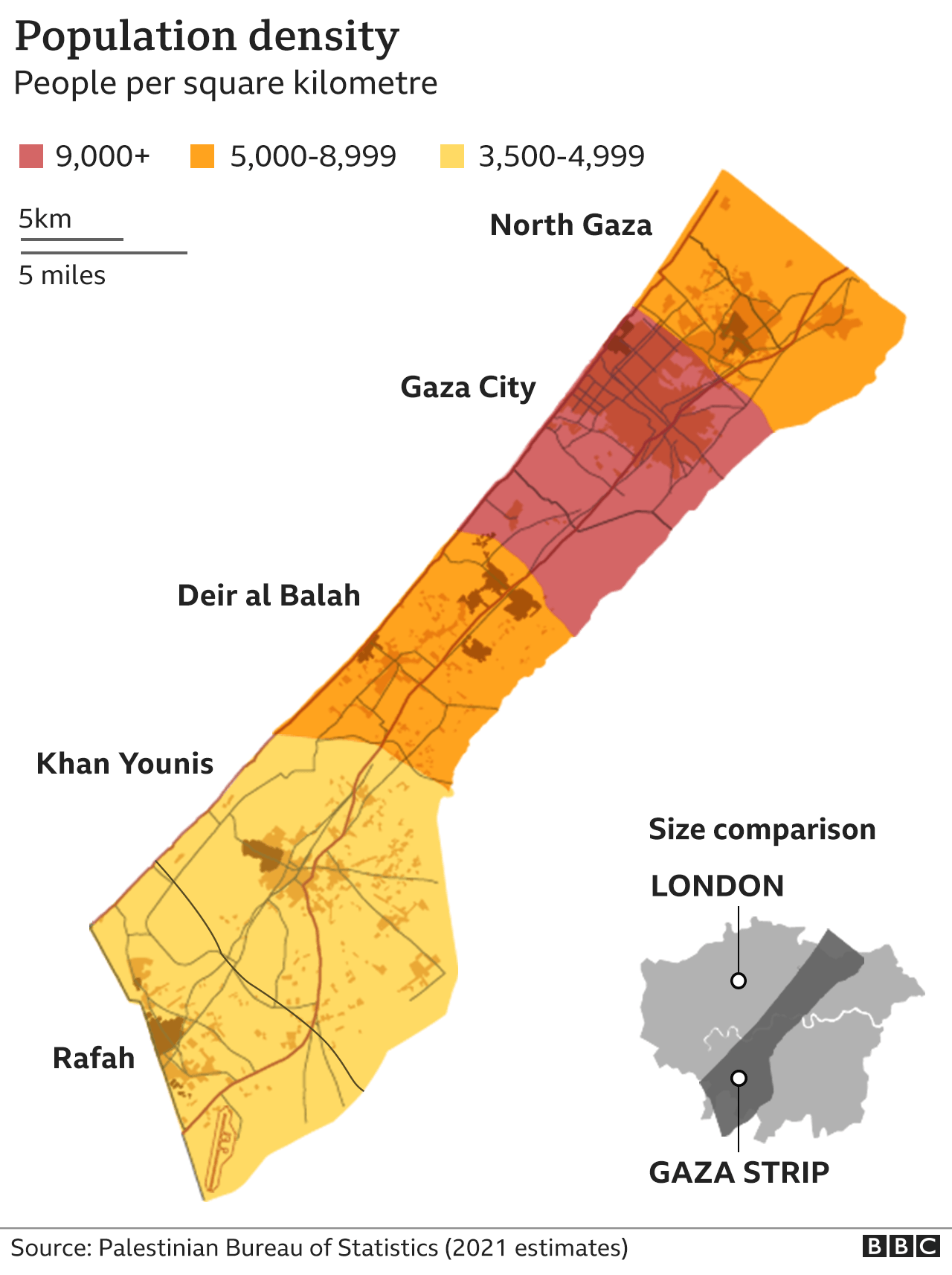
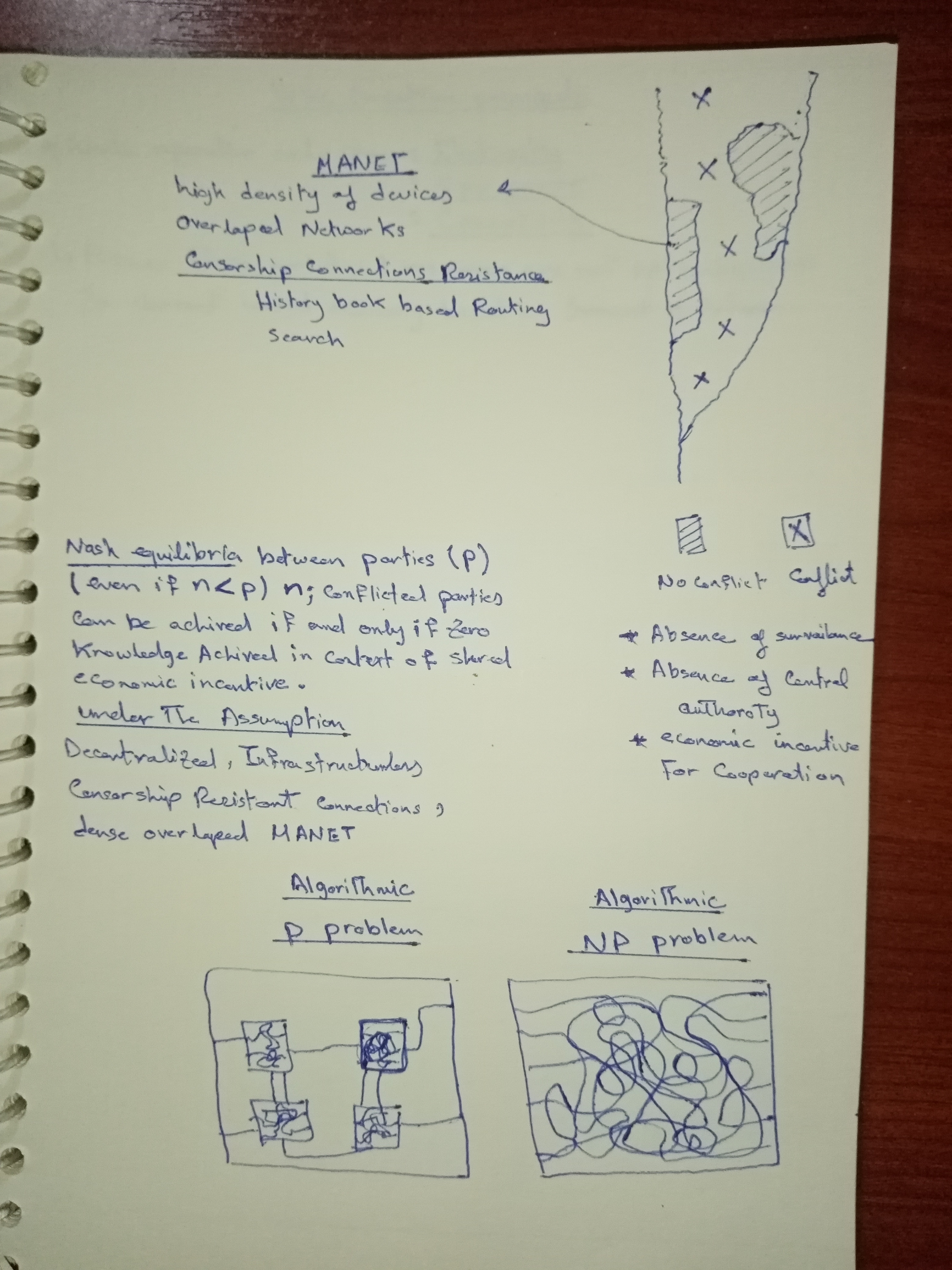
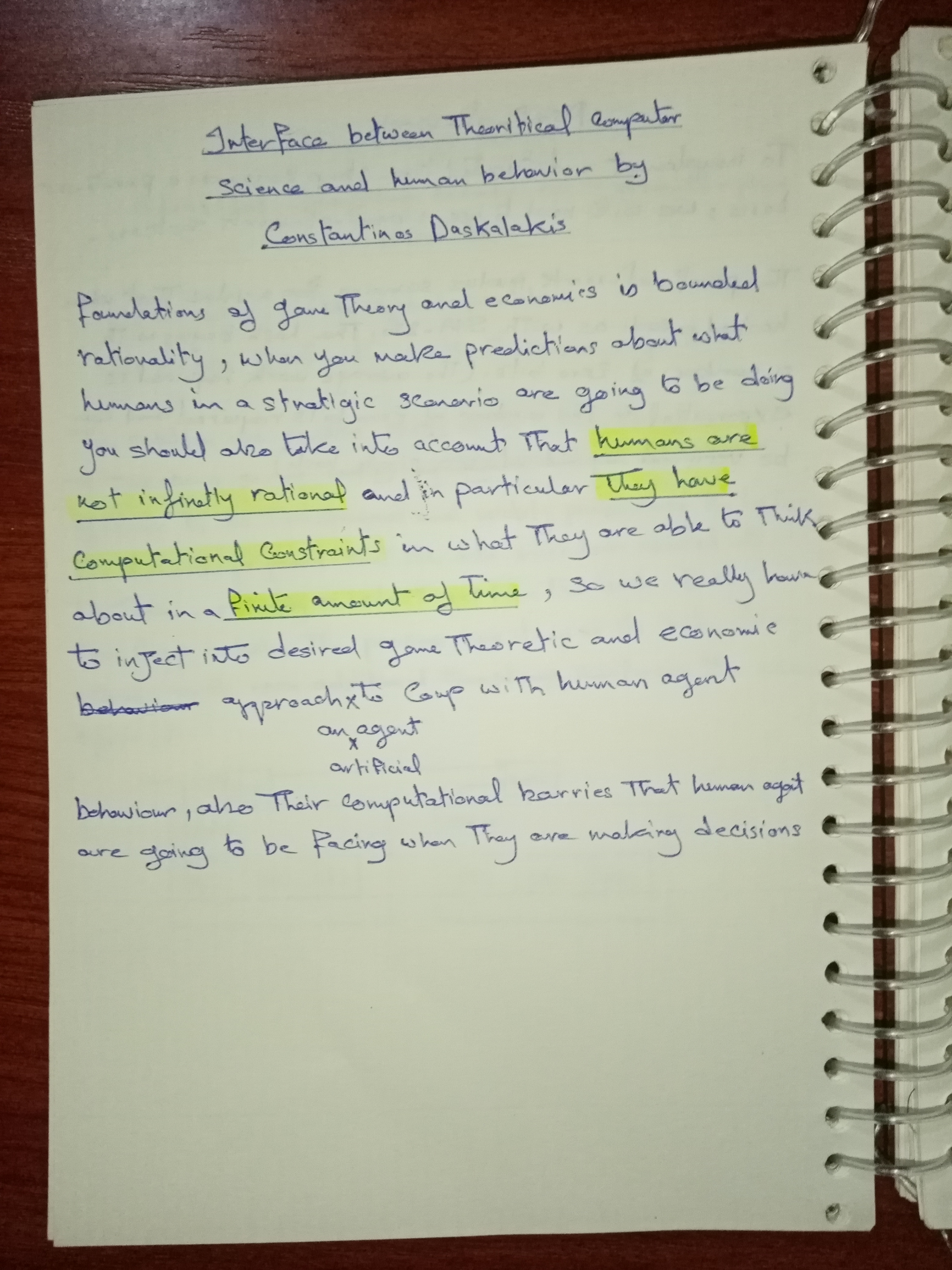
Nakamoto consensus over MANET (Gaza Strip case) In this think piece we’re trying to build a blockchain as an interface between theoretical computer science and human behavior exploiting the fact that humans are not infinitely rational and in particular they have computational constraints in what they are able to think (Byzantium) in a finite amount of time specially in highly hostile and rapid congested moving environment (Lipschitz continuity), discovering to what extent we can reach with resembling a Nakamoto consensus within such blockchain constituents leveraging the rationality of Nash equilibrium that can be achieved in a game setting where players ( population & main players ) are under a severe conflict scenario, and force a some kind of consensus over a set of incentives shared among good players and the bad ones being excluded in consequence to their startegies.
We analyzed the state of art BlockDAG system design (Wayfinder){1} for its unprecedented achievement towards building Tamper-proof Provenance-Aware Storage for Mobile Ad Hoc Networks and charactrized its pros and cons with regard to use it as a medium of cryptocurrency exchange.
We also argue we can enhance Wayfinder BlokDAG with techniques used to Detect Sybil Attacks using Proofs of Work and Location in VANETs{2}, only under the umbrella of a theoretical game based scenario where the players (nodes) play anonymously and share a very hostile Geo-politically pounded environment like in the case of Gaza strip.
Prototype:
We developed a core concept of game, a Mixed-reality (Metaverse) type of Dapp as a frontend for users and a blockchain solution as the backend, the application prototype originally built by the wayfinder team showing two applications for emergency first response: a Task List for command and control and an Annotative Map (see Figure 2). The Task List app allows users to post and complete prioritized jobs on a shared list. The Annotative Map app allows users to place prioritized annotations on a shared map. Both applications use 2P+ sets (CRDTs, Conflict Free Data Types) and run with or without network infrastructure in a completely disconnected environment. These applications run on smartphones, servers, desktops, and potentially on IoT sensor devices.
Built With
- cairo
- java


Log in or sign up for Devpost to join the conversation.