

Inspiration
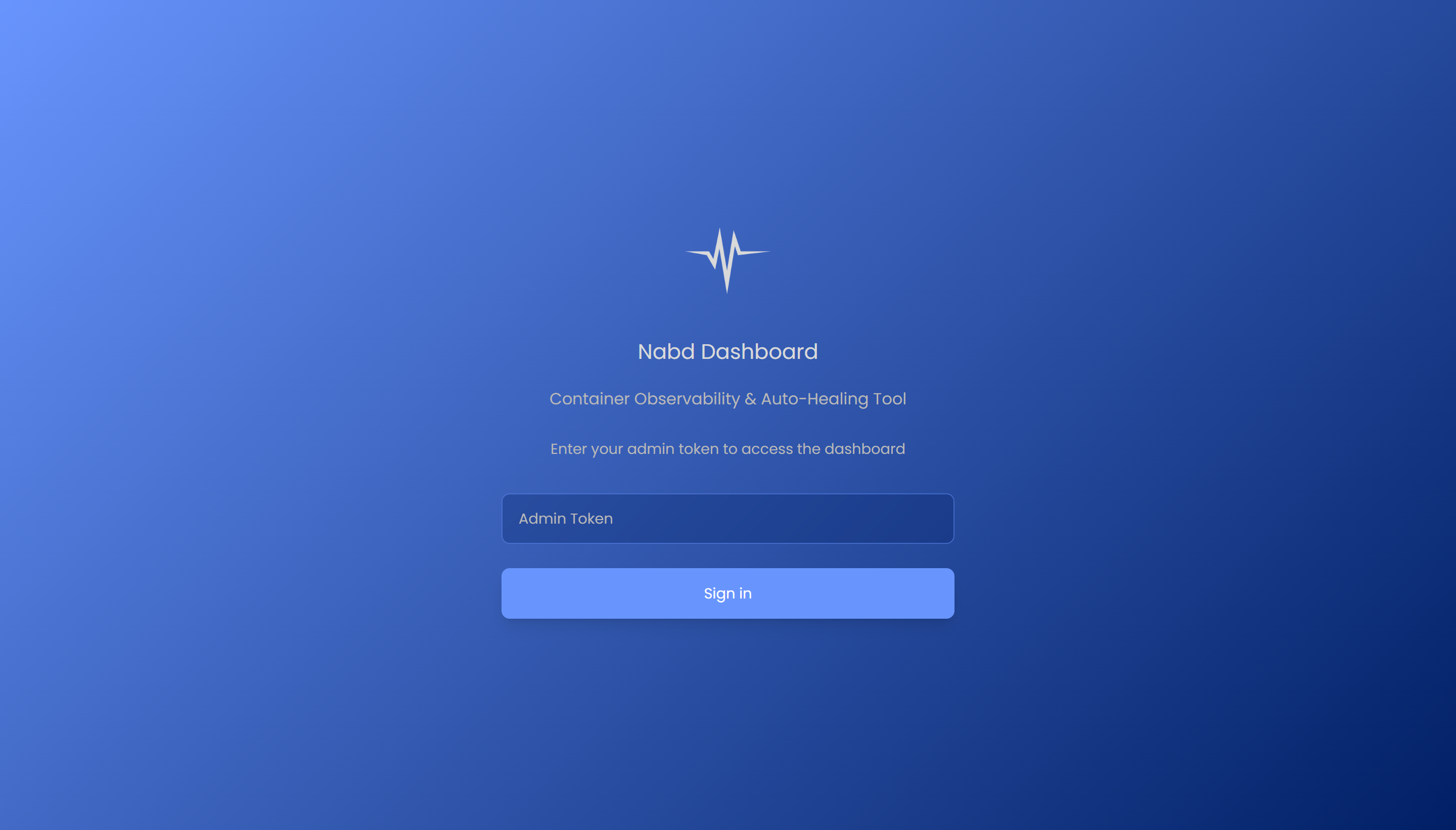
The idea for Nabd came from my own experience managing containerized applications during development and deployment. I noticed that while tools like Kubernetes provide powerful orchestration, developers often struggle to get real-time, easy-to-understand insights into container health and deployments without writing complex scripts or setting up heavy monitoring systems. I wanted to create a lightweight, developer-friendly solution that gives a “pulse” of all running containers instantly.
What it does
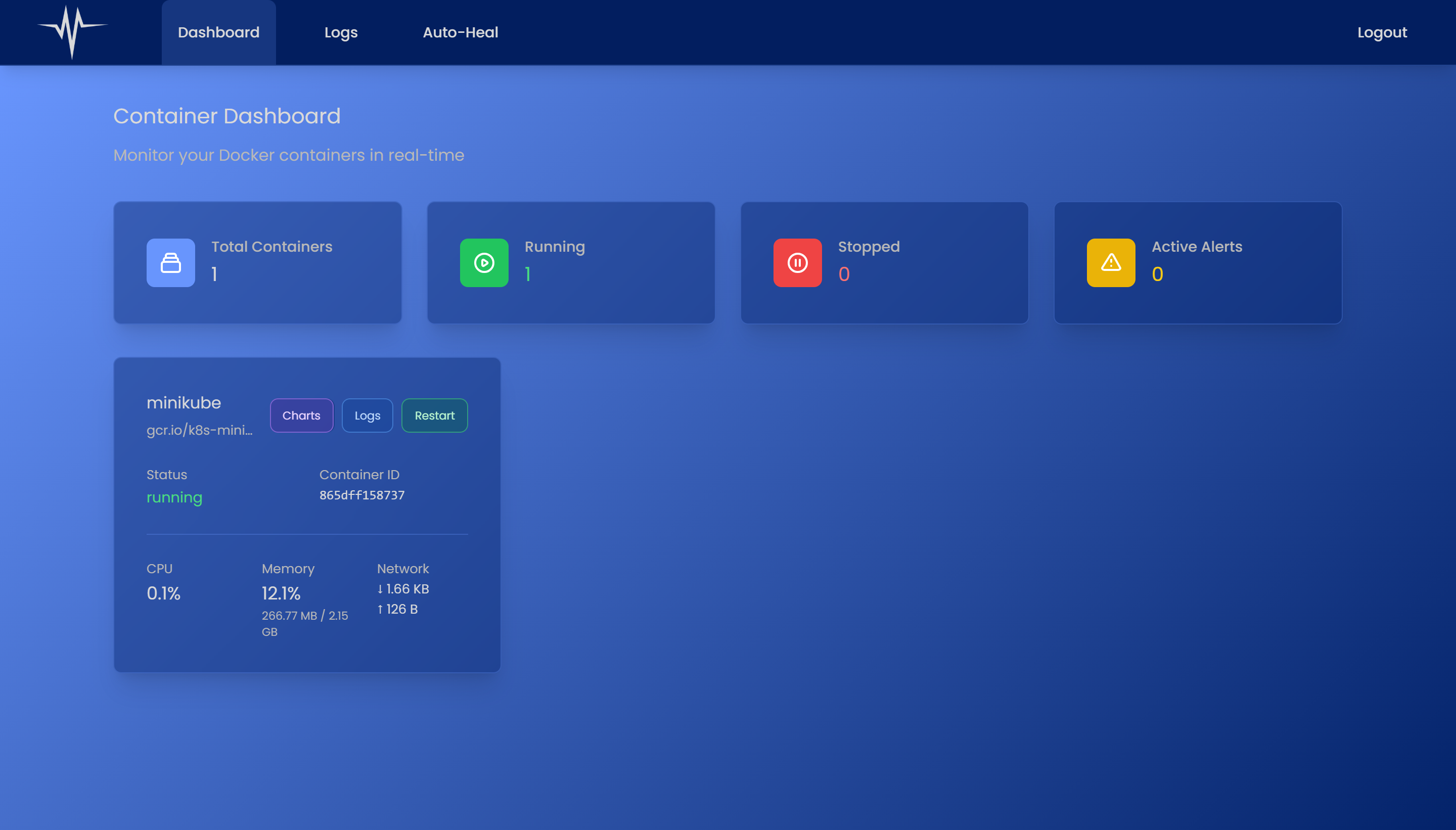
Nabd is a self-contained observability and auto-healing toolkit for Docker containers. It provides:
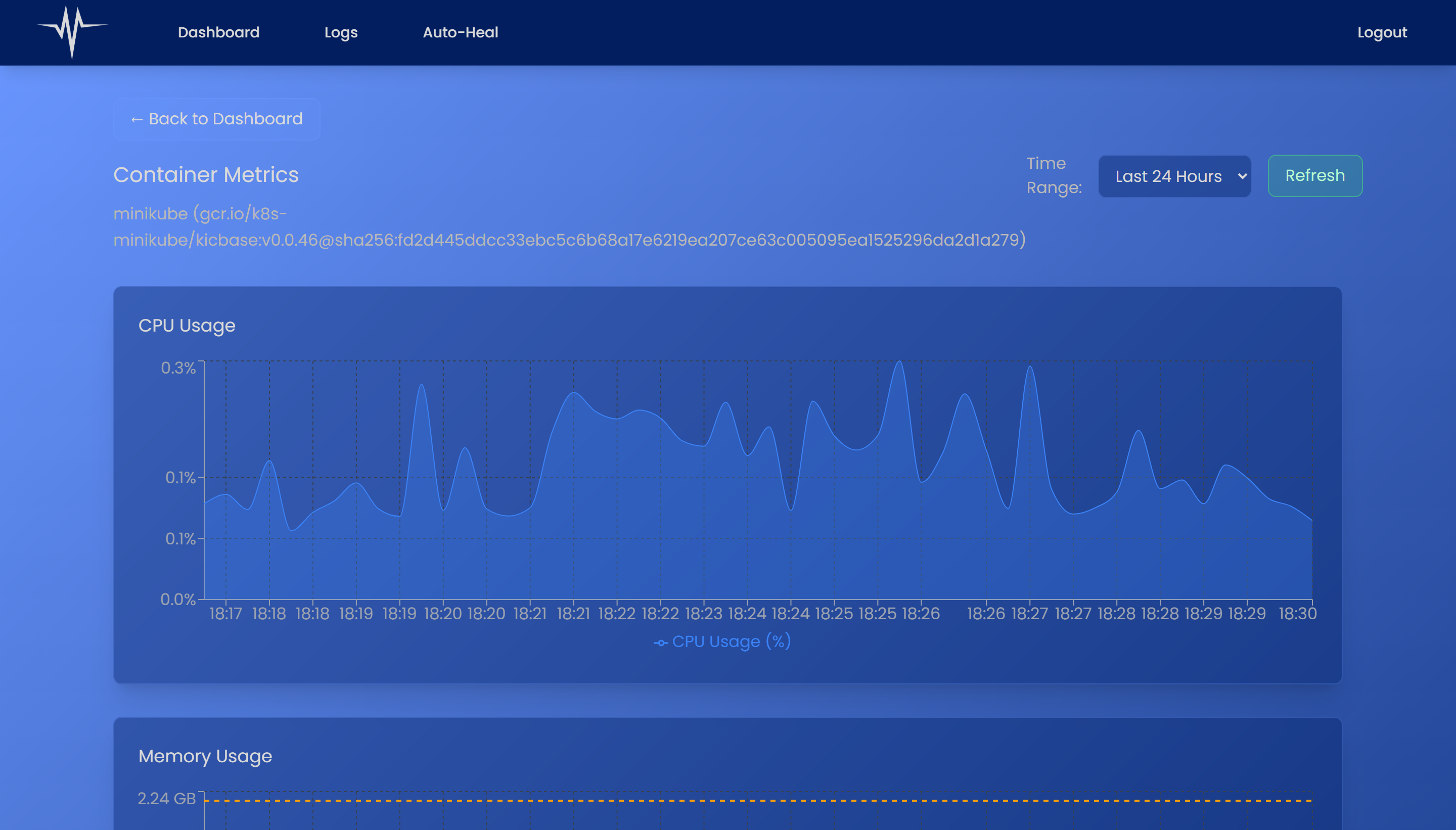
- Real-time metrics collection (CPU, memory, network, disk)
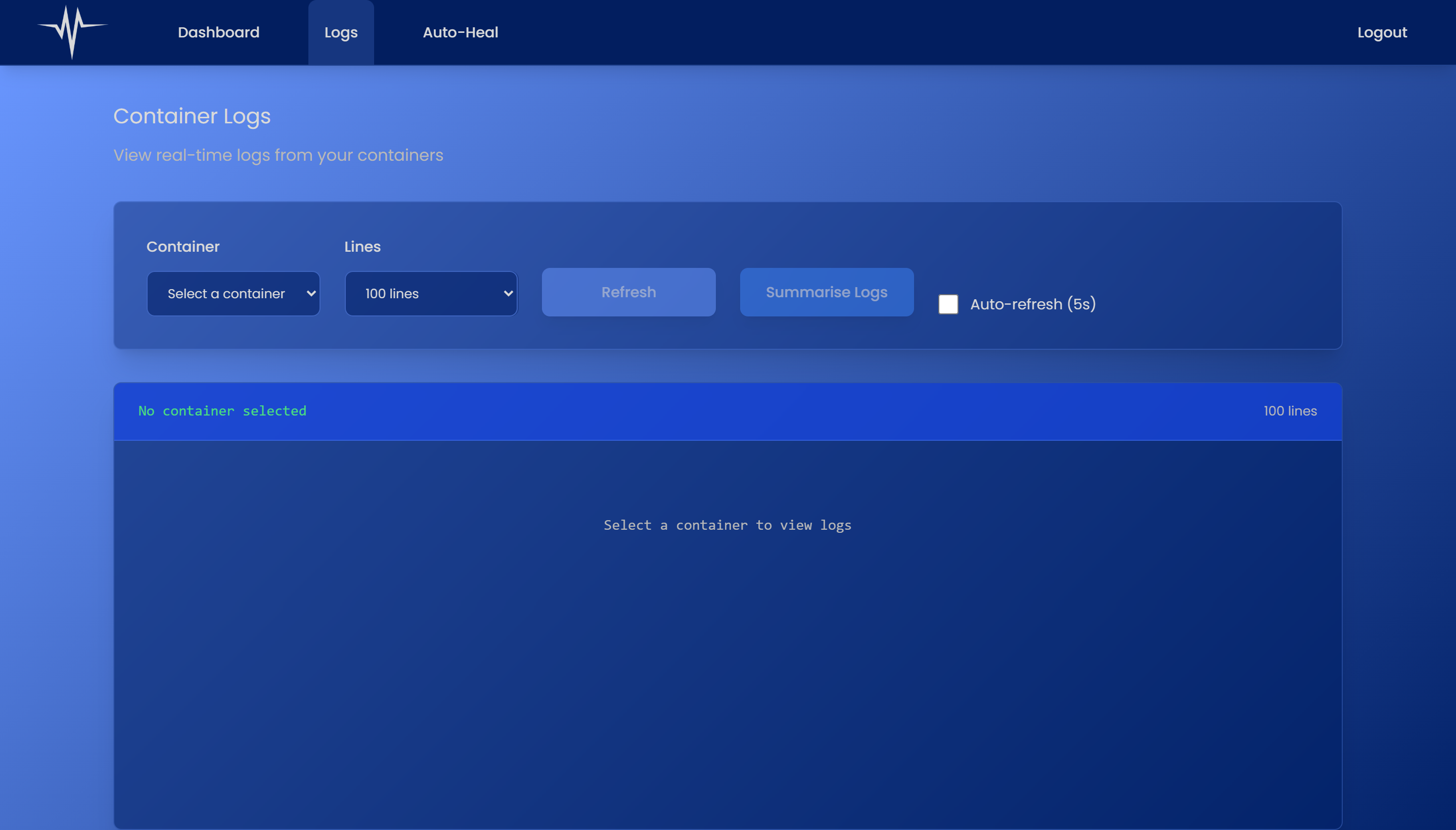
- Container log monitoring with AI-powered summaries via Chrome Gemini Nano
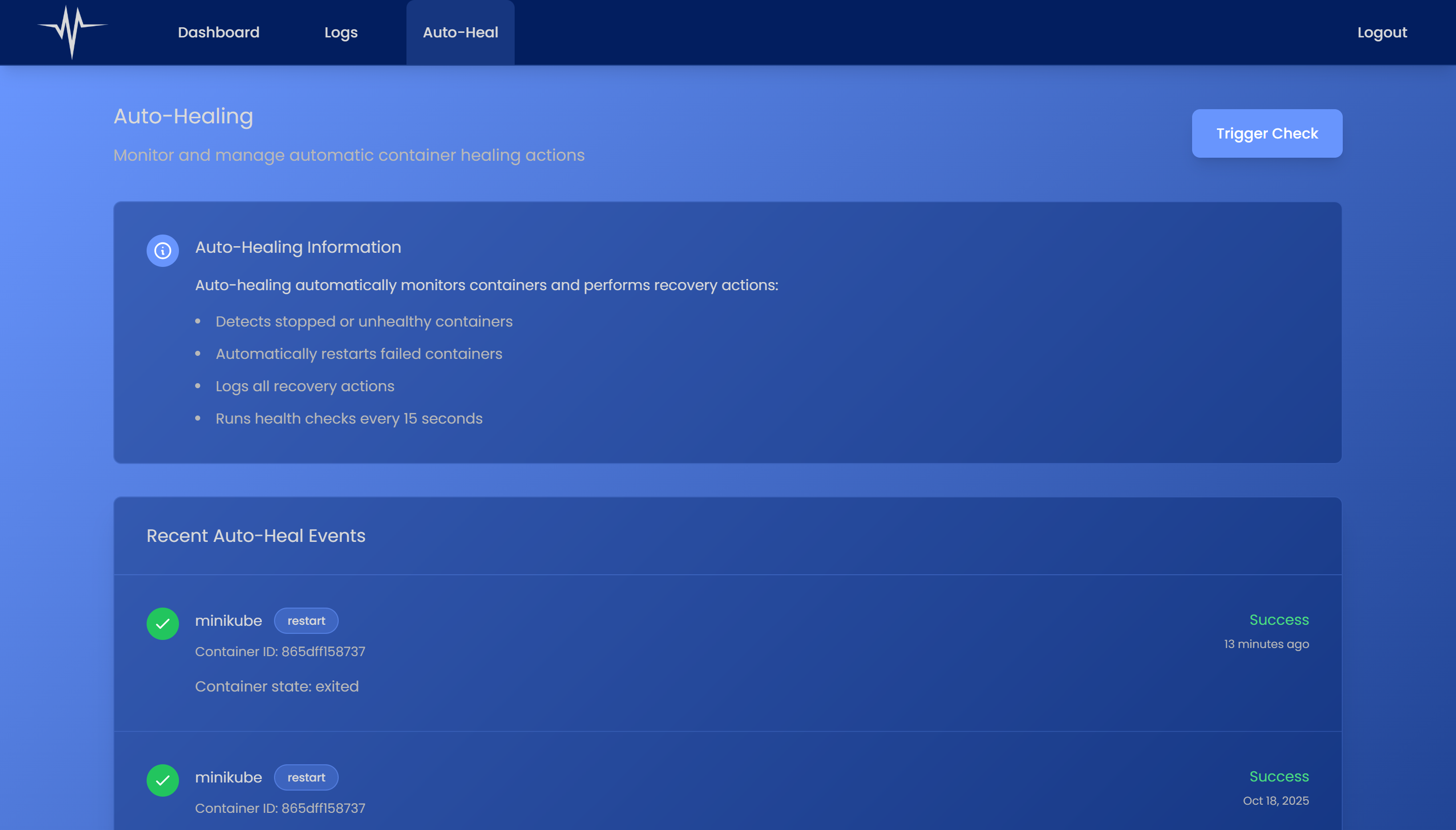
- Automatic container auto-healing for stopped or unhealthy containers
- Alerting and notifications for resource thresholds and container states
- Secure access with JWT-based authentication and Docker socket control Nabd can be deployed with a single Docker command or via Docker Compose.
How we built it
- Backend: Go 1.21+ with Gin framework, handling REST APIs, metrics collection, logs, auto-healing, and alerts
- Frontend: React 18 + TailwindCSS dashboard
- Database: SQLite embedded database for storing historical metrics and events
- AI: Chrome's built-in Gemini Nano for local, private log summarization
- Container Integration: Docker SDK for Go, monitoring and managing all running containers
- Deployment: Designed for one-command deployment via Docker or Docker Compose, with optional custom configs
Challenges we ran into
- Integrating Chrome’s built-in AI (Gemini Nano) was tricky at first, especially making it run locally in the browser and summarizing logs correctly, but after some experimentation, it worked seamlessly.
- Designing auto-healing logic that intelligently restarts only unhealthy containers without causing cascading restarts.
- Ensuring metrics collection and log monitoring run efficiently for multiple containers simultaneously.
- Balancing simplicity vs. configurability: making Nabd easy to deploy while still offering advanced features for power users.
Accomplishments that we're proud of
- Nabd works out-of-the-box with a single Docker command
- Fully AI-powered log summarization, running locally for privacy
- A complete observability suite (metrics, logs, alerts, auto-healing) in one tool
What we learned
- How to build full-stack DevOps tooling combining backend, frontend, AI, and container orchestration
- Best practices for secure Docker and API design
- How to leverage Chrome's built-in AI for local, actionable insights
- Strategies for simplifying complex DevOps workflows for developers
What's next for Nabd
- Kubernetes support for monitoring and auto-healing pods and deployments
- Role-Based Access Control (RBAC) for multi-user environments
- Webhook integrations to trigger actions in CI/CD pipelines
- Deployment rollback and activity logging for safer updates
- Enhanced AI features, like predictive anomaly detection for container health

Log in or sign up for Devpost to join the conversation.