-
-
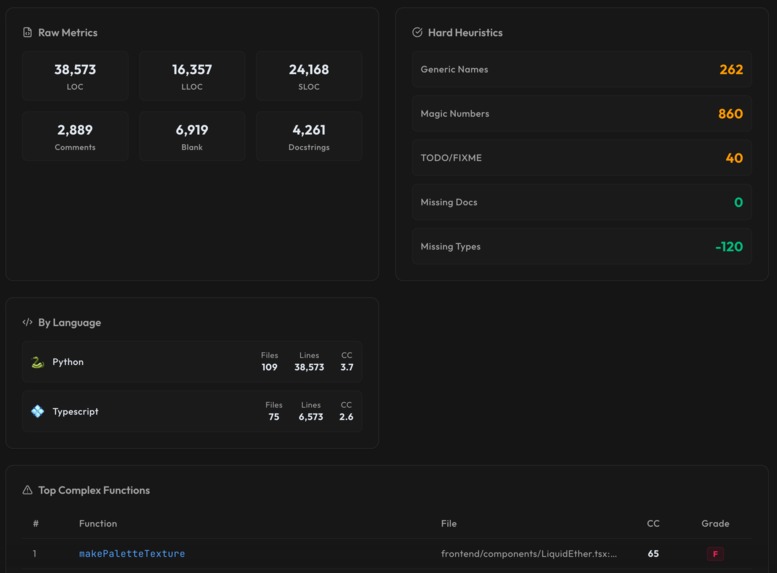
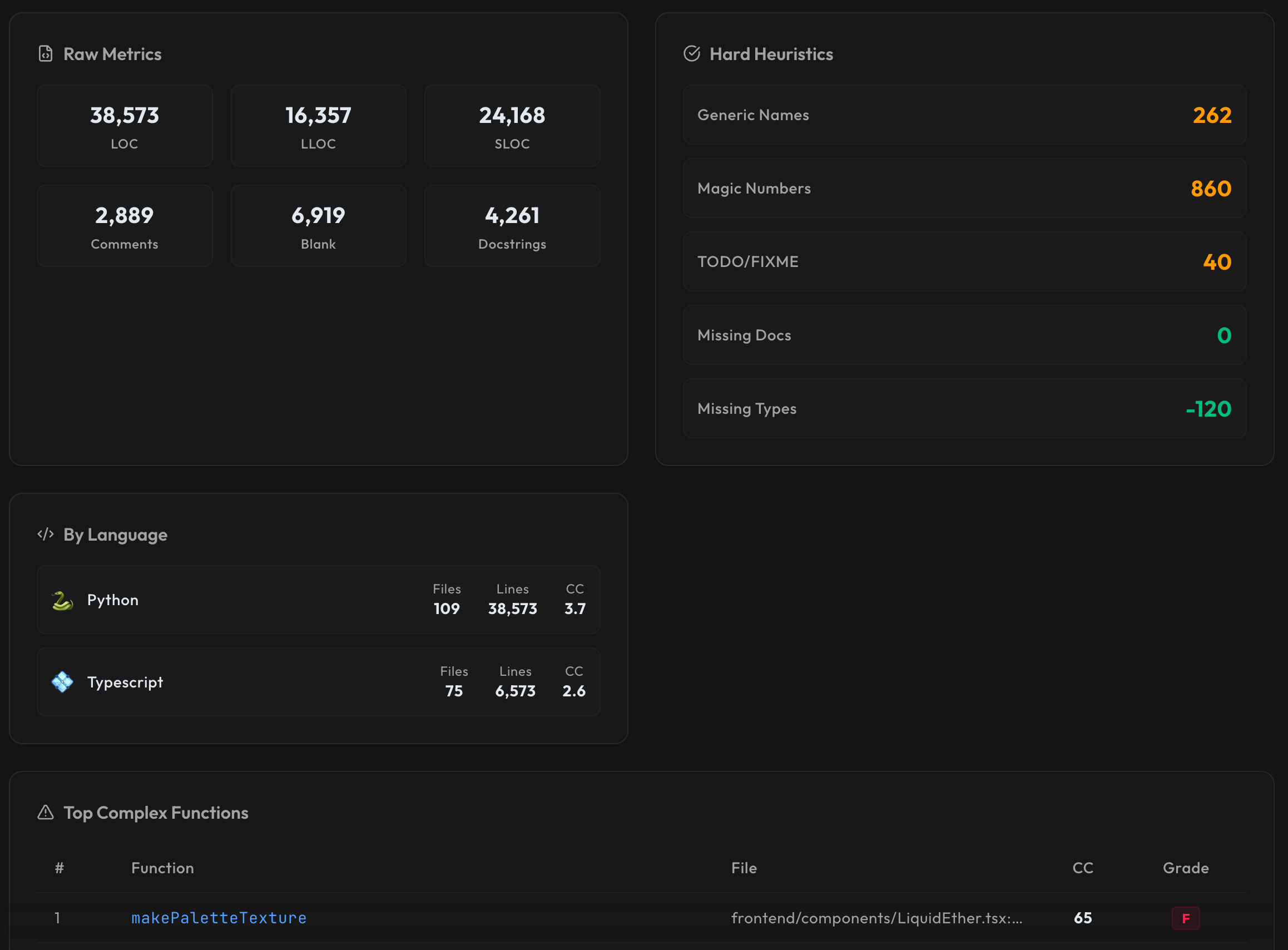
Static analysis
-
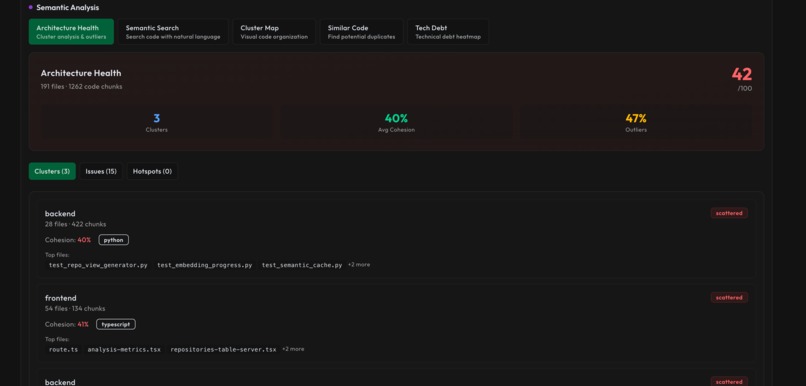
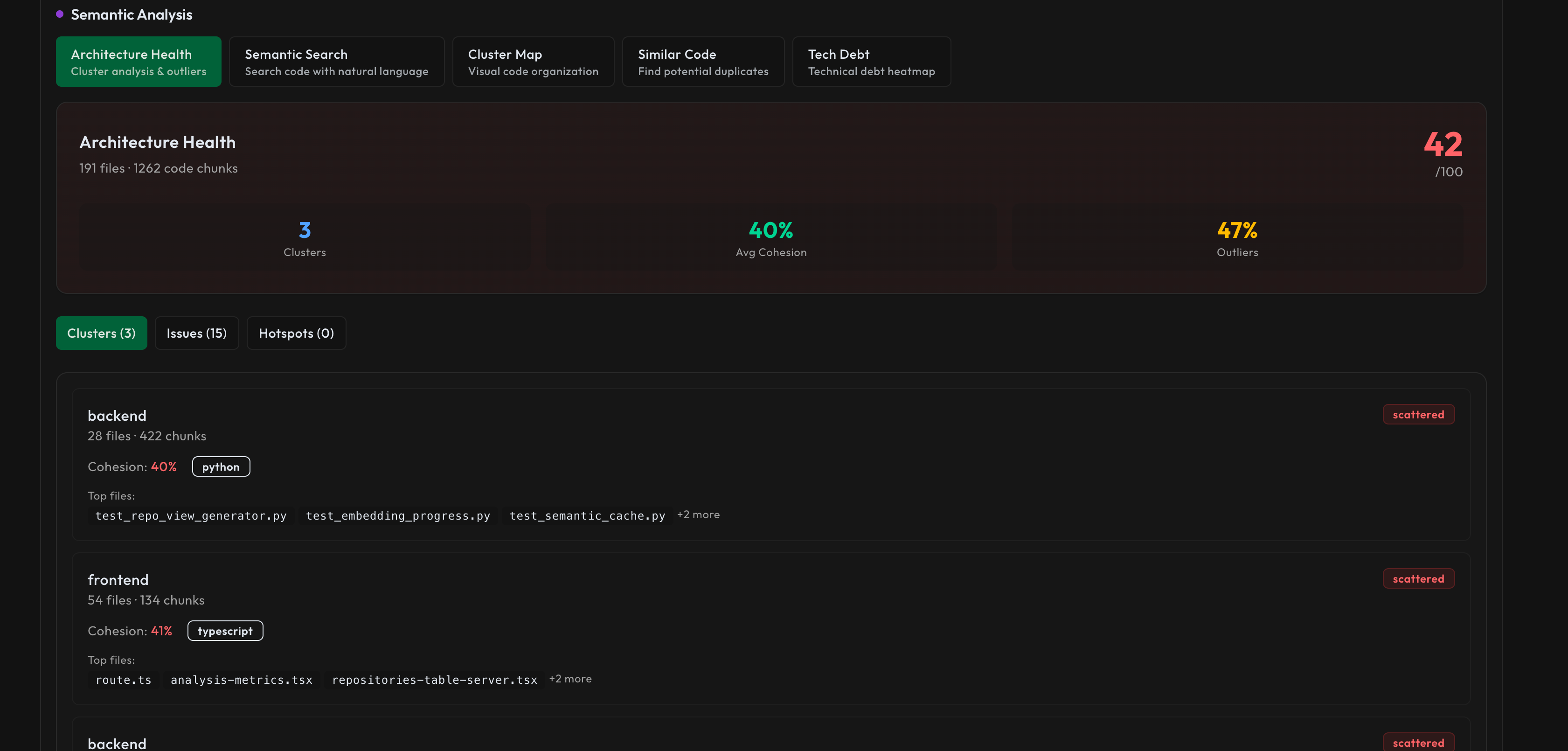
Semantic anlysis
-
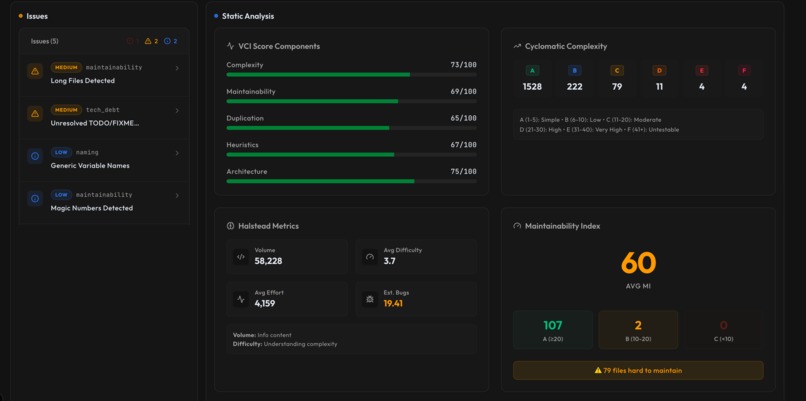
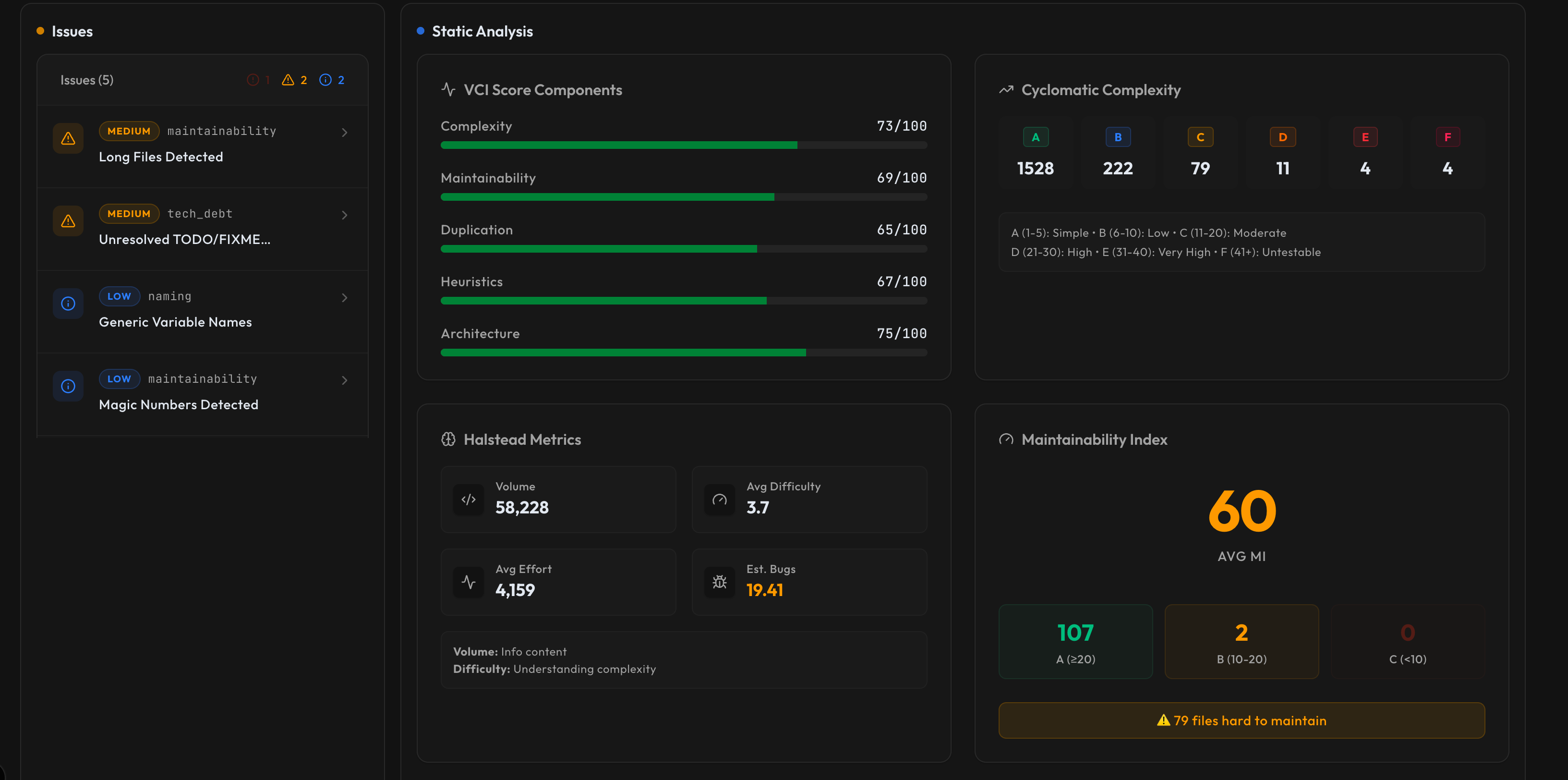
Static analysis 2
-
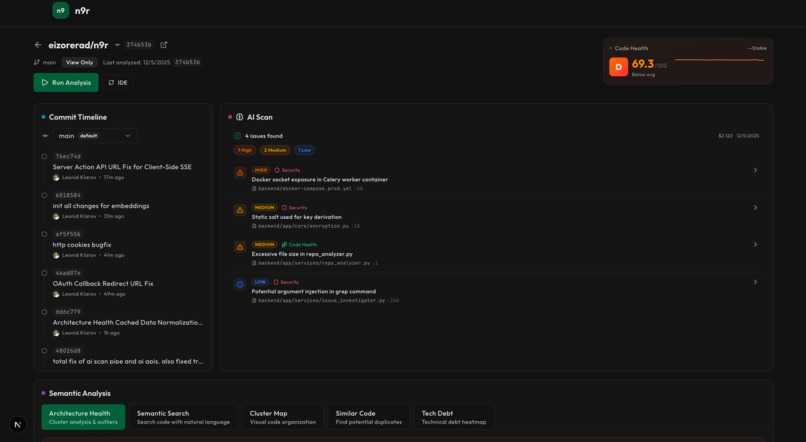
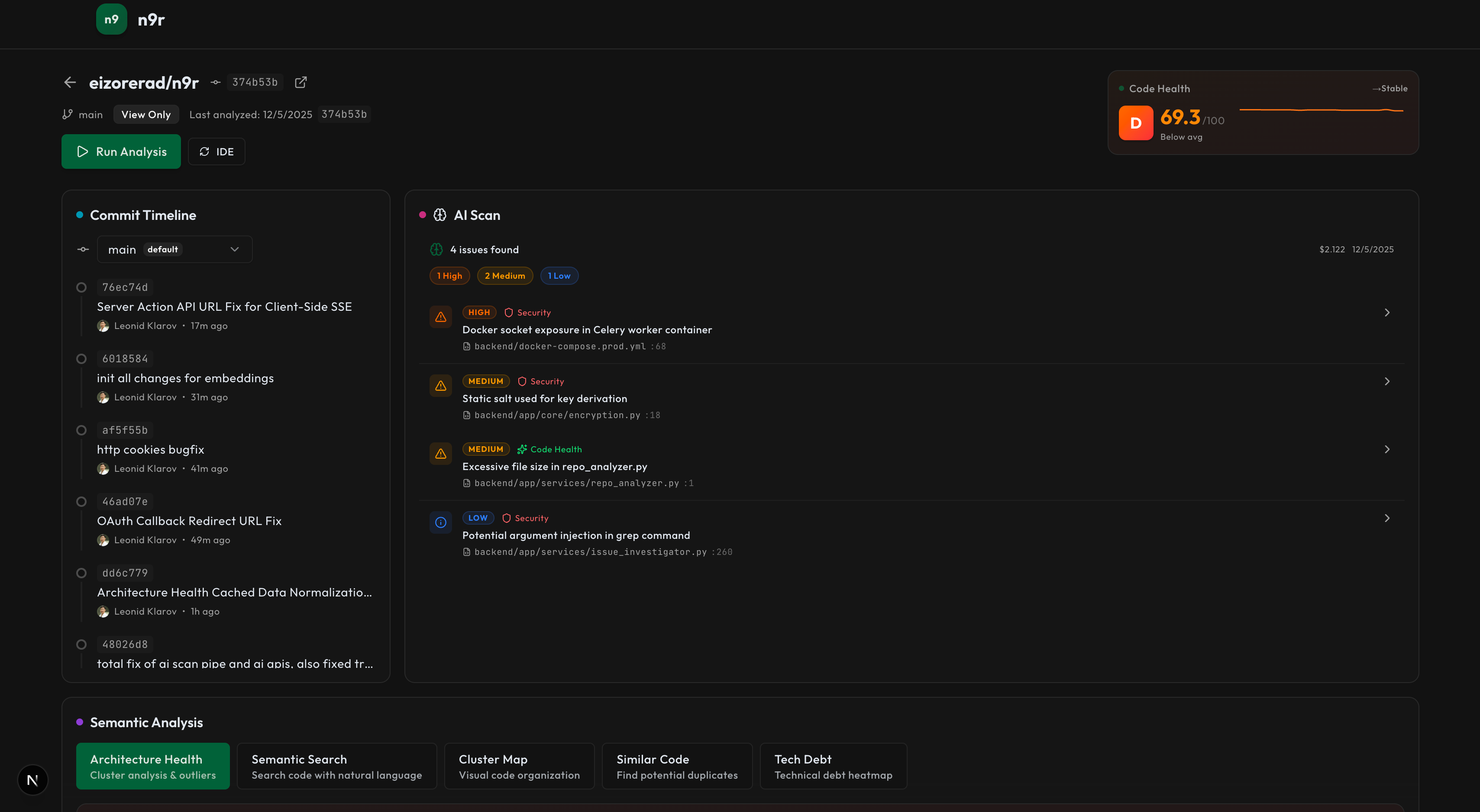
Necromancer, copy your repository, commits and changes, and make AI scan of it.
Inspiration
Inspiration Vibe coding tends to be epidemic, with many people creating code first and only later considering what they've done. Over time, this results in a chaotic mess. Meanwhile, Cursor Windsurf and Kiro employ deductive methods based on specific formulations. Therefore, we need a comprehensive solution that views the code holistically and uses heuristic strategies to make it clearer and more properly structured. Once achieved, we can offer diagnostics to the AI IDE, allowing it to revive and resurrect the code.
I'm a medical doctor who learned to code through vibe-coding. For a year, I built projects with ChatGPT, Copilot, and Kiro - shipping fast, feeling productive. Then everything started breaking. I'd spend hours manually debugging, running dozens of tries to fix simple issues.
I realized I was applying clinical reasoning: Ask → Examine → Diagnose → Treat → Verify. In medicine, we have systems and protocols. Why was I doing this manually for code?
Necromancer - n9r is the AI reanimator for your codebase.
What it does
n9r deploys autonomous AI agents that continuously heal your codebase:
AI agents for whole repo analysis in different ways: Deductive (formal logic and control flow analysis), Holistic (analyzes the entire codebase context), and Heuristic (applies pattern recognition). Calculates VCI (Vibe-Code Index) - a health score for your code (0-100) Diagnosis Agent detects issues: god files, duplication, poor naming, broken architecture Fix Agent generates context-aware repairs using RAG Test Agent auto-creates regression tests Sandbox validates the fix doesn't break anything Creates auto-PR with full explanation - you approve or reject The Healing Loop: Diagnosis → Fix → Test → Validate → (Retry if failed) → PR
How we built it
Frontend: Next.js 16 + Monaco Editor (VS Code-style Web IDE) Backend: FastAPI + Celery workers AI Agents: LangGraph orchestrator with multi-LLM gateway (GPT-4o, Claude, Gemini) Search: Qdrant vector DB for semantic code understanding (RAG) Safety: Sandboxed Docker execution + iterative healing loop (max 3 retries) Infra: PostgreSQL, Redis, MinIO, GitHub App integration
Challenges we ran into
AI fixing AI code - recursive and risky. Solved with deterministic heuristics + sandbox validation Context limits - large codebases don't fit in LLM context. Solved with RAG via Qdrant False positives - bad fix suggestions destroy trust. Solved with healing loop: if fix fails validation, agent retries with error context
Accomplishments that we're proud of
Working on the healing loop - analyze sessions that diagnose now, and in the future—fix, test, and create PRs VCI metric - quantifiable code health score with hard heuristics Medical-grade reasoning applied to software: first, do no harm (sandbox validation)
What we learned
Vibe-code is a real epidemic - AI helps write code but nothing helps maintain it The diagnosis-fix-test loop is predictable and automatable Clinical reasoning translates perfectly to debugging Trust requires verification - sandbox testing is non-negotiable
What's next for n9r
MCP integration - connect external tools via Model Context Protocol Agentic RAG -smarter document grading and query rewriting Parallel analysis - orchestrator-worker pattern for large repos GitLab/Bitbucket support Enterprise: VPC deployment, SSO, audit logs Fine-tuned models for specific frameworks and languages
Built With
- celery
- claude
- fastapi
- gemini
- github
- kiro
- langgraph
- minio
- monaco
- nextjs
- postgresql
- qdrant
- redis


Log in or sign up for Devpost to join the conversation.