-
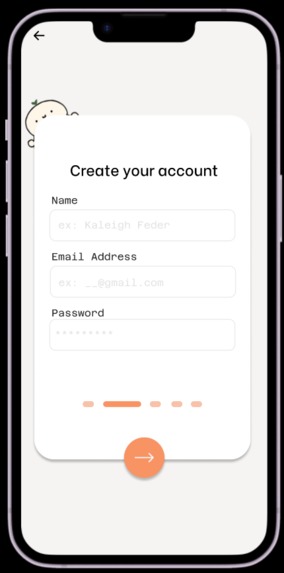
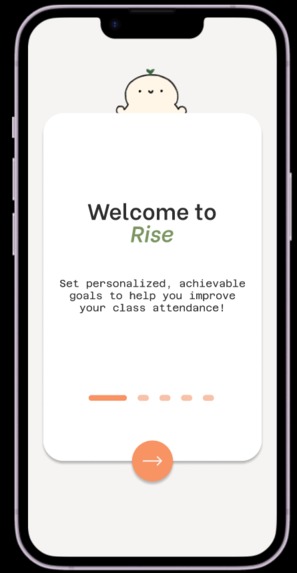
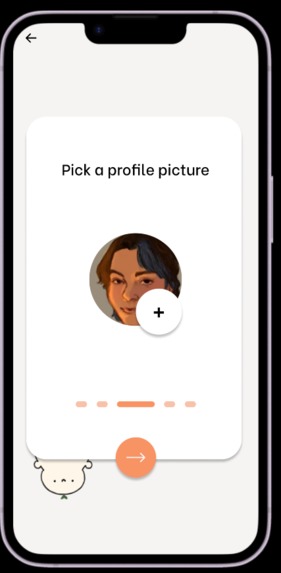
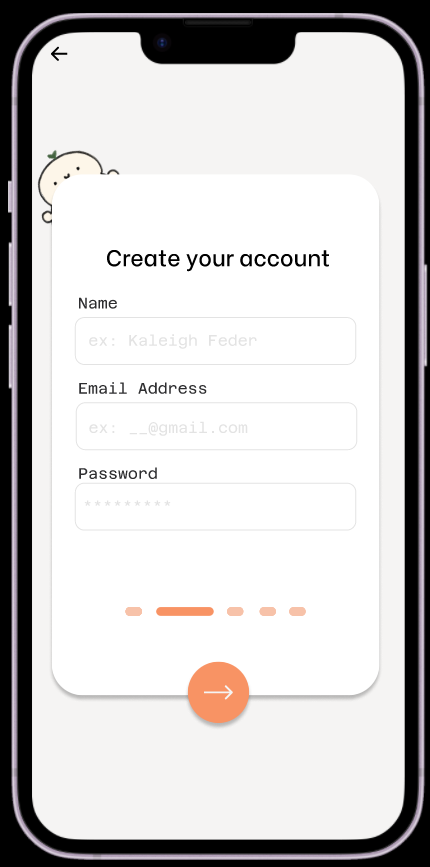
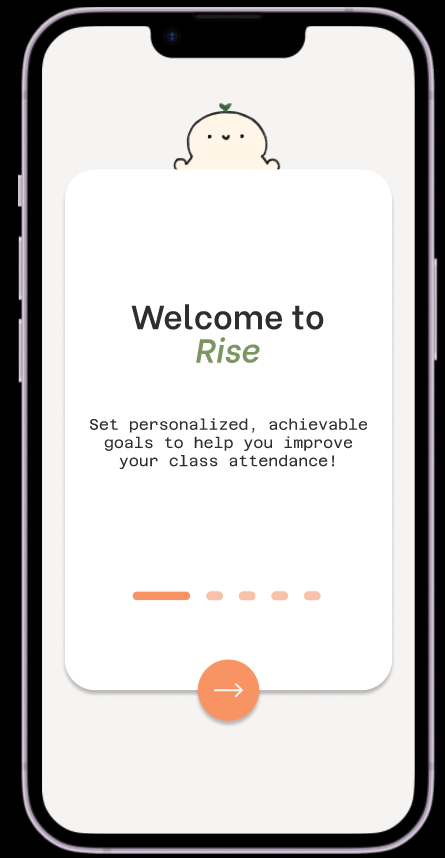
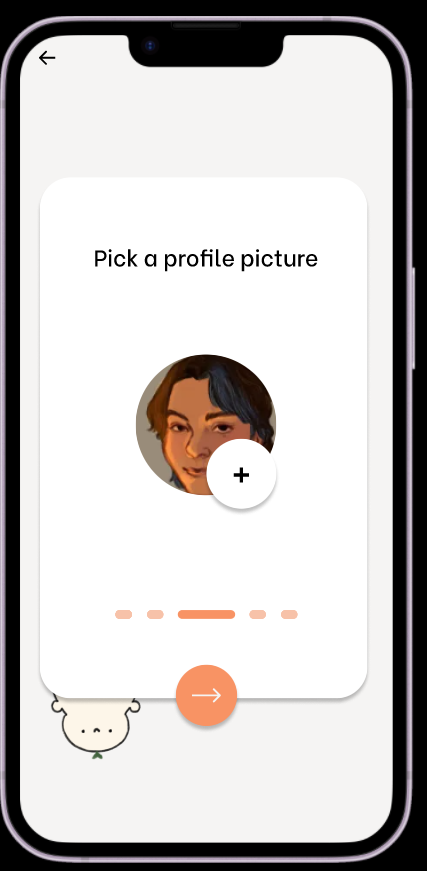
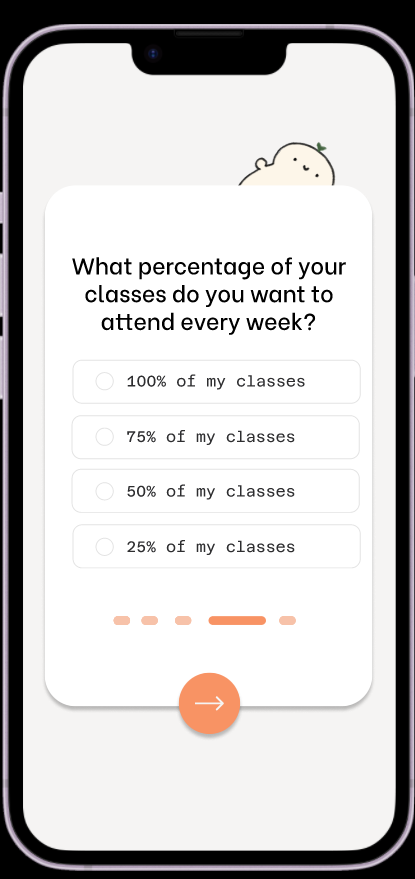
Onboarding flow
-
-
-
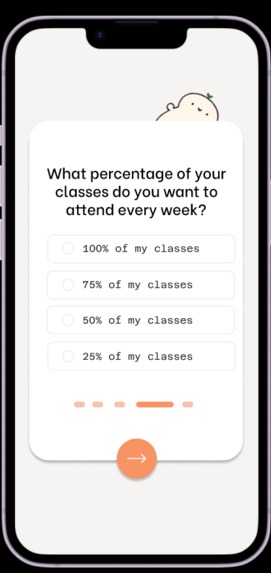
Select attendance goal
-
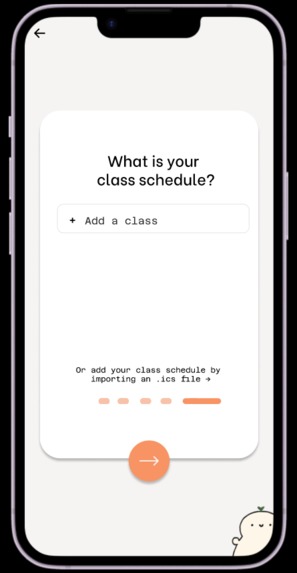
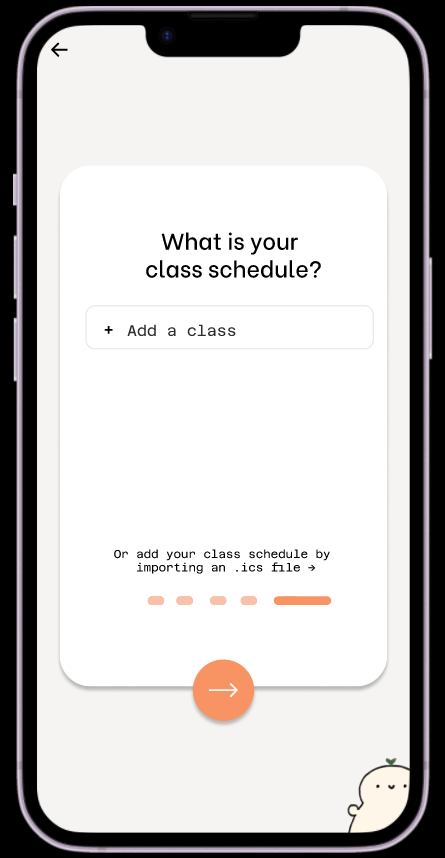
Add classes
-
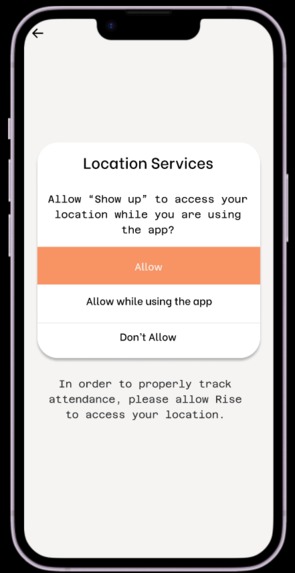
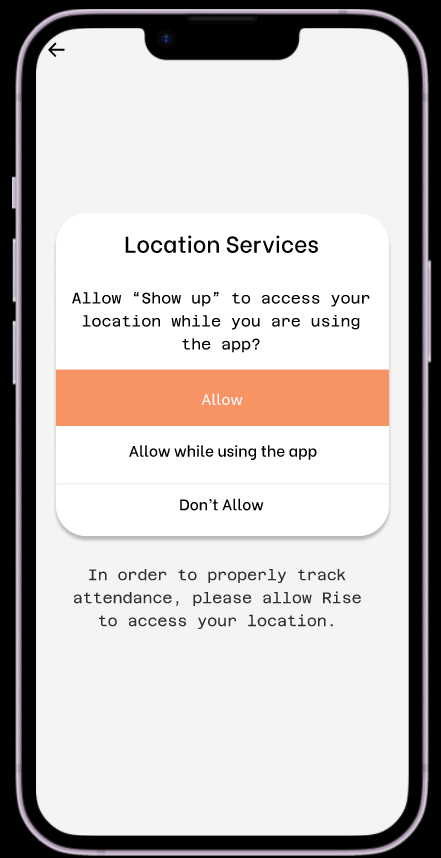
Permissions prototype
-
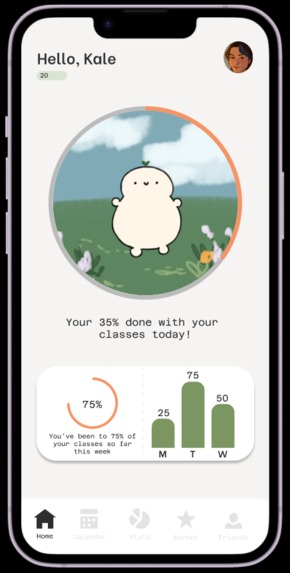
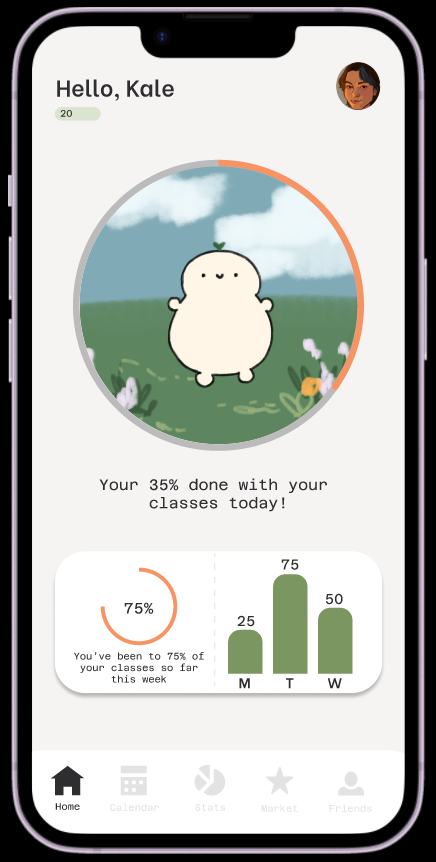
Homepage prototype
-
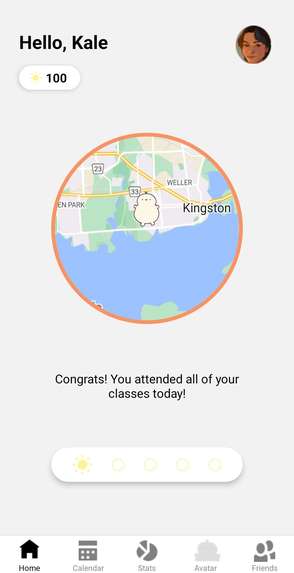
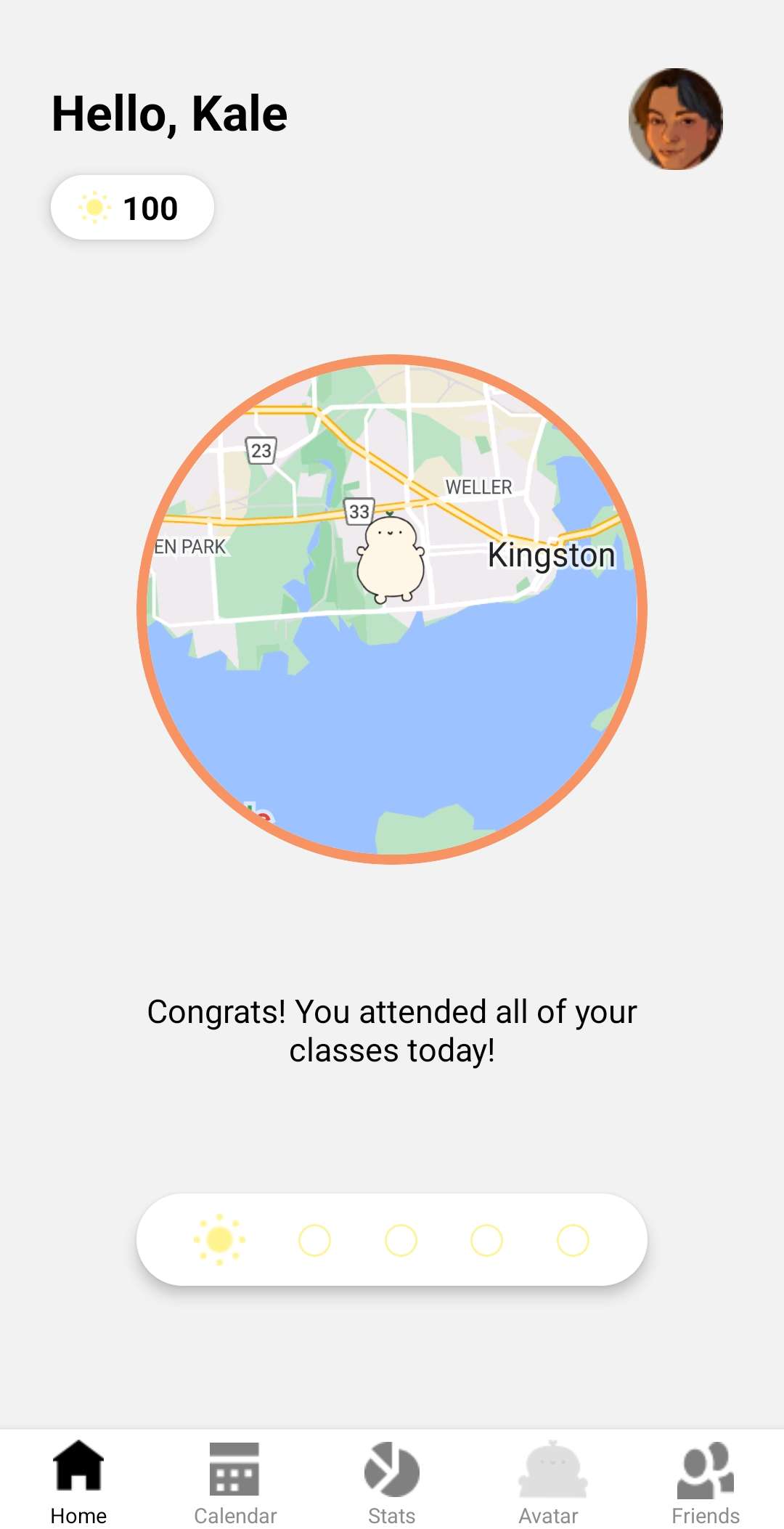
Homepage implementation
-
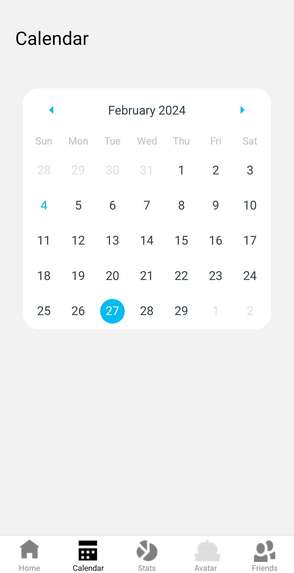
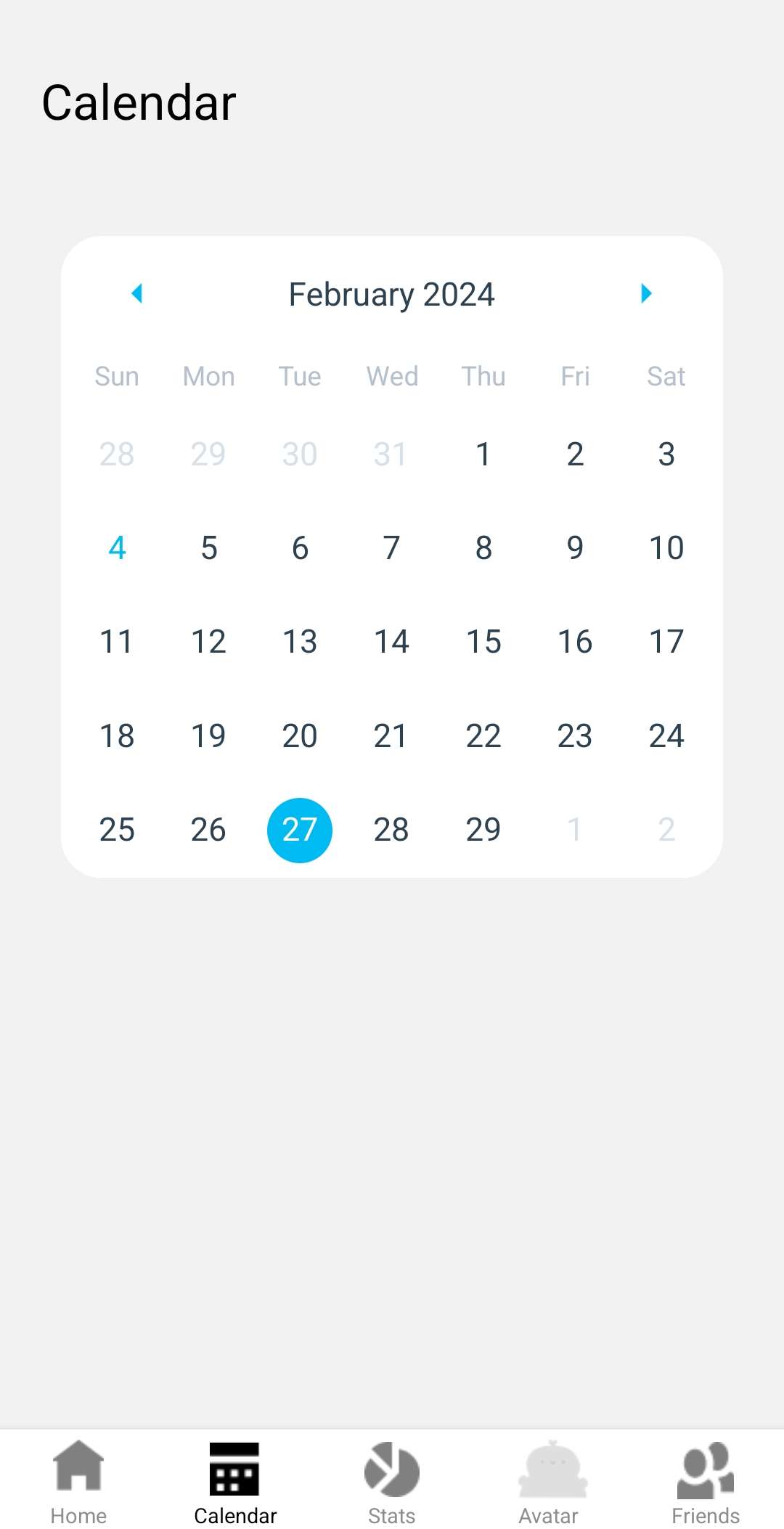
Calendar implementation
-
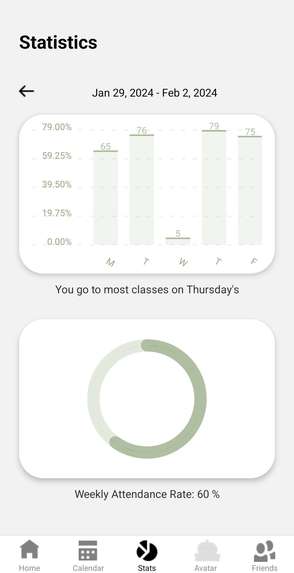
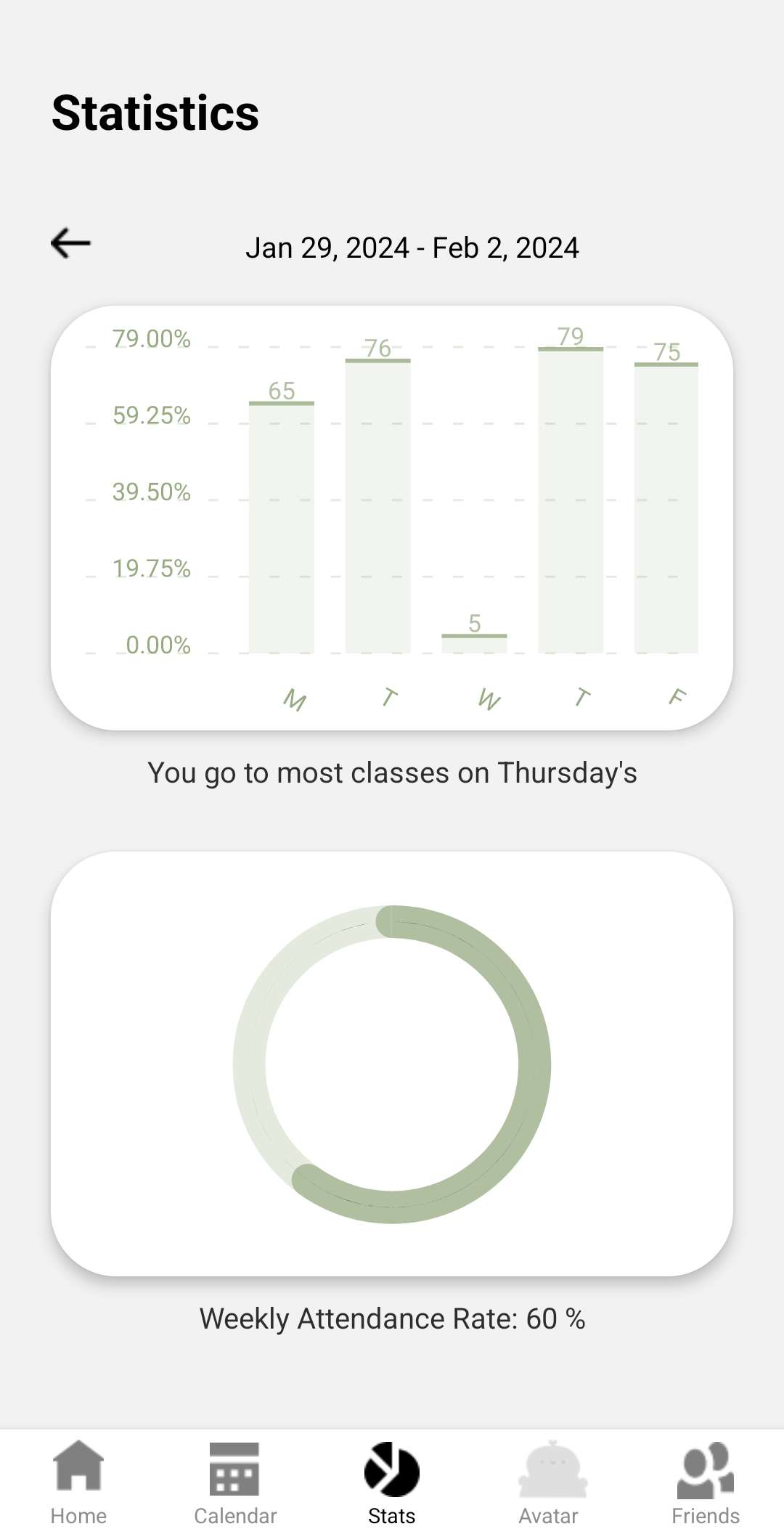
Metrics implementation
-
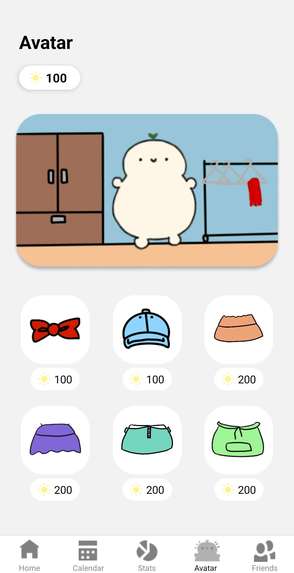
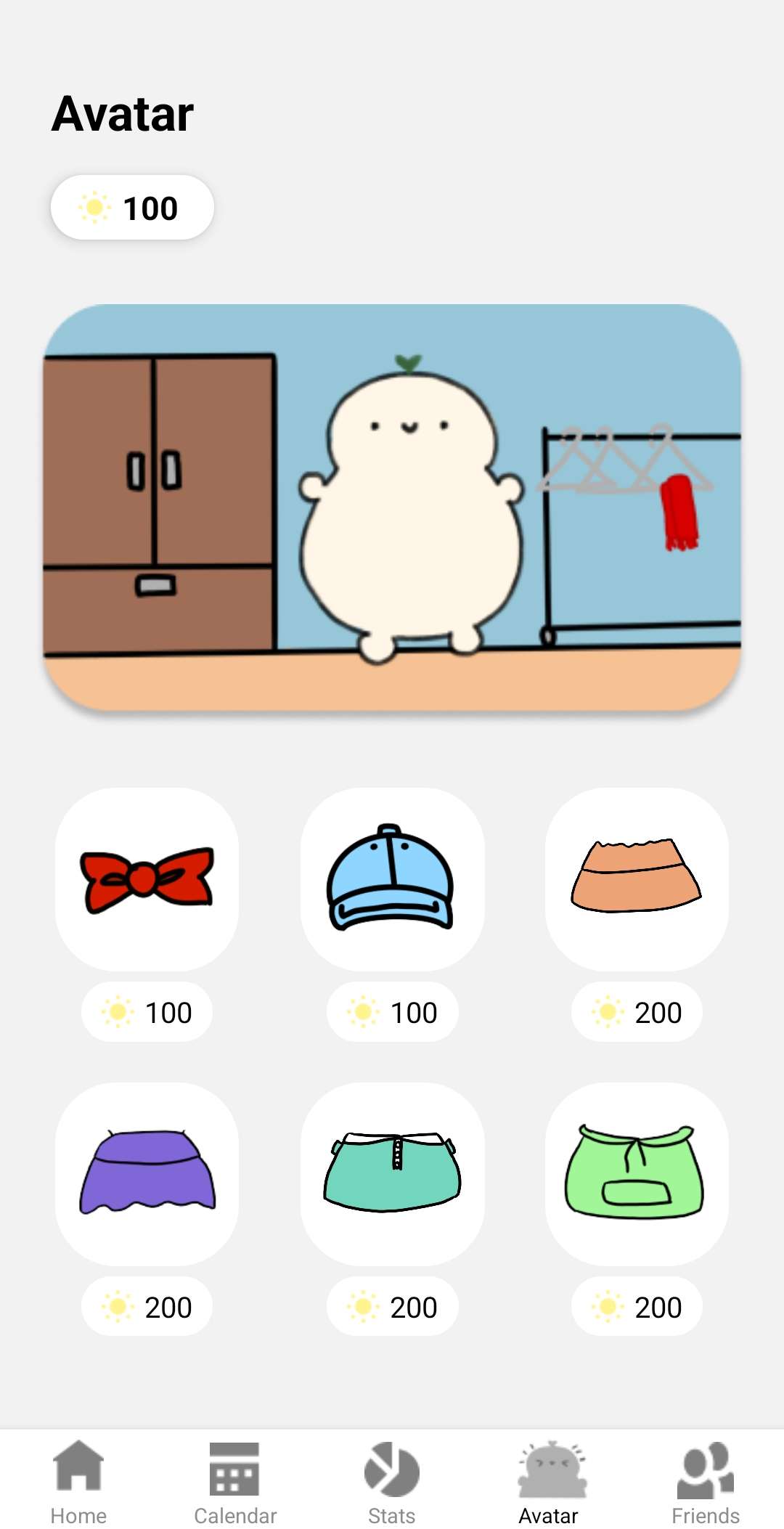
Avatar customization Implementation
-
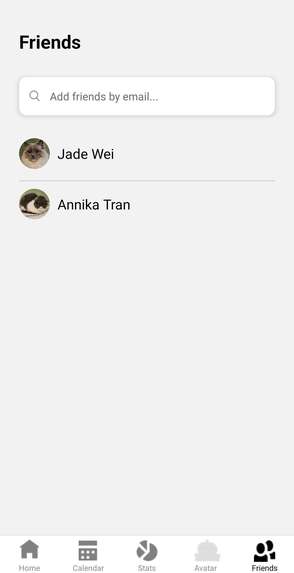
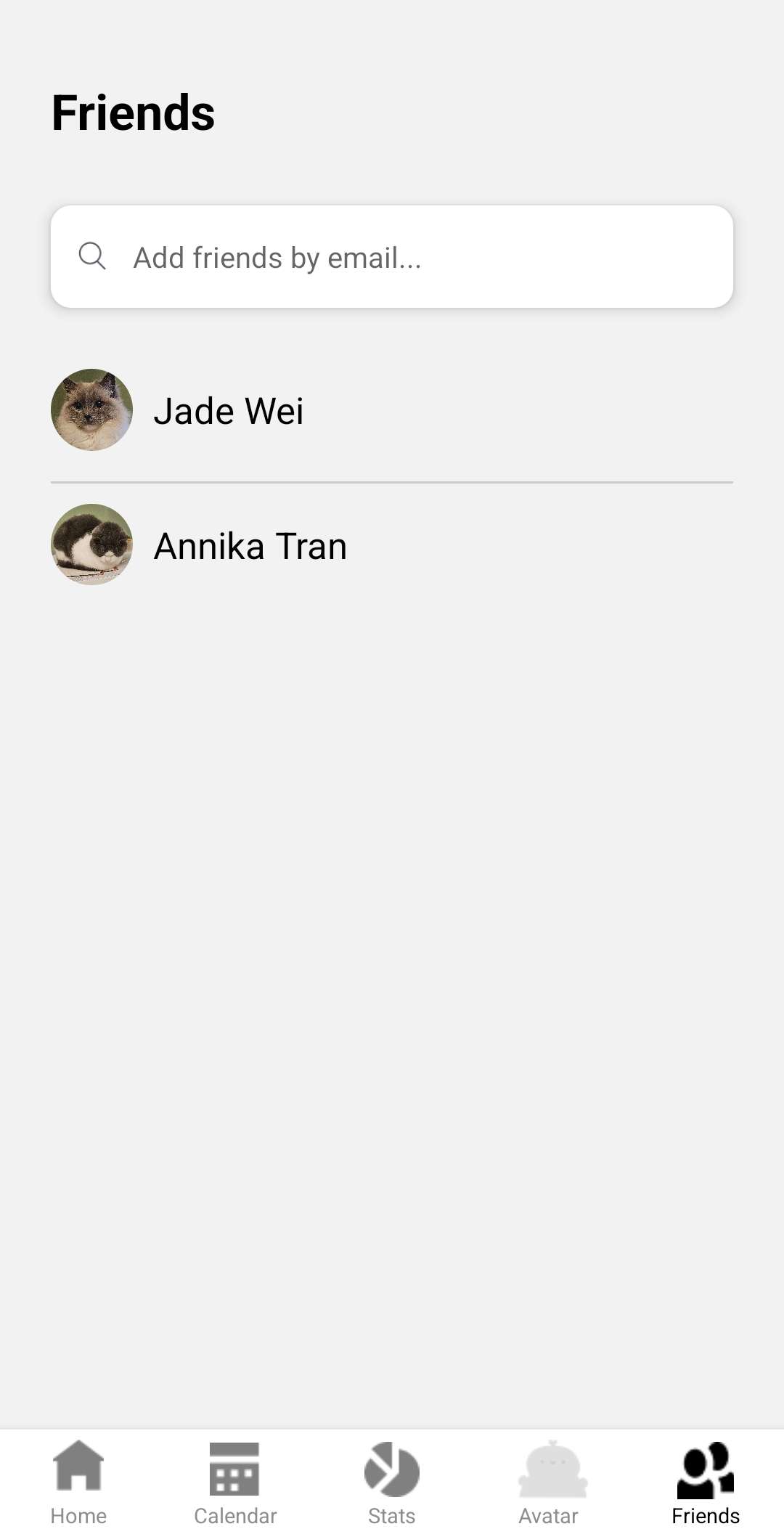
Friends list implementation
Inspiration
Drawing inspiration from our personal academic journeys and identifying challenges faced by fellow students, we wanted to create a solution that resonated with students seeking motivation tailored to their unique circumstances. Reflecting on our own experiences, we acknowledged that attendance struggles were not always rooted in a lack of motivation; sometimes external factors played a role. This realization fueled the integration of flexibility into our goal-setting. While achieving goals in their entirety is undoubtedly ideal, we recognized the importance of striking a balance between productivity and well-being.
In contrast to traditional methods that rely on guilt and unrealistic objectives, our approach embraces gamification and realistic metrics. By doing so, we aimed to create a positive and achievable path toward academic success and class attendance, acknowledging the nuanced nature of students' lives and motivations.
Seeing the lack of attendance in class also discourages other people from going and a valuable part of education is learning from others and peers, making that in-person connection.
What it does
While onboarding, Rise allows its users are then able to select their weekly attendance goal based on their personal circumstances. Users are also able to either manually input their class schedule or import their entire class schedule as an .ics calendar file. The app uses geolocation to record whether or not has attended class, as well as uses it to determine if the user’s friends have also attended class and are nearby.
Rise incorporates a gamification aspect through the character that lives in the app who is happy as you consistently meet your personalized goal, and sad when you don’t. As you attend class, you receive a ‘sun’ currency that you can use to buy customizations for your character. As a user consistently attends class, they maintain an attendance streak. This contribtues towards their weekly attendance goal, motivating students to keep up their attendance to not lose their streak.
A user would be able to add their friends and optionally share notifications with each other when the other leaves for or arrives to class! There would also be notifications for when a user should leave for their class, based on their current location, as well as for when a user’s attendance starts to improve or decline.
How we built it
First, the app was wireframed, and then designed and prototyped with Figma. Then, we set up the frontend with React Native so that our app could run on both iOS and Android devices. The backend is built with Node.js, a JavaScript runtime. For the database, we used MongoDB and Mongoose to maintain the structure of our data. To predict the likelihood of whether or not the user will attend class on a given weekday based on prior data, we used Brain.js, a JavaScript library used for neural networking in the backend. To host the backend, we used AWS Lamba.
Challenges we ran into
None of our members had prior experience integrating an AI model into an application, so it was a struggle to both learn about how AI works and train the AI model while getting it to predict data accurately. Initially, we had planned on using Tensorflow due to its popularity, but we decided to pivot to Brain.js as it was more beginner friendly.
In addition, we ran into challenges connecting our backend to our frontend with CORS and hosting. The time constraint was also a challenge to work with, given our lack of experience in working with both React Native and AI.
Accomplishments that we're proud of
For 2/3 members, it was their first hackathon which is a huge accomplishment. Some of our proudest work is the time we took into our design to make it more personal and user-friendly.
We were able to successfully use Brain.js to make a basic AI model and train it based on the data we provided, which was an accomplishment given that this was the first time we worked with AI.
The fact that we were able to make a portion of a working full-stack application within the time limit was also something we are proud of.
What we learned
We learned a lot about UX/UI design interfaces and how to Figma. Going through the process of designing the application allowed us to learn how to use the tools of Figma more efficiently.
This was the first time some of us had used technologies such as React Native, Javascript, Github, and MongoDB. We learned how to use React Native to implement features and style our application. Using Javascript, we were able to build a working backend. With MongoDB, we learned about how a database works as well as how it interacts with a backend. Using Git, we learned how to collaborate with one another on a shared codebase by using commands such as commit, push, and pull.
We also learned about AI concepts and how to create a basic AI model. We learned more about the process of training the model to acquire better predictions.
What's next for Rise
Unfortunately due to the time constraints, we were unable to implement the onboarding flow as well as develop some of the more advanced features that were in our initial design. Completing these would be our immediate next step for Rise. We also wanted to implement a notification feature as explained in the ‘What it Does’ section.
We envisioned a more advanced AI model that could detect deviations in attendance as well as more accurately predict the likelihood of a user attending classes on a given day in the future. The next step would be for us to learn more about how AI works and relevant technologies, and use that knowledge to create a more powerful model.
In addition, the design of our app could be fleshed to look more sophisticated and eye-catching.
Based on user feedback, our app could be more accommodating or helpful towards those who are unable to make it to class for reasons out of their control. We would take these into consideration so that Rise can help more people make it to class.
Built With
- brain.js
- figma
- javascript
- mongodb
- node.js
- react-native


Log in or sign up for Devpost to join the conversation.