
Inspiration
We were inspired by the growing challenges of employee burnout, social isolation, and the difficulty for employees to fully disconnect and recover from work. Traditional corporate wellness programs often fail to address the root causes of these issues. We wanted to leverage technology and existing physical workspace to create a system that proactively supports emotional health, builds organic team cohesion, and helps individuals find their optimal "flow state" at work.
What it does
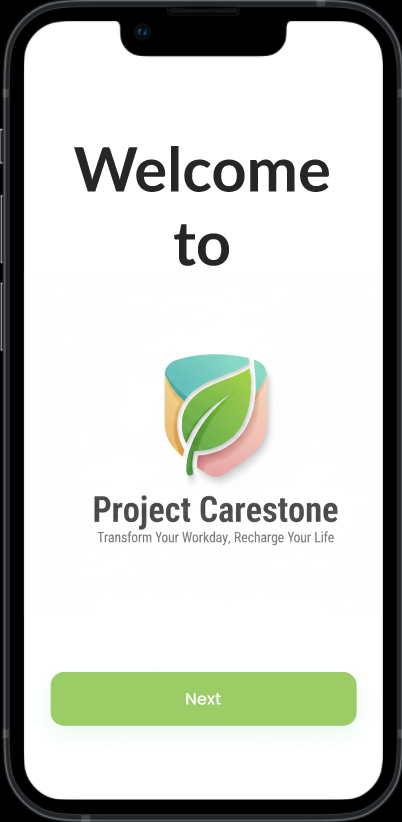
Our project, provisionally called "Project Carestone", is a holistic well-being platform designed to optimize productivity, prevent burnout, and foster genuine social connections within a company or school environment.
It operates through three main features:
Social Connections Feature (The "In-Person Matchmaker"):
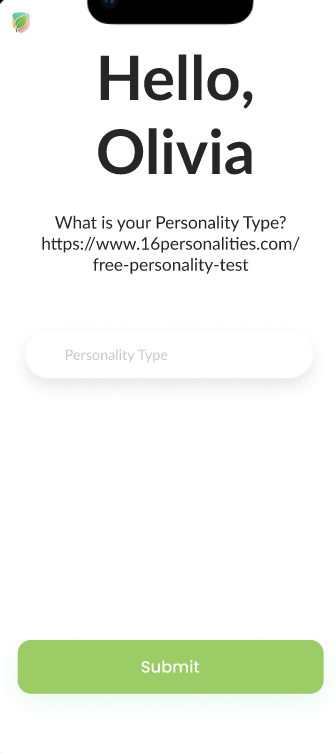
Uses a personality survey (e.g., the 16 Personalities survey) to match employees for team-building events, pairing them based on complementary traits for projects or shared interests for casual hangouts (like lunch or activity planning).
It uses a "little tap-in" button and daily/mid-day check-in surveys to gauge current mood and capacity.
It suggests casual, interest-based social connections ("Liking for Departments") rather than forced networking.
Recovering from Burnout Feature (The "Flow State Coach"):
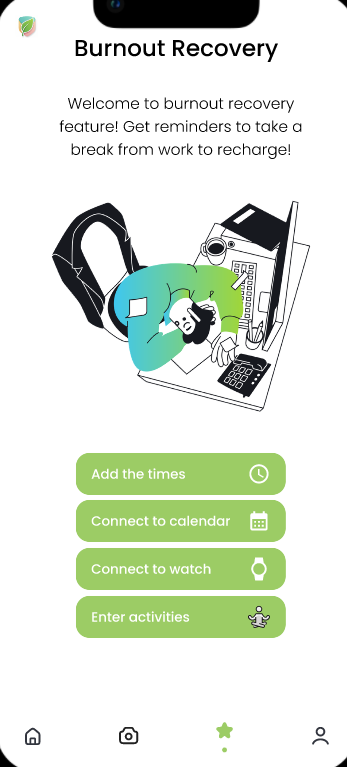
A burnout recovery timer that issues a 5-minute breather reminder after a period of intense focus or when stress metrics are high.
It uses heart rate monitoring and tracks metrics like hyper-focus to determine when the user is deeply in their flow state.
It learns a user's emotional fingerprints and schedules micro-interventions (5-minute breaks, playlist recommendations, movement nudges) to lower afternoon productivity dips.
Includes an optional pomodoro timer and a manager notification for employees who feel disconnected or are experiencing severe burnout.
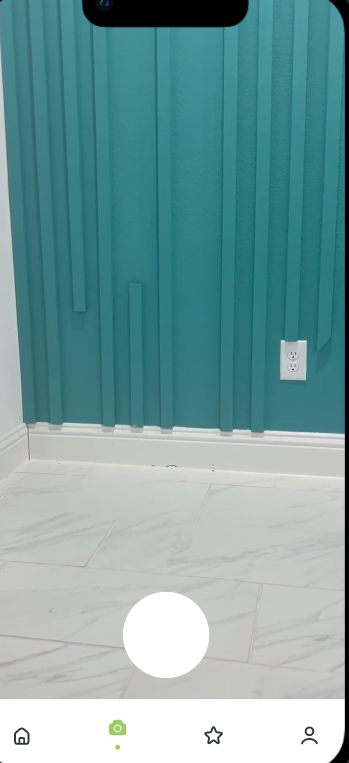
Physical Space Support (The "AI Workspace Optimizer"): Onboarding Survey: Helps new employees design their ideal workspace by suggesting a Workspace Generator, furniture options, and even asking if they want to buy new items for their desk. AI Suggestion: Based on input, photos of a user's desk, and office building feedback, the system suggests improvements like adding natural light, a plant, or an adjustment to the workspace layout to enhance well-being.
How we built it
Challenges we ran into
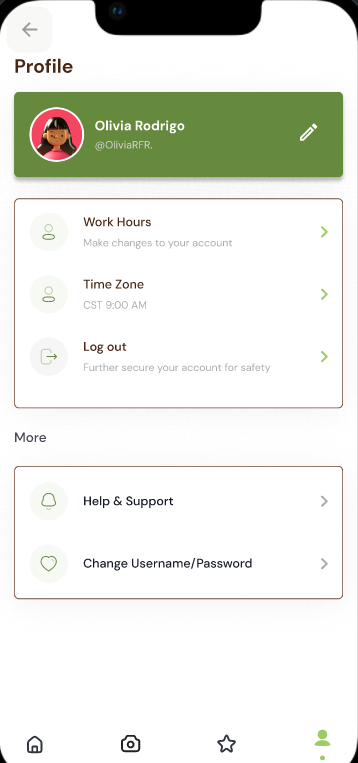
Privacy and Trust: The biggest hurdle was ensuring users felt comfortable sharing highly sensitive data like heart rate, burnout levels, and personality traits. We focused on a design where all personal wellness data is private to the individual and only aggregated/anonymized data is shared with managers (e.g., "The team is experiencing high levels of burnout," not "John Doe is burned out").
Algorithm Accuracy: Designing a matching algorithm that produces truly compatible and valuable social connections without being overly complex or missing genuine connections. We struggled with balancing personality data (e.g., Introvert vs. Extrovert) with current mood data to suggest appropriate activities.
Adoption Rate: Getting busy employees to regularly use the check-in and burnout recovery features. We tackled this by making the check-ins extremely brief ("little tap-in") and the notifications non-intrusive and highly personalized.
Accomplishments that we're proud of
Functional Burnout Recovery Logic: We successfully mapped out a logic flow that uses biometric data (simulated) to trigger a personalized, timely intervention (like a 5-minute break) before a productivity crash.
User-Centric Design: Our focus on making social features opt-in and based on genuine interest ("Liking for Departments") rather than mandatory company events is a key differentiator.
The "Workspace Optimizer" Concept: We were proud of integrating the physical environment into the emotional well-being solution, making the app relevant to a hybrid work model.
What we learned
We learned that a successful well-being product needs to be proactive, not reactive. Simply offering resources after a user reports burnout is too late. The most crucial component is the ability to use subtle, real-time data to intervene with micro-suggestions before stress levels become critical. We also learned the importance of manager buy-in for the notification feature, which requires clear communication about the goal: not to police employees, but to offer support.
What's next for
Full Manager Dashboard: Develop a robust, privacy-compliant dashboard for managers to view anonymized team well-being trends, helping them adjust workloads and team structures proactively.
Gamification: Introduce fun elements (like small rewards or badges) for consistent use of the well-being features and successful task completion in the flow state.
Deeper Integration: Explore direct integration with HRIS systems for seamless onboarding and offboarding, and expand calendar integration to include suggested "focus blocks" based on a user's optimal working times (chronotype)
We are submitting to the General and the CBRE Track!!!
Built With
- figma


Log in or sign up for Devpost to join the conversation.