-
-
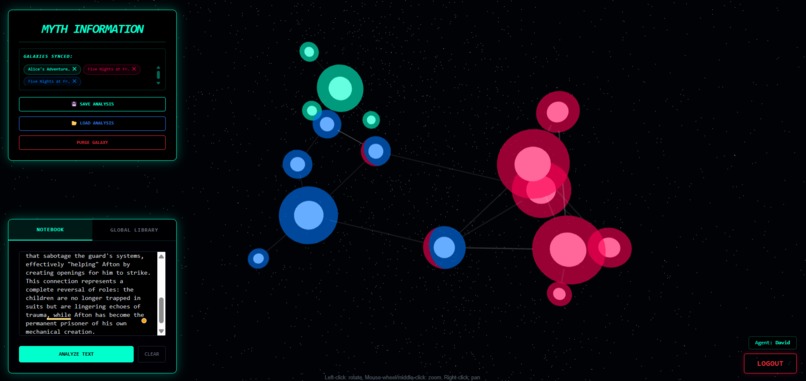
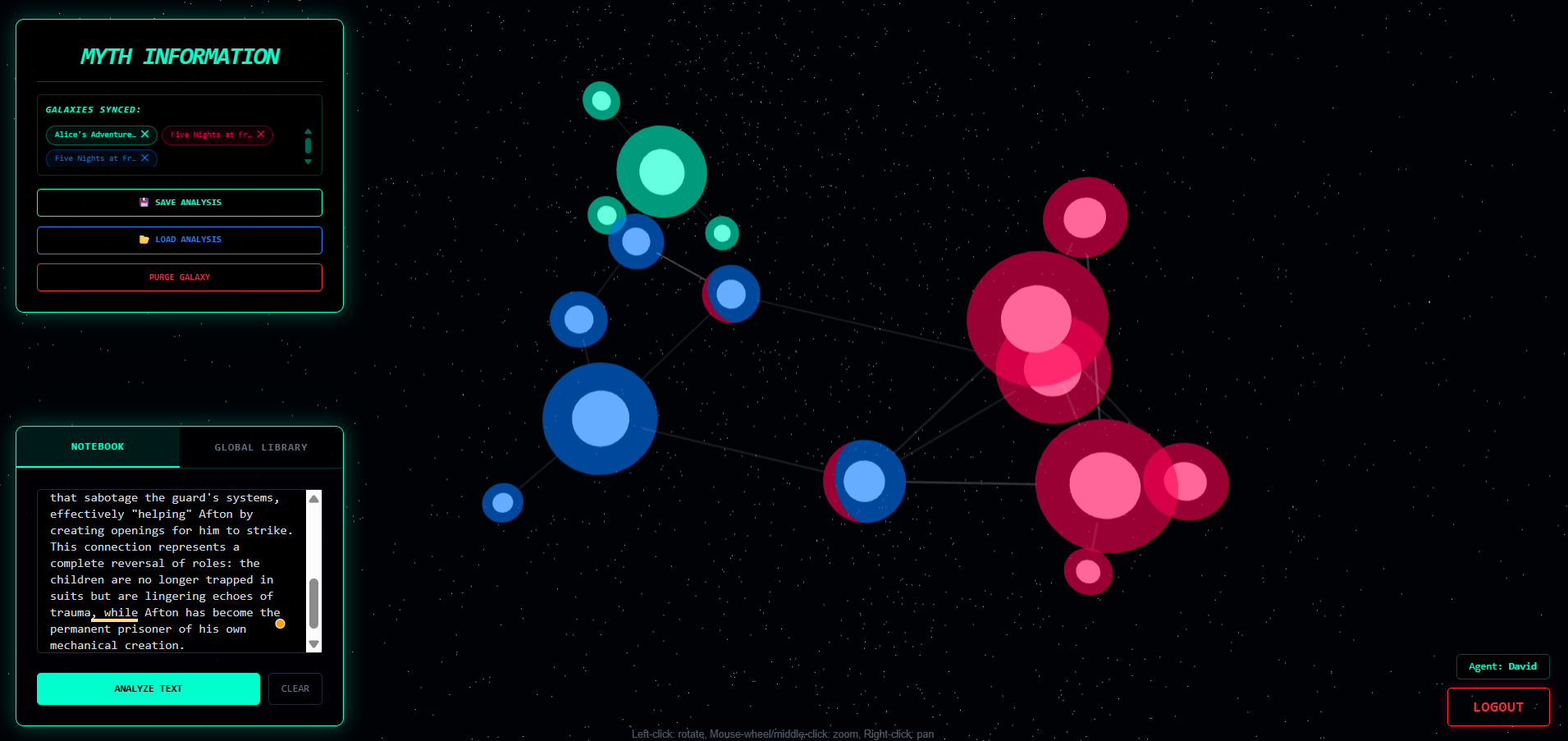
Character Graphs
-
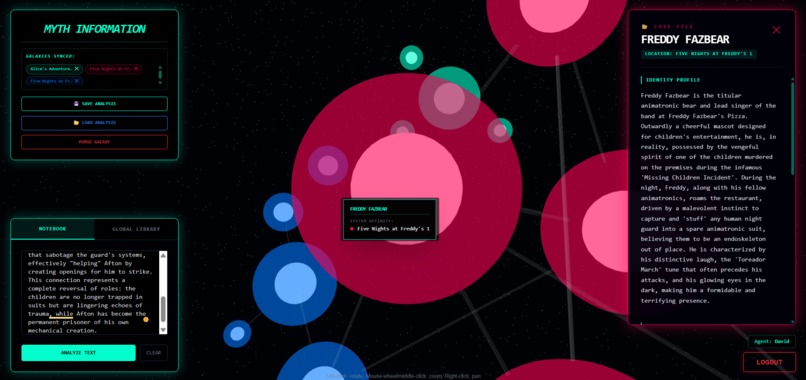
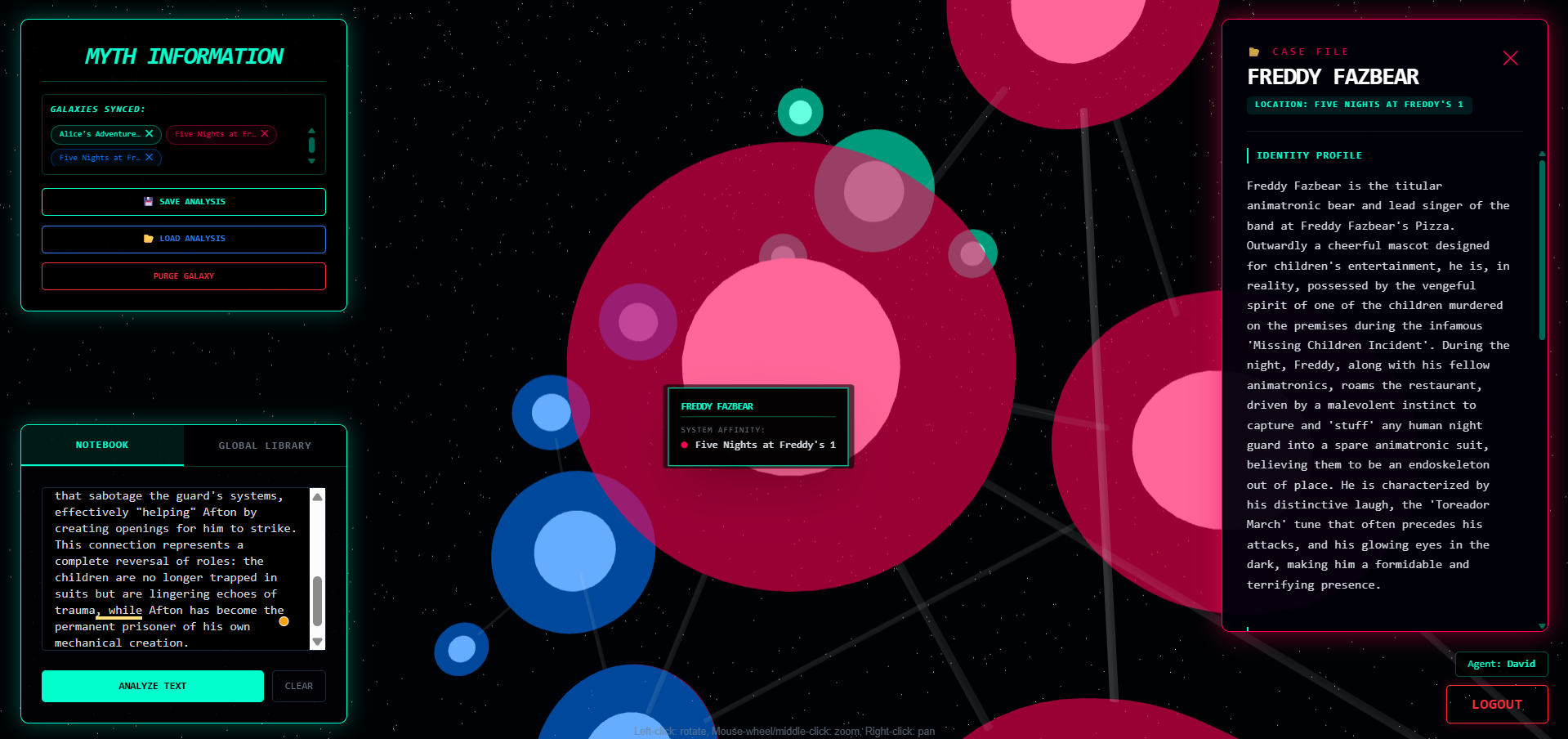
Character Dossier
-
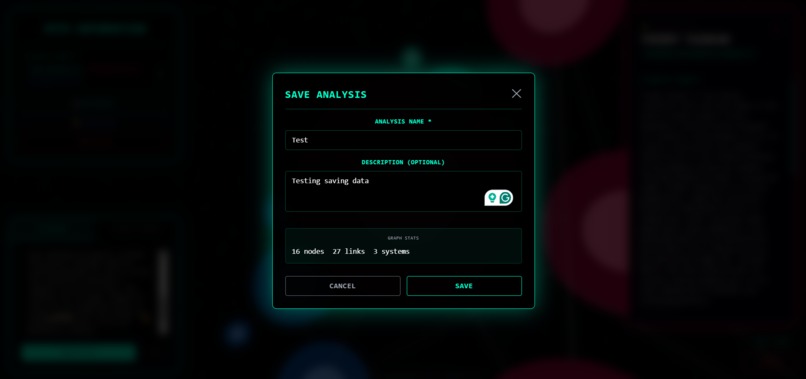
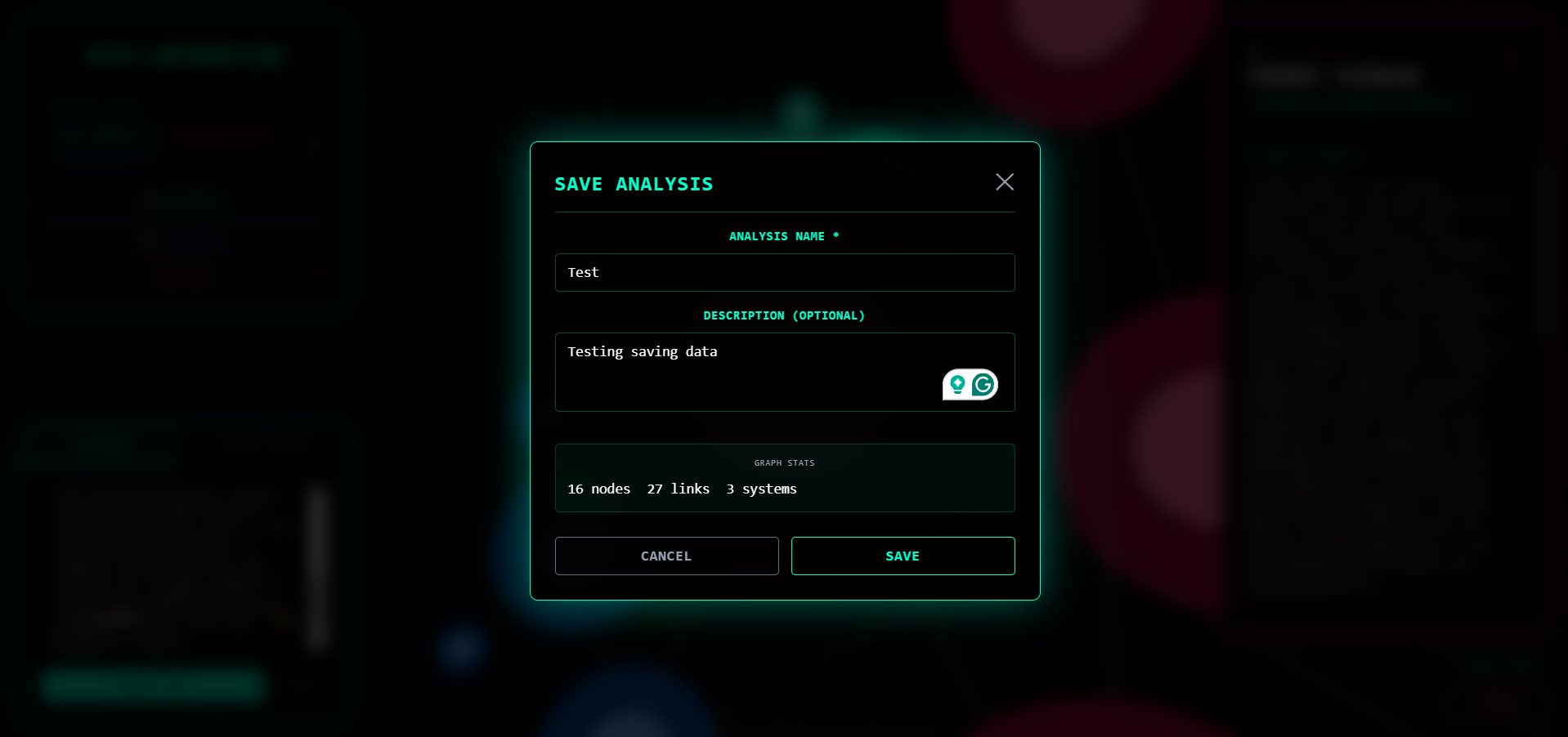
Saving Analysis
-
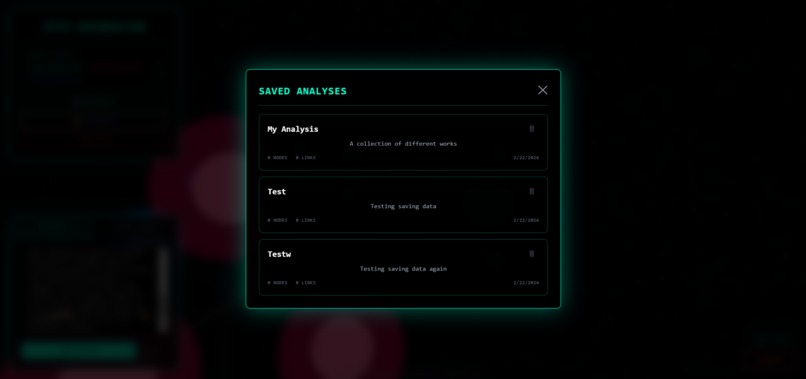
Load Analysis
-
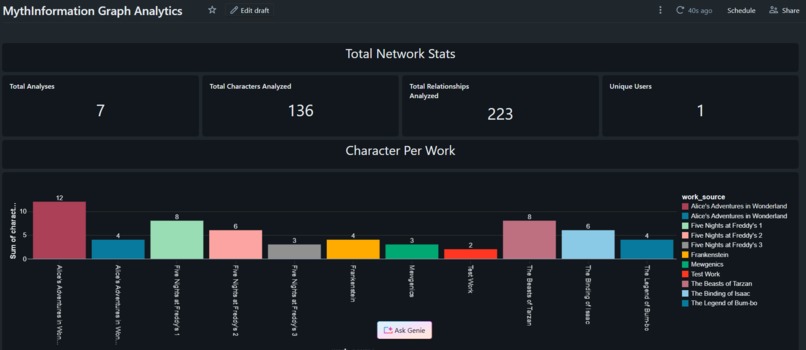
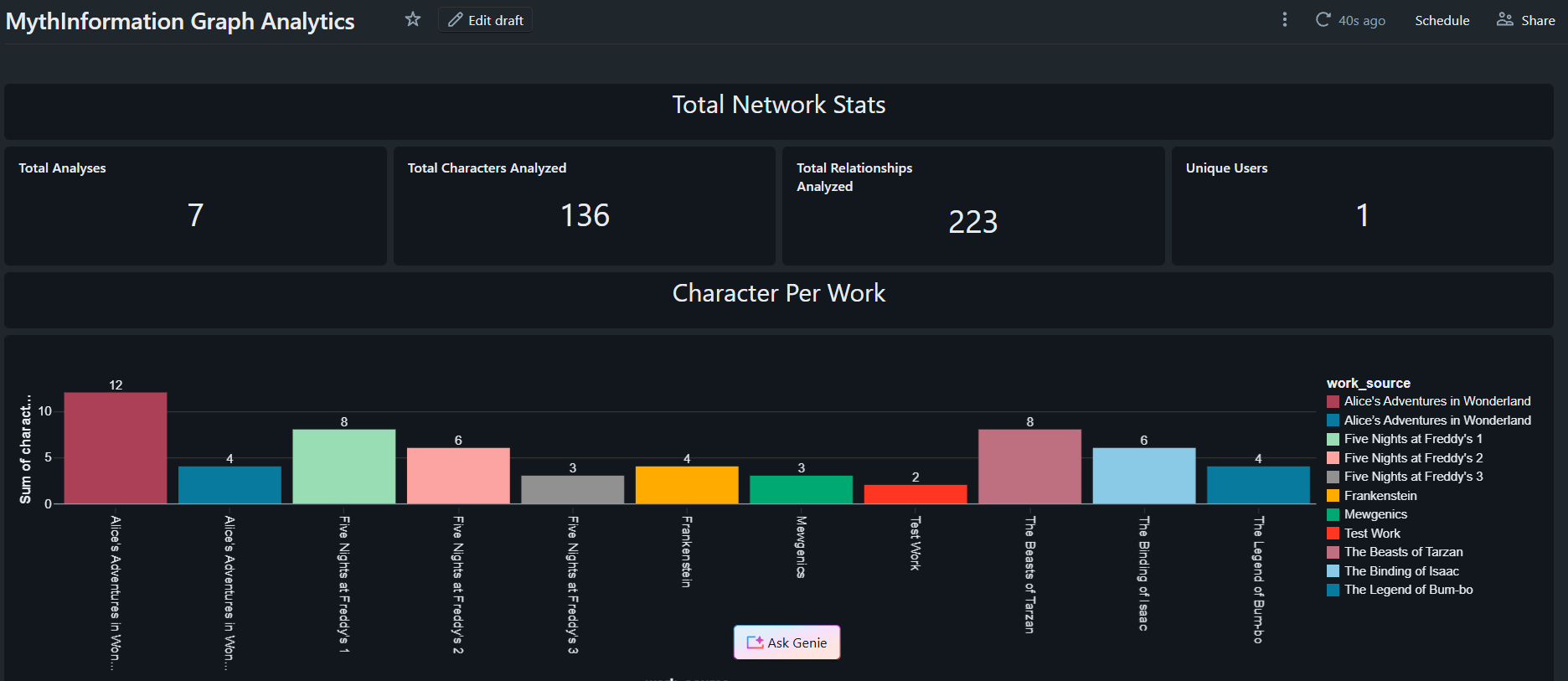
Databricks MythInformation Graph Analytics
Inspiration
I wanted a way to make dense lore feel navigable and fun. Fandom wikis are huge but static; I imagined an AI “story detective” that turns chaos into a living universe you can explore.
What it does
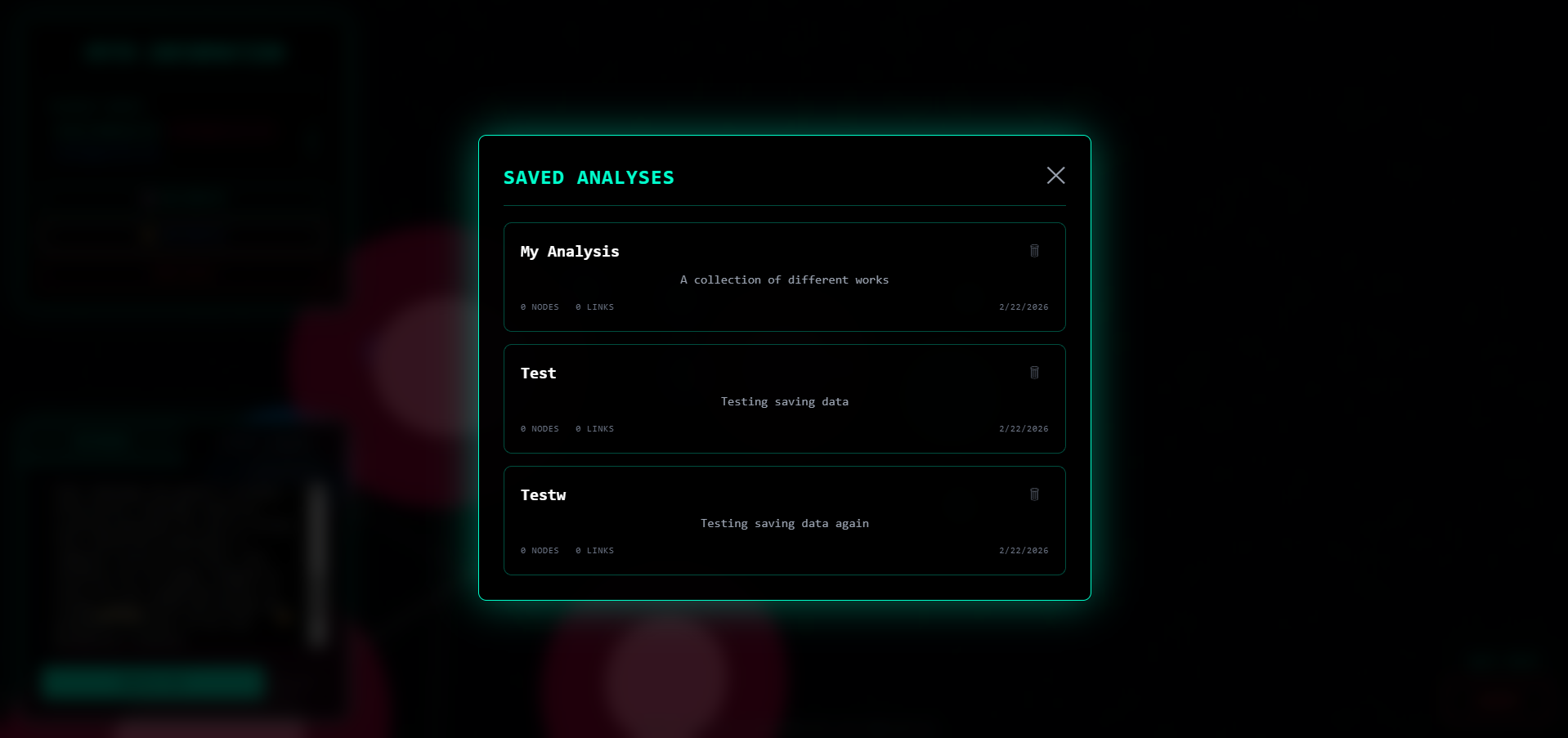
MythInformation ingests story text and auto-builds a 3D knowledge graph of characters and relationships. You can save analyses, edit connections, get ML-predicted relationship types, and view analytics in Databricks dashboards.
How we built it
FastAPI + PostgreSQL for the backend, React + Three.js for the 3D frontend, Gemini for extraction, NetworkX for graph metrics, scikit-learn for relationship prediction, and Databricks for analytics. Deployed with Vercel/Render.
Challenges we ran into
CORS and deployment quirks, blocking Databricks writes, schema mismatches in Unity Catalog, and model version compatibility. Fixing asynchronous logging and defensive data handling resolved the most significant issues.
Accomplishments that we're proud of
A full end-to-end system: AI extraction, 3D graph UI, persistence, ML predictions, and real analytics. The app is fast, stable, and visually unique.
What we learned
How to wire AI pipelines into real products, handle production-grade data flow, debug cloud and deployment issues, and ship ML features that actually help users.
What's next for MythInformation
Polish the UX, add collaboration/sharing, expand ML features, improve mobile responsiveness, and ship a public demo with a full analytics story.
Built With
- databricks
- fastapi
- html
- javascript
- networkx
- python
- react
- render
- tailwindcss
- three.js
- vercel
- vite


Log in or sign up for Devpost to join the conversation.