-
-
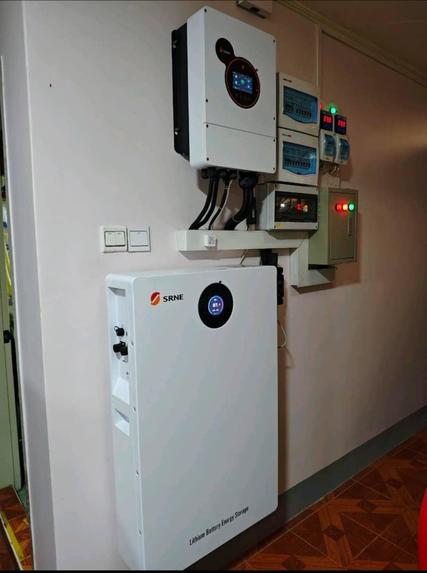
5kwh ESS
-
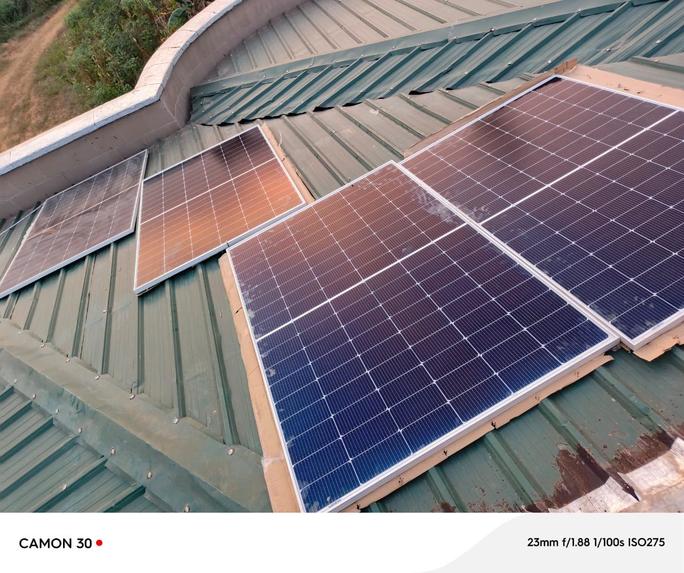
5 Kwh Panels
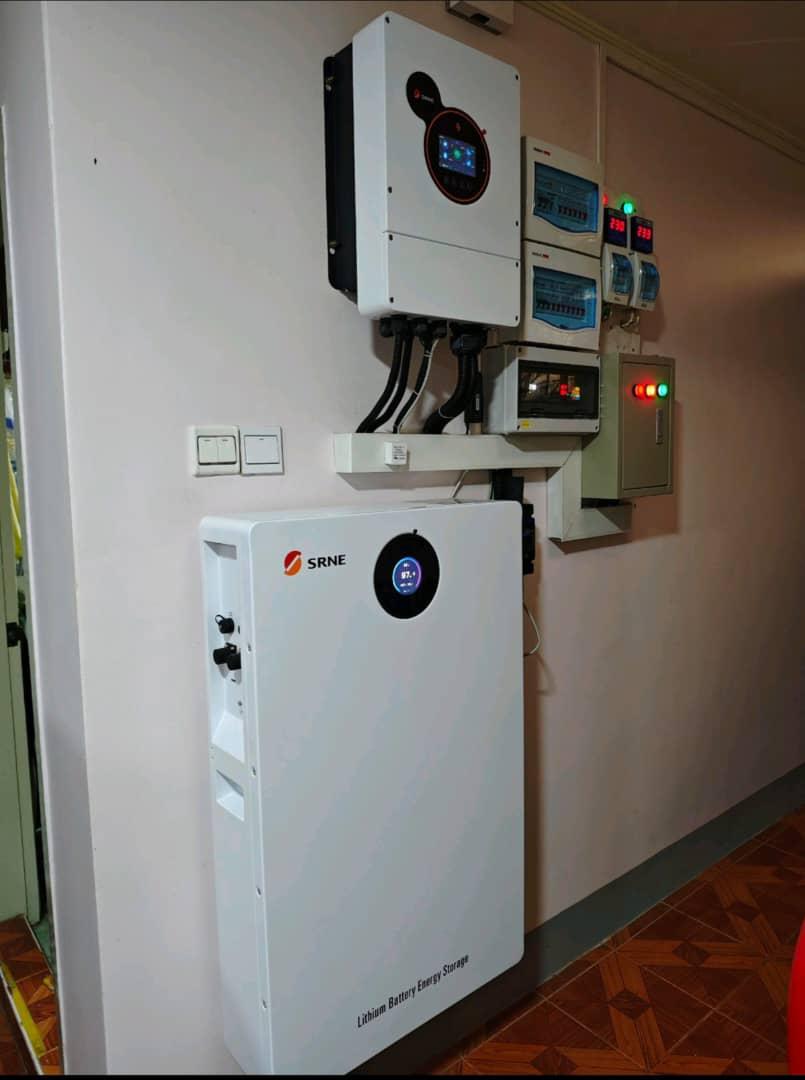
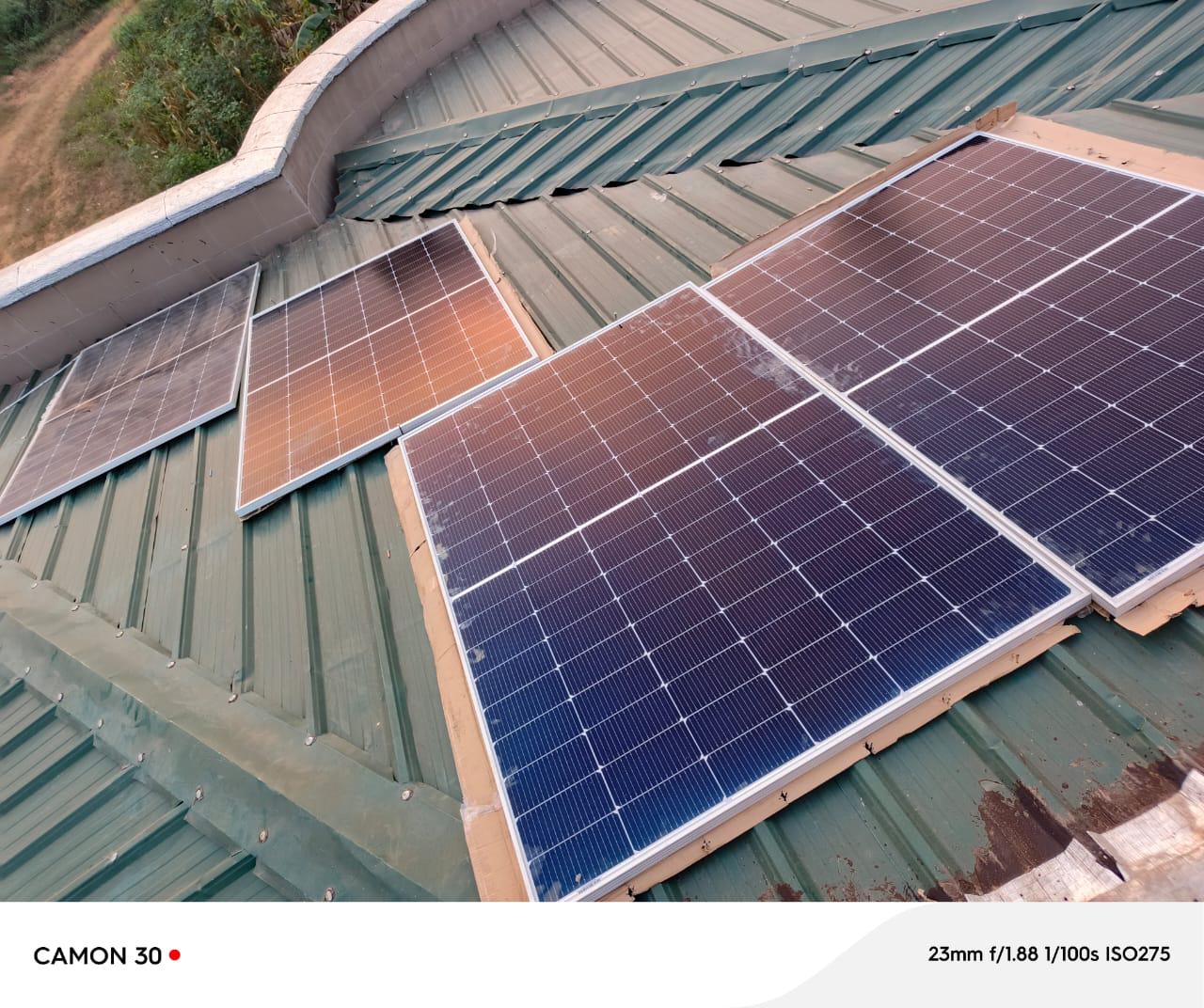
Our journey at SunWorks Africa is deeply rooted in the lived experience of energy poverty in Cameroon, even for those connected to the national grid. The pervasive 6-8 hour daily blackouts faced by civil servant households were not just an inconvenience; they represented a significant barrier to economic stability, educational attainment, and overall quality of life. This paradox – being "connected" yet constantly without power – was our primary inspiration. We envisioned a future where every household, regardless of grid reliability, could have consistent access to clean, affordable energy.
What We Learned Building this project has been a profound learning experience, revealing several critical insights:
Beyond Hardware, It's About Ecosystems: Simply providing solar panels isn't enough. True impact requires integrating technology, innovative financing, and robust partnerships with existing infrastructure (like the national utility).
The Power of Prosumers: Allowing households to sell excess energy back to the grid (the "buy-back" mechanism) transforms them from passive consumers into active participants in the energy transition, creating a powerful economic incentive. This model is revolutionary for African contexts.
Digital as an Enabler: A sophisticated digital platform is indispensable for managing distributed assets at scale, ensuring transparency, enabling remote operations, and fostering user engagement.
Local Capacity is Key: Sustainable impact hinges on building and empowering a skilled local workforce for installation, maintenance, and community engagement.
How We Built Our Project Our approach to building the SunWorks Africa Grid-Connect Home Solar Program has been multi-faceted and iterative:
Conceptualization & Feasibility: We began with extensive market research, detailed load profiling of civil servant households, and comprehensive feasibility studies to validate the technical and economic viability of 5 kWh grid-connected systems.
Forging Strategic Partnerships: This was a cornerstone. We engaged in intensive negotiations with ENEO, Cameroon's national utility, to establish the foundational energy buy-back agreement. Simultaneously, we built strong relationships with local partner banks to design and implement a consumer loan product specifically tailored for civil servants, making the systems affordable.
Developing the MySun Platform: This is our deep tech core. In collaboration with Nexinch, our software development partner, we designed and built the MySun mobile application from the ground up. The development followed an agile, MVP-first approach, focusing on:
Real-time Data Acquisition: Integrating with smart meters to capture granular data on generation, consumption, and grid interaction.
Automated Financial Reconciliation: Developing complex algorithms to accurately calculate energy buy-back credits and integrate seamlessly with ENEO's billing systems, ensuring transparent financial benefits for users.
Remote Diagnostics & O&M: Incorporating features for predictive maintenance and efficient dispatch of our installer network, minimizing downtime.
User-Centric Design: Ensuring the app is intuitive and empowers users with insights into their energy usage and financial savings.
Establishing Operational Excellence: We developed rigorous training programs for our local installer network, covering technical skills, safety protocols, and customer service. We also put in place robust operation and maintenance (O&M) protocols to ensure the long-term performance and reliability of every installed system.
Pilot Deployment: We conducted initial pilot installations to test the entire ecosystem – from financing and installation to MySun functionality and energy buy-back – gathering crucial feedback for optimization before scaling.
Challenges We Faced The journey has not been without its significant challenges, typical of pioneering deep tech solutions in emerging markets:
Regulatory & Bureaucratic Hurdles: Navigating the complex and often evolving regulatory landscape for grid-connected distributed generation in Cameroon was a major undertaking. Securing the energy buy-back agreement with ENEO required persistent advocacy and demonstrating the mutual benefits for both the utility and the consumers.
Technical Integration Complexity: Integrating the MySun platform with ENEO's existing, often legacy, billing and grid management systems presented considerable technical challenges. Ensuring real-time data flow and accurate financial reconciliation required custom API development and extensive testing.
Financial Innovation & Risk Perception: Convincing local banks to create a new consumer lending product for solar, especially one involving energy buy-back, required detailed financial modeling, risk mitigation strategies, and building strong trust. It was a novel concept for many financial institutions.
Capacity Building at Scale: Recruiting, training, and certifying a large, skilled local workforce (our target of 420+ installers in Year 1) to meet high technical and safety standards in a relatively nascent industry was a continuous effort.
Logistics & Supply Chain Management: Ensuring a consistent and cost-effective supply chain for high-quality solar components across diverse geographical regions of Cameroon, including managing customs and transportation.
Building User Trust: Introducing a new technology and a new financial model to civil servants required significant community engagement and transparent communication to build trust and encourage adoption. The MySun app's transparency features were designed specifically to address this.
Built With
- amazon-web-services-(aws)
- d3.js
- django
- flask
- google-cloud-platform-(gcp)
- gsm
- iot-platform
- lorawan
- mongodb
- node.js
- postgresql
- python
- pytorch.
- react-native
- restful-apis
- scikit-learn
- smart-meters
- tensorflow

Log in or sign up for Devpost to join the conversation.