-
-
pp2
-
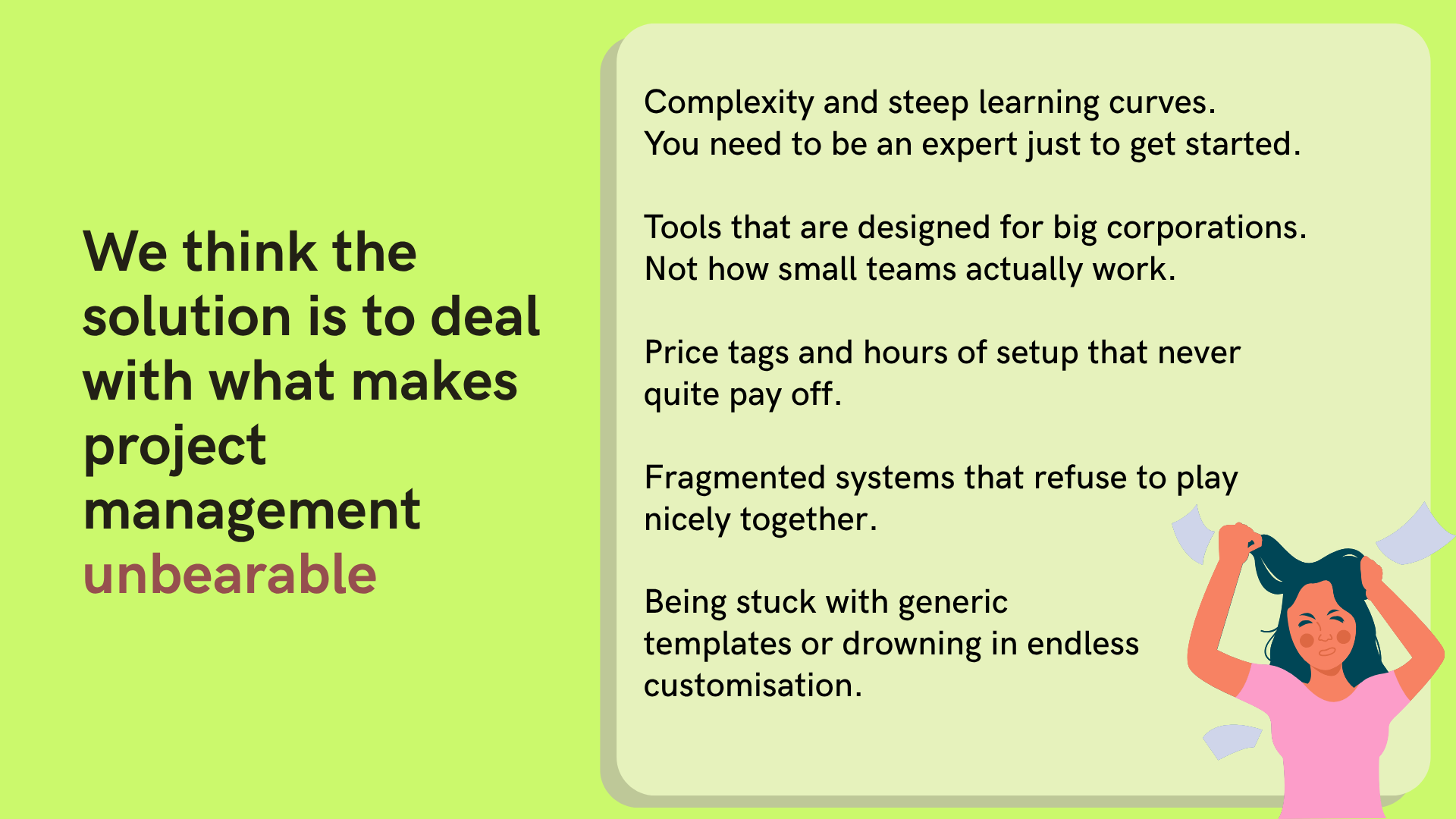
the problem pp3
-
the problem pt2 pp4
-
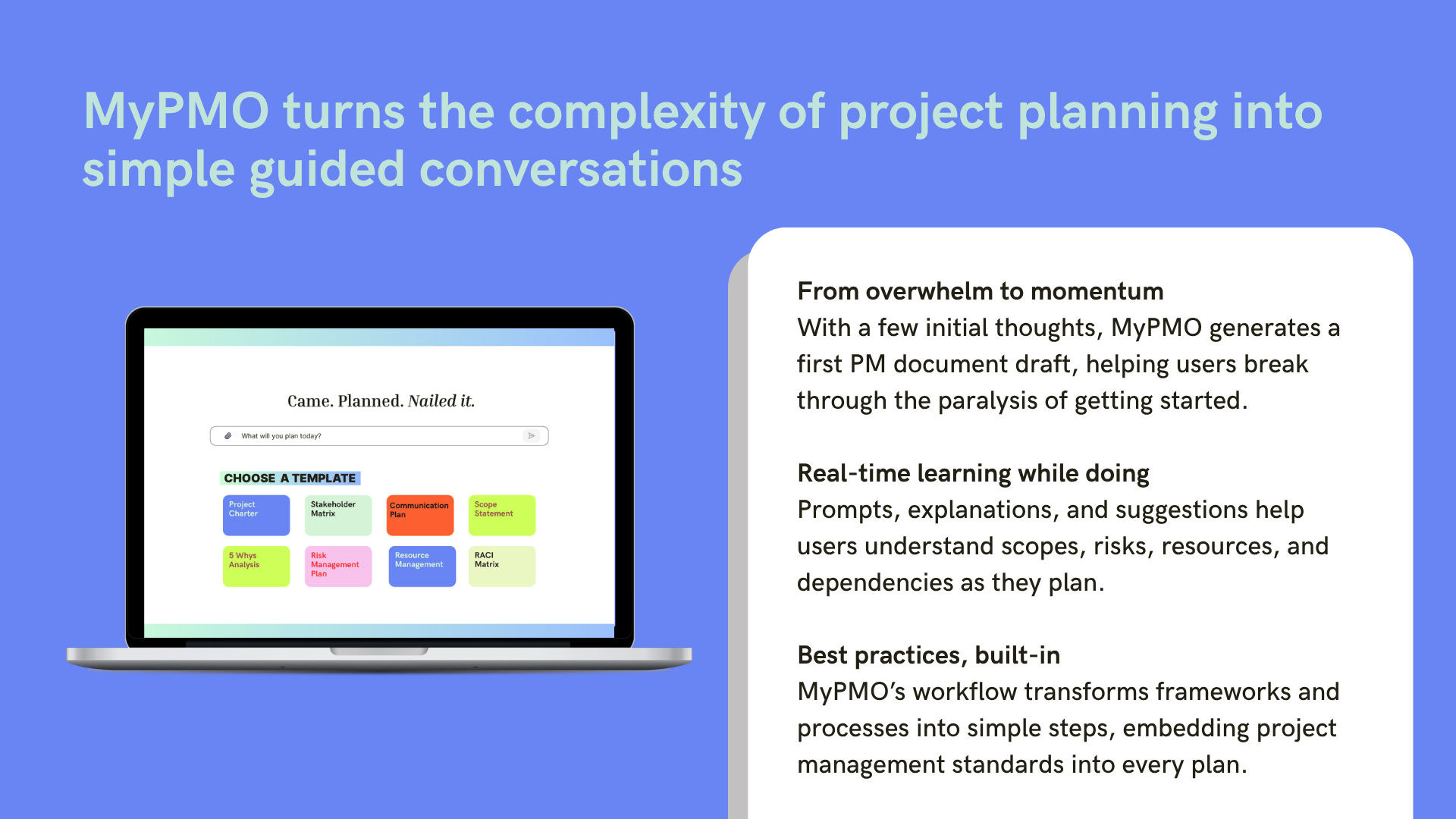
the solution pt1 pp5
-
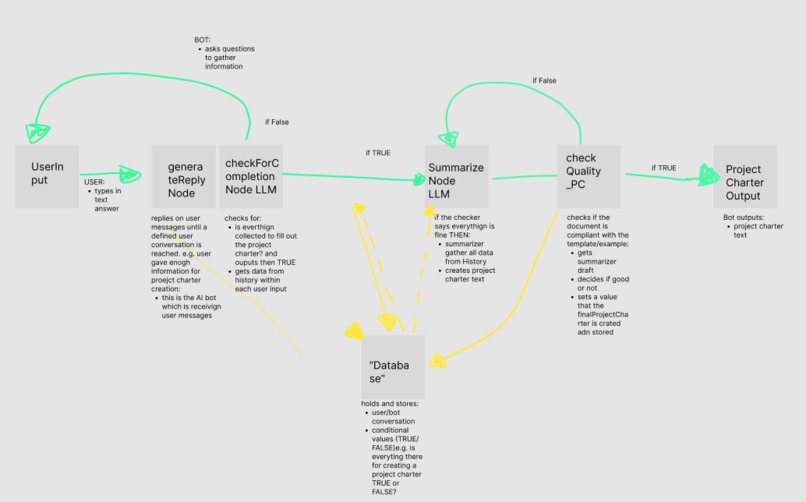
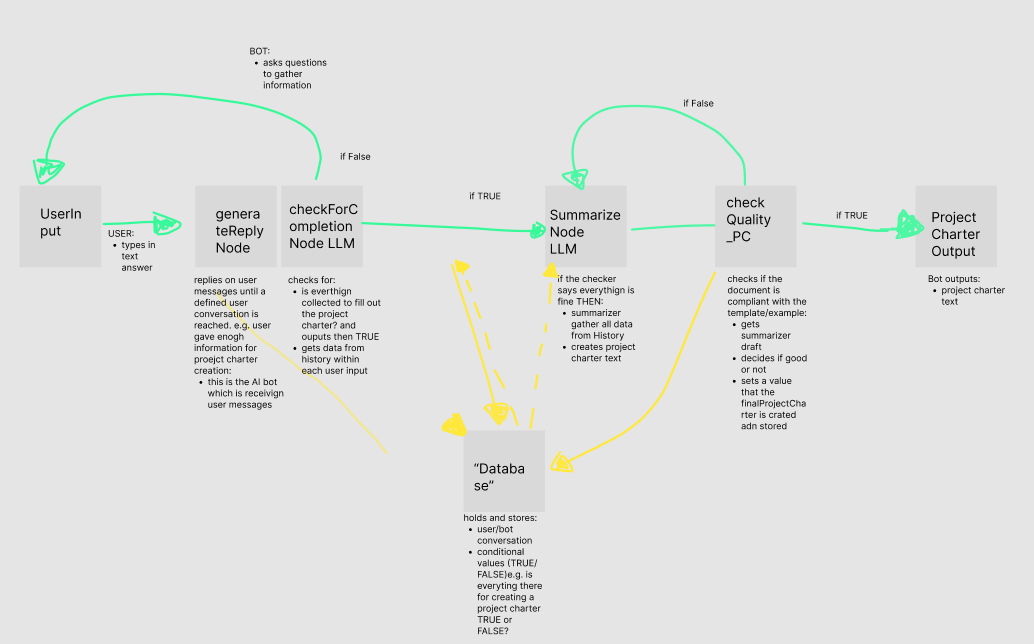
langraph logic
-
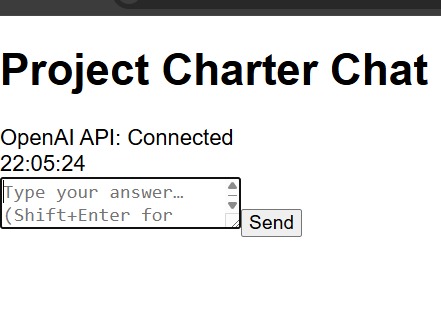
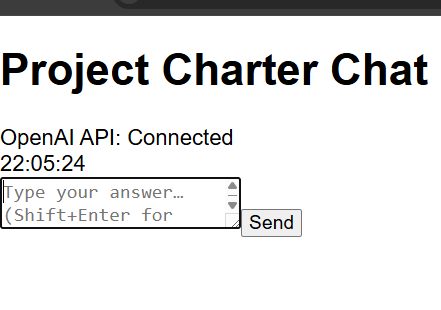
sandboxAI_forTestingFastandChaingPrompts
Team: https://www.linkedin.com/in/gabriel-luepke/ https://www.linkedin.com/in/sofia-d-torchia/
Inspiration
The inspiration for MyPMO comes from one of our team members' unconventional career path. I (Sofia) started in the arts, managing art projects for small non-for-profit organisations where passionate teams worked with limited resources and very little structure. Here I saw how the lack of project management knowledge made otherwise great ideas struggle to succeed. This led me to study project management and later work with larger organisations, where I had access to frameworks, processes and expertise which made the complexity of managing projects easier. This highlighted the gap that exists with the small and medium organisations I worked for, which were managing equally important projects but without the tools, knowledge and resources to structure them properly. MyPMO was born from a desire of bringing structured project management within reach for non-experts, with the goal is help more organisations deliver successful projects.
What it does
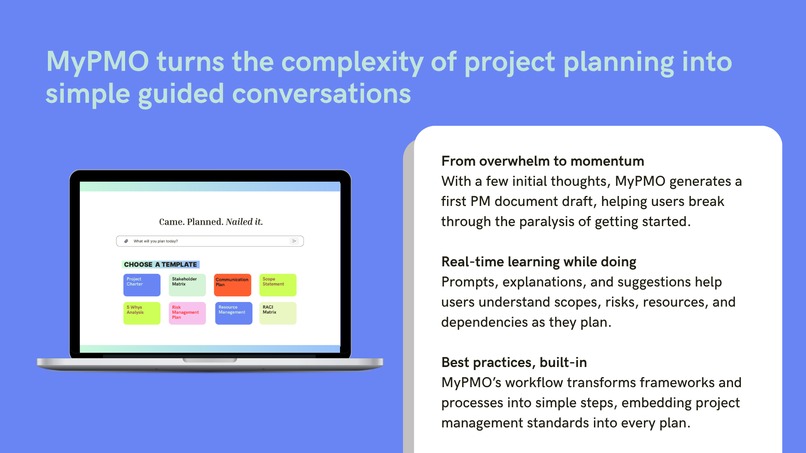
MyPMO combines templates with interactive, AI chat-based workflows that guide users step-by-step through the project planning process. Instead of expecting users to already know how to define scopes, identify risks, or allocate resources, MyPMO provides prompts, explanations, and suggestions as users build their plans. With just a small amount of initial input, the AI can generate a first draft of the project documentation. This is, in a first instance, to break through the initial overwhelm that often paralyses non-experts at the start of planning. The AI acts like a guide breaking down complex frameworks into simple, actionable steps. This allows non-experts to learn and apply best practices in real time, while planning their project. MyPMO is fundamentally a new opportunity unlocked by Generative AI: making project management accessible to anyone, regardless of expertise or resources.
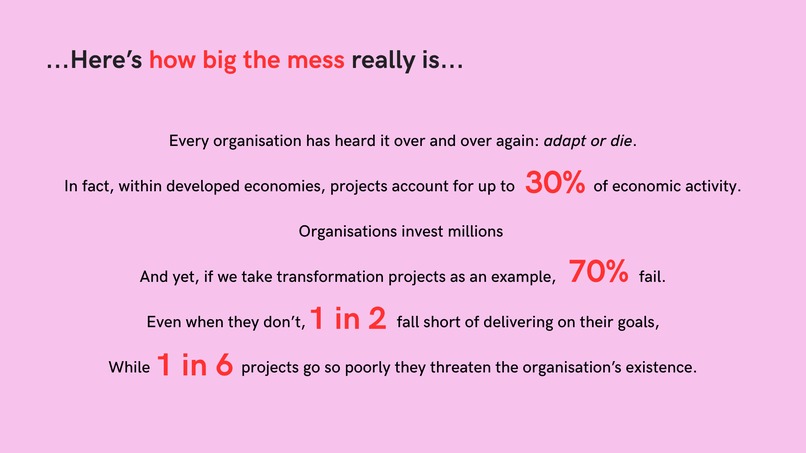
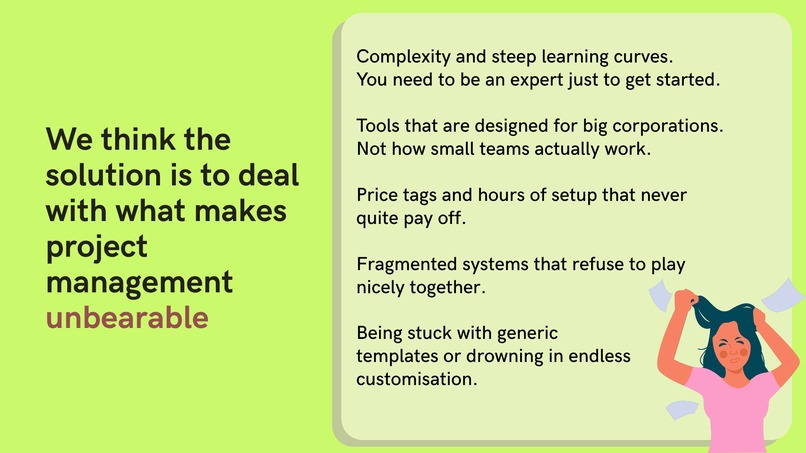
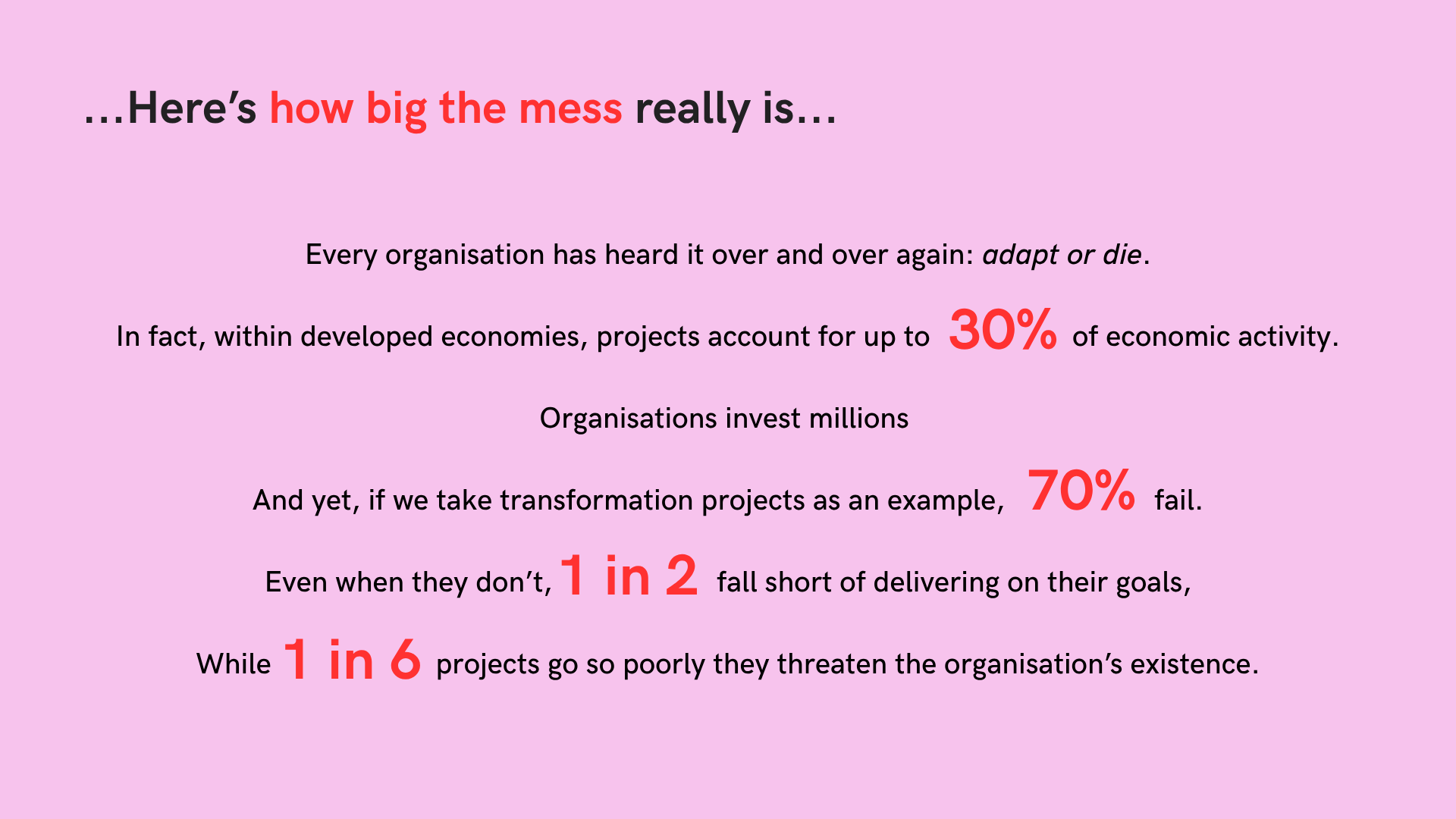
In developed countries like Germany, projects account for up to 30% of economic activities and yet over half don’t meet their objectives due to poor planning. This includes ineffective communication, scope creep, insufficient resource allocation and inadequate risk management. While many PM tools exist, they largely focus on project execution and tracking of tasks, on the assumption that users either already understand frameworks and processes or that planning will somehow take care of itself. This approach underestimates the complexity of planning, which requires structured thinking, clear frameworks and alignment, long before tasks can be assigned. It is particularly challenging for small and medium-sized businesses, where limited internal PM expertise and budgets make it difficult to apply proper planning and best practices. In contrast, large organisations treat these frameworks and internal playbooks as assets that give them a strategic edge when competing for work.
MyPMO aims to democratise these frameworks and reimagine the project management process by embedding templates with AI-guided tailoring and conversational workflows. By removing friction and actively teaching users as they plan their project, non-experts gain access to PM best practices without the high barriers of rigorous PM training or tool exercise.
How we built it
amazing workflow with bolt! when time was close we were able to split up technical parts for frontend and doubled our speed for the prototype. Based on specialized documents in created bolt. was also able to work wiht langraph.js web enviroment version extracting docs from their website etc.
Starting with scribbling ideas through bolt(Interface, UserFlow). Gone to a prototype stage with a very small langgraph.js/web and react prototype hosted on a vercel site. fast production by melting front with backend with bolt prompts in discussion mode.
The final submission has a more complex langraph.js file which checks very accuarte if no hallucinations or other artifacts are produced by the LLMs. Based on problems with async handlings in web enviroment we were exploring many problems but solved most of them. Build with Vite and Supabase integrations for user auth and database support. OpenAI API used with mini models for different agents inside of the application.
Stack: Bolt, Stackblitz, VScode,OpenAI, Langraph.js,
Challenges we faced
Web Enviroment, Prompt Eng., figuring out what are best tresholds for certain AI calls, how to handle 0 Hallucination strategy and other stuff. Glad we gathered some experience in that by our full time jobs.
JUDGES pls request acces to gdrive and canva links below.
Achievements we're proud of
We are proud of using a new platform that presented quite a few challenges in setting up to make our vision come to light. Building with Bolt in itself made it feel a lot easier to get to an MVP so that we are able to test our product.
What we learned
We didn’t start with the goal of using AI but with a focus on the core problem: making project management more accessible. We realised that generative AI offered a way to move beyond static frameworks and provide real-time support that adapts to the user. That said, we were ambitious, bolt was new to us and therefore there is more to be done. If we want to help users build skills and confidence, the AI experience needs to support learning, not just task completion. That means putting more time into designing the process to encourage active engagement and reflection. It also means finding ways to incorporate best practice knowledge without relying solely on AI to fill out templates.
What's next for MyPmo
As we continue developing MyPMO, our focus is on making it increasingly helpful across the full project lifecycle. However, the first step is working with users to refine how the platform may be used by non-PMs and understand their specific needs. Our goal is not to completely automate the planning process, but to find ways to engage and upskill users within best practices, leveraging knowledge and approaches that already exist. While AI presents an incredible opportunity to increase access to existing knowledge and data, projects by definition are unique endeavours and therefore require active human input.
Our second aim is to progressively specialise MyPMO to offer tailored guidance to the unique contexts users operate in, improving relevance and trust. As the system matures, we will explore how to incorporate project and industry-specific data and approaches to further expand its ability to support a deeper range of project complexities with greater accuracy. For this reason, our ambition is for MyPMO to stay with the project team through execution, which means providing additional value to users. This is likely to look like evolving the initial documents into living, actionable tools that help teams in their PM execution activities such as engaging stakeholders, managing risks and adapting to change.
Built With
- langchain
- langraph
- openai
- stackblitz
- supabase
- vite

Log in or sign up for Devpost to join the conversation.