-
-
-

-
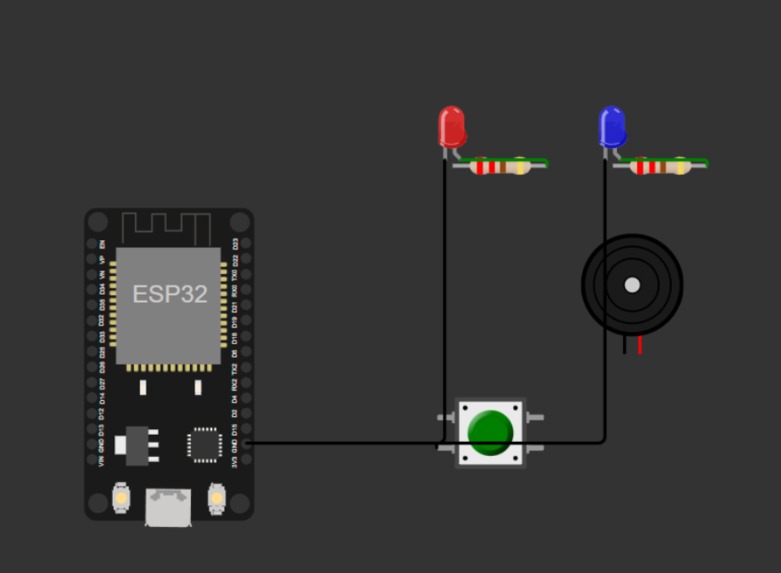
Embedded Firmware Logic Simulation Setup
-
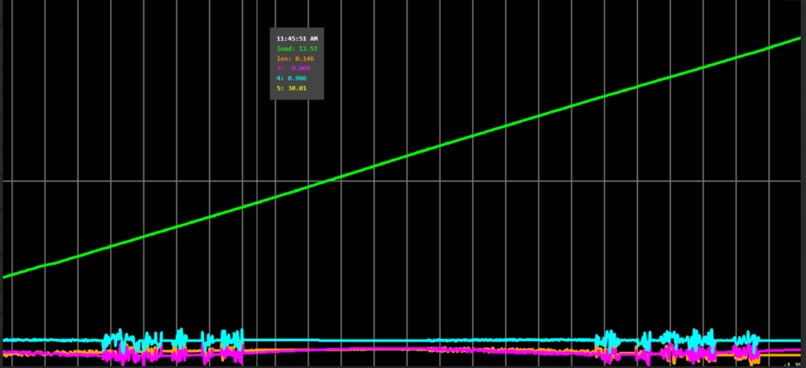
Signal Models
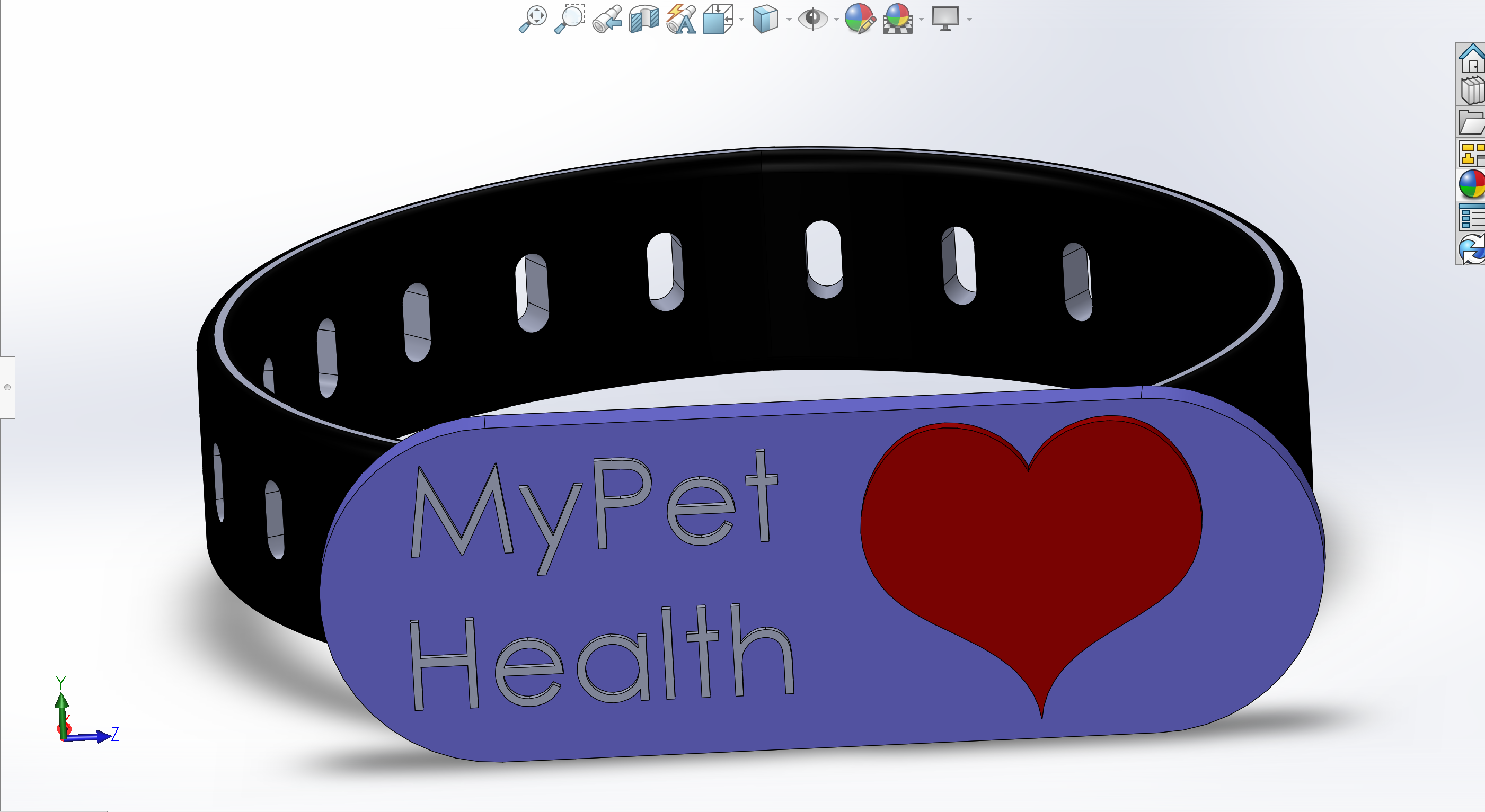
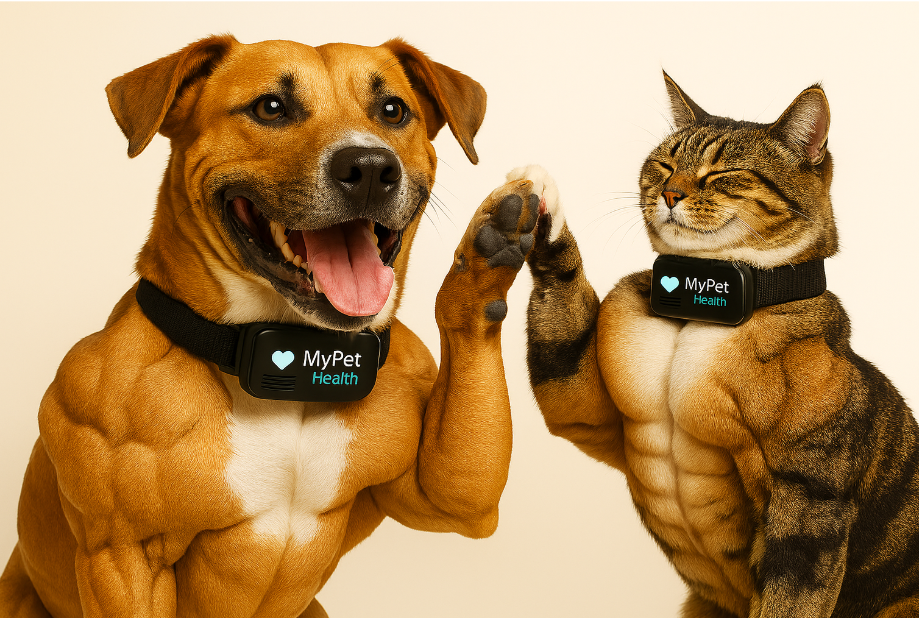
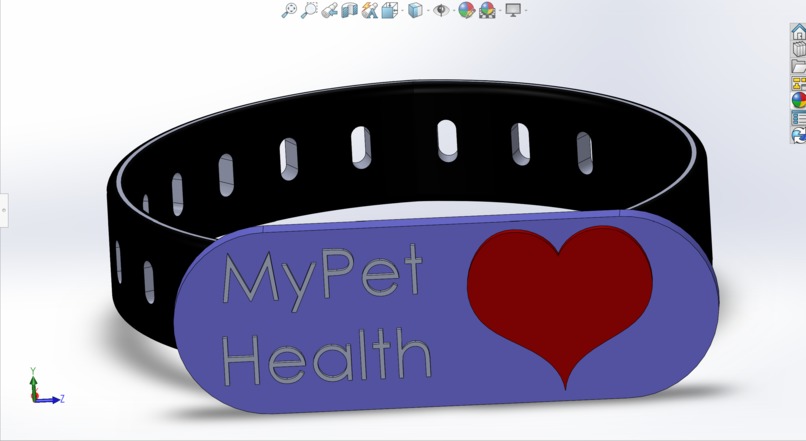
MyPet Health
HackCWRU2026
Team: Amare Brown, Connor Hood, Pamela Marrero, Yifan Xu, Efe Dogan
Our Story
Pets are family. For many of us, they are companions, stress relievers, workout partners, and a constant source of joy. But unlike humans, they cannot tell us when something feels off. Changes in activity, heart rate, temperature, or behavior often go unnoticed until they become serious.
MyPet Health was created for pet owners who want to be proactive, not reactive.
We built this product for people who love their pets deeply and want better visibility into their daily health and well-being, especially when they are not physically together. Whether it is a long day at work, a busy household, or an active outdoor lifestyle, modern pet owners need a way to stay connected and informed without guessing.
Our goal is to make pet health monitoring simple, continuous, and meaningful. By combining wearable sensor technology, real-time tracking, and intelligent data analysis, MyPet Health helps owners understand what is normal for their pet and recognize early signs when something is not.
This project started as a prototype, but it is driven by a real problem. Too many health issues in pets are discovered late, not because owners do not care, but because the data was never available. We believe that with the right tools, pet owners can make better decisions, ask better questions during vet visits, and give their pets longer, healthier lives.
MyPet Health is built for people who see their pets not just as animals, but as part of their family.
Product Description
MyPet Health is a small, lightweight device that attaches to a pet’s collar and allows owners to monitor their pet’s location in real time. The goal is to prevent pets from getting lost and to give owners peace of mind of being able to monitor their pets' health without having to pay a 300 dollar vet bill each time.

The device uses GPS to determine the pet’s location and sends that data to the owner’s smartphone through Bluetooth, cellular, or Wi-Fi connectivity. A companion mobile app displays the pet’s position on a map and can send alerts if the pet leaves a predefined “safe zone” (geofencing).

In addition to location tracking, the pet tracker can include activity monitoring, using an accelerometer to track movement, steps, or rest time. This helps owners understand their pet’s daily exercise and overall health. The device is powered by a rechargeable battery and designed to be water-resistant and durable for outdoor use.
Product Features
GPS Module
- Determines the pet’s real-time location
- Communicates coordinates to the microcontroller
- Custom aspect: mounting method and integration into enclosure
Microcontroller (MCU)
- Processes GPS data and sensor inputs
- Controls communication and power usage
- Example: Arduino Nano / ESP32
- Custom aspect: programming logic and system integration
Wireless Communication Module
- Sends location data to a phone or base station
- Cellular (long range, no owner nearby)
- Custom aspect: antenna placement and communication logic
Accelerometer / Motion Sensor
- Detects pet movement and activity levels
- Can identify abnormal inactivity or high activity
- Custom aspect: data interpretation and thresholds
Rechargeable Battery
- Lithium-ion or Li-Po battery
- Powers the system for multiple days
- Custom aspect: sizing, placement, and power budgeting
Power Management Circuit
- Voltage regulation and battery charging (USB-C or magnetic charger)
- Protects the battery from overcharging
- Custom aspect: charging interface design
Status Indicator (LED or Buzzer)
- Shows power, charging, or connection status
- Can help locate the pet at close range
- Custom aspect: user feedback design
Thermometer
- Checks the pet’s temperature
- Relays information to the owner
- Prevents overheating and feverish symptoms
Product Tests
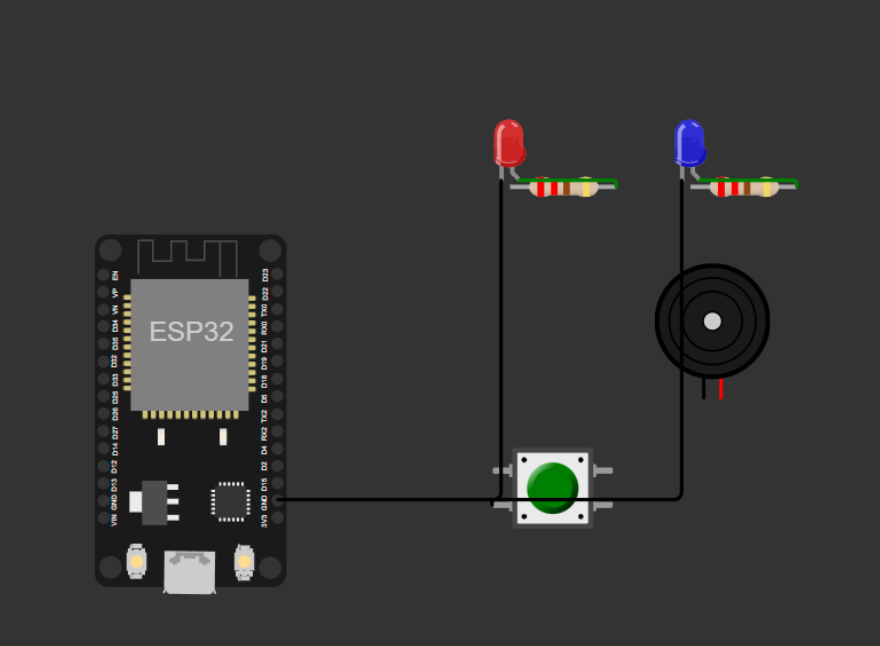
We built a simulated version of the collar firmware so we could test the full product behavior without needing physical hardware during the hackathon.
The code runs on a virtual ESP32 inside Wokwi and acts like a real collar by continuously generating sensor signals and then processing them the same way the real collar would.
What the Firmware Simulates
Pet movement (IMU / accelerometer)
The code creates realistic accelerometer motion patterns that match common pet behaviors:
- Resting (almost no movement)
- Walking (steady repeating motion)
- Running (higher intensity motion)
- Scratching (short high-frequency bursts)
It outputs simulated acceleration values (ax, ay, az) and calculates the overall motion intensity (magnitude). This is used to confirm that our detection thresholds and activity logic make sense.
Temperature The code produces a temperature signal that changes over time, and it increases temperature during more intense activity like running. It can also force an overheating scenario to test alerts.
Heart rate The code generates a heart rate value that depends on:
- pet type (cat vs dog)
- activity state
- stress conditions like overheating or leaving the safe zone
This lets us test health-related thresholds and confirm that alerts trigger correctly under realistic conditions.
GPS and geofencing The code generates a GPS path over time by slowly shifting latitude and longitude.
It continuously computes the pet’s distance from a “home” location and determines whether the pet is inside or outside a safe zone (geofence). We can also force the pet to move out of bounds to test the geofence alert.
Battery drain The code simulates battery usage that drains faster when:
- the pet is running
- the pet is outside the geofence
This lets us test battery warnings and also supports a realistic product story for power budgeting.
What the Firmware Does With Those Signals
Every loop, the firmware:
- Updates simulated sensor values at specific rates (some update fast, some update slowly, like in real embedded systems)
- Computes alerts based on the latest readings
- Turns the LED on if any alert is active
- Prints a live data stream over Serial in a structured format
- The Serial output includes:
- timestamp
- pet type (cat or dog)
- GPS position and distance from home
- motion values and motion intensity
- temperature
- heart rate
- battery percentage
- current activity state
- active alerts bitmask
How We Tested It in Visual Studio Code
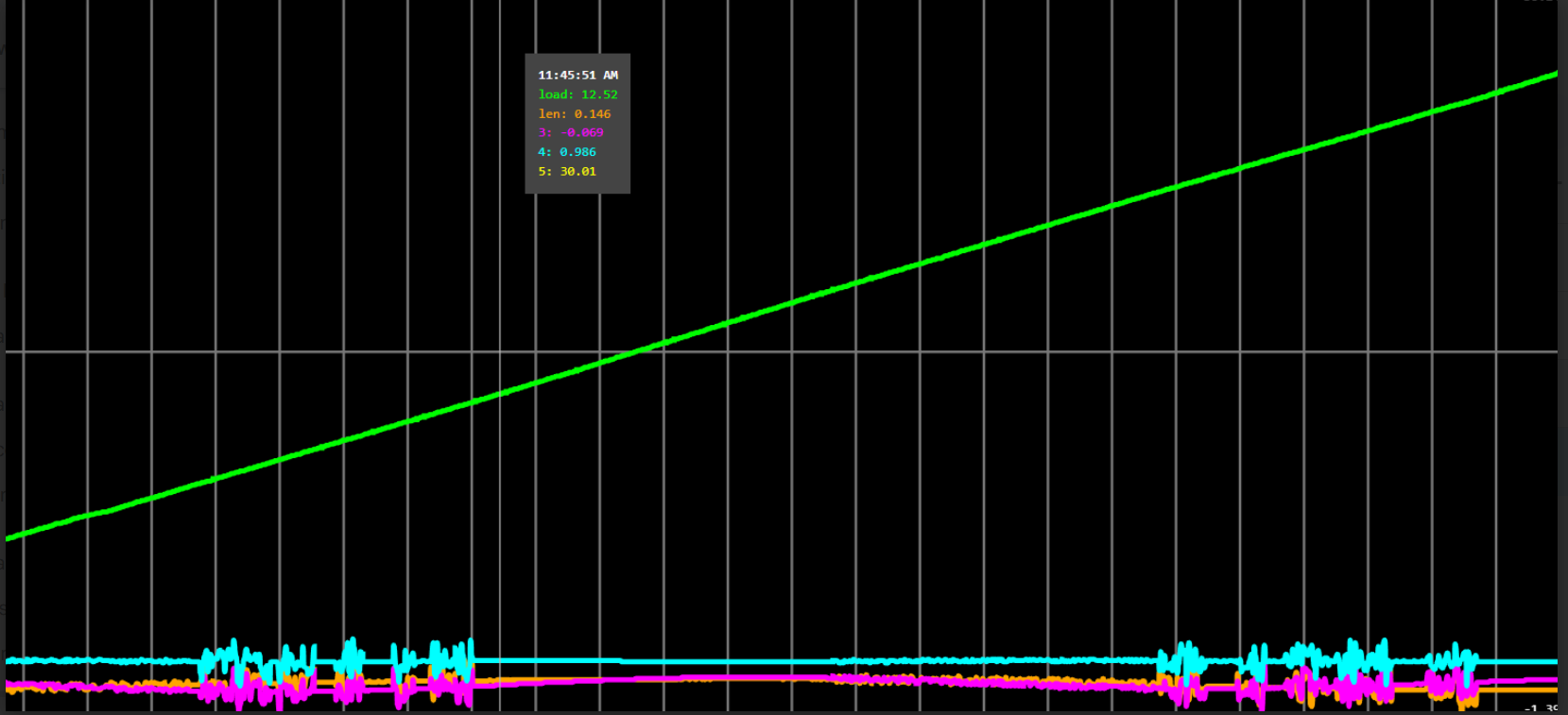
We ran the Wokwi simulation in VS Code and watched the Serial data stream update live.

This confirmed the collar firmware could:
- continuously collect signals
- process them correctly
- output consistent telemetry data
- the relevant values changed as expected (ex: temp rises during overheating)
- alerts activated correctly
- the LED indicator turned on when alerts were active
- the Serial output reflected the new state immediately

The output from the simulation becomes proof that the collar logic works end-to-end because:
- it generates realistic signals
- processes them the same way real sensors would be processed
- produces alert states and metrics that match our product requirements
- can be connected to a UI later using the same data schema
MyPet Health Website
Disclaimer: This website is just for demo purposes created with Lovable. It is not the potential final product however, it does contain our product's key features that we want our customers to view and experience. It reviews animal medicine journals to give customized advice based on the pet's health and activity patterns.
- Website Link https://mypethealth.lovable.app
Built With
- c++
- chatgpt
- copilot
- lovable
- platformio
- vscode
- wokwi

Log in or sign up for Devpost to join the conversation.